Welcome to Mérida and Chichén Itzá
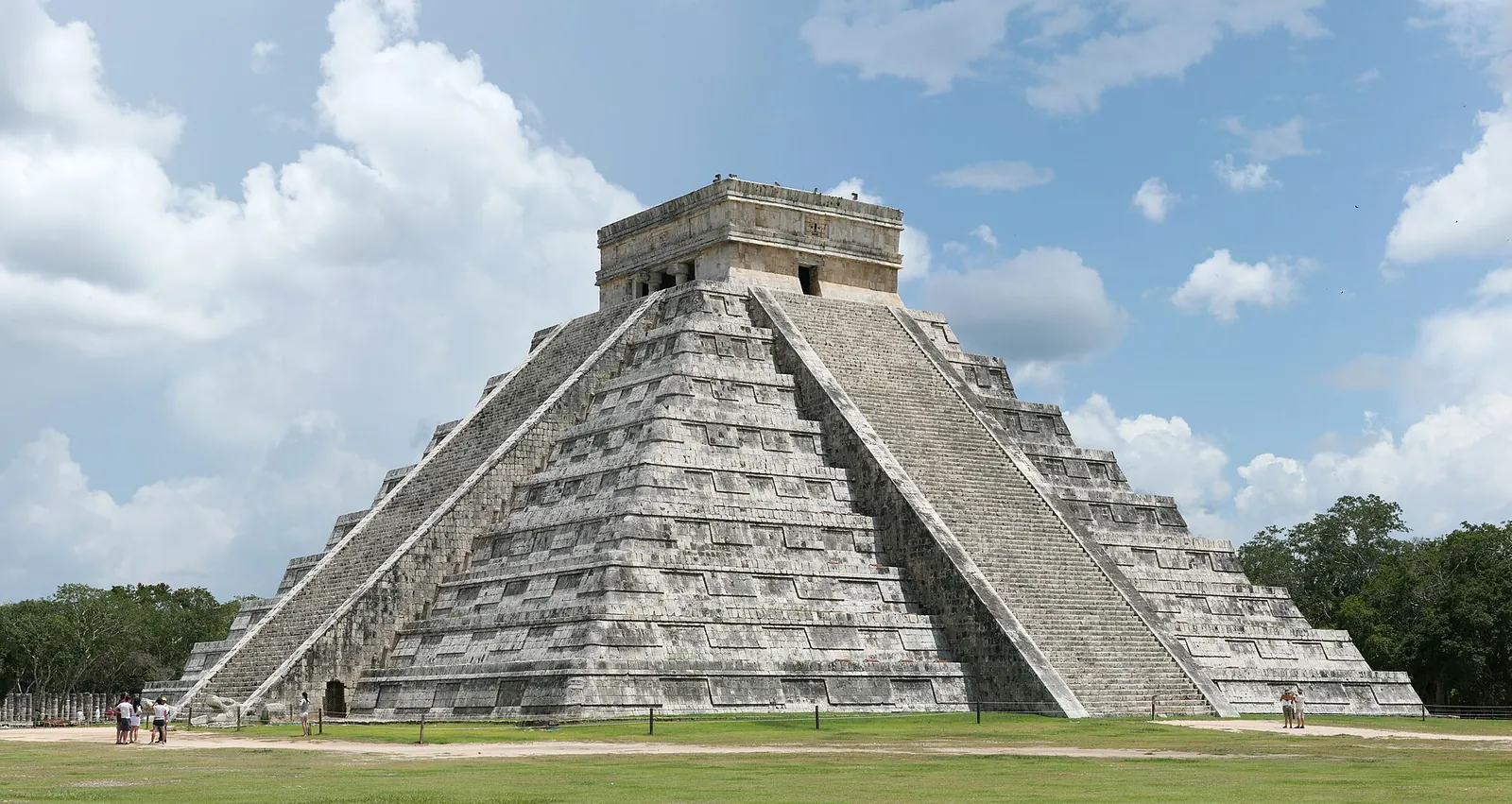
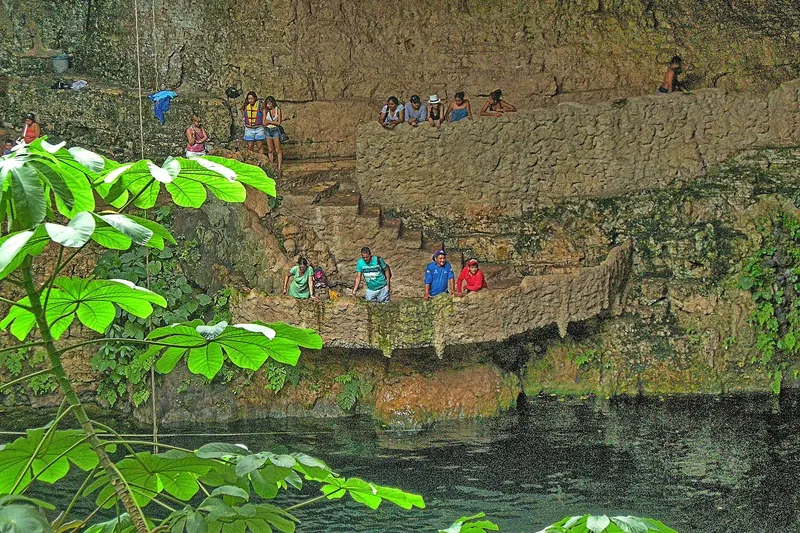
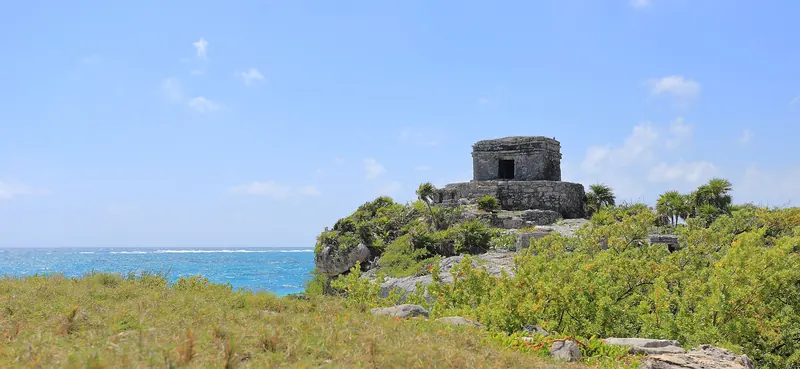
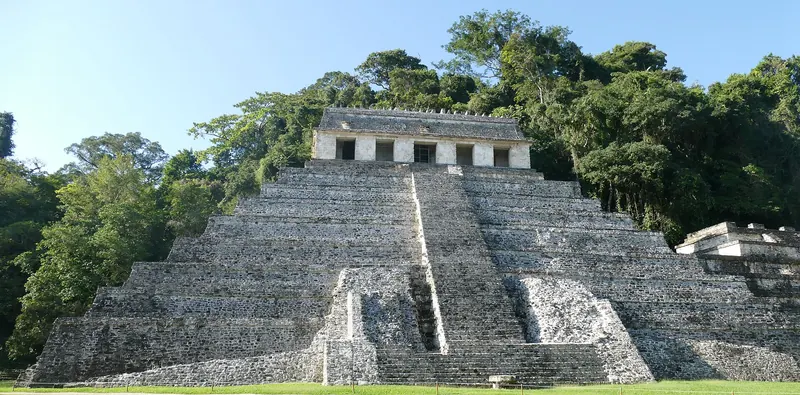
The Yucatán Peninsula is a flat limestone plain without rivers, where the ancient Maya built cities around natural sinkholes called cenotes, which supplied their water. Chichén Itzá, the most famous, flourished from about 800 to 1200 CE, and its pyramid, El Castillo, is aligned so that at the equinoxes the shadow of a serpent appears to slither down its staircase. It is one of the New Seven Wonders of the World and a UNESCO site.
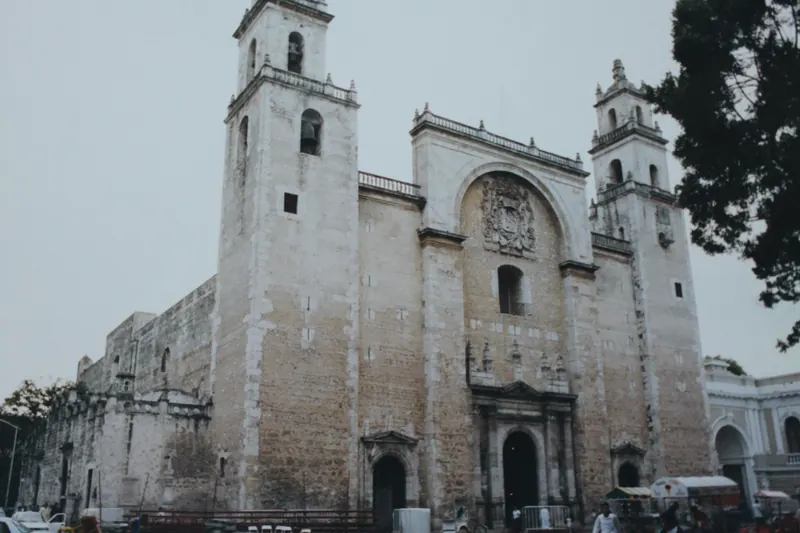
Mérida, the state capital, was founded by the Spanish in 1542 on the site of a Maya city, and it is the cultural centre of the peninsula: a city of pastel colonial houses, plazas, a large cathedral built from Maya temple stones, and the grand mansions of the henequen boom on Paseo de Montejo. It is warm, safe and relaxed, and the best food base in Yucatán.
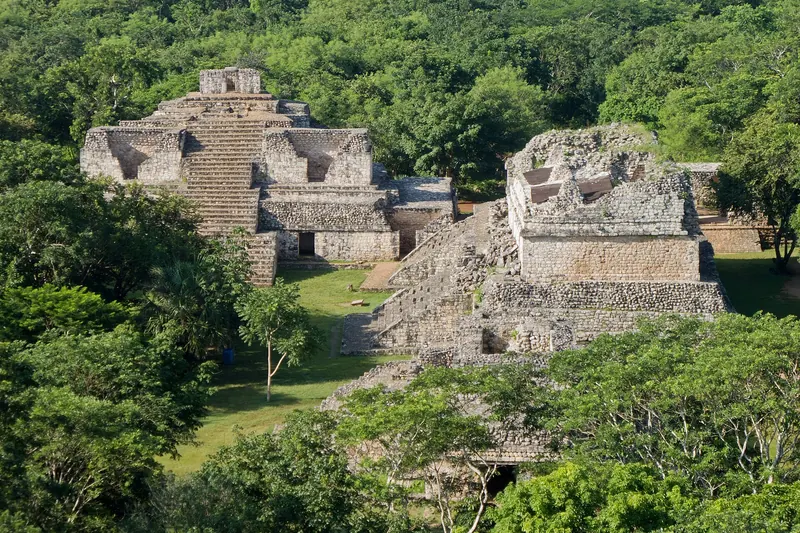
The region between them is rich in sights. Uxmal, south of Mérida, is a masterpiece of Puuc-style architecture. Valladolid is a colourful colonial town with a cenote in its centre, and Ek Balam has a climbable pyramid with a well-preserved stucco facade. Together, they make an easy loop of three or four days.
- UNESCO Site
- Archaeology
- Historic Site