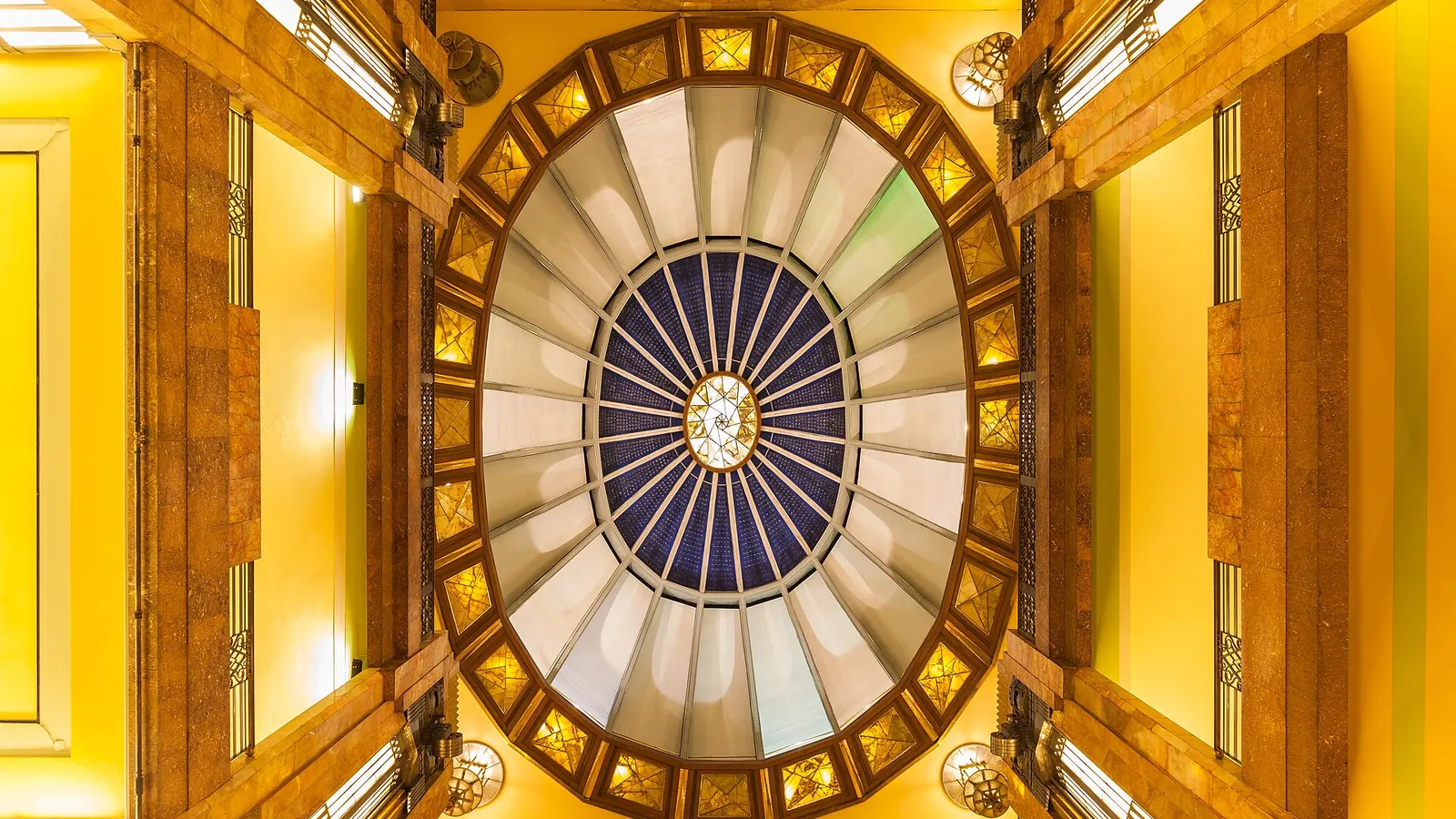
The white marble Palacio de Bellas Artes in the centre of Mexico City

Ciudad de México, central Mexico · Mexico

Mexico City

An enormous high-altitude capital built on an Aztec island city, with world-class museums, Diego Rivera murals, floating gardens and some of the best food on Earth.

  • Best time March–May and October–November
  • Stay 4 days
  • Good for Food, museums, art, architecture, a base for day trips

Photo: Diego Delso · CC BY-SA 3.0

Welcome to Mexico City

Mexico City stands on the site of Tenochtitlán, the Aztec capital that Hernán Cortés reached in 1519 and largely destroyed two years later. The Spaniards built their capital on top, draining the lake it stood on, so that today the Templo Mayor's excavated ruins lie a few steps from the largest cathedral in the Americas. The city has about 22 million people in its metropolitan area, at an altitude of 2,240 metres.

It is a city of neighbourhoods rather than a single centre. The historic centre has palaces, murals and the Zócalo, one of the biggest public squares in the world. Roma and Condesa have Art Nouveau mansions, tree-lined streets, cafés and galleries; Coyoacán is a village-like district with Frida Kahlo's house; Polanco has the grand museums and restaurants; and Xochimilco has canals and painted boats.

It is also one of the world's great food cities. From the tacos al pastor stands of every corner to the tasting menus of Pujol, from the markets of La Merced to the coffee culture of Roma, eating is the organising principle of any visit. Mexico City rewards a long stay, and no short trip covers it all.

  • Capital City
  • Major City
  • UNESCO Site

Why visit

Why visit Mexico City?

Mexico City is the cultural heart of Mexico and one of the most stimulating cities in the world.

  • Museums of the first rank

    The National Museum of Anthropology, the Museo Soumaya, the Frida Kahlo Museum and the Palacio de Bellas Artes are only a start.

  • Layers of history

    Aztec temples, Spanish baroque churches, Art Nouveau mansions and modernist towers share the same blocks.

  • Murals

    Diego Rivera, David Alfaro Siqueiros and José Clemente Orozco painted the story of Mexico across the walls of public buildings.

  • The food

    Street tacos, tamales, mole, seafood, and one of the best restaurant scenes in Latin America.

  • A base for day trips

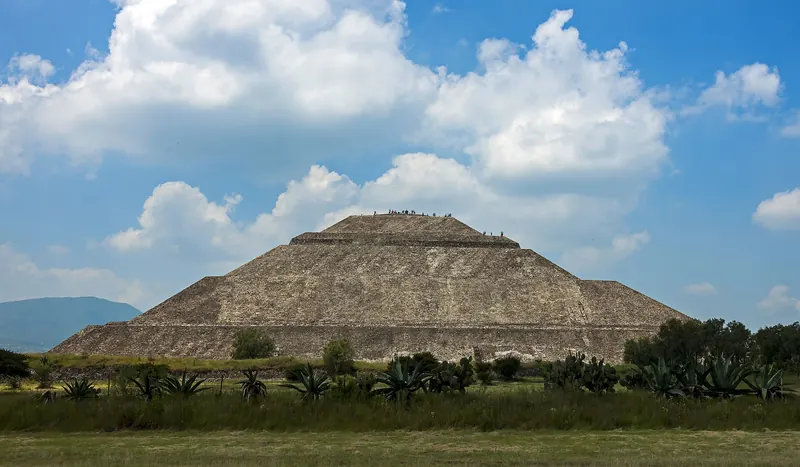
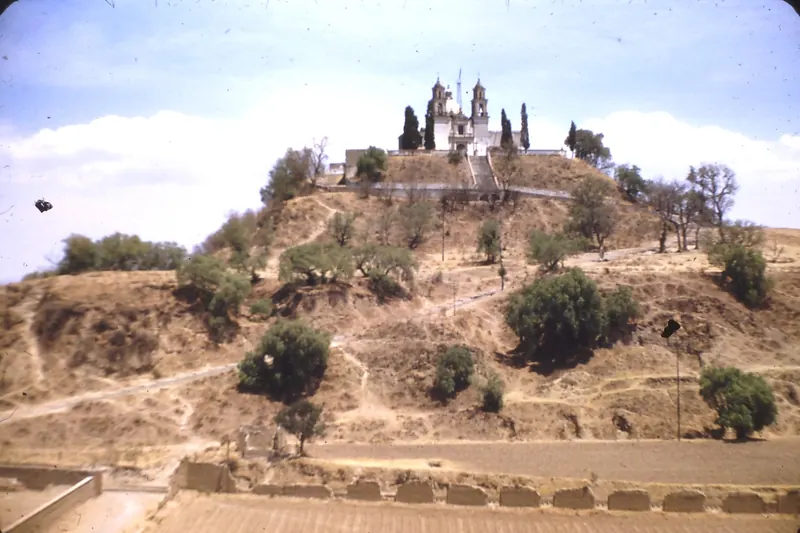
    Teotihuacán, Puebla, Cholula and Tepoztlán are all within two hours.

Main attractions

Top things to see in Mexico City

The historic centre can be seen in a day on foot, and the museums and neighbourhoods need two or three more.

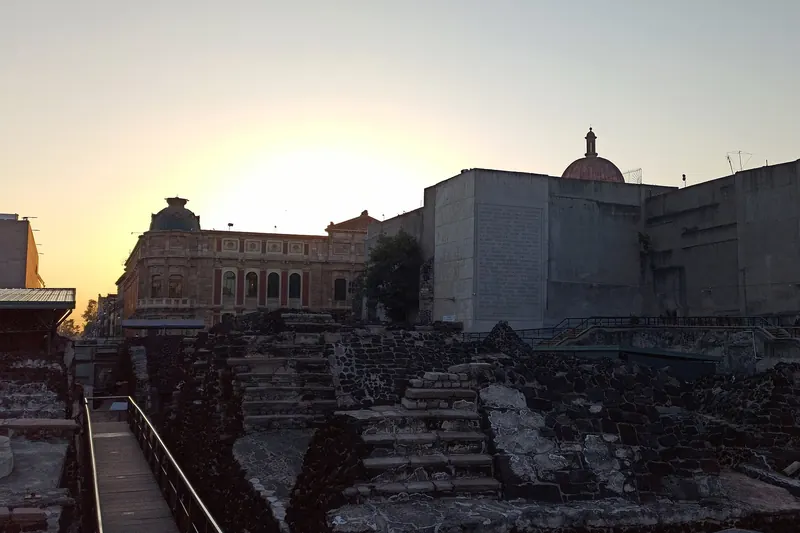
  1. The excavated ruins of the Aztec Templo Mayor in the historic centre of Mexico City

    The Zócalo, the Cathedral and the Templo Mayor

    The vast main square is flanked by the Metropolitan Cathedral and the National Palace. Beside them are the excavated ruins of the Templo Mayor, the Aztecs' main temple, and a museum of finds.

    Tip See the Diego Rivera murals in the National Palace's courtyard, which are free with ID.

  2. The National Museum of Anthropology

    Perhaps the greatest museum in Latin America, in Chapultepec Park, with the Aztec Sun Stone, Maya jade masks and reconstructions of ancient tombs.

    Tip Allow at least four hours and start with the Aztec and Maya halls.

  3. The Palacio de Bellas Artes

    An Art Nouveau and Art Deco marble opera house with murals by Rivera, Orozco and Siqueiros inside, and a stained-glass ceiling.

    Tip Visit the murals on the upper floors.

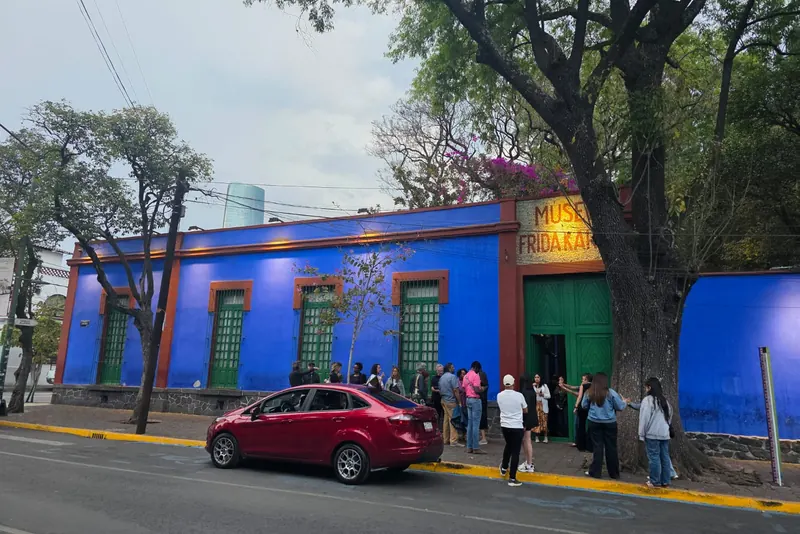
  4. The cobalt-blue walls of La Casa Azul, the Frida Kahlo Museum, in Coyoacán

    Coyoacán and the Frida Kahlo Museum

    A cobbled, leafy district with markets and cafés. The blue house where Frida Kahlo was born and lived is now a museum of her paintings, clothes and belongings.

    Tip Book Casa Azul tickets online, days ahead.

  5. Roma and Condesa

    Two neighbouring districts of Art Nouveau mansions, parks, bookshops, cafés and restaurants, and the centre of the city's modern food and design scene.

    Tip Walk Avenida Amsterdam and the Parque México in the afternoon.

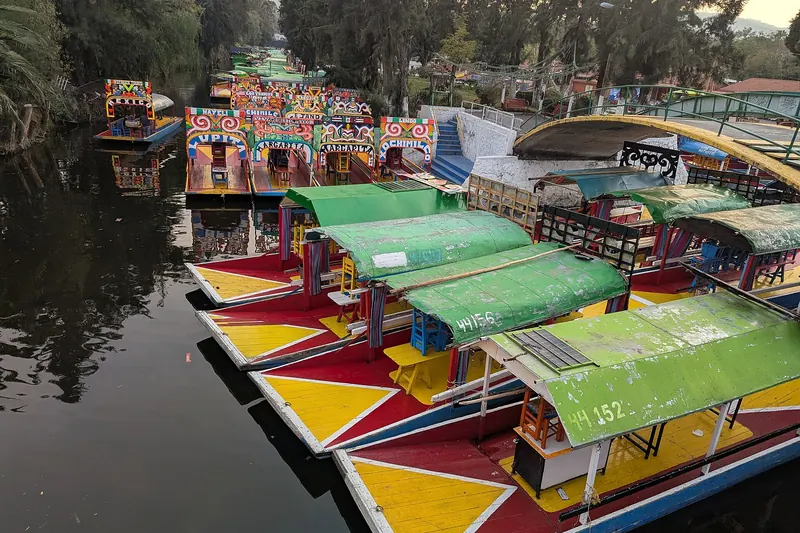
  6. Colourful trajinera boats on the canals of Xochimilco

    Xochimilco

    The surviving canals and floating gardens of the Aztec lake system, plied by brightly painted trajinera boats with mariachi bands and food.

    Tip Go on a weekday and agree the hourly price first.

  7. Chapultepec Castle

    A hilltop castle in the city's largest park, once home to an emperor and the presidents of Mexico, now the National History Museum with views over the city.

    Tip Combine with the Anthropology Museum.

Things to do

Best things to do in Mexico City

Mexico City is built for wandering, eating and staying up late.

  1. Eat tacos at night

    Taquerías stay open late and are the city's social heart. Try al pastor, suadero, campechano and tripe.

    Tip Pick a busy stand, and order two at a time.

  2. Spend a day in the museums

    Chapultepec has the Anthropology Museum, the Modern Art Museum and the castle in one park.

    Tip Most museums close on Mondays.

  3. Take a food tour

    Guides take you through markets and streets, explaining ingredients and dishes.

    Tip Go hungry.

  4. Ride a trajinera at Xochimilco

    A slow boat trip with music and food, popular with families and groups on weekends.

    Tip Bring your own drinks and snacks, or buy from passing boats.

  5. Go to a lucha libre match

    Masked wrestling at Arena México or Arena Coliseo is a raucous, theatrical evening.

    Tip Buy tickets in advance.

  6. Visit a mercado

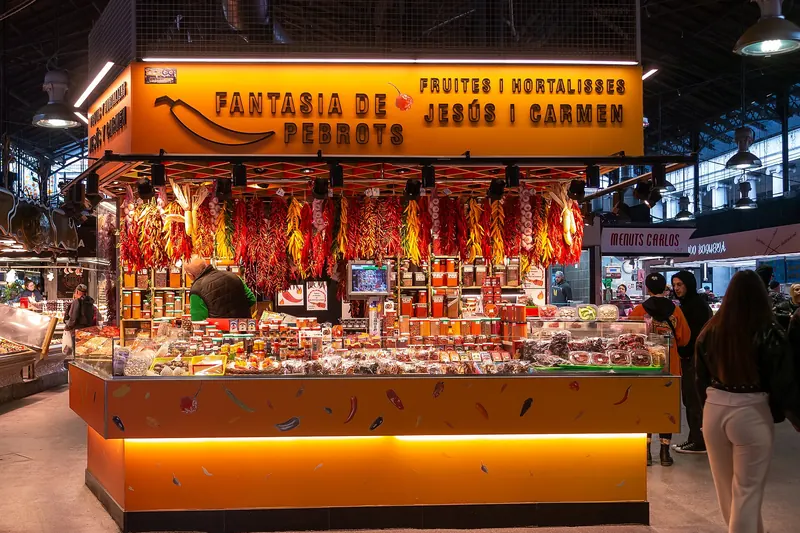
    Mercado de San Juan, La Merced and Coyoacán's market sell ingredients, prepared food and crafts.

    Tip Go before noon for the best food.

Local food

What to eat in Mexico City

Mexico City's food is a cross-section of the country, with regional dishes from every state as well as its own street classics.

  • Tacos al pastor

    Marinated pork shaved from a spit into small tortillas with pineapple, onion and coriander.

    Where to try it Taquerías all over the city, particularly in Condesa and the centre.

  • Tamales and atole

    Steamed corn dough wrapped in corn husks, filled with pork, chicken or sweet fillings, served with hot corn drink for breakfast.

    Where to try it Street carts near metro stations in the morning.

  • Tlacoyos and quesadillas

    Oval masa cakes filled with beans or cheese and topped with nopales, and folded tortillas with fillings like huitlacoche and squash flowers.

    Where to try it Markets and street stalls.

  • Pozole and birria

    Hominy soup and spiced meat stew, served with garnishes and lime.

    Where to try it Fondas and family restaurants.

  • Chocolate and churros

    Thick hot chocolate and fried dough, served in old cafés such as the Churrería El Moro.

    Where to try it Churrerías in the centre.

  • Mezcal and pulque

    Mezcal bars are everywhere, and pulque, a fermented agave drink, is served in traditional pulquerías.

    Where to try it Bars in Roma, Condesa and the centre.

Accommodation

Where to stay in Mexico City

Choose Roma or Condesa for walkability and restaurants, the historic centre for sights, or Polanco for luxury.

  • Roma and Condesa

    Boutique hotels and apartments on tree-lined streets, with the best food and bars in the city.

    Best for: Restaurants, cafés and walking

  • The historic centre

    Historic hotels close to the Zócalo and the Bellas Artes. Busy by day and quiet at night.

    Best for: Sights and atmosphere

  • Polanco

    Upscale hotels and restaurants next to Chapultepec Park.

    Best for: Luxury and museums

What a night costs

Hostel or budget hotel
US$25–60 per night
Mid-range hotel
US$80–170 per night
Luxury hotel
US$220–500 per night
Street tacos
US$1–2 each

Transport

Getting to and around Mexico City

Mexico City is the country's main hub, with flights from around the world.

Getting there

  • Benito Juárez International Airport (MEX)

    About 13 km from the centre, with metro, taxi and ride-hailing links. Book a registered airport taxi or use Uber.

    Allow 30–60 minutes to the centre, longer at rush hour.

  • Bus

    Long-distance buses arrive at four terminals: TAPO (east), Norte, Sur and Poniente. Puebla is two hours, Oaxaca six or seven, and Guanajuato about five.

    Buy tickets online and check which terminal.

  • Flight

    Direct flights connect to almost every city in the country.

    Book early for low fares.

Getting around

The metro is fast and cheap, but crowded at rush hour. Ride-hailing is convenient and safe.

  • Metro and Metrobús

    Cheap and extensive, though crowded in peak hours. Women can use women-only carriages at the front.

    Watch your belongings, and avoid rush hour with luggage.

  • Uber and taxis

    Uber is inexpensive and widely used. Use registered taxis (sitios) rather than street taxis.

    Check the licence plate matches the app.

  • Walking

    Roma, Condesa, the centre and Coyoacán are walkable. Take care crossing roads.

    Watch for uneven pavements.

When to go

Best time to visit Mexico City

At 2,240 m, Mexico City has a mild climate all year, with a rainy season from June to September. Spring and autumn are the most pleasant.

  • Spring (March–May)

    Best time

    Warm, sunny days, jacaranda blossom in March and April, and little rain.

  • Summer (June–September)

    Shoulder

    Afternoon thunderstorms most days, but mornings are often clear. Green and cheaper.

  • Autumn (October–November)

    Best time

    Clear skies and mild weather. Día de Muertos is the highlight.

  • Winter (December–February)

    Best time

    Dry, sunny and cool at night. Some of the clearest days of the year.

Worth planning around: Semana Santa, when many locals leave and some places close, and rush hour any time of year.

Itinerary

Three days in Mexico City

The historic centre on the first day, museums and Coyoacán on the second, Roma and Xochimilco on the third.

  1. Day1

    The historic centre

    Aztec and colonial Mexico.

    • Morning The Zócalo, the Cathedral and the Templo Mayor.
    • Afternoon The National Palace murals and the Palacio de Bellas Artes.
    • Evening Dinner and mezcal in the centre.
  2. Day2

    Museums and Coyoacán

    Art and history.

    • Morning The National Museum of Anthropology.
    • Afternoon Coyoacán and the Frida Kahlo Museum.
    • Evening Tacos and a stroll.
  3. Day3

    Roma and Xochimilco

    Neighbourhoods and canals.

    • Morning Xochimilco by trajinera.
    • Afternoon Roma and Condesa's cafés and shops.
    • Evening A long dinner in Roma.

Travel tips

Mexico City travel tips

Mexico City is big and intense, and a few habits help.

  • Take it easy on your first day. The altitude of 2,240 m can cause headaches and tiredness.
  • Use Uber or licensed taxis. Street taxis are less safe.
  • Book Casa Azul and popular restaurants ahead.
  • Keep your phone and valuables out of sight, particularly on the metro and in crowds.
  • Drink bottled water, and eat at busy stalls.
  • Most museums close on Mondays.
  • Avoid unlit streets and unfamiliar neighbourhoods at night.
  • Carry small bills and coins for tips and street food.

FAQ

Mexico City: frequently asked questions

How many days do you need in Mexico City?

Four is comfortable for the centre, the museums and two neighbourhoods. A week lets you add day trips to Teotihuacán, Puebla or Tepoztlán.

Is Mexico City safe for tourists?

The main tourist areas, including the centre, Roma, Condesa, Coyoacán and Polanco, are visited by millions of tourists safely. Petty theft is the main risk. Use ride-hailing, avoid displaying valuables and check your government's advice.

What is the best area to stay in?

Roma or Condesa for cafés and restaurants, the historic centre for sights, or Polanco for upscale hotels.

Does the altitude matter?

Yes. At 2,240 metres, visitors often feel breathless or tired on the first day. Drink water, go slowly and limit alcohol at first.

What is the best time to visit Mexico City?

March to May and October to November, when the weather is mild and dry. Summer afternoons bring rain.

Can I drink the tap water?

No. Drink bottled or purified water. Restaurants use purified water for ice and cooking.

Read next

Related travel articles

Food

A Country-by-Country Food Primer

Eating well abroad is mostly a matter of knowing when meals happen, how the menu is structured and which dish belongs to the place you are standing in. This covers all three for the five countries in this guide, plus the signals that separate a restaurant that feeds locals from one that feeds coaches.

Practical

Packing by Season and Trip Type

Most packing advice is a list of things. This is the opposite: the small number of decisions that determine whether your luggage helps or hinders, organised by the kind of trip you are actually taking.

Advertisement