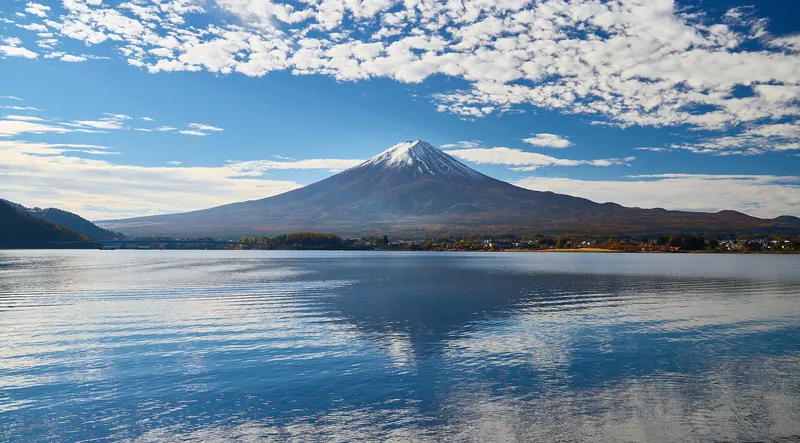
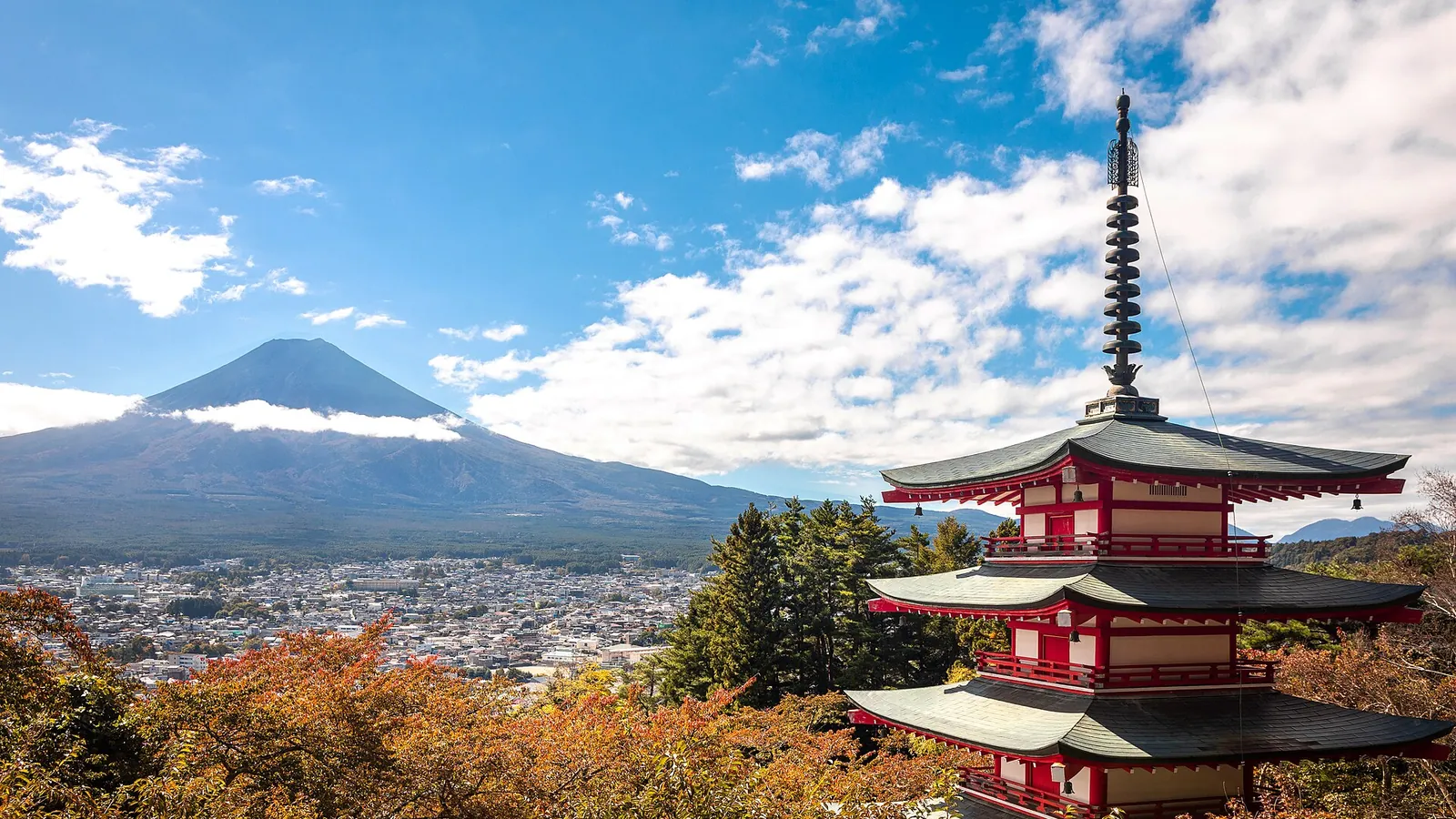
Mount Fuji rising above a traditional pagoda in autumn

Japan · Travel guide

The Complete Japan Travel Guide

How the regions divide, why the shinkansen rewards planning, and what a fortnight can honestly cover.

  • Reading time 15 min read
  • Covers 10 destinations
  • Updated 2026

Photo: Supanut Arunoprayote · CC BY 4.0

Japan packs ultra-modern cities, centuries-old temples, volcanic mountains and subtropical islands into a country the shinkansen network makes easy to combine. This guide covers how the regions differ, when a JR Pass actually pays for itself, what the seasons really mean from cherry blossoms to autumn foliage, and the practicalities — cash culture and etiquette — that catch first-time visitors out most often.

How Japan divides

Japan stretches over 3,000 kilometres from subtropical Okinawa to snowbound Hokkaido, and treating it as a single climate or single culture is the most common mistake first-time visitors make in planning.

Tokyo and the east. Tokyo itself, a genuine world city of dense neighbourhoods and technological energy, and Nikko, an easy mountain day trip of elaborate shrines and forest.

Kansai and the historic heartland. Kyoto for temples, geisha districts and imperial history, Osaka and Nara for street food and Japan's first permanent capital's deer park and temples.

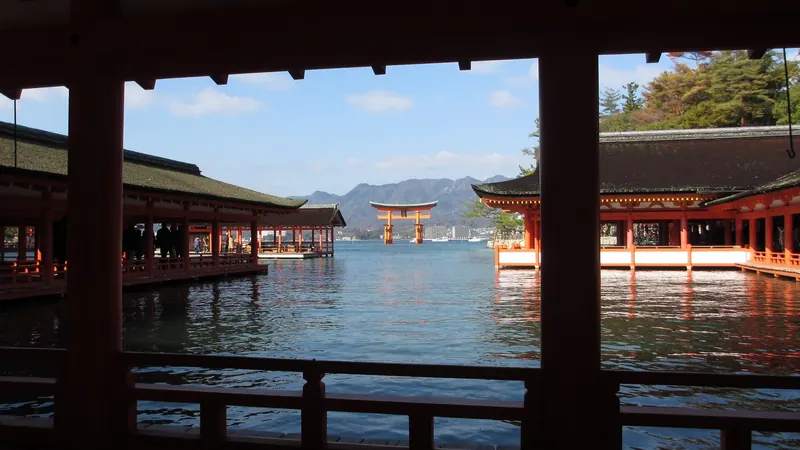
Western Japan. Hiroshima and Miyajima, a city rebuilt around a direct reckoning with its history, beside an island shrine considered one of the country's most scenic views.

The mountains. Mount Fuji and Hakone for the country's defining volcano and its onsen towns, and Takayama and Shirakawa-go plus Kanazawa for the Japanese Alps' preserved old towns and thatched-roof villages.

The far north and south. Hokkaido, wilderness, snow and a distinct food culture, and Okinawa, subtropical islands and coral reefs that feel like a different country entirely.

Worth knowing: The practical unit for a first trip is Tokyo plus Kansai, not an attempt at the whole country. The shinkansen makes the Tokyo-Kyoto-Osaka-Hiroshima corridor easy; Hokkaido and Okinawa each reward dedicated time of their own.

Choosing between the ten destinations

  • If this is your first trip

    Tokyo, Kyoto and Osaka and Nara, connected by shinkansen. Four nights in Tokyo, three in Kyoto, two in Osaka with a Nara day trip. It is the standard Golden Route because it works: a modern capital, historic temples and Japan's best street food, no car required.

  • If you want mountains and hot springs

    Mount Fuji and Hakone for volcanic scenery, ryokan inns and onsen bathing — rewards one or two nights and pairs naturally as a stop between Tokyo and Kyoto.

  • If you want history and a direct reckoning with the past

    Hiroshima and Miyajima, the Peace Memorial Park and Museum beside one of Japan's most photographed shrine views, an easy shinkansen extension from Osaka or Kyoto.

  • If you want preserved old towns without the crowds

    Takayama and Shirakawa-go for a mountain merchant town and thatched-roof farmhouse village, or Kanazawa for an underrated castle town with one of Japan's great gardens.

  • If you want wilderness or islands

    Hokkaido for mountains, snow and seafood in the north, or Okinawa for coral reefs and a distinct island culture in the south, both a short flight from Tokyo or Osaka.

  • If you want something different from the classic route

    Nikko for elaborate shrines and forest an easy day trip from Tokyo, most first-time Japan visitors never reach it despite the short journey.

Getting around: the shinkansen, JR Pass and one common mistake

Japan's rail network is excellent, used correctly. Tokyo to Kyoto is about 2h15 on the shinkansen, Osaka to Hiroshima under 2 hours.

Run the numbers on a JR Pass before buying. It can offer real savings on a long, multi-city itinerary, but for a shorter or more Tokyo-focused trip, individual tickets sometimes work out cheaper — price your specific route both ways before committing.

Get an IC card on arrival. Suica or Pasmo cover nearly all local trains, buses and many convenience store purchases nationwide on a single tap-in, tap-out card, and now work well alongside a JR Pass for local hops it doesn't cover.

A car is useful for Hokkaido's wider distances and reaching Shirakawa-go's rural villages comfortably. Hire it only for that specific leg — a car in Tokyo, Kyoto or Osaka is expensive and actively unhelpful.

Domestic flights are the practical way to reach Hokkaido and Okinawa quickly, both a considerable rail or ferry journey from Tokyo otherwise — budget carriers like Peach offer low fares booked a little ahead.

Reserved seats are usually free with rail passes and worth booking a day or two ahead in peak season, particularly around cherry blossom time.

Worth knowing: Buy a JR Pass, if it suits your route, before you leave home — it is generally more expensive or unavailable once purchased inside Japan.

When to go

Japan's climate varies significantly by latitude, which makes 'the best time' as much about the country's two signature natural seasons as about guaranteed sunshine. Two windows generally work best: late March to May and October to November.

Spring brings cherry blossom season, worth planning specific dates around, though forecasts shift year to year and popular spots get crowded — book accommodation well ahead.

Summer is hot, humid and prone to a June rainy season across most of the country, though it is also festival season and the best time to escape north to Hokkaido's pleasant cooler climate.

Autumn, especially November, brings koyo foliage that arguably rivals spring blossoms for spectacle and draws slightly smaller crowds — an excellent window for photography and comfortable walking weather.

Winter is cold but clear across most of the country, with excellent skiing in Hokkaido and the Japanese Alps, and Japan's onsen culture comes into its own against a snowy backdrop.

Worth knowing: Golden Week (late April into early May) and Obon (mid-August) see domestic travel surge nationwide — book well ahead or plan around these windows if you can.

Costs, cash culture and what you must book

Mid-range travel in Japan runs roughly ¥15,000–25,000 per person per day, with Tokyo accommodation adding a modest 15–20% premium over that figure. Backpacking works at ¥7,000–11,000; comfortable travel with good hotels or ryokan and first-class rail runs ¥30,000–55,000.

Carry cash. Japan remains more cash-reliant than its technological reputation suggests — card and contactless coverage has expanded considerably, but smaller restaurants and shops, especially outside major cities, are still often cash-only.

Convenience stores are a genuine budget ally, not just a last resort — onigiri, sandwiches and hot food from 7-Eleven, Lawson or FamilyMart hold up as legitimately good, cheap meals at any hour.

Book ahead, without exception: a JR Pass if your route suits one, popular restaurants and teamLab-style attractions in Tokyo, and any accommodation during cherry blossom season, Golden Week or Obon.

Small savings that add up: standing ramen counters and conveyor-belt sushi over tourist-district restaurants, convenience store breakfasts over hotel ones, and an IC card to avoid single-ticket fare calculations on every local trip.
Culture, quiet trains and how onsen bathing works

Japanese culture varies by region, but a handful of broadly shared norms hold nationwide, and a little preparation goes a long way toward feeling less like a visible outsider.

Shoes come off indoors, without exception. Homes, many restaurants, ryokan inns and some temples require shoes removed at the entrance — watch for a raised floor or shoe rack as the signal.

Trains are kept quiet. Phone calls are considered inconsiderate, and most passengers keep conversation low — step between cars if a call is unavoidable.

Tipping is not customary, and can cause genuine confusion if offered. Good service is the built-in standard rather than something rewarded separately.

Queuing is taken seriously — orderly lines for trains, elevators and shops are a genuine social expectation, and cutting in is noticed.

Finally, take onsen etiquette seriously: wash thoroughly at the seated shower stations before entering the shared bath, and check policies on tattoos ahead, since some traditional bathhouses still restrict them.

Four routes that work

  1. Ten days: the classic Golden Route

    Four nights in Tokyo, three in Kyoto with a Nara day trip, three in Osaka, all by shinkansen. The most trodden route in Japan and still the right first trip — a modern capital, historic temples and the country's best street food, no car needed.

    Tip Book teamLab-style Tokyo attractions and any cherry blossom season accommodation before you leave home — both sell out or spike in price close to the date.

  2. Two weeks: cities and history

    The itinerary on the Japan country page: Tokyo, Nikko, Kyoto, Nara, Osaka and Hiroshima. Adds a mountain shrine day trip and a direct reckoning with 20th-century history to the classic cities route.

    Tip Buy shinkansen reserved seats a day or two ahead once your dates are fixed — walk-up availability tightens considerably in peak season.

  3. Ten days in the mountains

    Tokyo for three nights, then Mount Fuji and Hakone, Takayama and Shirakawa-go and Kanazawa for a week. Slower and far more rural than the classic Golden Route.

    Tip A rental car for the Takayama-Shirakawa-go-Kanazawa leg is worth it — bus connections exist but run infrequently.

  4. A week in one region

    Hokkaido as a self-contained northern trip of mountains and seafood, or Okinawa for a subtropical island week of coral reefs and a distinct culture. Both reward a full week and neither works well as a rushed add-on to Tokyo.

    Tip Book a domestic flight rather than attempting the long rail or ferry journey to either region unless the journey itself is the point.

Reference

The 10 destinations in this guide

Every place named above has its own detailed guide — attractions, food, where to stay, how to get around and a suggested day-by-day plan.

CityCulture

Tokyo

Kanto

Japan's capital, a vast collection of distinct neighbourhoods spanning ultra-modern technology, deep tradition and one of the world's great food cities.

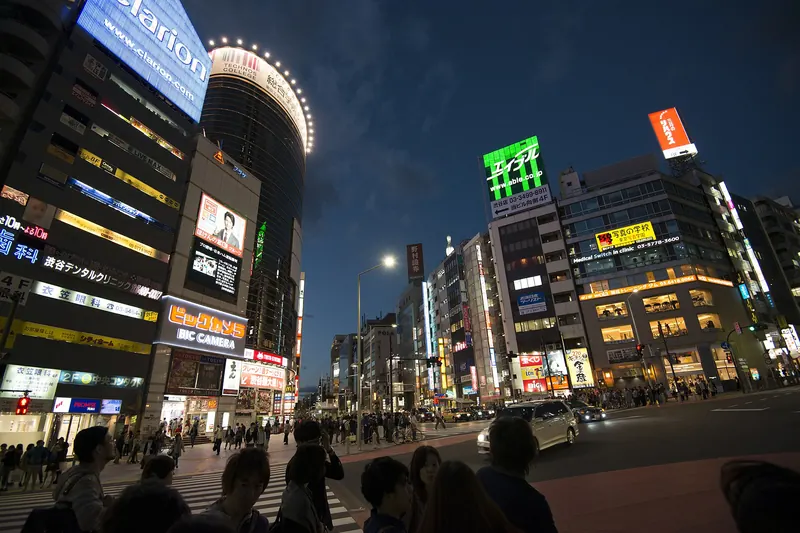
Don't miss Shibuya Crossing at rush hour, thousands of people crossing from every direction at once in a scene that somehow stays completely orderly.

Explore Destination — Tokyo
Historic SiteCulture

Kyoto

Kansai

Japan's former imperial capital, its thousands of temples, shrines and gardens preserved with a continuity that survived the 20th century almost intact.

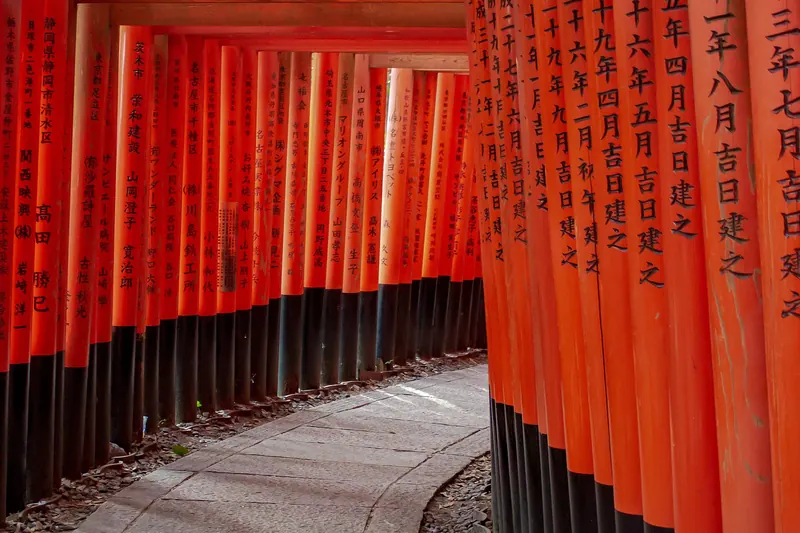
Don't miss Fushimi Inari Shrine's thousands of vermillion torii gates, forming an otherworldly tunnel up the mountainside behind the shrine.

Explore Destination — Kyoto
CityFood

Osaka and Nara

Kansai

Osaka's street food energy and neon nightlife, paired with Nara's ancient temples and free-roaming deer, both within easy reach of each other.

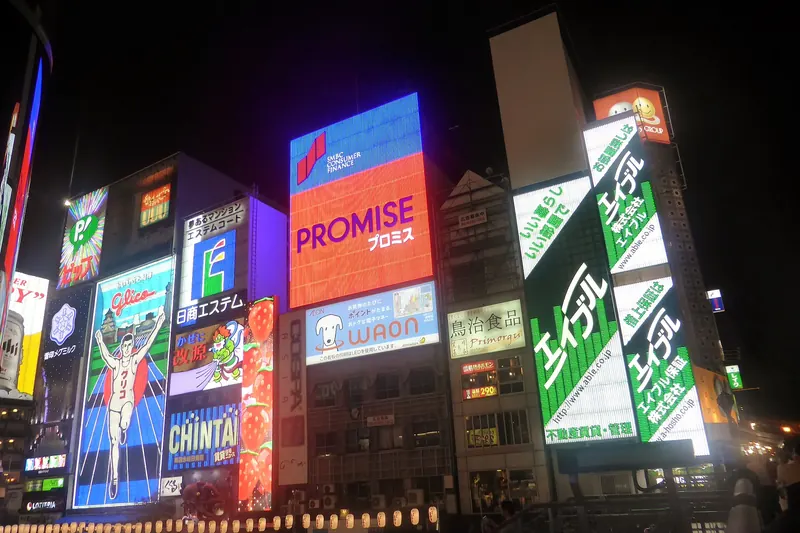
Don't miss Dotonbori's neon canal-side signs, the giant mechanical crab and running man among them, lit up over crowds eating takoyaki straight from the stall.

Explore Destination — Osaka and Nara
Nature WildlifeMountains

Hokkaido

Hokkaido

Japan's northern island, its wilderness, powder snow and seafood offering a different pace and climate from the rest of the country.

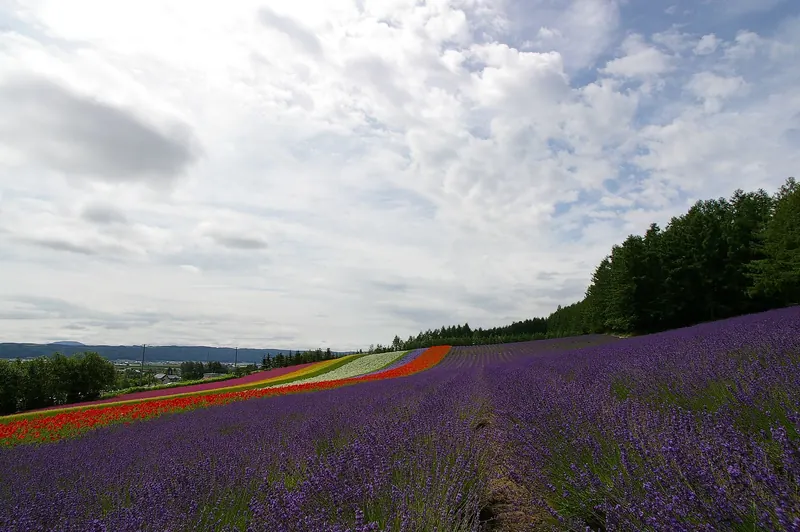
Don't miss Furano's rolling lavender fields in full bloom, a different Japanese landscape from anywhere on the mainland.

Explore Destination — Hokkaido
Coast & BeachesIsland

Okinawa

Okinawa

Japan's subtropical southern islands, their own Ryukyu Kingdom history, coral reefs and distinct food culture setting them apart from the mainland.

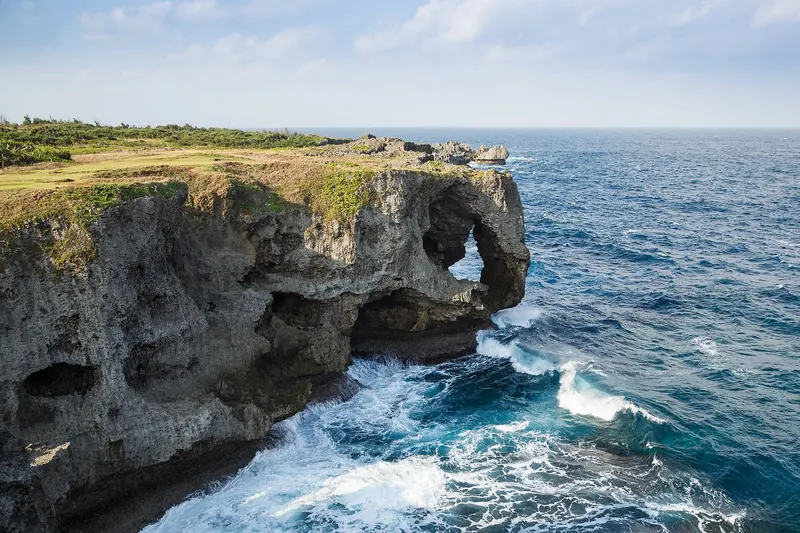
Don't miss Cape Manzamo's dramatic elephant-trunk-shaped cliff, dropping into brilliant turquoise water along Okinawa's western coast.

Explore Destination — Okinawa
Historic SiteCulture

Kanazawa

Chubu

A preserved former castle town on the Sea of Japan coast, its historic districts, gardens and seafood rivalling Kyoto with a fraction of the crowds.

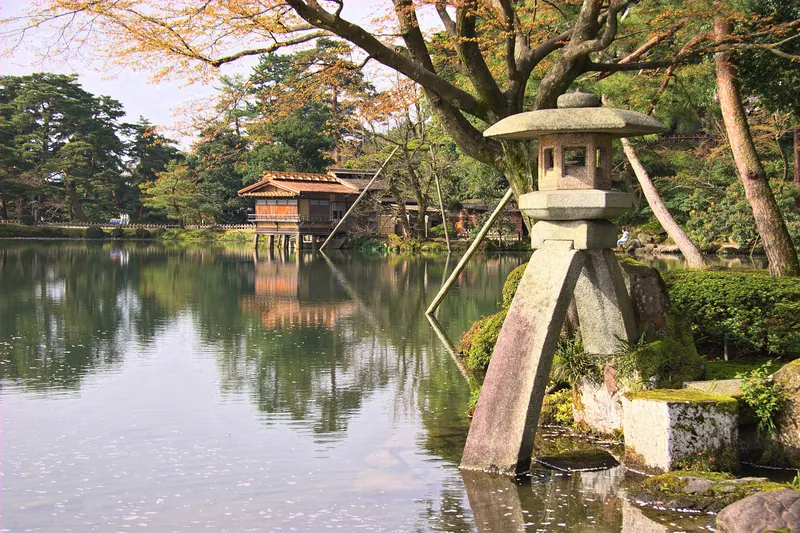
Don't miss Kenrokuen Garden's Kotoji-toro stone lantern beside the pond, one of the most photographed single images in Japanese garden design.

Explore Destination — Kanazawa
Historic SiteMountains

Nikko

Kanto

An elaborately decorated shrine complex and cedar-forest mountain scenery, an easy and rewarding day trip from Tokyo.

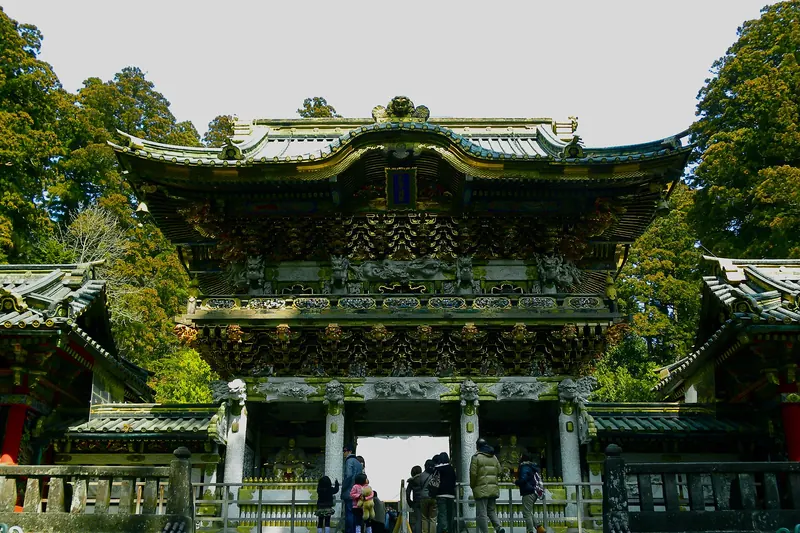
Don't miss Toshogu Shrine's Yomeimon Gate, covered in intricate carvings and gilding, considered one of Japan's most elaborate pieces of religious architecture.

Explore Destination — Nikko

Back to the Japan country page

FAQ

Planning a trip to Japan

How long do I need in Japan?

Ten to fourteen days for a first trip. Eight to ten covers Tokyo, Kyoto and Osaka properly by shinkansen; twelve to sixteen lets you add Nikko and Hiroshima, which is the itinerary on this page. Five or six days is enough for Tokyo alone, and Tokyo alone justifies a trip.

Should I buy a JR Pass?

Only if your specific route benefits from it — price individual shinkansen tickets for your planned journeys and compare before buying. It pays off well on a long, multi-city itinerary but not always on a shorter or more Tokyo-focused trip.

What is the single most common mistake visitors make?

Not pricing the JR Pass against individual tickets for their actual route, and buying one reflexively. The second most common: underestimating how cash-reliant Japan still is outside major tourist areas.

When should I avoid Japan?

Nowhere is truly a bad time, but Golden Week in late April into early May and Obon in mid-August see domestic travel surge nationwide, pushing prices up and availability down unless you book well ahead.

Advertisement