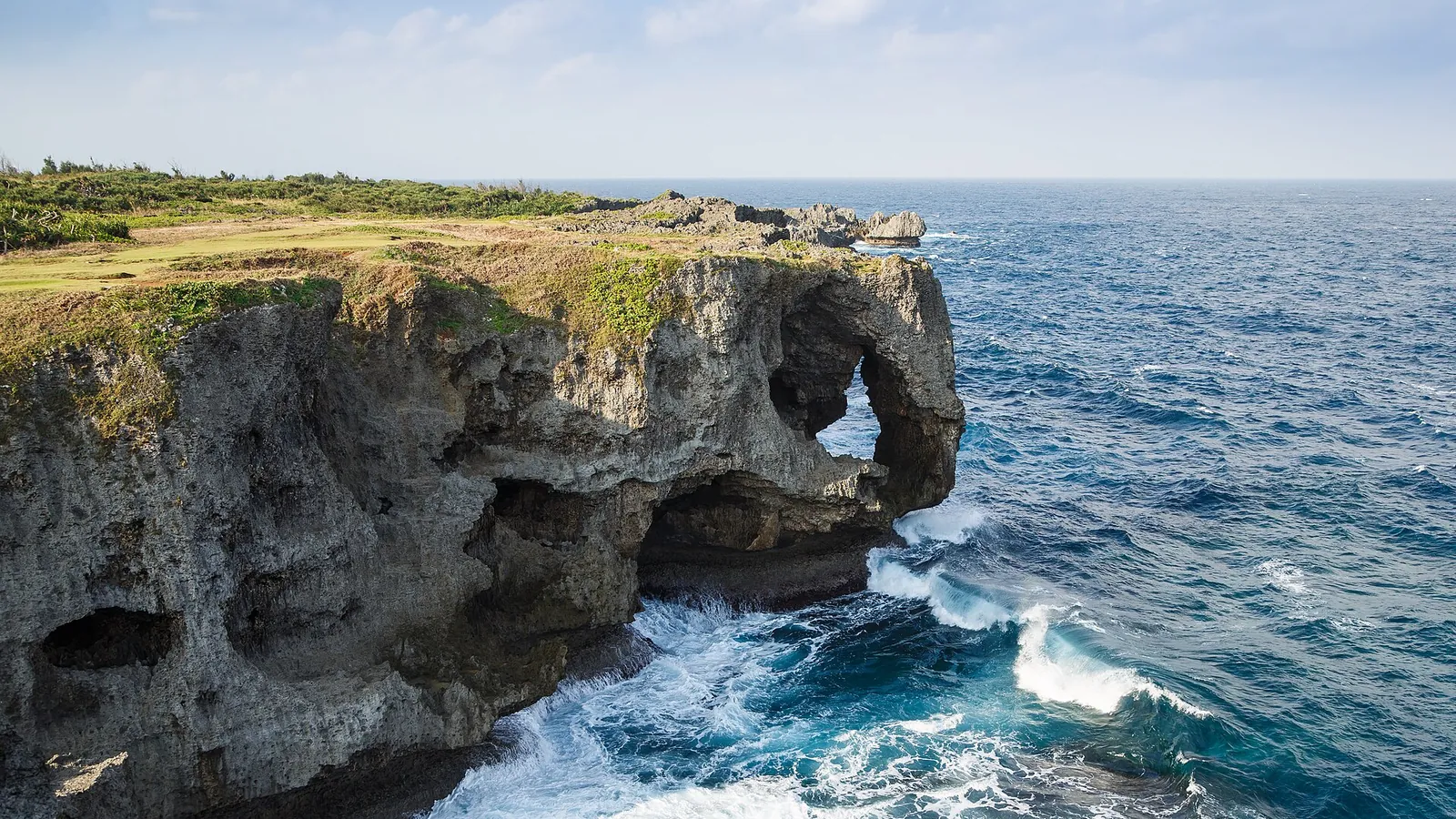
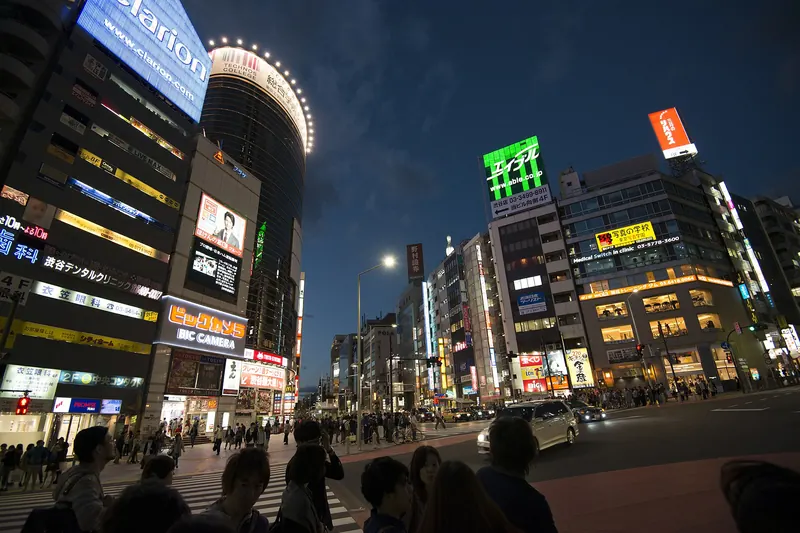
Cape Manzamo's dramatic cliff dropping into turquoise water on Okinawa's coast

Okinawa · Japan

Okinawa

A subtropical island chain with its own Ryukyu Kingdom history, distinct food and language, and coral reefs that feel like a different country from mainland Japan entirely.

  • Best time April–June and October–November, for warm weather without peak humidity or typhoons
  • Stay 5–6 days
  • Good for Beaches, snorkelling, history, a different pace of Japan

Photo: CEphoto, Uwe Aranas · CC BY-SA 3.0

Welcome to Okinawa

Okinawa was, until 1879, an independent kingdom — the Ryukyu Kingdom — with its own language, distinct culture and centuries of trade relationships across East and Southeast Asia, and that separate history still shapes the islands' identity within modern Japan. Annexed relatively late and devastated by one of the Pacific War's bloodiest ground battles, Okinawa's relationship with the rest of the country remains visibly its own.

The islands' subtropical climate and coral reefs offer a different Japan from the mainland's temperate cities and mountains — turquoise water, white sand beaches and some of the country's best diving and snorkelling, alongside a slower, warmer pace of daily life often summed up in the local phrase 'Okinawa time'.

Food, language and even burial customs still carry distinct Ryukyuan influence, and Okinawa's reputation for longevity — among the world's most-studied populations for exceptional lifespan — is tied to this separate culture, its diet and its community structure rather than being simply a warmer version of mainland Japanese life.

  • Coast & Beaches
  • Island
  • Culture

Why visit

Why visit Okinawa?

Okinawa's case is that no other part of Japan carries this distinct a separate history, culture and coral-reef landscape.

  • The Ryukyu Kingdom history is distinct

    Centuries as an independent kingdom left a language, culture and architecture separate from mainland Japan.

  • The coral reefs are excellent

    Among Japan's best diving and snorkelling, with visibility and marine life that rival far more famous tropical destinations.

  • The food culture is its own

    Distinct dishes and ingredients set Okinawan cuisine clearly apart from anything found on the mainland.

  • The history is sobering and important

    The Battle of Okinawa's memorial sites offer essential context for understanding the islands' modern identity.

  • The pace is different

    A slower, warmer island rhythm offers real contrast to mainland Japan's more famously fast-paced cities.

Main attractions

Top things to see in Okinawa

Okinawa's essential sights, spanning its royal Ryukyu Kingdom history and its dramatic coastline.

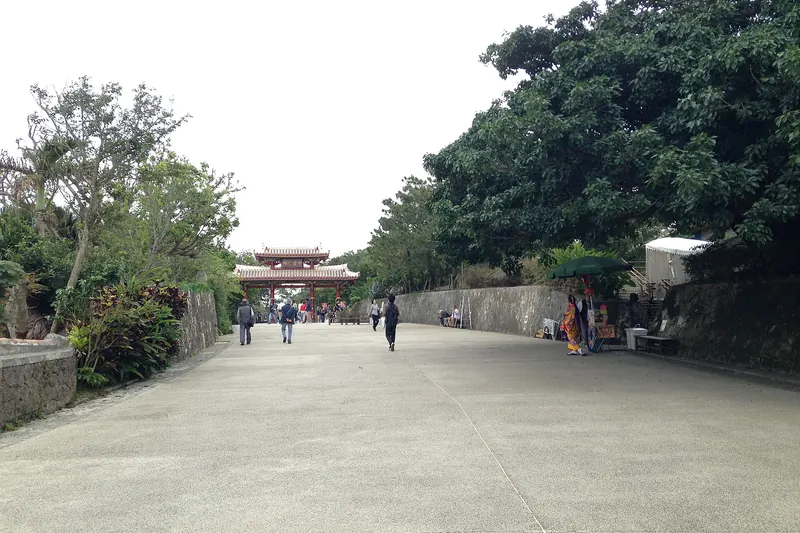
  1. The Shureimon Gate at Shurijo Castle Park

    Shurijo Castle

    The former royal palace of the Ryukyu Kingdom, a UNESCO World Heritage site whose distinct red-lacquered architecture reflects centuries of Chinese and Japanese cultural exchange.

    Tip The castle's main hall was destroyed by fire in 2019 and remains under reconstruction — check current visitor access before planning around it.

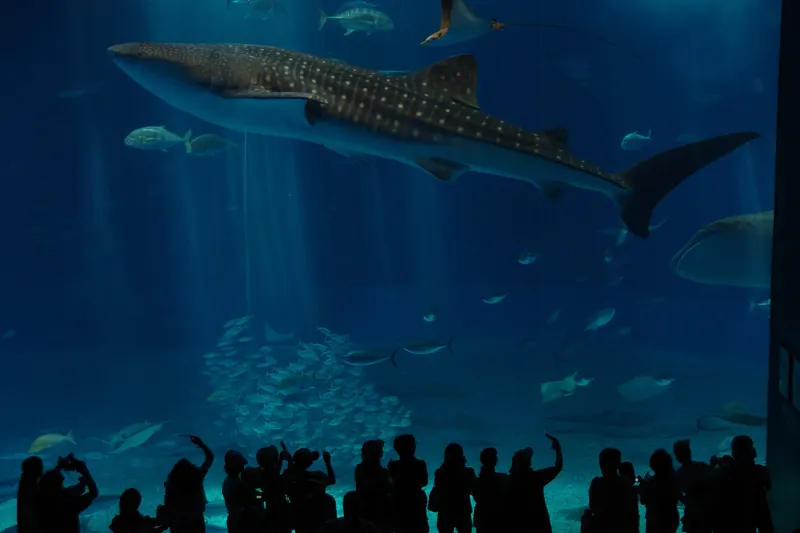
  2. A whale shark in the Churaumi Aquarium's main tank

    Churaumi Aquarium

    One of the world's largest aquariums, its enormous main tank home to whale sharks and manta rays, a spectacular centrepiece of the Okinawa Churaumi Marine Park.

    Tip Arrive near feeding times, posted at the entrance, for the most active viewing of the main tank's largest residents.

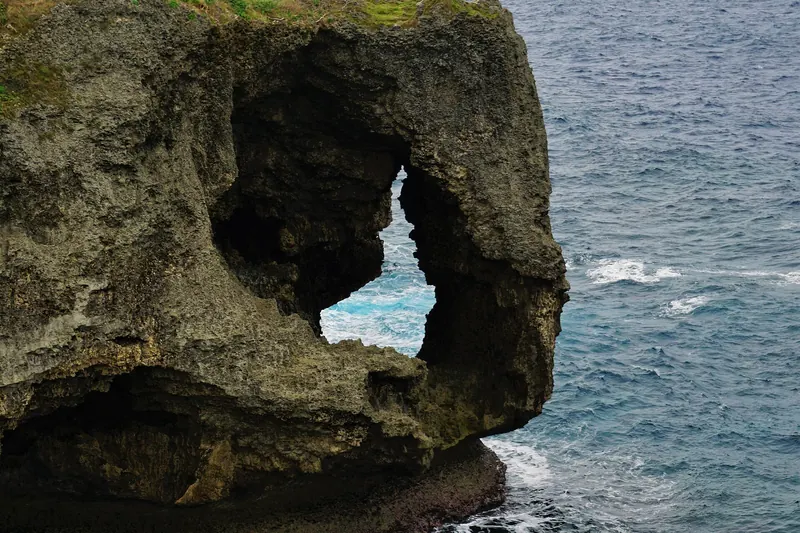
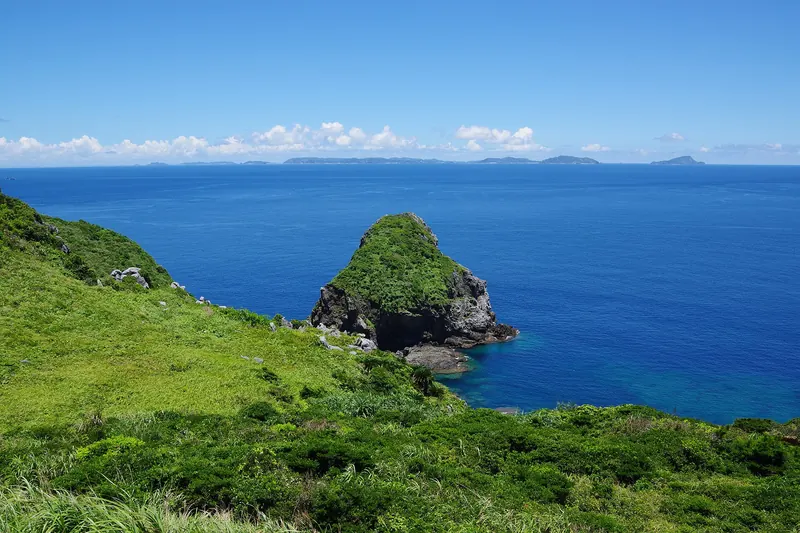
  3. Cape Manzamo's elephant-trunk-shaped cliff formation

    Cape Manzamo

    A dramatic elephant-trunk-shaped cliff formation dropping into brilliant turquoise water, one of Okinawa's most photographed natural landmarks.

    Tip The short coastal walking path around the cape offers several striking angles beyond the main viewpoint.

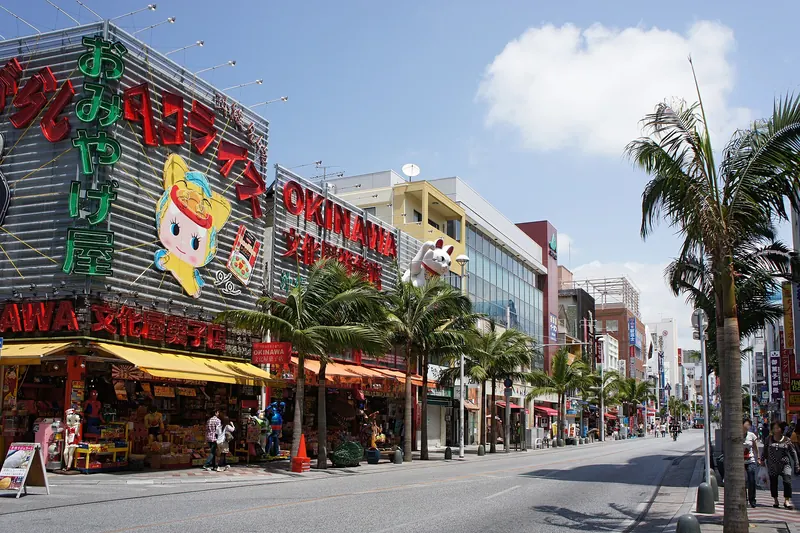
  4. Kokusai-dori, Naha's main shopping and dining street

    Kokusai-dori, Naha

    Naha's main shopping and dining street, lively with local crafts, Okinawan food stalls and a covered arcade market just off its length.

    Tip The Makishi Public Market, just off Kokusai-dori, offers a more local, less touristy food experience.

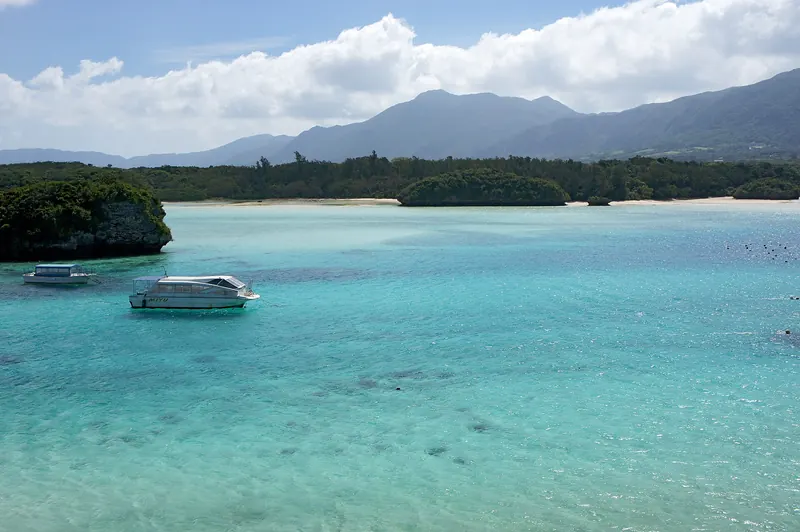
  5. Kabira Bay's turquoise water and small islands on Ishigaki

    Kabira Bay, Ishigaki

    A stunning bay of turquoise and deep-blue water dotted with small islands, among the most photographed views in the wider Yaeyama Islands.

    Tip Swimming is restricted in parts of the bay to protect its pearl farms — glass-bottom boat tours are the main way to see it up close.

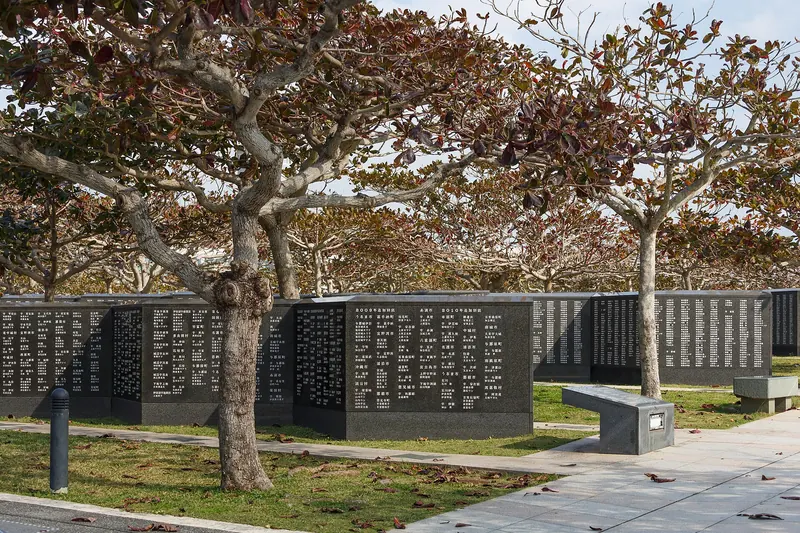
  6. The Cornerstone of Peace Memorial at Okinawa's Peace Memorial Park

    Peace Memorial Park, Itoman

    A moving memorial to the Battle of Okinawa, one of the Pacific War's bloodiest ground battles, listing the names of all who died regardless of nationality.

    Tip The adjacent Okinawa Prefectural Peace Memorial Museum provides essential context for the park's memorials.

Things to do

Best things to do in Okinawa

Beyond the historic sites, Okinawa rewards its coral reefs, its distinct culture and its different island pace.

  1. The Kerama Islands, a top diving and snorkelling destination off Okinawa

    Snorkel or dive Okinawa's coral reefs

    Excellent visibility and reef health make Okinawa one of Japan's best diving and snorkelling destinations, rivalling far more famous tropical spots.

    Tip The Kerama Islands, a short boat trip from Naha, offer some of the clearest water and healthiest reefs in the region.

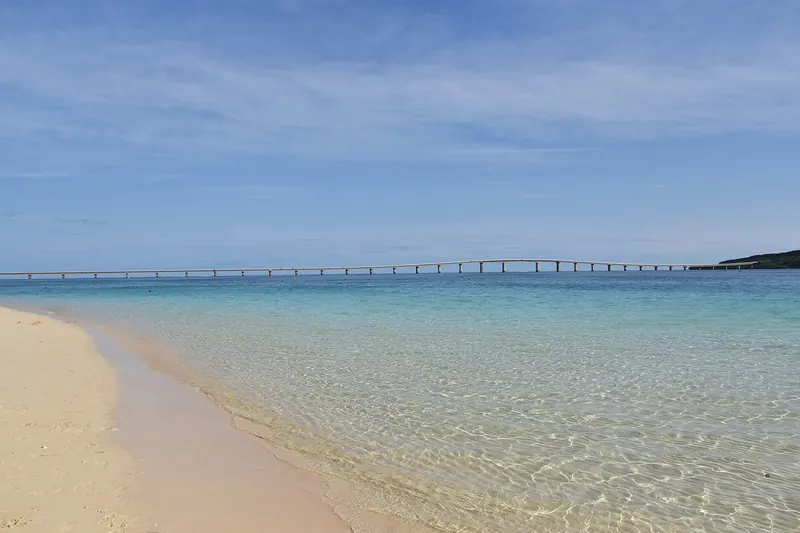
  2. White sand and turquoise water on a Miyako Island beach

    Relax on a beach in Miyako or Ishigaki

    The outer islands hold some of Japan's best beaches, with white sand and consistently clear turquoise water.

    Tip Miyako's Yonaha Maehama Beach is regularly ranked among Japan's best, with a long, uncrowded stretch of sand.

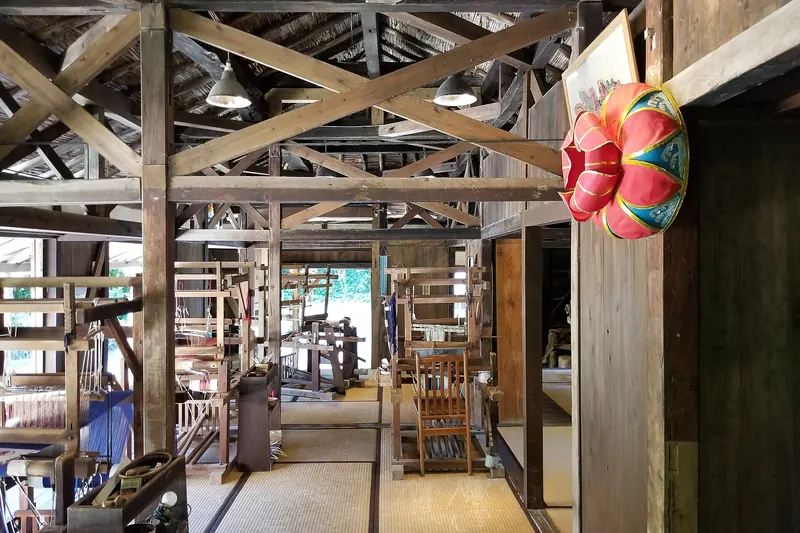
  3. The interior of a traditional Ryukyuan home at Ryukyu Mura

    Visit a traditional Ryukyuan village

    Recreated historic villages offer genuine insight into pre-annexation Ryukyu Kingdom architecture, crafts and daily life.

    Tip Ryukyu Mura combines traditional buildings with craft demonstrations, a good introduction before visiting Shurijo Castle.

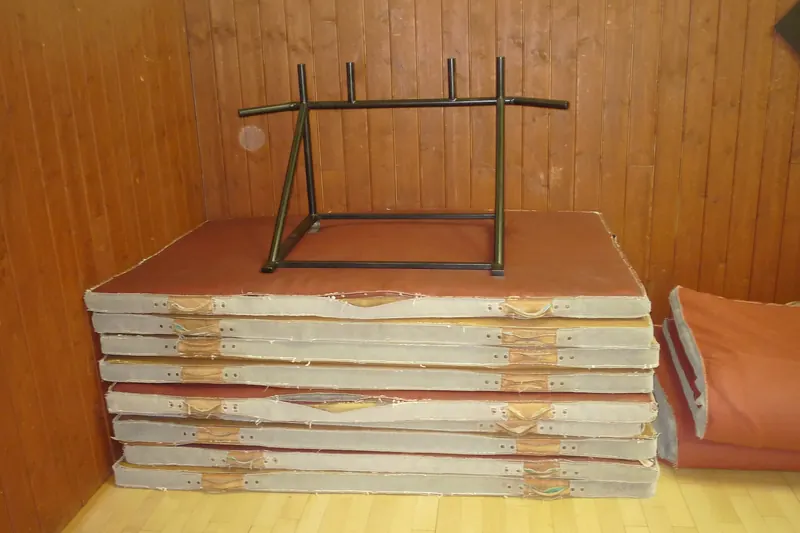
  4. Karate practice at an Okinawan dojo

    Learn about Okinawan karate's roots

    Modern karate originated in Okinawa, developed from indigenous fighting traditions and Chinese martial arts exchange.

    Tip Several dojos across the islands offer visitor-friendly introductory sessions, a hands-on way to engage with the history.

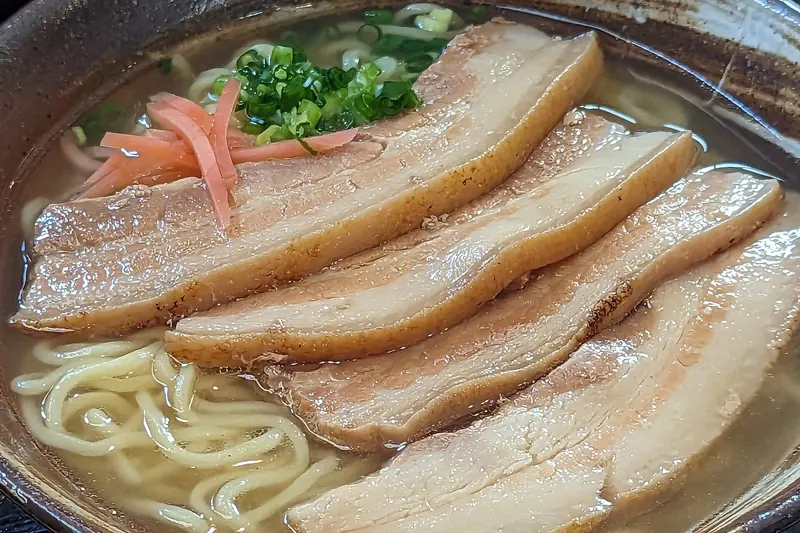
  5. A bowl of Okinawa soba at a local restaurant

    Eat Okinawa soba for lunch

    A different noodle from mainland soba, made with wheat rather than buckwheat, in a pork-based broth, an everyday island staple.

    Tip Look for small family-run soba shops away from Kokusai-dori for a more authentic, less tourist-priced bowl.

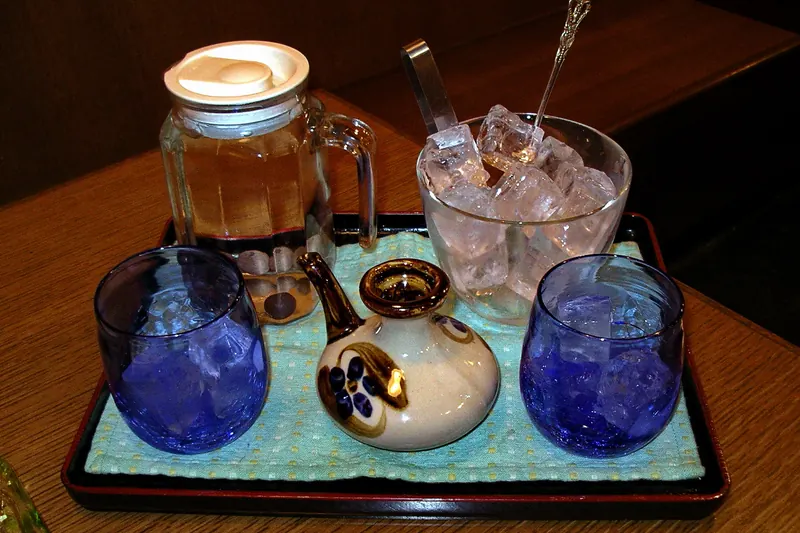
  6. A glass of awamori, Okinawa's own distilled spirit

    Try awamori at a local bar

    Okinawa's own distilled spirit, made from long-grain rice using a technique distinct from mainland sake or shochu production, a genuine local specialty.

    Tip Aged awamori (kusu) is smoother and more complex than younger versions — worth the modest price difference.

Local food

What to eat in Okinawa

Okinawan food stands apart from the mainland, shaped by the islands' distinct history, climate and Ryukyu Kingdom trade connections.

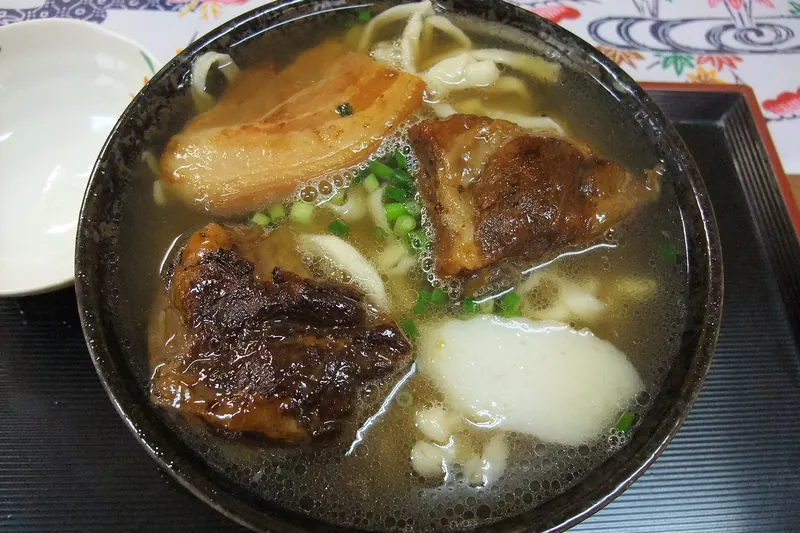
  • Okinawa soba topped with stewed pork belly

    Okinawa soba

    Wheat noodles in a pork-based broth, topped with stewed pork belly, distinct from mainland buckwheat soba despite the shared name.

    Where to try it Family-run soba shops throughout the islands, an everyday local staple rather than a special-occasion dish.

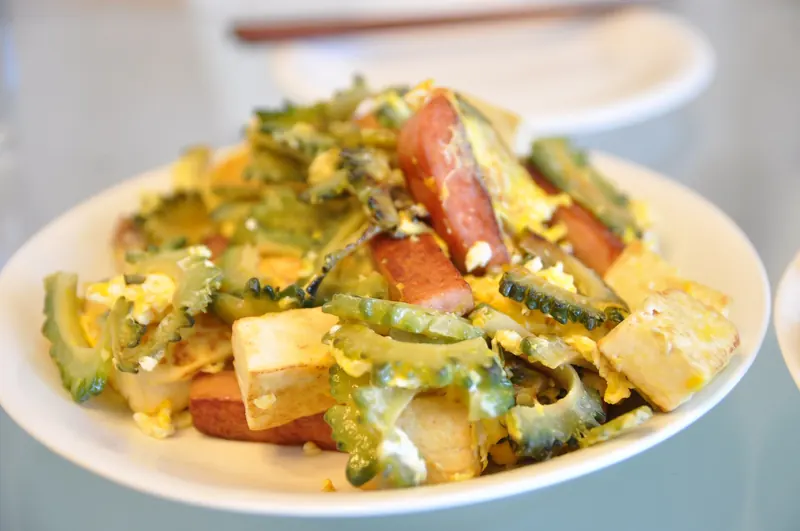
  • Goya champuru, a stir-fry of bitter melon, tofu, egg and pork

    Goya champuru

    A stir-fry of bitter melon, tofu, egg and pork, a genuine Okinawan comfort food built around an ingredient the islands are particularly known for.

    Where to try it Traditional Okinawan restaurants (izakaya) throughout Naha and the outer islands.

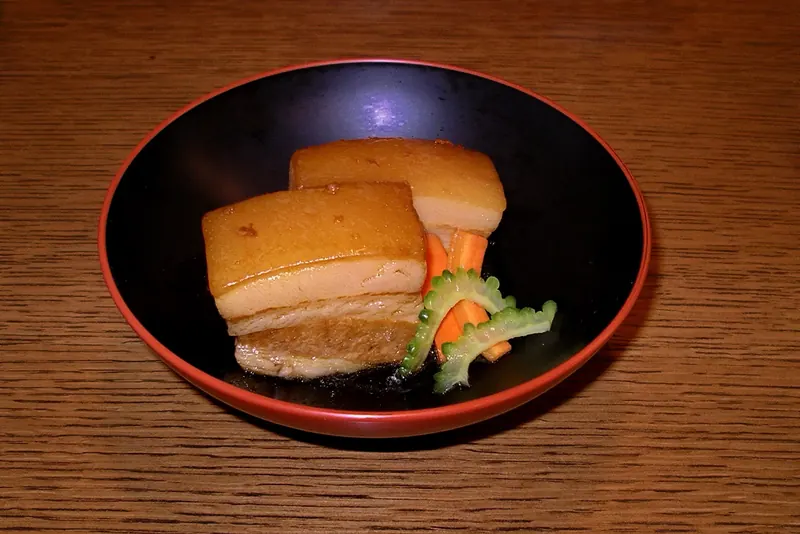
  • Rafute, pork belly slow-braised in awamori, soy sauce and brown sugar

    Rafute

    Pork belly slow-braised in awamori, soy sauce and brown sugar until tender, a signature dish reflecting Okinawa's historically important pork culture.

    Where to try it Traditional Okinawan restaurants, often served as part of a larger set meal.

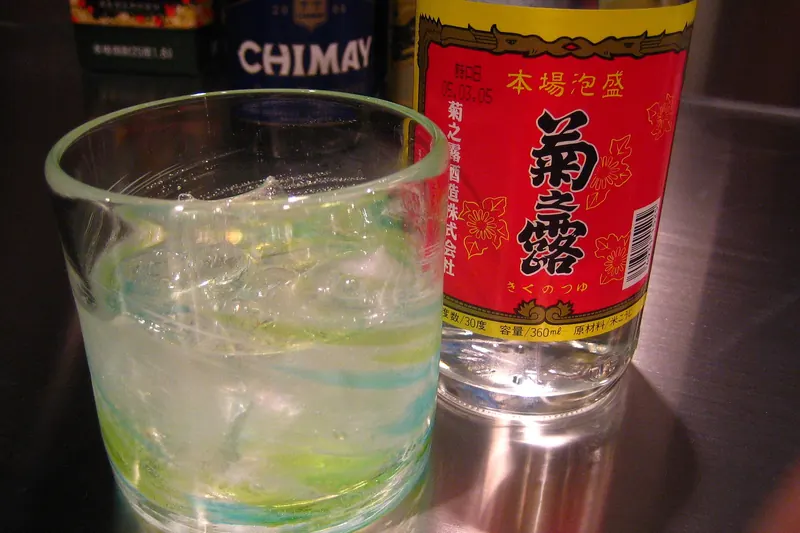
  • A bottle of Kikunotsuyu awamori, Okinawa's distilled rice spirit

    Awamori

    Okinawa's own distilled rice spirit, made using a distinct black koji fermentation method separate from mainland sake or shochu traditions.

    Where to try it Local bars and dedicated awamori distilleries offering tastings across the islands.

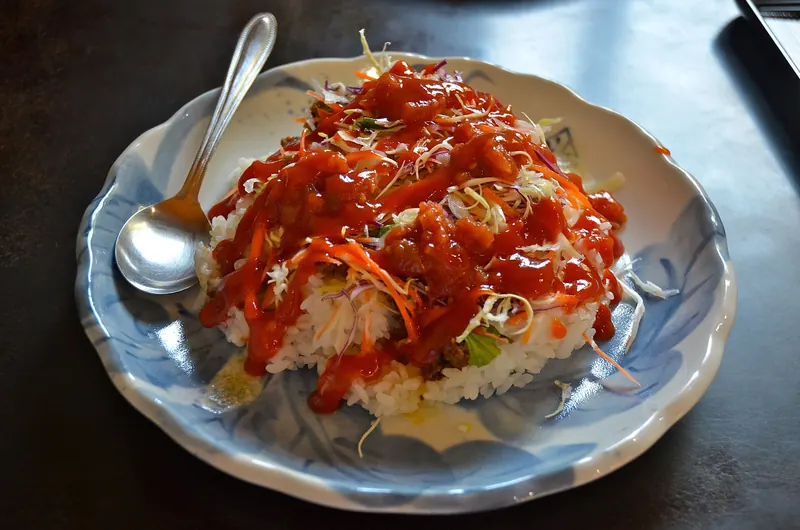
  • Taco rice, seasoned taco filling served over rice

    Taco rice

    Seasoned taco filling served over rice rather than a tortilla, a genuine Okinawan invention reflecting decades of American military presence on the islands.

    Where to try it Casual diners throughout Naha, a beloved local comfort food rather than a novelty.

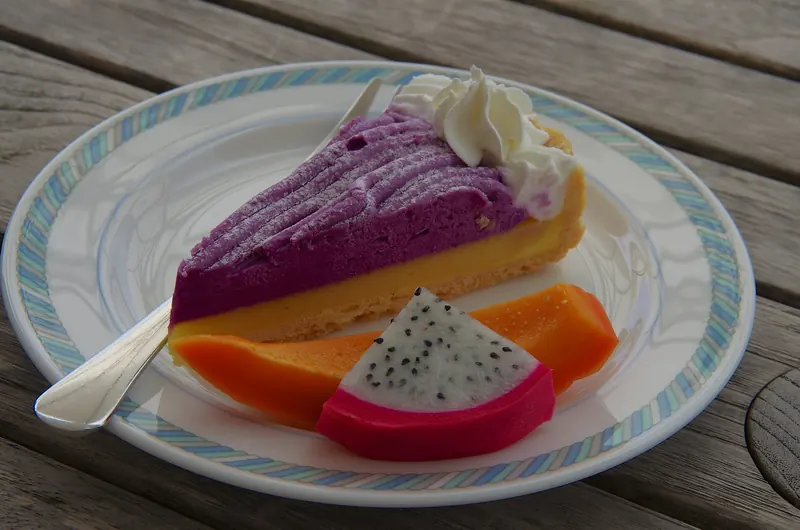
  • A beni-imo purple sweet potato tart

    Beni-imo (purple sweet potato) sweets

    Okinawa's distinctive purple sweet potato appears throughout the islands' desserts, tarts and even soft serve, a popular local specialty.

    Where to try it Bakeries and souvenir shops throughout Naha and Kokusai-dori, particularly for the tart known locally as beni-imo tart.

Accommodation

Where to stay in Okinawa

Okinawa's accommodation spreads across Naha's city convenience and the outer islands' beach resorts.

  • Naha

    The main island's capital, with Shurijo Castle, Kokusai-dori and the airport all within easy reach.

    Best for: History, food and transport connections

  • Onna, on the main island's west coast

    A popular resort strip putting Cape Manzamo and Churaumi Aquarium within reasonable driving distance.

    Best for: Resort beaches and the aquarium

  • Ishigaki or Miyako

    A short flight from Naha, these outer islands hold the region's best beaches and reef access.

    Best for: The best beaches and diving

What a night costs

Hostel dorm
¥2,800–4,800 per night
Mid-range hotel
¥12,000–22,000 per night
Churaumi Aquarium entry
¥2,180
Okinawa soba bowl
¥600–900

Transport

Getting to and around Okinawa

Naha Airport is Okinawa's main gateway, with domestic flights the practical way to reach the outer islands.

Getting there

  • Naha Airport (OKA)

    Well connected to Tokyo, Osaka and other major Japanese cities, with a growing range of direct international routes.

    Flights from Tokyo take about 2h45, considerably faster than any rail or ferry alternative.

  • Domestic flights to the outer islands

    Short flights connect Naha to Ishigaki and Miyako in under an hour, the practical way to reach the region's best beaches.

    Book ahead in peak summer season, when outer island flights can sell out.

  • Ferries

    Longer, slower ferry connections link Naha to several of the outer islands for those with more time and a preference for sea travel.

    Ferries are more affordable than flights but take considerably longer, sometimes overnight.

Getting around

A rental car is the most practical way to explore Okinawa's main island beyond central Naha.

  • Rental car

    The most flexible way to reach Cape Manzamo, Churaumi Aquarium and the main island's beaches at your own pace.

    An International Driving Permit is required, and Okinawa drives on the left, as with the rest of Japan.

  • Yui Rail monorail, in Naha

    Naha's monorail covers the city centre and airport well, useful for a Naha-focused day or two.

    Beyond central Naha, the monorail's reach is limited — a car or bus becomes necessary.

  • Local buses

    Cover the main island reasonably, though with considerably less frequency and coverage than mainland Japan's urban transit.

    Routes and schedules can be confusing for first-time visitors — a car remains the more practical option for most itineraries.

When to go

Best time to visit Okinawa

Okinawa's subtropical climate means warm weather most of the year, with typhoon season and summer humidity the main factors to plan around.

  • Spring (April–June)

    Best time

    Warm, increasingly clear water and comfortable temperatures before the peak of summer humidity and crowds.

  • Summer (July–September)

    Shoulder

    Hot, humid and the peak of typhoon season — check forecasts closely if travelling during these months.

  • Autumn (October–November)

    Best time

    Still warm enough for swimming, with typhoon risk easing and crowds noticeably thinner than summer.

  • Winter (December–March)

    Good

    Mild by mainland standards but too cool for most swimming, a good season for sightseeing without crowds.

Worth planning around: Peak typhoon season (August–September) without flexible travel plans, when storms can disrupt flights and ferries with little notice.

Itinerary

Five days in Okinawa

Naha's history and food first, then the main island's coast, with an option to extend to the outer islands.

  1. Day1

    Arrive in Naha

    The city's centre and Ryukyu history.

    • Morning Land and settle into Naha.
    • Afternoon Shurijo Castle.
    • Evening Dinner and a walk along Kokusai-dori.
  2. Day2

    Naha's markets and culture

    Local food and craft culture.

    • Morning The Makishi Public Market.
    • Afternoon Ryukyu Mura's traditional village.
    • Evening An izakaya dinner featuring rafute and goya champuru.
  3. Day3

    The west coast

    Cape Manzamo and the aquarium.

    • Morning Drive north to Cape Manzamo.
    • Afternoon The Churaumi Aquarium.
    • Evening Dinner in the Onna resort area.
  4. Day4

    Beaches and the Peace Memorial Park

    Reflection and relaxation.

    • Morning The Peace Memorial Park and Museum in Itoman.
    • Afternoon A main-island beach afternoon.
    • Evening A final Naha dinner.
  5. Day5

    Optional outer island extension or departure

    Ishigaki's Kabira Bay or a direct flight home.

    • Morning Fly to Ishigaki if extending, or depart directly.
    • Afternoon Kabira Bay, if extending.
    • Evening Return flight or a final island evening.

Travel tips

Okinawa travel tips

Practical notes on weather, transport and booking that make a real difference to an Okinawa trip.

  • Check typhoon forecasts closely if travelling in August or September, and keep flight plans flexible during that window.
  • Rent a car for the main island — public transport beyond central Naha is limited.
  • Book outer island flights and accommodation ahead in peak summer season, when availability tightens.
  • Try Okinawa soba at a small family-run shop rather than a Kokusai-dori tourist restaurant for better value and flavour.
  • Check Shurijo Castle's current reconstruction status before visiting, following the 2019 fire.
  • Bring reef-safe sunscreen — Okinawa's coral reefs are sensitive to standard sunscreen chemicals.
  • Allow real travel time between the main island and the outer islands if attempting to combine both in one trip.

FAQ

Okinawa: frequently asked questions

How many days do you need in Okinawa?

Five to six for the main island alone; add two or three more if extending to Ishigaki or Miyako for the region's best beaches and diving.

Is Okinawa very different from mainland Japan?

Yes — the islands' separate Ryukyu Kingdom history, distinct food culture, subtropical climate and slower pace set Okinawa clearly apart from the mainland experience.

Do I need to fly to the outer islands, or can I combine everything on the main island?

The main island alone offers worthwhile beaches, history and the aquarium, but the outer islands' best diving and beaches require a short domestic flight.

What is the best time of year to visit?

April to June and October to November offer warm weather with lower typhoon risk than peak summer, which runs humid with real storm potential.

Is Okinawa expensive compared to mainland Japan?

Broadly comparable, with domestic flights to the outer islands the main additional cost beyond a typical mainland Japan trip.

Read next

Related travel articles

Practical

Packing by Season and Trip Type

Most packing advice is a list of things. This is the opposite: the small number of decisions that determine whether your luggage helps or hinders, organised by the kind of trip you are actually taking.

Heritage

UNESCO Sites Worth Planning a Trip Around

A UNESCO listing tells you a place matters; it does not tell you whether it is worth two days and a detour. This is how to read the list usefully — and which sites reward building a trip around them.

Advertisement