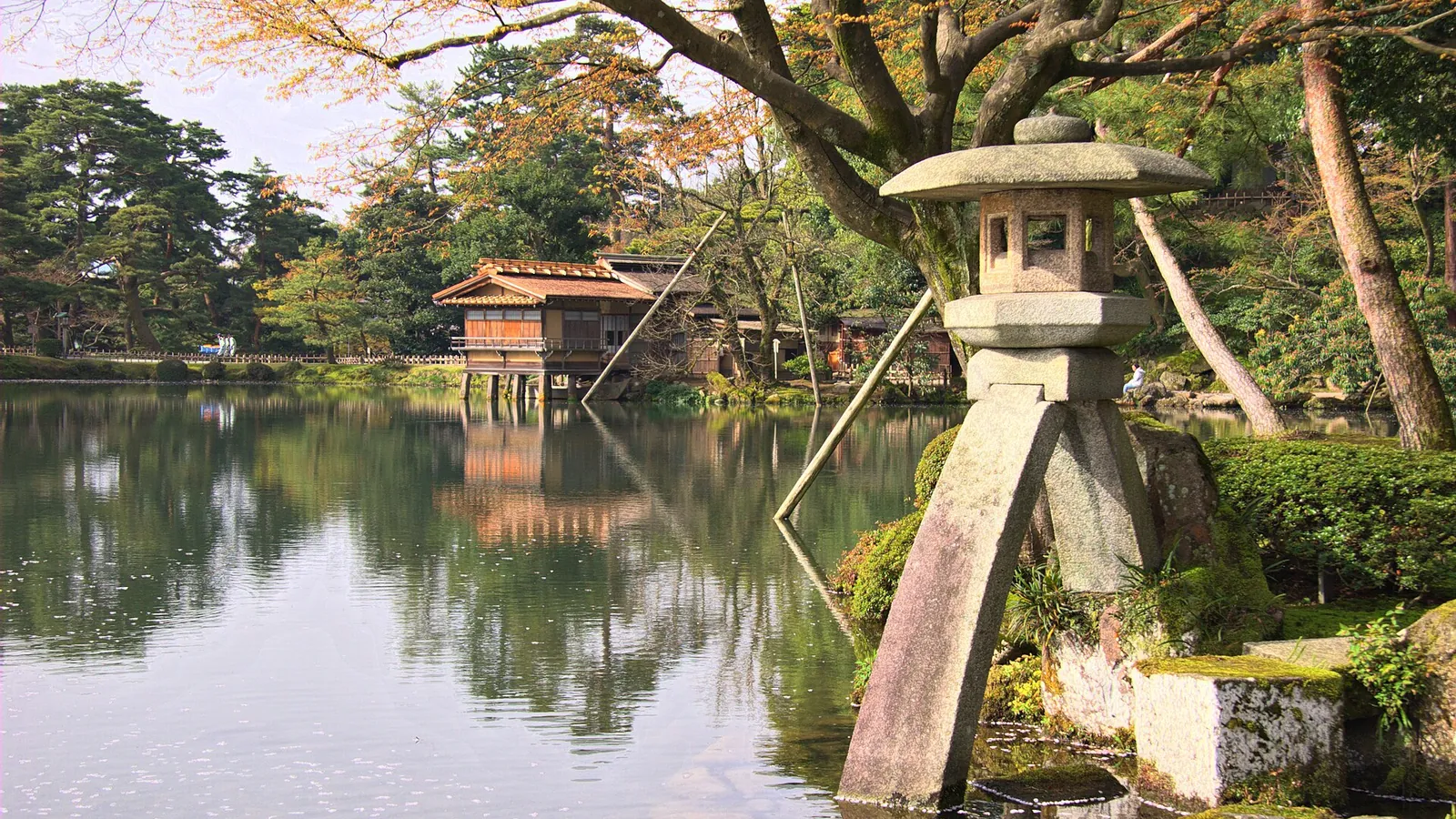
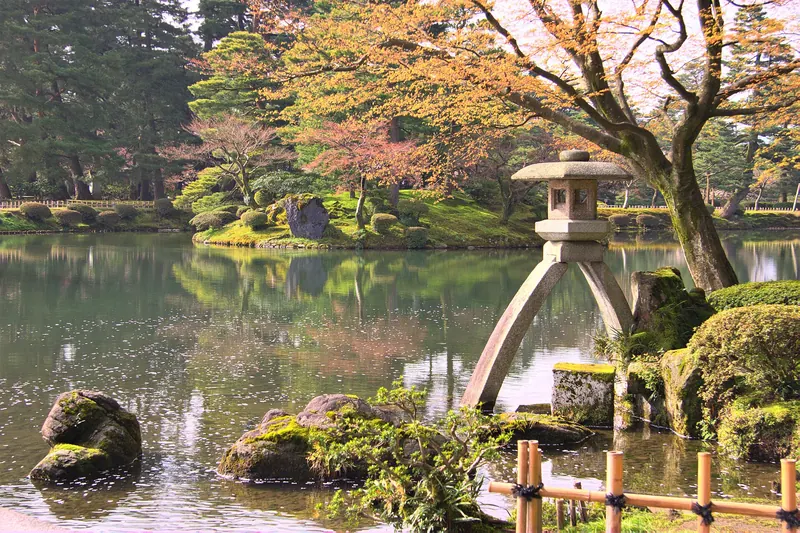
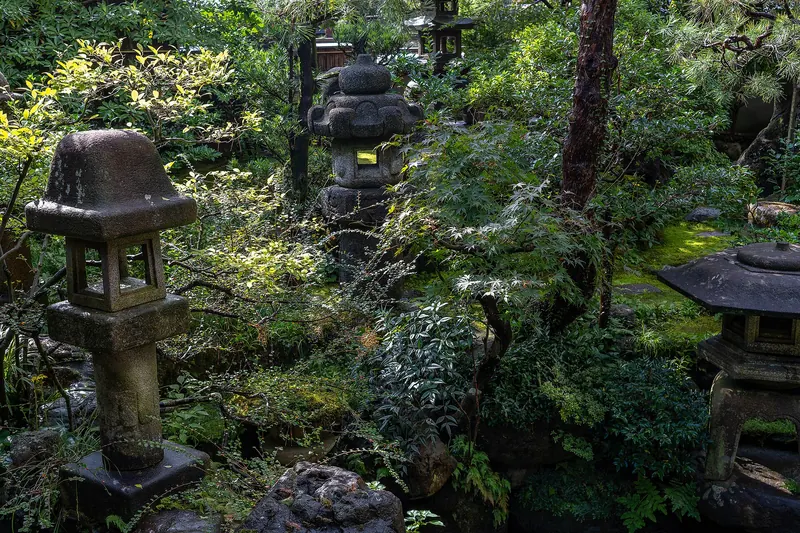
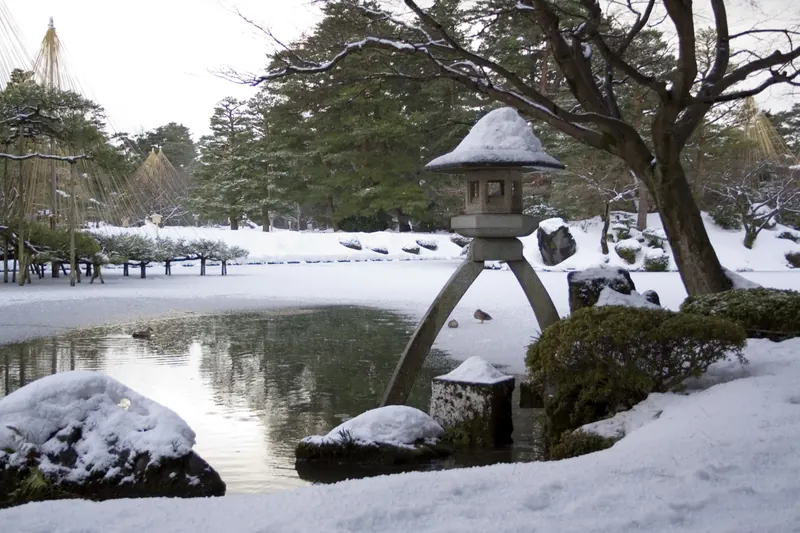
Kenrokuen Garden's Kotoji-toro stone lantern beside the pond in Kanazawa

Chubu · Japan

Kanazawa

A former castle town that escaped both wartime bombing and mass postwar redevelopment, holding one of Japan's three great gardens, geisha districts and a serious food and craft culture.

  • Best time April and November, for cherry blossoms or autumn colour in Kenrokuen
  • Stay 2–3 days
  • Good for Gardens, history, seafood, fewer crowds than Kyoto

Photo: KimonBerlin · CC BY-SA 2.0

Welcome to Kanazawa

Kanazawa was, under the Edo-period Maeda clan, the wealthiest domain in Japan outside the shogun's own territory, and that historic wealth funded a level of garden design, craft production and cultural investment that survived largely intact into the present. Spared both significant wartime bombing and the mainland's more aggressive postwar redevelopment, Kanazawa's historic districts feel lived-in rather than reconstructed.

The city produces around 99% of Japan's gold leaf, a craft tradition directly descended from that historic Maeda-era wealth, and this same investment shaped Kenrokuen Garden — completed over nearly two centuries and considered one of Japan's three great gardens alongside Mito's Kairakuen and Okayama's Korakuen.

Kanazawa's position on the Sea of Japan coast also gives it a serious seafood culture, with the Omicho Market's fresh catch rivalling Tokyo's own famous markets, all within a city that draws a fraction of Kyoto's crowds for a comparably rich historic experience.

  • Historic Site
  • Culture
  • Food

Why visit

Why visit Kanazawa?

Kanazawa's case is that no other Japanese city matches this much genuine historic wealth and craft culture with this few crowds.

  • Kenrokuen Garden is one of Japan's greatest

    Nearly two centuries of continuous development produced one of the country's three most celebrated landscape gardens.

  • The historic districts are intact

    Spared major wartime destruction, Kanazawa's geisha and samurai districts survive as real historic fabric, not reconstruction.

  • The seafood is exceptional

    The Sea of Japan coast's cold waters feed a market culture that rivals Tokyo's own famous fish markets.

  • The gold leaf craft tradition is unique

    Producing around 99% of Japan's gold leaf gives Kanazawa a distinctive craft identity found nowhere else in the country.

  • It draws fewer crowds than Kyoto

    A comparably rich historic experience without the overtourism pressure Kyoto's most famous sites now face.

Main attractions

Top things to see in Kanazawa

Kanazawa's essential sights, spanning one of Japan's great gardens and its preserved historic districts.

  1. Kenrokuen Garden's carefully composed pond and pines

    Kenrokuen Garden

    One of Japan's three great gardens, developed over nearly two centuries by the Maeda clan, its ponds, streams and carefully composed views considered a masterwork of landscape design.

    Tip Early morning entry, before the standard opening rush, offers a quieter experience of the garden's classic views.

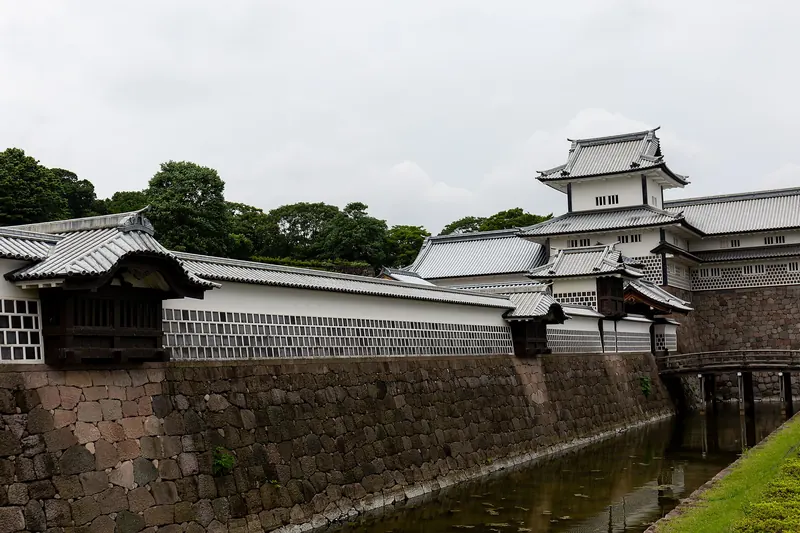
  2. Kanazawa Castle's white-walled reconstructed buildings

    Kanazawa Castle

    A partially reconstructed castle adjacent to Kenrokuen, its white walls and traditional construction methods rare among Japan's largely concrete castle reconstructions.

    Tip The Ishikawa-mon gate's original stonework survived intact and is worth a close look on the way in.

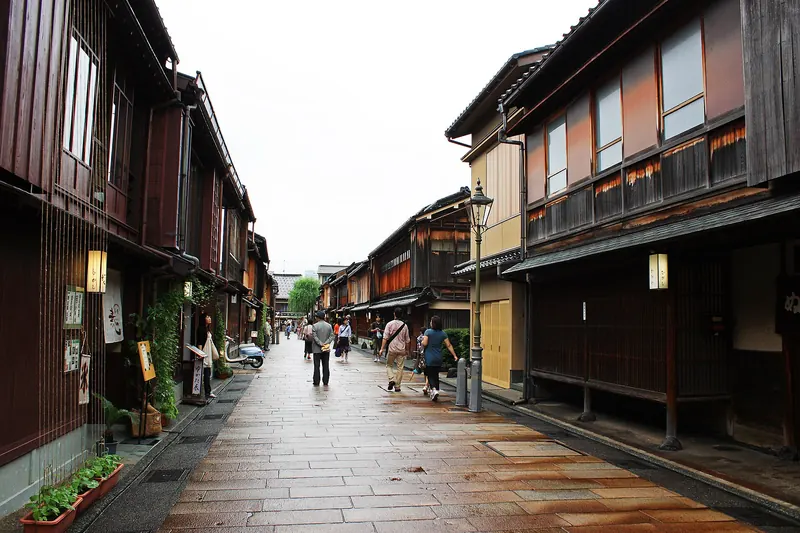
  3. Wooden latticed teahouse facades in Kanazawa's Higashi Chaya district

    Higashi Chaya geisha district

    A preserved teahouse district of wooden latticed facades, still home to working geisha houses rather than existing purely as a historic display.

    Tip Several former teahouses now operate as gold-leaf shops or cafes, offering genuine interior access most visitors otherwise wouldn't see.

  4. Earthen-walled lanes in Kanazawa's Nagamachi Samurai District

    Nagamachi Samurai District

    Preserved earthen-walled lanes where mid-ranking samurai once lived, including the well-preserved Nomura family residence and its garden.

    Tip The Nomura residence's garden is one of the district's highlights, small but exceptionally well composed.

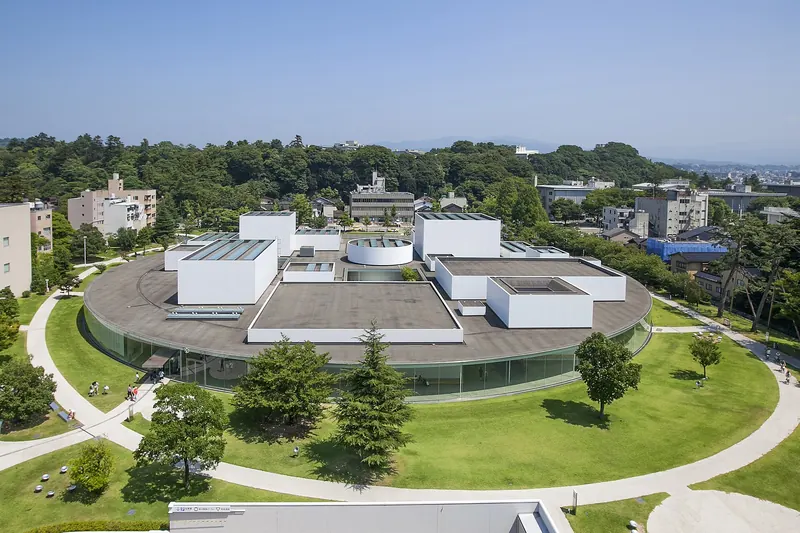
  5. The circular glass exterior of the 21st Century Museum of Contemporary Art

    21st Century Museum of Contemporary Art

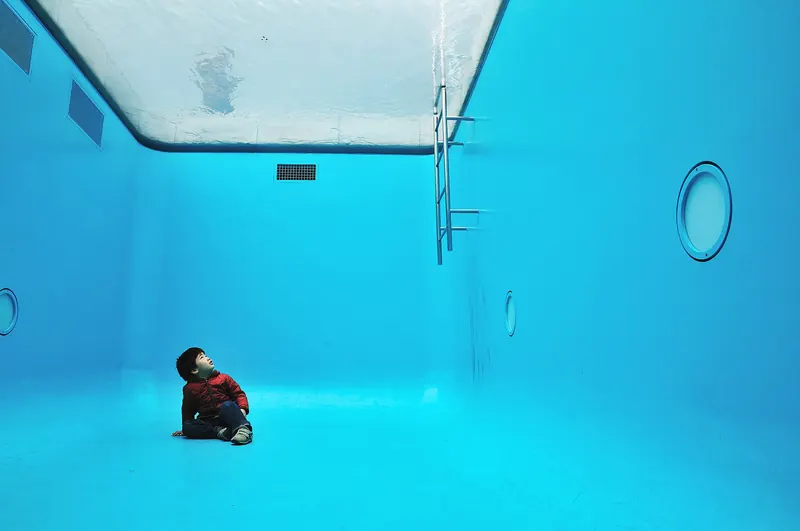
    A striking circular glass building housing rotating contemporary exhibitions alongside its famous permanent 'Swimming Pool' installation.

    Tip The Swimming Pool installation's underwater viewing room requires a separate, sometimes timed ticket — book ahead in peak season.

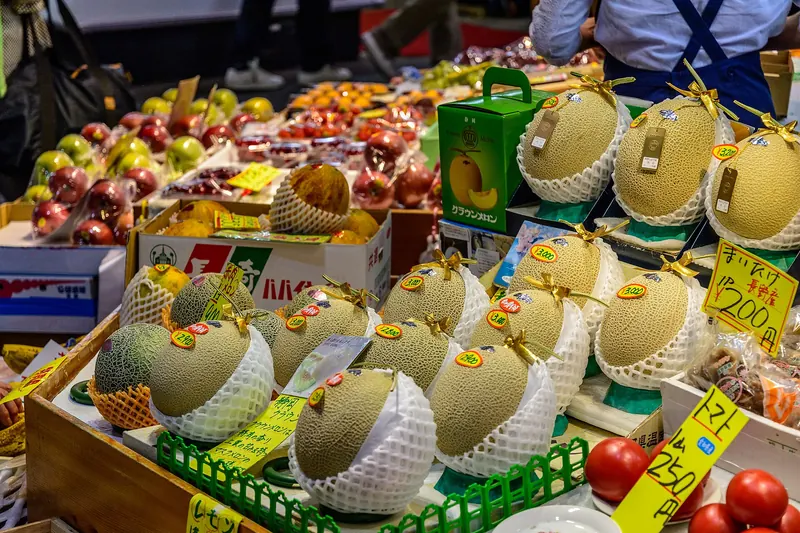
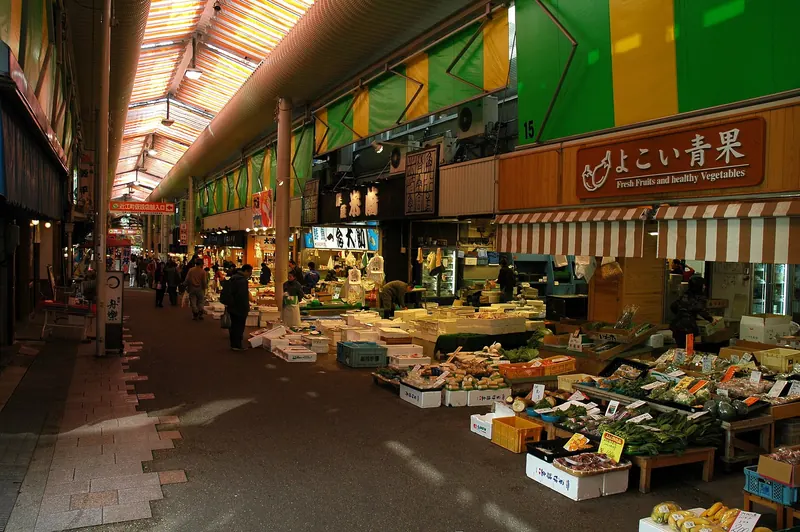
  6. Stalls at Kanazawa's covered Omicho Market

    Omicho Market

    Kanazawa's 'kitchen', a bustling covered market of fresh seafood, produce and small restaurants operating since the Edo period.

    Tip The market's seafood restaurants offer excellent value kaisendon rice bowls, especially at breakfast and lunch.

Things to do

Best things to do in Kanazawa

Beyond the garden and historic districts, Kanazawa rewards its craft traditions and its serious seafood culture.

  1. A lantern-lit lane in Higashi Chaya at dusk

    Walk Higashi Chaya's teahouse streets

    An atmospheric wander through wooden latticed facades, particularly rewarding in early evening when lanterns begin to light.

    Tip The district is quieter and more atmospheric than Kyoto's Gion, without sacrificing much of the historic character.

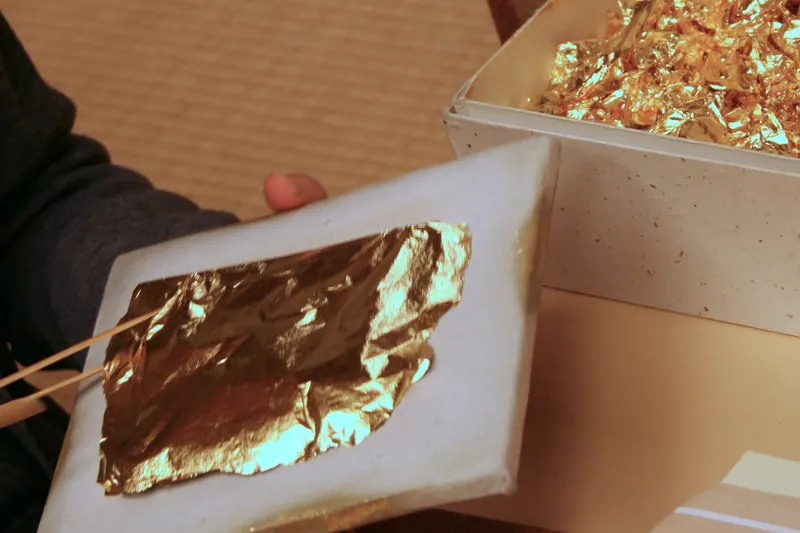
  2. A gold-leaf workshop in Kanazawa

    Try a gold-leaf application experience

    Workshops throughout the city let visitors apply gold leaf themselves, to chopsticks, boxes or even food, a hands-on link to the city's signature craft.

    Tip Gold-leaf-topped soft serve is a popular, if slightly gimmicky, way to try the craft in edible form.

  3. Fresh seafood on display at Omicho Market

    Eat fresh seafood at Omicho Market

    An essential Kanazawa experience, the market's kaisendon bowls and individual seafood stalls offering some of the freshest catch in the country.

    Tip Arrive before noon for the best selection — the most popular stalls can sell out their prime cuts by early afternoon.

  4. Inside Leandro Erlich's Swimming Pool installation

    See the 21st Century Museum's Swimming Pool installation

    Leandro Erlich's clever installation lets visitors view each other through a water-filled glass ceiling from both above and below.

    Tip Weekday mornings offer noticeably shorter queues for the installation's popular underwater viewing room.

  5. Kenrokuen Garden's stone lantern in winter snow

    Stroll Kenrokuen in a different season

    The garden's character transforms across the year, from cherry blossoms to snow-protected pines in winter, rewarding a return visit if timing allows.

    Tip Winter's yukitsuri rope supports, protecting the pines from snow damage, are themselves a striking seasonal sight.

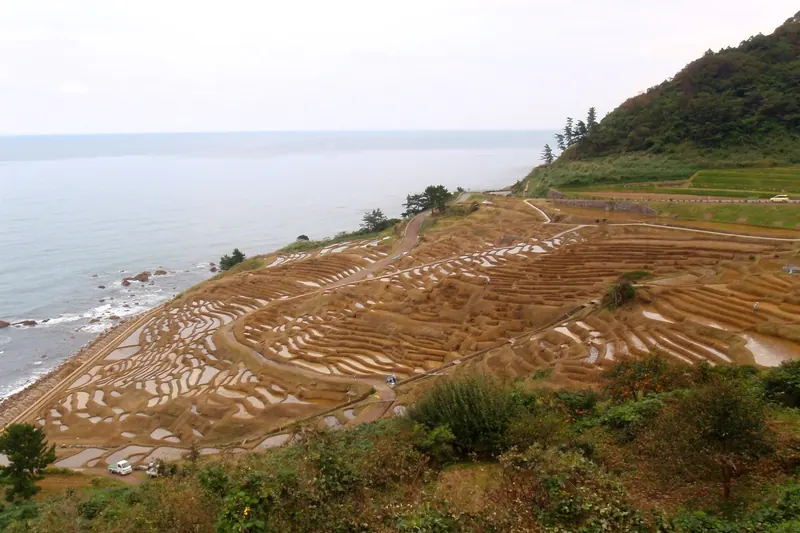
  6. Terraced rice paddies on the Noto Peninsula

    Day trip to the Noto Peninsula

    A rugged, less-visited coastline north of the city, with dramatic cliffs, traditional fishing villages and terraced rice paddies.

    Tip A rental car is the practical way to explore the peninsula's more remote coastal viewpoints.

Local food

What to eat in Kanazawa

Kanazawa's food culture centres on the Sea of Japan's exceptional seafood and the historic Kaga domain's refined cooking traditions.

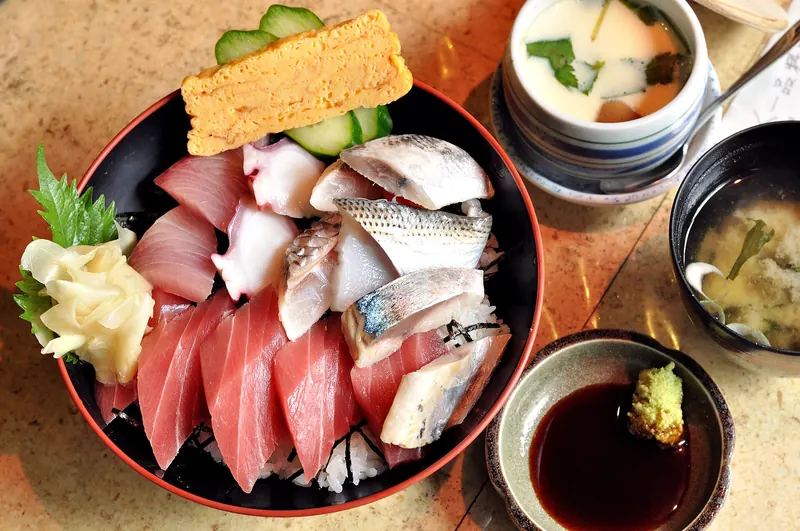
  • Kaisendon, fresh raw seafood served over rice

    Kaisendon (seafood rice bowl)

    Fresh raw seafood served over rice, elevated in Kanazawa by the Sea of Japan's cold-water catch, particularly excellent in winter crab season.

    Where to try it Omicho Market's seafood restaurants, several with excellent value set bowls.

  • Kanazawa-style sushi

    Built around the Sea of Japan's distinctive local fish varieties, different in character from Tokyo's own Edomae sushi tradition.

    Where to try it Sushi counters throughout the city, particularly around Omicho Market.

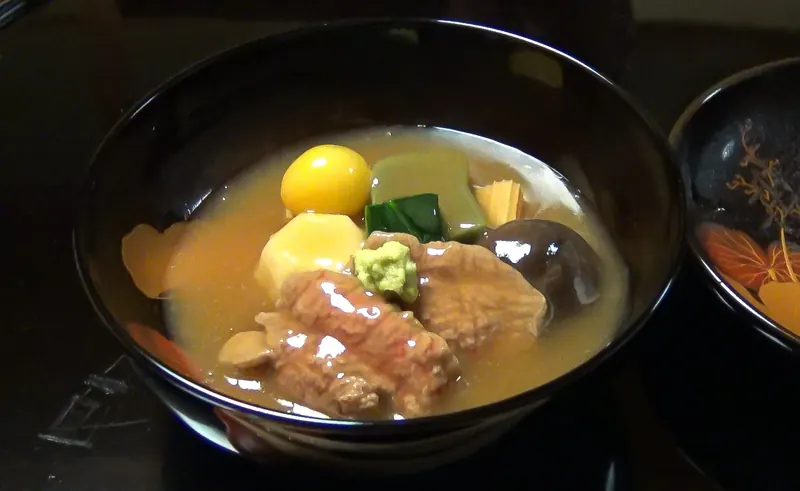
  • Jibuni, duck simmered in a thickened broth with vegetables

    Jibuni

    A genuine Kaga-cuisine classic, duck or chicken simmered in a thickened broth with vegetables and wheat gluten, a refined regional stew.

    Where to try it Traditional Kaga-ryori restaurants throughout the city, often as part of a set kaiseki-style meal.

  • Kaga vegetables

    A group of heirloom local vegetable varieties certified and protected as a regional specialty, featured throughout the city's traditional cooking.

    Where to try it Traditional restaurants throughout Kanazawa, and fresh at Omicho Market's produce stalls.

  • Gold leaf soft serve

    Vanilla soft serve topped with an entire sheet of edible gold leaf, a popular, photogenic novelty tied directly to the city's craft tradition.

    Where to try it Shops throughout Higashi Chaya, several offering the gold leaf application as part of the experience.

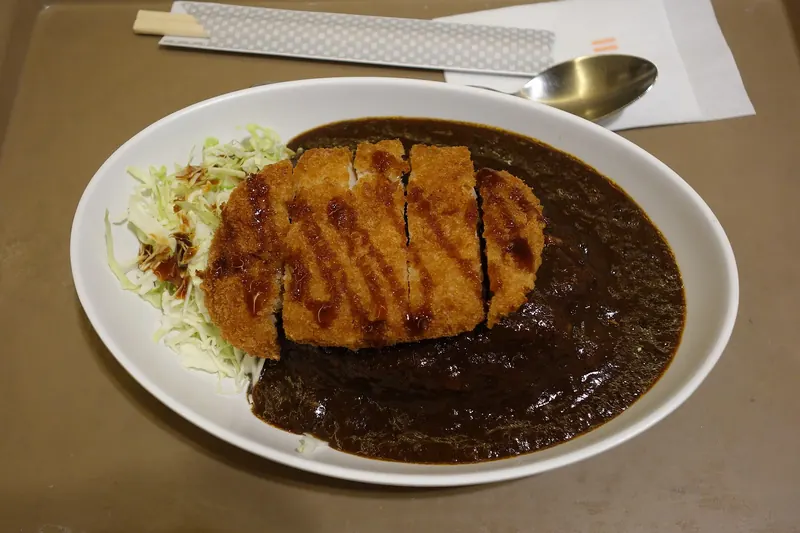
  • Kanazawa curry, thick dark roux served with shredded cabbage

    Kanazawa curry

    A distinct thick, dark curry roux served with shredded cabbage and often a breaded cutlet, eaten with a fork rather than a spoon.

    Where to try it Dedicated Kanazawa curry chains throughout the city, a genuine local fast-food institution.

Accommodation

Where to stay in Kanazawa

Kanazawa's compact centre keeps most accommodation within easy reach of the garden and historic districts.

  • Near Kanazawa Station

    A short bus or walk from the main sights, with the widest range of hotel options and easy shinkansen access.

    Best for: Transport connections and value

  • Near Kenrokuen and the castle

    The most central base for the garden, castle and 21st Century Museum, generally at a premium price.

    Best for: Walking to the garden and museum

  • Higashi Chaya district

    An atmospheric base within the teahouse district itself, with a smaller range of traditional accommodation.

    Best for: Historic atmosphere

What a night costs

Hostel dorm
¥2,800–4,500 per night
Mid-range hotel
¥12,000–22,000 per night
Kenrokuen Garden entry
¥320
Kaisendon bowl at Omicho Market
¥1,500–3,000

Transport

Getting to and around Kanazawa

The Hokuriku Shinkansen extension has made Kanazawa an easy direct trip from Tokyo.

Getting there

  • Shinkansen from Tokyo

    The Hokuriku Shinkansen reaches Kanazawa directly in about 2h30, a comfortable and scenic route through the mountains.

    Book reserved seats ahead in peak season, including cherry blossom time.

  • Bus from Takayama or Shirakawa-go

    Direct buses connect Kanazawa to Takayama in about 2h15 and Shirakawa-go in around 75 minutes.

    A convenient way to combine Kanazawa with the Hida mountain region.

  • Komatsu Airport (KMQ)

    A limousine bus connects the airport to central Kanazawa in about 40 minutes, mainly serving domestic and limited regional international routes.

    Most international visitors reach Kanazawa via shinkansen rather than flying directly.

Getting around

Kanazawa's historic centre is walkable, with a well-designed loop bus covering the main sights efficiently.

  • The Kanazawa Loop Bus

    A dedicated tourist bus circuit connects the station, Kenrokuen, the castle and the historic districts on one continuous route.

    A one-day pass offers genuine value if visiting several stops around the loop.

  • Walking

    Kenrokuen, the castle and Nagamachi all sit within a walkable central area, comfortably covered on foot.

    Higashi Chaya sits a bit further out — the loop bus or a short taxi ride is the practical option.

  • Rental car

    Useful specifically for a Noto Peninsula day trip, though unnecessary and unhelpful within the city itself.

    Return the car before entering the city centre — parking is limited and the loop bus covers the main sights well.

When to go

Best time to visit Kanazawa

Kanazawa's weather is changeable, with a real reputation for rain, but spring and autumn offer the garden's most rewarding seasonal displays.

  • Spring (April–May)

    Best time

    Cherry blossoms in Kenrokuen and around the castle draw real crowds for good reason, with comfortable temperatures.

  • Summer (June–August)

    Shoulder

    Warm and humid, with the garden's greenery at its lushest but fewer standout seasonal moments.

  • Autumn (October–November)

    Best time

    Spectacular foliage throughout Kenrokuen, arguably the garden's single most photogenic season.

  • Winter (December–February)

    Good

    Cold and prone to grey, rainy or snowy days, but the garden's yukitsuri snow-rope displays offer a distinctive seasonal sight.

Worth planning around: Kanazawa's rainy stretches, frequent year-round — pack a proper waterproof layer regardless of season.

Itinerary

Two days in Kanazawa

The garden and castle first, then the historic districts and market.

  1. Day1

    Kenrokuen and the castle

    Kanazawa's defining garden and castle grounds.

    • Morning Kenrokuen Garden, arriving early.
    • Afternoon Kanazawa Castle and the 21st Century Museum.
    • Evening Dinner near the station or Katamachi.
  2. Day2

    Historic districts and the market

    Geisha streets, samurai lanes and fresh seafood.

    • Morning Omicho Market for a seafood breakfast or lunch.
    • Afternoon Nagamachi Samurai District and the Nomura residence.
    • Evening Higashi Chaya's teahouse streets at dusk.

Travel tips

Kanazawa travel tips

Practical notes on timing, weather and etiquette that make a real difference to a Kanazawa trip.

  • Pack a proper waterproof layer regardless of season — Kanazawa's reputation for rain is well earned.
  • Visit Kenrokuen at opening time for the quietest, most photogenic experience of its classic views.
  • Arrive at Omicho Market before noon for the best seafood selection, especially in winter crab season.
  • Book 21st Century Museum Swimming Pool installation tickets ahead in peak season.
  • Buy a Kanazawa Loop Bus day pass if visiting several sights around the historic centre.
  • Try Kanazawa curry at least once — it's a genuine local institution, not just a novelty dish.
  • Book cherry blossom and autumn foliage season accommodation well ahead, when the city's rooms fill quickly.

FAQ

Kanazawa: frequently asked questions

How many days do you need in Kanazawa?

Two to three. Two covers Kenrokuen, the castle and the historic districts at a comfortable pace; three allows a Noto Peninsula day trip.

How does Kanazawa compare to Kyoto?

Comparable in historic depth and preserved districts, with noticeably fewer crowds — many visitors find Kanazawa a more relaxed, equally rewarding alternative or complement to Kyoto.

Is Kanazawa easy to reach from Tokyo?

Yes, easy since the Hokuriku Shinkansen extension — a direct, comfortable journey of about two and a half hours.

What is the best time of year to visit?

April for cherry blossoms and November for autumn foliage offer Kenrokuen's most spectacular seasonal displays, though the garden rewards a visit in any season.

Is Kanazawa worth combining with Takayama and Shirakawa-go?

Yes, well — direct buses connect all three, making a combined Chubu region itinerary of historic towns and mountain scenery a natural fit.

Read next

Related travel articles

Practical

Packing by Season and Trip Type

Most packing advice is a list of things. This is the opposite: the small number of decisions that determine whether your luggage helps or hinders, organised by the kind of trip you are actually taking.

Heritage

UNESCO Sites Worth Planning a Trip Around

A UNESCO listing tells you a place matters; it does not tell you whether it is worth two days and a detour. This is how to read the list usefully — and which sites reward building a trip around them.

Advertisement