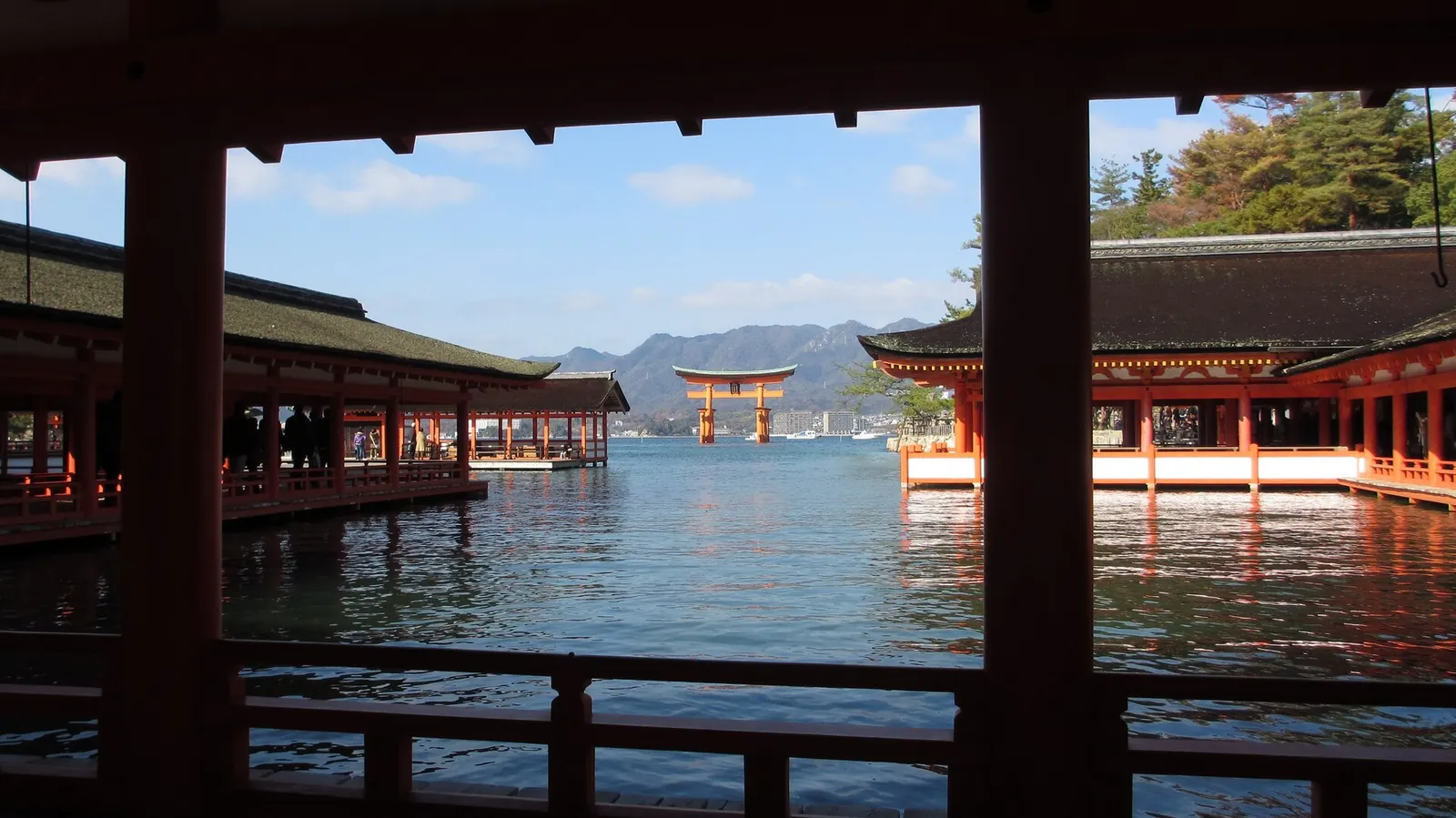
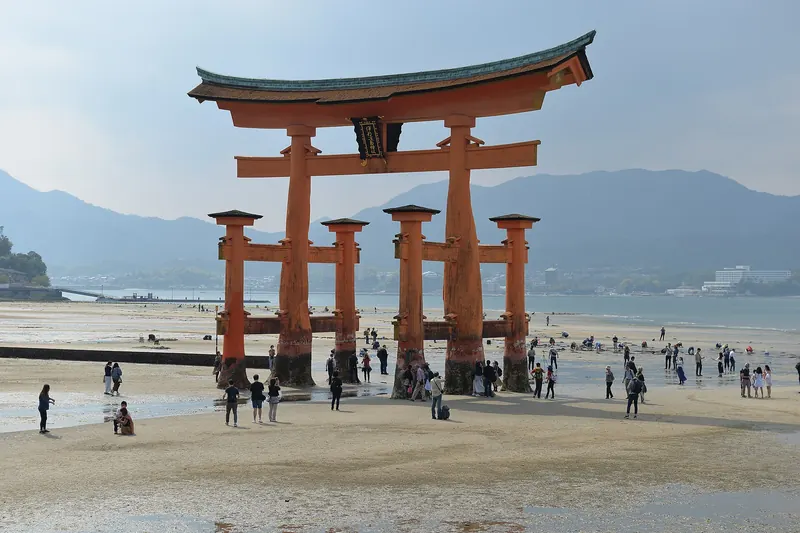
Itsukushima Shrine's vermillion torii gate appearing to float at high tide off Miyajima

Chugoku · Japan

Hiroshima and Miyajima

A city that rebuilt itself around a direct, deliberate reckoning with its history, beside an island shrine considered one of Japan's three most scenic views.

  • Best time March–May and October–November, for mild weather and clear island views
  • Stay 2 days
  • Good for History, reflection, scenic island day trips

Photo: JohnnyOneSpeed · CC BY-SA 3.0

Welcome to Hiroshima and Miyajima

Hiroshima was destroyed by the world's first wartime use of a nuclear weapon on 6 August 1945, and the city's rebuilding since has been shaped by a genuine, deliberate commitment to remembrance and peace advocacy rather than simply moving past the event. The Peace Memorial Park and its museum present this history directly, and the city has become a genuine global centre for nuclear disarmament advocacy as a result.

That history sits alongside a rebuilt, lively modern city — wide boulevards, a well-regarded food scene built around its own distinct okonomiyaki style, and a population that has, in the decades since, built something resilient and forward-looking rather than defined solely by tragedy.

Miyajima, a short ferry ride away, offers real contrast: officially Itsukushima, the island is considered one of Japan's three most scenic views, its shrine's torii gate appearing to float on the water at high tide, a serene counterpart to Hiroshima's weightier history.

  • Historic Site
  • Culture
  • Island

Why visit

Why visit Hiroshima and Miyajima?

The pairing's case is that no other Japan itinerary combines this direct a reckoning with history alongside this serene a natural and religious site.

  • The history is presented with real honesty

    The Peace Memorial Park and Museum address the atomic bombing directly, an essential, moving part of understanding modern Japan.

  • Miyajima's torii gate is one of Japan's iconic images

    Considered one of the country's three most scenic views for centuries, and it lives up to the reputation in person.

  • The city itself is resilient and lively

    Rebuilt into a modern, forward-looking city with a distinct food culture, not simply a memorial site.

  • Hiroshima-style okonomiyaki is worth the trip alone

    A layered, noodle-added variation distinct from Osaka's version, with real local pride attached to it.

  • The pairing is easy

    Miyajima sits under an hour from central Hiroshima by tram and ferry, making the combination simple to fit into a wider itinerary.

Main attractions

Top things to see in Hiroshima and Miyajima

Hiroshima's memorial sites and Miyajima's shrine and mountain, together forming one of Japan's most meaningful pairings.

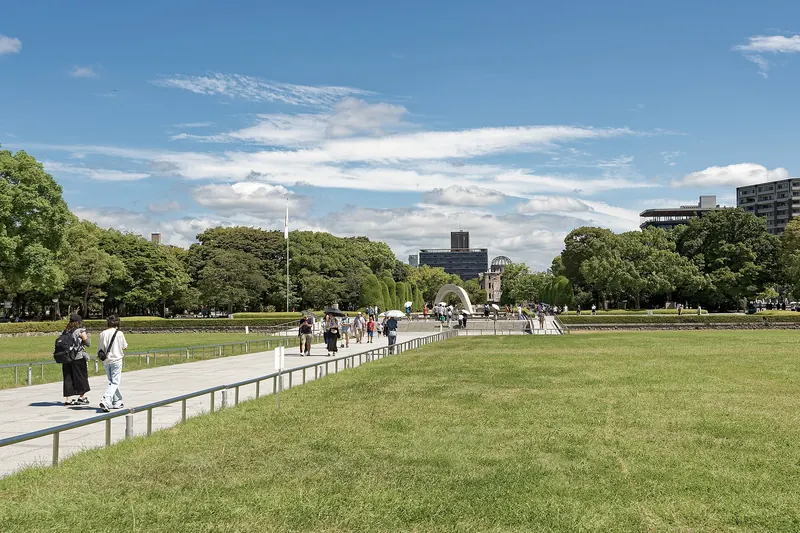
  1. Hiroshima's Peace Memorial Park

    Peace Memorial Park

    A moving landscaped park built around the hypocentre area, home to the Children's Peace Monument, the eternal flame and the Cenotaph for the atomic bomb victims.

    Tip The park is worth a slow, unhurried walk rather than a rushed pass-through between the Dome and the museum.

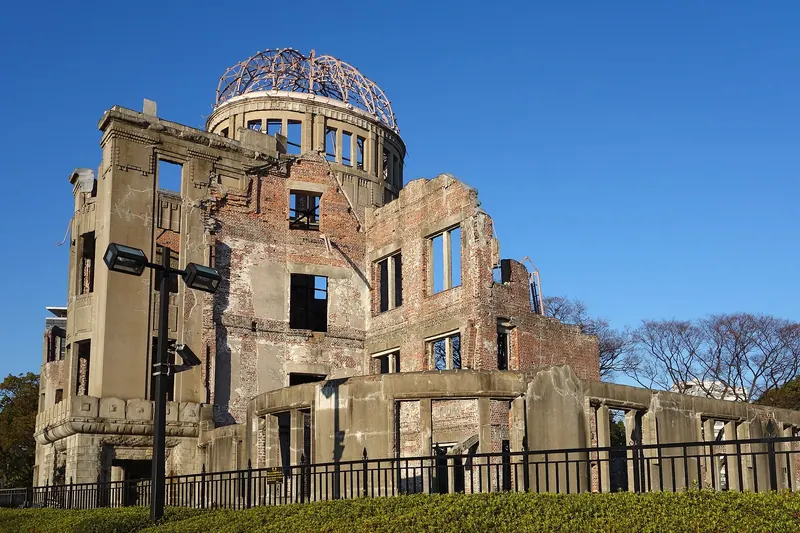
  2. The preserved ruin of the Atomic Bomb Dome in Hiroshima

    The Atomic Bomb Dome (Genbaku Dome)

    The skeletal ruin of a former exhibition hall, deliberately preserved in its bombed state as a permanent, powerful reminder, now a UNESCO World Heritage Site.

    Tip The view across the river at dusk, with the Dome lit against the darkening sky, is striking and less crowded than daytime.

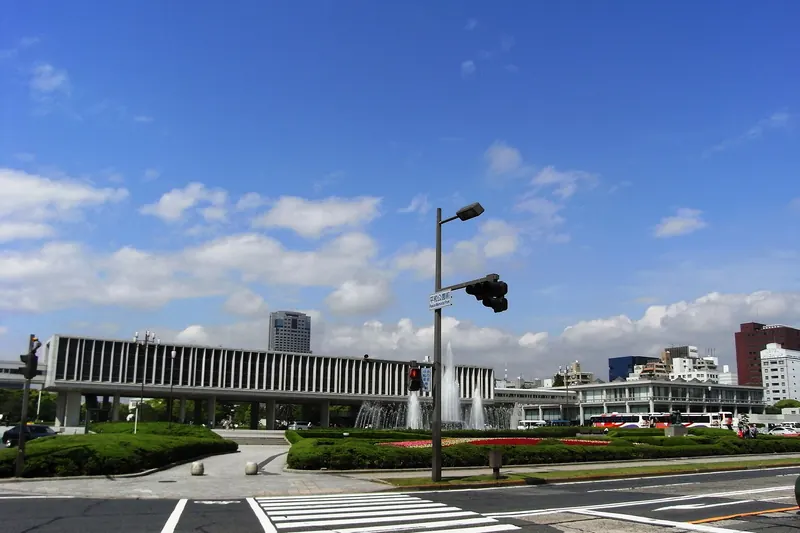
  3. The Hiroshima Peace Memorial Museum building

    Hiroshima Peace Memorial Museum

    An unflinching museum presenting the bombing's human impact through artefacts and testimony, essential context alongside the park's memorials.

    Tip Allow at least two hours — the museum's content is substantial and deserves unhurried time.

  4. Itsukushima Shrine's torii gate partially submerged at high tide

    Itsukushima Shrine's floating torii gate

    A vermillion torii gate standing in the water off Miyajima's shore, appearing to float at high tide, one of Japan's most photographed and historically revered images.

    Tip Check tide tables ahead — high tide gives the floating effect, while low tide lets you walk out to the gate itself.

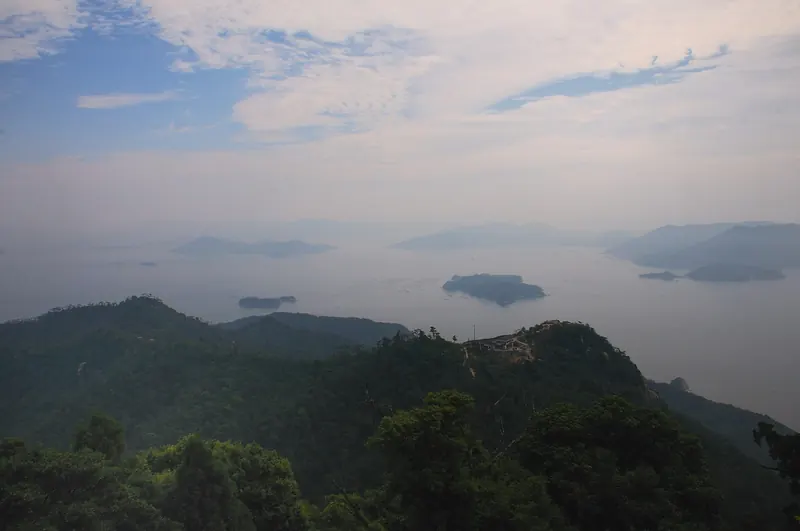
  5. The view across the Seto Inland Sea from Mount Misen

    Mount Misen, Miyajima

    The island's sacred peak, reachable by cable car and a short hike, offering sweeping views across the Seto Inland Sea.

    Tip The cable car doesn't reach the true summit — a final 30-minute walk is required, well worth the extra effort.

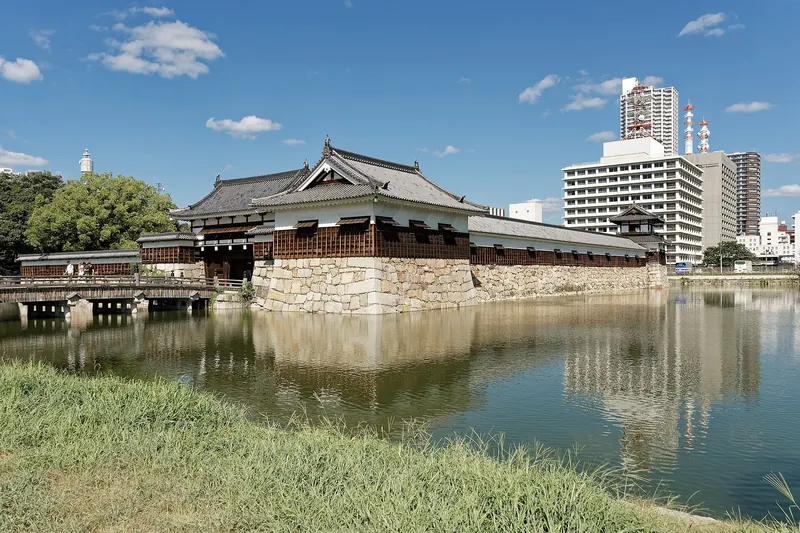
  6. The main gate of the reconstructed Hiroshima Castle

    Hiroshima Castle

    A reconstructed keep on the site of the original, destroyed in the 1945 bombing, its moat and grounds offering a peaceful contrast to the Peace Park's weight.

    Tip The castle's top floor observation deck gives a good orientation view over the wider city.

Things to do

Best things to do in Hiroshima and Miyajima

Beyond the memorial sites and the shrine, this pairing rewards Miyajima's wildlife, its mountain views and Hiroshima's own food culture.

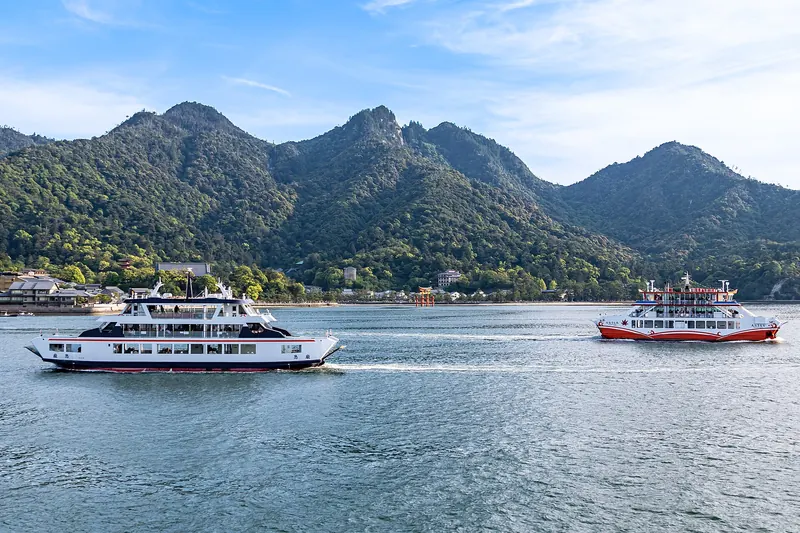
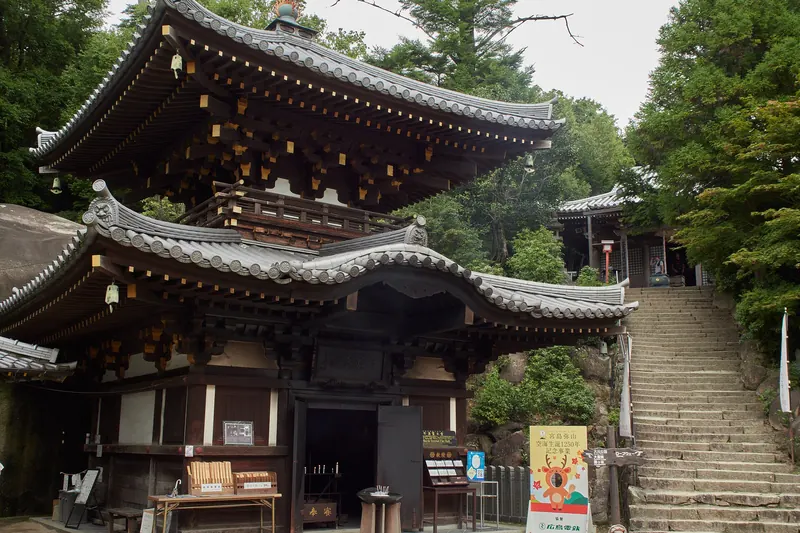
  1. The ferry approaching Miyajima with the torii gate and Mount Misen in view

    Take the ferry to Miyajima

    A short, scenic crossing from Miyajimaguchi, with the torii gate visible from the boat well before landing.

    Tip JR Pass holders can use the JR-operated ferry at no extra cost, one of the pass's useful smaller benefits.

  2. The hiking trail up Mount Misen on Miyajima

    Hike Mount Misen

    A rewarding half-day hike or cable-car-plus-short-walk combination, rewarding effort with sweeping island and sea views from the summit.

    Tip Start early if hiking the full route — the ascent takes two to three hours and afternoon heat can make it demanding in summer.

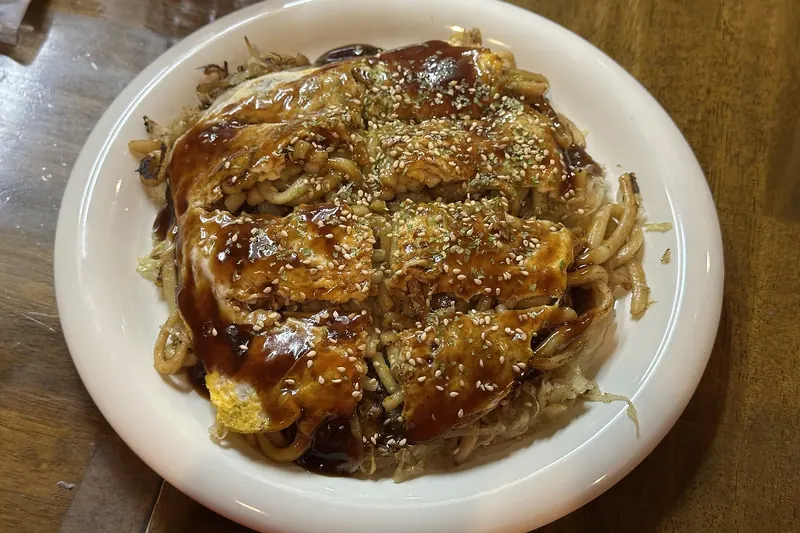
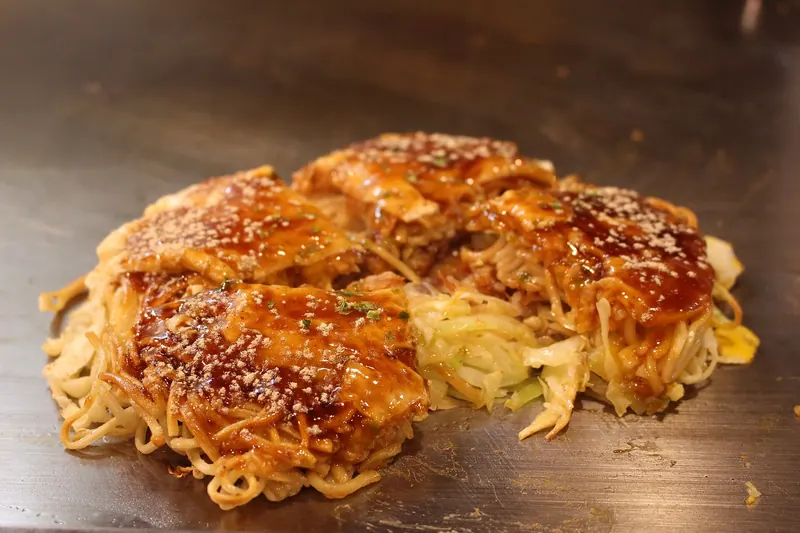
  3. Hiroshima-style okonomiyaki, layered with noodles

    Eat Hiroshima-style okonomiyaki

    Layered rather than mixed, with a genuine noodle addition setting it distinctly apart from Osaka's version, cooked directly at teppan counters.

    Tip Okonomimura, a multi-floor building packed with dedicated okonomiyaki stalls, is a fun way to compare several versions in one visit.

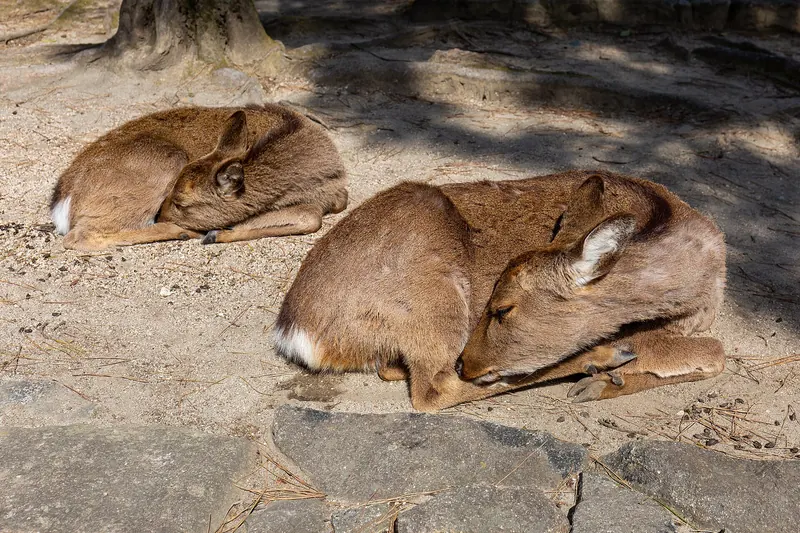
  4. A sika deer roaming freely on Miyajima

    Spot Miyajima's deer

    Like Nara, Miyajima is home to freely roaming sacred deer, considered messengers of the island's shrine, relaxed around visitors.

    Tip Unlike Nara, feeding the deer is now discouraged on Miyajima — admire rather than offer food.

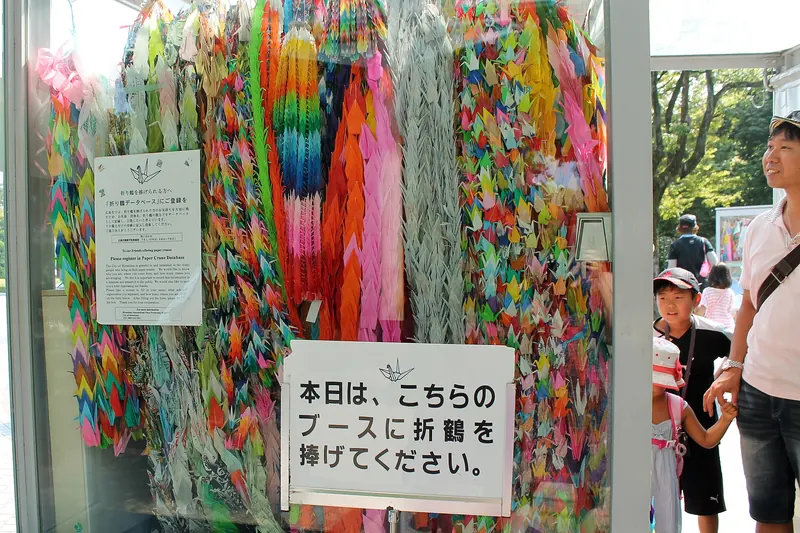
  5. The Children's Peace Monument in Hiroshima

    Visit the Children's Peace Monument

    A statue inspired by Sadako Sasaki, a bombing survivor who folded paper cranes hoping for recovery, surrounded by millions of cranes sent from around the world.

    Tip Consider folding and leaving a paper crane yourself — origami paper is often available at nearby shops for this purpose.

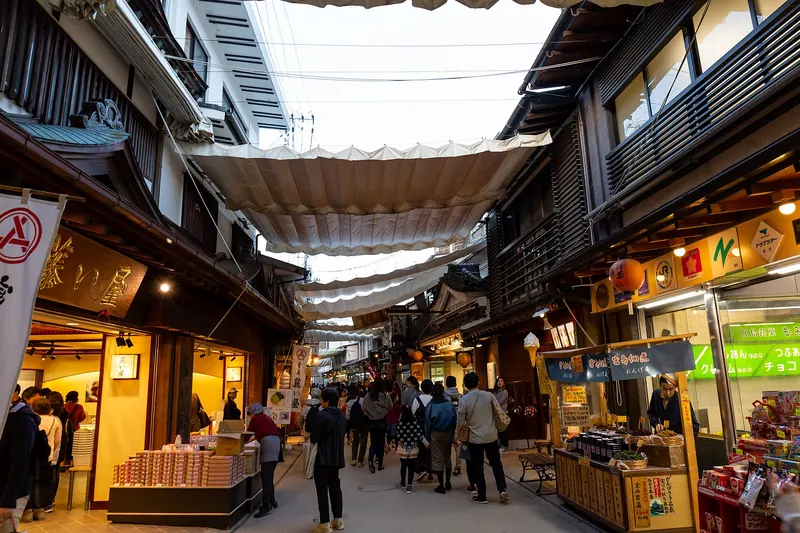
  6. Traditional shopfronts along Miyajima's old town street

    Walk Miyajima's old town streets

    Omotesando's shopping street offers good souvenir shopping and food stalls, a lively contrast to the shrine's quiet reverence just beyond it.

    Tip Grilled oysters and momiji manju stalls line the street — both are worth stopping for.

Local food

What to eat in Hiroshima and Miyajima

Hiroshima and Miyajima's food culture centres on the region's own okonomiyaki style, oysters and Seto Inland Sea seafood.

  • A finished Hiroshima-style okonomiyaki on the teppan grill

    Hiroshima-style okonomiyaki

    Layered rather than mixed, built up with cabbage, pork, a generous portion of noodles and a fried egg, distinctly different from Osaka's batter-mixed version.

    Where to try it Okonomimura's multi-floor stall building, or any dedicated teppan counter across the city.

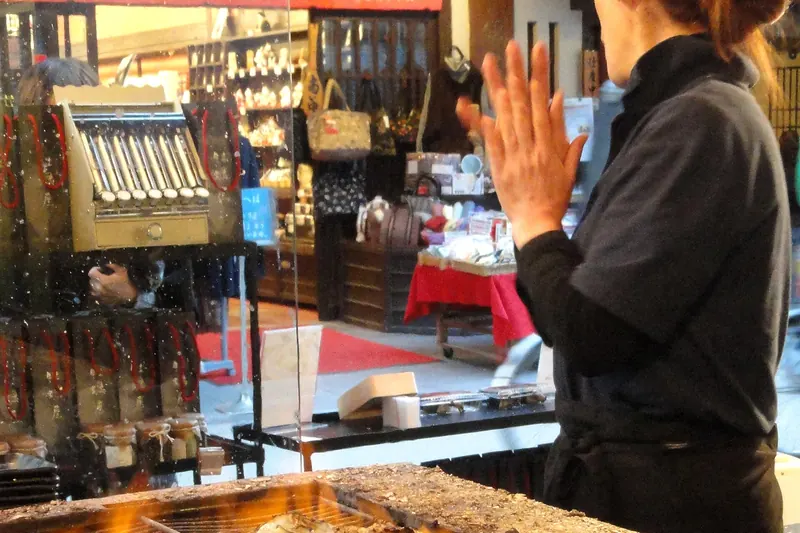
  • Grilled Hiroshima oysters served on Miyajima

    Hiroshima oysters

    The region produces a significant share of Japan's oysters, grilled, fried or eaten raw, a defining local speciality.

    Where to try it Miyajima's Omotesando street stalls, or dedicated oyster restaurants along Hiroshima's waterfront.

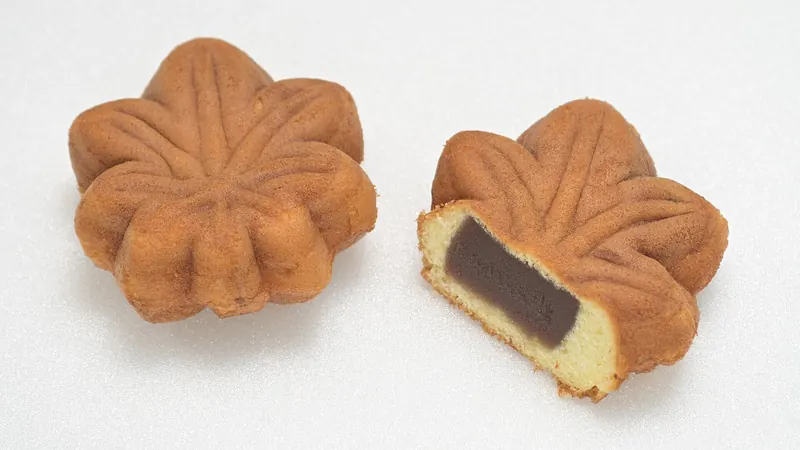
  • Momiji manju, small maple-leaf-shaped cakes

    Momiji manju

    Small maple-leaf-shaped cakes filled with sweet bean paste, custard or chocolate, a genuine Miyajima speciality sold throughout the island's old town.

    Where to try it Omotesando street's bakeries, several offering fresh, warm versions made on the spot.

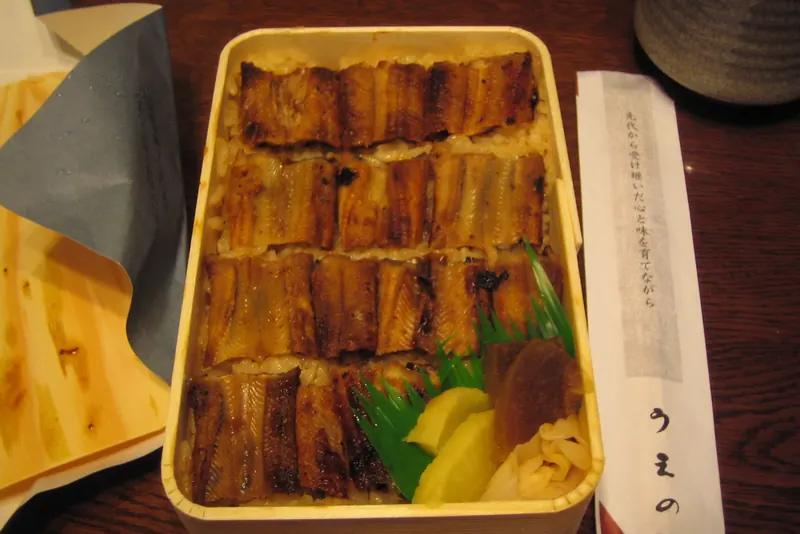
  • Anagomeshi, grilled conger eel served over rice

    Anagomeshi (conger eel rice)

    Grilled conger eel served over rice, a genuine Miyajima and Hiroshima Bay speciality distinct from the more famous unagi freshwater eel.

    Where to try it Traditional restaurants on Miyajima and along Hiroshima's waterfront, some over a century old.

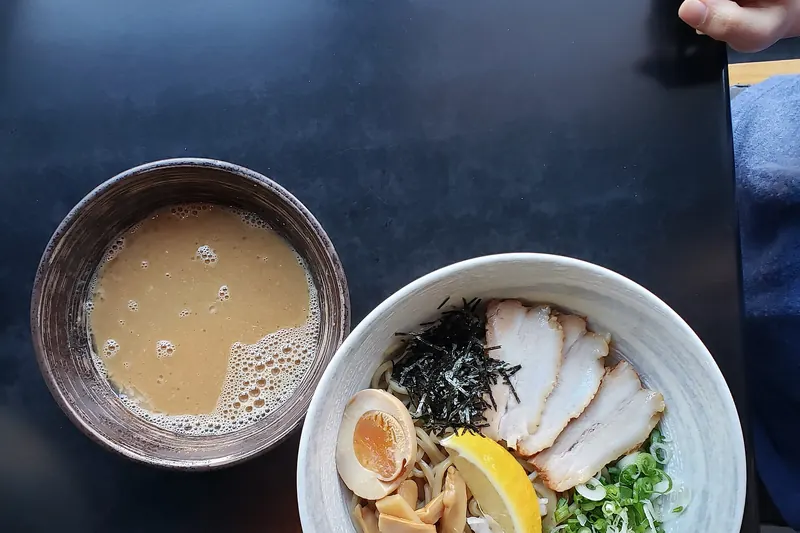
  • A bowl of spicy dipping noodles, tsukemen-style

    Hiroshima tsukemen

    A spicy dipping noodle dish distinct from Tokyo's own tsukemen style, with a local chilli oil base developed specifically in the city.

    Where to try it Dedicated tsukemen restaurants throughout central Hiroshima.

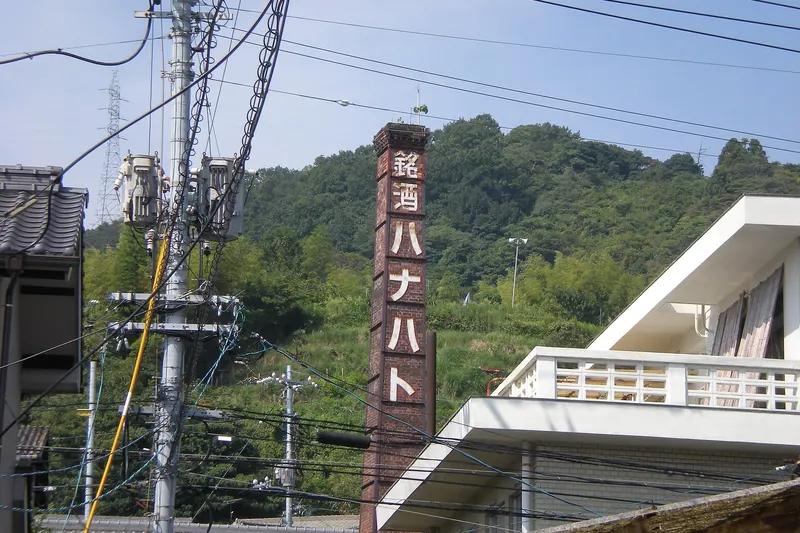
  • Hanahato, a sake brand from Saijo, Hiroshima

    Saijo sake

    A short train ride from Hiroshima, Saijo is one of Japan's most historically significant sake-brewing towns, its water prized by brewers for generations.

    Where to try it Saijo's brewery district, several open for tastings and tours, or dedicated sake bars in central Hiroshima.

Accommodation

Where to stay in Hiroshima and Miyajima

Basing in central Hiroshima keeps both the Peace Park and the Miyajima ferry within easy reach.

  • Central Hiroshima, near the Peace Park

    The most central base, putting the Peace Park, museum and Dome within easy walking distance.

    Best for: Walking to the memorial sites

  • Hiroshima Station area

    Excellent tram and rail connections, including the direct line out to Miyajimaguchi for the ferry.

    Best for: Transport connections

  • On Miyajima itself

    Staying overnight allows peaceful access to the shrine and old town after day-trippers depart on the evening ferry.

    Best for: A quiet overnight island stay

What a night costs

Hostel dorm
¥2,800–4,500 per night
Mid-range hotel
¥10,000–19,000 per night
Peace Memorial Museum entry
¥200
Grilled oyster from a stall
¥400–700

Transport

Getting to and around Hiroshima and Miyajima

Hiroshima sits directly on the shinkansen line, with Miyajima a short onward tram and ferry ride away.

Getting there

  • Shinkansen from other Japanese cities

    Bullet trains connect Hiroshima to Osaka in under 2 hours and to Tokyo in about 4 hours.

    Hiroshima Station sits directly on the Sanyo Shinkansen line, making it an easy stop when travelling further into western Japan.

  • Hiroshima Airport (HIJ)

    A limousine bus connects the airport to central Hiroshima in around 45 minutes, mainly serving domestic routes.

    Most international visitors arrive via shinkansen rather than flying directly into Hiroshima.

  • Tram and ferry to Miyajima

    The Hiroden tram or JR train to Miyajimaguchi, then a short ferry crossing, takes about an hour door to door from central Hiroshima.

    Ferries run frequently throughout the day — no advance booking is generally needed outside peak holiday periods.

Getting around

Hiroshima's tram network covers the city well, and Miyajima's old town is compact and walkable.

  • Hiroden tram

    A historic, still-functioning tram network connects the station, Peace Park and Miyajimaguchi ferry terminal directly.

    A day pass offers genuine value if making several tram journeys across the city.

  • Walking, on Miyajima

    The shrine, old town and ferry terminal all sit within a compact, walkable area.

    Mount Misen's cable car station requires a short bus or a longer uphill walk from the main village.

  • Cable car, for Mount Misen

    A two-stage cable car reaches close to Mount Misen's summit, with a final short walk required to the actual peak.

    Queues can build in peak season — an early start helps avoid the longest waits.

When to go

Best time to visit Hiroshima and Miyajima

Hiroshima and Miyajima share a comfortable climate in spring and autumn, with clearer skies benefiting both the memorial sites and Mount Misen's views.

  • Spring (March–May)

    Best time

    Cherry blossoms around the Peace Park and comfortable temperatures, with manageable crowds outside Golden Week.

  • Summer (June–August)

    Shoulder

    Hot and humid, though the 6 August Peace Memorial Ceremony draws genuine international attention if the date aligns with your trip.

  • Autumn (October–November)

    Best time

    Comfortable temperatures and spectacular foliage on Miyajima's Momijidani Park, arguably the island's most beautiful season.

  • Winter (December–February)

    Good

    Cold but usually clear, with peaceful, uncrowded access to both the Peace Park and Miyajima's shrine.

Worth planning around: Golden Week and peak summer weekends without ferry and accommodation timing checked ahead, when Miyajima's crossing and old town both get crowded.

Itinerary

Two days in Hiroshima and Miyajima

The Peace Park and its history first, then Miyajima's shrine and mountain.

  1. Day1

    Hiroshima's Peace Memorial sites

    A direct, honest look at the city's history.

    • Morning The Peace Memorial Museum.
    • Afternoon The Peace Memorial Park and the Atomic Bomb Dome.
    • Evening Hiroshima-style okonomiyaki at Okonomimura.
  2. Day2

    Miyajima island

    The floating torii gate and Mount Misen.

    • Morning Ferry to Miyajima and Itsukushima Shrine.
    • Afternoon Mount Misen by cable car and a short summit hike.
    • Evening Grilled oysters and momiji manju on Omotesando before the last ferry back.

Travel tips

Hiroshima and Miyajima travel tips

Practical notes on timing, tides and etiquette that make a real difference to a Hiroshima and Miyajima trip.

  • Check Miyajima's tide tables before your visit — high tide floats the torii gate, low tide lets you walk out to it.
  • Allow at least two hours for the Peace Memorial Museum — its content deserves unhurried time.
  • Don't feed Miyajima's deer, unlike Nara's — it's actively discouraged on the island.
  • Take the last ferry back from Miyajima seriously — services thin out in the evening, especially outside peak season.
  • Visit Okonomimura for an easy way to compare several Hiroshima-style okonomiyaki stalls in one stop.
  • Book Golden Week and summer weekend accommodation on Miyajima well ahead, when the island's limited rooms sell out.
  • Consider a day trip to Saijo for sake tasting if staying three or more nights in the area.

FAQ

Hiroshima and Miyajima: frequently asked questions

How many days do you need for Hiroshima and Miyajima?

Two works well — one full day for the Peace Memorial sites, one for Miyajima's shrine and Mount Misen.

Is the Peace Memorial Museum difficult to visit?

It's sobering and substantial, but presented with real honesty and educational care — most visitors find it a valuable, moving part of understanding the city and the period.

Is Miyajima worth visiting as a day trip from Hiroshima?

Yes, it works well as a day trip given the roughly hour-long journey, though an overnight stay allows quieter access to the shrine and old town after other visitors depart.

What is the best time of year to visit?

March to May and October to November offer the best weather — cherry blossoms in spring, comfortable temperatures and spectacular foliage on Miyajima in autumn.

Is Hiroshima worth visiting beyond the Peace Memorial sites?

Yes — the city's food culture, particularly its own okonomiyaki style, and its resilient, forward-looking modern character are worthwhile independent of the memorial sites.

Read next

Related travel articles

Practical

Packing by Season and Trip Type

Most packing advice is a list of things. This is the opposite: the small number of decisions that determine whether your luggage helps or hinders, organised by the kind of trip you are actually taking.

Heritage

UNESCO Sites Worth Planning a Trip Around

A UNESCO listing tells you a place matters; it does not tell you whether it is worth two days and a detour. This is how to read the list usefully — and which sites reward building a trip around them.

Advertisement