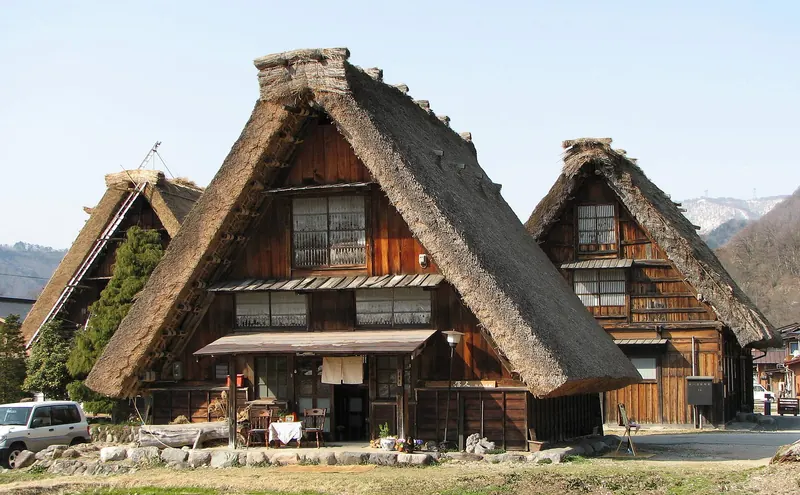
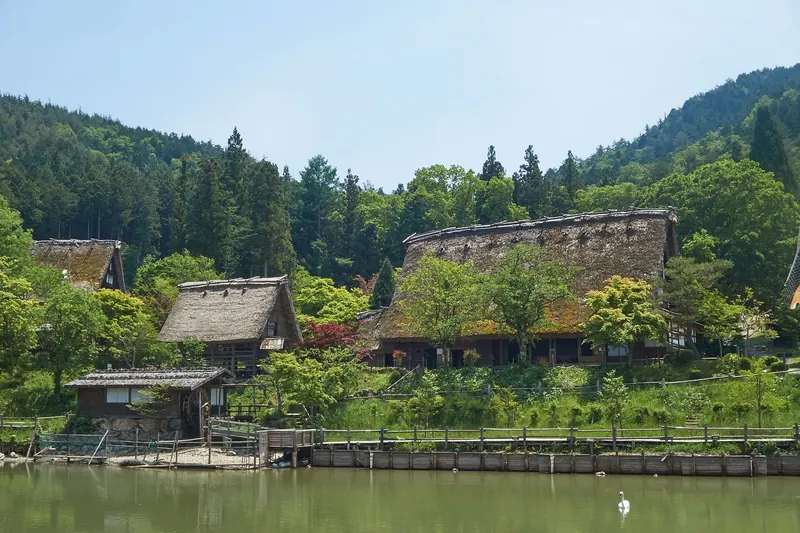
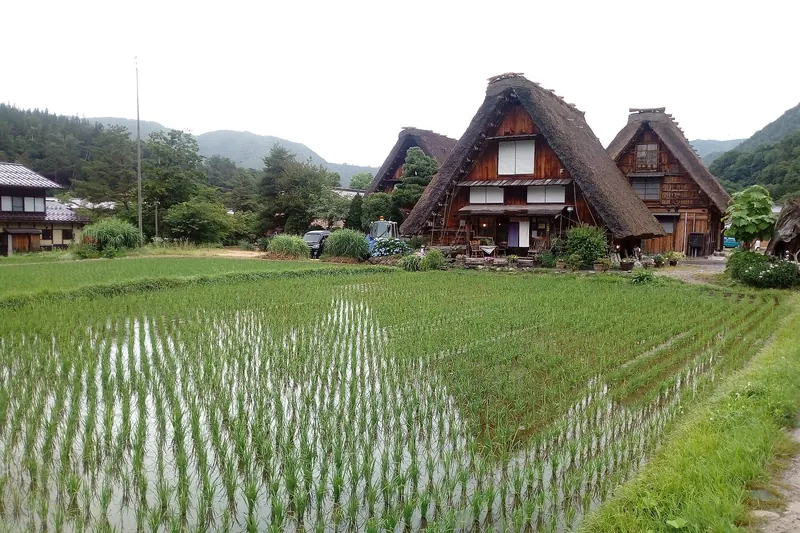
Shirakawa-go's thatched-roof gassho-zukuri farmhouses beneath the mountains

Chubu · Japan

Takayama and Shirakawa-go

A preserved Edo-period merchant town paired with a UNESCO World Heritage village of steep thatched-roof farmhouses, both unlike anywhere else in Japan.

  • Best time October–November for autumn foliage, or January–February for snow-covered thatched roofs
  • Stay 3 days
  • Good for History, mountain scenery, a slower rural pace

Photo: そらみみ · CC BY-SA 4.0

Welcome to Takayama and Shirakawa-go

Takayama's old town survived both wartime destruction and the mainland's postwar redevelopment relatively untouched, leaving Edo-period merchant streets, sake breweries and wooden storefronts intact rather than reconstructed. Tucked into the Hida mountains, the town developed its own distinct culinary and craft traditions relatively isolated from the rest of Japan.

Shirakawa-go, a short bus ride away, holds one of Japan's most distinctive rural landscapes — gassho-zukuri farmhouses, their steep thatched roofs designed specifically to shed the region's heavy snowfall, clustered in a valley that earned UNESCO World Heritage status for its architectural and agricultural continuity.

The pairing offers real contrast within a short journey: Takayama's lively old-town streets and food culture alongside Shirakawa-go's quieter, rural farming village atmosphere, both offering a side of Japan considerably slower and more traditional than the Tokyo-Kyoto-Osaka corridor.

  • Historic Site
  • Mountains
  • Rural

Why visit

Why visit Takayama and Shirakawa-go?

The pairing's case is that no other easy regional combination offers this preserved a merchant town alongside this distinctive a rural farmhouse village.

  • Takayama's old town is intact

    Edo-period streets, breweries and storefronts survive as working buildings, not a reconstructed tourist set piece.

  • Shirakawa-go's architecture is unique

    The gassho-zukuri farmhouses' steep thatched roofs represent a distinctive regional adaptation found almost nowhere else.

  • Hida beef is excellent

    A premium wagyu grade with real local pride, among Japan's best regional beef traditions.

  • The pace is slower

    Both towns offer a real, unhurried rural Japan considerably different from the major cities' energy.

  • It works well as a Japanese Alps addition

    Easily paired with Kanazawa or a wider Chubu region itinerary for those with more time.

Main attractions

Top things to see in Takayama and Shirakawa-go

Takayama's preserved merchant streets and Shirakawa-go's thatched-roof village, together forming one of Japan's most rewarding rural pairings.

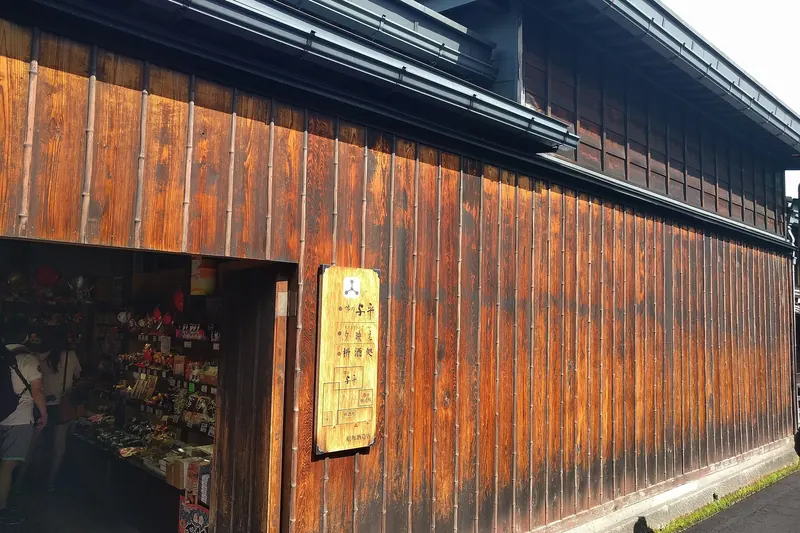
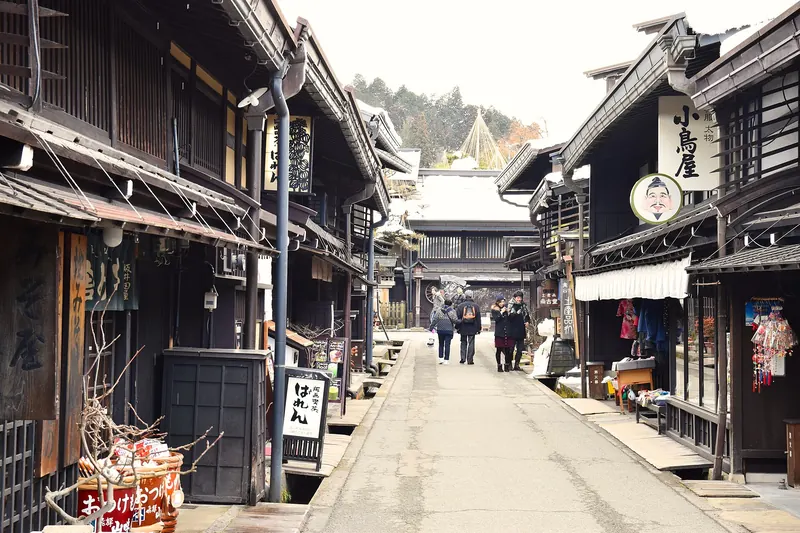
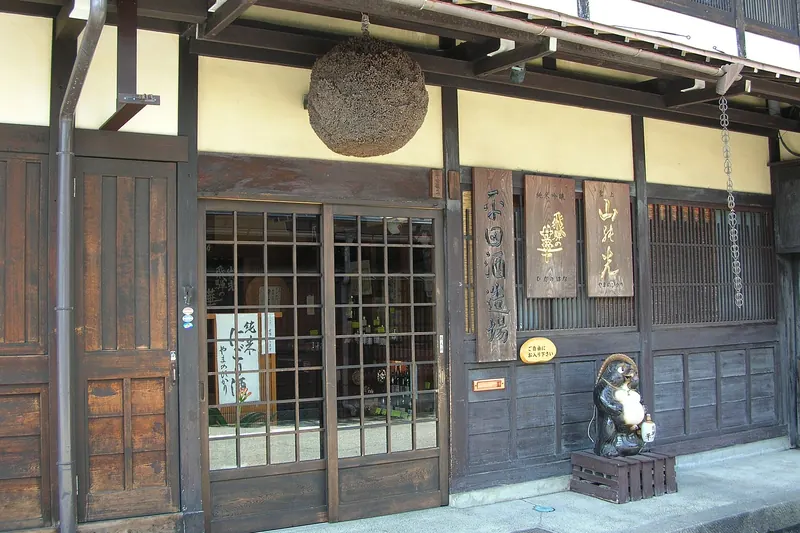
  1. Preserved Edo-period wooden buildings in Takayama's Sanmachi Suji old town

    Takayama's Sanmachi Suji old town

    Preserved Edo-period merchant streets, their dark wooden buildings housing sake breweries, craft shops and traditional restaurants still in daily use.

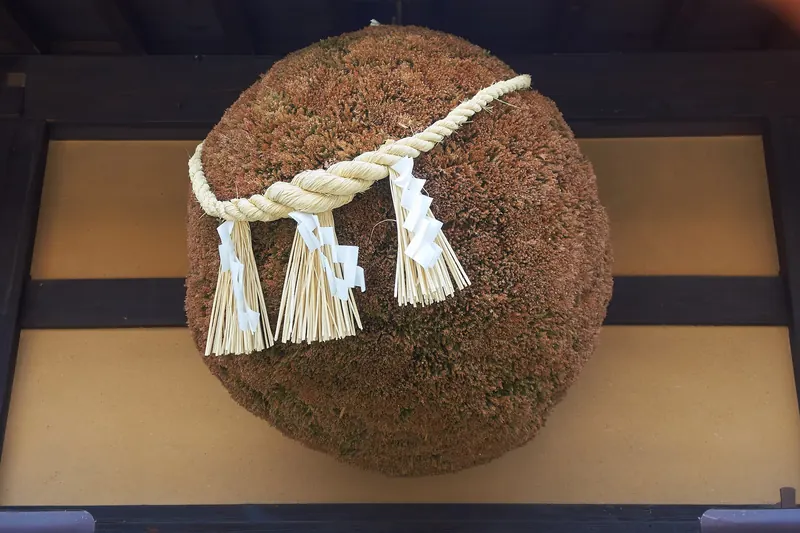
    Tip Look for the cedar-ball 'sugidama' hanging outside sake breweries — a fresh green ball signals a new batch has just been brewed.

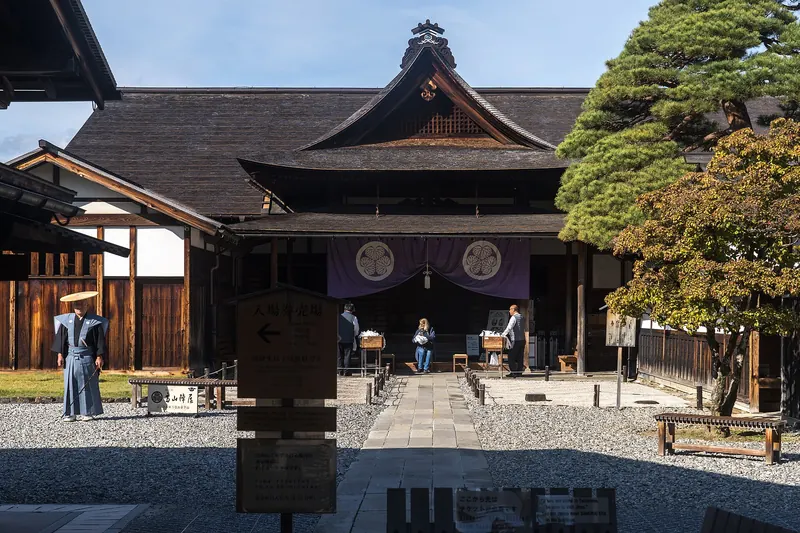
  2. Takayama Jinya, the last surviving Edo-period government house in Japan

    Takayama Jinya

    A former government house from the Edo period, the only one of its kind still standing in Japan, offering genuine insight into historic local administration.

    Tip The building's interior rooms, including an actual courtroom, are well preserved and included in a single ticket.

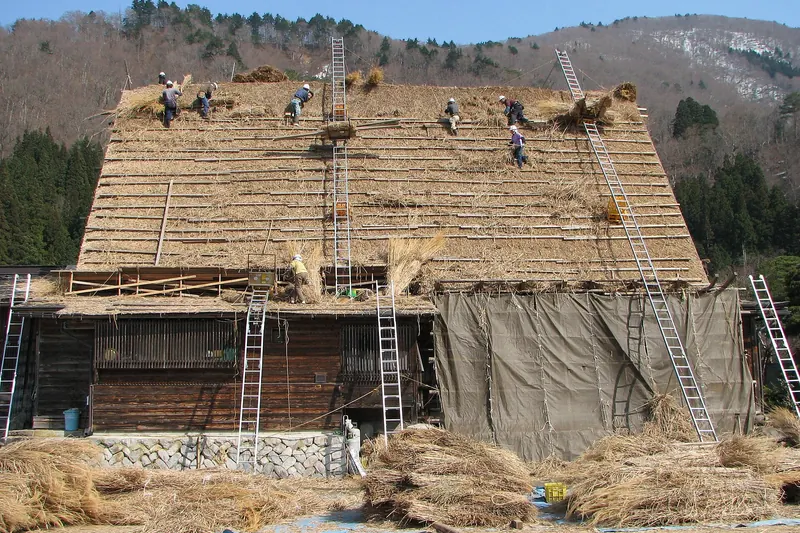
  3. A steep thatched-roof gassho-zukuri farmhouse in Shirakawa-go

    Shirakawa-go's gassho-zukuri farmhouses

    Steep thatched-roof farmhouses, some over 250 years old, still inhabited and farmed in a valley recognised as a UNESCO World Heritage Site.

    Tip Several farmhouses operate as small museums open to visitors, offering a genuine look inside the distinctive roof structure.

  4. Relocated traditional farmhouses at the Hida Folk Village open-air museum

    Hida Folk Village (Hida no Sato)

    An open-air museum of relocated traditional farmhouses from across the wider Hida region, useful context before or after visiting Shirakawa-go itself.

    Tip Craft demonstrations run throughout the day, offering genuine hands-on insight into regional traditions.

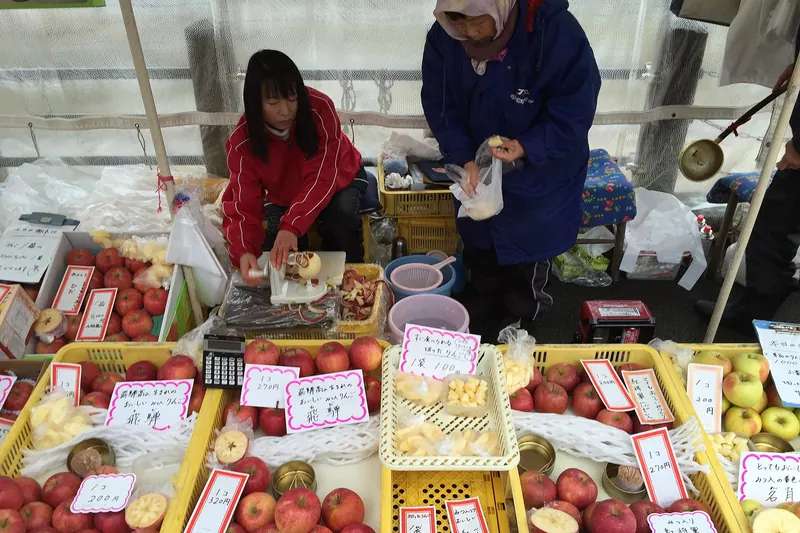
  5. Stalls at Takayama's riverside Miyagawa morning market

    Takayama's morning markets

    Riverside and jinya-front markets selling local produce, pickles and crafts, a genuine daily tradition rather than a tourist performance.

    Tip Arrive early — stalls set up around 6am and the best selection thins out by mid-morning.

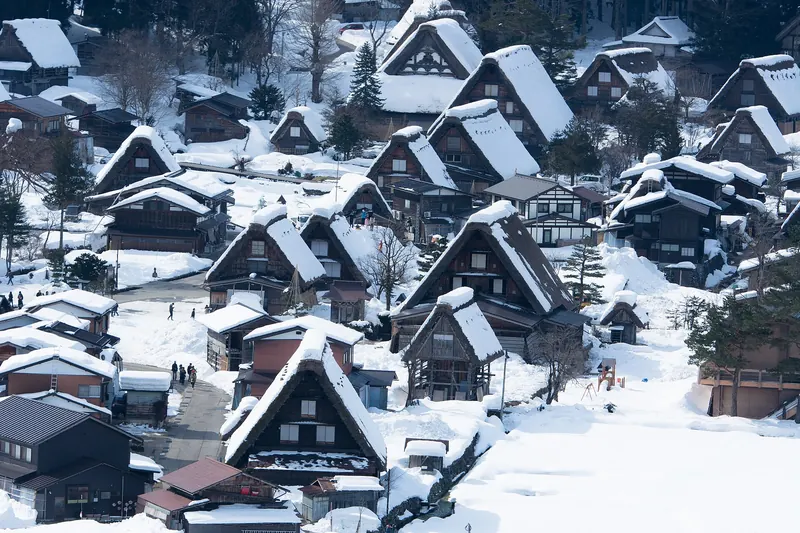
  6. Shirakawa-go's gassho-zukuri rooftops seen from the Shiroyama Viewpoint

    Shiroyama Viewpoint, Shirakawa-go

    An elevated viewpoint above Ogimachi village, offering the classic postcard view of the gassho-zukuri rooftops clustered in the valley below.

    Tip A shuttle bus runs up to the viewpoint, though the walking trail is a pleasant, unhurried alternative.

Things to do

Best things to do in Takayama and Shirakawa-go

Beyond the old town and the village, this region rewards its food culture and its slower, seasonal rural rhythms.

  1. A quiet street in Takayama's old town

    Walk Takayama's old town at your own pace

    The Sanmachi Suji district rewards slow, unhurried wandering rather than a checklist approach to its shops and breweries.

    Tip Many sake breweries offer small tastings for a modest fee, a pleasant way to sample the local product.

  2. A cedar-ball sugidama hanging outside a Takayama sake brewery

    Tour a sake brewery

    Takayama's mountain water and rice shape a distinct local sake style, with several historic breweries offering tours and tastings.

    Tip Winter (brewing season) offers the most active tours, when the process is underway rather than dormant.

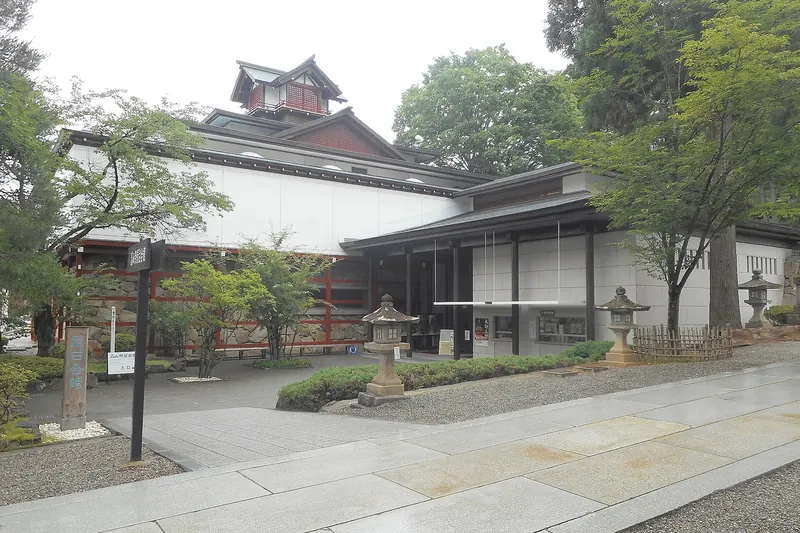
  3. Ornate festival floats on display at the Takayama Festival Floats Exhibition Hall

    See the Takayama Festival floats, or their museum

    The spring and autumn Takayama Festivals are considered among Japan's most beautiful, and a dedicated museum displays the ornate floats year-round for those visiting outside festival dates.

    Tip The Takayama Festival Floats Exhibition Hall rotates which floats are on display, so check ahead if a specific float interests you.

  4. A gassho-zukuri farmhouse that takes overnight guests in Shirakawa-go

    Stay overnight in a gassho-zukuri farmhouse

    Several of Shirakawa-go's historic farmhouses take overnight guests, offering a rare chance to actually sleep inside one.

    Tip Book months ahead — the village has limited overnight capacity and rooms sell out quickly.

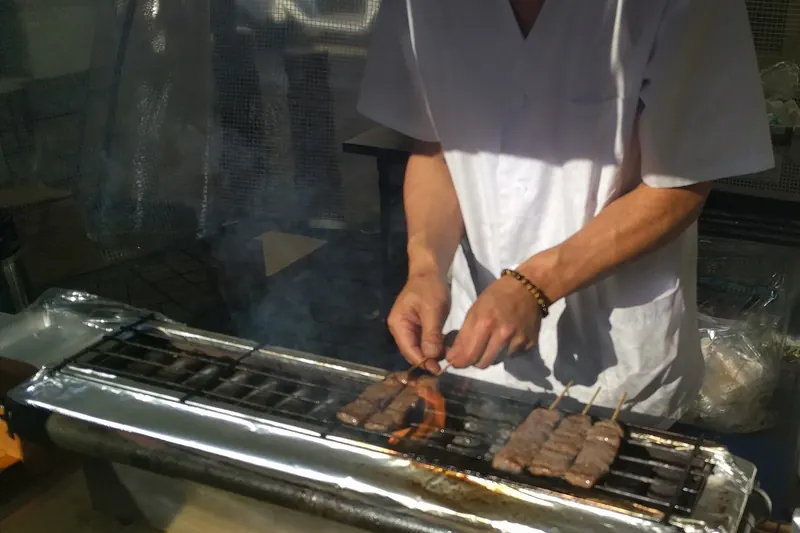
  5. Hida beef skewers grilling at a Takayama street stall

    Eat Hida beef at a local restaurant

    A premium regional wagyu grade, worth seeking out grilled simply or as part of a set meal in Takayama's old town.

    Tip Street-stall Hida beef skewers offer a good, more affordable way to try it than a full restaurant meal.

  6. Rice paddies in front of gassho-zukuri farmhouses in Shirakawa-go

    Photograph Shirakawa-go's rice paddies in season

    Spring's flooded paddies and autumn's golden rice both frame the gassho-zukuri rooftops in striking seasonal light.

    Tip Early morning offers both the best light and noticeably thinner crowds around the village's most photographed spots.

Local food

What to eat in Takayama and Shirakawa-go

Takayama and the wider Hida region's food centres on excellent local beef, mountain vegetables and a distinct sake tradition.

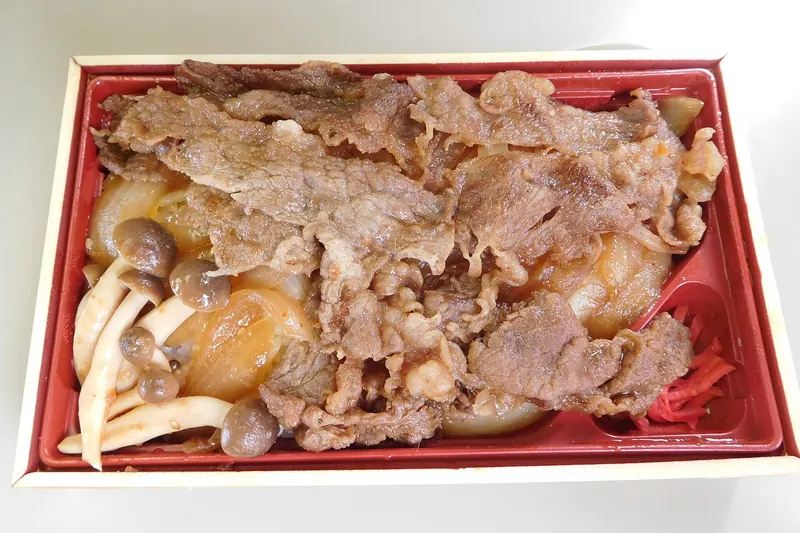
  • A Hida beef box lunch

    Hida beef (Hida-gyu)

    A premium wagyu grade raised in the Hida region, comparable to Japan's more internationally famous beef brands, with real local pride attached.

    Where to try it Dedicated yakiniku and steak restaurants throughout Takayama's old town, or street-stall skewers for a more affordable taste.

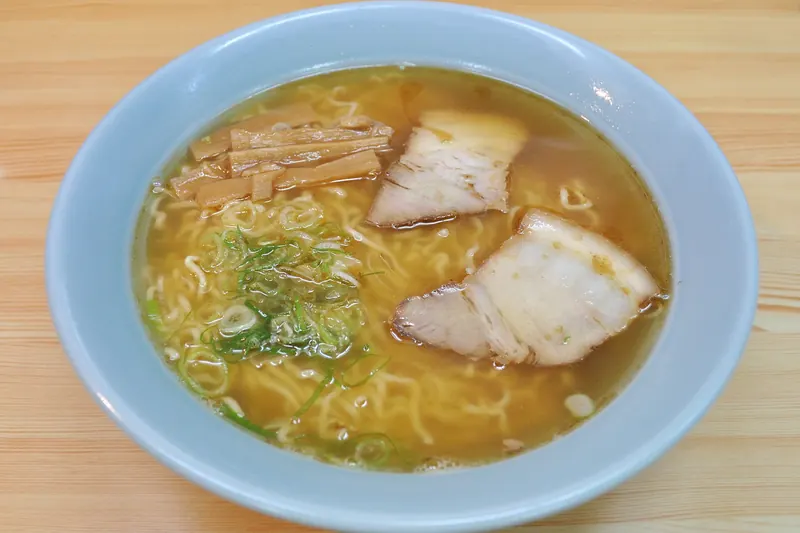
  • A bowl of Takayama-style ramen with thin curly noodles

    Takayama ramen

    A light soy-sauce-based broth with thin curly noodles, a distinct regional ramen style found throughout the town's old-town restaurants.

    Where to try it Family-run ramen shops throughout Takayama, several generations-old.

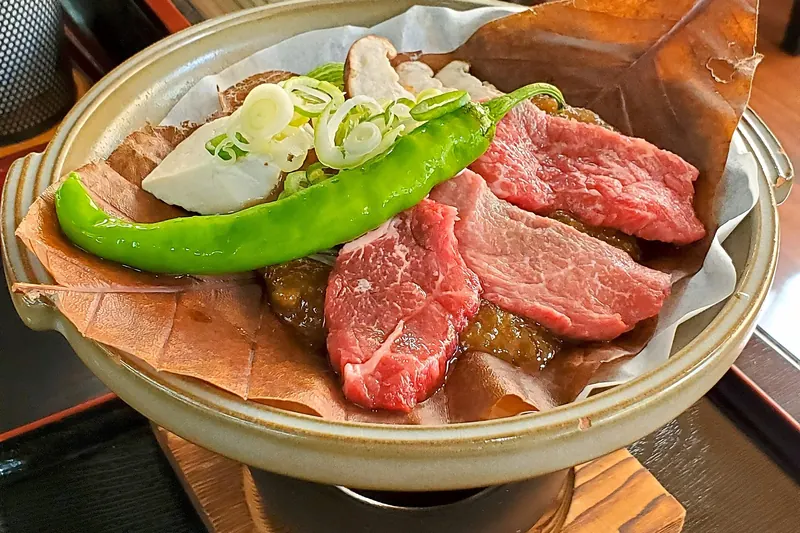
  • Hoba miso grilled on a magnolia leaf with beef

    Hoba miso

    Miso paste grilled directly on a dried magnolia leaf over a small burner, often with vegetables or beef mixed in, a genuine Hida mountain tradition.

    Where to try it Traditional restaurants throughout Takayama, often served as part of a larger set meal.

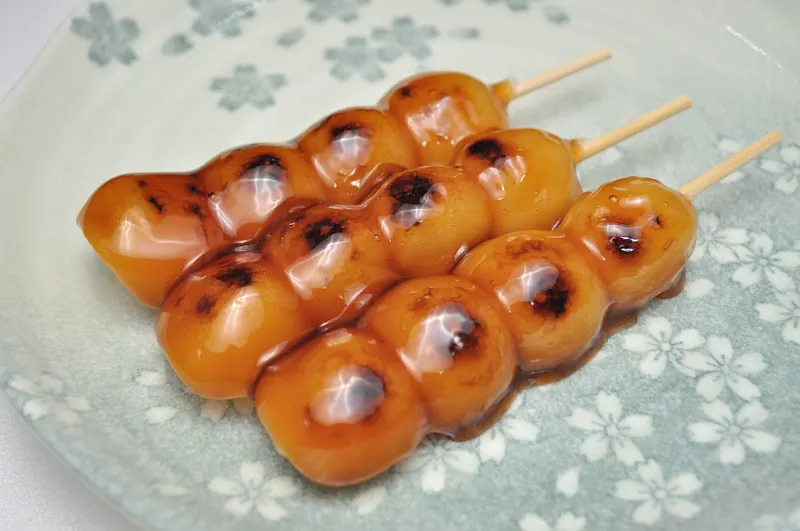
  • Mitarashi dango, skewered rice dumplings glazed in sweet soy sauce

    Mitarashi dango

    Skewered rice dumplings grilled and glazed in a sweet soy sauce, a popular Takayama street snack sold throughout the old town.

    Where to try it Street stalls along Sanmachi Suji, best eaten warm straight off the grill.

  • A Takayama sake brewery

    Takayama sake

    The town's mountain water shapes a distinct local sake style, brewed at several historic breweries still operating in the old town.

    Where to try it Old-town sake breweries offering direct tastings, several with centuries of continuous operation.

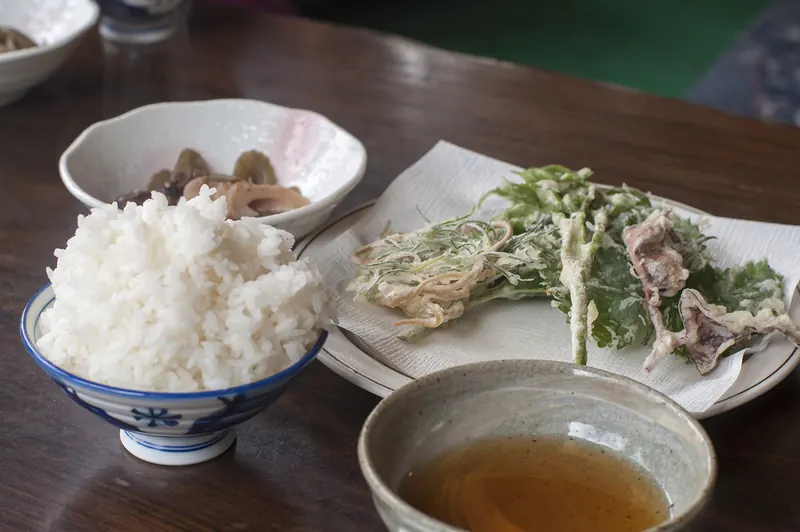
  • Sansai mountain vegetable tempura served with rice

    Sansai mountain vegetables

    Foraged mountain vegetables and wild greens, prepared simply, a genuine seasonal tradition in the mountainous Hida region.

    Where to try it Traditional restaurants and ryokan set menus throughout Takayama and Shirakawa-go, particularly in spring.

Accommodation

Where to stay in Takayama and Shirakawa-go

Takayama offers the widest range of accommodation, while Shirakawa-go's own options are limited and worth booking well ahead.

  • Takayama's old town area

    The most central, atmospheric base, putting the preserved streets and morning markets within easy walking distance.

    Best for: Walking to Sanmachi Suji and the markets

  • Near Takayama Station

    A short walk from the old town, with a wider range of budget and mid-range hotel options.

    Best for: Transport connections

  • A gassho-zukuri farmhouse in Shirakawa-go

    Limited capacity, but a memorable way to experience the village after day-trip crowds depart.

    Best for: A rare overnight experience

What a night costs

Hostel dorm
¥2,800–4,500 per night
Mid-range hotel
¥12,000–22,000 per night
Gassho-zukuri farmhouse stay with dinner
¥15,000–25,000 per night
Hida beef skewer
¥600–1,000

Transport

Getting to and around Takayama and Shirakawa-go

Takayama sits on a direct rail line from Nagoya, with Shirakawa-go reached by a short onward bus.

Getting there

  • Train from Nagoya

    The limited express Hida train reaches Takayama in about 2h15, the most straightforward route from the shinkansen network.

    Reserve seats ahead in peak seasons — the line runs relatively infrequently.

  • Bus from Kanazawa or Takayama to Shirakawa-go

    Direct buses connect Takayama to Shirakawa-go in about 50 minutes, or Kanazawa in around 75 minutes.

    Book ahead in peak season and around festival dates, when buses can sell out.

  • Rental car

    Offers flexibility for combining Takayama, Shirakawa-go and the wider Hida region at your own pace.

    Mountain roads can require winter tyres or chains between November and April.

Getting around

Takayama's old town is entirely walkable, with Shirakawa-go best explored on foot once you arrive.

  • Walking, in Takayama

    The old town, Jinya and morning markets all sit within a compact, walkable area from the station.

    Comfortable shoes matter for the old town's traditional cobbled and wooden-plank streets.

  • Walking, in Shirakawa-go

    Ogimachi village's farmhouses and the Shiroyama viewpoint trail are all reachable on foot from the bus terminal.

    The viewpoint shuttle bus is a useful alternative if time or mobility is limited.

  • Bus, between the two

    Frequent direct buses connect Takayama and Shirakawa-go, making a day trip or one-way transfer straightforward.

    Buy round-trip tickets in advance if visiting Shirakawa-go as a day trip from Takayama, for a modest discount.

When to go

Best time to visit Takayama and Shirakawa-go

This region offers two distinct best seasons — spectacular fresh autumn colour, or the snow-covered winter scene the farmhouses were built for.

  • Spring (April–May)

    Good

    Rice paddy planting season brings striking reflections around Shirakawa-go, with mild, comfortable temperatures.

  • Summer (June–August)

    Shoulder

    Warm and green, though less distinctive than the region's spring, autumn or winter scenery.

  • Autumn (October–November)

    Best time

    Spectacular foliage frames both Takayama's old town and Shirakawa-go's farmhouses in vivid seasonal colour.

  • Winter (December–February)

    Best time

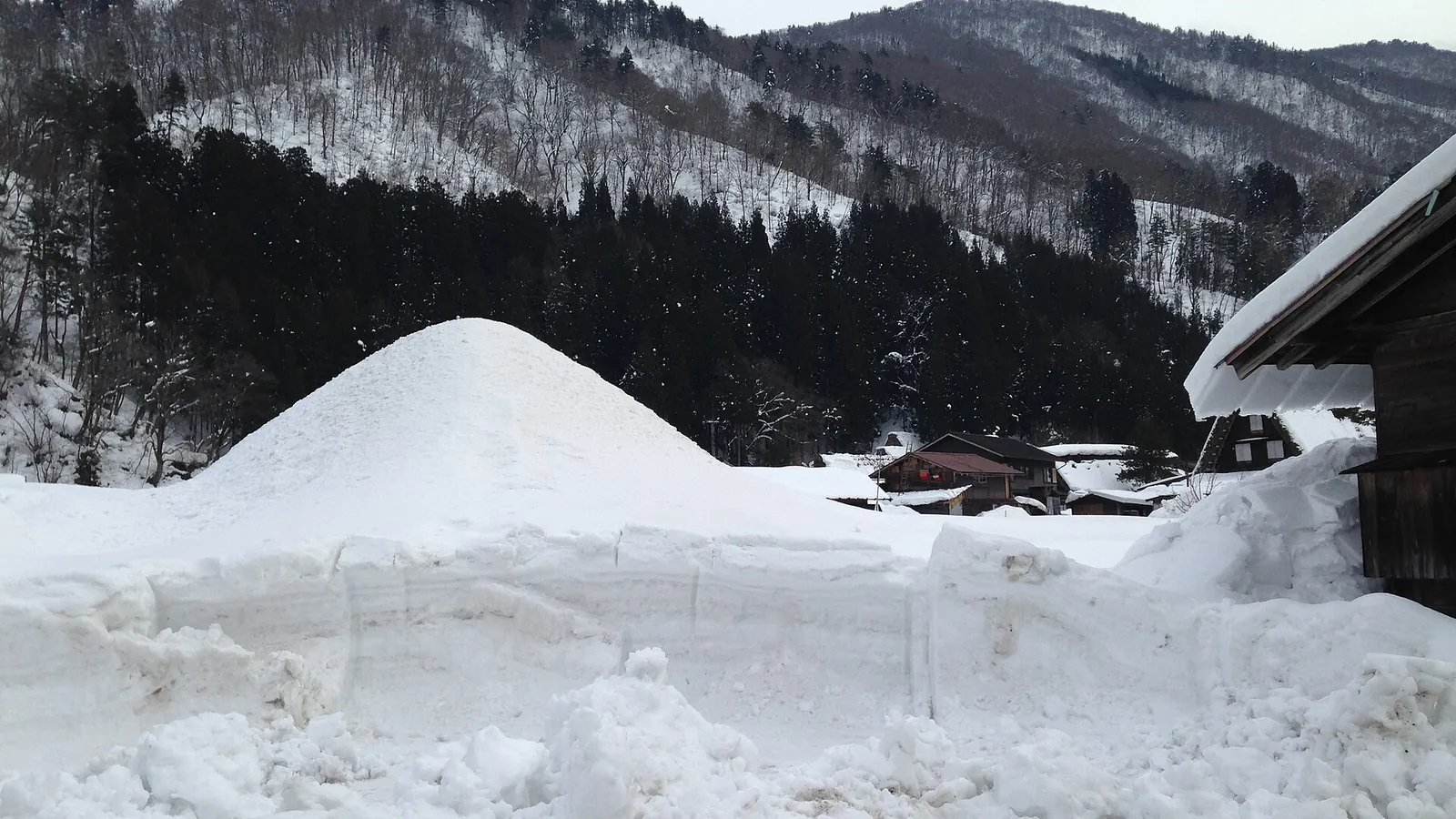
    Snow-covered gassho-zukuri roofs are the classic Shirakawa-go image, with special evening illumination events on select winter dates.

Worth planning around: Winter illumination event dates without tickets booked far ahead — access is restricted and capacity limited on these specific evenings.

Itinerary

Three days in Takayama and Shirakawa-go

Takayama's old town first, then a full day in Shirakawa-go's farmhouse village.

  1. Day1

    Takayama's old town

    Preserved Edo-period merchant streets.

    • Morning The morning markets and Takayama Jinya.
    • Afternoon Sanmachi Suji's breweries and craft shops.
    • Evening Hida beef dinner in the old town.
  2. Day2

    Shirakawa-go day trip

    The thatched-roof farmhouse village.

    • Morning Bus to Shirakawa-go, arriving early.
    • Afternoon The Shiroyama Viewpoint and farmhouse museums.
    • Evening Return to Takayama, or stay overnight in a farmhouse.
  3. Day3

    Hida Folk Village and departure

    A final morning of open-air museum context.

    • Morning Hida Folk Village's relocated farmhouses.
    • Afternoon Last-minute old-town shopping.
    • Evening Train onward to Nagoya, Kanazawa or your next stop.

Travel tips

Takayama and Shirakawa-go travel tips

Practical notes on timing, transport and booking that make a real difference to a Takayama and Shirakawa-go trip.

  • Book Shirakawa-go farmhouse stays and winter illumination event tickets many months ahead — capacity is limited.
  • Reserve the limited express Hida train from Nagoya ahead in peak season, since the line runs relatively infrequently.
  • Arrive at Takayama's morning markets early — the best produce and crafts thin out by mid-morning.
  • Visit Shirakawa-go early or late in the day to avoid the bulk of day-trip tour groups from Takayama and Kanazawa.
  • Try sake tastings at more than one Takayama brewery — styles differ between them.
  • Pack for real winter cold and snow if visiting December through February, when mountain roads can also affect bus schedules.
  • Combine this region with Kanazawa if time allows — the bus connection is convenient and the pairing works well.

FAQ

Takayama and Shirakawa-go: frequently asked questions

How many days do you need for Takayama and Shirakawa-go?

Three works well — a full day in Takayama's old town, a day trip or overnight stay in Shirakawa-go, and a final morning for the Hida Folk Village.

Is Shirakawa-go worth visiting as a day trip, or should I stay overnight?

A day trip covers the village's main sights well, though staying in a gassho-zukuri farmhouse offers a rare experience for those able to book ahead.

What is the best time of year to visit?

October to November for spectacular autumn foliage, or January to February for the classic snow-covered thatched-roof scene, including special winter illumination evenings.

Do I need a car to visit this region?

No — direct trains and buses connect Nagoya, Takayama and Shirakawa-go well, though a car offers more flexibility for exploring the wider Hida region at your own pace.

Is Takayama worth visiting beyond Shirakawa-go?

Yes — the old town's preserved streets, sake breweries and Hida beef stand entirely on their own, independent of the day trip to Shirakawa-go.

Read next

Related travel articles

Practical

Packing by Season and Trip Type

Most packing advice is a list of things. This is the opposite: the small number of decisions that determine whether your luggage helps or hinders, organised by the kind of trip you are actually taking.

Heritage

UNESCO Sites Worth Planning a Trip Around

A UNESCO listing tells you a place matters; it does not tell you whether it is worth two days and a detour. This is how to read the list usefully — and which sites reward building a trip around them.

Advertisement