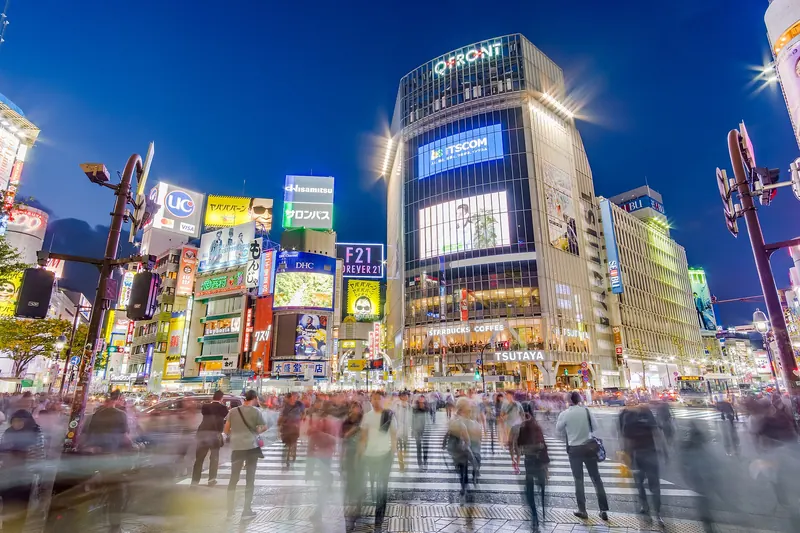
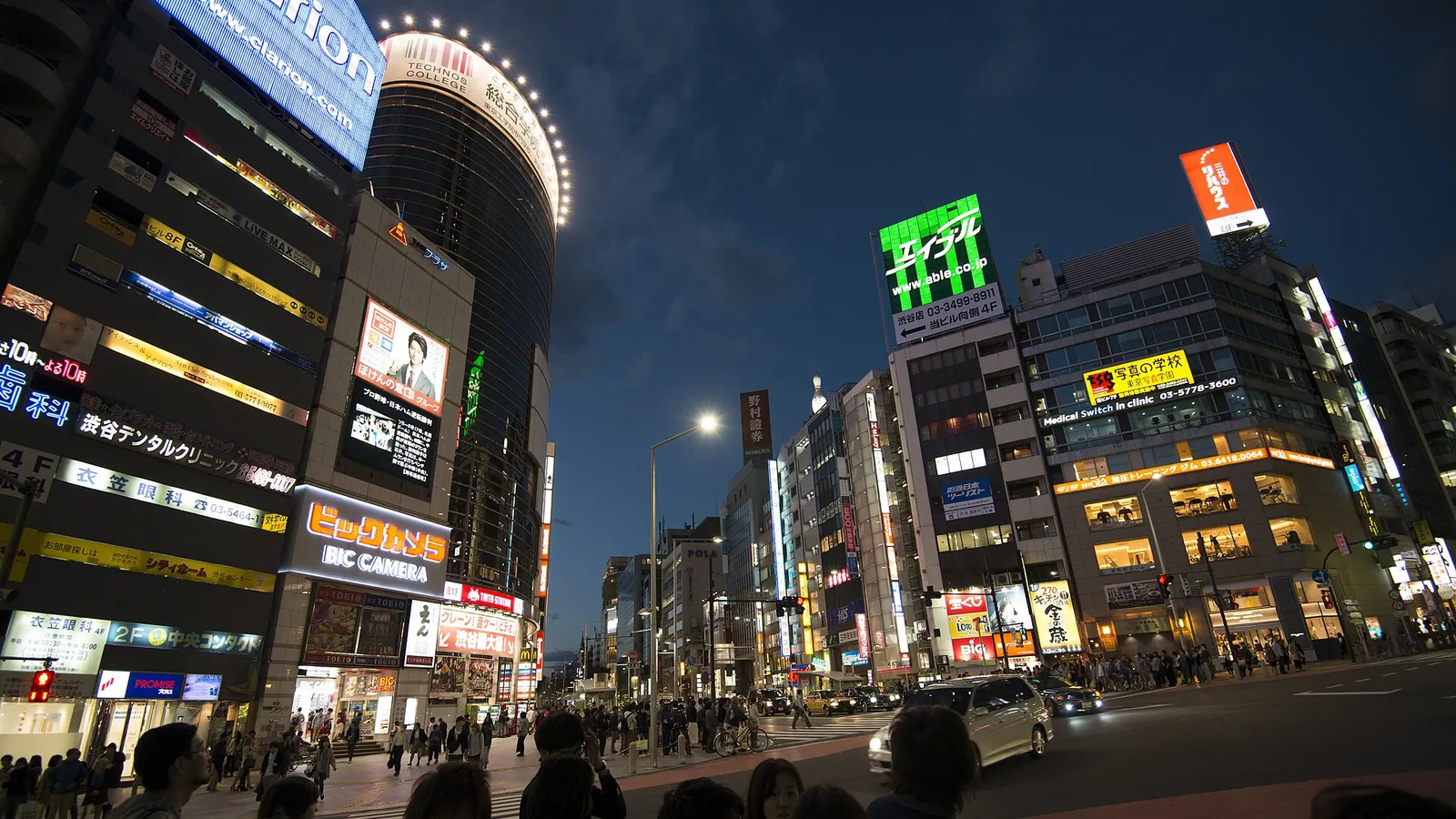
Tokyo's Shibuya streets at night, illuminated by neon signage

Kanto · Japan

Tokyo

The world's largest metropolitan area, a genuine collection of distinct neighbourhoods rather than one city, running from neon-lit crossings to quiet shrine precincts within a few train stops of each other.

  • Best time March–May and October–November, for cherry blossoms or clear autumn skies
  • Stay 4–5 days
  • Good for Food, culture, shopping, nightlife

Photo: Maarten Heerlien from The Hague, The Netherlands · CC BY 2.0

Welcome to Tokyo

Tokyo is less a single city than a federation of neighbourhoods, each with a distinct character and, in many cases, its own historic identity as a separate town absorbed into the wider metropolis over centuries. Shibuya's youth culture, Asakusa's old-town temples, Ginza's luxury shopping and Akihabara's electronics-and-anime density all sit within the same city while feeling like entirely different places.

The scale is difficult to grasp before arriving — greater Tokyo holds well over 35 million people, making it the largest metropolitan area on earth, yet the city's train network and clear neighbourhood boundaries make it feel navigable rather than overwhelming once the initial orientation passes.

What consistently surprises first-time visitors is how completely the city's reputation for cutting-edge technology coexists with genuine, working tradition — a centuries-old shrine sits a short walk from a robot-staffed café, and both are treated with equally serious attention by the people who use them daily.
  • City
  • Culture
  • Food

Why visit

Why visit Tokyo?

Tokyo's case is that no other city fits this much genuine variety, this reliably well organised, into one metropolitan area.

  • The neighbourhood variety is vast

    Few cities anywhere shift character this completely between adjacent districts, each with its own real identity rather than a single downtown core.

  • The food scene is world class

    From convenience store meals to Michelin-starred restaurants, Tokyo's food culture holds a serious standard at every single price point.

  • The public transport is excellent

    Dense, punctual and precisely signed rail and subway networks make a city this large feel manageable within days of arrival.

  • It's safe, at any hour

    Among the safest major cities in the world, allowing exploration late into the night without the caution larger cities usually demand.

  • It works as both a destination and a gateway

    A complete trip on its own, and the natural starting point for the rest of the country by shinkansen.

Main attractions

Top things to see in Tokyo

Tokyo's essential sights, spanning its old-town temples, its neon-lit crossings and its quieter imperial grounds.

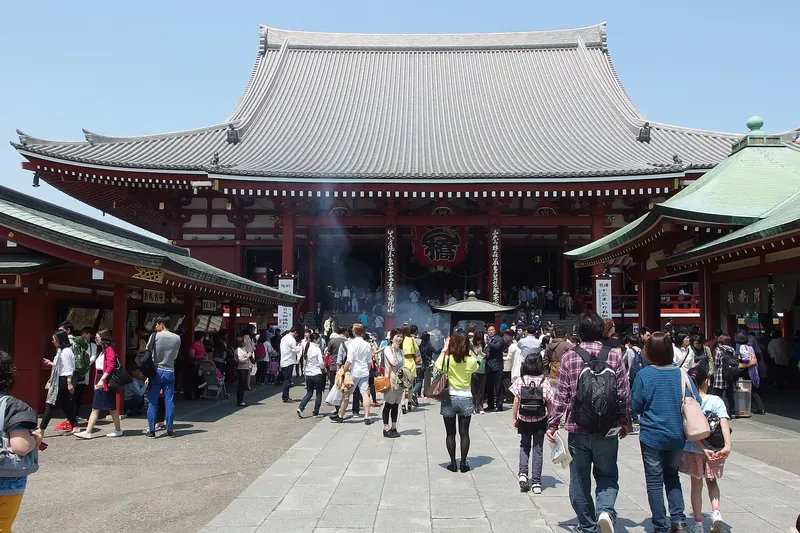
  1. Senso-ji Temple, Tokyo's oldest and most significant Buddhist temple

    Senso-ji Temple, Asakusa

    Tokyo's oldest and most significant Buddhist temple, its approach lined by the Nakamise shopping street's traditional snacks and souvenirs, busy but worthwhile.

    Tip Arrive before 9am to see the temple grounds before the day's crowds and tour groups build up.

  2. Crowds crossing at Shibuya Scramble Crossing

    Shibuya Crossing

    The world's busiest pedestrian crossing, thousands of people moving through from every direction at once, a mesmerising piece of organised urban chaos.

    Tip The Shibuya Sky observation deck or a window seat at the Starbucks overlooking the crossing both offer a good elevated view.

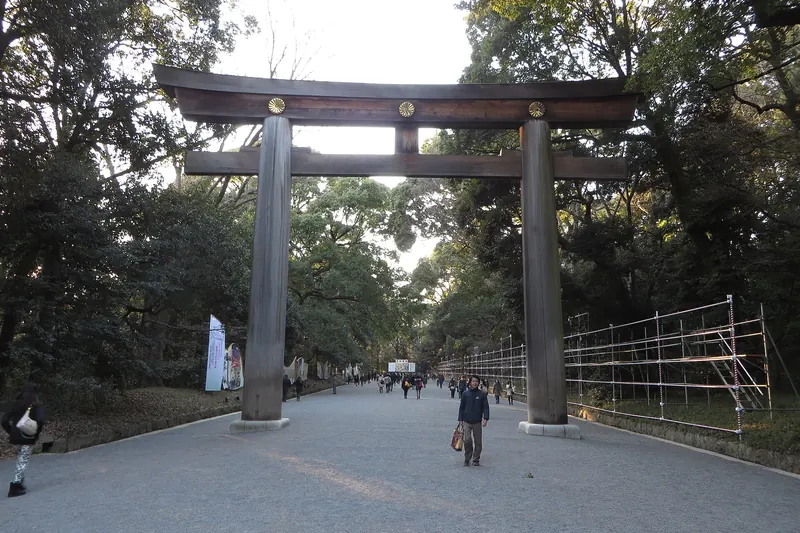
  3. The great torii gate at the entrance to Meiji Shrine

    Meiji Shrine

    A serene Shinto shrine set within genuine forest in the heart of the city, dedicated to Emperor Meiji, offering a real contrast to Harajuku's busy streets just outside its gates.

    Tip Walk in via the main Omotesando approach through the torii gate for the full, unhurried effect.

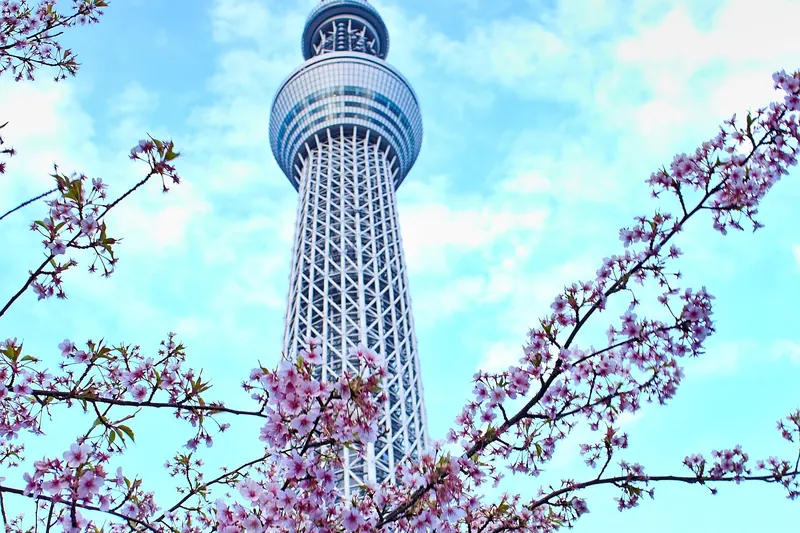
  4. Tokyo Skytree rising above the city in spring

    Tokyo Skytree

    One of the world's tallest towers, its observation decks offering sweeping views across the entire metropolitan area on a clear day.

    Tip Book timed-entry tickets online ahead to skip a queue that can otherwise run to an hour or more.

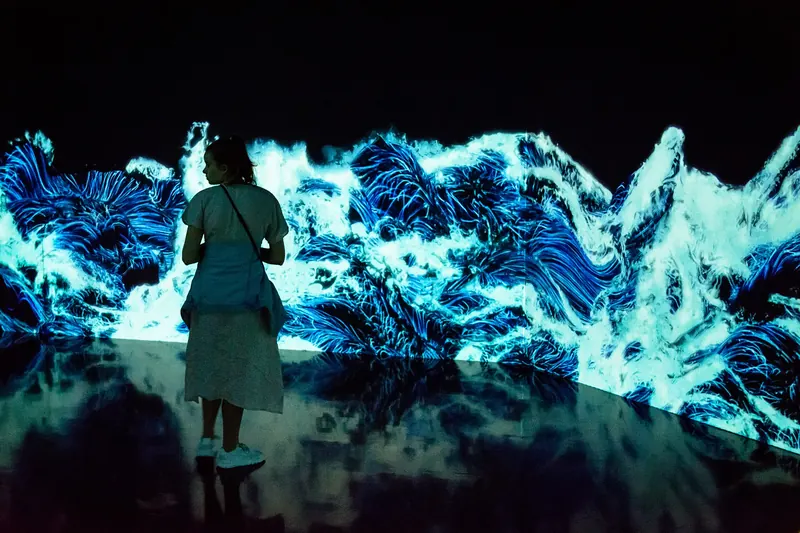
  5. An immersive light installation inside teamLab Borderless in Tokyo

    teamLab digital art museum

    An immersive digital art experience across vast, disorienting rooms of light and projection, among the most distinctive museum experiences anywhere.

    Tip Wear light, plain clothing — some rooms reflect and project onto visitors, and busy patterns compete with the artwork.

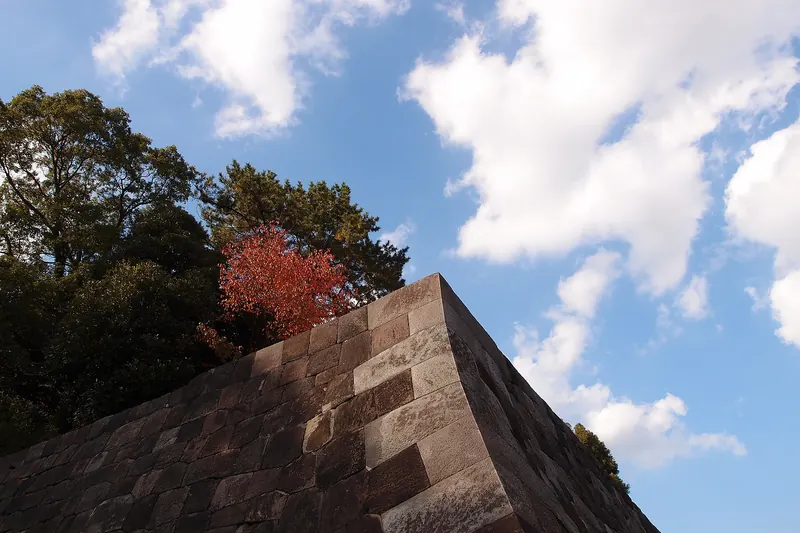
  6. Landscaped grounds of the Imperial Palace East Gardens in Tokyo

    The Imperial Palace East Gardens

    Part of the working Imperial Palace grounds, peaceful landscaped gardens open to the public free of charge in the heart of the city.

    Tip The gardens close on Mondays and Fridays — check the current schedule before planning a visit.

Things to do

Best things to do in Tokyo

Beyond the major sights, Tokyo rewards its neighbourhood contrasts and its serious food culture.

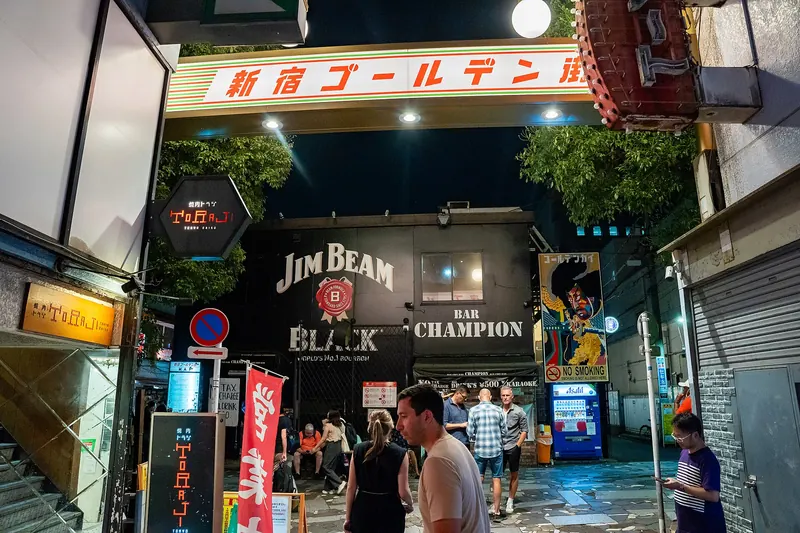
  1. The narrow, neon-lit alleyways of Shinjuku's Golden Gai at night

    Explore Shinjuku's Golden Gai and nightlife

    A tiny warren of alleyways packed with minuscule bars, each seating only a handful of people, an atmospheric slice of old Tokyo nightlife.

    Tip Some Golden Gai bars charge a cover fee and are locals-only in practice — look for English signage welcoming visitors before entering.

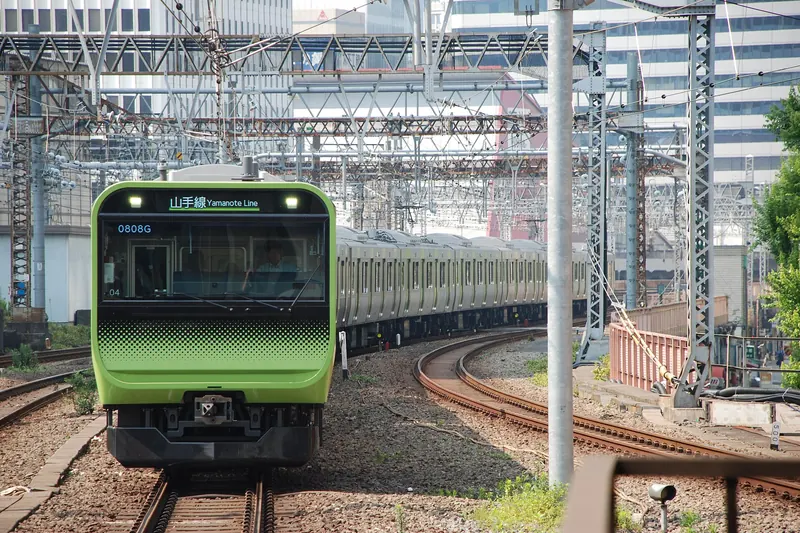
  2. A Yamanote line train at Tokyo Station

    Ride the trains like a local

    Tokyo's rail network is one of the best in the world, and simply riding it between neighbourhoods is part of experiencing the city properly.

    Tip Get a Suica or Pasmo IC card immediately on arrival — it covers nearly all transport and many small purchases on one card.

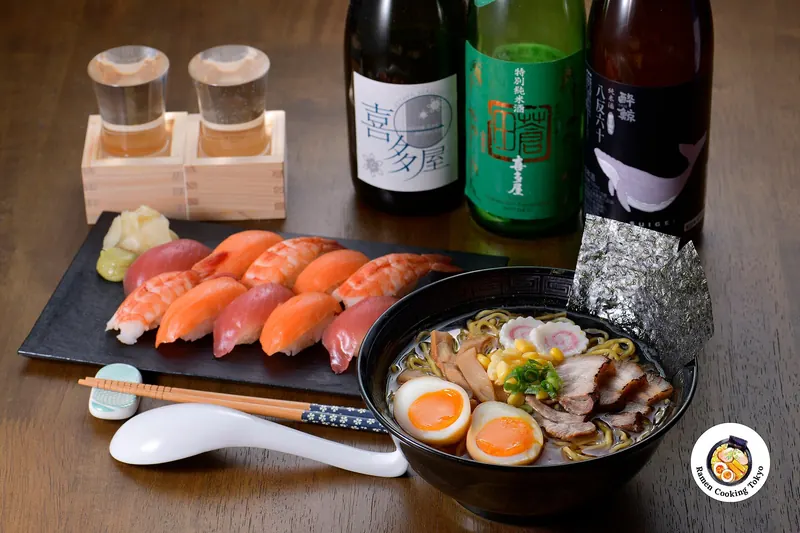
  3. A ramen counter meal in Tokyo

    Eat at a standing ramen counter

    Some of the city's best ramen comes from small, unpretentious counters ordered by ticket machine, eaten quickly among locals rather than lingered over.

    Tip A queue of locals outside a tiny counter is a far more reliable sign of quality than any online review.

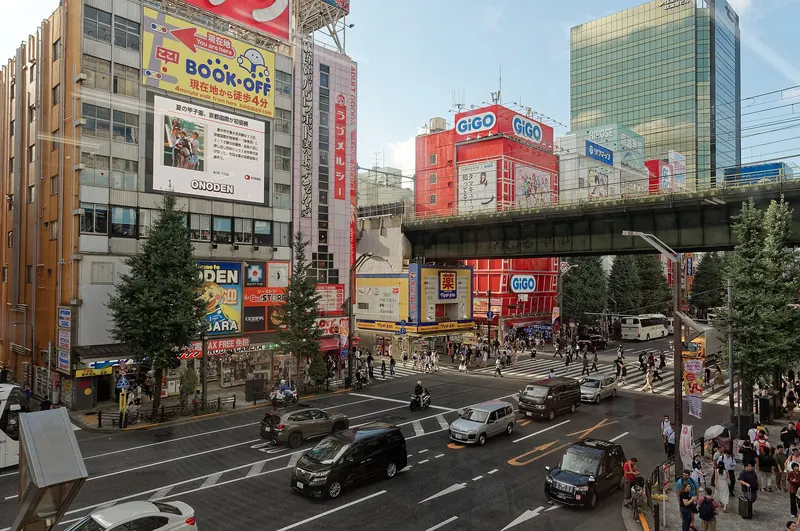
  4. Akihabara's electronics and anime shopfronts

    Wander Akihabara's electronics and anime streets

    Tokyo's dedicated electronics and otaku culture district, dense with multi-storey shops, arcades and anime and manga specialists.

    Tip Duty-free electronics shops require your passport at purchase — carry it if planning to buy anything significant.

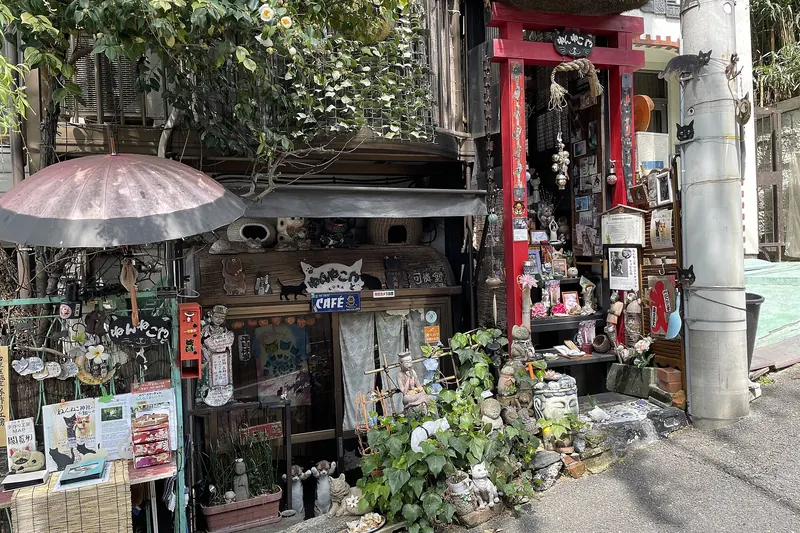
  5. A cat café in Tokyo's Yanaka district

    Try a themed café or a genuine karaoke session

    From cat and owl cafés to private karaoke boxes rented by the hour, Tokyo's leisure culture runs to distinctive, easy-to-join experiences.

    Tip Private karaoke rooms are rented by the hour and welcoming to non-Japanese speakers — song lists include an English-language menu.

  6. Tokyo's Toyosu fish market

    Visit the Toyosu Market's tuna auction and sushi breakfast

    Tokyo's relocated fish market still runs a serious early-morning tuna auction, with excellent sushi breakfast counters nearby for those awake early enough.

    Tip The tuna auction viewing requires an early, sometimes pre-booked start — check current access rules before planning around it.

Local food

What to eat in Tokyo

Tokyo's food scene spans every price point with a consistent standard, from standing counters to some of the world's most acclaimed restaurants.

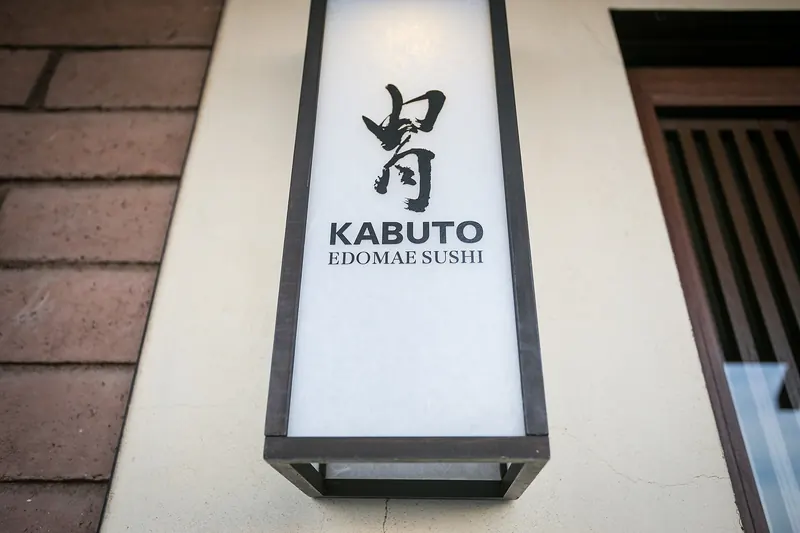
  • A selection of Edomae-style sushi

    Edomae sushi

    Tokyo's own historic sushi style, developed in the city under its old name of Edo, typically served without excess garnish to let the fish itself lead.

    Where to try it Counters throughout the Ginza and Toyosu areas, from affordable conveyor-belt chains to high-end omakase.

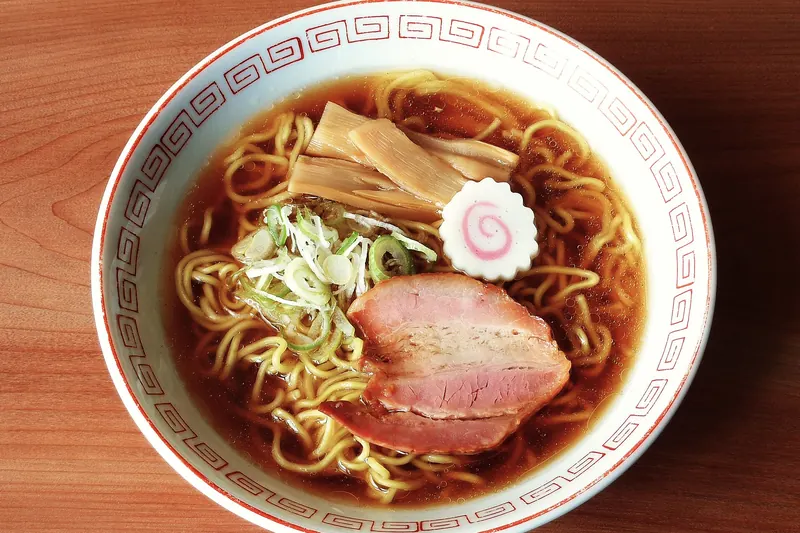
  • A bowl of Tokyo-style shoyu ramen

    Tokyo-style shoyu ramen

    A soy-sauce-based broth, generally lighter than Kyushu's tonkotsu style, Tokyo's own defining regional ramen variation.

    Where to try it Standing ramen counters citywide, with a queue of locals a reliable sign of quality.

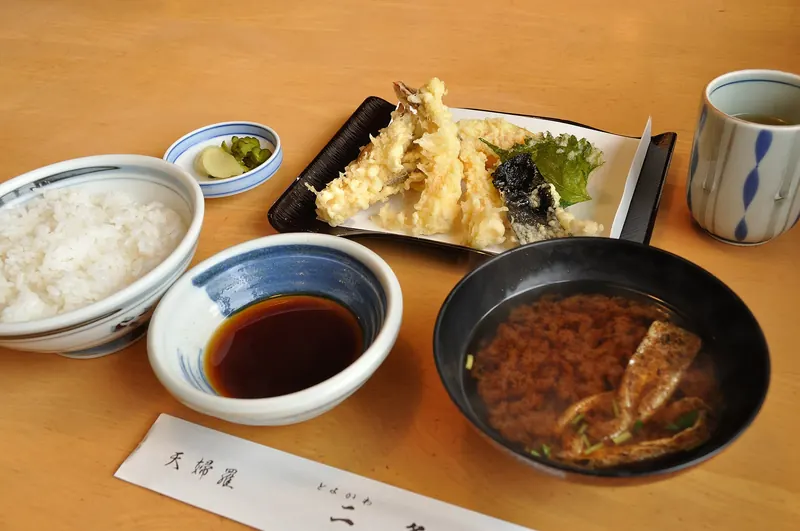
  • A plate of freshly fried tempura

    Tempura

    Lightly battered, deep-fried seafood and vegetables, done at its best with fresh oil and split-second timing at a dedicated counter.

    Where to try it Dedicated tempura counter restaurants, particularly around Ginza and Asakusa.

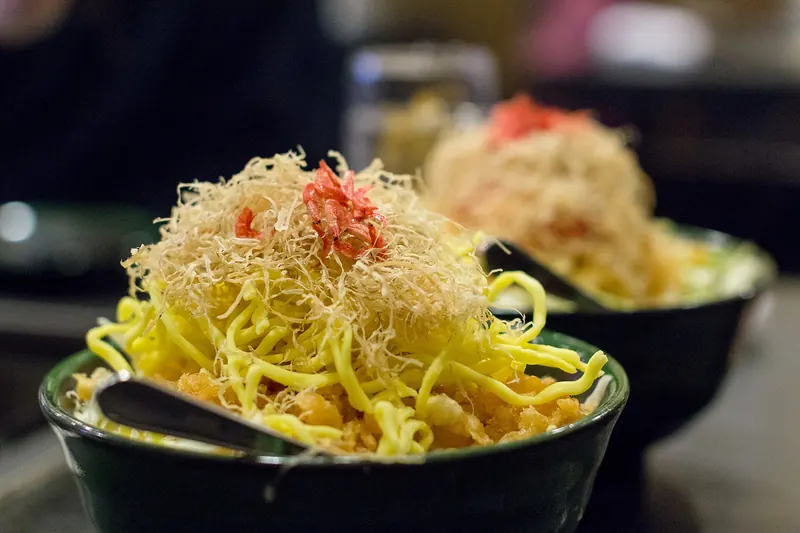
  • Monjayaki cooking on a griddle in Tsukishima, Tokyo

    Monjayaki

    A runny, savoury batter dish cooked directly at the table, a genuine Tokyo speciality distinct from Osaka's firmer okonomiyaki.

    Where to try it Tsukishima's 'Monja Street', the dish's genuine spiritual home in the city.

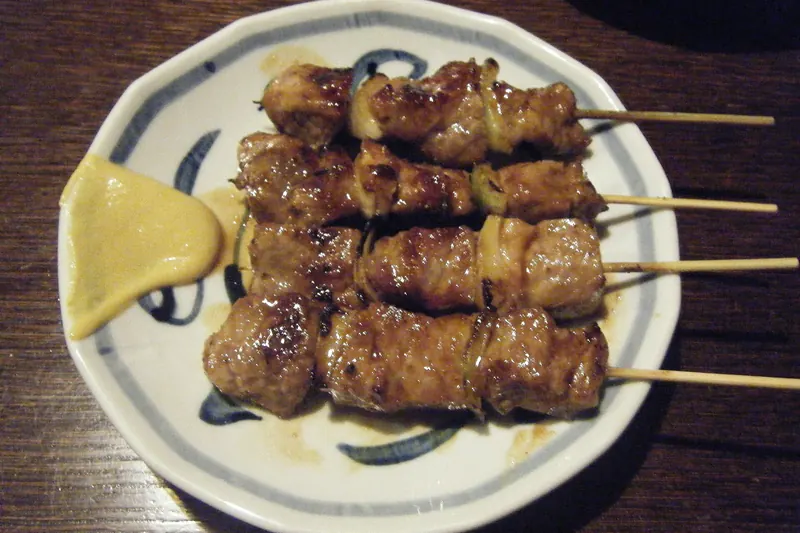
  • Skewered, grilled yakitori chicken

    Yakitori

    Skewered, grilled chicken parts, eaten at small smoky counters that are a genuine after-work Tokyo institution.

    Where to try it The yakitori alleys around Yurakucho and Omoide Yokocho near Shinjuku station.

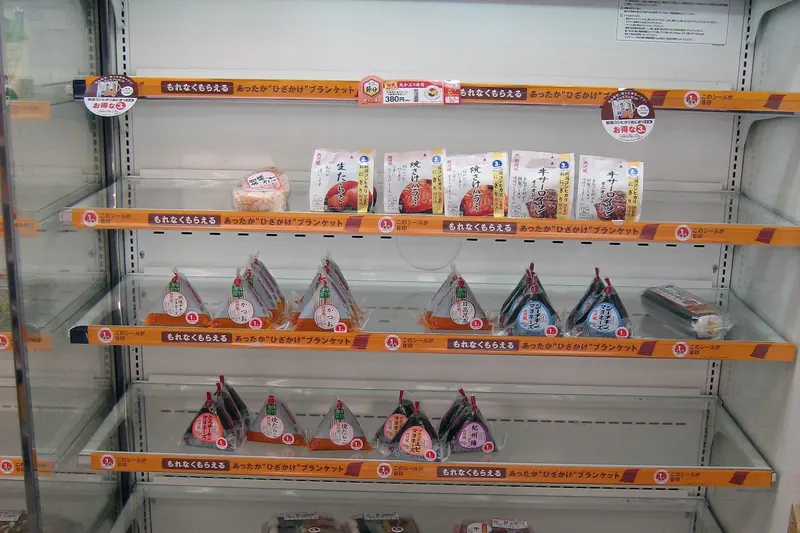
  • Bento and onigiri rice balls from a Lawson convenience store

    Convenience store food

    Tokyo's konbini culture is excellent, not a last resort — onigiri, sandwiches and hot food from 7-Eleven, Lawson or FamilyMart hold up as legitimately good meals.

    Where to try it Any convenience store citywide, open 24 hours and reliable at any budget.

Accommodation

Where to stay in Tokyo

Tokyo's size means the right neighbourhood matters more than in most cities — pick a base near your priorities.

  • Shinjuku

    A major transport hub with excellent connections citywide, alongside some of Tokyo's best nightlife and dining density.

    Best for: Transport connections and nightlife

  • Asakusa

    A more traditional, lower-key base near Senso-ji, generally offering better value than the central districts.

    Best for: Old-town atmosphere and value

  • Shibuya

    Tokyo's most iconic modern district, putting the crossing, shopping and nightlife directly on your doorstep.

    Best for: Youth culture and central energy

What a night costs

Hostel dorm
¥3,500–5,500 per night
Mid-range hotel
¥14,000–24,000 per night
teamLab or Skytree entry
¥2,000–3,800
Standing ramen bowl
¥800–1,200

Transport

Getting to and around Tokyo

Tokyo is served by two major airports, with excellent rail connections into the city centre from both.

Getting there

  • Narita Airport (NRT)

    The Narita Express and Skyliner both reach central Tokyo in under an hour, the more common arrival point for long-haul international flights.

    Airport limousine buses offer a slower but direct alternative to hotel-area drop-offs without a transfer.

  • Haneda Airport (HND)

    Closer to the city centre, reachable by monorail or train in around 30 minutes, increasingly used by international carriers.

    Generally the more convenient airport if your route offers a choice between the two.

  • Shinkansen from other Japanese cities

    Bullet trains connect Tokyo to Kyoto in about 2h15 and to Osaka in around 2h30.

    Book reserved seats a day or two ahead in peak season, including cherry blossom time.

Getting around

Tokyo's rail and subway network is dense, punctual and easy to navigate once the initial system makes sense.

  • JR trains and the subway

    A combination of JR lines, Tokyo Metro and Toei Subway covers the entire city, all usable on a single Suica or Pasmo IC card.

    Google Maps handles Tokyo's transit routing reliably, including platform and exit numbers.

  • Walking

    Individual neighbourhoods are walkable once you arrive, with most major sights within a district clustered close together.

    Station exits can surface several blocks from where you expect — check the exit number before climbing the stairs.

  • Taxis

    Reliable and clean, though considerably more expensive than rail for any distance a train also covers.

    Doors open and close automatically — do not touch them yourself.

When to go

Best time to visit Tokyo

Tokyo's climate is humid in summer, and spring and autumn offer the most comfortable balance of weather and the city's best natural moments.

  • Spring (March–May)

    Best time

    Cherry blossoms in late March into April draw real crowds for good reason, with comfortable temperatures across the season.

  • Summer (June–August)

    Shoulder

    Hot, humid and prone to a June rainy season, though also lively with summer festivals across the city.

  • Autumn (October–November)

    Best time

    Comfortable temperatures and clear skies, with spectacular foliage in the city's larger parks by November.

  • Winter (December–February)

    Good

    Cold but usually clear and dry, with illuminations and a festive citywide atmosphere through December.

Worth planning around: Golden Week (late April into early May) without accommodation booked well ahead, when domestic travel surges nationwide.

Itinerary

Four days in Tokyo

Central sights first, then the city's contrasting neighbourhoods at an unhurried pace.

  1. Day1

    Asakusa and central Tokyo

    Old Tokyo and the Imperial Palace.

    • Morning Senso-ji Temple and the Nakamise shopping street.
    • Afternoon The Imperial Palace East Gardens.
    • Evening Dinner in Ueno or back toward Asakusa.
  2. Day2

    Shibuya and Harajuku

    Modern Tokyo's defining districts.

    • Morning Meiji Shrine and Harajuku's Takeshita Street.
    • Afternoon Shibuya Crossing and Shibuya Sky.
    • Evening Dinner and drinks in Shibuya.
  3. Day3

    Shinjuku and a digital art museum

    Nightlife energy and immersive art.

    • Morning teamLab or another digital art experience.
    • Afternoon Shinjuku Gyoen gardens.
    • Evening Omoide Yokocho's yakitori alleys and Golden Gai.
  4. Day4

    Akihabara and Tokyo Skytree

    Electronics culture and elevated views.

    • Morning Akihabara's electronics and anime streets.
    • Afternoon Tokyo Skytree's observation decks.
    • Evening A final dinner of your choice — Tokyo rewards returning to a favourite from earlier in the trip.

Travel tips

Tokyo travel tips

Practical notes on transport, timing and etiquette that make a real difference to a Tokyo trip.

  • Get a Suica or Pasmo IC card immediately on arrival — it covers nearly all transport and many small purchases.
  • Book teamLab and other popular timed-entry attractions online well ahead, especially in peak season.
  • Carry cash — many smaller restaurants and shops remain cash-only despite the city's high-tech reputation.
  • Keep phone calls off trains — step between cars if a call is unavoidable.
  • Check station exit numbers before climbing the stairs — Tokyo's larger stations surface several blocks apart.
  • Book cherry blossom season accommodation many months ahead if visiting in late March or April.
  • Try at least one standing ramen counter and one convenience store meal — both are representative of the city's food culture, not just budget options.

FAQ

Tokyo: frequently asked questions

How many days do you need in Tokyo?

Four to five for a first visit. Three covers the essential sights at a rushed pace; five allows proper time for individual neighbourhoods and a day trip to Nikko or Hakone.

Do I need to speak Japanese in Tokyo?

No — English signage is common on transport and in tourist areas, and a translation app covers most other situations, though spoken English is limited away from tourist-facing businesses.

Is Tokyo expensive?

Less than its reputation suggests. Mid-range travel runs about ¥15,000–28,000 per person per day, and excellent, cheap meals are easy to find at convenience stores and standing counters.

What is the best time of year to visit?

March to May and October to November offer the best weather — cherry blossoms in spring, clear skies and foliage in autumn. Summer is hot and humid; winter is cold but clear.

Is Tokyo safe for tourists?

Exceptionally so, among the safest major cities in the world, with very low rates of violent crime and theft even late at night in busy districts.

Read next

Related travel articles

Practical

Packing by Season and Trip Type

Most packing advice is a list of things. This is the opposite: the small number of decisions that determine whether your luggage helps or hinders, organised by the kind of trip you are actually taking.

Heritage

UNESCO Sites Worth Planning a Trip Around

A UNESCO listing tells you a place matters; it does not tell you whether it is worth two days and a detour. This is how to read the list usefully — and which sites reward building a trip around them.

Advertisement