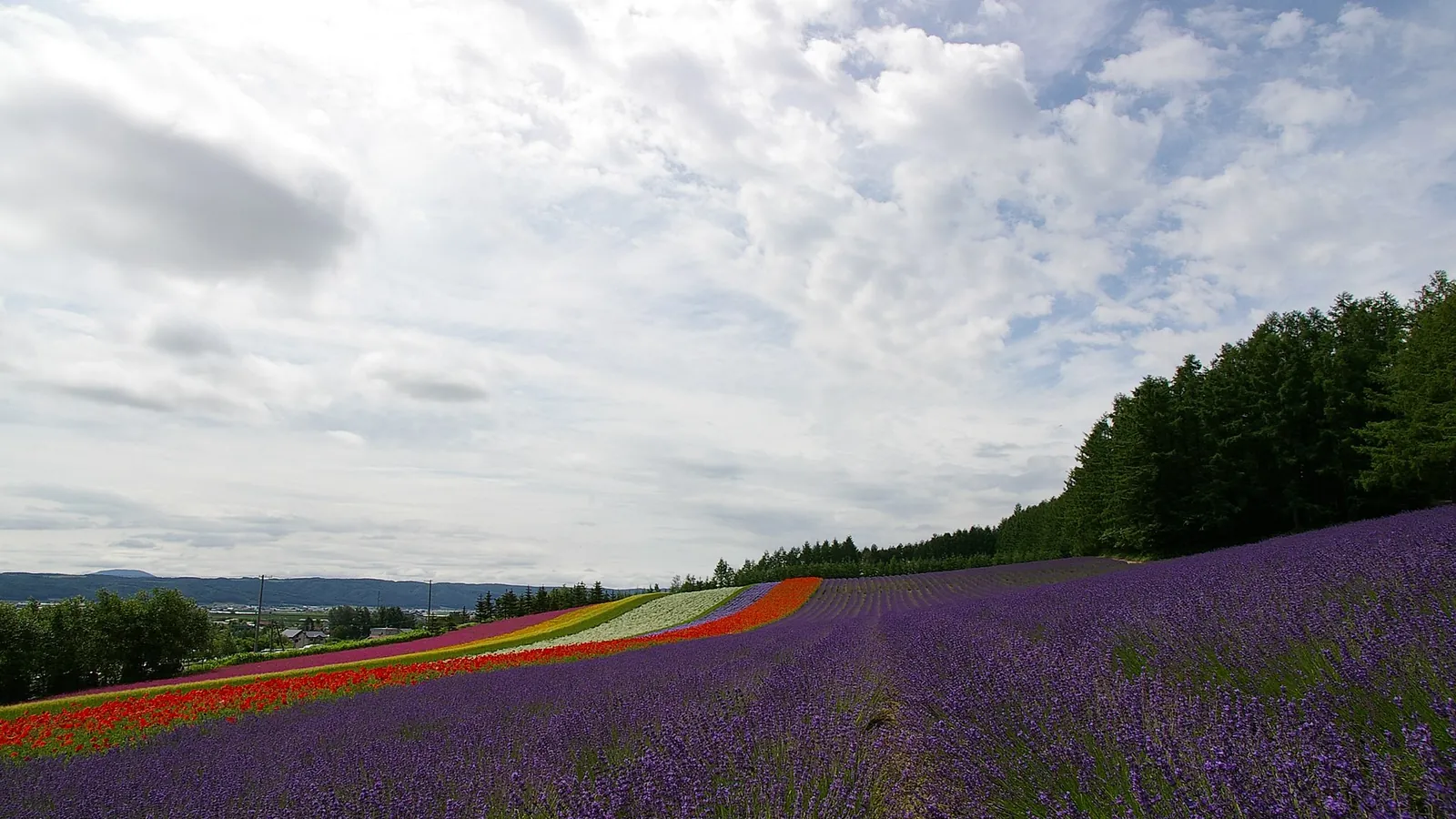
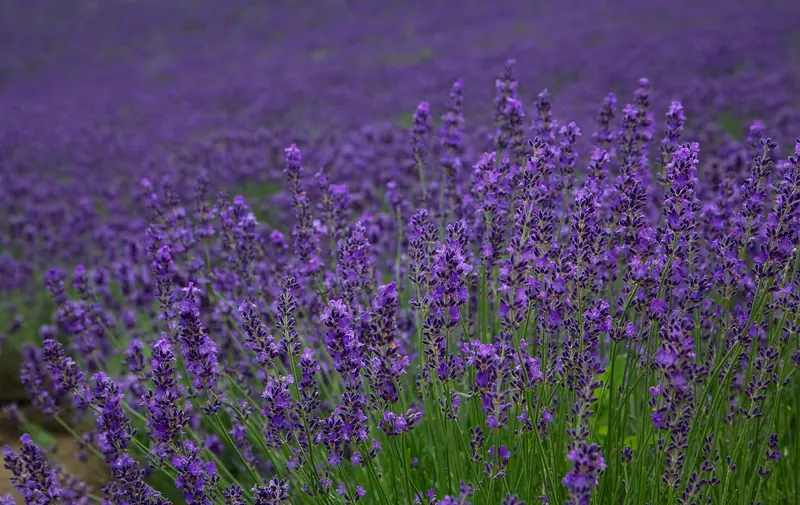
Rolling lavender fields in Furano, Hokkaido, in full summer bloom

Hokkaido · Japan

Hokkaido

Japan's northern frontier island, wilder and less crowded than the mainland, running from world-class powder snow to lavender fields to some of the country's best seafood.

  • Best time January–February for powder skiing, or July for lavender season
  • Stay 5–7 days
  • Good for Skiing, nature, seafood, a quieter pace

Photo: titanium22 · CC BY-SA 2.0

Welcome to Hokkaido

Hokkaido is Japan's second-largest and northernmost main island, different in pace, climate and character from the crowded corridor between Tokyo and Osaka. Settled and developed relatively late by Japanese standards, much of it still feels like a frontier — wide open landscapes, a distinct indigenous Ainu culture, and a population density a fraction of the mainland's.

The island's winters are world-renowned among skiers, with towns like Niseko drawing an international following for consistently excellent, famously dry powder snow, while summer brings a completely different draw in Furano's rolling lavender fields and generally milder temperatures than the sweltering mainland.

Hokkaido's food culture stands on its own within Japan — the island produces an outsized share of the country's dairy, seafood and produce, and Sapporo's ramen, fresh crab and corn have real, distinct regional identities rather than being a northern variation on mainland dishes.

  • Nature Wildlife
  • Mountains
  • Food

Why visit

Why visit Hokkaido?

Hokkaido's case is that no other part of Japan offers this different a landscape, pace and food culture within the same country.

  • The powder snow skiing is world class

    Niseko and other resorts draw an international following for consistently excellent, famously dry snow.

  • The seafood and produce are outstanding

    Hokkaido produces an outsized share of Japan's dairy, crab, uni and other seafood, with real quality to match.

  • The landscape is different from the mainland

    Wide open spaces, national parks and Furano's lavender fields offer a Japan most visitors never see.

  • It's less crowded

    A fraction of the mainland's population density makes for a noticeably calmer, less rushed travel pace.

  • The seasons offer two distinct trips

    World-class winter skiing and a completely different summer of lavender fields and wildlife make Hokkaido worth two separate visits.

Main attractions

Top things to see in Hokkaido

Hokkaido's essential sights, from Sapporo's city energy to the island's wilder national parks and ski country.

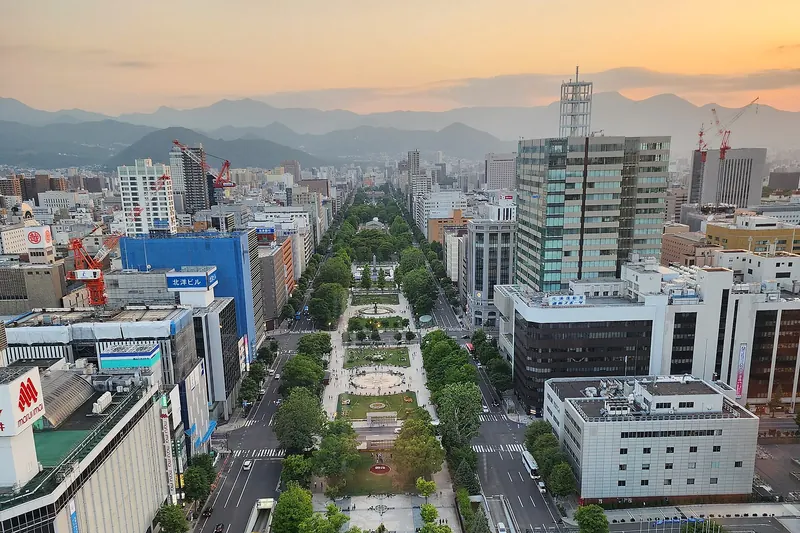
  1. Odori Park with the Sapporo TV Tower in the background

    Sapporo and Odori Park

    Hokkaido's capital and largest city, its central Odori Park hosting the famous winter Snow Festival and offering a pleasant green spine through the city year-round.

    Tip The Sapporo TV Tower at the park's eastern end offers a good orientation view over the city grid.

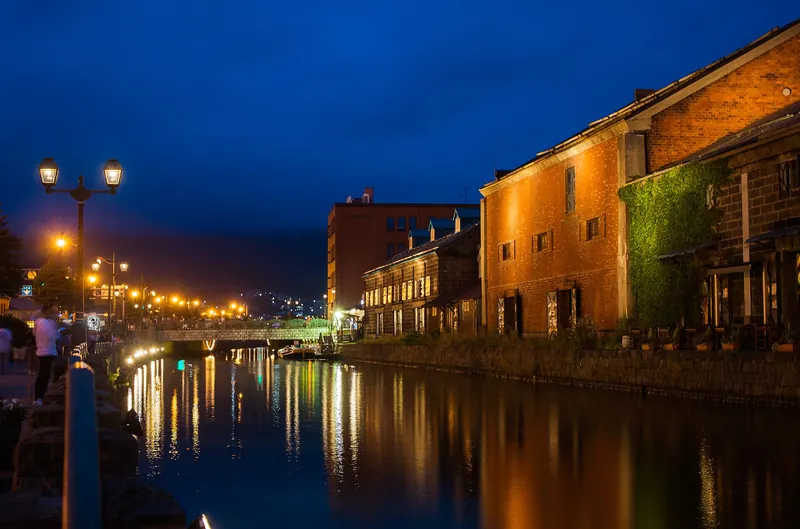
  2. Otaru's historic stone canal lined with former warehouses

    Otaru's canal

    A former warehouse district's picturesque stone canal, gas-lit at night, an atmospheric short trip from Sapporo.

    Tip Evening visits catch the canal's gas lamps lit, more atmospheric than the daytime version.

  3. Rolling hillside lavender fields near Furano

    Furano's lavender fields

    Rolling hillside fields of lavender in full bloom through July, a striking landscape unlike anywhere else in Japan.

    Tip Farm Tomita is the region's most famous and accessible lavender farm, with a small train station built specifically for summer visitors.

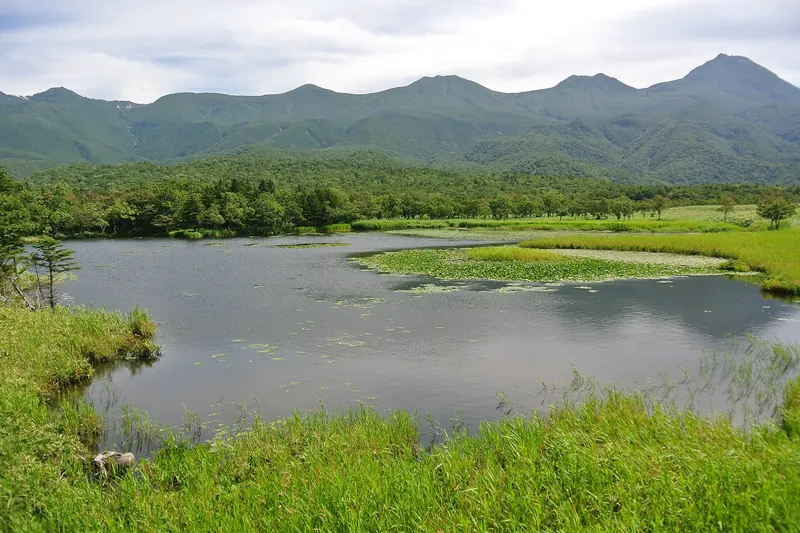
  4. The Shiretoko Five Lakes within Shiretoko National Park

    Shiretoko National Park

    A remote, wild UNESCO World Heritage peninsula, home to brown bears, drift ice in winter and some of Japan's least developed coastline.

    Tip Boat tours offer the most reliable way to spot brown bears and coastal wildlife safely from a respectful distance.

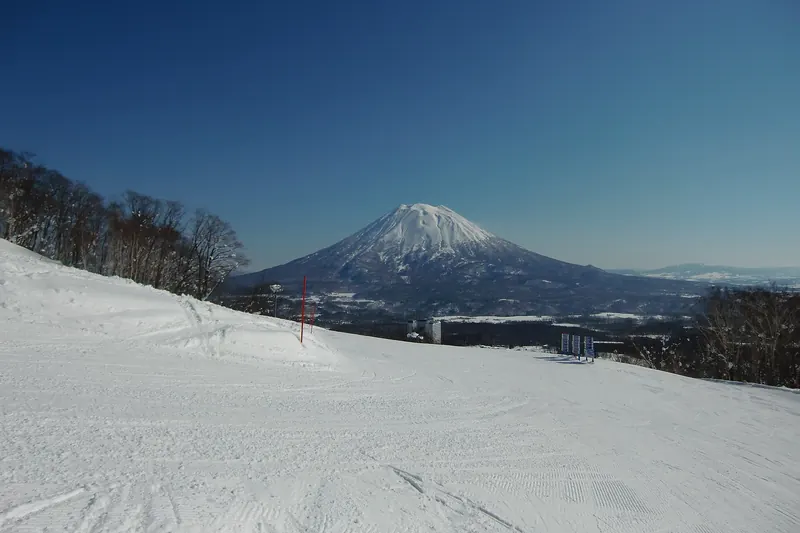
  5. A ski slope in the Niseko resort area

    Niseko

    Hokkaido's most internationally famous ski destination, its consistently excellent powder snow drawing visitors from across the world each winter.

    Tip Summer transforms Niseko into a worthwhile hiking and rafting destination, considerably less crowded than ski season.

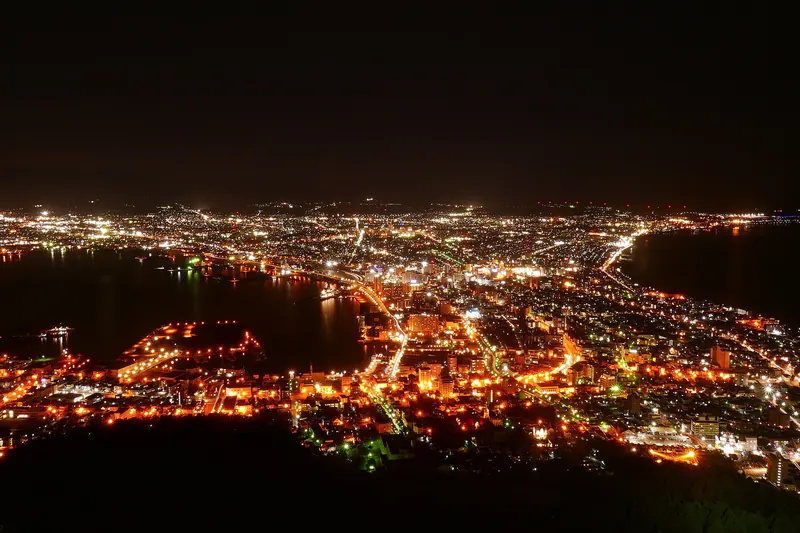
  6. Hakodate's hourglass-shaped harbour illuminated at night, seen from Mount Hakodate

    Mount Hakodate's night view

    A ropeway ascent to a viewpoint overlooking Hakodate's distinctive hourglass-shaped harbour, considered one of Japan's three best night views.

    Tip Arrive before sunset to see the transition from daylight to the city's full evening illumination.

Things to do

Best things to do in Hokkaido

Beyond the major sights, Hokkaido rewards its seasonal extremes and its serious food and drink culture.

  1. Skiers on Niseko's powder snow slopes

    Ski or snowboard Niseko's powder

    World-class, famously dry powder snow draws skiers and snowboarders from across the globe each winter season.

    Tip Book accommodation many months ahead for peak January and February powder season, when the best lodges sell out early.

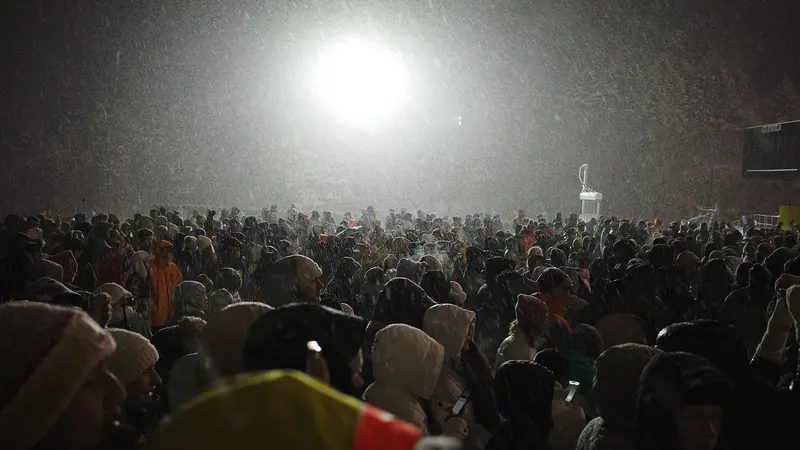
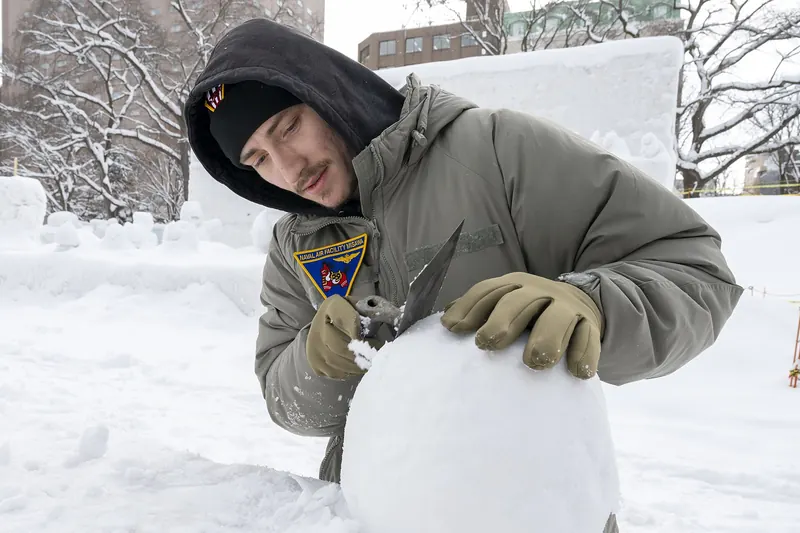
  2. Enormous snow and ice sculptures at the Sapporo Snow Festival

    Visit the Sapporo Snow Festival

    A spectacular week-long February festival of enormous snow and ice sculptures filling Odori Park and beyond.

    Tip Book Sapporo accommodation extremely far ahead if visiting during the festival — the city fills completely.

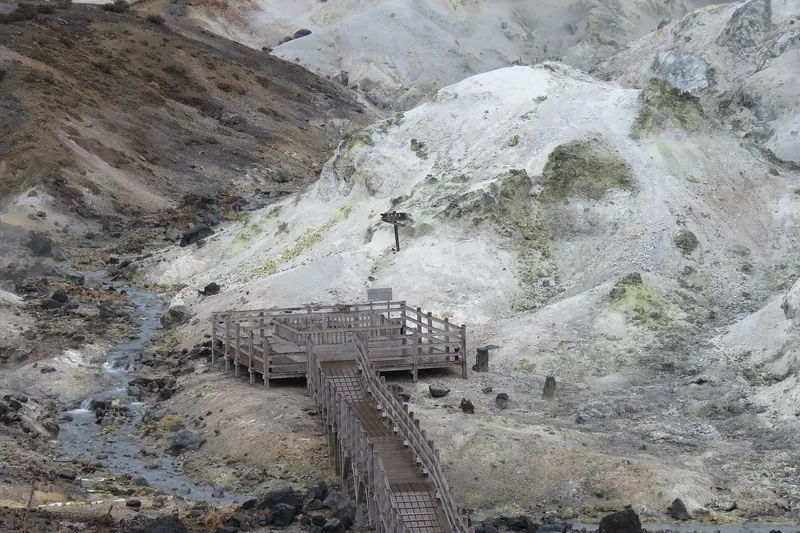
  3. Jigokudani, the volcanic Hell Valley that feeds Noboribetsu's hot springs

    Soak in a Noboribetsu onsen

    One of Japan's most famous hot spring towns, its 'Hell Valley' volcanic source feeding varied, mineral-rich baths.

    Tip Try more than one bathhouse if staying overnight — Noboribetsu's various springs differ in mineral content and effect.

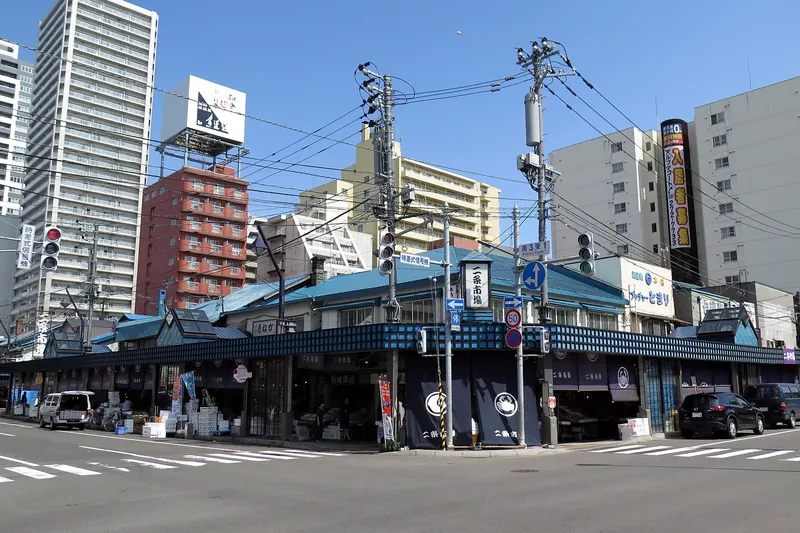
  4. Fresh seafood stalls at Sapporo's Nijo Market

    Eat fresh seafood at Sapporo's Nijo Market

    A compact market of stalls and restaurants serving excellent fresh crab, uni and seasonal seafood, much of it caught locally.

    Tip Breakfast-hour crab and rice bowls at the market's small counters are an excellent, unpretentious way to start the day.

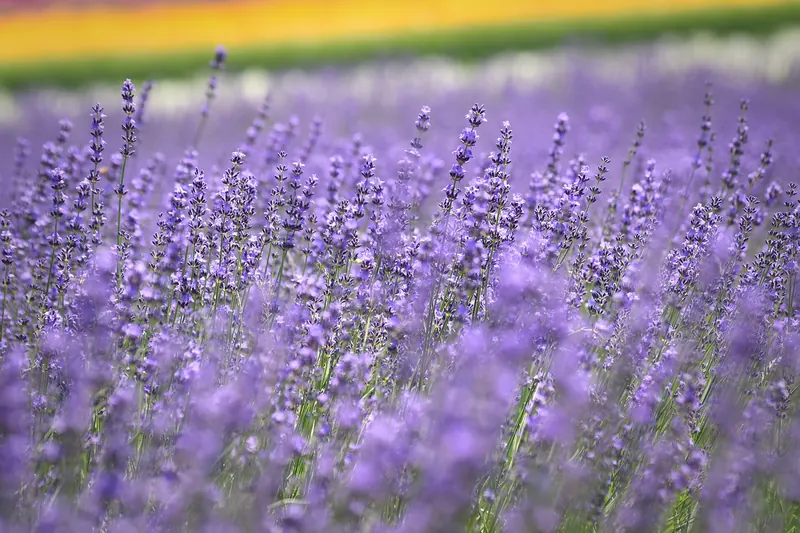
  5. Lavender in full bloom near Furano

    See Furano's lavender fields in bloom

    Peak bloom runs through July, transforming the region's hillsides into striking purple landscapes, a summer-only Hokkaido highlight.

    Tip Weekday mornings offer noticeably thinner crowds than weekend afternoons at the region's most popular farms.

  6. An Ussuri brown bear, native to Hokkaido

    Watch for wildlife in Shiretoko

    Brown bears, Steller's sea eagles and, in winter, drift ice all make Shiretoko a serious wildlife destination by Japanese standards.

    Tip Winter drift-ice walking tours offer a unique way to experience the peninsula's frozen coastline directly.

Local food

What to eat in Hokkaido

Hokkaido's food culture stands apart within Japan, built on the island's outsized dairy, seafood and produce output.

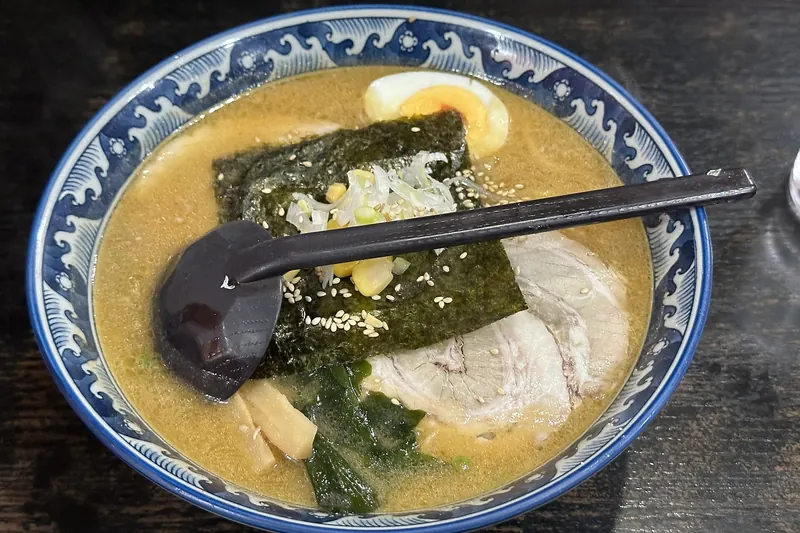
  • A bowl of Sapporo-style miso ramen

    Sapporo miso ramen

    A rich miso-based broth, Sapporo's own defining ramen style and distinct from Tokyo's shoyu or Kyushu's tonkotsu versions.

    Where to try it Sapporo's Ramen Yokocho alley, a concentrated strip of dedicated ramen counters.

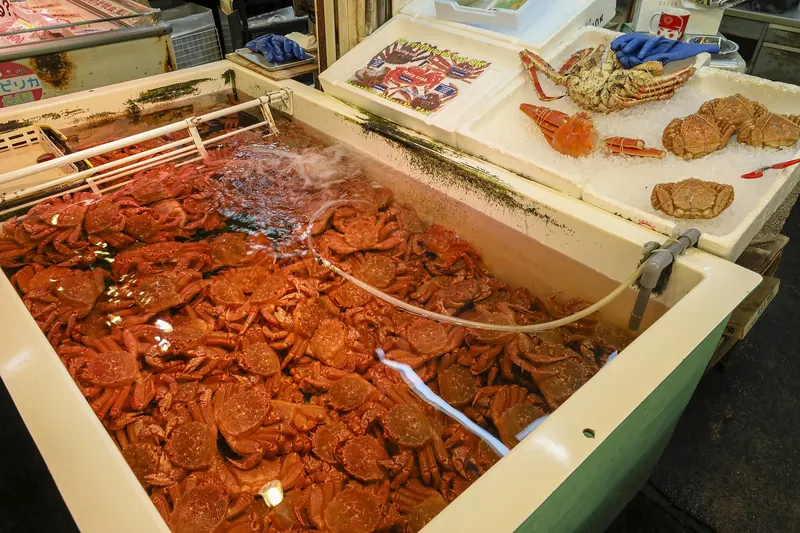
  • Fresh crab on display at a Hokkaido seafood market

    Fresh crab and uni

    Hokkaido's cold northern waters produce exceptional king crab, snow crab and sea urchin, a defining regional luxury.

    Where to try it Sapporo's Nijo Market or Hakodate's morning market, both serving fresh, locally caught seafood.

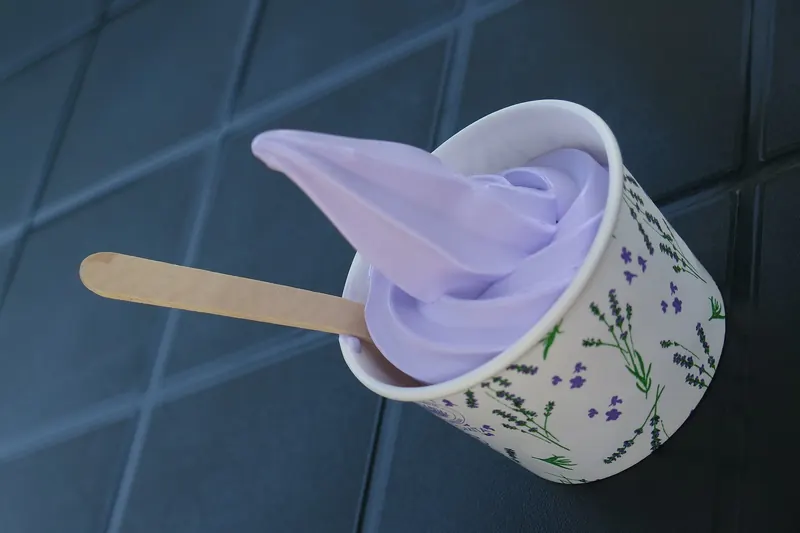
  • Soft-serve ice cream made from Hokkaido dairy at Farm Tomita

    Hokkaido dairy

    The island produces an outsized share of Japan's milk, cheese and butter, with soft-serve ice cream a beloved local specialty.

    Where to try it Farm shops and dedicated soft-serve stands throughout the Furano and Biei countryside.

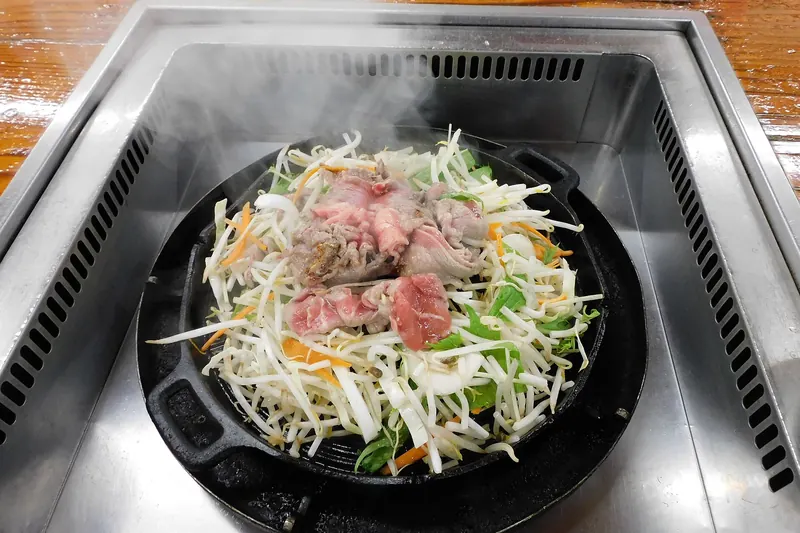
  • Jingisukan, lamb grilled on a domed skillet

    Jingisukan (Genghis Khan grilled lamb)

    Lamb grilled on a distinctive domed skillet alongside vegetables, a genuine Hokkaido specialty with a name honouring the historic Mongol leader.

    Where to try it Dedicated jingisukan restaurants throughout Sapporo, many with tableside grilling.

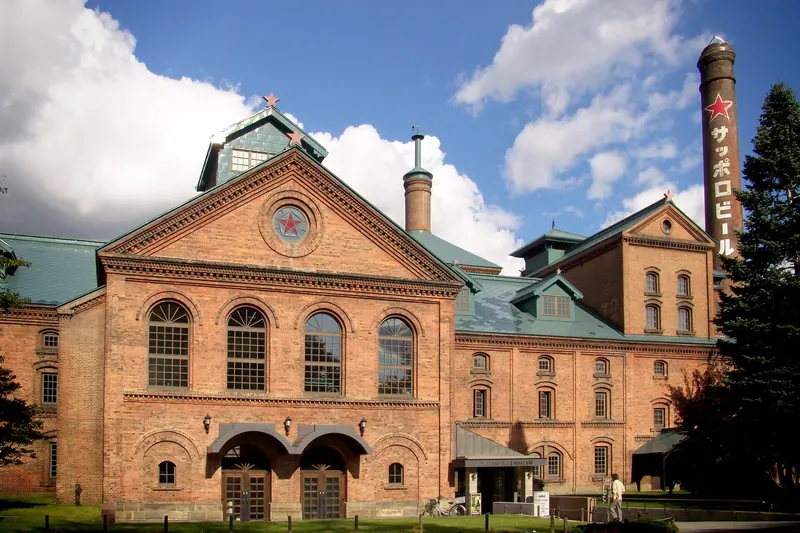
  • The Sapporo Beer Museum building

    Sapporo beer

    Japan's oldest beer brand, brewed in the city since 1876, with a worthwhile museum and beer hall at its original brewery site.

    Where to try it The Sapporo Beer Museum's beer hall, or any traditional izakaya across the city.

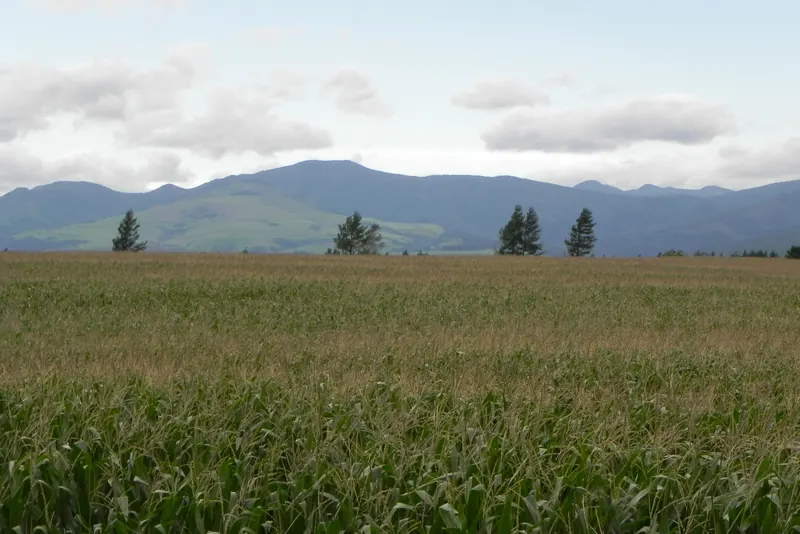
  • A corn field in rural Hokkaido

    Hokkaido corn and potatoes

    The island's cool climate and rich volcanic soil produce exceptional sweetcorn and potatoes, a simple but beloved regional staple.

    Where to try it Roadside stalls throughout rural Hokkaido in late summer, selling corn grilled or boiled fresh.

Accommodation

Where to stay in Hokkaido

Hokkaido's size means the right base depends heavily on your season and priorities.

  • Sapporo

    The island's largest city, with the widest range of accommodation and transport connections to Otaru, Niseko and Furano.

    Best for: A central base and easy day trips

  • Niseko

    The obvious base for a ski-focused trip, with a wide range of international-standard lodges and chalets.

    Best for: Winter skiing

  • Furano and Biei

    Small-town countryside bases putting the region's lavender farms and rolling hills directly within reach.

    Best for: Summer lavender season

What a night costs

Hostel dorm
¥3,000–5,500 per night
Mid-range hotel
¥13,000–24,000 per night
Niseko ski lift pass, one day
¥7,000–9,000
Fresh crab bowl at a market
¥2,500–4,500

Transport

Getting to and around Hokkaido

New Chitose Airport near Sapporo is Hokkaido's main gateway, well connected both internationally and from elsewhere in Japan.

Getting there

  • New Chitose Airport (CTS)

    A rapid train reaches central Sapporo in about 40 minutes, with both international and extensive domestic connections.

    Budget carriers offer cheap domestic flights from Tokyo, often faster and cheaper than the shinkansen-plus-transfer alternative.

  • Shinkansen from Tokyo

    The Hokkaido Shinkansen reaches Hakodate in about 4 hours, with an extension toward Sapporo still under construction.

    Flying remains generally faster and often cheaper than rail for reaching Sapporo specifically from Tokyo.

  • Rental car

    Useful, often essential, for reaching Furano, Biei and Shiretoko at a flexible pace beyond Sapporo and Niseko.

    Winter driving requires real caution and winter tyres — public transport or organised tours are safer for many visitors in snow season.

Getting around

Hokkaido's size makes a car or careful train and bus planning necessary beyond central Sapporo.

  • JR trains

    Connect Sapporo to Otaru, Furano and Hakodate reasonably well, though services thin out considerably in rural areas.

    A regional rail pass can offer genuine savings if covering several of the island's main towns.

  • Rental car

    The most flexible way to reach Furano's countryside, Biei's hills and Shiretoko's more remote corners.

    Distances are larger than they appear on a map — build realistic driving time into any itinerary.

  • Sapporo subway and trams

    An efficient network covers the city centre well, usable with a Suica, Pasmo or Kitaca IC card.

    The Susukino and Odori stations sit at the heart of the city's dining and nightlife district.

When to go

Best time to visit Hokkaido

Hokkaido offers two distinct best times depending on the trip — deep winter for snow, midsummer for lavender and milder weather.

  • Winter (December–February)

    Best time

    World-class powder snow in Niseko and beyond, plus February's spectacular Sapporo Snow Festival — the island's signature season.

  • Spring (March–May)

    Shoulder

    A quieter transitional season as snow melts, with fewer crowds but less to specifically draw a visit.

  • Summer (June–August)

    Best time

    Furano's lavender fields peak in July, alongside comfortable temperatures well below the mainland's summer humidity.

  • Autumn (September–November)

    Good

    Comfortable temperatures and excellent foliage, particularly in Daisetsuzan National Park, Japan's earliest autumn colours.

Worth planning around: Late autumn into early winter (November) without checking conditions, an unpredictable shoulder season between foliage and reliable snow.

Itinerary

Five days in Hokkaido

Sapporo and Otaru first, then Furano's countryside, adaptable by season toward skiing instead.

  1. Day1

    Arrive in Sapporo

    The city's centre and food culture.

    • Morning Land and settle into Sapporo.
    • Afternoon Odori Park and the Sapporo TV Tower.
    • Evening Jingisukan dinner and Susukino's nightlife.
  2. Day2

    Sapporo and Otaru

    Markets and a canal town day trip.

    • Morning Nijo Market for a fresh seafood breakfast.
    • Afternoon Day trip to Otaru's canal and glassware shops.
    • Evening Return to Sapporo for dinner.
  3. Day3

    To Furano and Biei

    Lavender fields and rolling countryside.

    • Morning Train or drive to Furano.
    • Afternoon Farm Tomita's lavender fields.
    • Evening Dinner in Furano, local produce featured.
  4. Day4

    Biei's hills

    Rolling farmland and photogenic countryside.

    • Morning Biei's patchwork hills and viewpoints.
    • Afternoon A farm shop stop for Hokkaido dairy and soft serve.
    • Evening Return to Sapporo.
  5. Day5

    Sapporo Beer Museum and departure

    A final city morning before flying home.

    • Morning The Sapporo Beer Museum and beer hall.
    • Afternoon Last-minute shopping or a museum you missed.
    • Evening Transfer to New Chitose Airport.

Travel tips

Hokkaido travel tips

Practical notes on season, transport and booking that make a real difference to a Hokkaido trip.

  • Book Niseko ski season and Sapporo Snow Festival accommodation many months ahead — both sell out extremely early.
  • Consider flying rather than taking the train from Tokyo — it's often faster and cheaper to reach Sapporo directly.
  • Rent a car for Furano, Biei and Shiretoko if visiting outside peak winter, when public transport thins out considerably.
  • Try the fresh crab and seafood at a morning market rather than a tourist restaurant for better value and quality.
  • Pack for real seasonal extremes — Hokkaido's winters are cold and its summers mild compared with the mainland.
  • Book Shiretoko wildlife boat tours ahead in peak season, when the most reputable operators fill up.
  • Allow extra driving time in rural Hokkaido — distances are larger than mainland Japan trips typically involve.

FAQ

Hokkaido: frequently asked questions

How many days do you need in Hokkaido?

Five to seven for a first visit, covering Sapporo, a day trip to Otaru and either Furano's lavender fields or a ski trip to Niseko, depending on season.

Is Hokkaido worth visiting outside ski season?

Yes — Furano's lavender fields, Shiretoko's wildlife and the island's food culture all stand entirely on their own in summer, a completely different trip from winter skiing.

Do I need a car in Hokkaido?

Not for Sapporo and Niseko, both well served by train and bus, but a car becomes useful, sometimes essential, for Furano, Biei and Shiretoko's more remote corners.

What is the best time of year to visit?

January and February for world-class powder skiing, or July for Furano's lavender fields and comfortable summer temperatures — the island offers two distinct best seasons depending on the trip.

Is Hokkaido easy to combine with the rest of a Japan trip?

It works best as a dedicated leg given the flight or long rail journey involved — most visitors treat it as either a ski-focused trip or a summer add-on rather than a quick stop within a Tokyo-Kyoto-Osaka itinerary.

Read next

Related travel articles

Practical

Packing by Season and Trip Type

Most packing advice is a list of things. This is the opposite: the small number of decisions that determine whether your luggage helps or hinders, organised by the kind of trip you are actually taking.

Heritage

UNESCO Sites Worth Planning a Trip Around

A UNESCO listing tells you a place matters; it does not tell you whether it is worth two days and a detour. This is how to read the list usefully — and which sites reward building a trip around them.

Advertisement