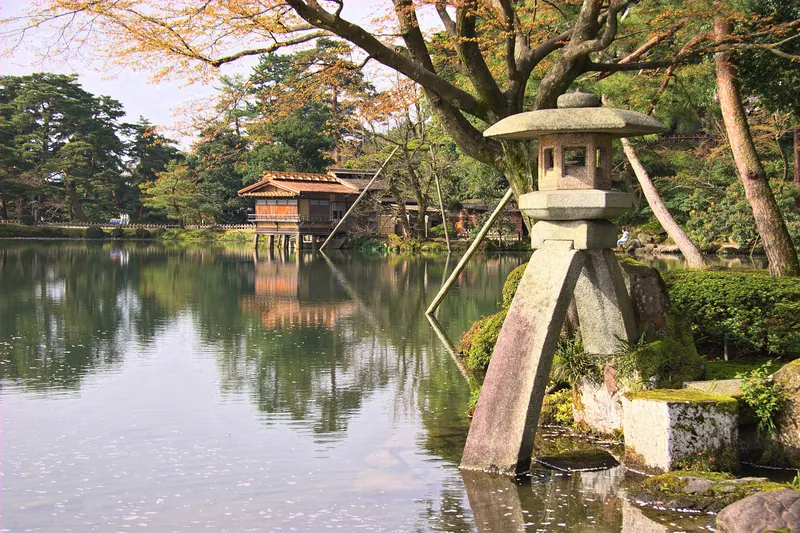
Welcome to Kyoto
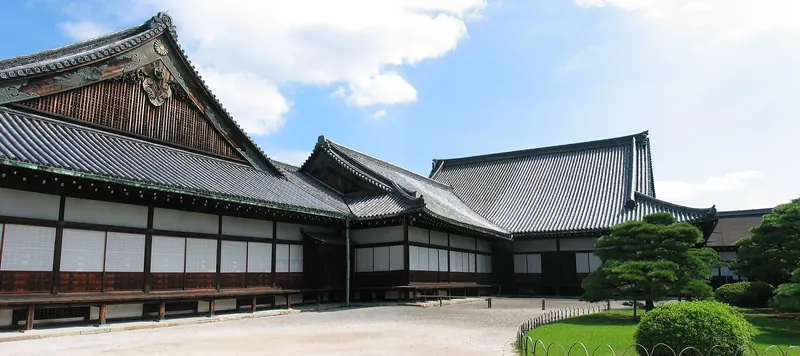
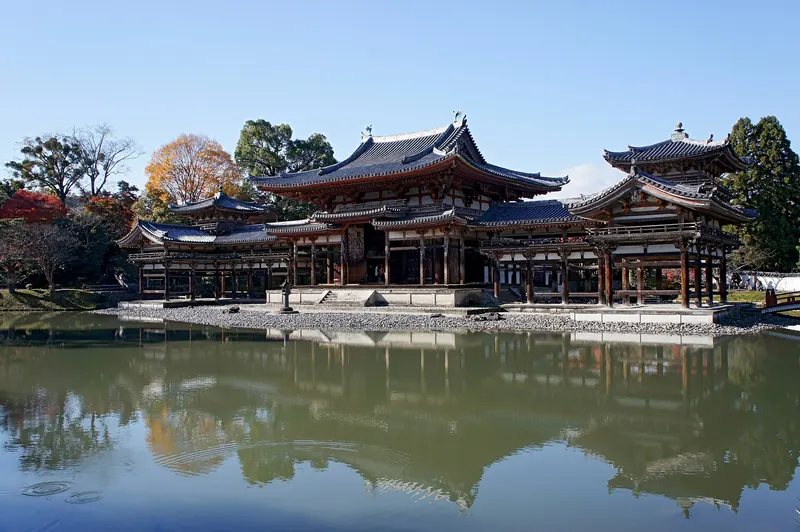
Kyoto served as Japan's imperial capital for over a thousand years, from 794 until the emperor's move to Tokyo in 1868, and the city's more than 1,600 Buddhist temples and 400 Shinto shrines reflect that millennium of continuous religious and cultural investment. Unlike Tokyo, largely rebuilt after 20th-century destruction, Kyoto was deliberately spared major Allied bombing, leaving genuine historic fabric standing throughout the city rather than careful postwar reconstruction.
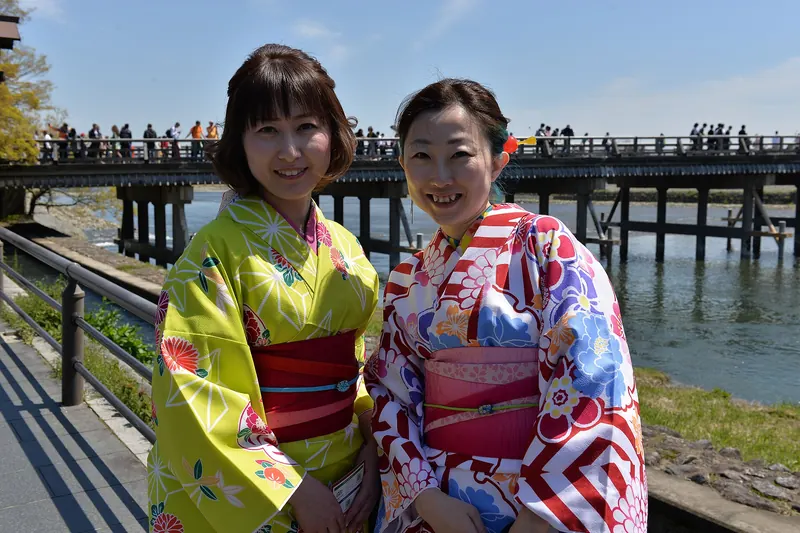
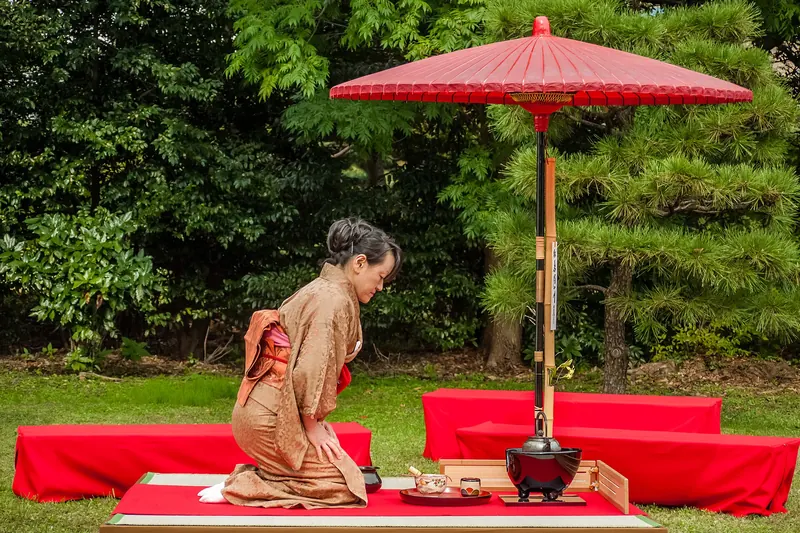
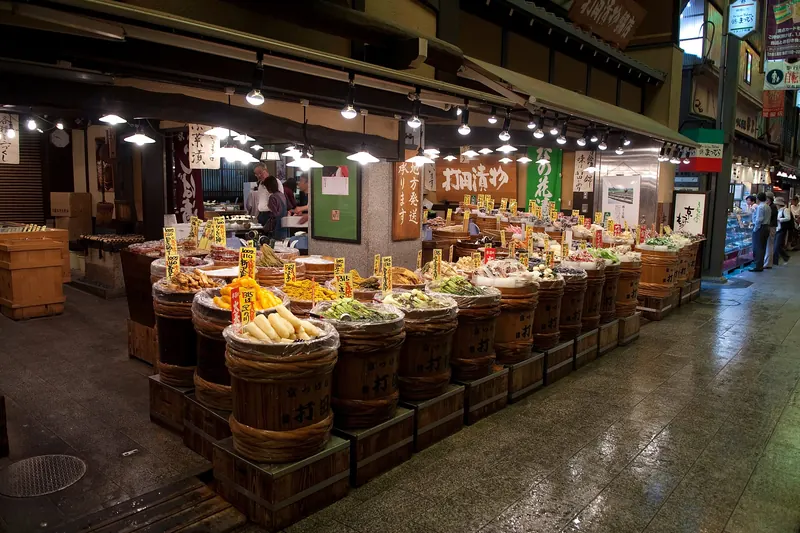
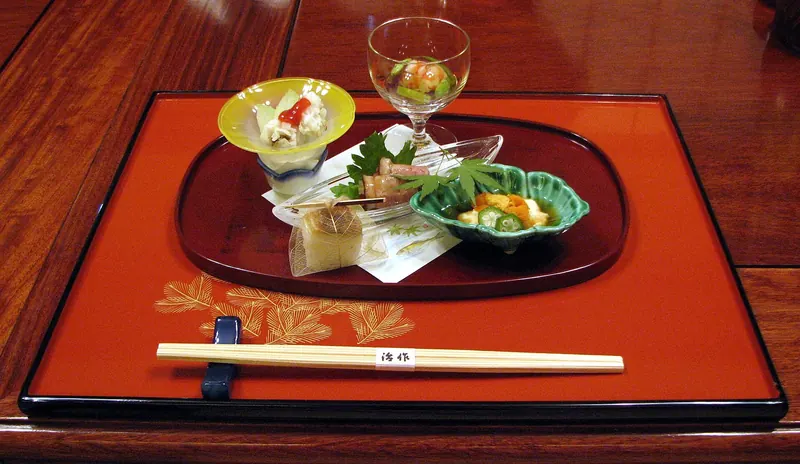
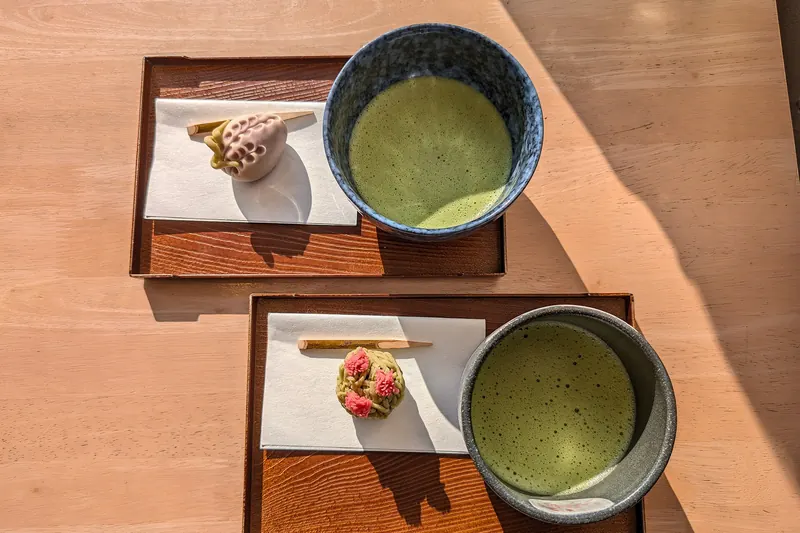
That preservation extends beyond buildings into living practice — the Gion district's geisha, properly called geiko in Kyoto's own dialect, still train and perform using traditions largely unchanged for centuries, and traditional kaiseki dining, tea ceremony and kimono culture remain practiced rather than preserved only for tourists.
The city's popularity has real consequences worth planning around: Kyoto now manages some of Japan's most serious overtourism pressure, particularly in Gion and around its most famous temples, making early starts and a willingness to seek out quieter corners worthwhile.
- Historic Site
- Culture
- Temples