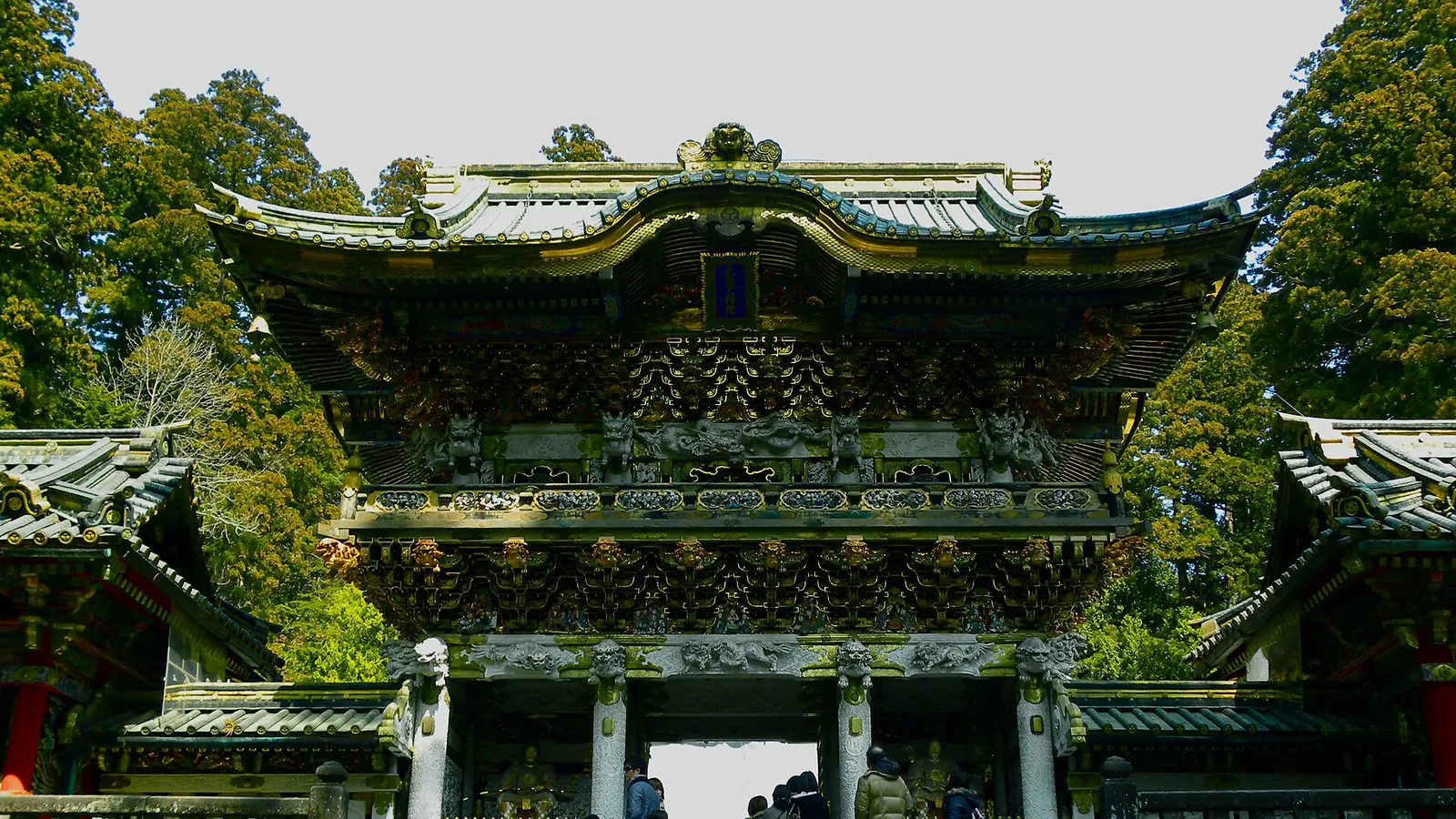
Toshogu Shrine's elaborately carved and gilded Yomeimon Gate in Nikko

Kanto · Japan

Nikko

An elaborately carved shrine complex honouring the founder of Japan's last shogunate, set within cedar forest and mountain scenery an easy day trip from Tokyo.

  • Best time October–November for autumn foliage, or May–June for fresh green and full waterfalls
  • Stay 1–2 days
  • Good for History, temple architecture, an easy Tokyo escape

Photo: Nerotaso · CC BY-SA 3.0

Welcome to Nikko

Nikko's Toshogu Shrine was built as the mausoleum of Tokugawa Ieyasu, founder of the shogunate that ruled Japan for over 250 years, and the shrine's elaborate carving and gilding reflect the wealth and authority of the dynasty he established. Unlike the restrained aesthetic of much traditional Japanese religious architecture, Toshogu is deliberately, spectacularly ornate.

The wider Nikko area, a UNESCO World Heritage Site encompassing Toshogu and its surrounding shrines and temples, sits within genuine mountain and forest scenery, framed by some of Japan's tallest cedar trees along the historic approach roads and extending up toward Lake Chuzenji and Kegon Falls in the mountains above.

The town's easy access from Tokyo, around two hours by train, makes it a popular day trip, though the wider area's waterfalls, lake and hiking trails reward staying overnight for those with the time.

  • Historic Site
  • Mountains
  • Temples

Why visit

Why visit Nikko?

Nikko's case is that no other easy Tokyo day trip combines this elaborate a shrine complex with this much genuine mountain scenery.

  • Toshogu Shrine's carving is extraordinary

    Among the most elaborately decorated religious structures in Japan, a deliberate departure from typical restrained shrine architecture.

  • The history is significant

    As the mausoleum of the shogunate's founder, Toshogu carries real weight in understanding Japan's early modern history.

  • The mountain scenery is rewarding

    Kegon Falls and Lake Chuzenji offer real natural beauty beyond the shrine complex itself.

  • It's easy from Tokyo

    Around two hours by train makes Nikko one of the most accessible major day trips from the capital.

  • It rewards an overnight stay

    Staying over opens up Yumoto Onsen and quieter, unhurried access to the shrine complex before day-trip crowds arrive.

Main attractions

Top things to see in Nikko

Nikko's essential sights, from Toshogu Shrine's elaborate carvings to the mountain scenery above the town.

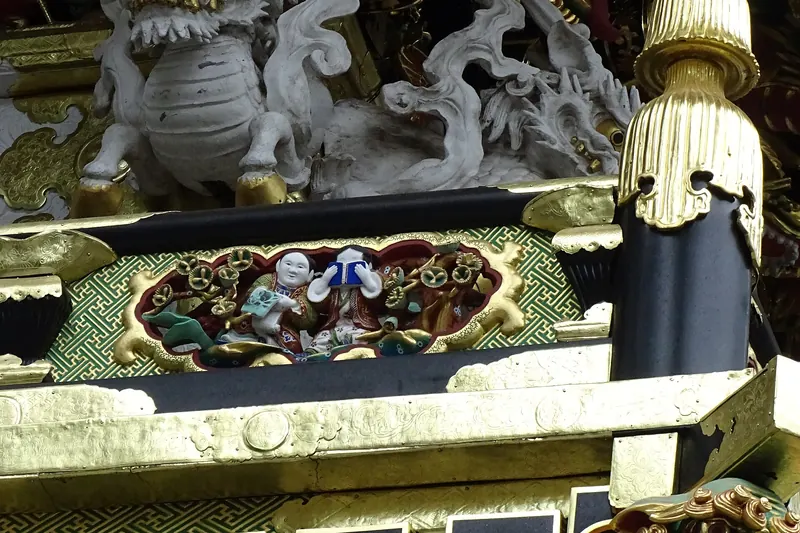
  1. Detailed carvings and gilding on Toshogu Shrine's Yomeimon Gate

    Toshogu Shrine

    The lavishly decorated mausoleum of shogunate founder Tokugawa Ieyasu, its buildings covered in intricate carvings, gilding and lacquerwork unlike any other major Japanese shrine.

    Tip Arrive at opening time to see the Yomeimon Gate's carvings before tour groups fill the courtyard in front of it.

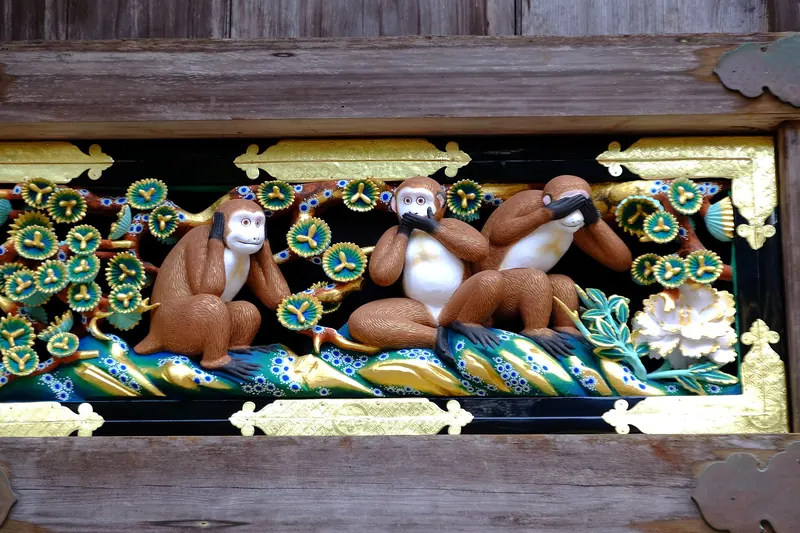
  2. The Three Wise Monkeys carving on Toshogu Shrine's sacred stable

    The Three Wise Monkeys carving

    The genuine original source of the 'see no evil, hear no evil, speak no evil' image, carved on the shrine's sacred stable building.

    Tip Look up — the carving sits above eye level on the stable building and is easy to walk past without noticing.

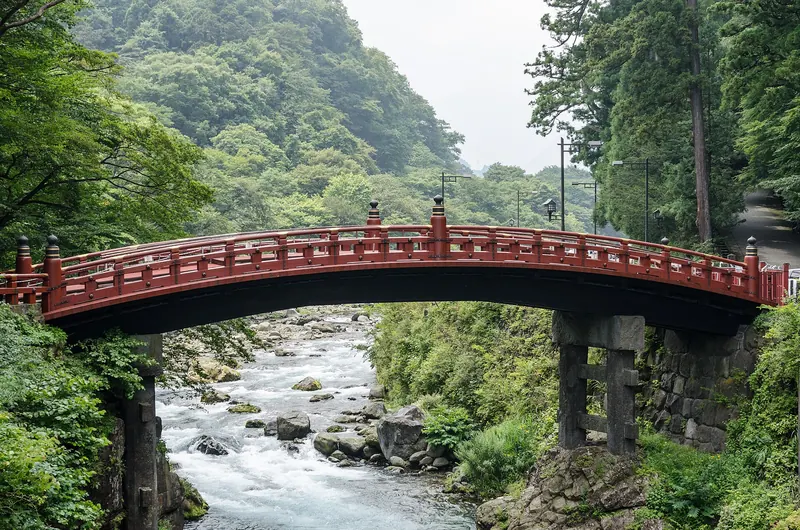
  3. The vermillion lacquered Shinkyo Sacred Bridge over the Daiya River

    Shinkyo Sacred Bridge

    A vermillion lacquered bridge across the Daiya River, traditionally reserved for imperial and shogunate visitors, now a photogenic gateway to the shrine complex.

    Tip The bridge is separately ticketed from the main shrine complex if you want to walk onto it rather than just photograph it from the road.

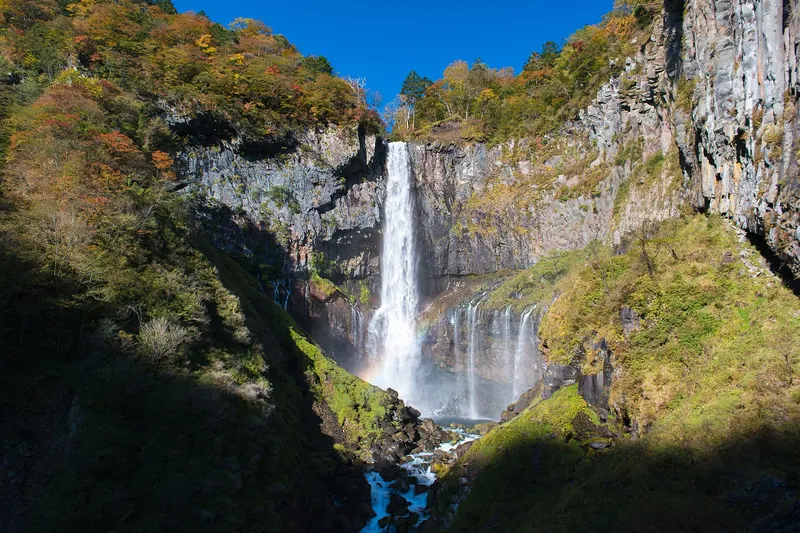
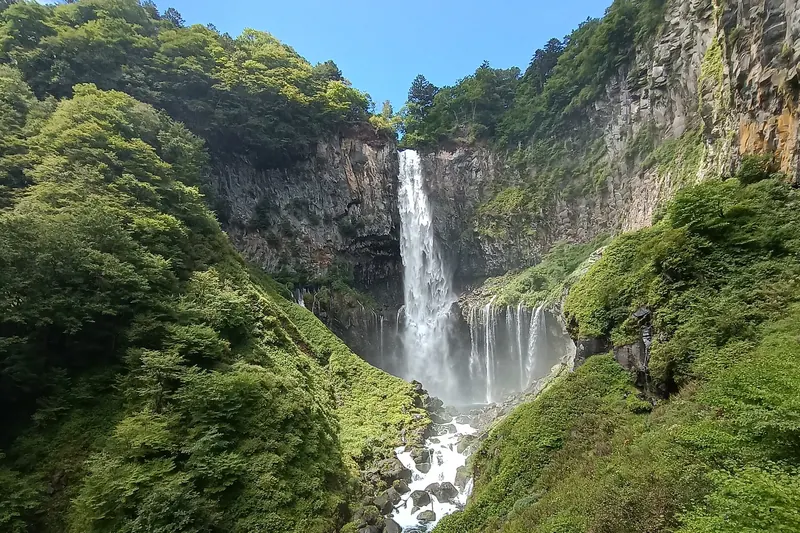
  4. Kegon Falls' 97-metre drop near Nikko

    Kegon Falls

    A dramatic 97-metre waterfall, with an elevator descending to a viewing platform at its base for a close, thundering view.

    Tip The falls carry noticeably more water and power in early summer snowmelt season than in the drier autumn months.

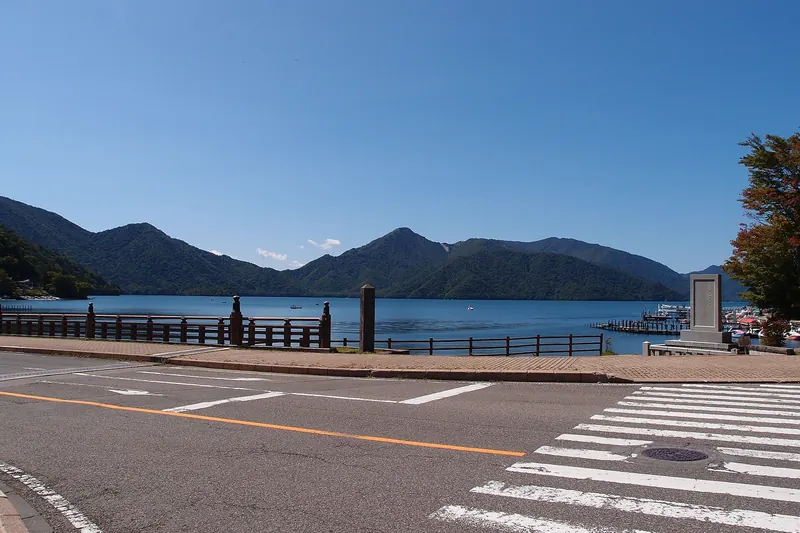
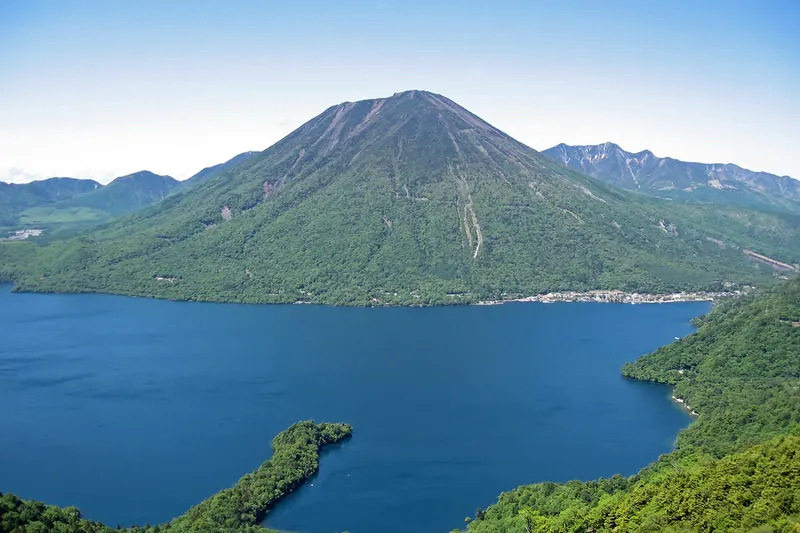
  5. Lake Chuzenji framed by mountain scenery

    Lake Chuzenji

    A scenic crater lake formed by an ancient eruption of nearby Mount Nantai, ringed by hiking trails and framed by mountain views.

    Tip A short boat cruise offers a relaxed way to see the lake's full shoreline without committing to a longer hike.

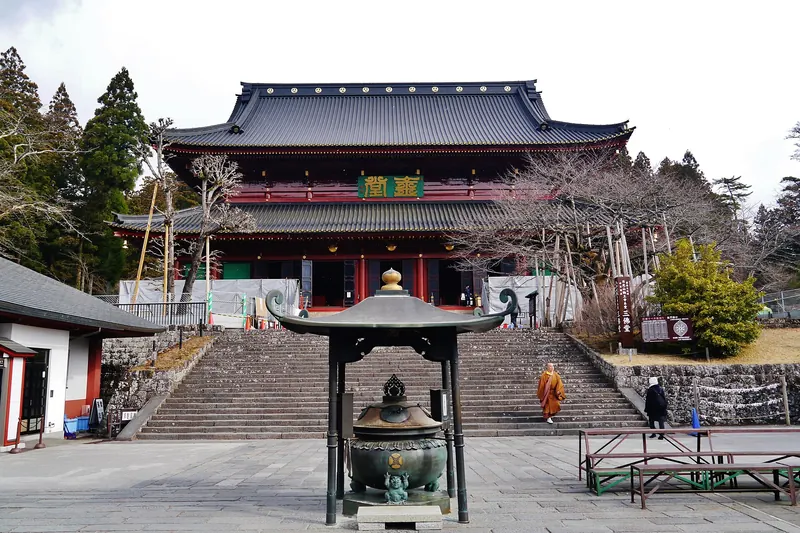
  6. Rinno-ji Temple's main hall in Nikko

    Rinno-ji Temple

    A significant Buddhist temple complex predating Toshogu, its Sanbutsudo hall housing three large gilded Buddhist statues.

    Tip A combination ticket covering Rinno-ji, Toshogu and Futarasan Shrine offers genuine savings over separate admission.

Things to do

Best things to do in Nikko

Beyond the shrine complex, Nikko rewards its mountain scenery and its quieter, less-visited corners.

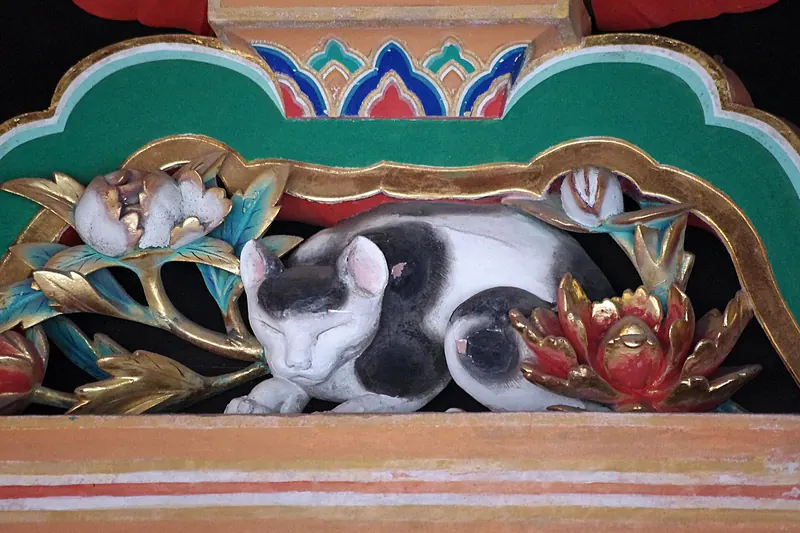
  1. The Nemuri-neko sleeping cat carving at Toshogu Shrine

    Find the sleeping cat carving

    A small, famous carving above a gate leading to Ieyasu's actual tomb, its peaceful pose said to symbolise peace across the realm.

    Tip The climb up to the tomb itself beyond the sleeping cat is worth the extra steps, considerably quieter than the main shrine.

  2. Mount Nantai above Lake Chuzenji

    Hike around Lake Chuzenji

    Trails along the lakeshore and up toward Mount Nantai offer rewarding mountain walking within easy reach of the town.

    Tip The Senjogahara marshland trail, a bit further on, is a gentle, boardwalk-covered option for less strenuous walking.

  3. The base of Kegon Falls, seen from the viewing platform

    Take the Kegon Falls viewing elevator

    A dramatic descent to a platform at the base of the falls, putting you directly in the spray and noise of the water.

    Tip Buy the elevator ticket at the top rather than waiting until you're already committed to the viewing platform's queue.

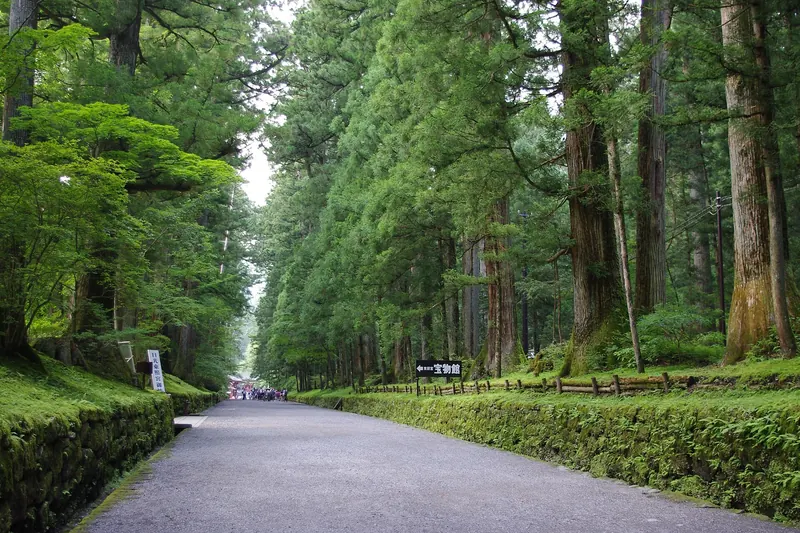
  4. The towering cedar-lined Nikko Kaido avenue

    Walk the cedar-lined Nikko Kaido avenue

    A historic approach road lined with towering, centuries-old cedar trees, among the longest tree-lined avenues in the world.

    Tip The avenue is quiet away from the immediate shrine complex — a good stretch for an unhurried walk.

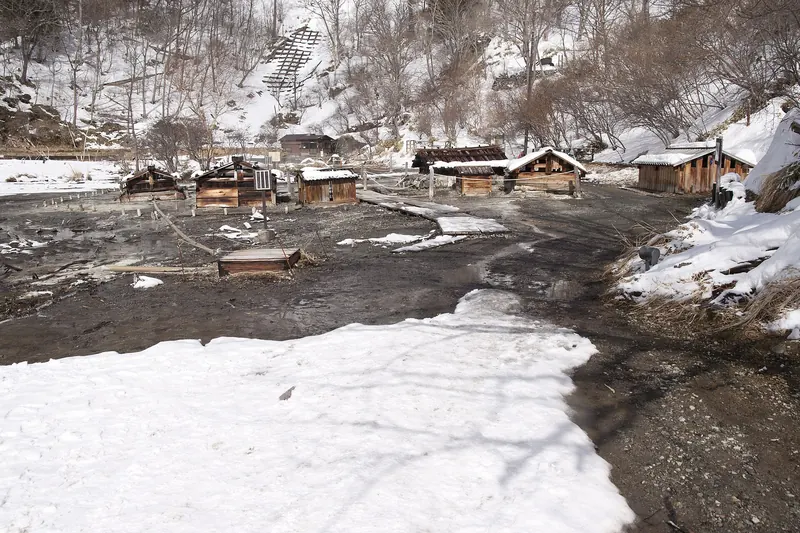
  5. Yumoto Onsen, a traditional hot spring town above Lake Chuzenji

    Soak in a Yumoto Onsen hot spring

    A traditional hot spring town above Lake Chuzenji, its sulphurous waters considerably less crowded than more famous onsen destinations.

    Tip Yumoto makes a peaceful overnight base if extending beyond a single Nikko day trip.

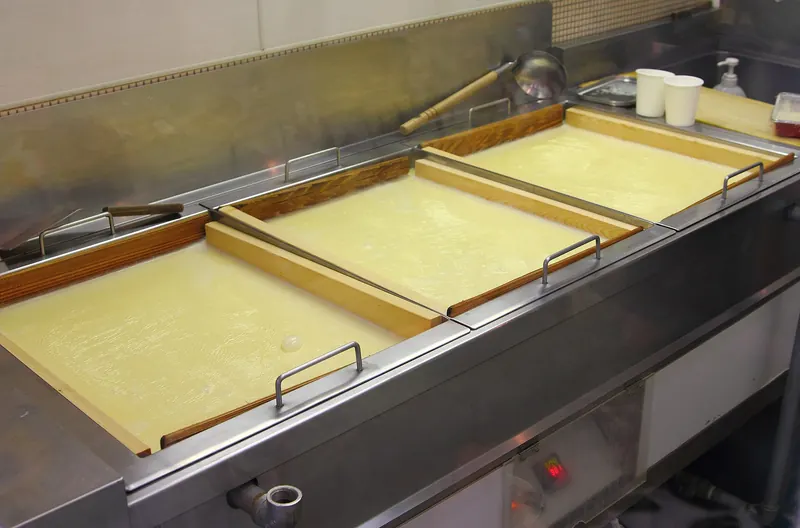
  6. Eat Nikko yuba for lunch

    Nikko's mountain water produces some of Japan's finest tofu skin, a signature local speciality served throughout the town.

    Tip Yuba manju, a sweet bun using yuba in its wrapper, makes a good afternoon snack alongside a savoury lunch.

Local food

What to eat in Nikko

Nikko's food centres on its exceptional mountain water, shaping a genuine yuba tradition alongside mountain-stream fish and soba.

  • Nikko yuba, delicate tofu skin

    Nikko yuba

    Delicate tofu skin, considered among Japan's finest thanks to Nikko's mountain water, served fresh, dried or as part of a full set meal.

    Where to try it Dedicated yuba restaurants throughout the town, several with decades or centuries of history.

  • Yuba manju

    A sweet steamed bun using yuba in its wrapper rather than standard dough, a genuine Nikko specialty distinct from ordinary manju.

    Where to try it Shops throughout the town near the shrine complex and along the main street.

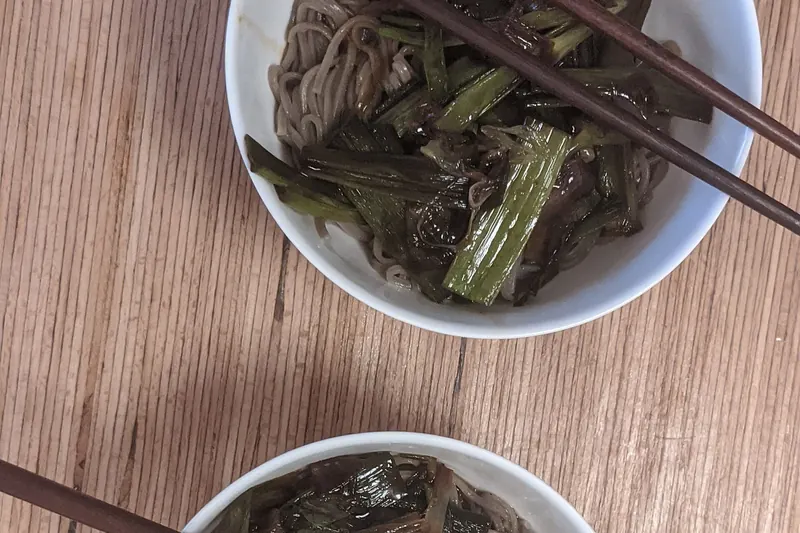
  • Bowls of buckwheat soba noodles

    Nikko soba

    Buckwheat noodles made with the town's excellent mountain water, a simple but distinctly good regional staple.

    Where to try it Traditional soba restaurants throughout the town, several family-run for generations.

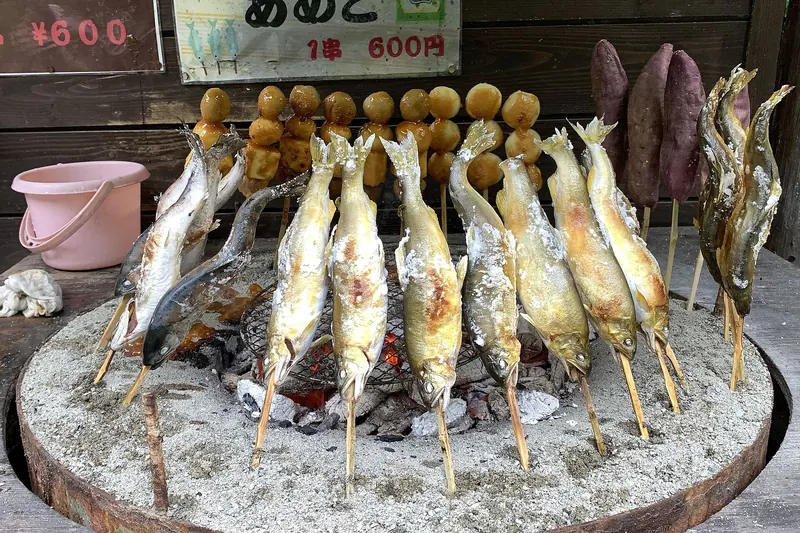
  • Whole freshwater fish grilled on sticks, the traditional preparation for mountain-stream trout

    Mountain stream trout (iwana and yamame)

    Freshwater fish from the region's mountain streams, typically grilled whole with salt, a genuine local delicacy from the surrounding rivers.

    Where to try it Traditional restaurants around Lake Chuzenji and Kinugawa Onsen, often grilled over an open charcoal fire.

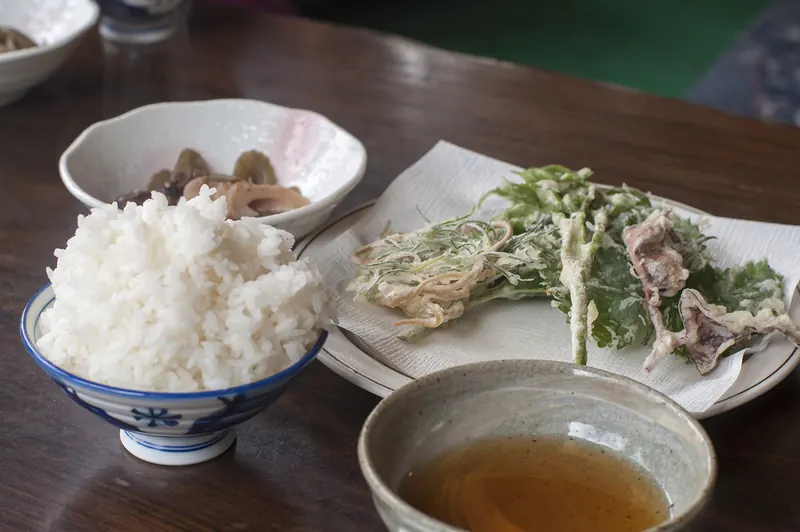
  • Sansai mountain vegetable tempura served with rice

    Sansai mountain vegetables

    Foraged mountain vegetables and wild greens, prepared simply, a genuine seasonal tradition throughout Nikko's surrounding mountains.

    Where to try it Traditional restaurants and ryokan set menus, particularly rewarding in spring.

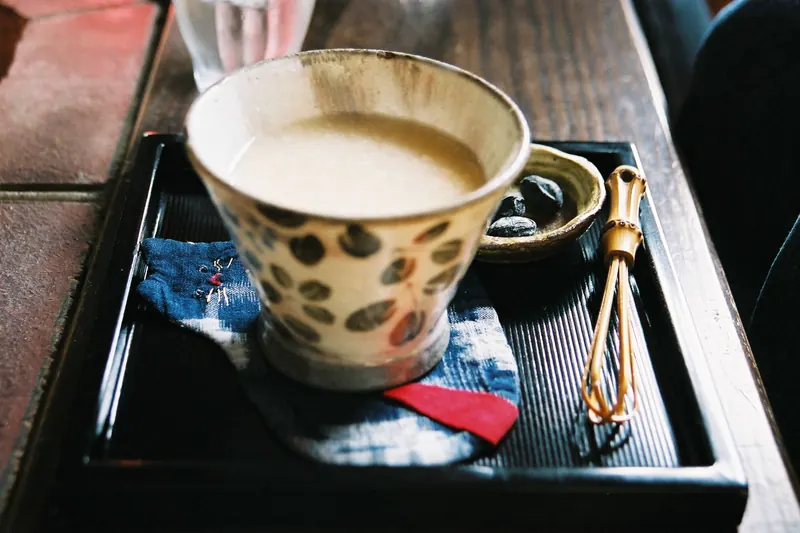
  • A cup of amazake, a sweet low-alcohol rice drink

    Amazake

    A traditional sweet, low-alcohol or non-alcoholic rice drink, warming after a cold walk around the shrine complex or the falls.

    Where to try it Stalls and cafes throughout the shrine approach, especially welcome in colder months.

Accommodation

Where to stay in Nikko

Nikko works well as a day trip from Tokyo, though an overnight stay opens up the wider mountain area.

  • Central Nikko, near the shrine complex

    The most convenient base for the shrine complex, with a range of ryokan and standard hotels within walking distance.

    Best for: Walking to Toshogu and the old town

  • Lake Chuzenji

    Further up the mountain, peaceful, putting the lake, Kegon Falls and hiking trails directly within reach.

    Best for: Mountain scenery and hiking

  • Yumoto Onsen

    The area's most traditional hot spring town, considerably less crowded than the shrine complex below.

    Best for: Hot springs and a quiet overnight stay

What a night costs

Hostel dorm
¥2,800–4,500 per night
Mid-range hotel or ryokan
¥12,000–22,000 per night
Toshogu, Rinno-ji and Futarasan combination ticket
¥1,300
Yuba set lunch
¥1,500–2,800

Transport

Getting to and around Nikko

Nikko is a straightforward day trip or overnight destination from Tokyo by direct train.

Getting there

  • Train from Tokyo

    The Tobu Nikko line runs direct limited express trains from Asakusa to Nikko in about 2 hours.

    The Nikko Pass covers the round-trip train fare plus local buses around the shrine complex and Lake Chuzenji on one ticket.

  • JR trains via Utsunomiya

    An alternative route using the shinkansen to Utsunomiya then a local JR line, useful if already holding a JR Pass.

    Slightly faster than the Tobu line for JR Pass holders, though the Tobu route is generally simpler for most visitors.

  • Rental car

    Useful for reaching Lake Chuzenji and Yumoto Onsen at a flexible pace beyond the main shrine complex.

    The winding mountain road up to the lake, Irohazaka, is scenic but narrow — allow extra time.

Getting around

Central Nikko's shrine complex is walkable, with buses covering the mountain route up to the lake and falls.

  • Walking, around the shrine complex

    Toshogu, Rinno-ji and Futarasan Shrine all sit within a compact, walkable area from Shinkyo Bridge.

    The complex involves real uphill walking and many stairs — comfortable shoes matter.

  • Bus, up to Lake Chuzenji

    Regular buses climb the winding Irohazaka road to Kegon Falls and Lake Chuzenji from central Nikko.

    The Nikko Pass World Heritage area version covers these buses, offering genuine savings on a combined itinerary.

  • Rental car

    Offers flexibility for reaching Yumoto Onsen and quieter corners of the mountain area beyond the main bus routes.

    Winter driving on the mountain road requires real caution and often winter tyres.

When to go

Best time to visit Nikko

Nikko's mountain elevation makes it cooler than Tokyo year-round, with autumn foliage the single most popular season to visit.

  • Spring (April–June)

    Best time

    Fresh greenery and Kegon Falls at its most powerful with spring snowmelt, alongside comfortable temperatures.

  • Summer (July–August)

    Good

    Cooler than Tokyo thanks to elevation, a popular seasonal escape from the capital's summer humidity.

  • Autumn (October–November)

    Best time

    Spectacular foliage throughout the mountain area, Nikko's single busiest and most photographed season.

  • Winter (December–March)

    Good

    Cold with genuine snow at higher elevations, offering a quieter, starker version of the shrine complex and falls.

Worth planning around: Peak autumn foliage weekends without an early start — the shrine complex and mountain road congest with day-trip traffic from Tokyo.

Itinerary

Two days in Nikko

The shrine complex first, then the mountain scenery above the town.

  1. Day1

    Toshogu Shrine and the old town

    Nikko's essential shrine complex.

    • Morning Toshogu Shrine, arriving at opening time.
    • Afternoon Rinno-ji Temple and Shinkyo Sacred Bridge.
    • Evening A yuba dinner in central Nikko.
  2. Day2

    Kegon Falls and Lake Chuzenji

    The mountain scenery above town.

    • Morning Bus up to Kegon Falls and the viewing elevator.
    • Afternoon Lake Chuzenji's shoreline or a short hike.
    • Evening Return to Tokyo, or an overnight stay at Yumoto Onsen.

Travel tips

Nikko travel tips

Practical notes on timing, tickets and transport that make a real difference to a Nikko trip.

  • Arrive at Toshogu Shrine at opening time to see the Yomeimon Gate before tour group crowds build up.
  • Buy a Nikko Pass if combining the shrine complex with a trip up to Lake Chuzenji — it covers trains and buses together.
  • Book an early train if visiting during peak autumn foliage, when the shrine complex and mountain road both congest.
  • Wear comfortable shoes — the shrine complex involves real stairs and uphill walking throughout.
  • Try yuba at least once — it's a genuine Nikko specialty, not just a generic tofu product.
  • Check the Kegon Falls elevator's operating hours ahead — they're shorter than the falls' general viewing hours.
  • Consider staying overnight if the mountain scenery interests you — a single day trip covers the shrine complex well but rushes the lake and falls.

FAQ

Nikko: frequently asked questions

How many days do you need in Nikko?

One day covers Toshogu Shrine and the old town well as a Tokyo day trip; two allows an unhurried visit to Kegon Falls and Lake Chuzenji as well.

Is Nikko worth visiting as a day trip from Tokyo?

Yes — the roughly two-hour train journey each way makes a full day trip entirely workable, covering the shrine complex comfortably.

What is the best time of year to visit?

October to November for spectacular autumn foliage, though it's also the busiest season — May and June offer fresh greenery and the falls at their most powerful with fewer crowds.

Do I need a JR Pass to visit Nikko?

No — the Tobu Nikko line from Asakusa is a simple direct route, and the dedicated Nikko Pass covers it plus local buses on one ticket, whether or not you hold a JR Pass.

Is Toshogu Shrine worth the entry fee?

Yes — the carving and gilding are considered among the finest examples of Edo-period decorative art in Japan, and the combination ticket with Rinno-ji and Futarasan offers good value.

Read next

Related travel articles

Practical

Packing by Season and Trip Type

Most packing advice is a list of things. This is the opposite: the small number of decisions that determine whether your luggage helps or hinders, organised by the kind of trip you are actually taking.

Heritage

UNESCO Sites Worth Planning a Trip Around

A UNESCO listing tells you a place matters; it does not tell you whether it is worth two days and a detour. This is how to read the list usefully — and which sites reward building a trip around them.

Advertisement