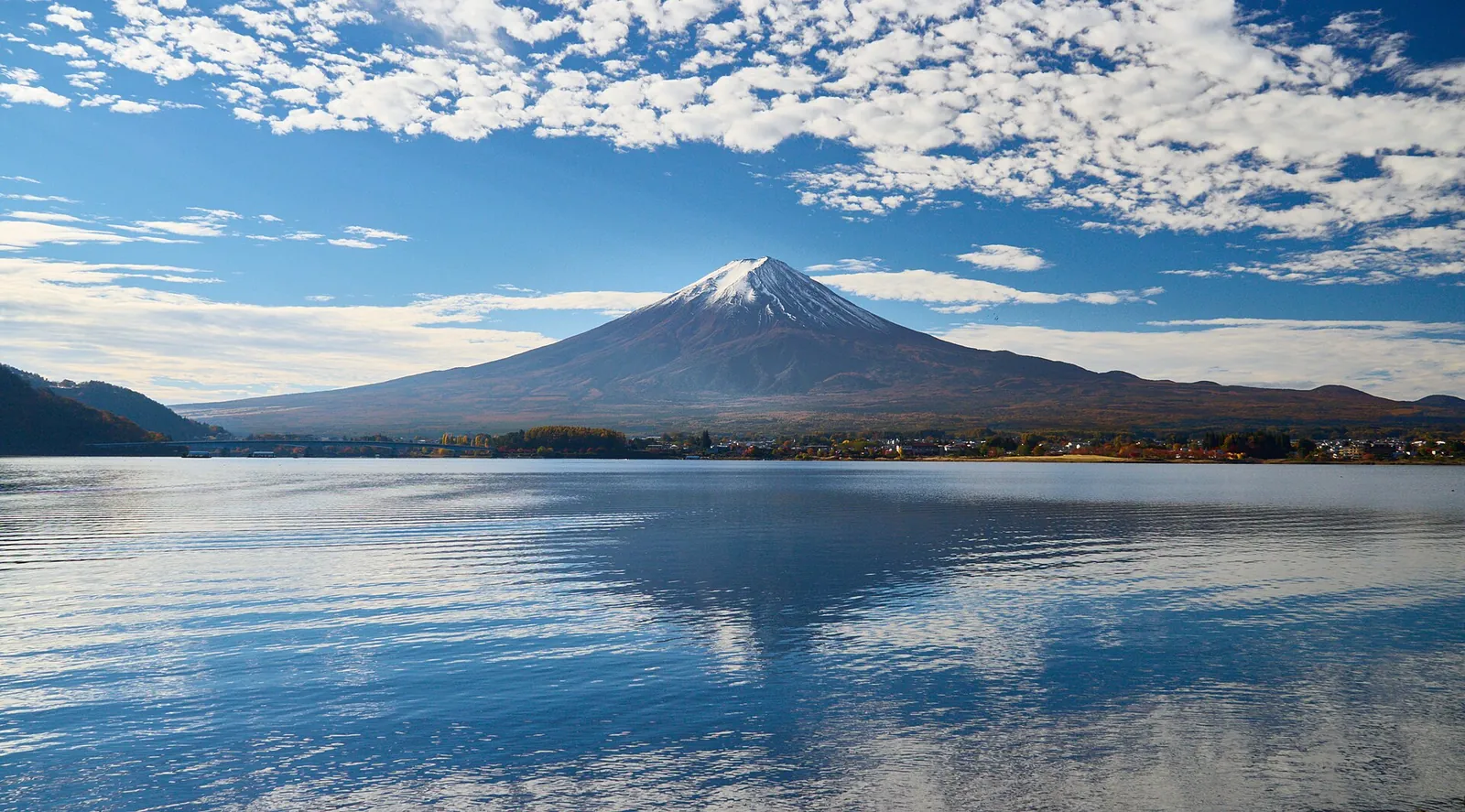
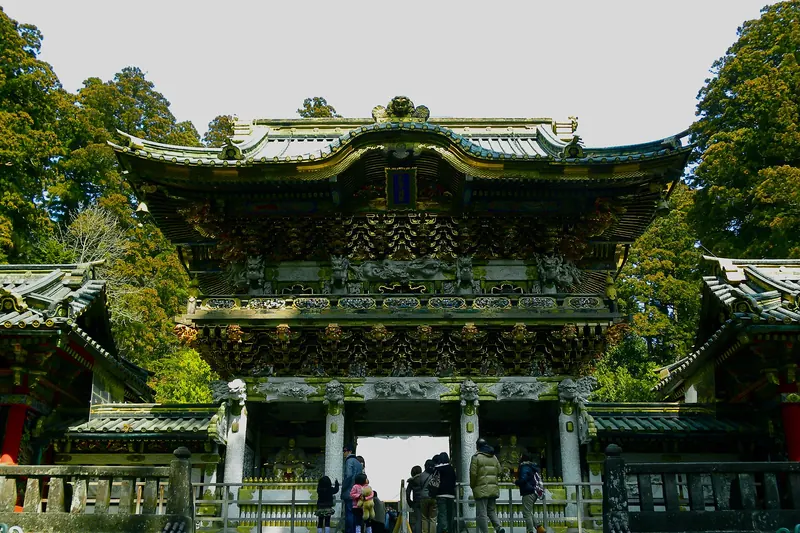
Mount Fuji's snow-capped peak reflected in Lake Kawaguchiko

Chubu · Japan

Mount Fuji and Hakone

Japan's most sacred and most photographed mountain, paired with a volcanic hot-spring region built specifically around admiring it from a comfortable distance.

  • Best time Late autumn and winter for the clearest Mount Fuji views
  • Stay 2 days
  • Good for Scenery, onsen relaxation, an easy Tokyo escape

Photo: lumoplank · CC0

Welcome to Mount Fuji and Hakone

Mount Fuji is Japan's highest peak and one of its most enduring cultural symbols, a sacred site in both Shinto and Buddhist tradition for centuries, and instantly recognisable well beyond Japan through centuries of woodblock prints and photography. Its famously near-perfect cone shape, formed by relatively recent volcanic activity, is visible from Tokyo on clear days despite sitting nearly 100 kilometres away.

Hakone, in the mountain's foothills, developed as a hot-spring resort area specifically because of its volcanic geology and its views toward Fuji, and remains one of Japan's most popular onsen destinations for exactly that combination — genuine geothermal bathing culture paired with some of the country's best mountain scenery.

The region works particularly well as an accessible escape from Tokyo, reachable in around two hours, offering lake cruises, volcanic valleys, art museums and traditional ryokan onsen stays without requiring the logistics of a longer regional trip.

  • Nature Wildlife
  • Mountains
  • Onsen

Why visit

Why visit Mount Fuji and Hakone?

The pairing's case is that no other easy Tokyo escape combines this iconic a natural landmark with this developed an onsen culture built specifically around it.

  • Mount Fuji is one of the world's iconic mountains

    Its near-perfect cone and deep cultural significance make it instantly recognisable and moving to see in person.

  • Hakone's onsen culture is excellent

    Volcanic hot springs and traditional ryokan inns offer some of the country's best accessible bathing culture.

  • The scenery beyond Fuji itself is rewarding

    Lake Ashi, the Owakudani volcanic valley and the Hakone Open-Air Museum all stand on their own merits.

  • It's easy from Tokyo

    Under two hours by train makes this one of the most accessible major nature escapes from the capital.

  • It works well as a short, focused trip

    One or two nights covers the highlights without needing to build a longer regional itinerary around it.

Main attractions

Top things to see in Mount Fuji and Hakone

Mount Fuji's best viewpoints, paired with Hakone's volcanic valleys and lakeside shrine.

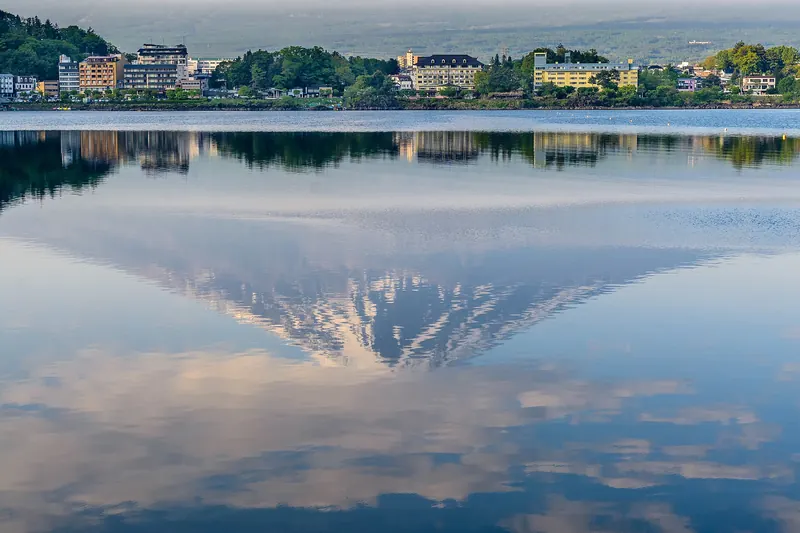
  1. Mount Fuji seen across Lake Kawaguchiko

    Mount Fuji from Lake Kawaguchiko

    One of the most reliable and photographed views of the mountain, its snow-capped cone reflected in the lake on still, clear days.

    Tip Early morning generally offers the clearest views, before afternoon cloud cover tends to build around the peak.

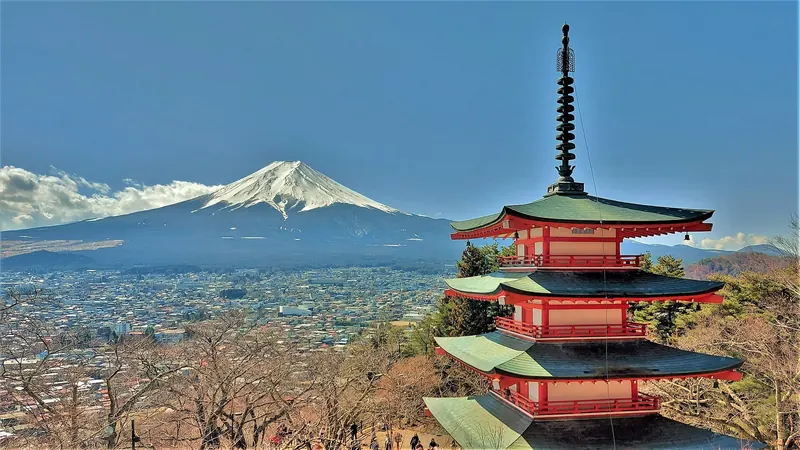
  2. Chureito Pagoda framing Mount Fuji behind it

    Chureito Pagoda

    A five-storey pagoda on a hillside near Fujiyoshida, framing Mount Fuji behind it in one of Japan's most reproduced single images.

    Tip A short but steep climb of steps reaches the pagoda — arrive early to beat both crowds and any midday haze.

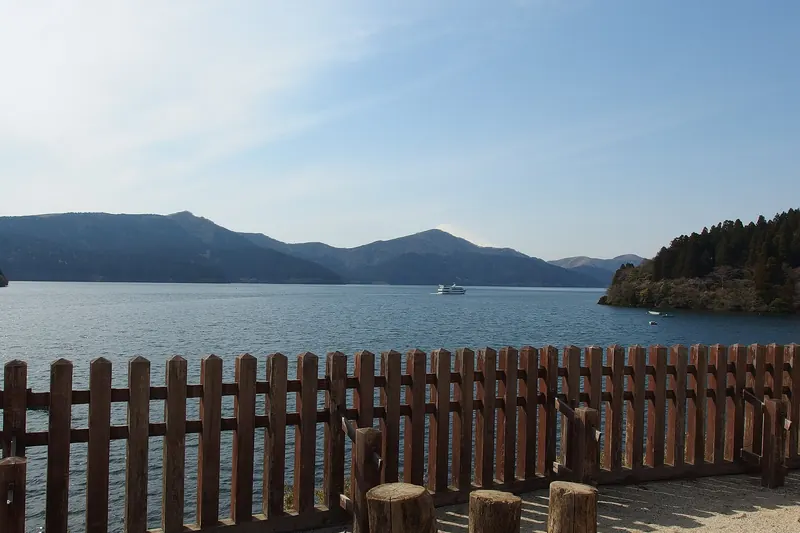
  3. Lake Ashi, Hakone's scenic crater lake

    Lake Ashi

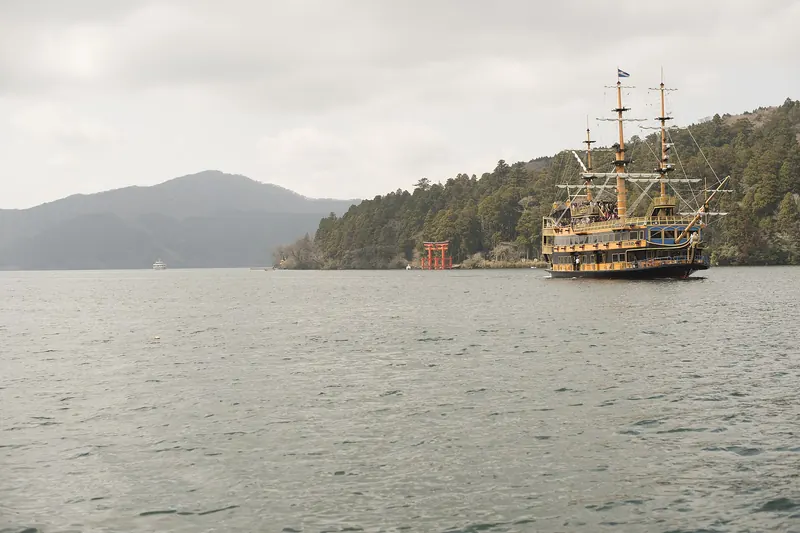
    A scenic crater lake in Hakone, crossed by a popular replica pirate ship cruise, with Mount Fuji visible from its shores on clear days.

    Tip The lake's western shore near Hakone Shrine offers the best combined view of the water, the torii gate and the mountain.

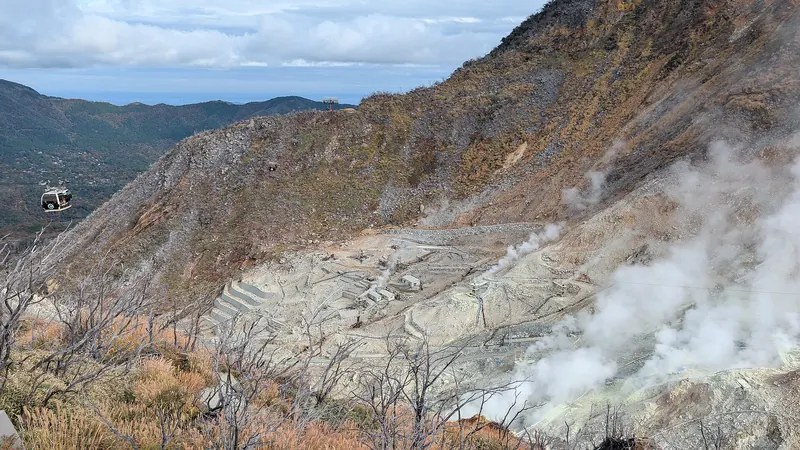
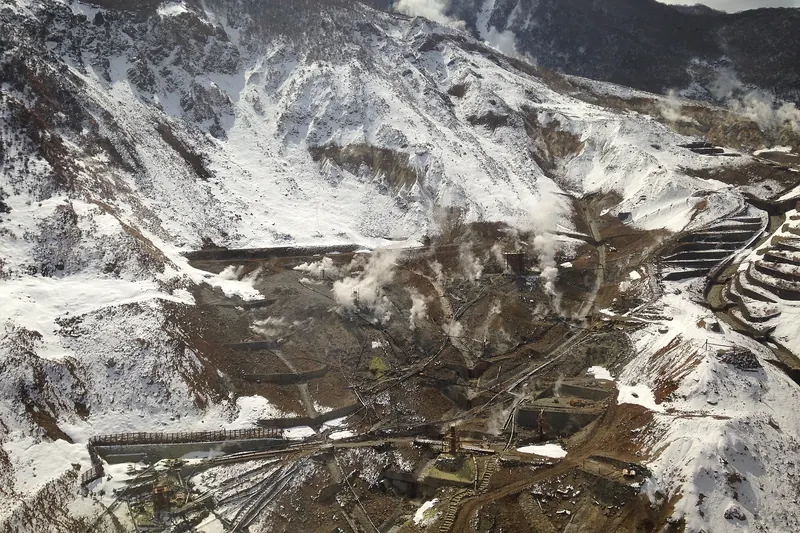
  4. Steaming sulphur vents in the Owakudani volcanic valley

    Owakudani volcanic valley

    An active volcanic valley of steaming vents and sulphurous ground, reachable by ropeway, striking and distinctly different from anywhere else in the region.

    Tip The ropeway occasionally suspends service due to volcanic activity levels — check current status before planning a visit.

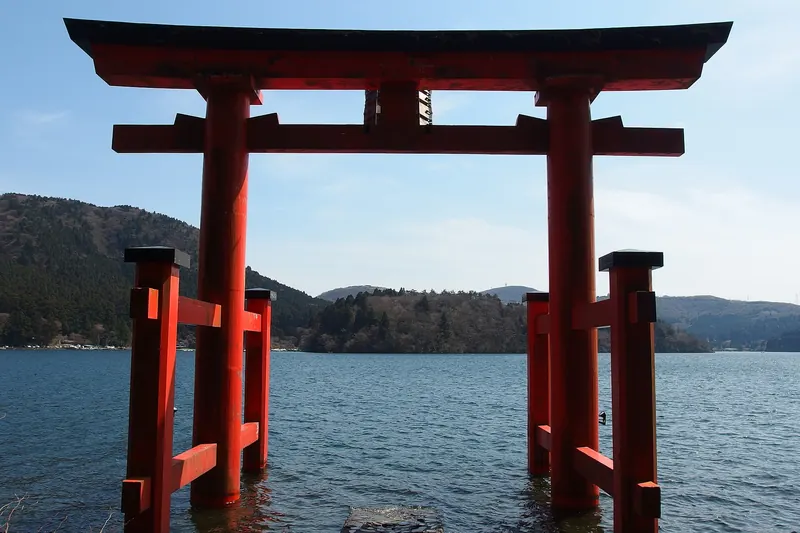
  5. Hakone Shrine's red torii gate standing in Lake Ashi

    Hakone Shrine's lakeside torii

    A red torii gate standing directly in Lake Ashi's water, a photogenic complement to Miyajima's more famous floating gate.

    Tip Early morning offers both good light and noticeably thinner crowds at this popular photo spot.

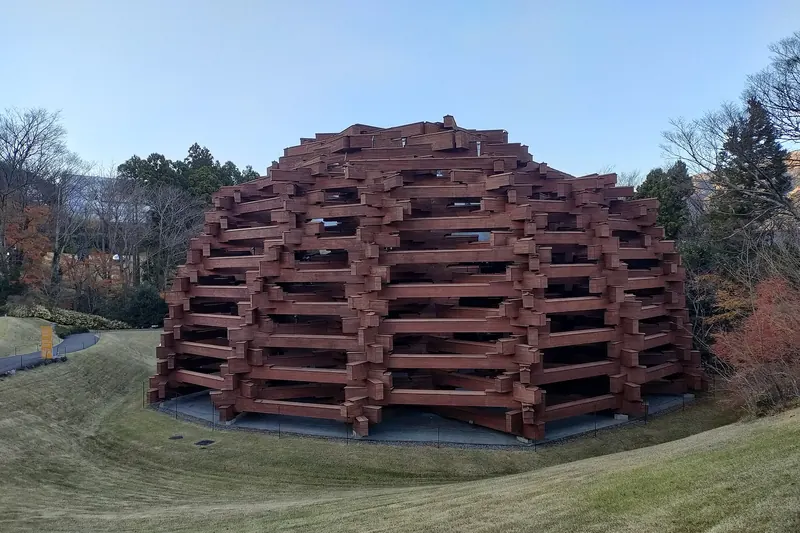
  6. Sculptures on the landscaped grounds of the Hakone Open-Air Museum

    Hakone Open-Air Museum

    An excellent sculpture museum set across landscaped outdoor grounds with mountain views, including a dedicated Picasso pavilion.

    Tip Allow at least two hours — the grounds are larger than they first appear, spread across a substantial hillside.

Things to do

Best things to do in Mount Fuji and Hakone

Beyond the viewpoints, this region rewards its onsen culture, its lake cruise and its striking volcanic geology.

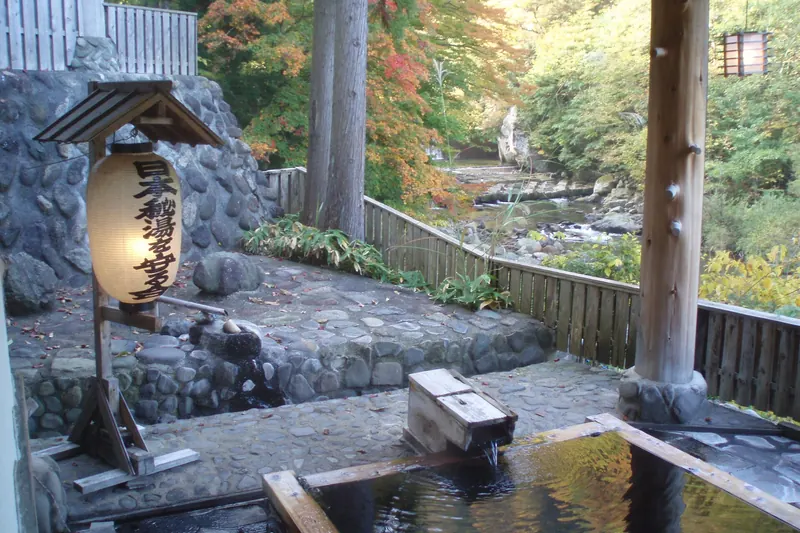
  1. A traditional outdoor onsen bath, a signature part of the region's hot-spring culture

    Soak in an onsen with a Fuji view

    Several ryokan and public bathhouses in the region offer rare outdoor baths with a direct mountain view, a signature regional experience.

    Tip Book a ryokan with a private in-room bath (kashikiri) if tattoos are a concern at shared public baths.

  2. The Owakudani valley seen from the Hakone Ropeway cable car

    Ride the Hakone Ropeway over Owakudani

    A cable car crossing directly above the volcanic valley's steaming vents, offering dramatic aerial views of the landscape below.

    Tip Sit on the side facing Mount Fuji for the best combined view of the volcano and the valley on a clear day.

  3. The replica pirate ship crossing Lake Ashi

    Cruise Lake Ashi on the pirate ship

    An enjoyable, slightly kitsch replica pirate ship crosses the lake between Hakone-machi and Togendai, with mountain views throughout.

    Tip The crossing is short — combine it with a walk along the lake's cedar-lined Old Tokaido Road for a fuller visit.

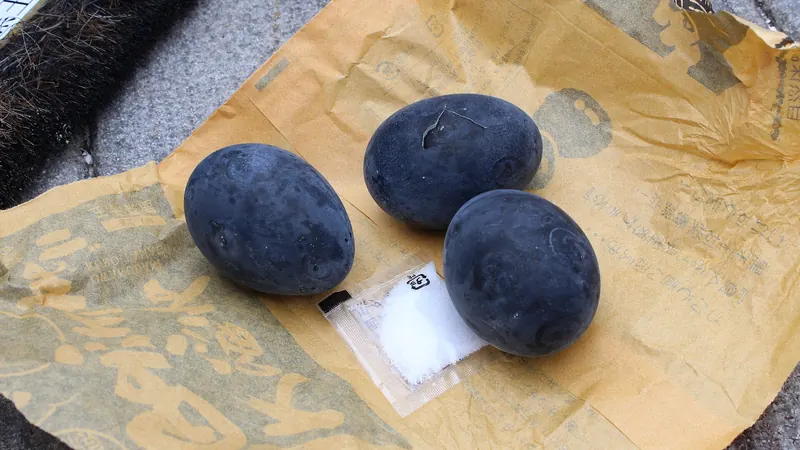
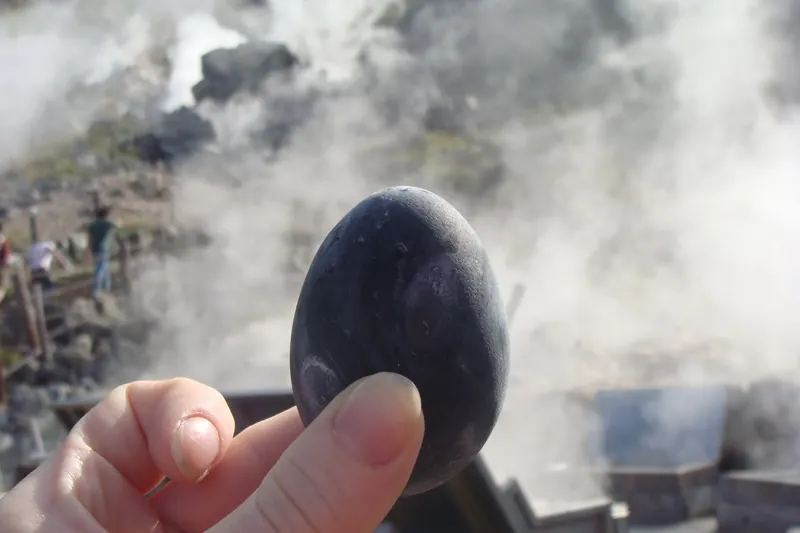
  4. Kuro-tamago black eggs boiled in Owakudani's sulphurous springs

    Eat a black egg at Owakudani

    Eggs boiled in the valley's sulphurous hot springs turn black, and eating one is said to add seven years to your life.

    Tip Buy them fresh at the Owakudani station shop — they don't keep particularly well beyond the same day.

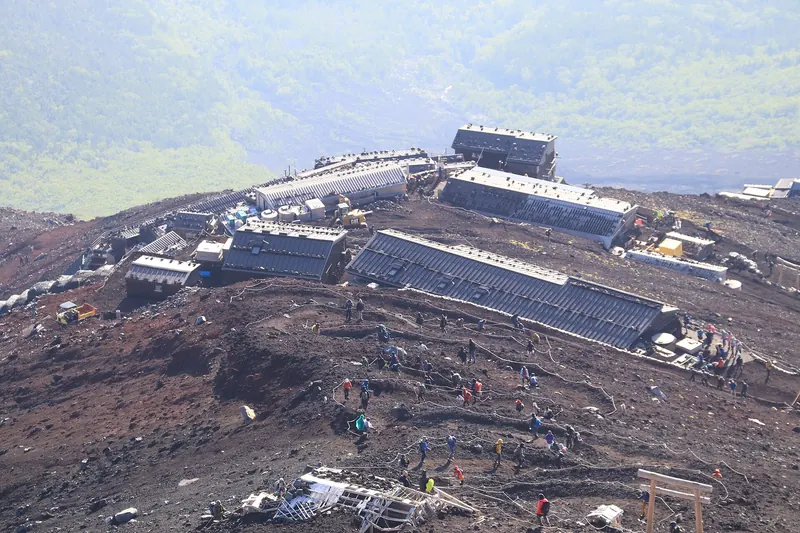
  5. Climbers and mountain huts on Mount Fuji's Yoshida climbing route

    Climb Mount Fuji, in season

    The official climbing season runs July through early September, when huts and trails are open; outside this window, climbing is discouraged for safety.

    Tip Book mountain hut accommodation well ahead if attempting an overnight climb to see sunrise from the summit.

  6. Visit the Hakone Open-Air Museum's hot spring foot bath

    A relaxing onsen foot bath sits within the museum's sculpture grounds, a pleasant way to rest mid-visit.

    Tip Bring a small towel — none are provided, and wet feet make the museum's remaining galleries less comfortable.

Local food

What to eat in Mount Fuji and Hakone

The Fuji and Hakone region's food centres on its volcanic geology, mountain vegetables and Yamanashi's own noodle tradition.

  • Kuro-tamago, eggs hard-boiled in Owakudani's hot springs

    Kuro-tamago (black eggs)

    Eggs hard-boiled in Owakudani's sulphurous hot springs, turning their shells black, a signature regional novelty snack.

    Where to try it The Owakudani station shop, the eggs' genuine place of origin.

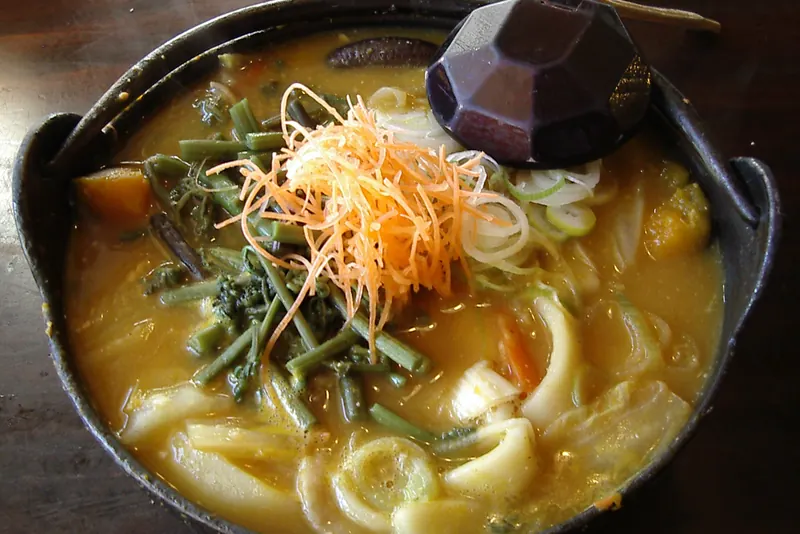
  • Hoto, thick flat noodles simmered in a miso vegetable stew

    Hoto noodles

    Thick, flat udon-style noodles simmered in a miso-based vegetable stew, a genuine Yamanashi Prefecture speciality near Mount Fuji's northern side.

    Where to try it Traditional restaurants around Kawaguchiko and the wider Fuji Five Lakes region.

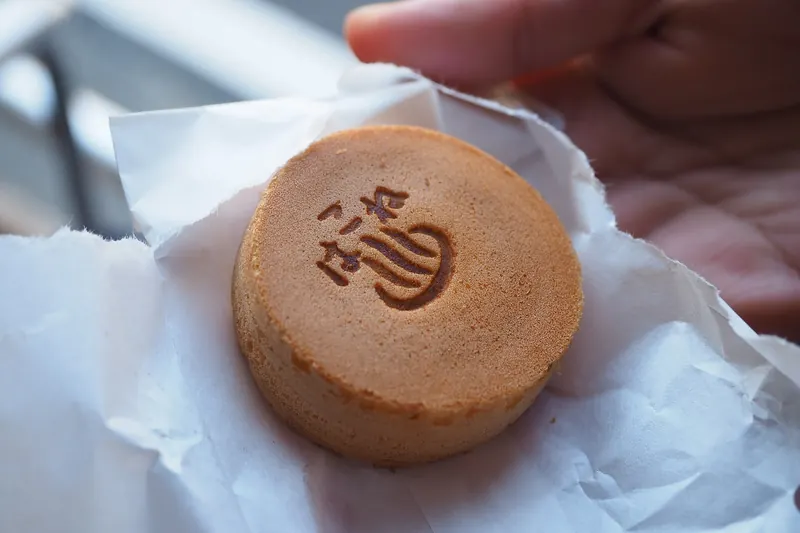
  • Onsen manju steamed buns from a Hakone-Yumoto sweet shop

    Onsen manju

    Steamed buns filled with sweet bean paste, a genuine hot-spring town tradition found throughout Hakone's shopping streets.

    Where to try it Traditional sweet shops throughout Hakone-Yumoto's main street.

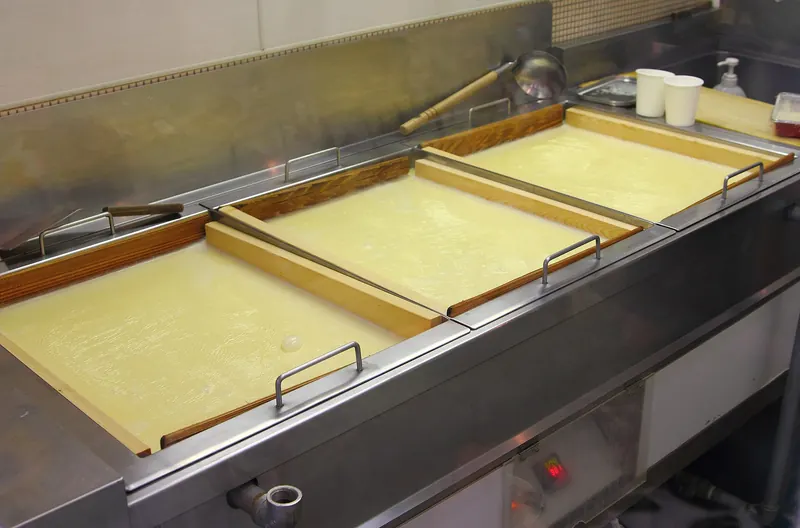
  • Yuba, delicate tofu skin

    Yuba

    Delicate tofu skin, served fresh or dried, a refined regional speciality often featured in kaiseki-style set meals.

    Where to try it Traditional ryokan dinners and dedicated yuba restaurants throughout Hakone.

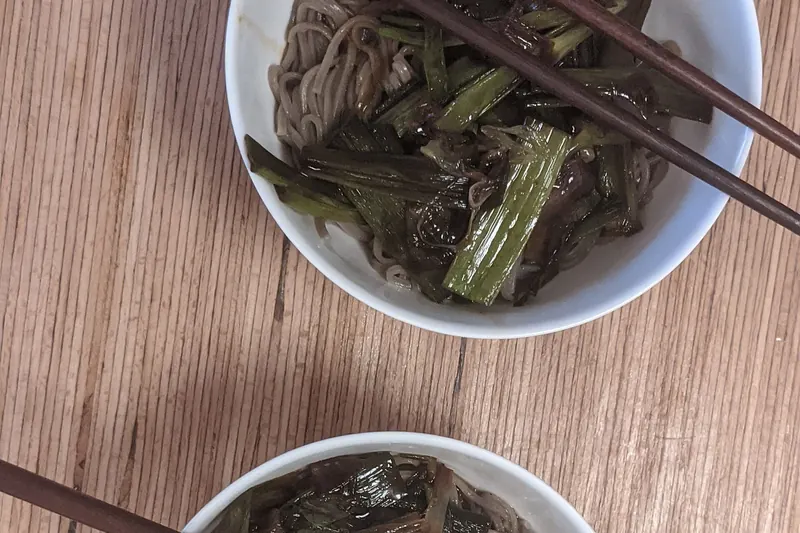
  • Bowls of buckwheat soba noodles

    Hakone soba

    Buckwheat noodles served in the region's own style, often featuring local mountain vegetables, a simple, satisfying regional staple.

    Where to try it Traditional soba restaurants throughout Hakone-Yumoto and along the old Tokaido Road.

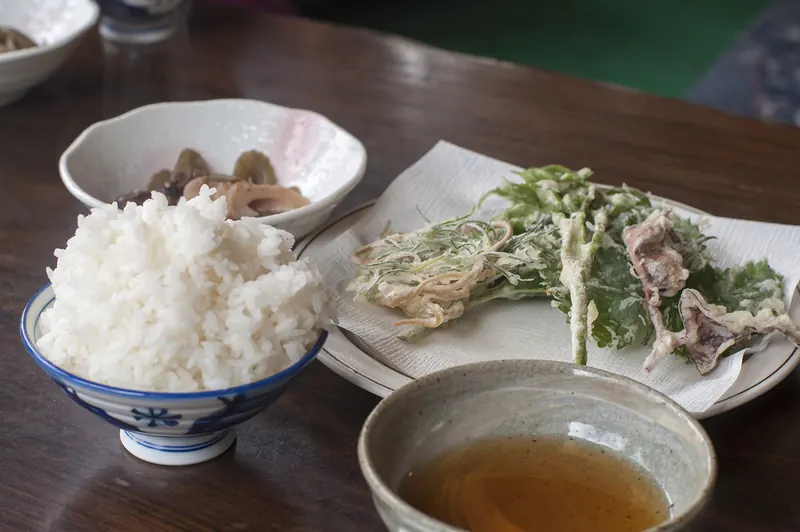
  • Sansai mountain vegetable tempura served with rice

    Sansai mountain vegetables

    Foraged mountain vegetables and wild greens, prepared simply, a genuine seasonal tradition in the mountainous regions around Fuji and Hakone.

    Where to try it Traditional restaurants and ryokan set menus, particularly in spring when foraged varieties are freshest.

Accommodation

Where to stay in Mount Fuji and Hakone

The region's ryokan and onsen inns are as much the destination as any single sight, particularly for a Fuji-view soak.

  • Hakone-Yumoto

    The region's main gateway town, with the widest range of ryokan and easy access to the rest of Hakone.

    Best for: Onsen culture and transport connections

  • Lake Kawaguchiko

    Generally offers clearer, more consistent Mount Fuji views than Hakone itself, with its own onsen and lakeside accommodation.

    Best for: The best reliable Fuji views

  • Gora

    Higher into Hakone's hills, peaceful, with direct access to the cable car toward Owakudani.

    Best for: A quieter mountain base

What a night costs

Hostel dorm
¥3,200–5,000 per night
Mid-range ryokan with onsen
¥18,000–35,000 per night
Hakone Open-Air Museum entry
¥1,600
Lake Ashi pirate ship cruise
¥1,200–2,000

Transport

Getting to and around Mount Fuji and Hakone

Both Hakone and the Fuji Five Lakes region sit within easy reach of Tokyo by direct train or bus.

Getting there

  • Train from Tokyo

    The Romancecar limited express reaches Hakone-Yumoto from Shinjuku in about 85 minutes, a comfortable, reserved-seat direct option.

    The Hakone Freepass covers the Romancecar plus most local transport within the region on one ticket.

  • Highway bus to Kawaguchiko

    Direct buses from Shinjuku reach Lake Kawaguchiko in about 2 hours, the most straightforward route for Fuji-focused visits.

    Book ahead on weekends and during peak leaf-viewing or climbing season, when buses can sell out.

  • Rental car

    Useful for combining both Hakone and the Fuji Five Lakes in one trip at a flexible pace.

    Mountain roads can be narrow and winding — allow more time than GPS estimates suggest.

Getting around

Hakone's own multi-modal transport loop is part of the experience, combining train, cable car, ropeway and boat.

  • The Hakone Freepass loop

    A well-designed circuit combining a mountain railway, cable car, ropeway and the Lake Ashi pirate ship into one continuous route.

    The full loop takes most of a day if stopping at each major sight along the way.

  • Local buses, around Kawaguchiko

    A dedicated sightseeing bus loop connects the Fuji Five Lakes region's main viewpoints and museums.

    A one or two-day bus pass offers genuine value if visiting several stops around the lake.

  • Rental car

    Offers the most flexibility for reaching quieter viewpoints away from the main sightseeing routes.

    Winter tyres or chains are necessary on mountain roads in the colder months.

When to go

Best time to visit Mount Fuji and Hakone

Counterintuitively, Mount Fuji is often most visible in the drier, colder months, while Hakone's onsen culture works well year-round.

  • Spring (March–May)

    Good

    Cherry blossoms frame Fuji beautifully when visible, though cloud cover more often obscures the peak than in winter.

  • Summer (June–August)

    Shoulder

    The only season for climbing Fuji itself, though also the cloudiest and most humid for viewing the mountain from a distance.

  • Autumn (September–November)

    Best time

    Increasingly clear skies as autumn progresses, with spectacular foliage around Lake Kawaguchiko in November.

  • Winter (December–February)

    Best time

    The clearest, most reliable Fuji views of the year, alongside excellent cold-weather onsen bathing.

Worth planning around: Peak summer if the mountain view itself is the priority — humidity and cloud cover obscure Fuji far more often than in the cooler, clearer months.

Itinerary

Two days in Mount Fuji and Hakone

A Fuji viewpoint day first, then Hakone's onsen, lake and volcanic valley loop.

  1. Day1

    Mount Fuji viewpoints

    The mountain's best-known angles.

    • Morning Chureito Pagoda, arriving early for clear light.
    • Afternoon Lake Kawaguchiko's shoreline and viewpoints.
    • Evening Check into a ryokan with an onsen bath.
  2. Day2

    The Hakone loop

    Volcanic valley, lake cruise and lakeside shrine.

    • Morning The Hakone Ropeway over Owakudani, with a black egg stop.
    • Afternoon Lake Ashi's pirate ship cruise and Hakone Shrine's torii.
    • Evening A final onsen soak before departure.

Travel tips

Mount Fuji and Hakone travel tips

Practical notes on visibility, timing and transport that make a real difference to a Fuji and Hakone trip.

  • Check current Mount Fuji visibility forecasts — the mountain is often hidden by cloud, especially in summer.
  • Buy a Hakone Freepass if doing the full loop — it covers most local transport on one ticket at genuine savings.
  • Book ryokan with a Fuji-view onsen well ahead — the best-positioned rooms sell out first, especially on weekends.
  • Only attempt to climb Mount Fuji during the official July–early September season, when huts and safety infrastructure are open.
  • Check the Hakone Ropeway's current operating status before planning around it — volcanic activity occasionally suspends service.
  • Visit Chureito Pagoda and Kawaguchiko viewpoints early morning for the clearest views before afternoon cloud typically builds.
  • Pack layers even in summer — Hakone's elevation makes evenings cooler than Tokyo.

FAQ

Mount Fuji and Hakone: frequently asked questions

How many days do you need for Mount Fuji and Hakone?

Two works well — one day for Fuji viewpoints around Kawaguchiko, one for Hakone's onsen, lake cruise and volcanic valley loop.

Can I actually see Mount Fuji, or is it often hidden by cloud?

It's often obscured, especially in summer — winter and clear autumn mornings offer the most reliable views, and checking a same-day forecast is worth doing before committing to a viewpoint.

Do I need to climb Mount Fuji to appreciate the trip?

No — most visitors come for the views and Hakone's onsen culture rather than the climb itself, which is only feasible in the official July to early September season.

What is the best time of year to visit?

Late autumn and winter offer the clearest mountain views, though spring's cherry blossoms and autumn's foliage both add real scenic value when the peak does show.

Is this region easy as a day trip from Tokyo?

Hakone works reasonably as a long day trip, though an overnight ryokan stay with an onsen bath is worth the extra time if your schedule allows it.

Read next

Related travel articles

Practical

Packing by Season and Trip Type

Most packing advice is a list of things. This is the opposite: the small number of decisions that determine whether your luggage helps or hinders, organised by the kind of trip you are actually taking.

Heritage

UNESCO Sites Worth Planning a Trip Around

A UNESCO listing tells you a place matters; it does not tell you whether it is worth two days and a detour. This is how to read the list usefully — and which sites reward building a trip around them.

Advertisement