Welcome to Nuremberg
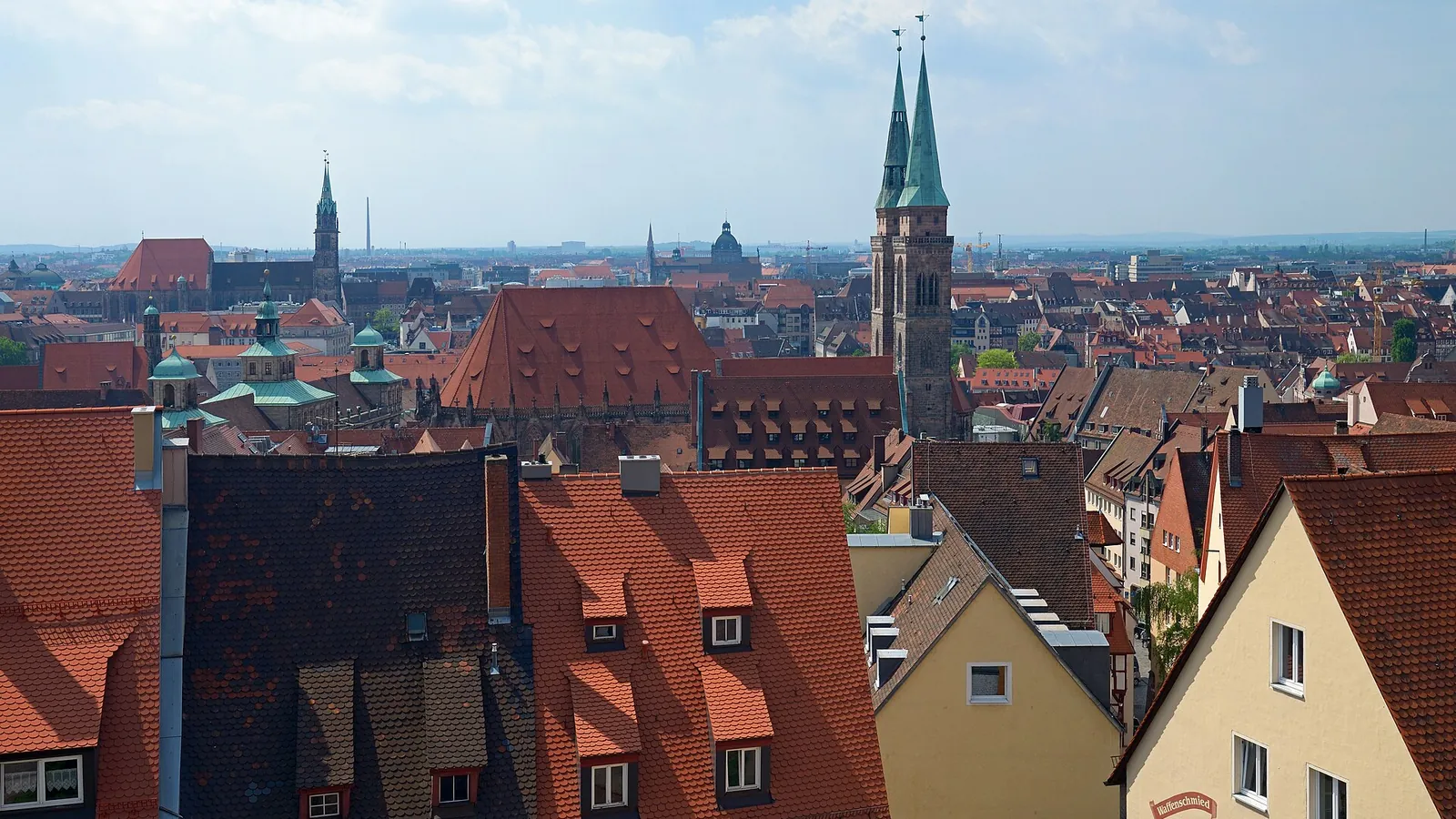
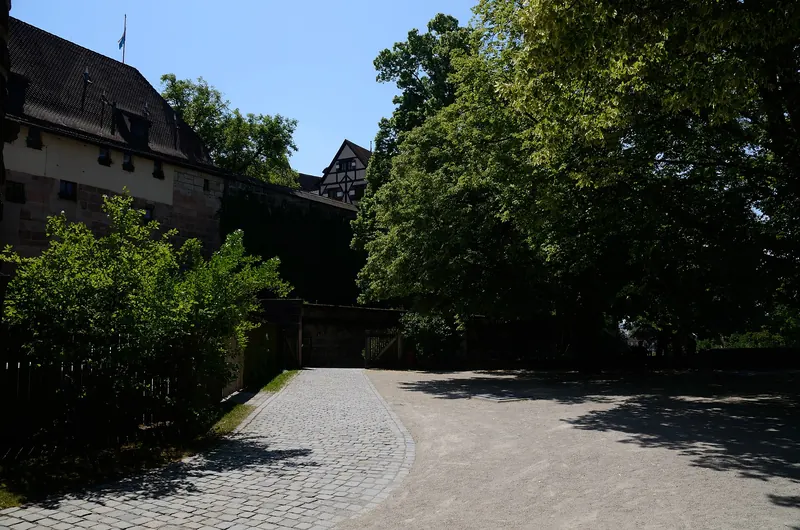
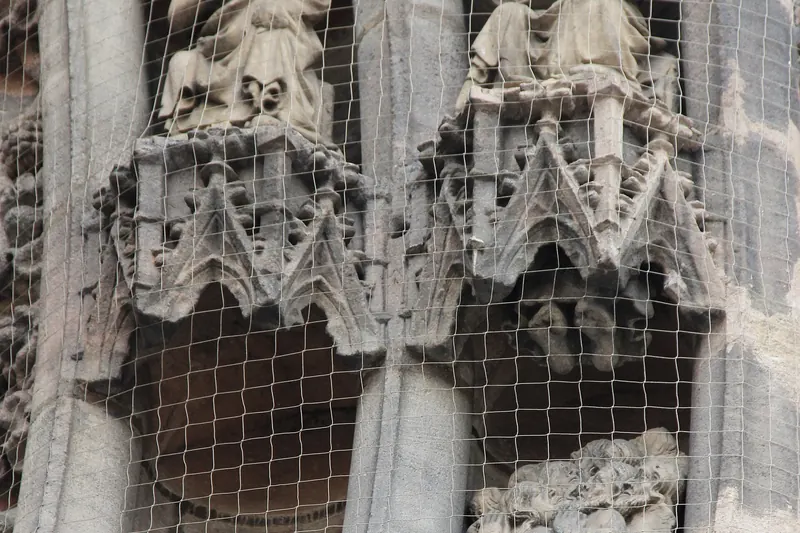
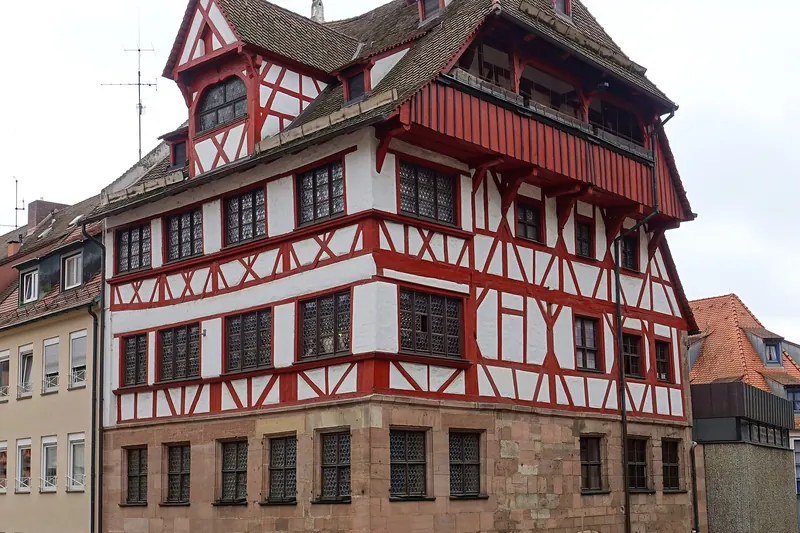
Nuremberg was, for centuries, the closest thing the Holy Roman Empire had to an unofficial capital — newly elected emperors traditionally held their first Imperial Diet here, and the Kaiserburg castle above the old town still carries that imperial weight in its architecture. Albrecht Dürer, the Renaissance's great German artist, lived and worked in the city, and its medieval old town was, before 1945, considered one of the best preserved in Germany.
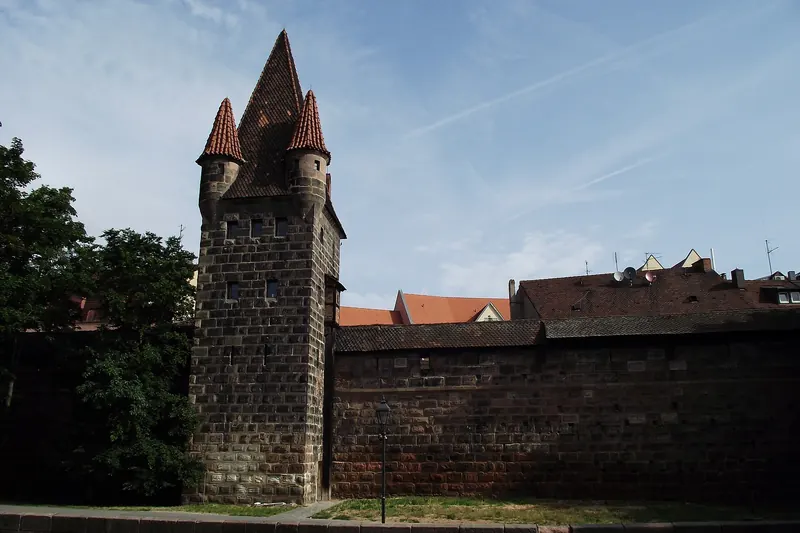
That old town was almost entirely destroyed in a single 1945 bombing raid, and rebuilt afterward with genuine care to recreate its medieval character, red-roofed houses and city walls largely intact in appearance if not in original stone. The reconstruction is convincing enough that first-time visitors often assume they are looking at centuries-old buildings.
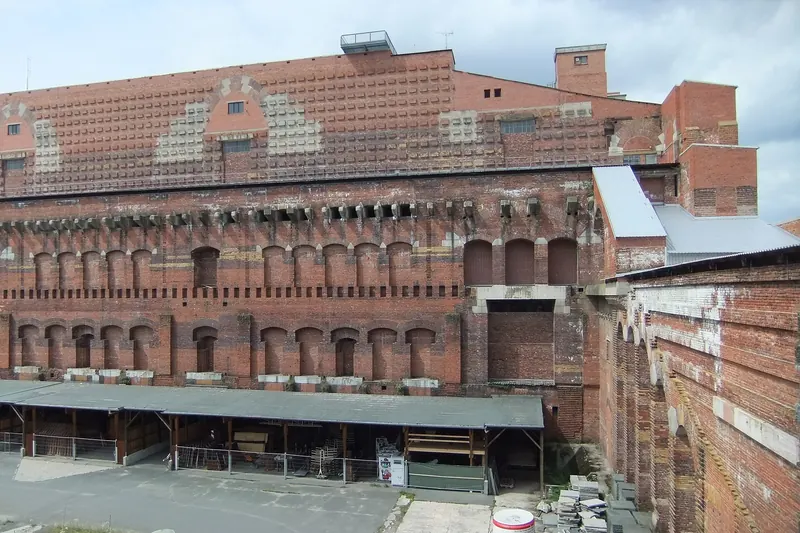
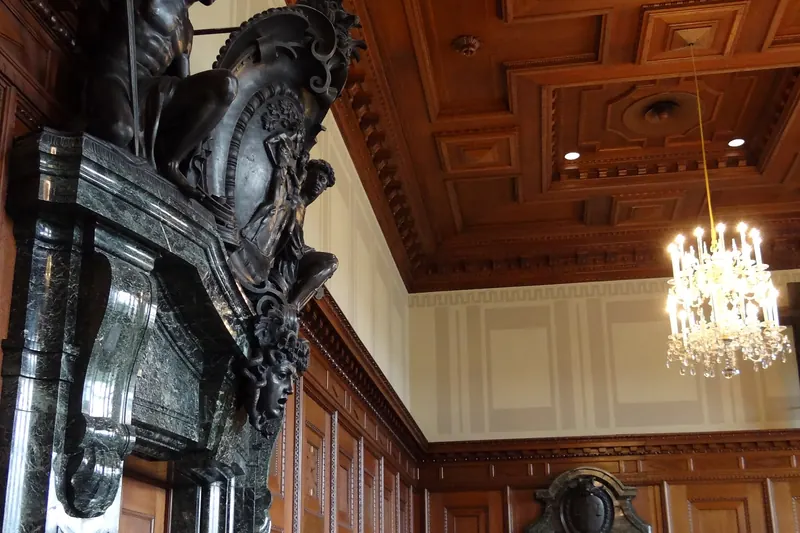
Nuremberg's 20th-century history sits alongside this medieval identity with real, deliberate honesty. The city was chosen by the Nazi Party for its massive annual rallies specifically because of its historic imperial associations, and after the war, the Allied powers chose Nuremberg for the trials of Nazi leadership for the same symbolic reason. Both the rally grounds and the trial courtroom remain, preserved and interpreted rather than erased.