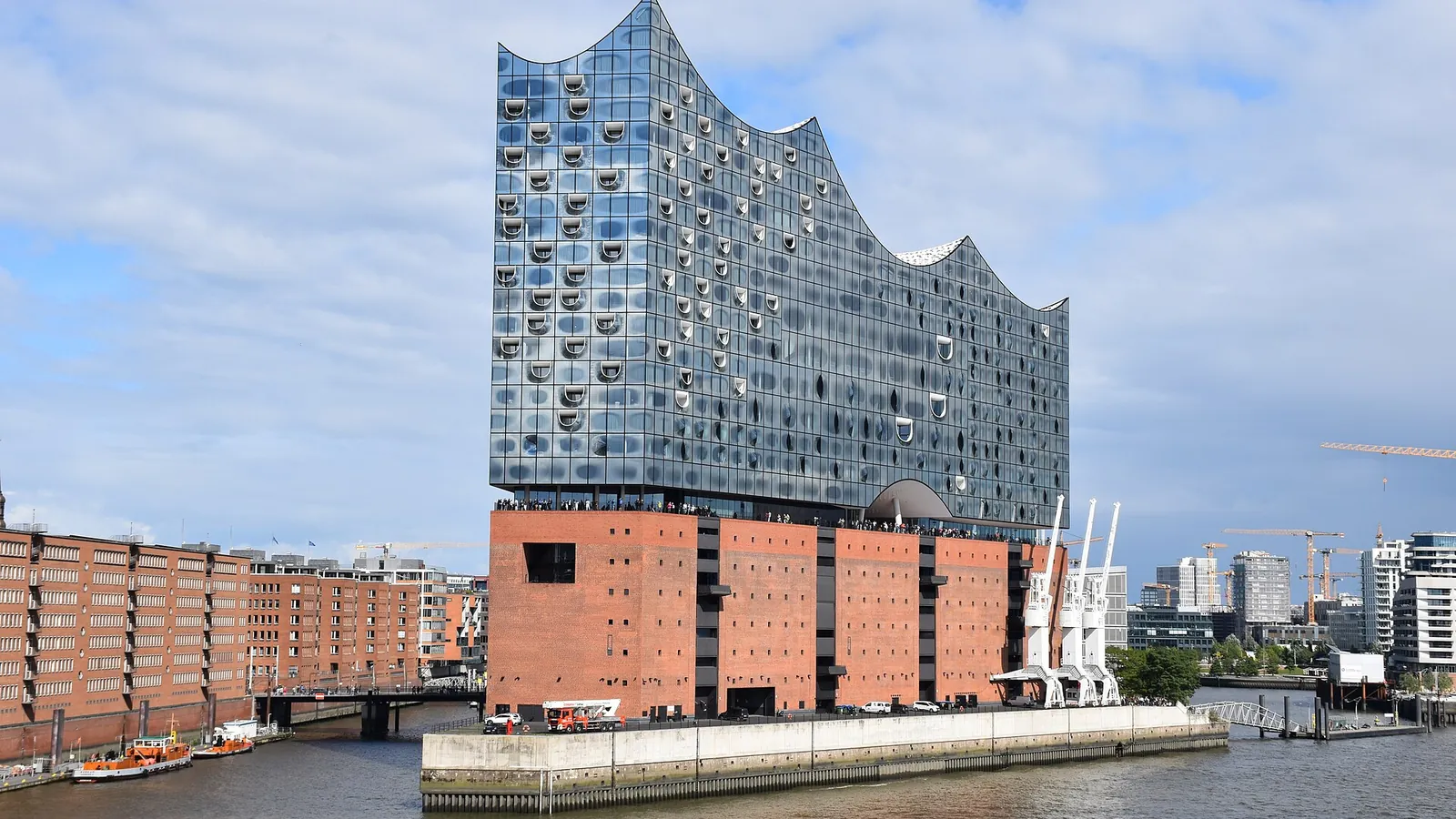
The Elbphilharmonie concert hall rising above Hamburg's harbour

Hamburg · Germany

Hamburg

A maritime trading city that has run its own affairs since the Hanseatic League, with a working harbour, a red-light district turned concert hall, and a confidence that owes nothing to Berlin or Munich.

  • Best time May–June and September
  • Stay 3 days
  • Good for History, architecture, nightlife, day trips

Photo: Niels Johannes · CC BY-SA 4.0

Welcome to Hamburg

Hamburg has run its own affairs, in one form or another, since joining the Hanseatic League in the 13th century, and it still carries itself more like an independent trading city-state than a typical German metropolis. It remains one of Germany's sixteen federal states in its own right, a status it shares with only Berlin and Bremen, and its Protestant, mercantile, maritime culture feels distinct from Catholic Bavaria or reunified Berlin.

That trading history is still physically present everywhere. The Speicherstadt, the world's largest warehouse district built on timber piles, once stored coffee, spices and carpets from across the world; the harbour remains one of Europe's largest and busiest, with container ships still passing directly through the city centre.

Hamburg has also reinvented parts of that industrial waterfront with real success — the Elbphilharmonie concert hall, built atop a former cocoa warehouse, has become the city's new signature landmark since opening in 2017, and the HafenCity district around it is one of Europe's largest urban redevelopment projects, turning old docklands into a lived-in new neighbourhood.

  • City
  • Coast & Beaches
  • Culture

Why visit

Why visit Hamburg?

Hamburg's case is that no other German city combines this much genuine maritime trading history with a working modern harbour and a real independent civic identity.

  • The harbour is still working

    Container ships and harbour traffic remain a real, current part of the city rather than a preserved historical relic.

  • The Speicherstadt is a genuine architectural rarity

    The world's largest connected warehouse complex built on timber piles, a UNESCO World Heritage site still partly in commercial use.

  • The Elbphilharmonie is a real, current landmark

    One of the most striking pieces of contemporary architecture in Germany, not resting on historical reputation alone.

  • Hanseatic identity is distinct

    Hamburg's trading-city history and city-state status give it a character that feels different from the rest of Germany.

  • The nightlife on the Reeperbahn is a real institution

    St. Pauli's mix of music history, red-light district and genuine club culture is unlike anywhere else in the country.

Main attractions

Top things to see in Hamburg

Hamburg's essential sights, mixing its historic trading district with its modern waterfront reinvention.

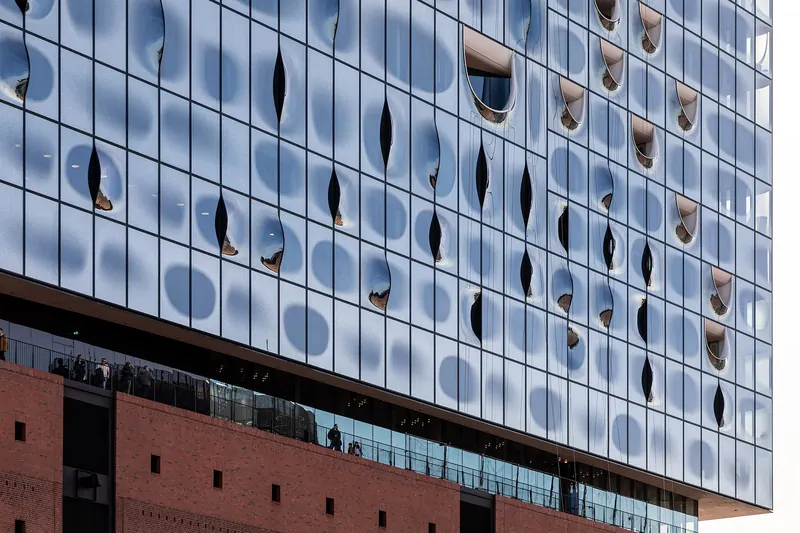
  1. The wave-patterned glass facade of the Elbphilharmonie

    The Elbphilharmonie

    A glass, wave-shaped concert hall built atop a former warehouse, Hamburg's defining new landmark since opening in 2017, with a free public viewing platform offering harbour views.

    Tip The Plaza viewing platform is free but requires a timed ticket, bookable online or at the on-site ticket counter.

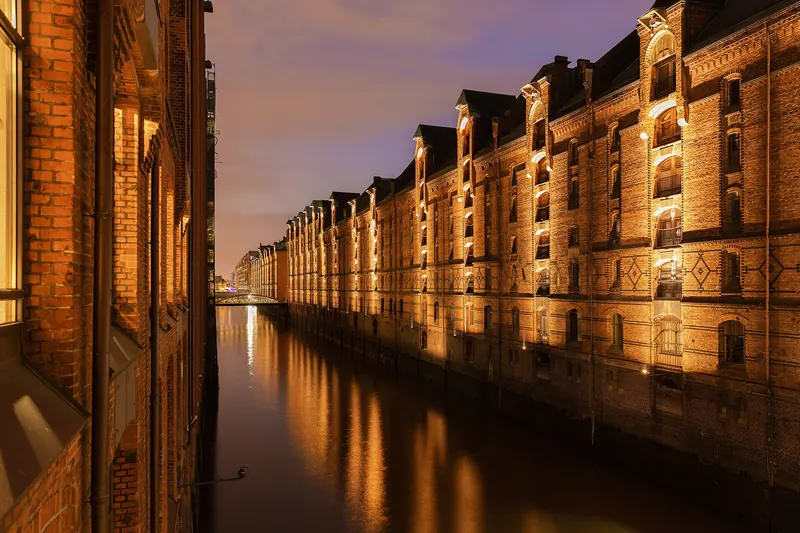
  2. The Speicherstadt warehouses illuminated at night

    The Speicherstadt

    The world's largest connected warehouse district built on timber piles, a UNESCO World Heritage site of red-brick canals and bridges, still partly used for storage today.

    Tip Visit at dusk when the warehouses are illuminated — one of Hamburg's most atmospheric sights.

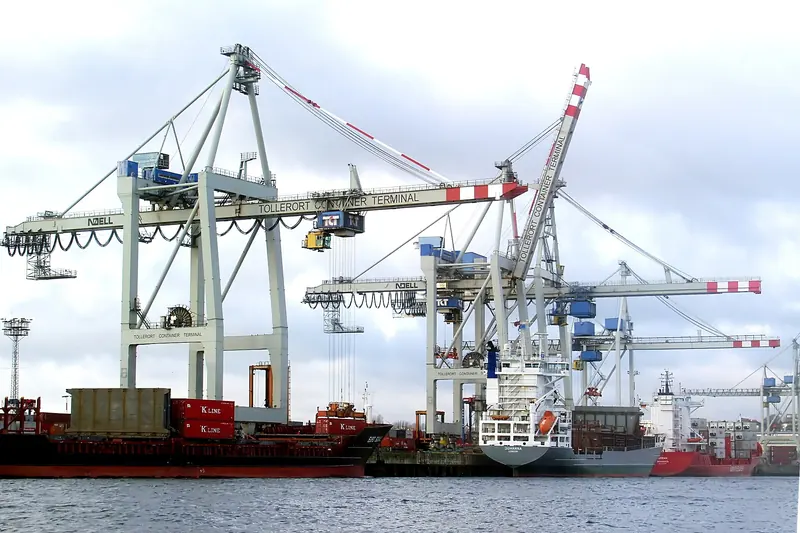
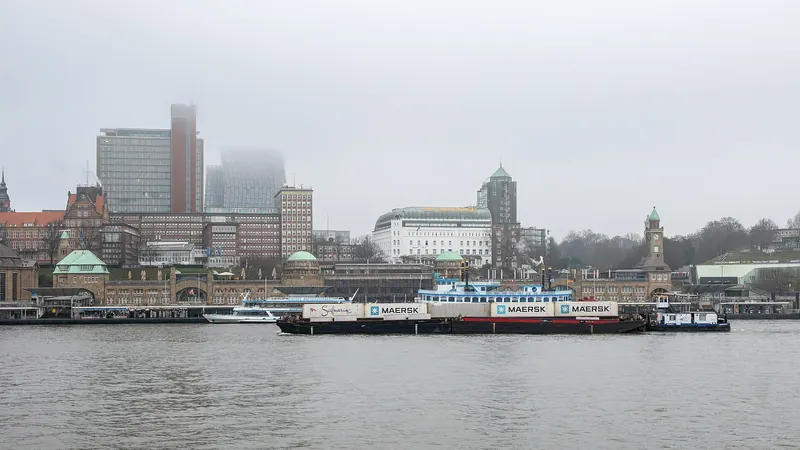
  3. Container cranes at the Port of Hamburg

    The Port of Hamburg

    One of Europe's largest and busiest harbours, still central to the city's economy, best seen from a harbour cruise or the St. Pauli Landungsbrücken piers.

    Tip A one-hour harbour cruise from the Landungsbrücken gives a genuine sense of the port's scale.

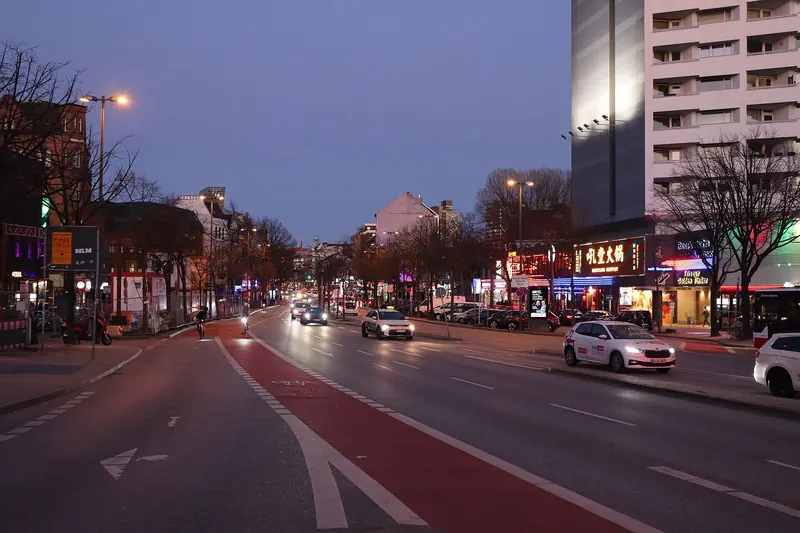
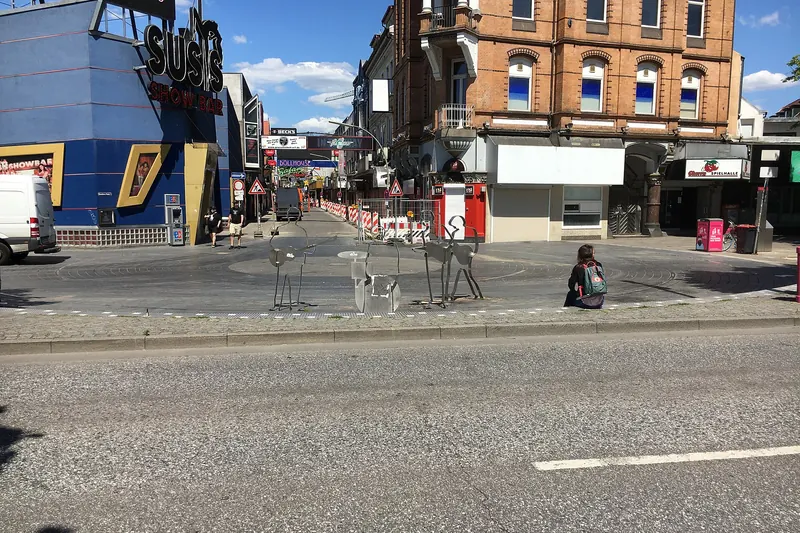
  4. The Reeperbahn, Hamburg's famous entertainment street

    The Reeperbahn and St. Pauli

    Hamburg's famous entertainment district, part red-light district, part major nightlife and live music scene, where the Beatles played their earliest gigs.

    Tip The area is safe to walk through, though side streets off the main Reeperbahn have a different, more explicit character.

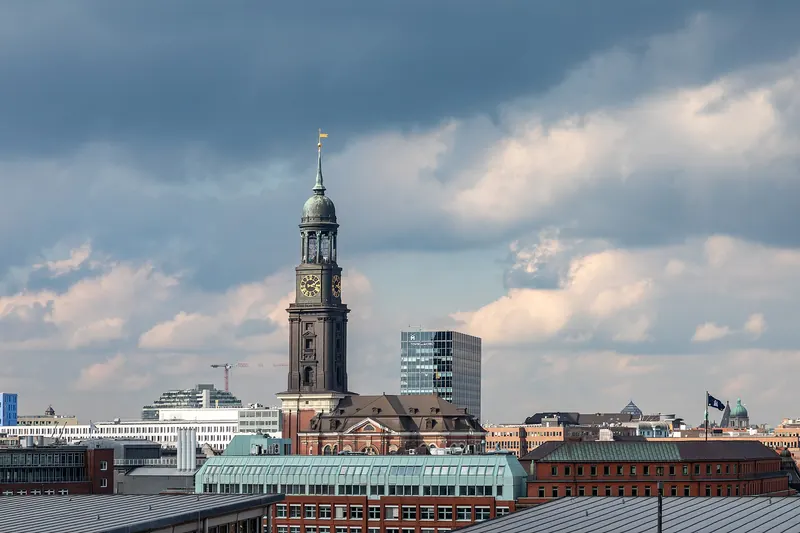
  5. St. Michael's Church, Hamburg's baroque landmark tower

    St. Michael's Church (Michel)

    Hamburg's most iconic church tower, a Baroque landmark visible across the city, with a climbable tower offering panoramic harbour and city views.

    Tip Climb the tower late afternoon for the best light over the harbour and Speicherstadt.

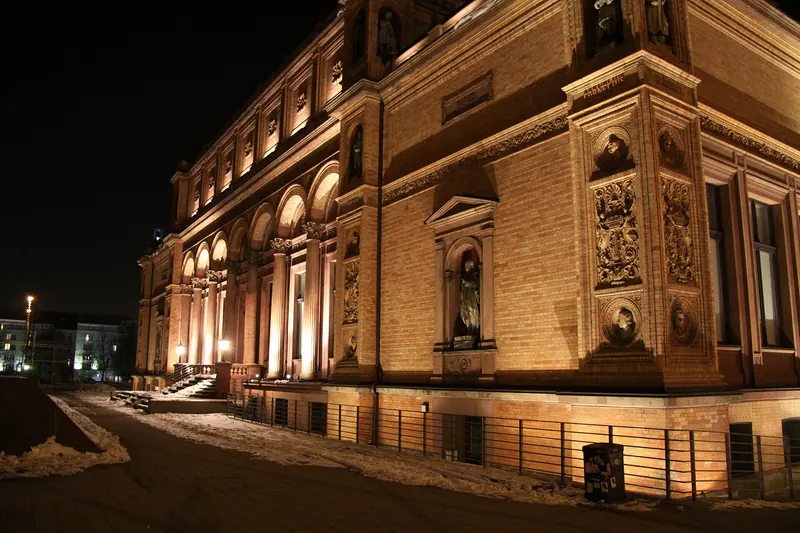
  6. The Kunsthalle Hamburg art museum illuminated at night

    The Kunsthalle Hamburg

    One of Germany's largest and most significant art museums, spanning medieval altarpieces to contemporary work across two connected buildings.

    Tip The 19th-century German Romantic collection, including Caspar David Friedrich's work, is a particular strength worth prioritising.

Things to do

Best things to do in Hamburg

Beyond the headline sights, Hamburg rewards both harbour-focused exploration and its distinct nightlife culture.

  1. Boats departing from the Landungsbrücken piers in Hamburg's harbour

    Take a harbour boat tour

    Regular boat tours depart from the Landungsbrücken piers, giving a genuine working-harbour perspective the city's waterfront sights alone cannot offer.

    Tip An evening tour catches the Speicherstadt and Elbphilharmonie illuminated, a worthwhile upgrade over a daytime trip.

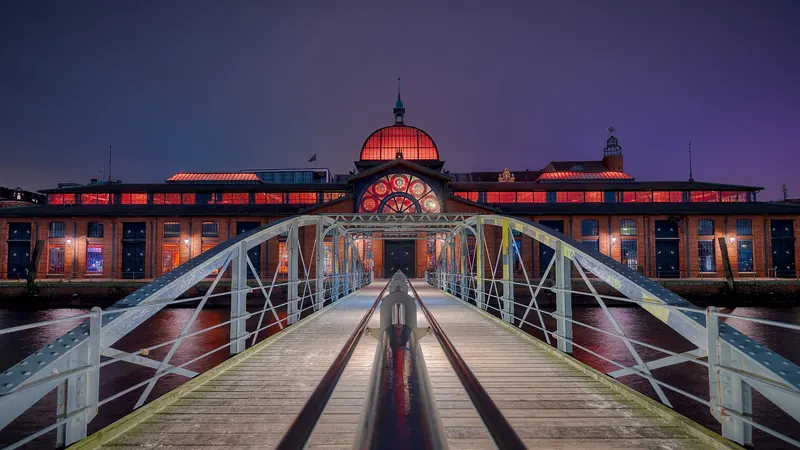
  2. The Fischauktionshalle at dawn during Hamburg's Sunday fish market

    Explore the Fischmarkt on a Sunday morning

    Hamburg's centuries-old fish market runs early Sunday mornings, a genuine local institution combining produce stalls with a distinctly Hamburg brand of chaotic early-morning entertainment.

    Tip It starts as early as 5am in summer — arrive by 7am for the full experience before the crowds and the best stalls thin out.

  3. Beatles-Platz, honouring the band's early Hamburg years

    Experience the Reeperbahn's nightlife

    From genuine live music venues carrying real Beatles-era history to modern clubs, St. Pauli's nightlife scene is a distinctive Hamburg institution.

    Tip The Beatles-Platz, a small square honouring the band's early Hamburg years, is a worthwhile stop before a night out.

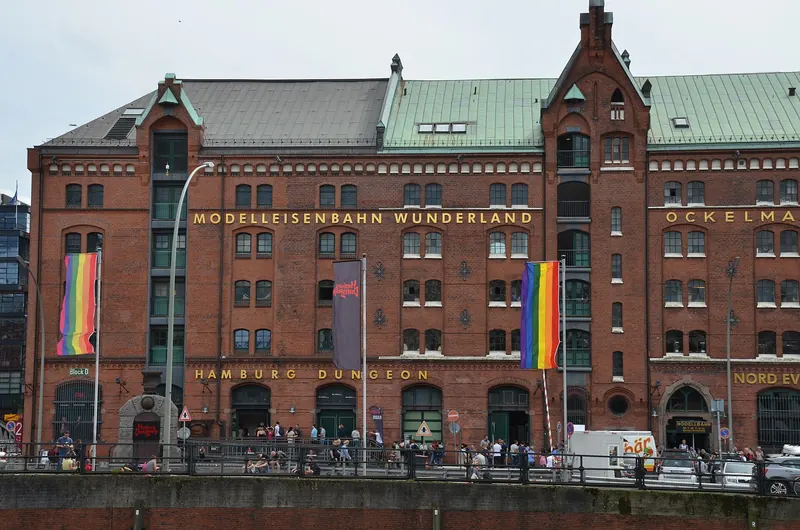
  4. The detailed miniature world inside Miniatur Wunderland

    Visit Miniatur Wunderland

    The world's largest model railway, an astonishingly detailed miniature world spanning several countries, engaging for adults as much as children.

    Tip Book timed tickets online well ahead — this is one of Germany's most visited attractions and queues build fast.

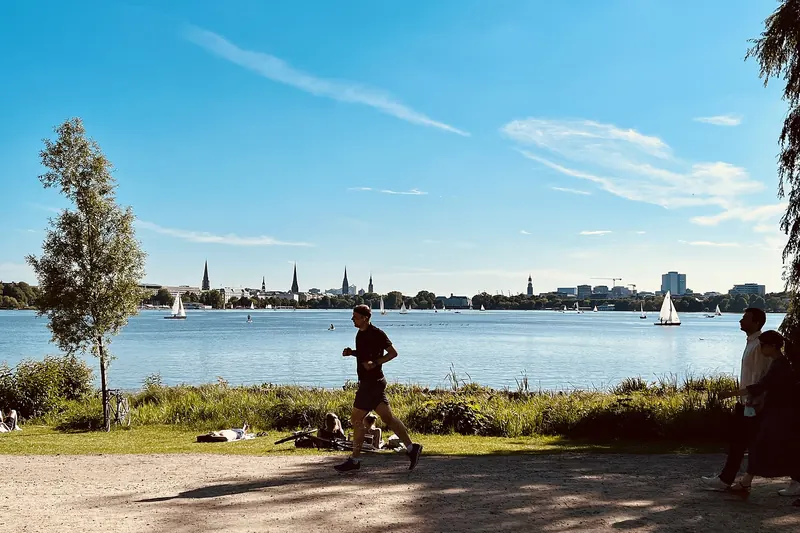
  5. The Alster lake in central Hamburg

    Walk or cycle along the Alster lakes

    Two connected lakes near the city centre, ringed by parkland and grand villas, offering a relaxed contrast to the harbour's industrial energy.

    Tip A full loop of the Außenalster, the larger lake, takes about two hours on foot or considerably less by bike.

  6. The staircase-laced Treppenviertel quarter in Blankenese

    Take a day trip along the Elbe

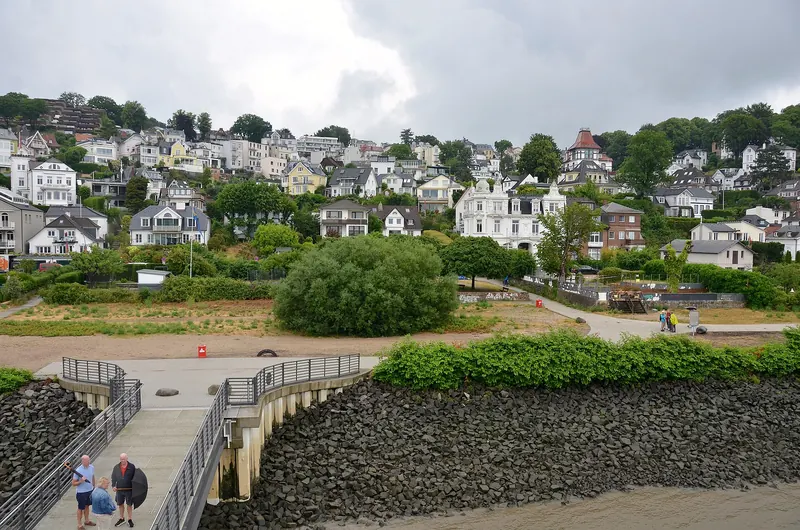
    Blankenese's steep, staircase-laced riverside village and other Elbe-side towns offer a different, quieter side of greater Hamburg.

    Tip Blankenese is reachable by S-Bahn in about 25 minutes, an easy half-day trip from the city centre.

Local food

What to eat in Hamburg

Hamburg's food culture is maritime, built around fish, harbour traditions and its own distinct specialities.

  • A Hamburg Fischbrötchen fish sandwich

    Fischbrötchen

    A fish sandwich, usually herring or another local catch, served cold or fried in a crusty bread roll, a genuine Hamburg harbour-side staple.

    Where to try it Fish stalls at the Landungsbrücken and Fischmarkt, ideally eaten standing by the harbour.

  • A plate of Hamburg-style Labskaus with fried egg and herring

    Labskaus

    A traditional sailors' dish of corned beef, potato and beetroot mashed together, topped with a fried egg and served with herring and gherkin, divisive but a real Hamburg specialty.

    Where to try it Traditional harbour-side restaurants, particularly around the old town.

  • A Franzbrötchen cinnamon pastry with a cup of coffee

    Franzbrötchen

    A cinnamon-swirled pastry unique to Hamburg, flatter and less sweet than a cinnamon roll, a genuine local breakfast staple found nowhere else in Germany quite like this.

    Where to try it Bakeries across the city, best eaten fresh in the morning.

  • A bowl of traditional Hamburg Aalsuppe

    Aalsuppe (eel soup)

    A traditional Hamburg soup that, confusingly, does not require eel at all in its original form, a hearty sweet-and-sour mix of dried fruit, vegetables and meat.

    Where to try it Traditional Hamburg restaurants, particularly those specialising in regional cuisine.

  • A plate of currywurst with fries

    Currywurst, Hamburg's rival version

    While Berlin claims the dish's invention, Hamburg has its own strong currywurst culture and genuine local rivalry over whose version is better.

    Where to try it Street stalls across the city, particularly around St. Pauli.

  • A bowl of Rote Grütze berry compote with vanilla sauce

    Rote Grütze

    A traditional red berry compote dessert, served with cream or vanilla sauce, a simple, well-loved north German specialty.

    Where to try it Traditional restaurants and cafes across Hamburg, especially in summer when berries are freshest.

Accommodation

Where to stay in Hamburg

Hamburg's centre is compact enough that most central accommodation puts you within reach of the harbour and main sights.

  • Altstadt and Speicherstadt

    The most central base, putting the historic warehouse district and harbour sights within easy reach.

    Best for: Walking to the harbour and Elbphilharmonie

  • St. Pauli

    A short walk or transit ride from the centre, with easy access to the Reeperbahn's nightlife and harbour views.

    Best for: Nightlife and a livelier atmosphere

  • Near the Alster lakes

    Elegant streets close to the Alster, well connected to the centre and a calmer alternative to the harbour district.

    Best for: A quieter, more upscale base

What a night costs

Hostel dorm
€25–42 per night
Mid-range hotel
€95–170 per night
Elbphilharmonie Plaza ticket
Free, timed entry
Harbour boat tour
€20–25

Transport

Getting to and around Hamburg

Hamburg Airport handles the city's international traffic, with excellent rail connections across northern Germany.

Getting there

  • Hamburg Airport (HAM)

    Connected to the city centre by S-Bahn train in about 25 minutes, with frequent services throughout the day.

    The S1 line runs directly from the airport to the central Hauptbahnhof station.

  • Rail from other German cities

    ICE trains connect Hamburg to Berlin in under 2 hours, and Cologne in about 4 hours.

    Book Sparpreis fares as early as possible for significant savings over walk-up tickets.

  • Ferry

    Ferry connections run from Hamburg's wider port region to Scandinavia, a practical option for a wider Northern European trip.

    Most ferry services depart from terminals outside the immediate city centre.

Getting around

Hamburg's public transport network is extensive, and the harbour itself doubles as a functioning part of the transit system via public ferries.

  • U-Bahn and S-Bahn

    Hamburg's underground and suburban rail networks together cover the city comprehensively, running frequently and reliably.

    A single ticket system covers both networks plus buses and public harbour ferries within the same fare zone.

  • Public harbour ferries

    Regular public ferry routes cross the harbour and Elbe as part of the standard transit network, a scenic and practical way to see the port.

    Line 62 is a popular, cheap alternative to a paid harbour tour, covered by a standard transit ticket.

  • Walking and cycling

    The Speicherstadt, HafenCity and Altstadt are comfortably walkable from each other, and Hamburg is a bike-friendly city.

    Bike-share schemes operate citywide, unlockable via smartphone app.

When to go

Best time to visit Hamburg

Hamburg's northern location means cooler, wetter weather than southern Germany in any season, making the shoulder months the most reliable window.

  • Spring (April–June)

    Best time

    Mild and increasingly pleasant, with the Alster's parkland at its best and crowds still below summer peak.

  • Summer (July–August)

    Good

    The warmest, driest months and the best for outdoor harbour activities, though also the busiest and most expensive.

  • Autumn (September–October)

    Best time

    Comfortable temperatures and thinning crowds, with good light for photographing the harbour and Speicherstadt.

  • Winter (November–March)

    Shoulder

    Cold, grey and wet at times, but Christmas markets bring real seasonal charm, and the Elbphilharmonie's concert season is in full swing.

Worth planning around: Nothing rules out a Hamburg visit specifically, though winter's shorter days and wetter weather suit an indoor-heavy itinerary better than a harbour-focused one.

Itinerary

Three days in Hamburg

The harbour and Speicherstadt first, then museums and the Alster, then St. Pauli's nightlife — a pace that covers Hamburg's different sides.

  1. Day1

    The harbour and Speicherstadt

    Hamburg's maritime trading heart.

    • Morning The Speicherstadt's canals and warehouses.
    • Afternoon The Elbphilharmonie's Plaza and a harbour boat tour.
    • Evening Dinner near the Landungsbrücken.
  2. Day2

    Museums and the Alster

    Hamburg's cultural side and its green centre.

    • Morning The Kunsthalle Hamburg or Miniatur Wunderland.
    • Afternoon A walk or cycle around the Außenalster.
    • Evening Dinner in the city centre.
  3. Day3

    St. Pauli and the Reeperbahn

    Hamburg's music history and nightlife.

    • Morning St. Michael's Church and its tower.
    • Afternoon The Beatles-Platz and a wander through St. Pauli.
    • Evening Hamburg's nightlife, at whatever pace suits.

Travel tips

Hamburg travel tips

Practical notes on timing, tickets and weather that make a real difference to a Hamburg trip.

  • Book Elbphilharmonie Plaza tickets online in advance — they're free but timed, and same-day slots often sell out.
  • Book Miniatur Wunderland tickets well ahead — it's one of Germany's most visited attractions.
  • Pack proper layers and rain protection regardless of season — Hamburg's weather is changeable and wetter than southern Germany.
  • Visit the Fischmarkt early — it starts before dawn in summer and thins out by mid-morning.
  • Use the public ferry lines, especially route 62, as a cheap, scenic alternative to a paid harbour tour.
  • Climb St. Michael's Church tower in late afternoon for the best light over the harbour.
  • Don't judge the Reeperbahn by its main strip alone — it's safe and has real musical history beyond its red-light reputation.

FAQ

Hamburg: frequently asked questions

How many days do you need in Hamburg?

Three days covers the essential harbour sights, a major museum and a proper St. Pauli evening comfortably, without feeling rushed.

Is Hamburg worth visiting beyond the Reeperbahn?

Absolutely — the Speicherstadt, Elbphilharmonie, harbour and Alster lakes are all genuine highlights independent of the nightlife scene, which is only one part of the city's character.

What is the best time of year to visit?

May to June and September offer the most reliable weather and manageable crowds. Hamburg is cooler and wetter than southern Germany year-round, so pack layers regardless of season.

Is the Reeperbahn safe to visit?

Yes — it's a well-patrolled, tourist-frequented area. Ordinary city vigilance is enough, and the district's live music history is as much a draw as its red-light reputation.

Can you do a harbour cruise for free?

Not entirely free, but Hamburg's public ferry line 62 crosses much of the working harbour for the cost of a standard transit ticket, a good budget alternative to a dedicated tour.

Read next

Related travel articles

Practical

Packing by Season and Trip Type

Most packing advice is a list of things. This is the opposite: the small number of decisions that determine whether your luggage helps or hinders, organised by the kind of trip you are actually taking.

Transport

Getting Around Europe by Train

European rail is excellent and confusing — six national operators, three completely different pricing models, and a rail pass that is either a bargain or a waste depending on where you are going. Here is how to work out which.

Advertisement