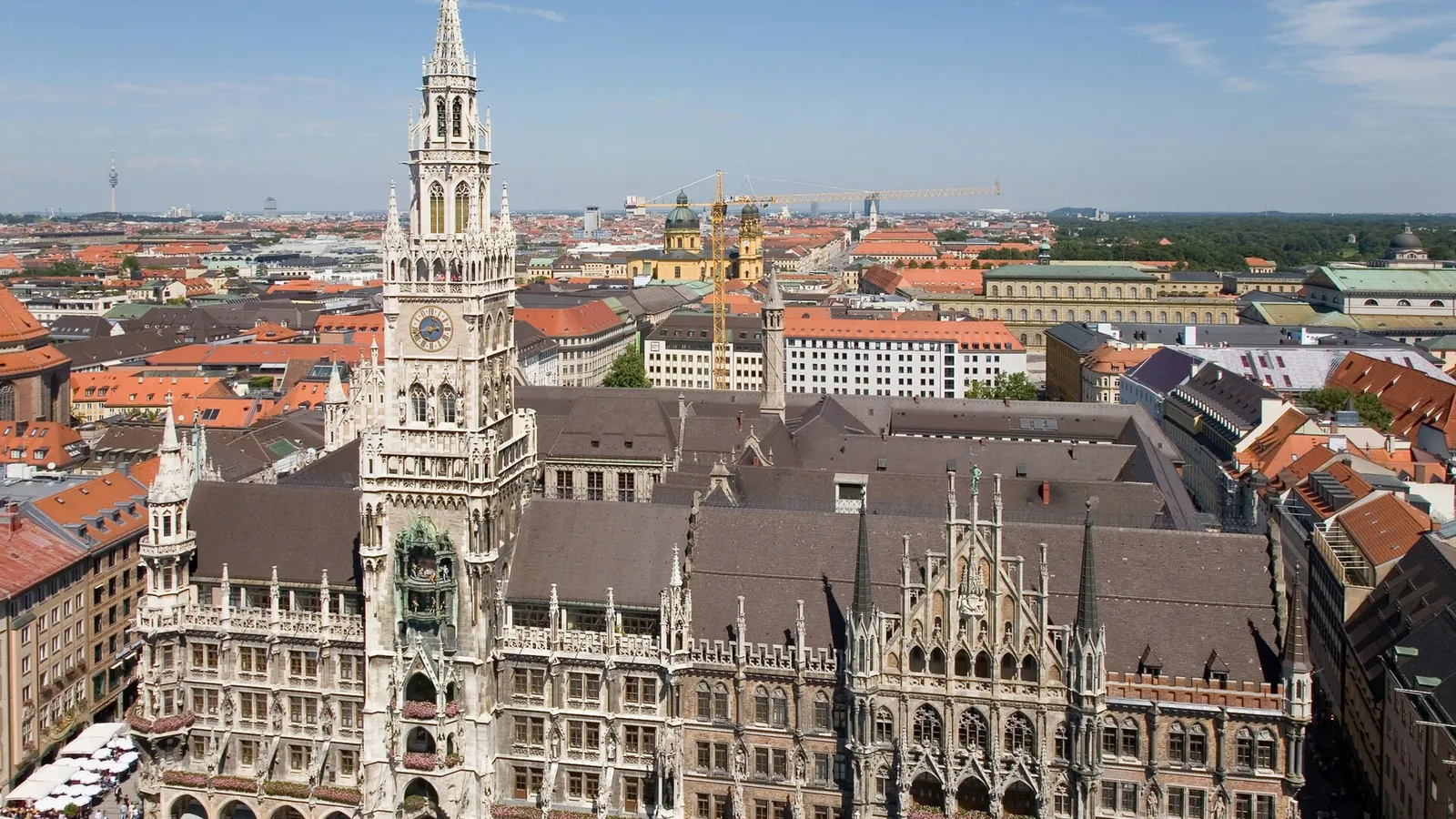
The Gothic towers of Munich's New Town Hall on Marienplatz

Bavaria · Germany

Munich

Bavaria's capital, where beer halls, Alpine views and serious museums sit alongside each other, and where a suit and a pair of lederhosen can share the same wardrobe without irony.

  • Best time May–June and September
  • Stay 3–4 days
  • Good for Culture, beer, museums, day trips to the Alps

Photo: Diliff · CC BY-SA 3.0

Welcome to Munich

Munich is the capital of Bavaria first and a German city second, at least in the eyes of many of its own residents, and that regional pride shapes almost everything about visiting it. Bavaria remained a separate kingdom until German unification in 1871, and its Catholic, beer-hall culture, distinct dialect and Alpine backdrop still feel different from the north.

That identity is most visible in the city's beer culture, which is not a tourist performance but a genuine daily and seasonal institution — beer gardens fill with locals as much as visitors, and Oktoberfest, however commercialised it has become, grew out of a real 1810 royal wedding celebration that the city has marked every year since.

Munich is also, less expectedly to first-time visitors, a serious museum and design city, home to world-class art collections, the Deutsches Museum's vast science and technology holdings, and an easy reach of the Bavarian Alps for those wanting mountains within a day trip of a major city.
  • City
  • Culture
  • Historic Site

Why visit

Why visit Munich?

Munich's case is that nowhere else combines Bavaria's beer-hall culture this authentically with world-class museums and genuine Alpine access within city limits.

  • The beer culture is local, not staged

    Beer gardens and halls are filled with Münchners as much as visitors, a real daily institution rather than a tourist performance.

  • The museums are a real, underrated strength

    The Deutsches Museum and the Pinakothek galleries rank among Europe's best, often overlooked by visitors focused only on beer halls.

  • The Alps are close

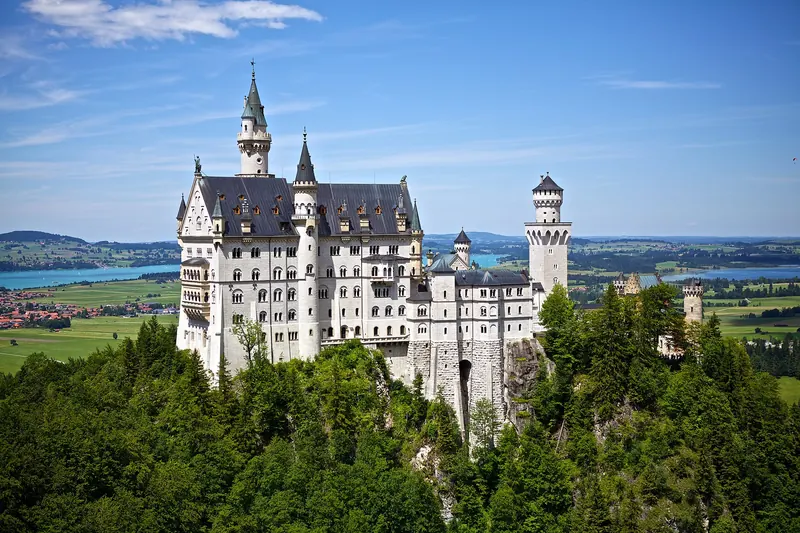
    The Bavarian Alps and castles like Neuschwanstein sit within an easy day trip, a real bonus most major cities cannot offer.

  • Bavarian identity is real and distinct

    The regional dialect, Catholic traditions and separate royal history give Munich a character different from Berlin or Hamburg.

  • It works well in every season

    Summer beer gardens, autumn's Oktoberfest, and winter's Christmas markets and nearby skiing each give Munich a different character worth returning for.

Main attractions

Top things to see in Munich

Munich's essential sights, mixing its historic centre with its serious museum quarter.

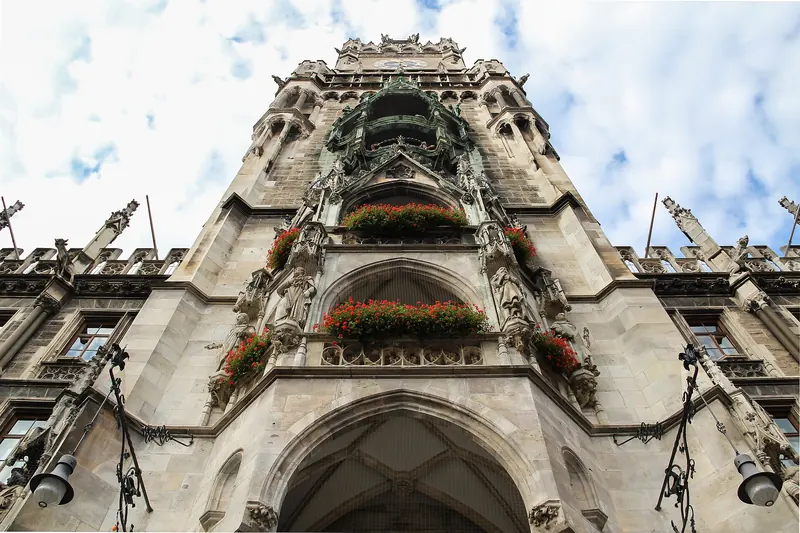
  1. Looking up at the Glockenspiel tower on Munich's New Town Hall

    Marienplatz and the New Town Hall

    Munich's central square, dominated by the Gothic Revival New Town Hall and its Glockenspiel, which chimes with animated figures at set times daily.

    Tip Climb the tower for panoramic views over the city and, on a clear day, the Alps in the distance.

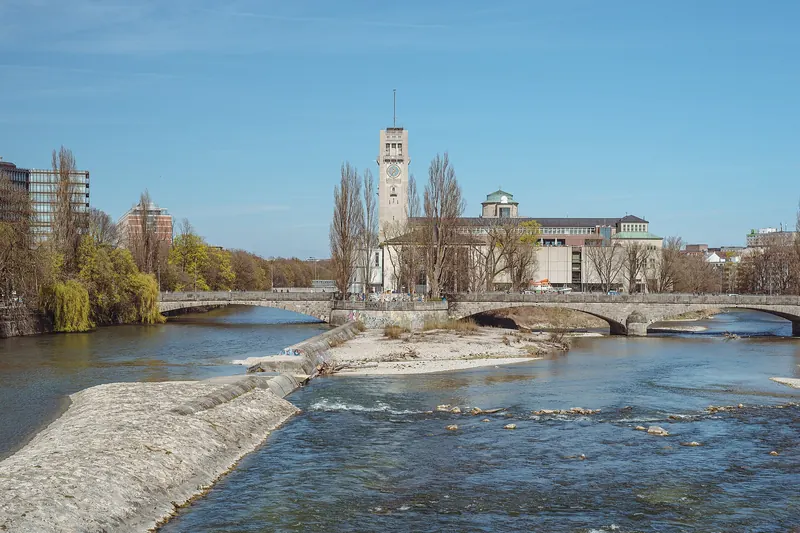
  2. The exterior of the Deutsches Museum in Munich

    The Deutsches Museum

    One of the world's largest and oldest science and technology museums, with vast collections spanning aviation, mining, physics and beyond.

    Tip Allow at least half a day — the museum is considerably larger than a quick visit allows for.

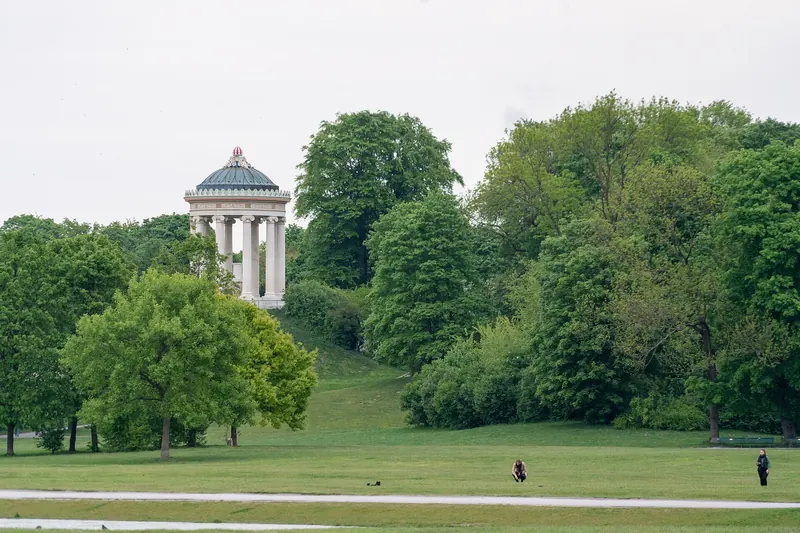
  3. The Monopteros temple in Munich's English Garden

    The English Garden

    One of the world's largest urban parks, larger than New York's Central Park, with beer gardens, a surfable standing wave on the Eisbach stream, and genuine open green space.

    Tip Watch the surfers at the Eisbach wave near the park's southern entrance, a surreal urban sight.

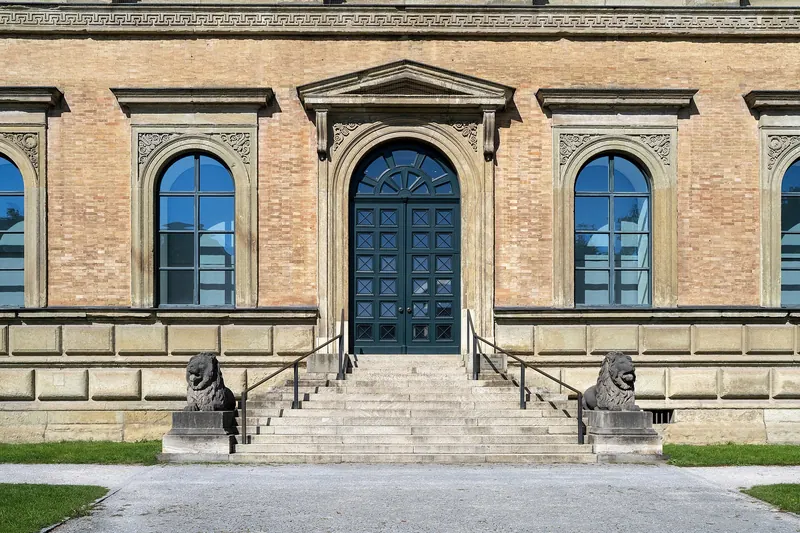
  4. The Alte Pinakothek art museum building

    The Pinakothek museums

    Three major art museums — the Alte, Neue and Pinakothek der Moderne — together spanning old masters to contemporary art in one of Germany's most serious art quarters.

    Tip A combined ticket covers all three Pinakothek museums, worth it if visiting more than one.

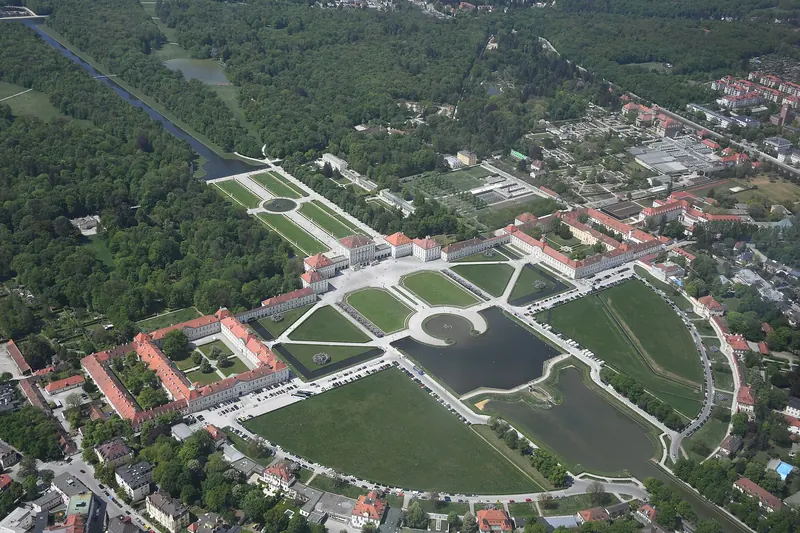
  5. An aerial view of Nymphenburg Palace and its gardens

    Nymphenburg Palace

    The Bavarian royal family's opulent summer residence, with extensive baroque gardens, canals and follies on the city's western edge.

    Tip The gardens are free to enter and rewarding for a slow walk even without touring the palace interior.

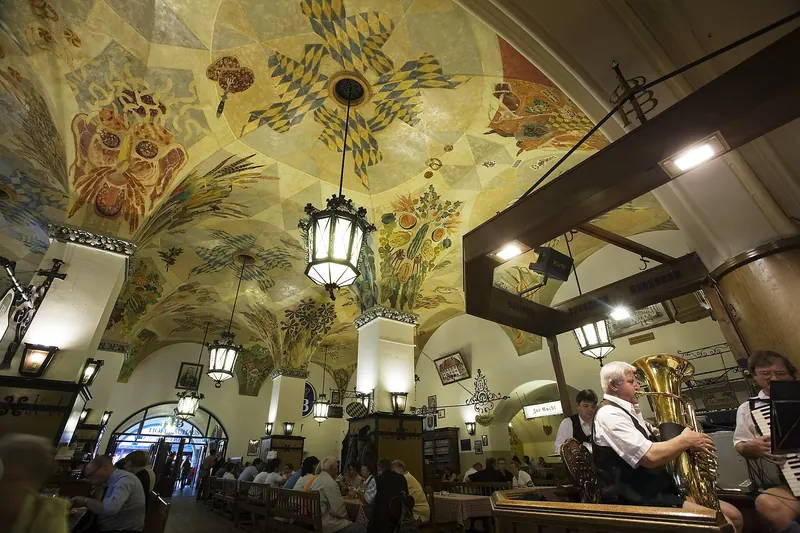
  6. The painted vaulted ceiling and communal tables inside the Hofbräuhaus

    The Hofbräuhaus

    Munich's most famous beer hall, dating to 1589, a boisterous, communal drinking hall with long tables, brass bands and litre steins.

    Tip Arrive early for a seat, or book ahead for groups — it is one of the busiest tourist draws in the city.

Things to do

Best things to do in Munich

Beyond the headline sights, Munich rewards both serious beer-hall immersion and easy access to the wider Bavarian countryside.

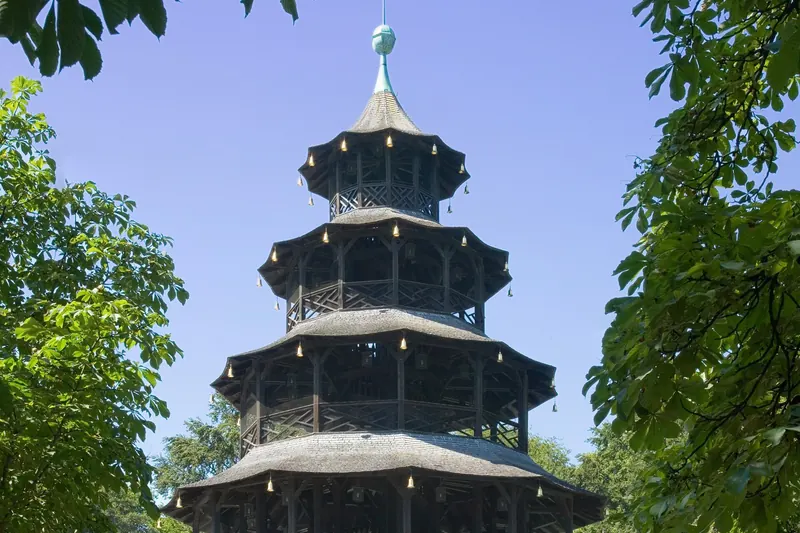
  1. The Chinese Tower beer garden in Munich's English Garden

    Spend an afternoon in a beer garden

    A genuine Munich institution: long communal tables under chestnut trees, self-service or table service, and a relaxed pace that rewards a whole afternoon rather than a quick pint.

    Tip The Chinese Tower beer garden in the English Garden is among the most atmospheric, with a genuine oompah band on weekends.

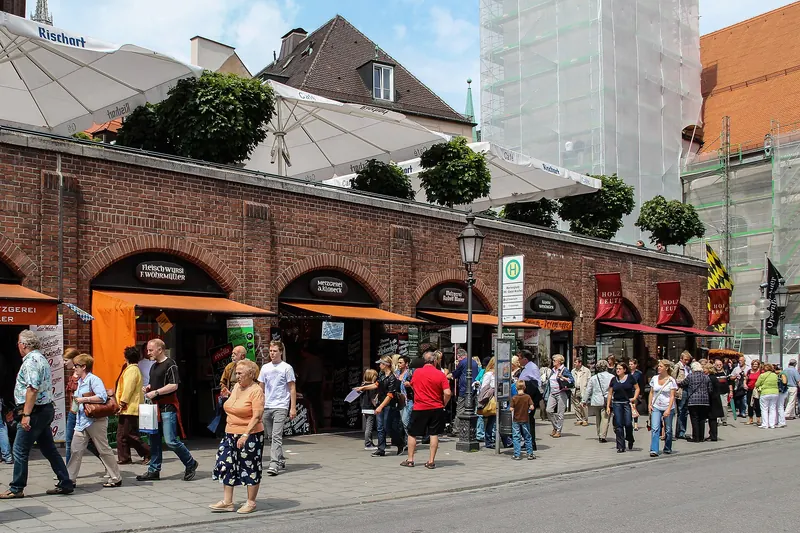
  2. Market stalls along the Viktualienmarkt in Munich

    Visit the Viktualienmarkt

    Munich's permanent food market, a genuine daily institution selling produce, flowers, cheese and prepared food, with its own small beer garden at its centre.

    Tip Visit late morning for the freshest produce and the liveliest atmosphere before the lunch rush.

  3. A view over the Bavarian Alps from near the Zugspitze

    Take a day trip to the Bavarian Alps

    Zugspitze, Germany's highest peak, and the alpine town of Garmisch-Partenkirchen both sit within about ninety minutes of Munich by train.

    Tip Book the Zugspitze cable car or cogwheel train ahead in summer and ski season, when capacity is limited.

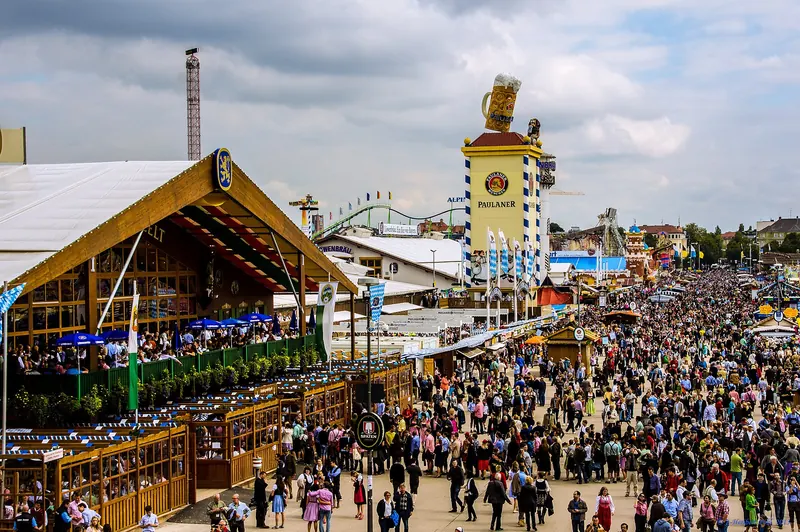
  4. Crowds and beer tents at Munich's Oktoberfest

    Experience Oktoberfest, or its quieter cousins

    The world's largest beer festival runs mid-September to early October, though smaller spring and autumn festivals throughout the year offer a similar atmosphere with far fewer crowds.

    Tip Book Oktoberfest accommodation and beer tent tables many months ahead — the festival's capacity is stretched every year.

  5. A surfer riding the standing wave on Munich's Eisbach stream

    Watch the Eisbach river surfers

    A permanent standing wave on the English Garden's Eisbach stream draws surfers year-round, an unexpected urban sight worth watching even without surfing yourself.

    Tip Surfers queue in an orderly line for their turn — watch the etiquette before assuming you can simply join in.

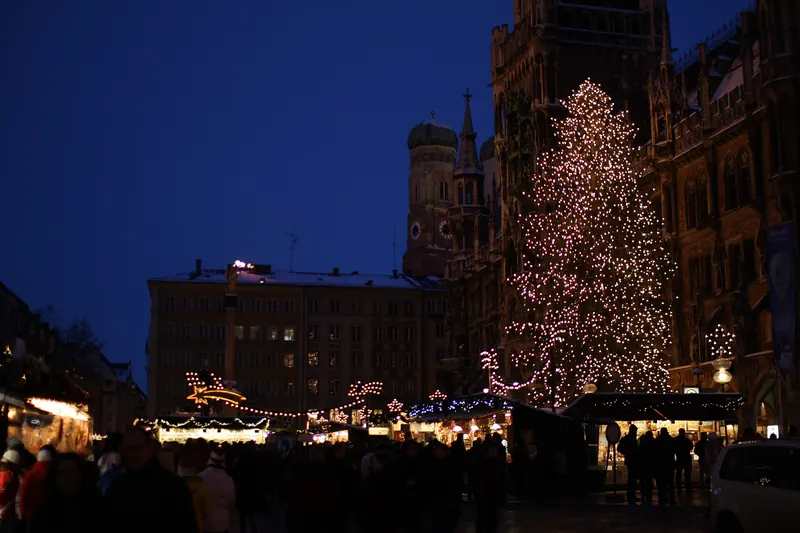
  6. Munich's Christmas market stalls at Marienplatz

    Explore Munich's Christmas markets

    From late November, Marienplatz and other squares fill with market stalls, mulled wine and crafts, a festive Bavarian tradition.

    Tip The Medieval Christmas Market at Wittelsbacherplatz has a distinct, less commercial atmosphere than the main Marienplatz market.

Local food

What to eat in Munich

Bavarian food is hearty, beer-focused and distinct from the rest of Germany, with Munich as its natural showcase.

  • Weisswurst sausages with a pretzel and sweet mustard

    Weisswurst

    A traditional white sausage of veal and pork, eaten with sweet mustard and a pretzel, traditionally only before noon according to old Bavarian custom.

    Where to try it Traditional beer halls, ideally as a proper mid-morning Weisswurst breakfast.

  • A basket of fresh Bavarian pretzels

    Pretzels (Brezn)

    Munich's pretzels are a step above the export version, soft, chewy and lye-crusted, a staple accompaniment to any beer hall visit.

    Where to try it Any traditional beer hall or bakery, ideally fresh and still warm.

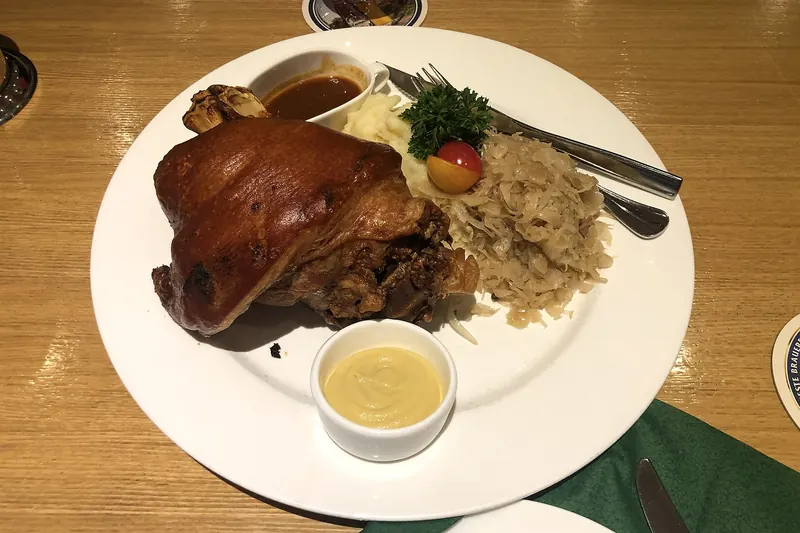
  • A plate of roast pork knuckle, Schweinshaxe

    Schweinshaxe

    Roast pork knuckle with crackling skin, a hearty Bavarian classic usually served with dumplings and sauerkraut.

    Where to try it Traditional Bavarian restaurants and beer halls across the city.

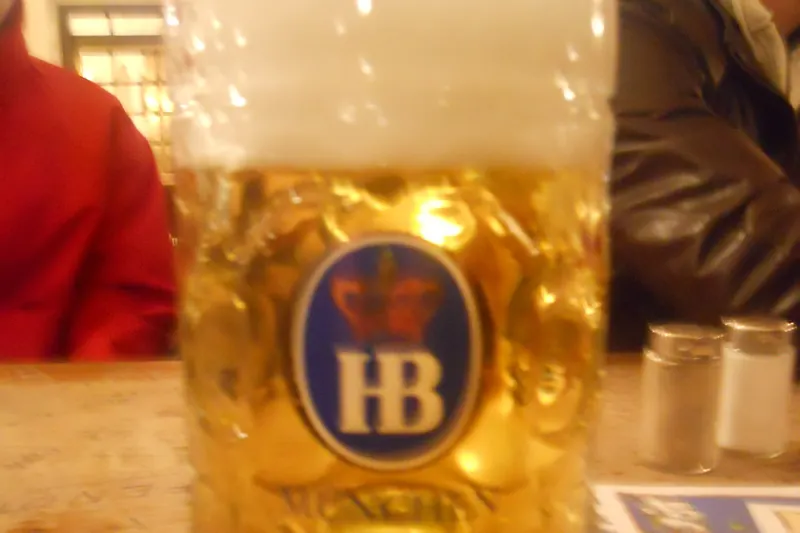
  • A full litre stein of Bavarian beer

    Bavarian beer

    Munich's breweries — Augustiner, Paulaner, Löwenbräu, Hofbräu and Spaten among them — produce distinct styles, Helles above all, brewed under the same purity law since 1516.

    Where to try it Each brewery's own beer hall or garden gives the most authentic version of its beer.

  • A plate of Obatzda cheese spread

    Obatzda

    A soft cheese spread mixed with butter, paprika and onion, a genuine Bavarian beer garden staple served with pretzels and radishes.

    Where to try it Traditional beer gardens across Munich, particularly as a light afternoon snack.

  • Sliced Leberkäse

    Leberkäse

    A finely ground meatloaf, despite its name containing no liver, sliced and grilled, often served in a bread roll as a popular quick lunch.

    Where to try it Butcher shops and Viktualienmarkt stalls across the city.

Accommodation

Where to stay in Munich

Munich's centre is compact enough that most central accommodation puts you within walking distance of the main sights.

  • Altstadt (Old Town)

    The most central district, putting the New Town Hall, Viktualienmarkt and major beer halls all within easy walking distance.

    Best for: Walking to Marienplatz and the main sights

  • Schwabing

    Munich's traditional artists' quarter, close to the English Garden, with good cafes and a younger crowd.

    Best for: A livelier, more bohemian atmosphere

  • Near the Hauptbahnhof

    A short walk from the centre with generally better value accommodation than the Altstadt itself.

    Best for: Transport convenience and value

What a night costs

Hostel dorm
€25–40 per night
Mid-range hotel
€95–170 per night
Deutsches Museum entry
€15
Beer hall litre stein
€10–13

Transport

Getting to and around Munich

Munich Airport is one of Germany's major international gateways, with excellent rail connections to the rest of the country.

Getting there

  • Munich Airport (MUC)

    Connected to the city centre by S-Bahn train in about 40 minutes, with frequent services throughout the day.

    The S1 and S8 lines both connect the airport directly to the central Hauptbahnhof station.

  • Rail from other German cities

    ICE trains connect Munich to Berlin in about 4 hours, Nuremberg in about 1 hour, and Cologne in around 4h30.

    Book Sparpreis fares as early as possible for significant savings over walk-up tickets.

  • Coach

    FlixBus connects Munich to cities across Germany, Austria and neighbouring countries at lower cost than rail, if considerably slower.

    A practical budget option for less time-sensitive journeys, including into the Alps.

Getting around

Munich's public transport network is extensive and efficient, and the historic centre itself is comfortably walkable.

  • U-Bahn and S-Bahn

    Munich's underground and suburban rail networks together cover the city and its surrounding region comprehensively.

    A single ticket system covers both networks plus buses and trams within the same fare zone.

  • Walking

    The Altstadt's major sights sit within a compact, walkable centre, comfortable to cover entirely on foot.

    Comfortable shoes matter — much of the historic centre is pedestrianised and best explored slowly.

  • Bicycle

    Munich is a bike-friendly city with extensive cycle lanes, particularly pleasant for reaching the English Garden.

    Several bike-share schemes operate citywide, unlockable via smartphone app.

When to go

Best time to visit Munich

Munich's weather is changeable, but late spring and early autumn — including Oktoberfest itself — offer the best balance of daylight, temperature and atmosphere.

  • Spring (April–June)

    Best time

    Mild and increasingly green, with beer gardens reopening and crowds still below summer peak.

  • Summer (July–August)

    Good

    Long daylight hours and the best chance of warm beer-garden weather, though also the most crowded and expensive months before Oktoberfest itself.

  • Autumn (September–October)

    Best time

    Oktoberfest runs mid-September into early October, and the weeks either side offer comfortable, less crowded conditions.

  • Winter (November–March)

    Shoulder

    Short, often cold days, but Christmas markets bring real seasonal charm, and the nearby Alps offer genuine skiing access.

Worth planning around: Oktoberfest weekends without booked accommodation and beer tent reservations — the city's capacity is stretched during the festival's full run.

Itinerary

Three days in Munich

The historic centre and museums first, then beer culture and a nearby Alpine day trip — a pace that balances Munich's different sides.

  1. Day1

    The historic centre

    Munich's essential central sights.

    • Morning Marienplatz, the New Town Hall and its tower.
    • Afternoon The Viktualienmarkt and a wander through the Altstadt.
    • Evening Dinner at the Hofbräuhaus.
  2. Day2

    Museums and the English Garden

    Munich's serious cultural side.

    • Morning The Deutsches Museum or a Pinakothek gallery.
    • Afternoon The English Garden, including the Eisbach surfers and a beer garden stop.
    • Evening Dinner in Schwabing.
  3. Day3

    A day trip to the Alps

    Mountain scenery within easy reach of the city.

    • Morning Train to Garmisch-Partenkirchen or toward Zugspitze.
    • Afternoon The Zugspitze cable car, or a lower-altitude Alpine walk.
    • Evening Return to Munich for a final dinner.

Travel tips

Munich travel tips

Practical notes on beer halls, bookings and Oktoberfest that make a real difference to a Munich trip.

  • Book Oktoberfest accommodation and beer tent tables many months ahead if visiting in September.
  • Order Weisswurst before noon if you want the traditionally correct experience — old Bavarian custom holds it should not be eaten later in the day.
  • Book Zugspitze cable car tickets ahead in summer and ski season, when capacity is limited.
  • Carry cash for smaller beer gardens and market stalls, which are sometimes cash-only.
  • Validate transit tickets before boarding — Munich's honour system carries real fines for ticketless riding.
  • Bring or rent a bike for the English Garden — it is too large to see properly on foot in a single visit.
  • Book combined Pinakothek museum tickets if visiting more than one gallery, for meaningful savings.

FAQ

Munich: frequently asked questions

How many days do you need in Munich?

Three to four. Three covers the historic centre, a major museum and a beer hall evening; four allows a proper Alpine day trip without feeling rushed.

Is Munich only worth visiting during Oktoberfest?

No — Oktoberfest is worthwhile but also the most crowded and expensive time to visit. Munich's beer gardens, museums and Alpine access are excellent year-round, and spring or September without the festival offers a calmer, cheaper trip.

What is the best time of year to visit?

May to June and September offer the best balance of good weather, long daylight and manageable crowds, with September also covering Oktoberfest itself if that's part of the draw. Winter is cold but Christmas markets and nearby skiing have their own appeal.

Can you visit the Alps as a day trip from Munich?

Yes — Garmisch-Partenkirchen and the Zugspitze cable car are both reachable within about ninety minutes by train, making a genuine Alpine day trip easy without a car.

Is Munich expensive?

Somewhat more than the German average, with a modest premium over cities like Berlin, though still generally more affordable than London, Paris or Zurich for comparable quality.

Read next

Related travel articles

Practical

Packing by Season and Trip Type

Most packing advice is a list of things. This is the opposite: the small number of decisions that determine whether your luggage helps or hinders, organised by the kind of trip you are actually taking.

Transport

Getting Around Europe by Train

European rail is excellent and confusing — six national operators, three completely different pricing models, and a rail pass that is either a bargain or a waste depending on where you are going. Here is how to work out which.

Advertisement