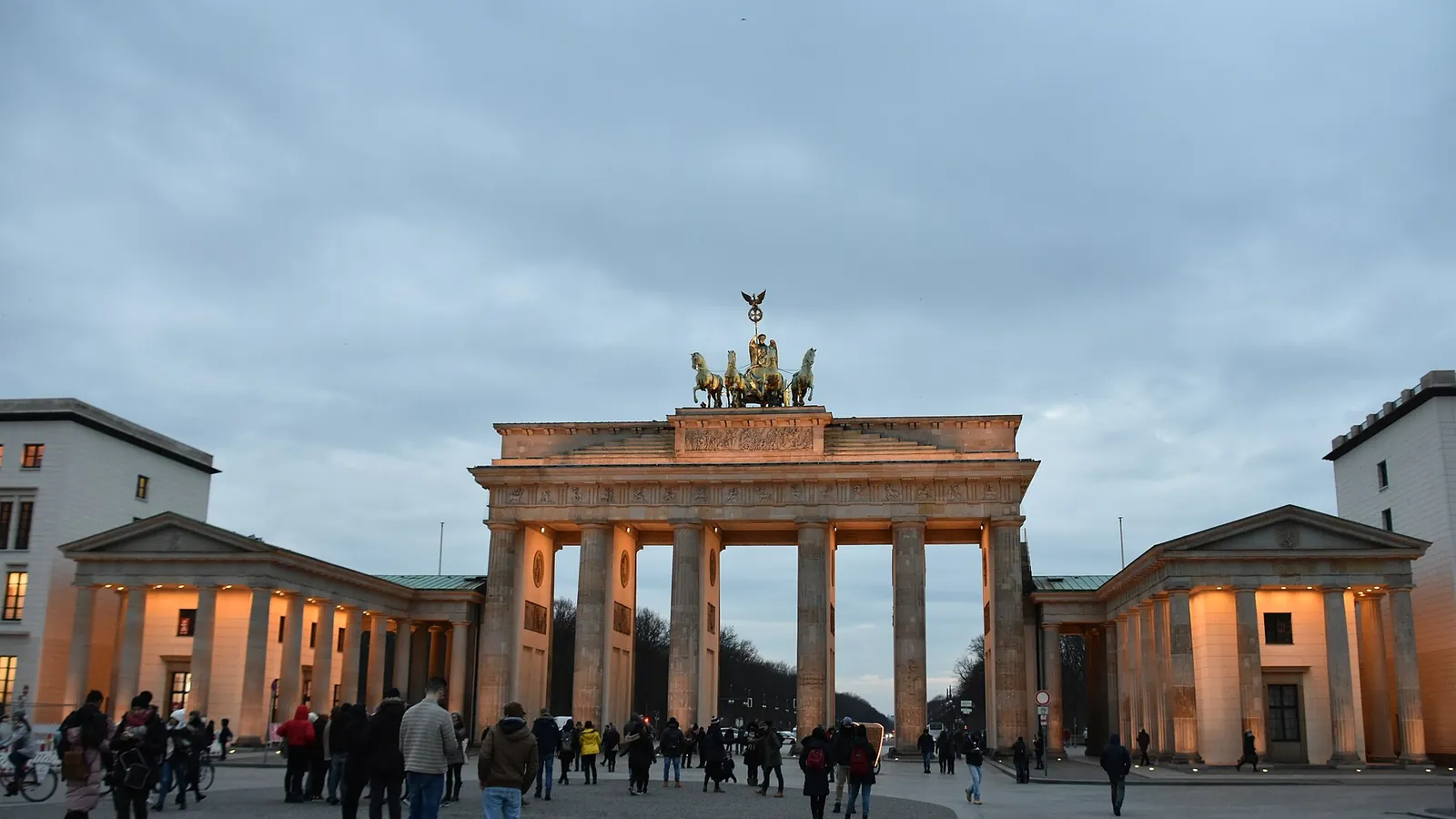
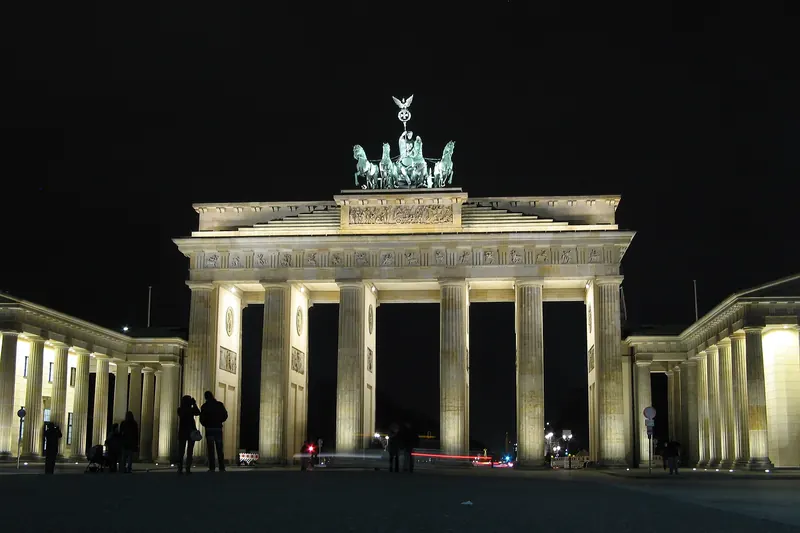

The Brandenburg Gate illuminated at dusk

Berlin · Germany

Berlin

A capital that survived division and rebuilt itself twice over, now Europe's most consistently interesting big city for history, nightlife and a food scene that outgrew its stereotypes years ago.

  • Best time May–June and September
  • Stay 3–4 days
  • Good for History, nightlife, culture, budget travel

Photo: Richard Mortel from Riyadh, Saudi Arabia · CC BY 2.0

Welcome to Berlin

Berlin has been rebuilt twice in living memory — once from the rubble of the Second World War, and again after the Wall fell in 1989 and a divided city had to physically and psychologically reunite. Both histories are still visible everywhere: bullet-scarred facades sit beside glass-fronted new builds, and a line of cobblestones through the pavement traces where the Wall itself once stood.

That history is presented with a directness few capitals attempt. The Holocaust Memorial sits a five-minute walk from the Reichstag; the Topography of Terror museum occupies the actual former Gestapo headquarters site; the East Side Gallery preserves the Wall's longest surviving stretch as a permanent, painted record rather than something quietly removed.

None of this makes Berlin a heavy city to visit. It is also one of Europe's most creative and affordable capitals — a nightlife scene built on the same post-Wall spirit of reinvention, a food scene that has moved well past currywurst stereotypes, and a size and layout that rewards wandering between neighbourhoods as much as ticking off named sights.

  • City
  • Historic Site
  • Culture

Why visit

Why visit Berlin?

Berlin's case is that no other European capital combines this much directly confronted 20th-century history with this much genuine, current creative energy.

  • The history is presented with real honesty

    Memorials and museums address the Nazi era and the Cold War division directly, an essential and moving part of understanding modern Europe.

  • It is affordable for a major capital

    Accommodation, food and nightlife all run noticeably cheaper than London, Paris or Amsterdam, without a corresponding drop in quality.

  • The creative and nightlife scene is a real, current strength

    Berlin's post-Wall reinvention produced a club and arts culture that remains influential across Europe, not resting on decades-old reputation.

  • The neighbourhoods reward slow exploration

    Kreuzberg, Neukölln and Prenzlauer Berg each have a distinct character worth a half-day wander beyond the headline sights.

  • Museum Island alone justifies a trip

    Five major museums on one small island form one of the world's great concentrations of art and antiquities.

Main attractions

Top things to see in Berlin

Berlin's essential sights, best split across several days rather than rushed into one exhausting loop.

  1. The Brandenburg Gate by daylight

    The Brandenburg Gate

    Berlin's defining monument, once standing directly in the Wall's death strip, now a symbol of reunification and the backdrop to major national events.

    Tip Visit at both day and dusk — the illuminated evening view is different from the daytime crowds.

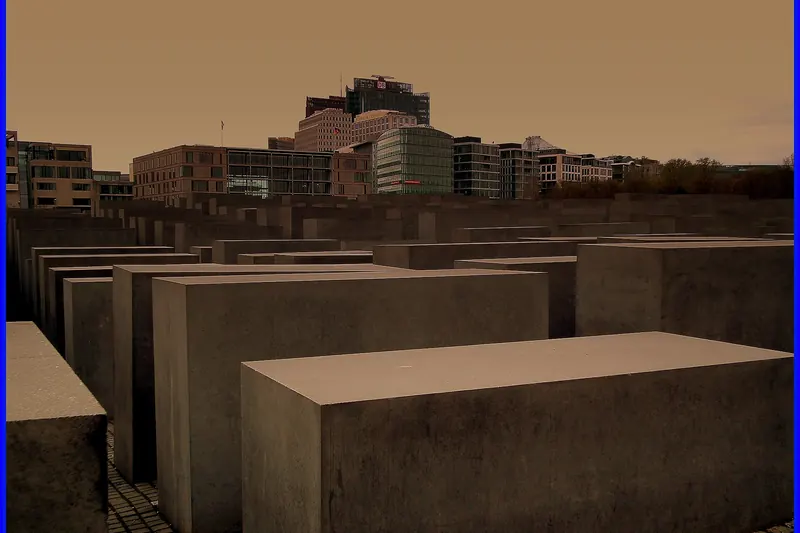
  2. Rows of concrete slabs at the Holocaust Memorial in Berlin

    The Holocaust Memorial

    2,711 concrete slabs of varying height cover a city-block site near the Brandenburg Gate, with a moving underground information centre beneath it.

    Tip The memorial itself is free and always open; the underground exhibition has separate, also free, opening hours worth checking ahead.

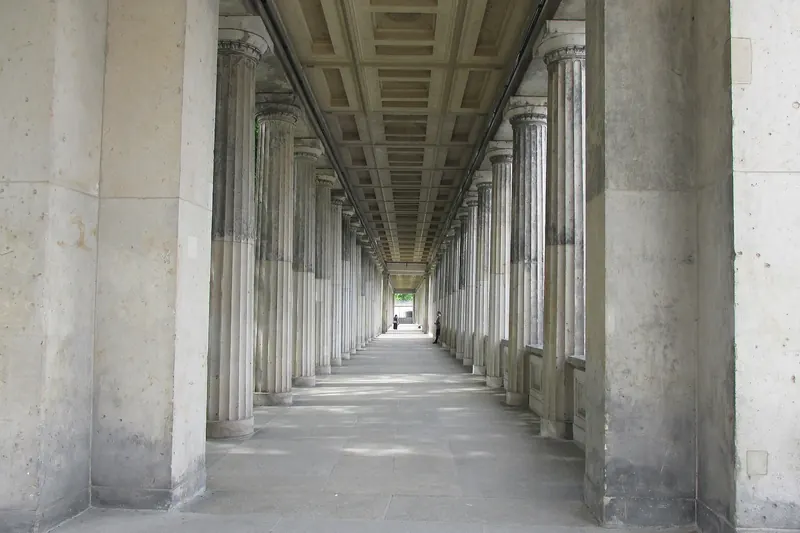
  3. The colonnade inside Museum Island's Pergamon Museum

    Museum Island

    Five major museums — the Pergamon, Neues, Altes, Bode and Alte Nationalgalerie — clustered on an island in the Spree, holding treasures from ancient Babylon to 19th-century German painting.

    Tip A Museum Island day ticket covers all five — the Pergamon and Neues Museums are the standout priorities if time is short.

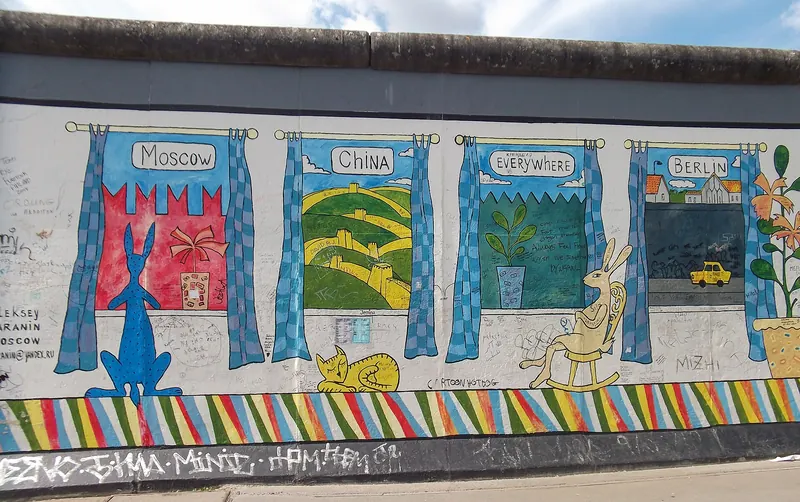
  4. A mural painted on a surviving stretch of the Berlin Wall

    The East Side Gallery

    The longest surviving stretch of the Berlin Wall, covered in over a hundred murals painted by international artists after 1990, a genuine open-air gallery of reunification-era art.

    Tip Visit early morning for photographs without the crowds that build along this popular riverside stretch by midday.

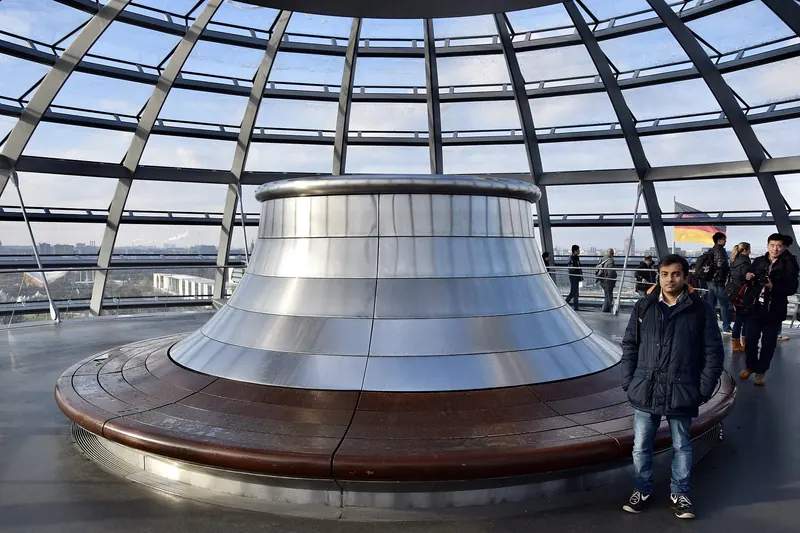
  5. Inside the Reichstag's modern glass dome

    The Reichstag Building

    Germany's historic parliament building, its modern glass dome offering panoramic city views and a genuine symbol of transparent postwar democracy.

    Tip Dome visits require free advance registration online, often weeks ahead in high season — book as soon as your dates are fixed.

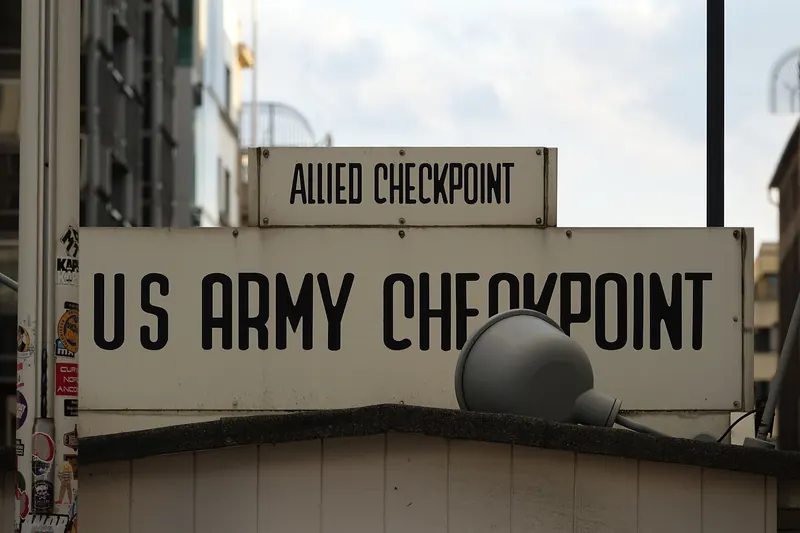
  6. The famous sign marking the former Checkpoint Charlie border crossing

    Checkpoint Charlie and the Wall Museum

    The most famous Cold War border crossing between East and West Berlin, now a preserved historical site with an adjacent museum documenting escape attempts and the divided city's history.

    Tip The street-level checkpoint reconstruction is free to photograph; the indoor museum requires a separate paid ticket.

Things to do

Best things to do in Berlin

Berlin rewards both serious historical engagement and simple, current-day enjoyment of one of Europe's most creative cities.

  1. A street scene in Berlin's Kreuzberg neighbourhood

    Explore Kreuzberg and Neukölln

    Berlin's most alive neighbourhoods for food, nightlife and street art, home to a large Turkish community and the city's most creative current energy.

    Tip Maybaachstraße's Turkish market, held Tuesdays and Fridays, is a genuine local institution worth timing a visit around.

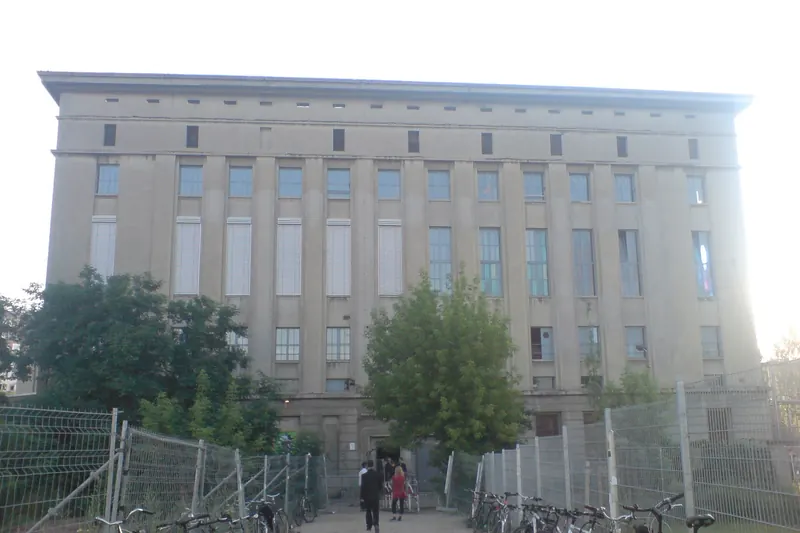
  2. The industrial facade of Berghain, one of Berlin's famous techno clubs

    Experience Berlin's nightlife

    From techno clubs with legendary door policies to relaxed neighbourhood bars, Berlin's nightlife reputation is a real, current strength rather than a fading one.

    Tip Famous clubs like Berghain have notoriously unpredictable door policies — dress simply, arrive without a large group, and don't take rejection personally.

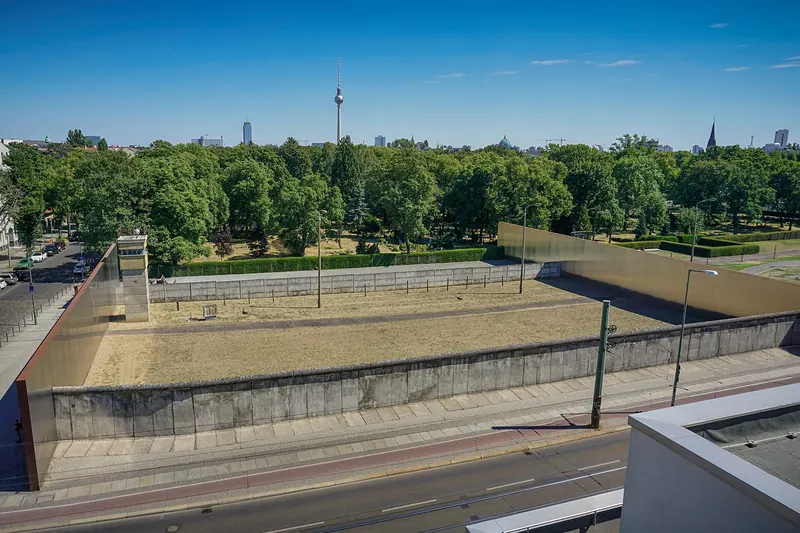
  3. The preserved Wall section at the Bernauer Straße Memorial

    Walk or cycle the former Wall route

    The Berlin Wall Trail traces the former border's full route through the city, with sections through interesting, changing neighbourhoods rather than just memorial sites.

    Tip The Bernauer Straße Memorial section is the single best stretch for understanding how the Wall actually divided the city physically.

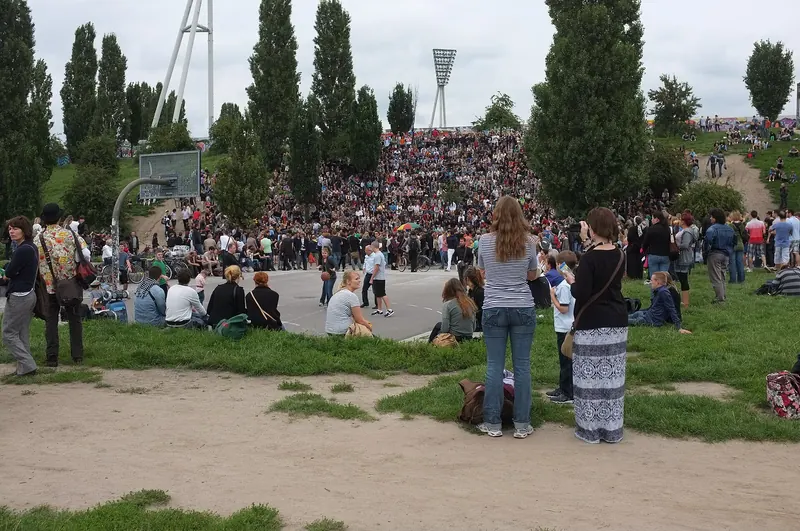
  4. Stalls at the Mauerpark flea market in Berlin

    Visit a flea market

    Weekend flea markets, Mauerpark's above all, mix genuine vintage finds with food stalls and, at Mauerpark specifically, an open-air karaoke session that has become a Sunday institution.

    Tip Mauerpark's karaoke runs Sunday afternoons in the park's amphitheatre, worth timing a visit around.

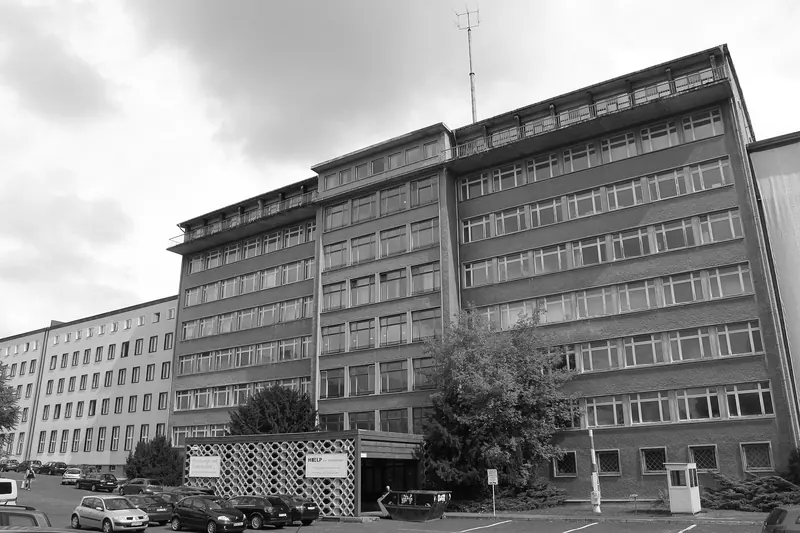
  5. The former Stasi headquarters building, now a museum

    Take a Cold War history tour

    Guided tours focused specifically on the divided city — escape tunnels, former border crossings, Stasi history — add genuine depth beyond what a self-guided visit can cover.

    Tip The former Stasi headquarters, now a museum, gives an unusually direct look at East German surveillance methods.

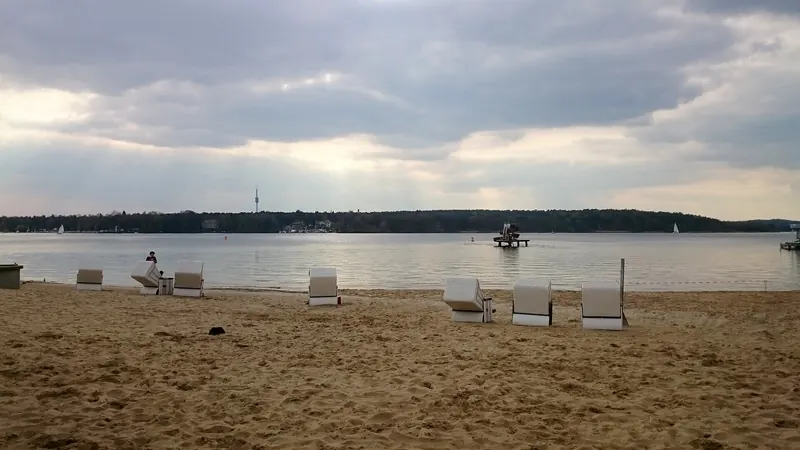
  6. The lakeside beach at Wannsee

    Relax in the Tiergarten or by a lake

    Berlin's large central park and several accessible lakes offer a different pace from the history-heavy city centre, popular with locals for a slower day.

    Tip Wannsee, reachable by S-Bahn, is Berlin's most popular lake for a proper swim and beach day in summer.

Local food

What to eat in Berlin

Berlin's food scene runs from genuine street food institutions to an increasingly serious modern restaurant culture, reflecting the city's diversity.

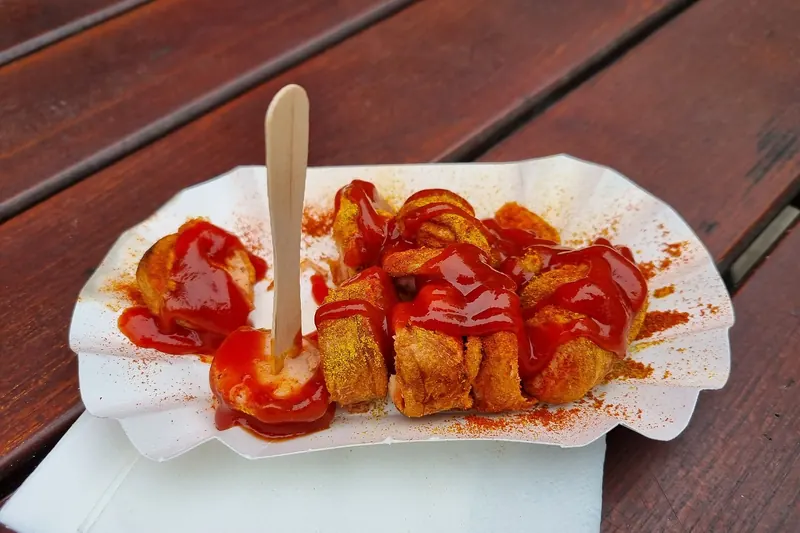
  • A plate of Berlin currywurst

    Currywurst

    Sliced sausage doused in curry-spiced ketchup, invented in postwar Berlin and still the city's most iconic fast food, eaten standing at a stall.

    Where to try it Curry 36 and Konnopke's Imbiss, two long-running Berlin institutions.

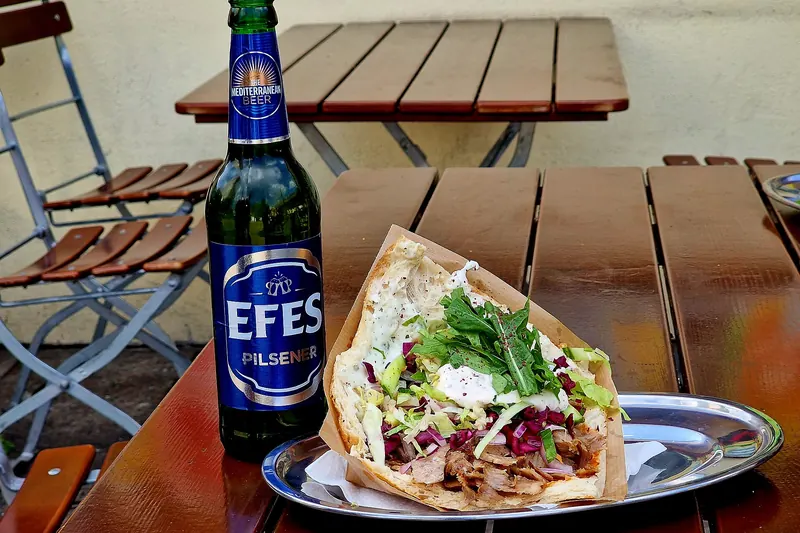
  • A Berlin döner kebab

    Döner kebab

    A Berlin-Turkish invention as much as a Turkish import, the modern döner sandwich format was reportedly created by Turkish immigrants in 1970s Berlin.

    Where to try it Mustafa's Gemüse Kebap in Kreuzberg, though good döner is found across the city.

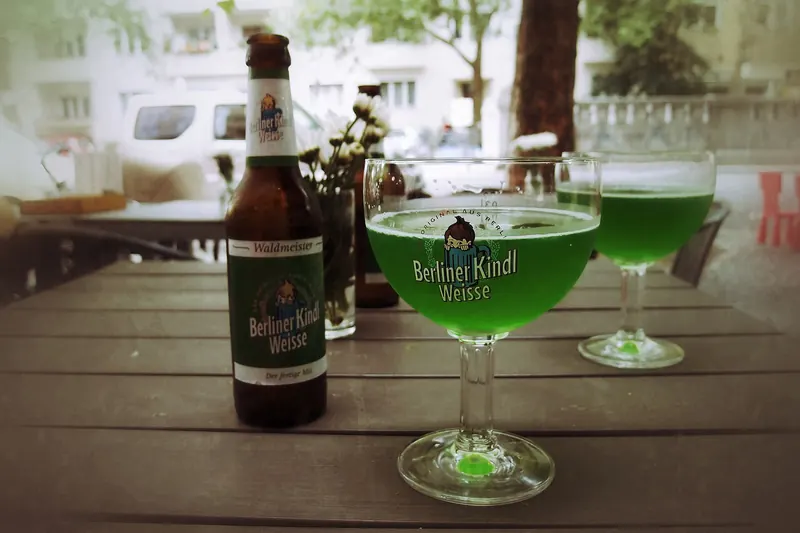
  • A glass of Berliner Weisse beer with fruit syrup

    Berliner Weisse

    A tart, low-alcohol wheat beer traditionally served with a shot of woodruff or raspberry syrup, a distinctive Berlin specialty best enjoyed on a warm afternoon.

    Where to try it Traditional Berlin bars and beer gardens, particularly in summer.

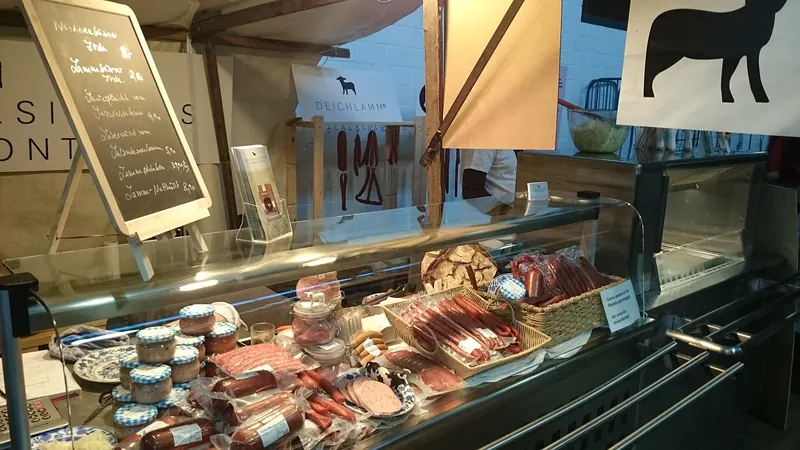
  • Inside Berlin's Markthalle Neun food market

    Bratwurst and street food markets

    Beyond currywurst, Berlin's food markets and stalls cover the wider spread of German sausage traditions alongside the city's international street food scene.

    Where to try it Markthalle Neun in Kreuzberg, especially its Thursday Street Food Thursday market.

  • A sugar-dusted, jam-filled Berliner doughnut

    Berliner (jam doughnut)

    A sugar-dusted, jam-filled doughnut that gives the city its name association, a traditional treat especially popular around New Year and Carnival.

    Where to try it Traditional bakeries across the city, year-round rather than only in season.

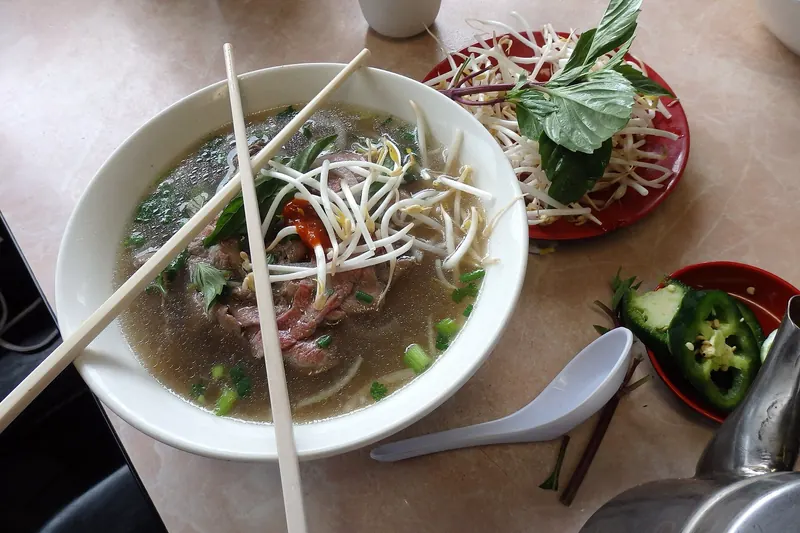
  • A bowl of Vietnamese pho noodle soup

    Vietnamese food in Prenzlauer Berg

    A large Vietnamese community, dating to East German-era labour migration, has made excellent Vietnamese food a real Berlin specialty rather than an incidental import.

    Where to try it Restaurants along Dong Xuan Center and throughout Prenzlauer Berg and Lichtenberg.

Accommodation

Where to stay in Berlin

Berlin's neighbourhoods vary considerably in character, making the choice of base a genuine part of shaping the trip.

  • Mitte

    The most central district, putting the Brandenburg Gate, Museum Island and the Holocaust Memorial all within easy walking distance.

    Best for: Walking to the major historic sights

  • Kreuzberg

    Berlin's most alive neighbourhood for food and nightlife, a short transit ride from the central sights.

    Best for: Nightlife and a livelier, creative atmosphere

  • Prenzlauer Berg

    Leafy streets, good cafes and a calmer atmosphere than Mitte or Kreuzberg, still well connected by transit.

    Best for: A quieter, more residential base

What a night costs

Hostel dorm
€22–38 per night
Mid-range hotel
€85–150 per night
Museum Island day ticket
€19
Berlin WelcomeCard (transit + discounts)
€23–45 depending on duration

Transport

Getting to and around Berlin

Berlin Brandenburg Airport handles the city's international traffic, with excellent rail connections to the rest of Germany.

Getting there

  • Berlin Brandenburg Airport (BER)

    Connected to the city centre by direct train in about 30 minutes, with frequent services throughout the day.

    The airport express and regional trains both stop centrally — no need for a taxi in normal circumstances.

  • Rail from other German cities

    ICE trains connect Berlin to Munich in about 4 hours, Hamburg in under 2, and Dresden in under 2.

    Book Sparpreis fares as early as possible for significant savings over walk-up tickets.

  • Coach

    FlixBus connects Berlin to cities across Germany and neighbouring countries at lower cost than rail, if considerably slower.

    A practical budget option for less time-sensitive journeys.

Getting around

Berlin's public transport network is extensive and efficient, covering the whole city well without needing a car.

  • U-Bahn and S-Bahn

    Berlin's underground and suburban rail networks together cover the city comprehensively, running frequently and reliably.

    A single ticket covers both networks plus buses and trams within the same fare zone.

  • Bicycle

    Berlin is a bike-friendly city, flat and with extensive cycle lanes, making bike hire a practical and pleasant way to cover ground.

    Several bike-share schemes operate citywide, unlockable via smartphone app.

  • Walking

    Central Mitte's major sights are comfortably walkable from each other, though the wider city benefits from transit between neighbourhoods.

    Comfortable shoes matter — some of the most rewarding Berlin experiences are simply extended neighbourhood walks.

When to go

Best time to visit Berlin

Berlin's weather is changeable across the year, but late spring and early autumn offer the best balance of daylight, mild temperatures and manageable crowds.

  • Spring (April–June)

    Best time

    Mild and increasingly green, with beer gardens and outdoor cafe culture returning and crowds still below summer peak.

  • Summer (July–August)

    Good

    Long daylight hours, lake swimming weather and the busiest club and festival season, though also the most crowded and expensive months.

  • Autumn (September–October)

    Best time

    Comfortable temperatures, thinning tourist crowds, and some of the year's best light for photographing the city's historic sites.

  • Winter (November–March)

    Shoulder

    Short, often grey days and genuine cold, but Christmas markets from late November bring real seasonal charm, and museums make an excellent indoor refuge.

Worth planning around: Nothing specific rules out a Berlin visit, though major public holidays can mean reduced museum hours worth checking in advance.

Itinerary

Three days in Berlin

History and monuments first, then museums, then neighbourhoods and nightlife — a pace that respects both the weight and the energy of the city.

  1. Day1

    The historic centre

    Berlin's defining monuments and memorials.

    • Morning The Brandenburg Gate and the Reichstag, dome visit if booked.
    • Afternoon The Holocaust Memorial and Topography of Terror.
    • Evening Dinner in Mitte.
  2. Day2

    Museum Island and the Wall

    World-class collections and Cold War history.

    • Morning Museum Island, prioritising the Pergamon and Neues Museums.
    • Afternoon The East Side Gallery and a walk along the former Wall route.
    • Evening Currywurst and a beer at a Berlin institution.
  3. Day3

    Neighbourhoods and nightlife

    Berlin's current, creative side.

    • Morning A wander through Kreuzberg or Neukölln.
    • Afternoon Markthalle Neun or a flea market, Mauerpark's on a Sunday.
    • Evening Berlin's nightlife, at whatever pace suits.

Travel tips

Berlin travel tips

Practical notes on booking, cash and transit that make a real difference to a Berlin trip.

  • Book Reichstag dome visits online well ahead — they are free but require advance registration, often weeks out in summer.
  • Carry some cash — Berlin's food markets and smaller venues, especially clubs, are often cash-only.
  • Validate transit tickets before boarding — Berlin's honour system carries real fines for ticketless riding.
  • Don't overplan Berlin's nightlife — the city's best experiences are often spontaneous rather than scheduled.
  • Book Museum Island tickets online in advance in summer to avoid queuing.
  • Dress simply and avoid large groups if attempting a well-known club's door on a first visit.
  • Check individual museum opening hours around German public holidays, which vary and can catch visitors out.

FAQ

Berlin: frequently asked questions

How many days do you need in Berlin?

Three to four. Three covers the essential historic sights and Museum Island; four allows proper time for neighbourhoods, nightlife and a more relaxed pace without feeling rushed.

Is Berlin expensive?

Affordable for a major European capital — accommodation, food and nightlife all run noticeably cheaper than London, Paris or Amsterdam without a corresponding drop in quality.

What is the best time of year to visit?

May to June and September offer the best balance of good weather, long daylight and manageable crowds. Summer brings lake-swimming weather and the busiest club scene; winter is cold but Christmas markets and museums make for an excellent city-break season.

Is Berlin's history too heavy for a normal trip?

It's substantial but worth engaging with directly rather than avoiding — the city presents this history clearly and honestly, and it sits alongside, rather than overwhelms, Berlin's current, lighter creative energy.

Do I need to speak German in Berlin?

No — English is widely spoken, especially in the tourism, hospitality and nightlife sectors, though basic German phrases are appreciated.

Read next

Related travel articles

Practical

Packing by Season and Trip Type

Most packing advice is a list of things. This is the opposite: the small number of decisions that determine whether your luggage helps or hinders, organised by the kind of trip you are actually taking.

Transport

Getting Around Europe by Train

European rail is excellent and confusing — six national operators, three completely different pricing models, and a rail pass that is either a bargain or a waste depending on where you are going. Here is how to work out which.

Advertisement