Welcome to Dresden
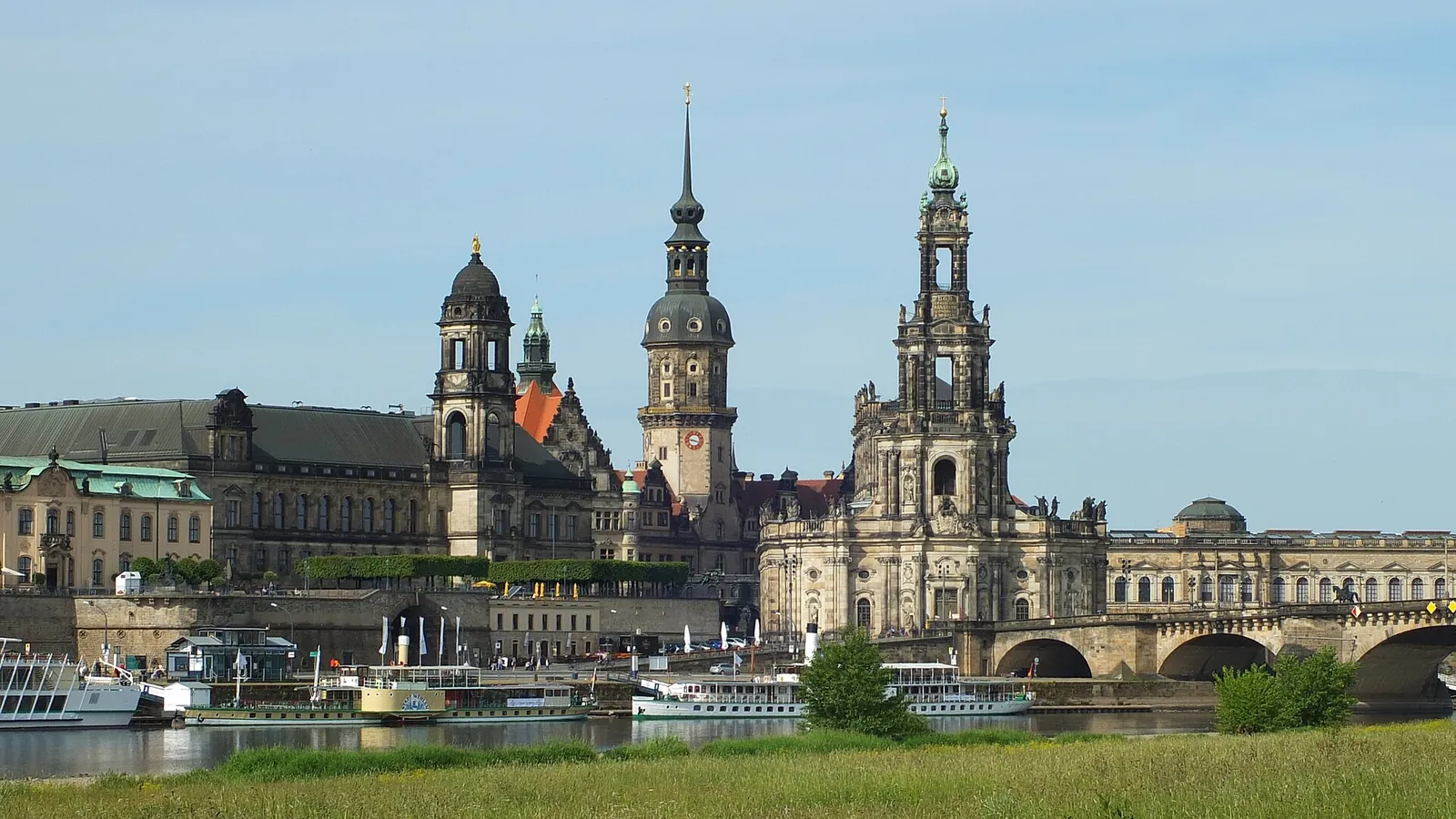
Dresden was, before February 1945, known as 'Elbflorenz' — the Florence of the Elbe — for a baroque old town considered among the most beautiful in Europe. Over three nights that February, Allied bombing raids created a firestorm that destroyed roughly 90% of the city centre and killed an estimated 25,000 people, one of the most devastating single events of the war in Europe.
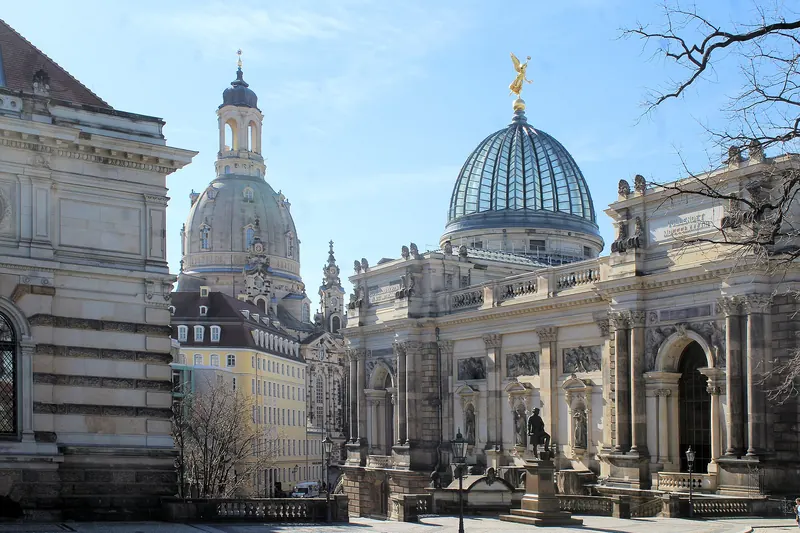
What makes Dresden remarkable to visit today is the completeness of its reconstruction. The Frauenkirche, left as a deliberate ruin by the East German government as an anti-war memorial, was rebuilt after reunification using as many original blackened stones as could be salvaged, finally reconsecrated in 2005 — its facade still visibly patchworked between original dark stone and new pale stone, a moving record of what was lost and recovered.
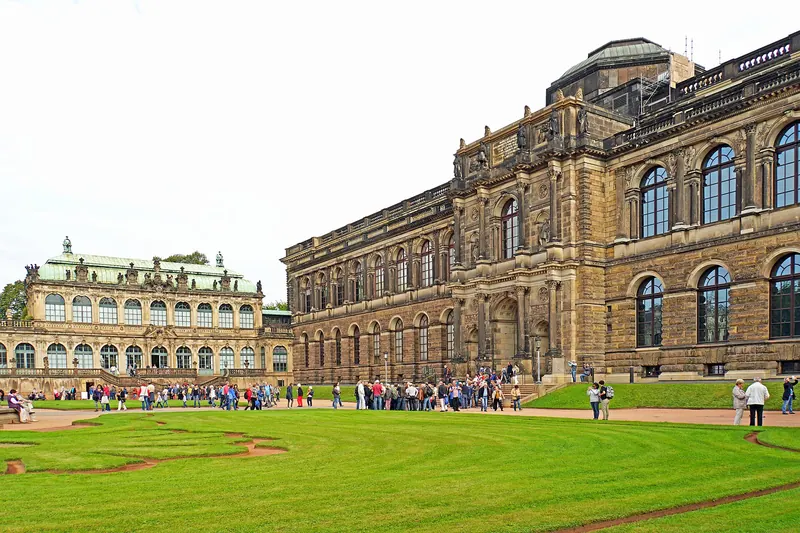
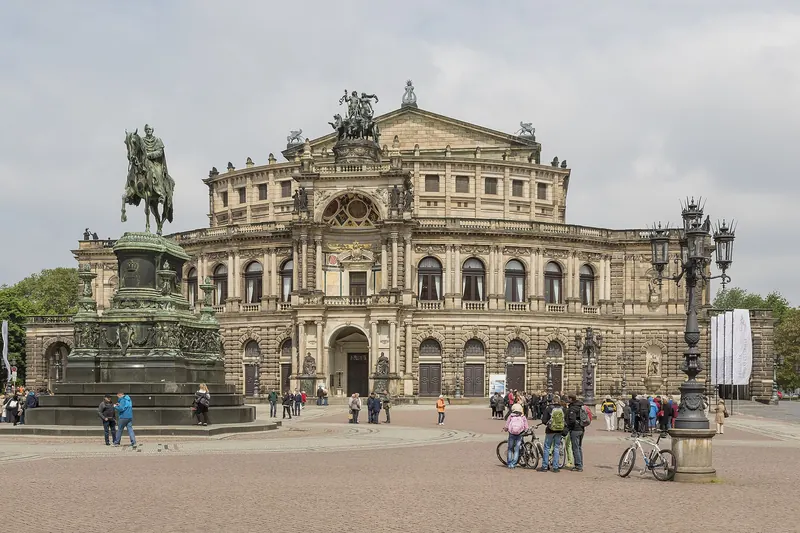
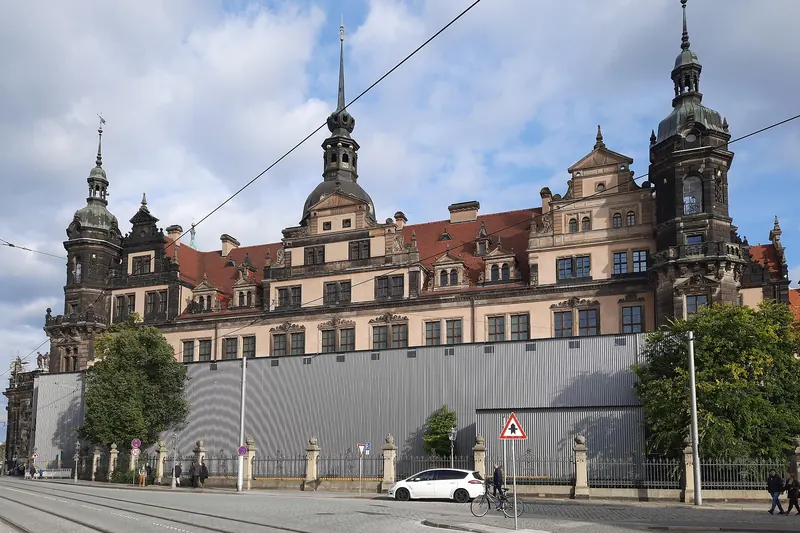
The wider old town — the Zwinger Palace, the Semperoper opera house, the Residenzschloss — has been rebuilt with similar care, and Dresden's museums hold some of Germany's finest art and treasure collections, assembled by the Saxon electors who ruled from here for centuries before the war ever touched the city.