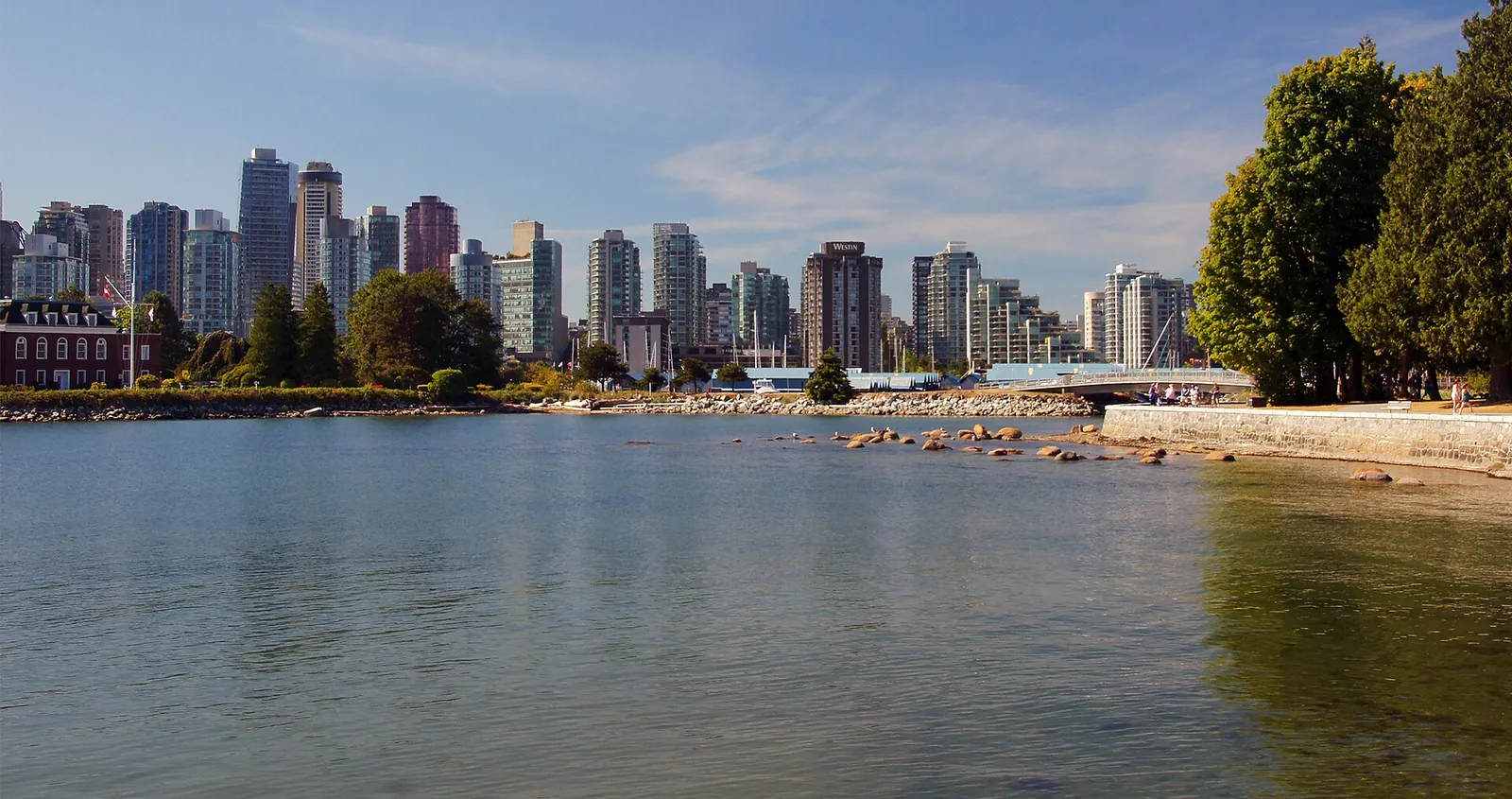
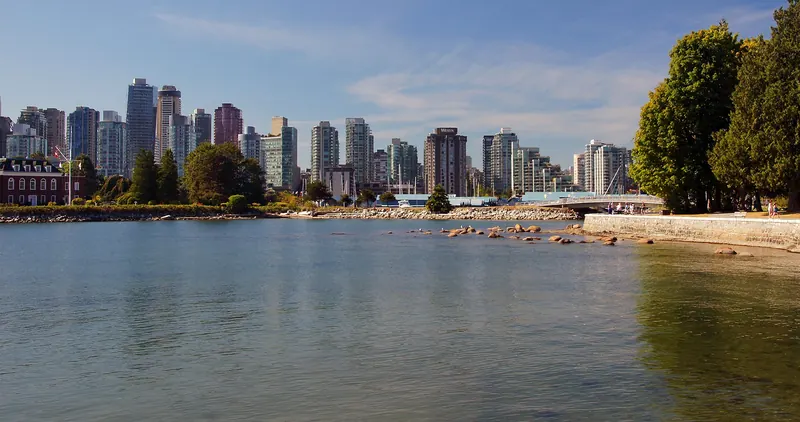
Vancouver's skyline against the Coast Mountains

British Columbia · Canada

Vancouver

A rare city where snow-capped mountains, old-growth forest and the Pacific Ocean all sit within view of downtown skyscrapers.

  • Best time June to September for warm, dry weather
  • Stay 3 days
  • Good for City life, food, outdoor access

Photo: Bernard Spragg. NZ from Christchurch, New Zealand · CC0

Welcome to Vancouver

Vancouver is one of the few cities anywhere where mountains, old-growth forest and the Pacific Ocean all sit within sight of downtown skyscrapers.

Its layout rewards being outside as much as in a restaurant or museum — Stanley Park's seawall, Granville Island's market and North Shore mountain trails all sit an easy trip from the core.

The city's large Asian population has also made it one of North America's best food cities outside Asia itself, with dim sum, sushi and fusion dishes found at every price point.

  • Major City
  • Coast & Beaches
  • Nature & Wildlife
  • Food & Wine

Why visit

Why visit Vancouver?

Vancouver's case rests on a setting that pairs a real, livable city with immediate access to mountains and ocean.

  • The setting is unmatched in North America

    Ocean, old-growth forest and snow-capped mountains all visible from downtown.

  • Stanley Park is one of the great urban parks

    Old-growth forest and a seawall right at the edge of the downtown core.

  • The food scene is world class

    A large Asian population has made Vancouver one of the best cities in North America for dim sum and sushi.

  • The mountains are a short trip away

    Grouse Mountain and the North Shore's trails sit a quick drive or gondola ride from downtown.

  • It works well as a Western Canada gateway

    An easy pairing with Whistler and, further on, the Rockies via Calgary.

Main attractions

Top things to see in Vancouver

Vancouver's essential sights are spread between its downtown core and the nature right at its edges.

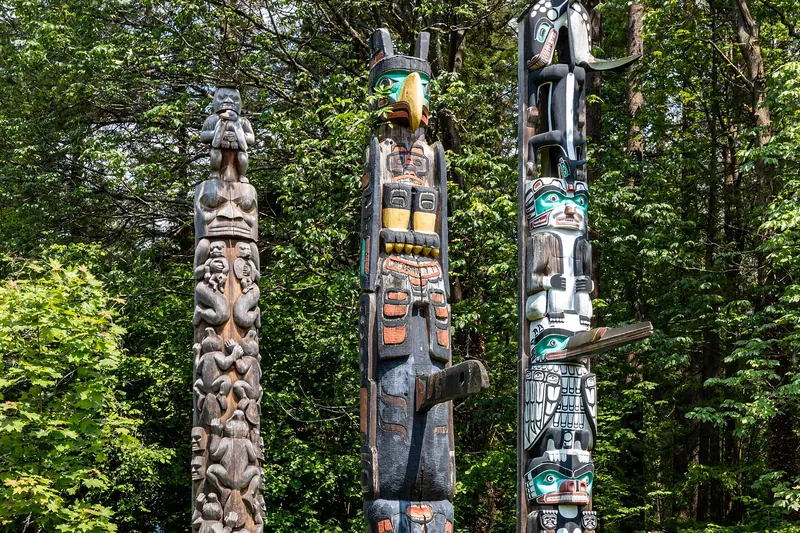
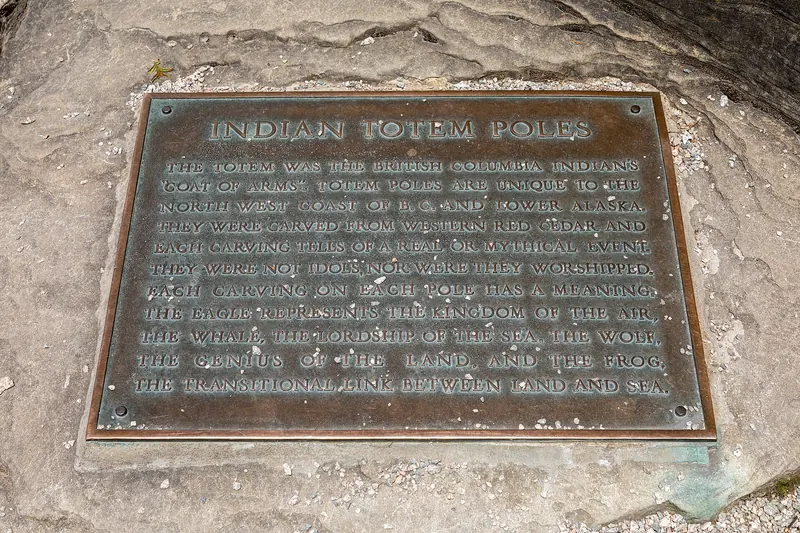
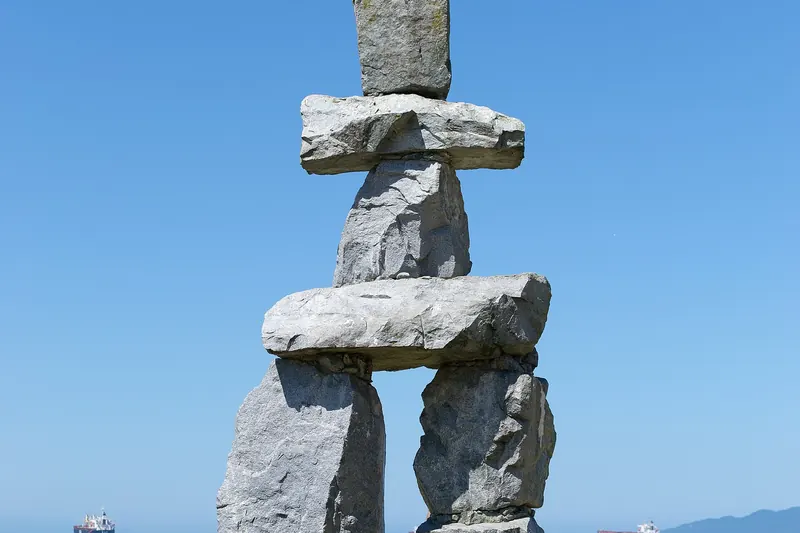
  1. Totem poles in Stanley Park, Vancouver

    Stanley Park's totem poles

    One of the park's most visited spots, a collection of carved First Nations totem poles overlooking the harbour.

    Tip Read the accompanying plaques for context on each pole's origin and meaning.

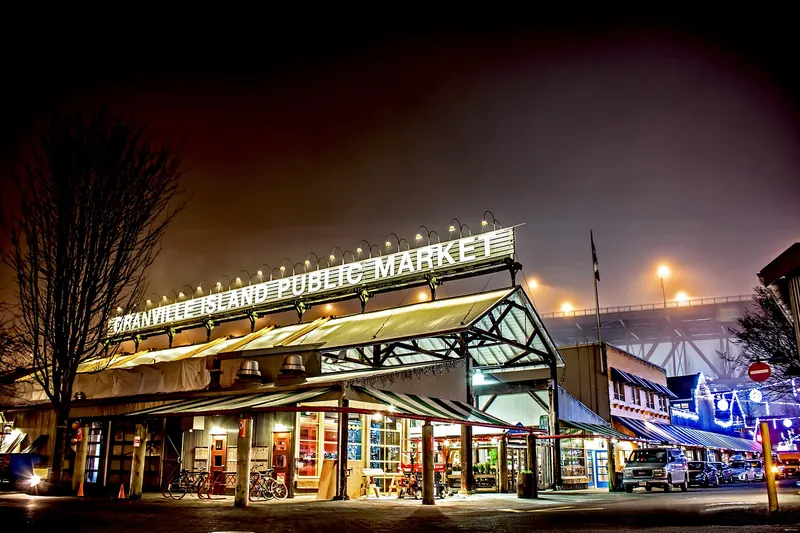
  2. Granville Island Public Market in Vancouver

    Granville Island Public Market

    A lively covered market under the Granville Street Bridge, stalls selling produce, seafood and crafts.

    Tip Arrive hungry — the food stalls here are excellent for a casual lunch.

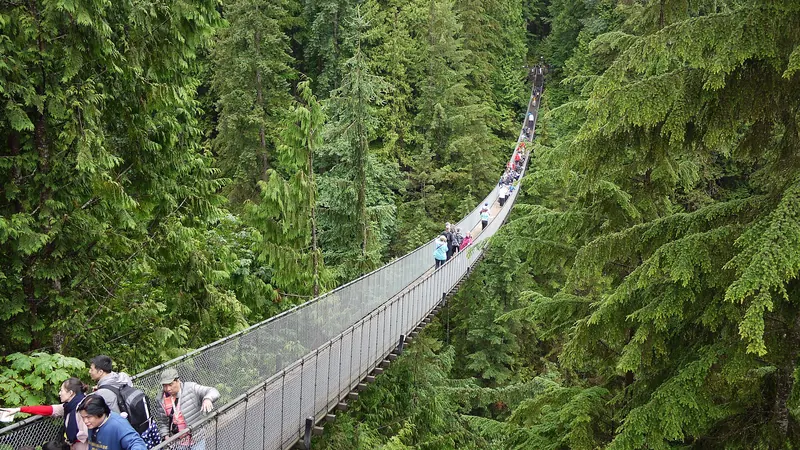
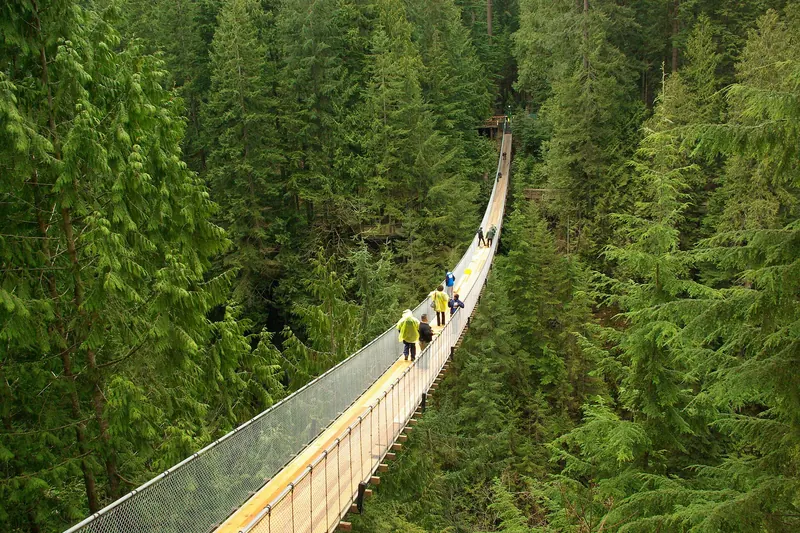
  3. The Capilano Suspension Bridge near Vancouver

    Capilano Suspension Bridge

    A thrilling walk, a 137-metre suspension bridge swaying 70 metres above the Capilano River canyon.

    Tip Continue on to the treetop walkways beyond the bridge for more of the same forest canopy views.

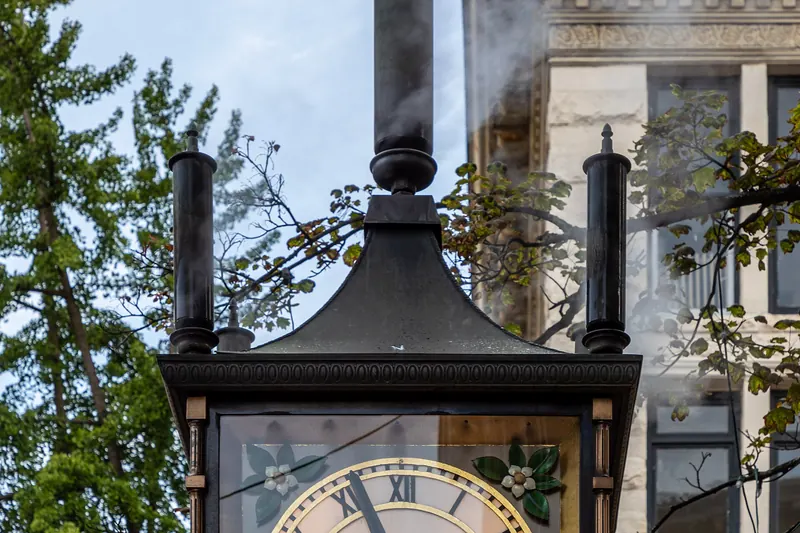
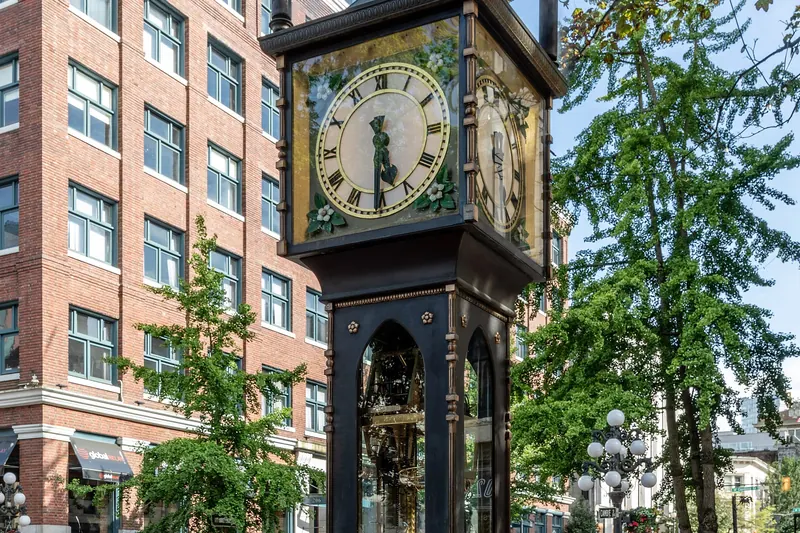
  4. The Steam Clock in Gastown, Vancouver

    Gastown's Steam Clock

    The centrepiece of Vancouver's oldest neighbourhood, a steam-powered clock that whistles every 15 minutes.

    Tip Time your visit for the top of the hour, when the whistle plays a longer tune.

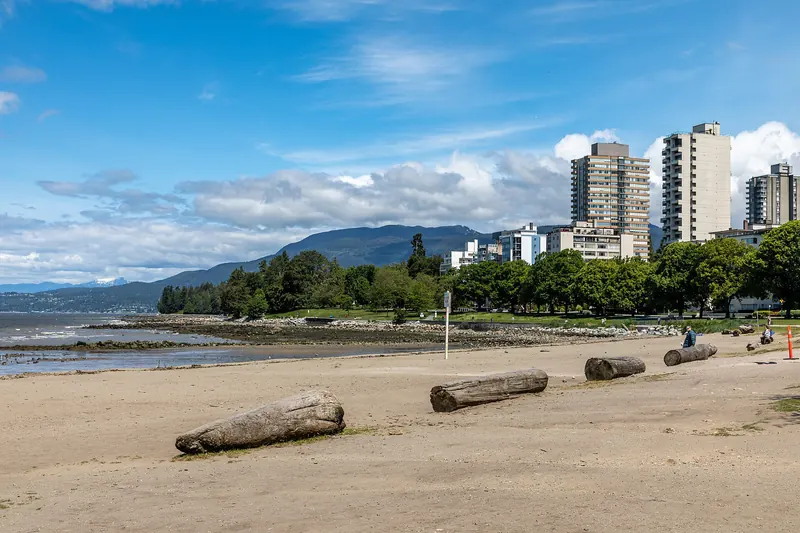
  5. English Bay Beach in Vancouver

    English Bay Beach

    The city's favourite sunset spot, a curving downtown beach backed by palm-lined Denman Street.

    Tip Arrive an hour before sunset to grab a spot on the sand or the seawall.

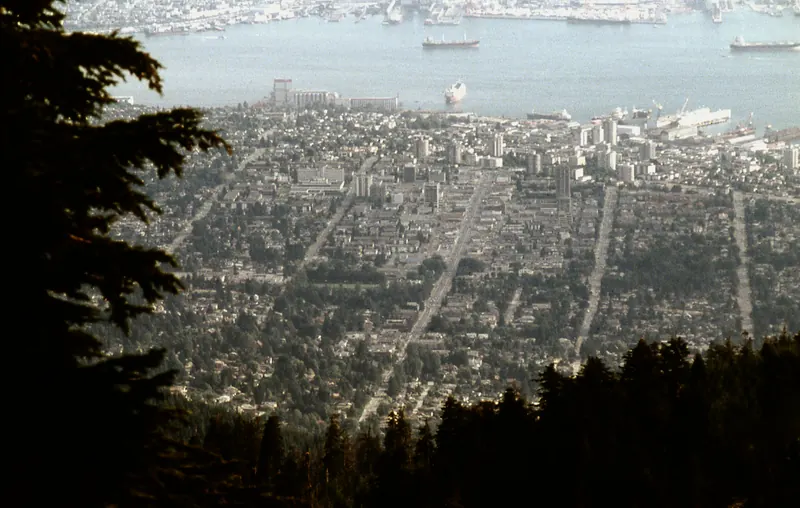
  6. Vancouver seen from Grouse Mountain at dusk

    Grouse Mountain

    Known as 'the Peak of Vancouver', a gondola-accessible mountain with sweeping city and ocean views.

    Tip Check for the resident grizzly bears at the mountain's wildlife refuge.

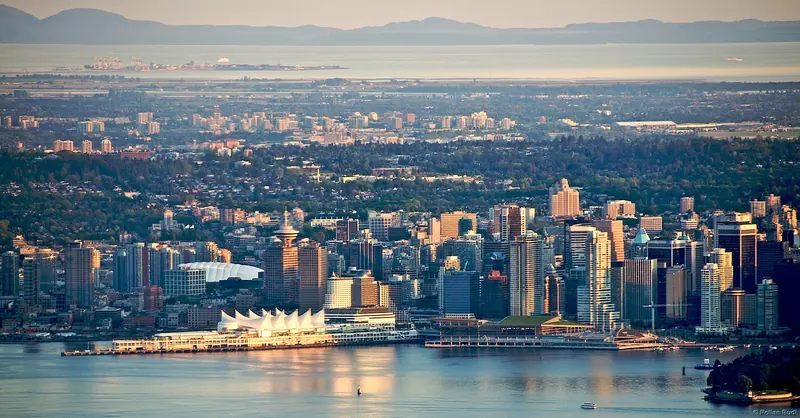
  7. Vancouver's downtown skyline

    The downtown skyline

    Striking from almost any angle, glass towers rising directly against a backdrop of mountains and water.

    Tip The best views come from the water itself, via a short ferry or harbour cruise.

Things to do

Best things to do in Vancouver

Vancouver rewards splitting time between its downtown neighbourhoods and easy access to nature.

  1. Stanley Park in Vancouver

    Walk or cycle the Stanley Park seawall

    An essential Vancouver experience, a flat, scenic path circling the entire park along the waterfront.

    Tip Rent a bike near the park entrance rather than trying to walk the full 10-kilometre loop.

  2. Market stalls at Granville Island in Vancouver

    Browse Granville Island's market stalls

    A relaxed way to spend a morning, sampling fresh produce, seafood and baked goods.

    Tip Catch the small Aquabus ferry across False Creek for a scenic way to arrive.

  3. Crossing the Capilano Suspension Bridge

    Cross the Capilano Suspension Bridge

    A memorable half-day trip, walking the swaying bridge and forest canopy walkways above the canyon.

    Tip Book tickets online ahead to skip the entrance queue in peak season.

  4. The Steam Clock in Gastown

    Wander Gastown and see the Steam Clock strike

    An easy way to spend an afternoon, cobblestone streets lined with boutiques, galleries and restaurants.

    Tip Explore beyond the Steam Clock itself — Gastown's side streets hold the neighbourhood's real character.

  5. The view from Grouse Mountain over North Vancouver

    Ride the gondola up Grouse Mountain

    A rewarding half-day trip, trading the city for alpine trails and sweeping views in minutes.

    Tip Check for lumberjack shows and wildlife exhibits included with your gondola ticket.

  6. English Bay Beach in Vancouver

    Relax at English Bay Beach

    An easy, low-key way to end a day, watching the sunset with the city's beach volleyball crowd.

    Tip Grab food from nearby Denman Street to enjoy on the sand.

Local food

What to eat in Vancouver

Vancouver's food rivals any city in North America for Asian cuisine, alongside fresh Pacific seafood.

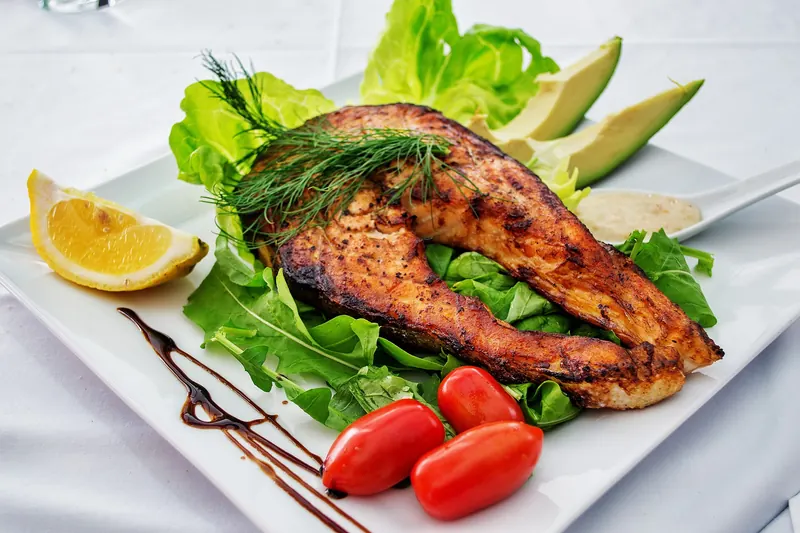
  • Grilled Pacific salmon

    Fresh Pacific salmon

    A Pacific Northwest staple, wild salmon appearing on menus across every price point.

    Where to try it Restaurants throughout downtown and Granville Island.

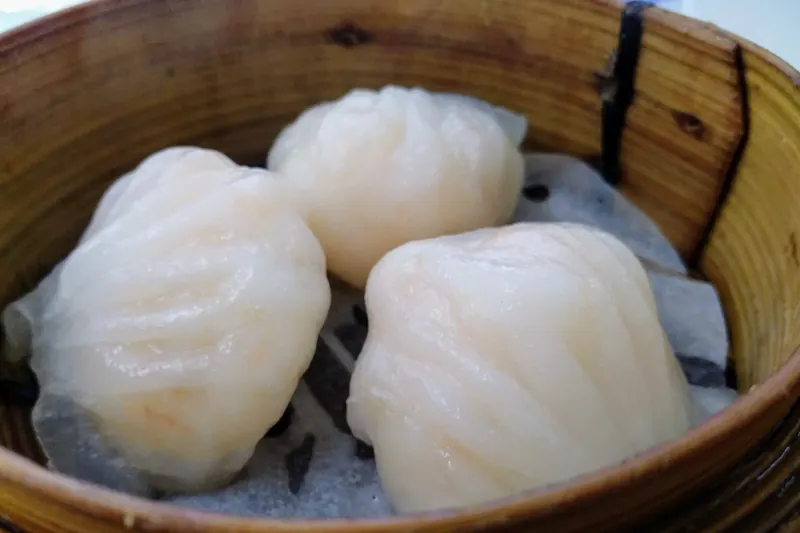
  • Dim sum, small steamed dishes popular in Vancouver

    Dim sum

    Some of the best outside Asia itself, a legacy of Vancouver's large Chinese community.

    Where to try it Restaurants throughout the city, especially in Richmond, a short transit ride away.

  • Japadog

    A Vancouver original, hot dogs topped with Japanese ingredients like teriyaki sauce and seaweed.

    Where to try it Food carts throughout downtown.

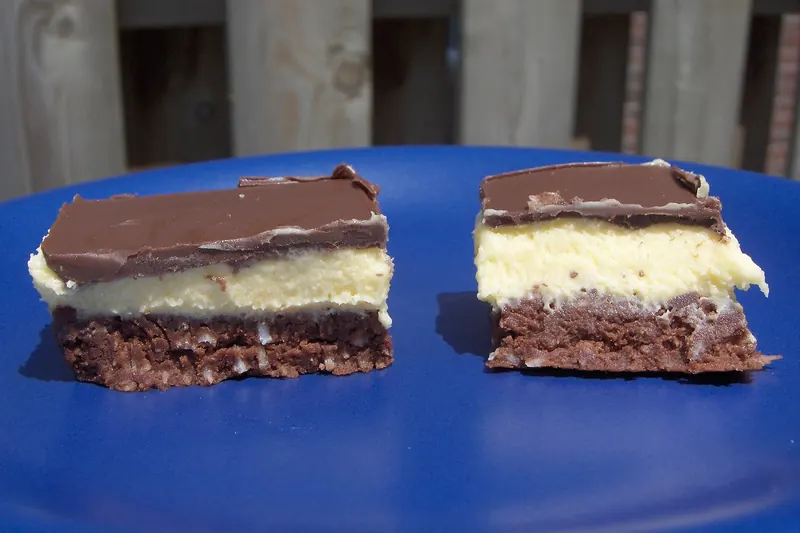
  • A Nanaimo bar, a layered dessert originating in British Columbia

    Nanaimo bars

    A local classic, named for the British Columbia town where the no-bake dessert originated.

    Where to try it Bakeries and cafés throughout Vancouver.

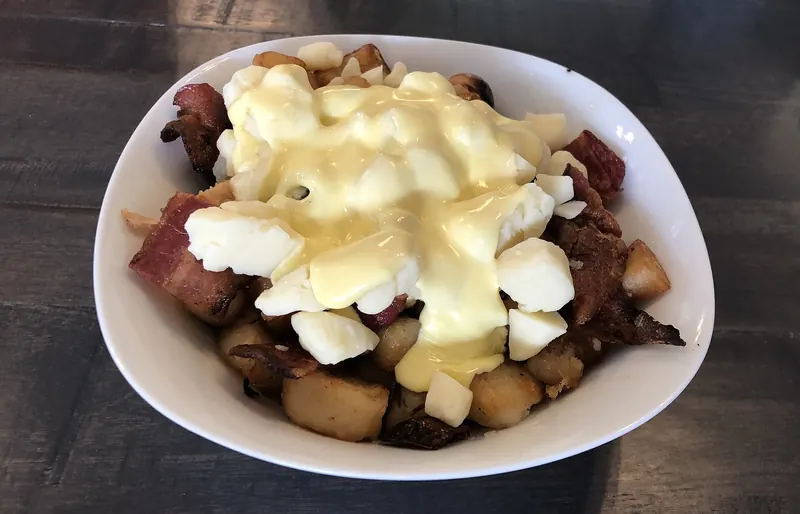
  • Poutine, Canada's fries, cheese curds and gravy dish

    Poutine

    Widely available, though this is Quebec's dish rather than a local specialty.

    Where to try it Restaurants and food trucks throughout the city.

  • British Columbia craft beer

    A thriving local scene, with breweries scattered throughout East Vancouver and beyond.

    Where to try it Craft breweries and taprooms throughout the city.

Accommodation

Where to stay in Vancouver

Vancouver offers accommodation for every budget, with downtown commanding the highest prices.

  • Downtown or the West End

    The most convenient, though also the priciest, part of the city to stay.

    Best for: Being within walking distance of Stanley Park and the main sights

  • Gastown or Mount Pleasant

    A short transit ride from downtown, with their own restaurant and bar scenes.

    Best for: A more character-filled, slightly better value stay

What a night costs

Budget hostel
C$45–80 per night
Mid-range hotel
C$200–350 per night
Capilano Suspension Bridge entry
About C$65–70
Dinner at a mid-range restaurant
About C$30–55 per person

Transport

Getting to and around Vancouver

Vancouver is well connected internationally, with its airport a short trip from downtown.

Getting there

  • Direct international flights

    Available from across North America, Asia and Europe.

    The Canada Line SkyTrain connects the airport to downtown in about 25 minutes.

  • Drive or bus from Seattle

    Straightforward for those already in the US Pacific Northwest.

    About three hours by road, depending on border wait times.

  • Via Rail or drive from the Rockies

    A scenic option for those continuing on from Whistler or Banff.

    The Rocky Mountaineer offers a luxury scenic rail option between the coast and the mountains.

Getting around

Vancouver's compact downtown is walkable, with SkyTrain and buses covering the wider city well.

  • SkyTrain and buses

    Fast, frequent and easy to use across the metro area.

    A single fare system covers trains and buses throughout Vancouver and its suburbs.

  • On foot and by bike

    The best way to explore downtown and Stanley Park.

    Bike share stations are widely available throughout the core.

  • Aquabus and False Creek Ferries

    A fun, scenic way to reach Granville Island.

    Small passenger ferries run frequently across False Creek.

When to go

Best time to visit Vancouver

Vancouver is famous for rain, with summer offering a real, sunny exception to that reputation.

  • Summer (June–August)

    Best time

    Warm and dry, the best season for the seawall, beaches and mountain day trips.

  • Early autumn (September)

    Best time

    Still pleasant, with fall colour in the parks and noticeably fewer visitors than summer.

  • Winter (November–February)

    Good

    Wet and grey downtown, though nearby ski resorts make the most of mountain snow.

  • Spring (March–May)

    Good

    A mild shoulder season, with cherry blossoms a real citywide highlight in April.

Worth planning around: The wettest winter months if outdoor sightseeing is your priority.

Itinerary

Three days in Vancouver

Built around Stanley Park, Granville Island and a half-day in the North Shore mountains.

  1. Day1

    Downtown and Stanley Park

    The city's core and its famous park.

    • Morning Gastown and the Steam Clock.
    • Afternoon Cycle the Stanley Park seawall and see the totem poles.
    • Evening Sunset at English Bay Beach.
  2. Day2

    Granville Island and the North Shore

    A market morning and mountain afternoon.

    • Morning Granville Island Public Market.
    • Afternoon The Capilano Suspension Bridge.
    • Evening Dinner in Yaletown or Gastown.
  3. Day3

    Grouse Mountain

    A final day in the mountains above the city.

    • Morning Ride the gondola up Grouse Mountain.
    • Afternoon Explore the mountain's trails and wildlife refuge.
    • Evening A final dinner back downtown.

Travel tips

Vancouver travel tips

Practical notes that make a Vancouver visit noticeably smoother.

  • Pack a light rain jacket, even in summer — weather can shift quickly.
  • Book the Capilano Suspension Bridge online ahead in peak season.
  • Rent a bike for the Stanley Park seawall rather than attempting the full loop on foot.
  • Take the Aquabus to Granville Island for a more scenic arrival than walking.
  • Try dim sum in Richmond for some of the best outside Asia itself.
  • Use Vancouver as a base for day trips to Whistler or the wider Sea to Sky corridor.

FAQ

Vancouver: frequently asked questions

How many days do you need in Vancouver?

Three days covers the city's essential sights, including a half-day trip into the North Shore mountains.

Is Vancouver expensive?

One of Canada's pricier cities, particularly for accommodation, though food covers every budget.

Does it rain a lot in Vancouver?

Yes in winter, though summer is reliably warm and dry — plan accordingly.

Is Vancouver good for food?

Yes — its large Asian population makes it one of North America's best cities for dim sum, sushi and fusion cuisine.

Do you need a car in Vancouver?

No, not for the city itself — SkyTrain and buses cover it well, though a car helps for reaching Whistler.

Can you combine Vancouver with Whistler or the Rockies?

Yes, easily — Whistler is a scenic two-hour drive, and Banff is reachable via a short flight to Calgary.

Read next

Related travel articles

Food

A Country-by-Country Food Primer

Eating well abroad is mostly a matter of knowing when meals happen, how the menu is structured and which dish belongs to the place you are standing in. This covers all three for the five countries in this guide, plus the signals that separate a restaurant that feeds locals from one that feeds coaches.

Practical

Packing by Season and Trip Type

Most packing advice is a list of things. This is the opposite: the small number of decisions that determine whether your luggage helps or hinders, organised by the kind of trip you are actually taking.

Advertisement