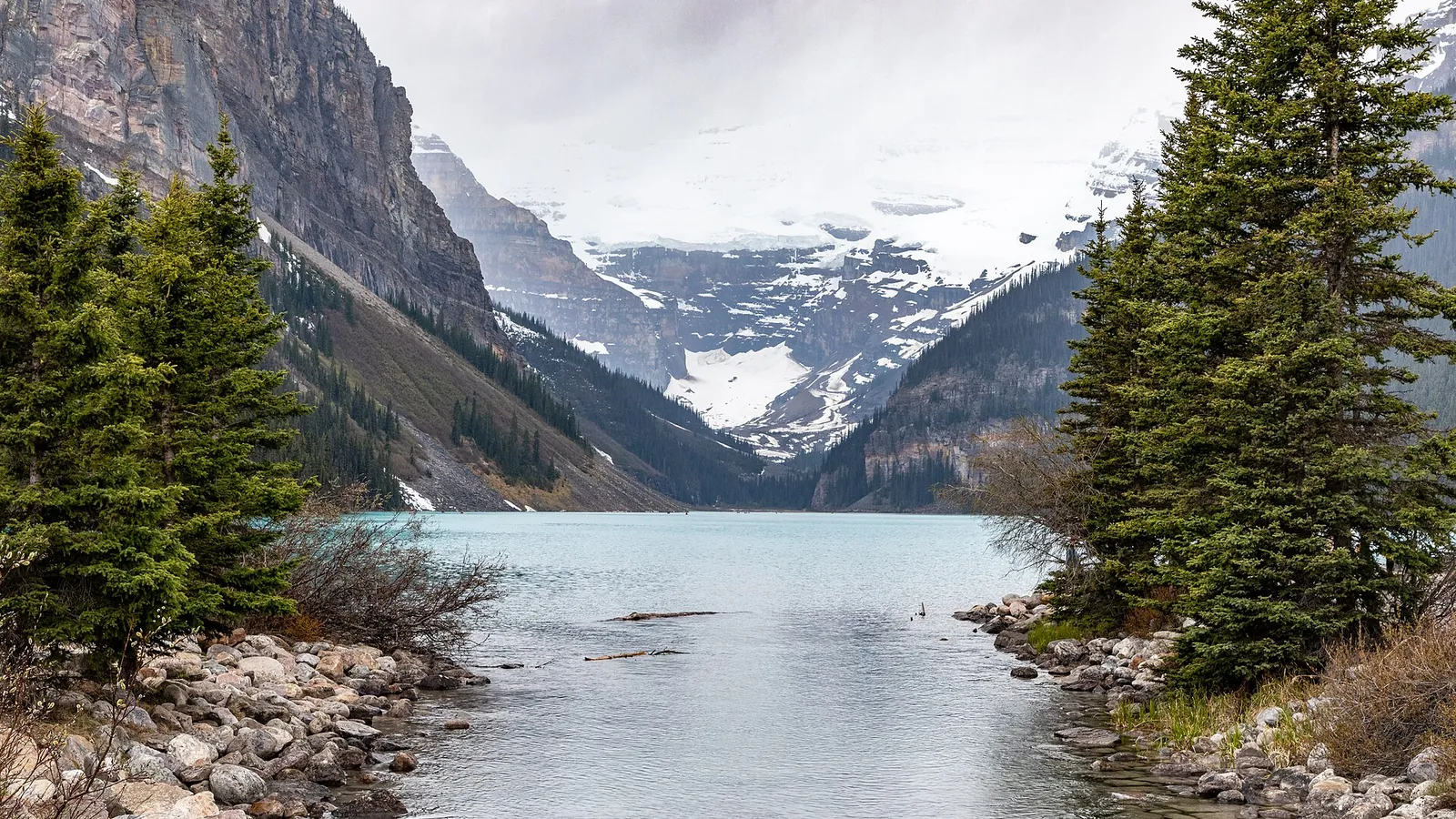
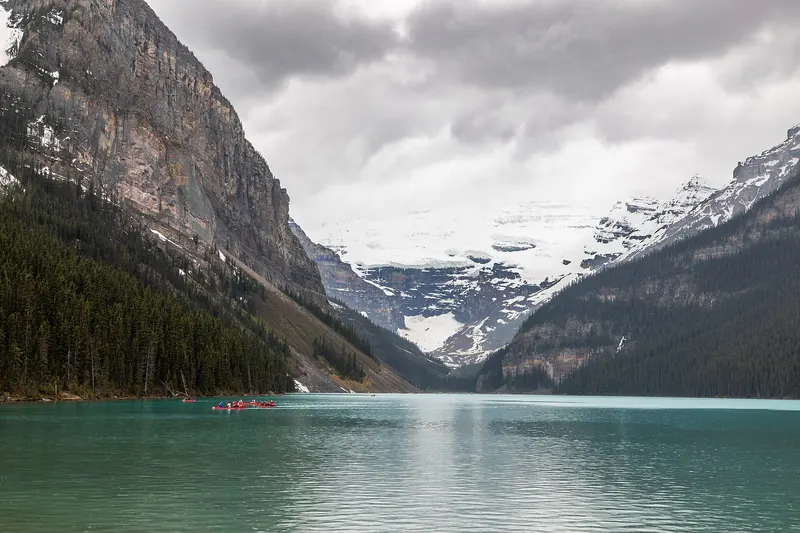
Lake Louise's turquoise water in Banff National Park

Canada · Travel guide

The Complete Canada Travel Guide

Turquoise Rockies lakes, French colonial cities and a wildlife-rich north, spread across the world's second-largest country

  • Reading time 12 min read
  • Covers 10 destinations
  • Updated 2026

Photo: Dietmar Rabich · CC BY-SA 4.0

How to plan a Canada trip: which region to choose, when to go for the best weather and open roads, what it costs, and a practical twelve-day Western Canada itinerary.

How Canada divides

Canada divides into distinct regions separated by real distance, not just a line on a map — a first trip realistically covers one.

Western Canada. Vancouver, Whistler, Banff and Lake Louise and Jasper — mountains, glacial lakes and the country's most photographed scenery.

Central Canada. Toronto, Niagara Falls, Montreal and Quebec City — the country's biggest cities and its French colonial heart, all connected by a manageable train corridor.

The Maritimes. Prince Edward Island — a slower, seafood-and-lighthouses side of Canada, distinct from either coast.

The North. Churchill — polar bears, beluga whales and the northern lights, reached only by plane or a long train ride.

Worth knowing: Most first-time visitors pick Western Canada's mountains or Central Canada's cities — both work as complete trips on their own and don't require internal flights within the region itself.

Choosing between the ten destinations

  • If this is your first trip

    Vancouver, Banff and Lake Louise and Jasper, the classic Rockies route.

  • If you want walkable historic cities

    Montreal and Quebec City, Canada's most European-feeling corner.

  • If you're travelling with kids or want an easy city break

    Toronto paired with Niagara Falls, an easy, low-effort combination.

  • If you want skiing or mountain adventure

    Whistler, one of North America's best ski resorts.

  • If you want a slower, seafood-focused pace

    Prince Edward Island, a world away from the mountain parks.

  • If you want a singular wildlife experience

    Churchill, the polar bear capital of the world.

Getting around: flights, driving, and one common mistake

Canada's continental scale means flying between regions and driving within them, rather than one mode covering the whole trip.

Fly between regions, don't drive. Vancouver to Toronto takes over 40 hours by road versus 4.5 hours by air.

Rent a car for the Rockies. Banff and Lake Louise and Jasper have limited public transport between viewpoints and trailheads.

Use the train corridor in Central Canada. Toronto, Montreal and Quebec City are well connected by frequent Via Rail service, no car needed.

Book Churchill flights well ahead. Churchill has no road access — flights from Winnipeg are the only fast way in.

Worth knowing: Book flights and Rockies lodging months ahead for a July or August trip — Banff and Jasper's peak season sells out early.

When to go

Canada's vast range means 'the best time' depends heavily on region, though June to September works well almost everywhere.

Summer brings the most reliable weather nationwide, with every mountain road and trail open.

Winter is superb for skiing in Whistler and Banff, and for aurora and polar bear viewing in Churchill, though many mountain routes close.

Shoulder seasons (spring and fall) are workable in the cities, with fall offering excellent colour in the Rockies and Quebec alike.

Worth knowing: Book Banff, Jasper and Whistler accommodation several months ahead for peak summer or ski season — both sell out their best options early.

Four routes that work

  1. Six days: the Rockies highlights

    Banff and Lake Louise and Jasper, the most popular short Canada itinerary, flying into Calgary.

    Tip Fly into Calgary rather than Vancouver — it's much closer to the Rockies.

  2. Twelve days: the classic Western Canada loop

    The itinerary on the Canada country page: Vancouver, Whistler, Banff and Lake Louise and Jasper. A complete first look at Western Canada.

    Tip Book Moraine Lake's shuttle or arrive before 6am — the access road often closes to regular cars by mid-morning in peak season.

  3. A week focused on Central Canada's cities

    Toronto, Niagara Falls, Montreal and Quebec City, connected by train.

    Tip No car needed — Via Rail's corridor covers this entire route comfortably.

  4. A Maritimes or Churchill add-on for a second trip

    Prince Edward Island or Churchill, the parts of Canada most first-time visitors never see.

    Tip Book Churchill's polar bear season (October–November) flights and lodges up to a year ahead — capacity is limited.

Reference

The 10 destinations in this guide

Every place named above has its own detailed guide — attractions, food, where to stay, how to get around and a suggested day-by-day plan.

Nature & WildlifeNational Park

Banff & Lake Louise

Alberta

The postcard image of the Canadian Rockies, home to Lake Louise, Moraine Lake and a charming mountain town in Canada's first national park.

Don't miss Standing at Lake Louise's shoreline at sunrise, the water so still it perfectly mirrors the glacier and peaks behind it.

Explore Destination — Banff & Lake Louise
Nature & WildlifeNational Park

Jasper National Park

Alberta

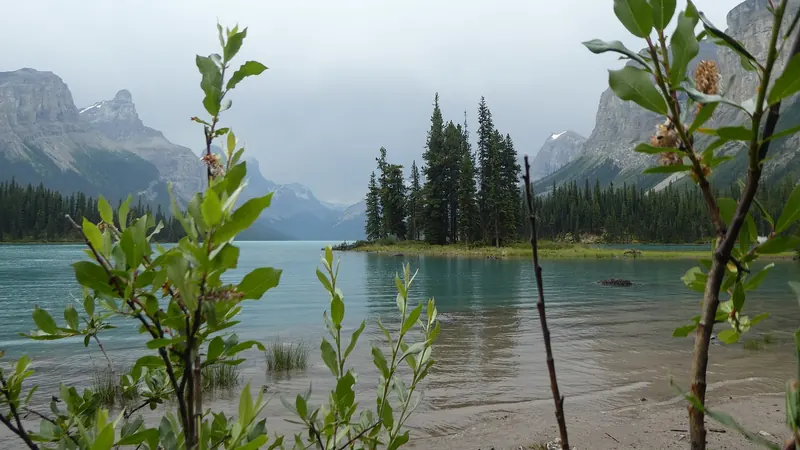
A wilder, quieter half of the Canadian Rockies, home to the walkable Athabasca Glacier, Maligne Lake's Spirit Island and one of the world's largest dark sky preserves.

Don't miss Standing on the Athabasca Glacier's ancient ice, a river of frozen water older than any city on Earth flowing imperceptibly beneath your boots.

Explore Destination — Jasper National Park
Major CityCoast & Beaches

Vancouver

British Columbia

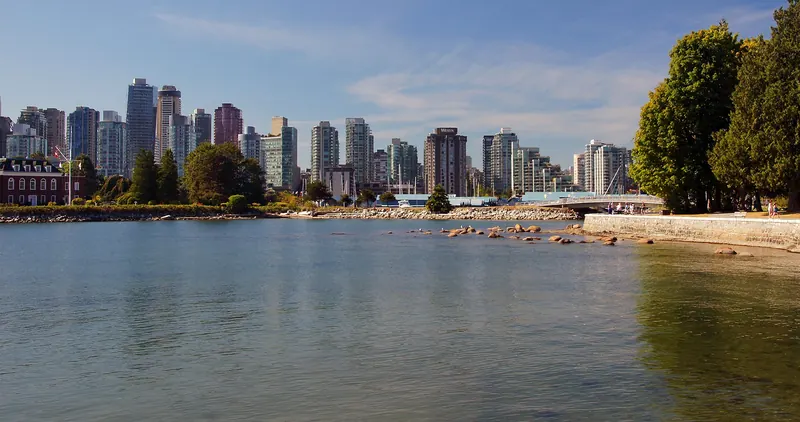
A rare city where mountains, forest and ocean all meet downtown, home to Stanley Park, Granville Island and some of North America's best Asian food.

Don't miss Cycling the Stanley Park seawall at golden hour, downtown's glass towers on one side and the Coast Mountains rising straight from the water on the other.

Explore Destination — Vancouver
MountainsAdventure

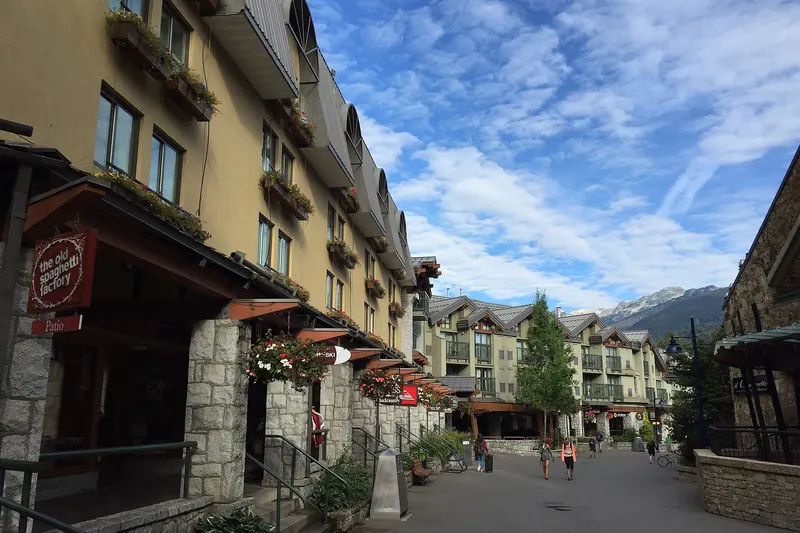
Whistler

British Columbia

North America's largest ski resort, reached via the scenic Sea to Sky Highway, with genuine year-round mountain adventure beyond winter sports.

Don't miss Riding the Peak 2 Peak Gondola between Whistler and Blackcomb, the valley floor over 400 metres below the world's longest unsupported cable span.

Explore Destination — Whistler
Major CityCulture Arts

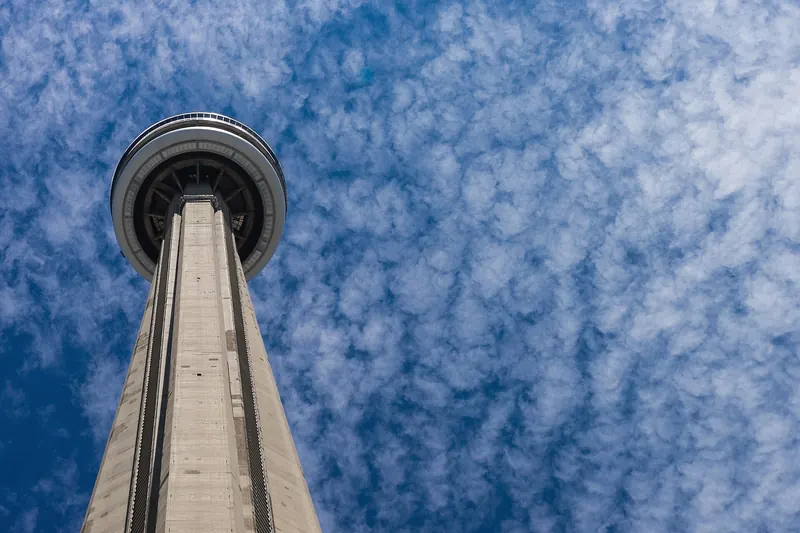
Toronto

Ontario

Canada's largest and most multicultural city, home to the CN Tower, the Distillery District's Victorian warehouses and neighbourhoods representing the world.

Don't miss Standing on the CN Tower's glass floor, 342 metres of open air the only thing between your feet and the street below.

Explore Destination — Toronto
Nature & WildlifeScenic Region

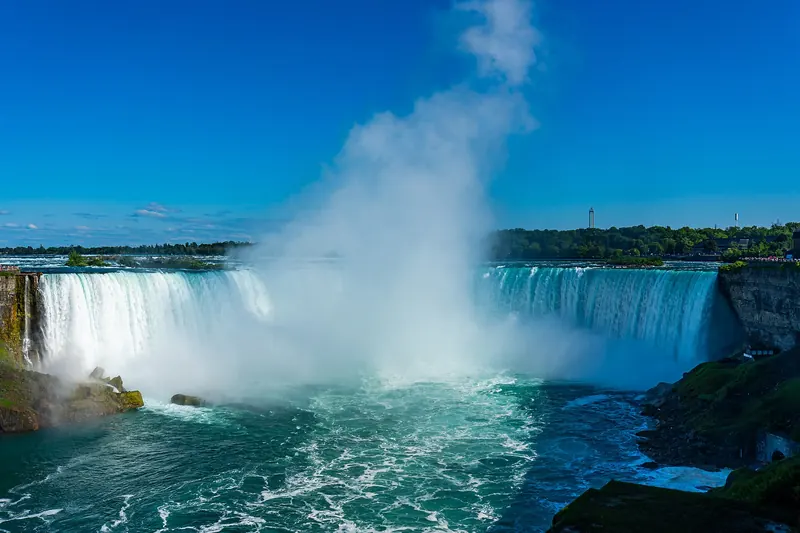
Niagara Falls

Ontario

One of the world's most powerful waterfalls, straddling the US-Canada border, with Niagara-on-the-Lake's wine country just up the parkway.

Don't miss Standing at the rail as the boat pushes right into Horseshoe Falls' mist, the roar suddenly drowning out every other sound.

Explore Destination — Niagara Falls
Major CityCulture Arts

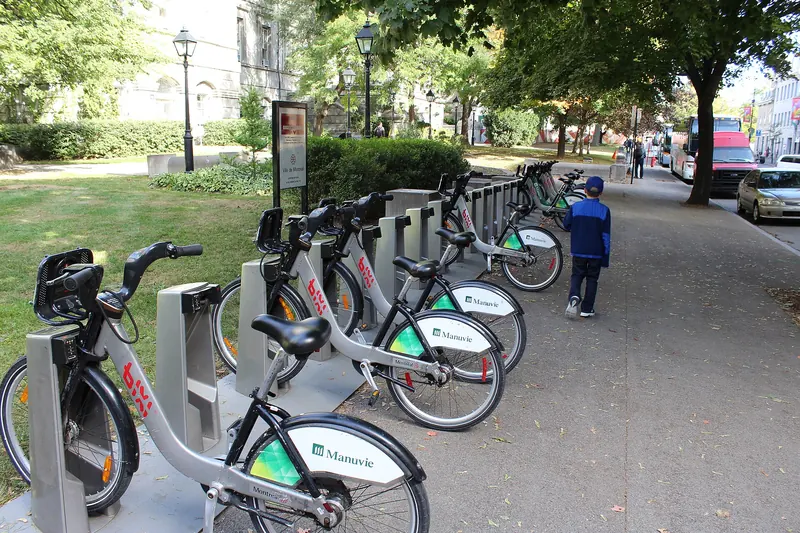
Montreal

Quebec

North America's most European-feeling city, home to French colonial Old Montreal, Notre-Dame Basilica and a food scene built for eating well.

Don't miss Standing beneath Notre-Dame Basilica's deep blue, gold-starred ceiling, one of the most ornate church interiors anywhere on the continent.

Explore Destination — Montreal
Historic SiteUNESCO Site

Quebec City

Quebec

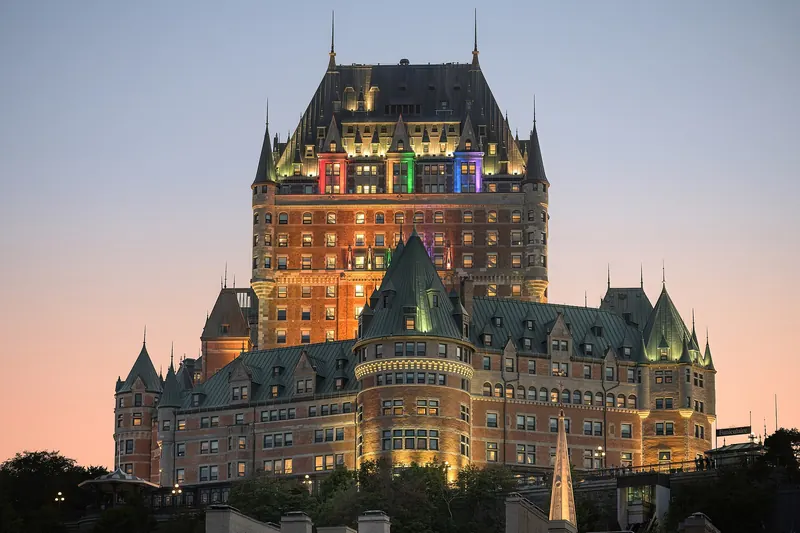
The only walled city north of Mexico in North America, home to Château Frontenac, Old Quebec's colonial streets and Montmorency Falls nearby.

Don't miss Watching the sun set from Dufferin Terrace, Château Frontenac glowing above the St Lawrence River exactly as it has for well over a century.

Explore Destination — Quebec City
Coast & BeachesCountryside

Prince Edward Island

Prince Edward Island

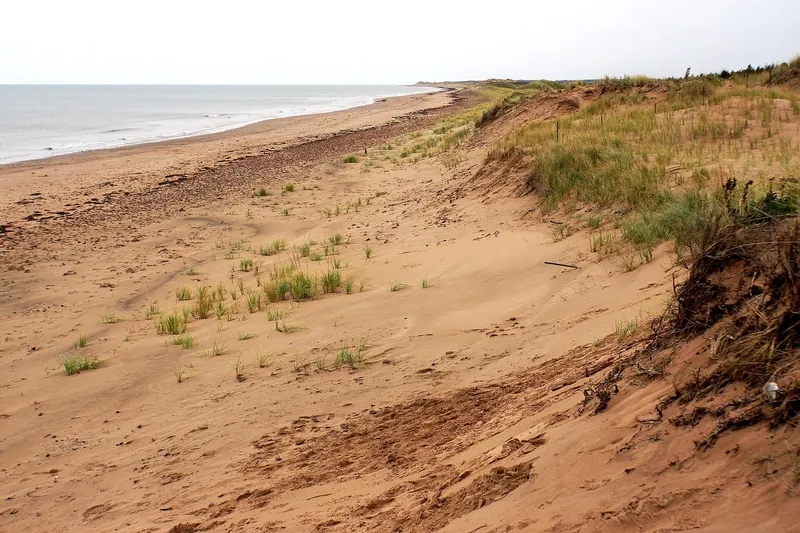
Canada's smallest province, home to the red sand beaches and farmland that inspired Anne of Green Gables, plus some of the country's best seafood.

Don't miss Walking a red sand beach at low tide, the cliffs behind glowing rust-orange in the evening light exactly as they do in the books that made this island famous.

Explore Destination — Prince Edward Island
WildlifeNature & Wildlife

Churchill

Manitoba

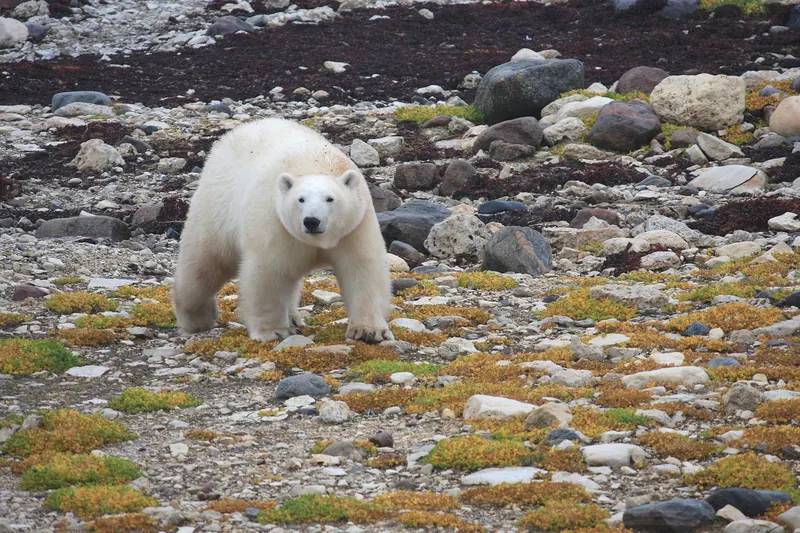
A remote town on Hudson Bay famous for wild polar bears, summer beluga whales and some of the best northern lights viewing in North America.

Don't miss Watching wild polar bears from the safety of a Tundra Buggy as they wait on the shore for Hudson Bay to freeze.

Explore Destination — Churchill

Back to the Canada country page

FAQ

Planning a trip to Canada

How many days do you need in Canada?

Ten to fourteen days covers one region properly, such as the Western Canada loop in this guide. Six days works for a focused Rockies-only trip.

Should I fly into Vancouver or Calgary for the Rockies?

Calgary sits much closer to Banff and Jasper; Vancouver adds a worthwhile city and the Sea to Sky Highway if you have the extra days.

Do you need a car in Canada?

Not in Toronto, Montreal or Quebec City, which are well connected by train and transit, but yes for the Rockies and Prince Edward Island.

Is one trip enough to see Canada?

No, not — the country's regions differ enough that most visitors return for a second, entirely different trip rather than trying to add more to one.

Advertisement