
Old Montreal's historic streets

Quebec · Canada

Montreal

North America's most European-feeling city, French colonial streets and a mountain-park summit backed by a food scene built for eating well.

  • Best time June to September for warm weather and festival season
  • Stay 3 days
  • Good for Food, history, European atmosphere

Photo: Ken Lund from Reno, Nevada, USA · CC BY-SA 2.0

Welcome to Montreal

Montreal is North America's most European-feeling city, French colonial architecture and a bilingual street life setting it apart from anywhere else on the continent.

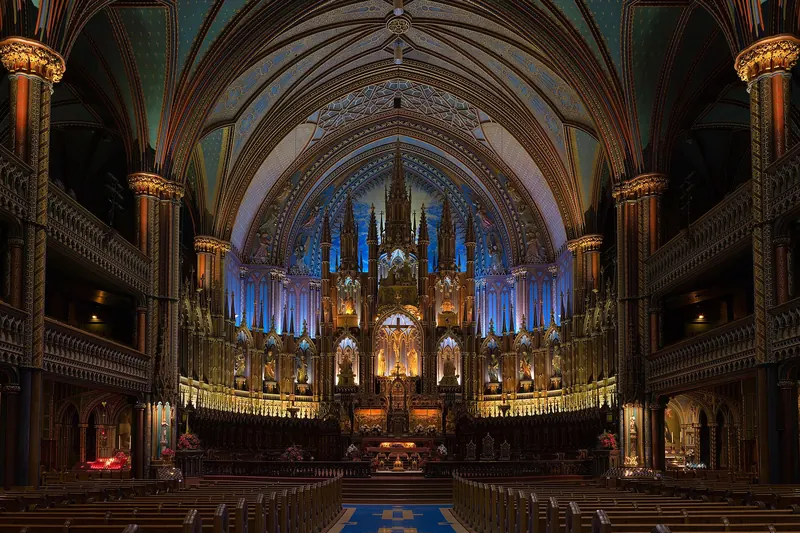
Old Montreal's cobblestone streets anchor the historic core, with Notre-Dame Basilica's astonishing interior among the city's true must-sees.

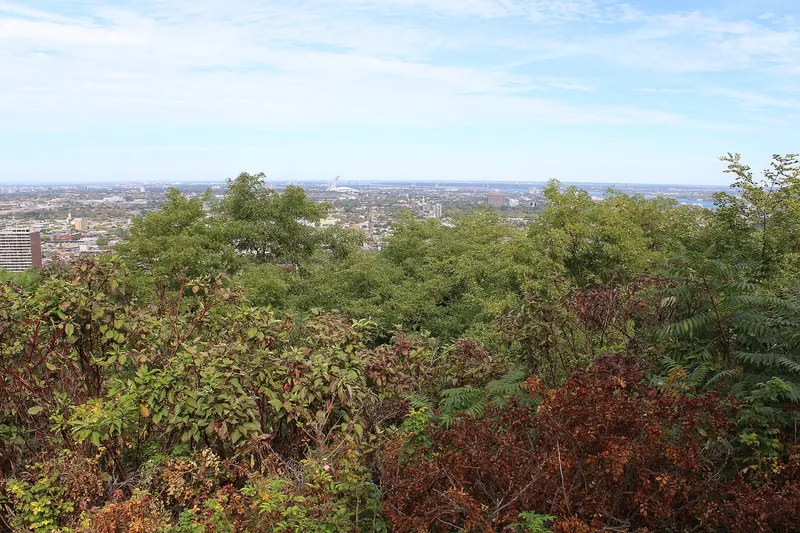
Above it all sits Mount Royal, the wooded hill that gave the city its name, its summit park offering one of the best skyline views in Canada.

  • Major City
  • Culture Arts
  • Food & Wine
  • Historic Site

Why visit

Why visit Montreal?

Montreal's case rests on a French colonial character found nowhere else in North America, paired with an outstanding food scene.

  • It's North America's most European city

    French language, architecture and café culture set it apart from anywhere else on the continent.

  • Notre-Dame Basilica is one of the continent's finest church interiors

    A deep blue, gold-starred ceiling unlike almost anywhere else.

  • The food scene is exceptional

    Smoked meat, bagels and a real, serious restaurant culture beyond the classics.

  • Mount Royal Park is a real asset

    A genuine wooded escape with skyline views, designed by the same architect behind New York's Central Park.

  • It works well paired with Quebec City

    An easy, frequent train ride to the province's even more French-feeling capital.

Main attractions

Top things to see in Montreal

Montreal's essential sights are spread between Old Montreal's historic core and the mountain park above it.

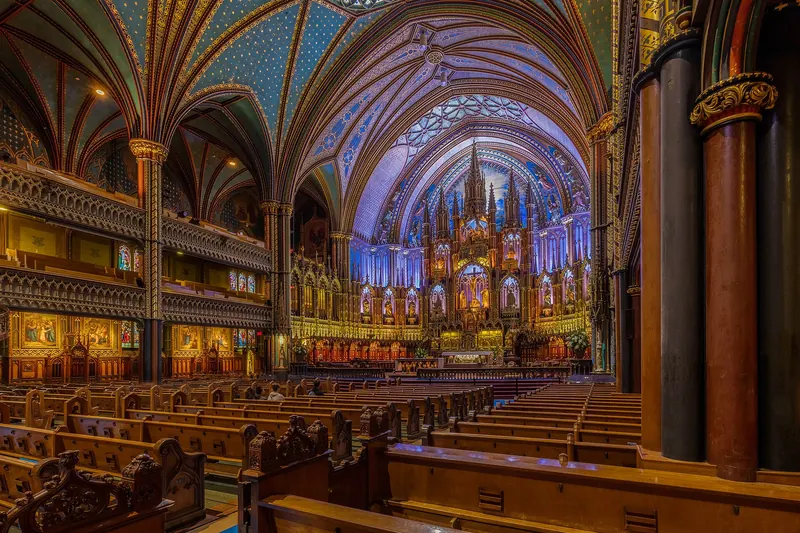
  1. The interior of Notre-Dame Basilica in Montreal

    Notre-Dame Basilica's interior

    One of the most ornate church interiors in North America, a deep blue, gold-starred ceiling above intricate wood carving.

    Tip Check for an evening sound and light show, held on select nights.

  2. Old Montreal's historic cobblestone streets

    Old Montreal's cobblestone streets

    A well-preserved 17th- and 18th-century quarter, stone buildings and narrow lanes lending real French colonial atmosphere.

    Tip Wander without a fixed route — the neighbourhood rewards getting a little lost.

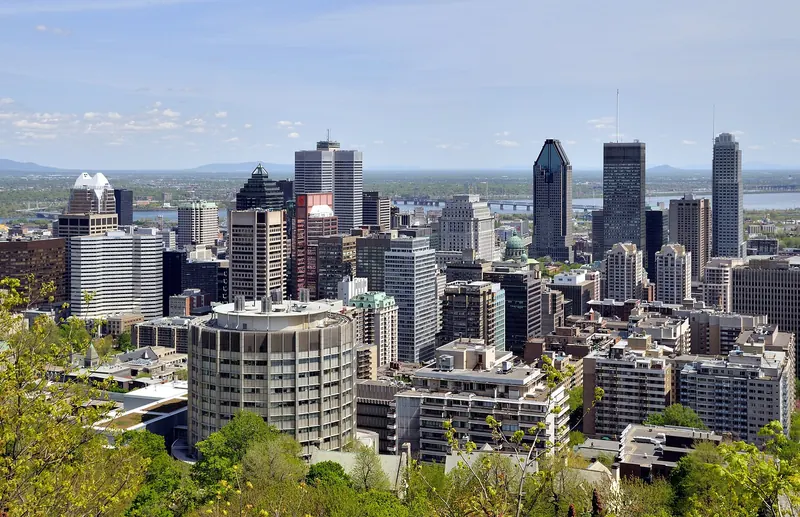
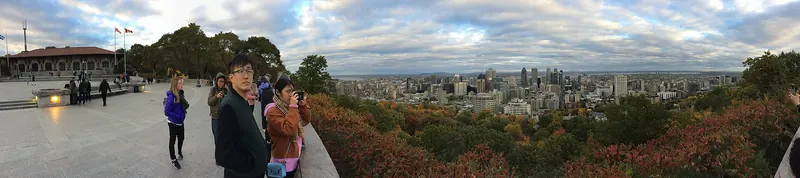
  3. The view from Mount Royal Lookout in Montreal

    Mount Royal Lookout

    The city's best skyline view, from a park designed by Frederick Law Olmsted, the same architect behind Central Park.

    Tip A rewarding walk or drive up, with a second, quieter lookout further along the summit.

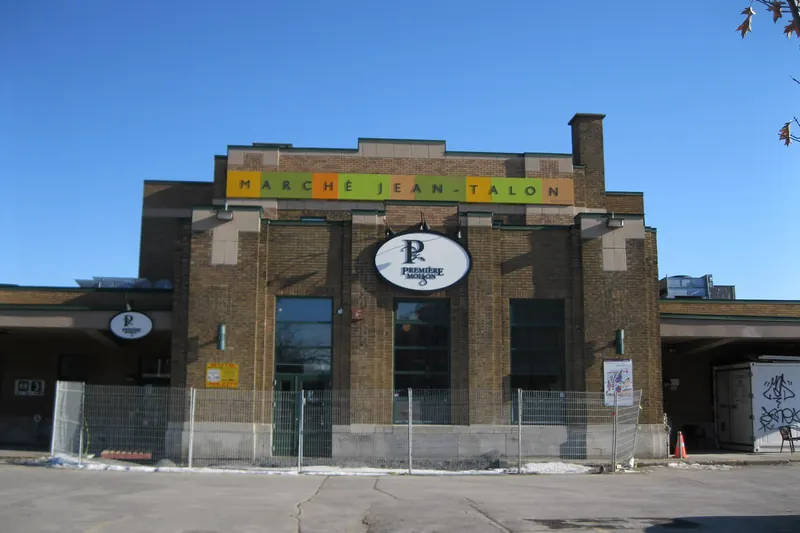
  4. Jean-Talon Market in Montreal

    Jean-Talon Market

    One of North America's largest public markets, stalls piled with Quebec produce, cheese and prepared foods.

    Tip Combine with a wander through the neighbouring Little Italy district.

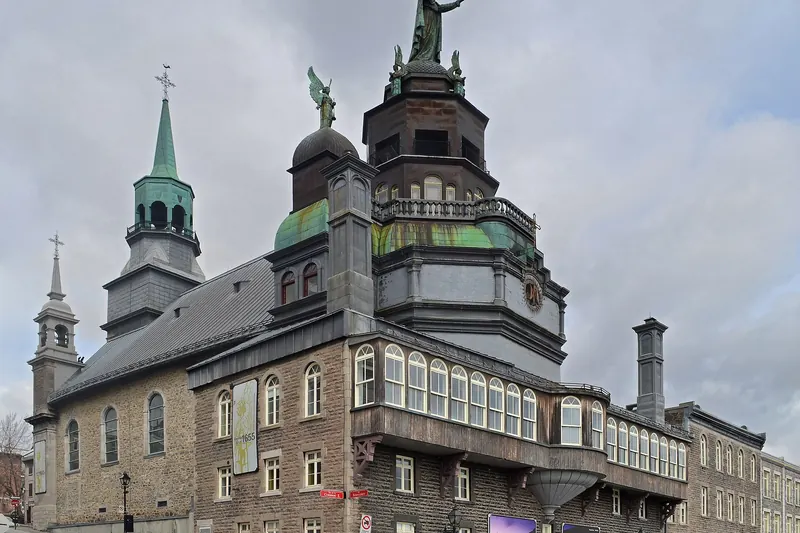
  5. Notre-Dame-de-Bon-Secours Chapel in Montreal

    Notre-Dame-de-Bon-Secours Chapel

    Known as the Sailors' Church, one of the city's oldest, with a rooftop offering harbour views.

    Tip Climb the tower for a view over the Old Port that most visitors miss.

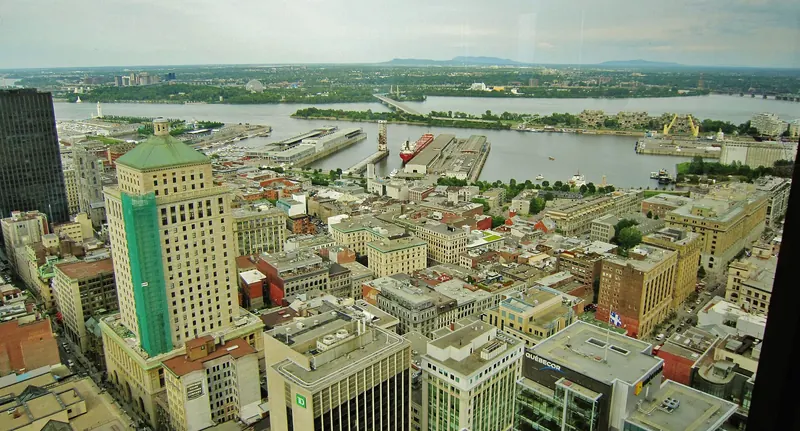
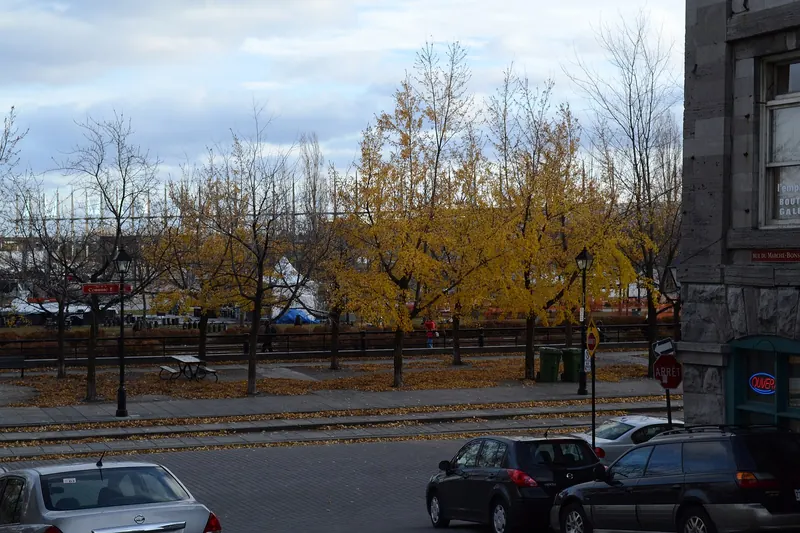
  6. The Old Port in Montreal

    The Old Port

    A lively waterfront promenade, once a working harbour, now home to parks, bike paths and river cruises.

    Tip A nice spot for an evening walk once the day's heat has eased.

  7. Montreal's downtown skyline

    Montreal's downtown skyline

    A striking mix of modern towers and historic spires, best appreciated from Mount Royal or the river.

    Tip A river cruise offers a completely different angle on the skyline than the standard viewpoints.

Things to do

Best things to do in Montreal

Montreal rewards splitting time between Old Montreal's history and the city's real food and market culture.

  1. Touring Notre-Dame Basilica's interior in Montreal

    Tour Notre-Dame Basilica's ornate interior

    An essential Montreal experience, taking in one of the most ornate church interiors in North America.

    Tip Book the AURA light show for an evening visit that shows the basilica in a completely different light.

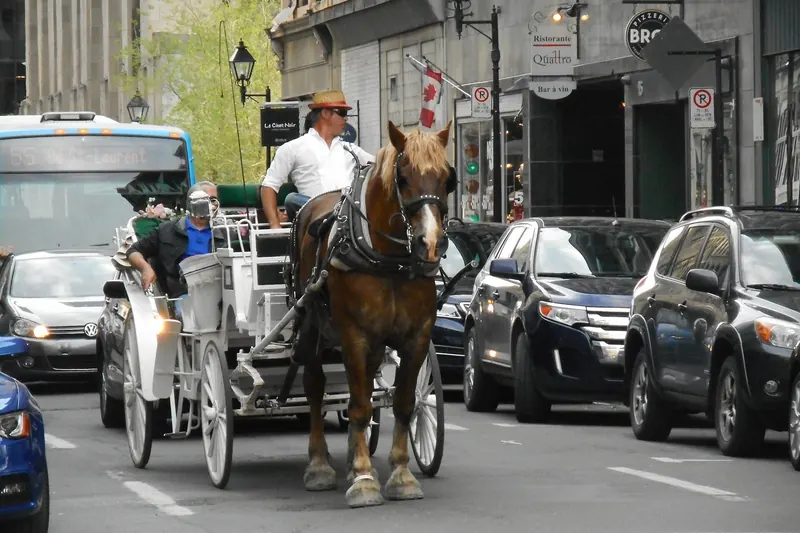
  2. A horse-drawn carriage in Old Montreal

    Wander Old Montreal by horse-drawn carriage

    A charming, old-fashioned way to see the historic quarter, though walking works just as well.

    Tip Agree the price and route ahead if you do choose a carriage ride.

  3. The view from Mount Royal Park in Montreal

    Hike or picnic in Mount Royal Park

    An essential green escape, trails and picnic spots throughout the park that gave the city its name.

    Tip Visit at golden hour for the best light over the skyline from the lookout.

  4. Fresh produce at Jean-Talon Market in Montreal

    Sample fresh produce at Jean-Talon Market

    A delicious way to spend a morning, sampling Quebec cheese, maple products and seasonal produce.

    Tip Arrive hungry — the market's prepared food stalls are worth the trip alone.

  5. The Old Port waterfront in Montreal

    Stroll the Old Port waterfront

    A relaxed way to spend an afternoon, cycling or walking the promenade along the St Lawrence River.

    Tip Rent a bike here to cover more of the waterfront path than walking alone.

  6. Explore Montreal's Underground City

    A practical Montreal institution, a vast network of tunnels connecting shops, metro stations and offices below downtown.

    Tip A smart way to get around on a cold winter day without going outside.

Local food

What to eat in Montreal

Montreal's food stands apart from the rest of Canada, with its own distinct Quebec specialities.

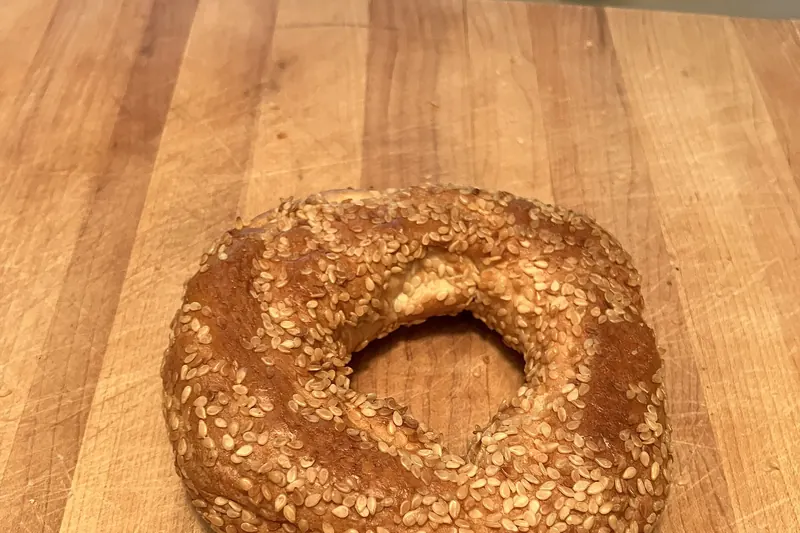
  • A Montreal-style bagel

    Montreal-style bagels

    Distinct from New York bagels, smaller, sweeter and wood-fired, a real point of local pride.

    Where to try it Bagel bakeries throughout Montreal, especially the city's oldest ones.

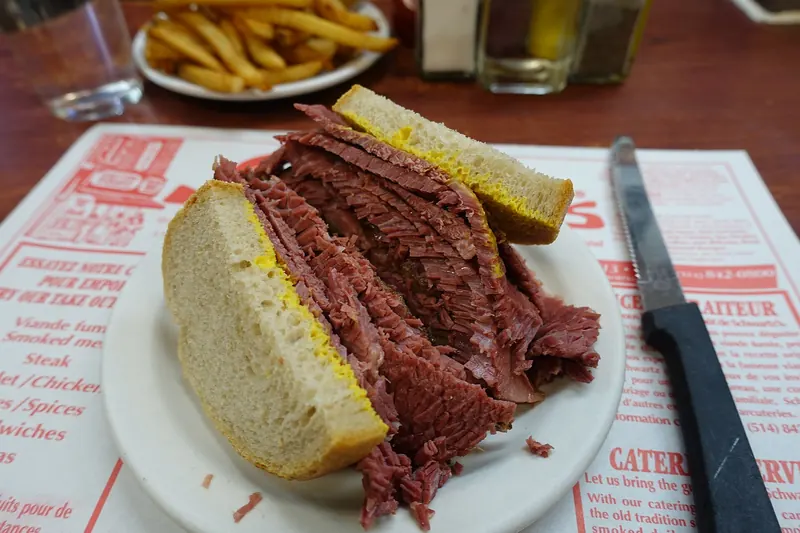
  • A smoked meat sandwich, a Montreal specialty

    Smoked meat sandwich

    A Montreal institution, brisket cured and smoked in-house, piled high on rye bread.

    Where to try it Schwartz's Deli, the dish's most famous and historic source.

  • Poutine, Canada's fries, cheese curds and gravy dish

    Poutine

    Born in rural Quebec, and Montreal is one of the best places to try it properly.

    Where to try it Restaurants and late-night diners throughout the city.

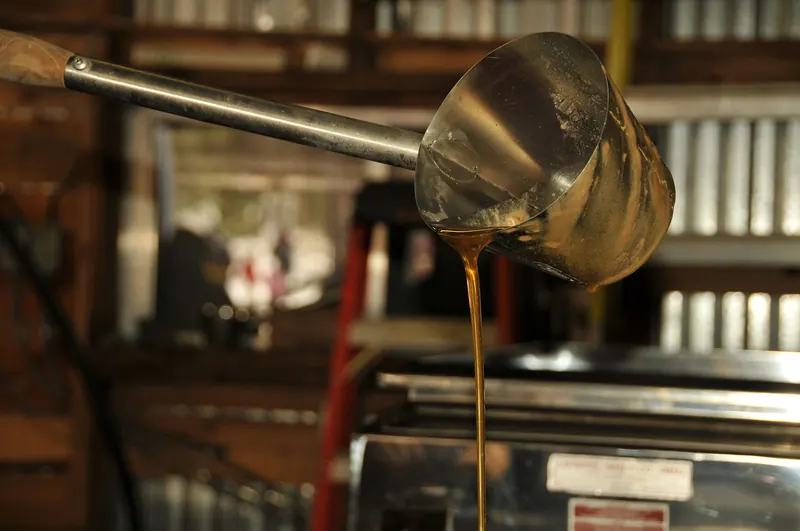
  • Maple sap, the source of Quebec's maple syrup

    Maple products

    A real point of pride, Quebec producing most of the world's maple syrup supply.

    Where to try it Markets and specialty shops throughout the city.

  • Tourtière (meat pie)

    A traditional Quebec comfort food, a spiced meat pie especially popular around the winter holidays.

    Where to try it Traditional Quebec restaurants throughout Montreal.

  • Quebec cheese

    An underrated part of the province's food scene, with a real artisanal cheese-making tradition.

    Where to try it Jean-Talon Market and specialty cheese shops throughout the city.

Accommodation

Where to stay in Montreal

Montreal offers accommodation for every budget, with Old Montreal commanding the highest prices.

  • Old Montreal

    The most atmospheric, though also the priciest, part of the city to stay.

    Best for: Being immersed in the city's historic atmosphere

  • The Plateau or Mile End

    Close to the city's best bagel shops and a short metro ride from downtown.

    Best for: A more local, character-filled stay

What a night costs

Budget hostel
C$40–75 per night
Mid-range hotel
C$180–320 per night
Notre-Dame Basilica entry
About C$12–15
Dinner at a mid-range restaurant
About C$30–55 per person

Transport

Getting to and around Montreal

Montreal is well connected by air and by Via Rail's Central Canada corridor.

Getting there

  • Direct international flights

    Available from across North America and Europe.

    Montréal-Trudeau Airport sits about 30 minutes from downtown.

  • Train from Toronto or Quebec City

    Frequent and comfortable, no car needed.

    About 4.5 hours from Toronto, or three hours from Quebec City.

  • Bus or drive from Toronto or Quebec City

    A budget-friendly alternative to the train.

    Similar journey times to rail, with more frequent departures.

Getting around

Montreal's extensive metro covers the city well, with Old Montreal easily walkable once you're there.

  • Metro

    Fast, frequent and easy to use across the city.

    Four lines cover downtown, Old Montreal and the surrounding neighbourhoods.

  • On foot

    The best way to explore Old Montreal itself.

    The historic core is compact and best experienced walking.

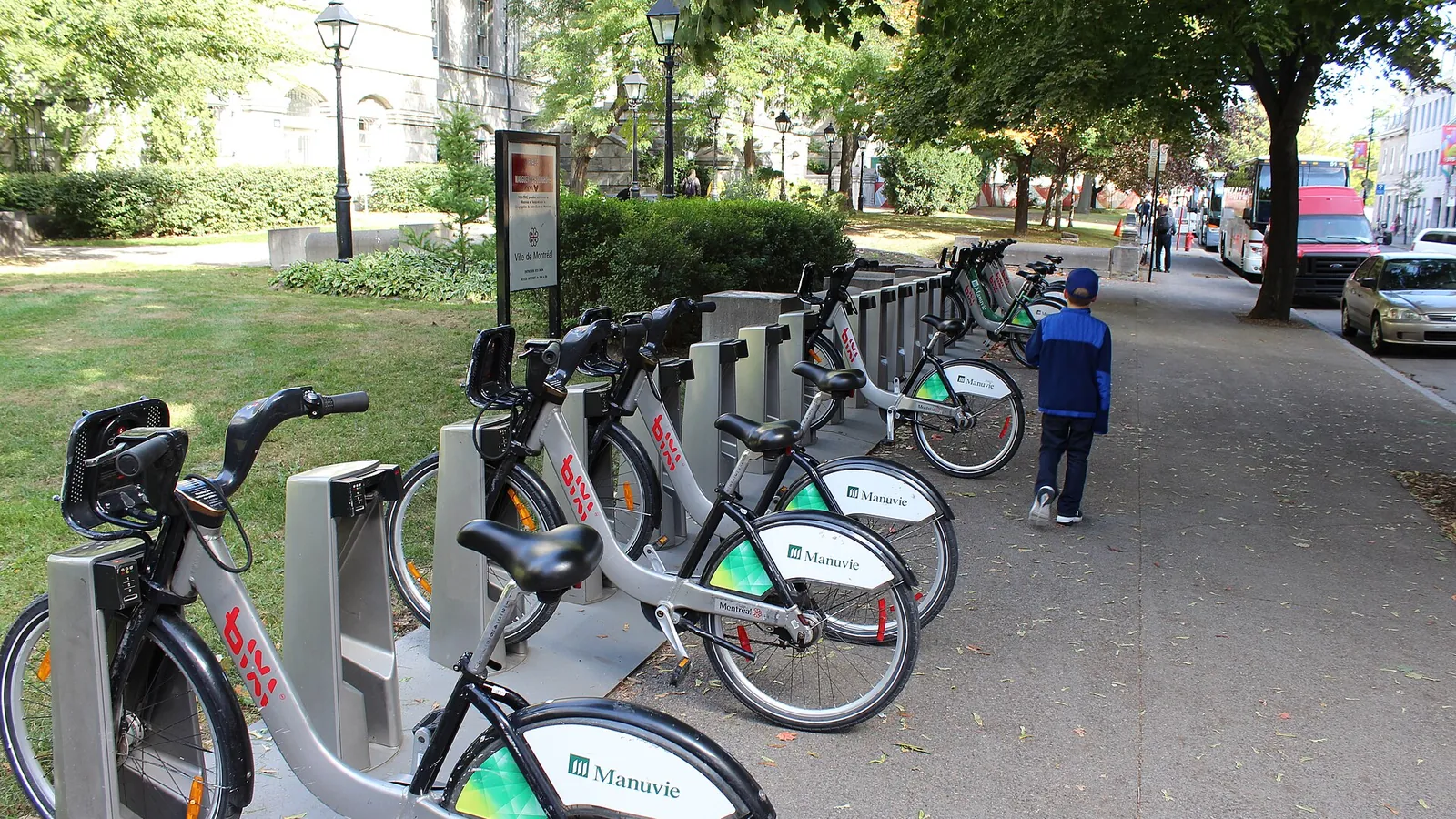
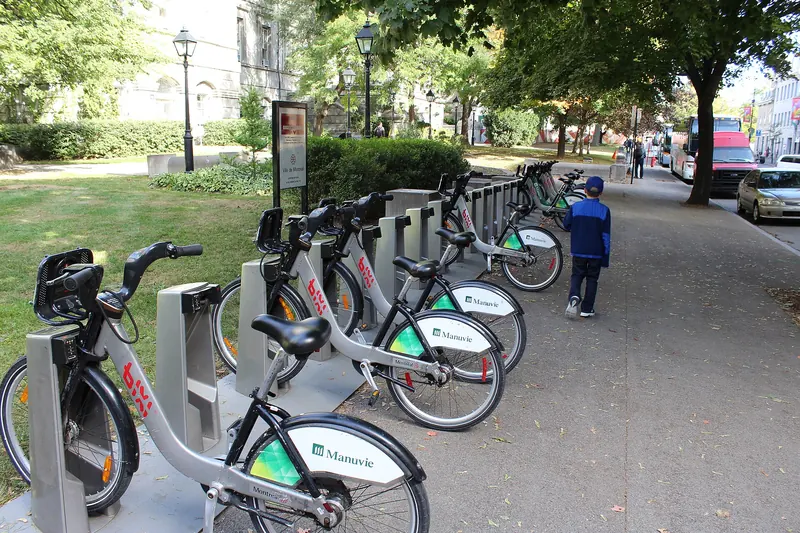
  • BIXI bike share

    A pleasant way to cover more ground, especially along the Old Port.

    Stations are widely available throughout the city in warmer months.

When to go

Best time to visit Montreal

Montreal is known for a packed summer festival calendar, alongside a cold, snowy winter.

  • Summer (June–August)

    Best time

    Warm and lively, with major festivals filling the calendar almost every weekend.

  • Early autumn (September–October)

    Best time

    Comfortable temperatures with excellent fall colour on Mount Royal.

  • Winter (November–March)

    Good

    Cold and snowy, though the Underground City and a lively indoor scene make it workable.

  • Spring (April–May)

    Good

    A mild shoulder season, with maple syrup season in nearby sugar shacks.

Worth planning around: Nothing strongly — Montreal works as a year-round city break, weather permitting.

Itinerary

Three days in Montreal

Built around Old Montreal, Mount Royal Park and the city's food scene.

  1. Day1

    Old Montreal

    The historic core.

    • Morning Notre-Dame Basilica and Notre-Dame-de-Bon-Secours Chapel.
    • Afternoon Wander Old Montreal's cobblestone streets and the Old Port.
    • Evening Dinner in Old Montreal.
  2. Day2

    Mount Royal and the markets

    A day of parks and food.

    • Morning Jean-Talon Market.
    • Afternoon Hike or picnic in Mount Royal Park.
    • Evening A smoked meat sandwich at Schwartz's Deli.
  3. Day3

    The Plateau and Mile End

    A slower day exploring local neighbourhoods.

    • Morning Montreal-style bagels in Mile End.
    • Afternoon Explore the Plateau's street art and boutiques.
    • Evening A final dinner reflecting the city's food scene.

Travel tips

Montreal travel tips

Practical notes that make a Montreal visit noticeably smoother.

  • Book Notre-Dame Basilica's AURA light show ahead for an evening visit.
  • Learn a few basic French phrases — it's appreciated, even if English is widely understood.
  • Try both a smoked meat sandwich and a Montreal bagel — they're different institutions.
  • Use the Underground City in winter to avoid the cold between indoor stops.
  • Check the festival calendar — summer weekends often have a major event underway.
  • Combine Montreal with Quebec City for an easy, frequent train connection.

FAQ

Montreal: frequently asked questions

How many days do you need in Montreal?

Three days covers Old Montreal, Mount Royal Park and the city's food scene comfortably.

Do you need to speak French in Montreal?

No, not — English is widely understood, though French is the primary language and a few phrases are appreciated.

Is Montreal worth visiting compared to Quebec City?

Yes — they offer quite different experiences, with Montreal's bigger-city energy complementing Quebec City's more compact colonial charm.

What is Montreal known for?

Its French colonial architecture, Notre-Dame Basilica, and a food scene including smoked meat sandwiches and Montreal-style bagels.

Is Montreal cold in winter?

Yes, very — temperatures regularly drop well below freezing, though the Underground City makes it manageable.

Can you combine Montreal with Quebec City?

Yes, easily — a frequent train connects the two in about three hours.

Read next

Related travel articles

Food

A Country-by-Country Food Primer

Eating well abroad is mostly a matter of knowing when meals happen, how the menu is structured and which dish belongs to the place you are standing in. This covers all three for the five countries in this guide, plus the signals that separate a restaurant that feeds locals from one that feeds coaches.

Where to go

Beyond the Big Names: Places Worth the Detour

The most visited place in a country is rarely its best, and it is almost never its best value. This is a method for finding the destinations that do not make the postcards — and a set of examples from five of the 50 countries on this site.

Advertisement