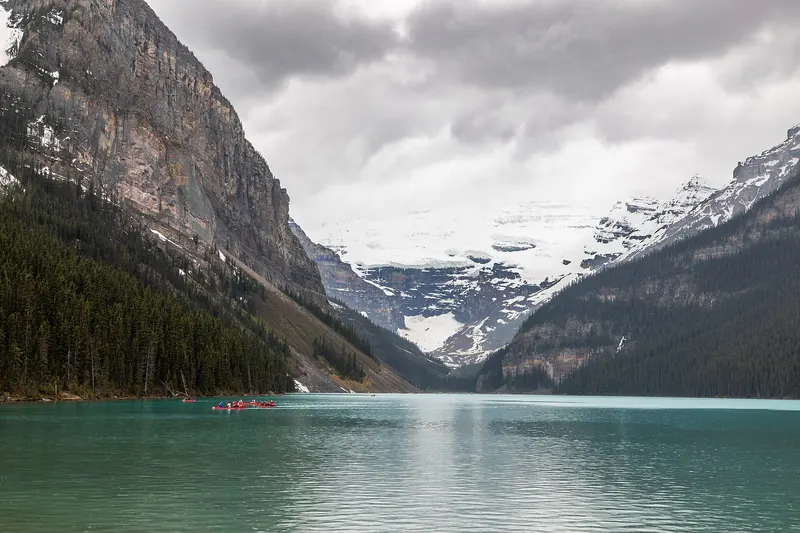
Whistler Village beneath its surrounding mountains

British Columbia · Canada

Whistler

North America's largest ski resort, reached by one of the continent's most scenic drives, with a genuine mountain village at its base.

  • Best time December to March for skiing, June to September for hiking and biking
  • Stay 2-3 days
  • Good for Skiing, mountain biking, alpine scenery

Photo: Richie Diesterheft from Santa Barbara, CA, USA · CC BY-SA 2.0

Welcome to Whistler

Whistler is North America's largest ski resort, twin mountains rising directly above a purpose-built alpine village about two hours north of Vancouver.

Getting there is part of the appeal — the Sea to Sky Highway ranks among the continent's most scenic drives, hugging Howe Sound before climbing into the Coast Mountains.

While winter sports built its reputation, Whistler has become just as much a summer destination, with mountain biking, hiking and lake swimming filling the resort's other half of the year.

  • Mountains
  • Adventure
  • Scenic Region
  • Resort

Why visit

Why visit Whistler?

Whistler's case rests on world-class mountain terrain paired with a proper, walkable village at its base.

  • It's North America's largest ski resort

    Two connected mountains, Whistler and Blackcomb, offering an enormous amount of terrain.

  • The Peak 2 Peak Gondola is an engineering feat

    The world's longest unsupported cable span, linking the two mountains directly.

  • The Sea to Sky Highway is one of the best drives in North America

    A dramatic coastal and mountain route between Vancouver and Whistler.

  • It's a real year-round destination

    World-class mountain biking and hiking take over once the snow melts.

  • The village itself is well designed

    A car-free, walkable base area built specifically around ski-in, ski-out convenience.

Main attractions

Top things to see in Whistler

Whistler's essential sights are spread across its village, the mountains above it, and the drive to reach it.

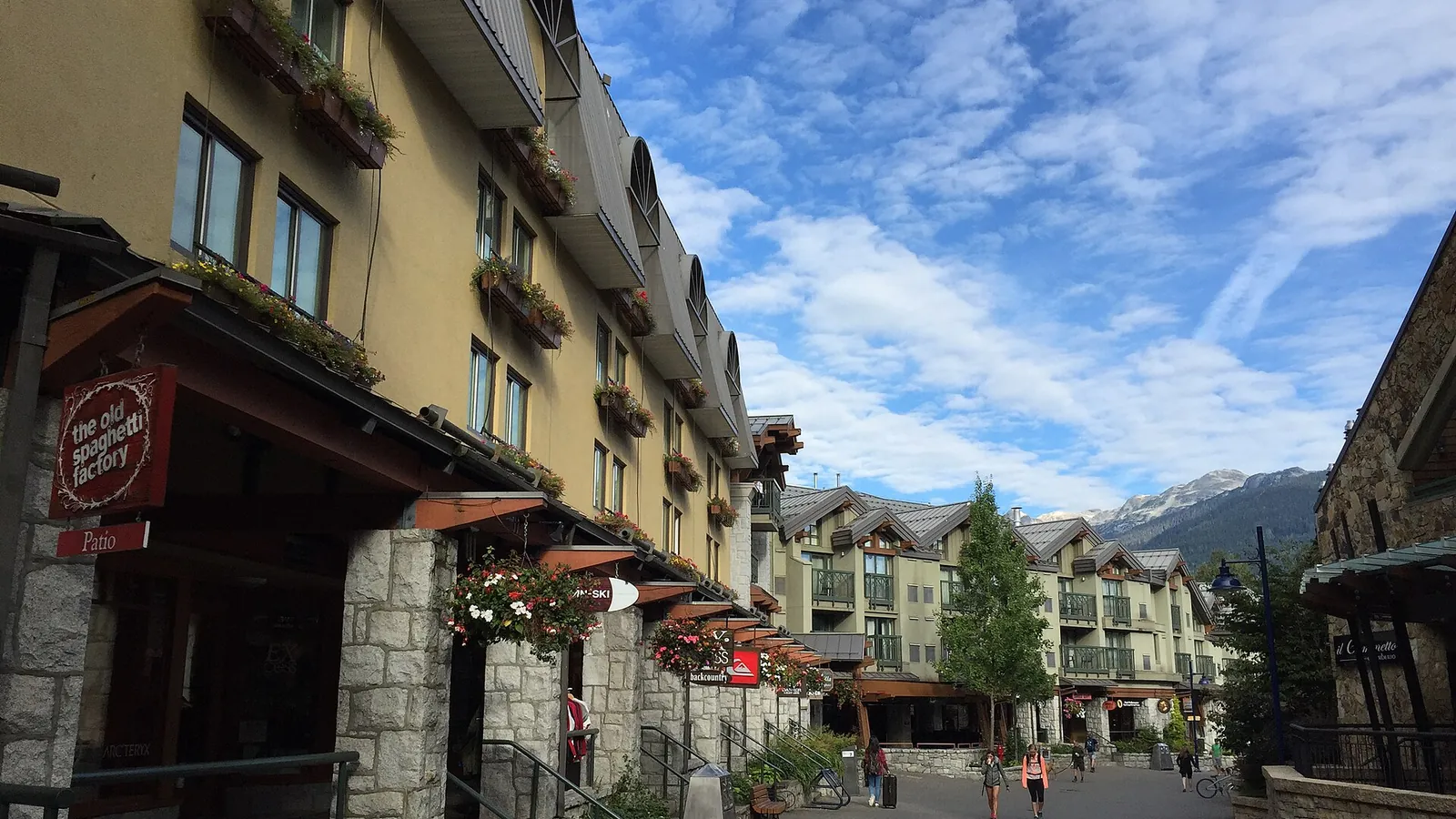
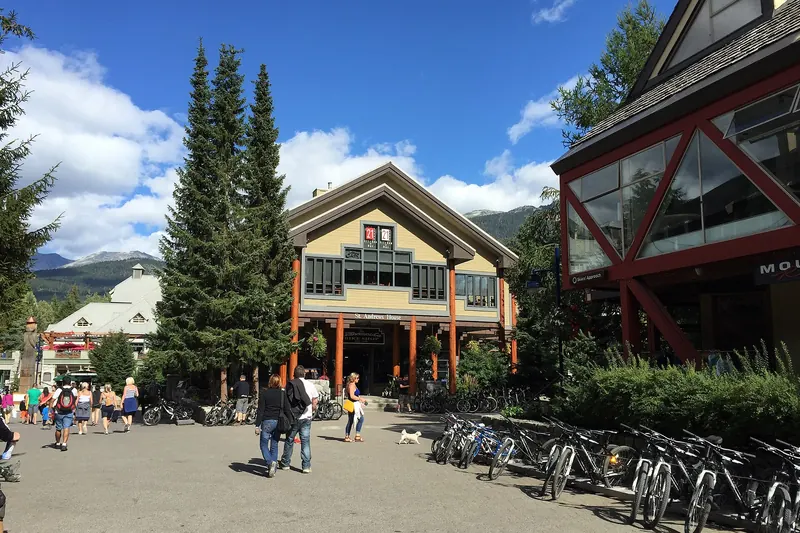
  1. Whistler Village at the base of the mountains

    Whistler Village

    A purpose-built, car-free alpine village, its cobbled squares lined with shops, restaurants and bars.

    Tip Explore both Whistler Village and the smaller, quieter Village North just beyond it.

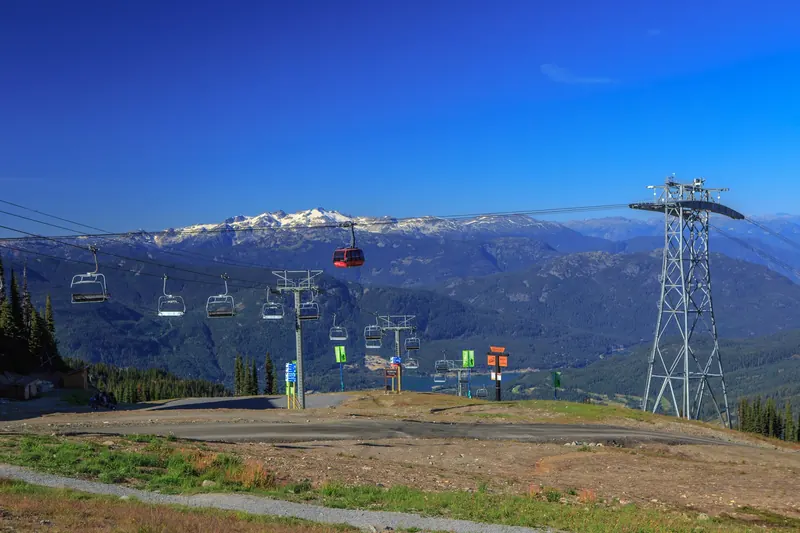
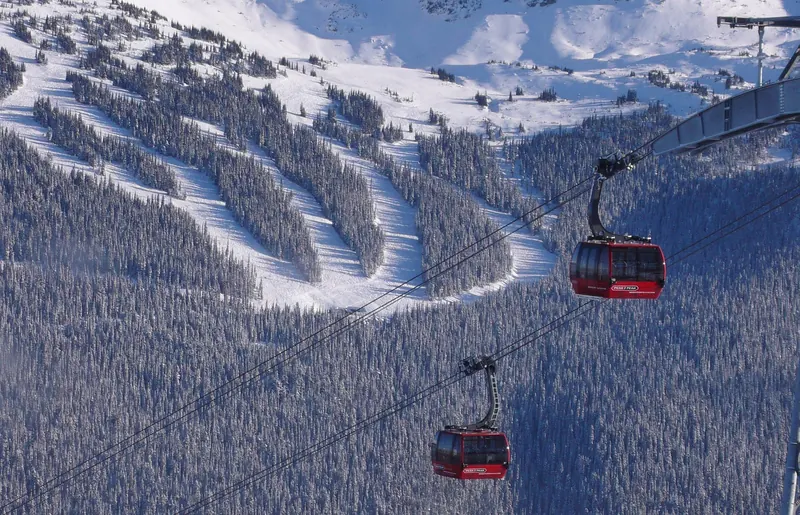
  2. The Peak 2 Peak Gondola connecting Whistler and Blackcomb

    The Peak 2 Peak Gondola

    The world's longest unsupported cable span, linking Whistler and Blackcomb mountains 436 metres above the valley.

    Tip Ride it even if you're not skiing — it runs for sightseers too, with glass-bottomed cabins on some cars.

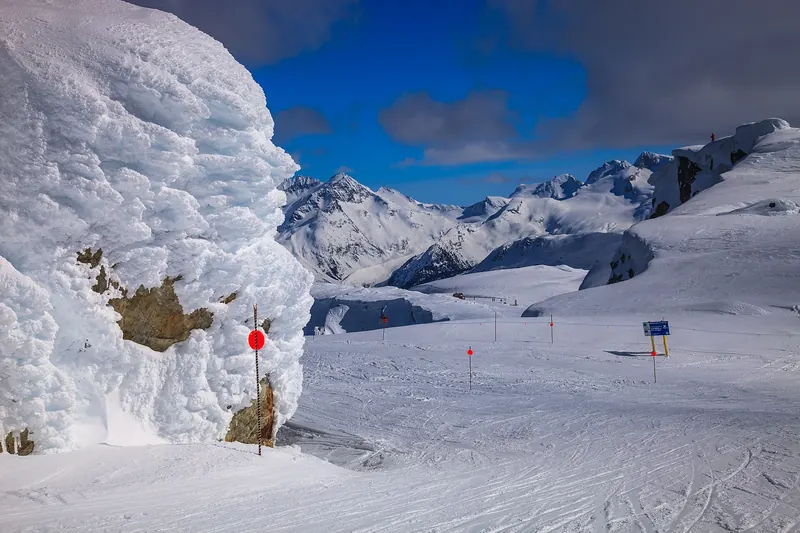
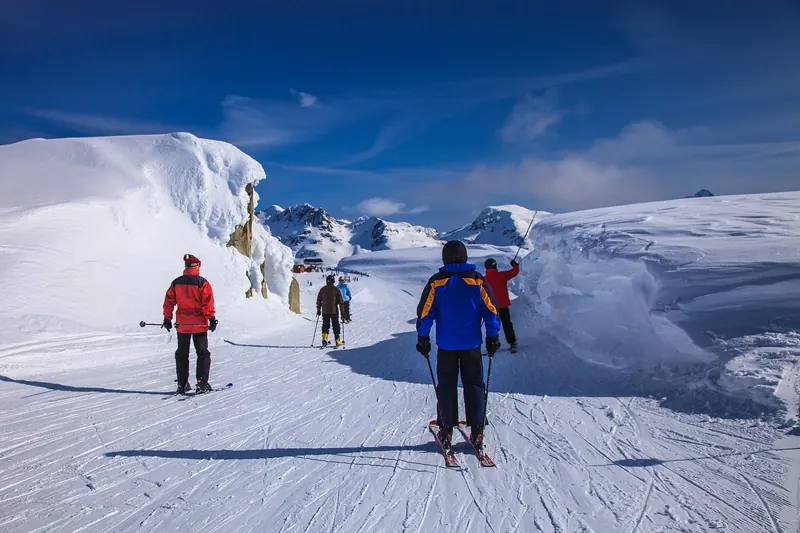
  3. The ski slopes at Whistler Blackcomb

    Whistler Blackcomb's slopes

    North America's largest ski resort by terrain, with runs for every level across two connected mountains.

    Tip Book lift tickets and rentals online ahead in peak ski season.

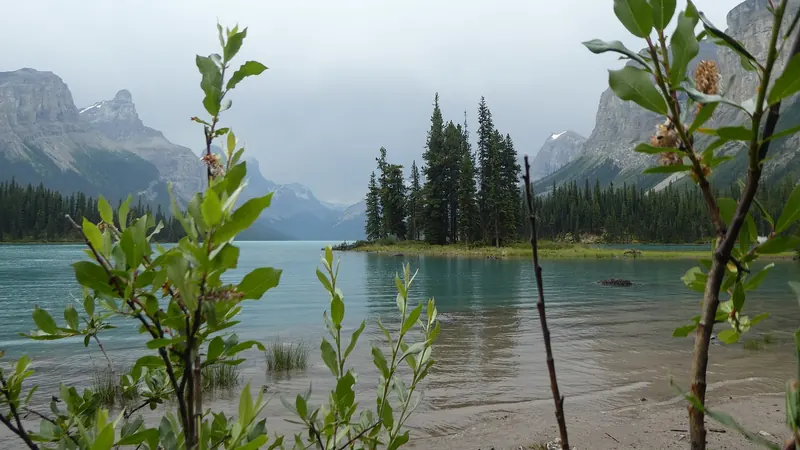
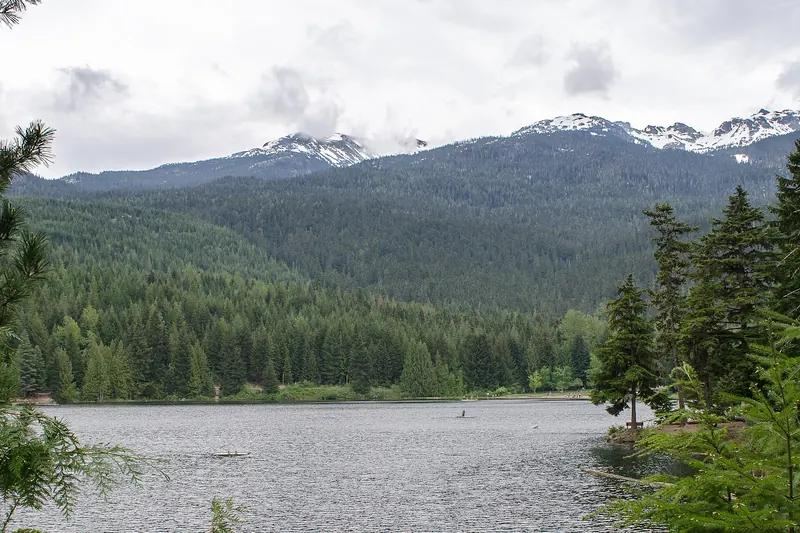
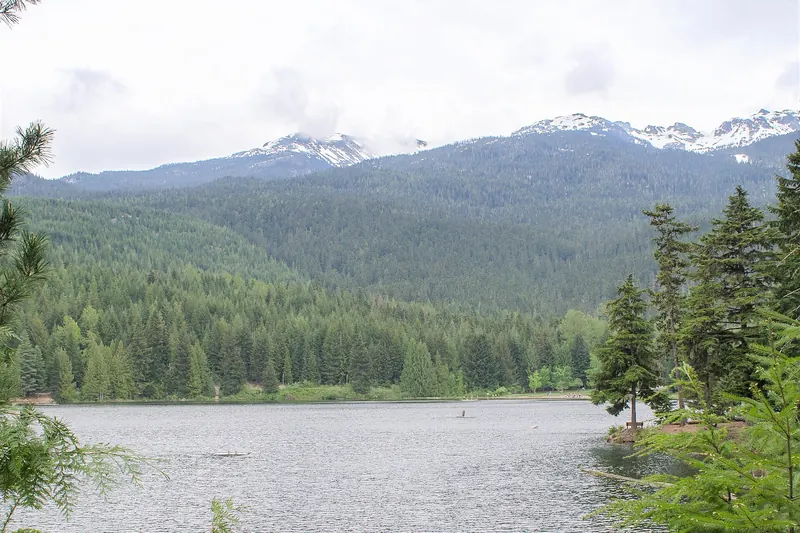
  4. Lost Lake near Whistler Village

    Lost Lake

    A peaceful escape from the village, a forested lake with swimming, paddling and a network of trails.

    Tip An easy walk or bike ride from Whistler Village itself.

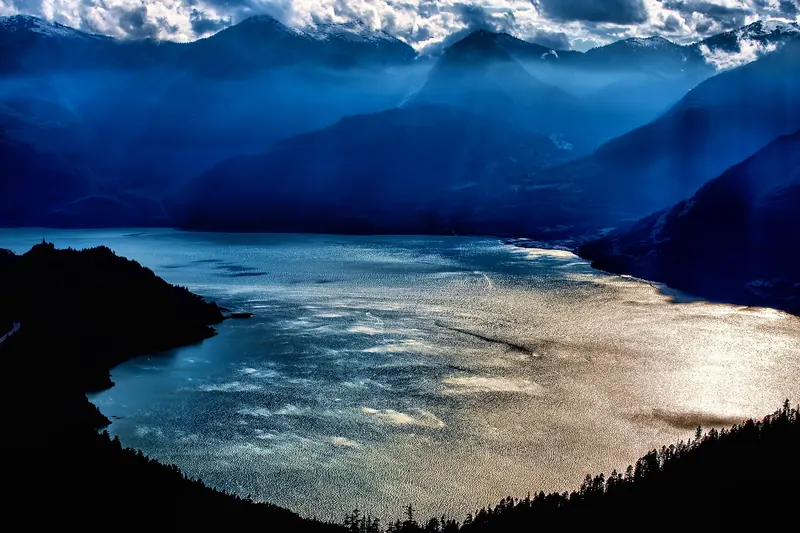
  5. The Sea to Sky Gondola near Squamish

    The Sea to Sky Gondola

    Worth the stop on the drive up, a gondola near Squamish climbing to sweeping views over Howe Sound.

    Tip Combine with a walk across the suspension bridge at the summit.

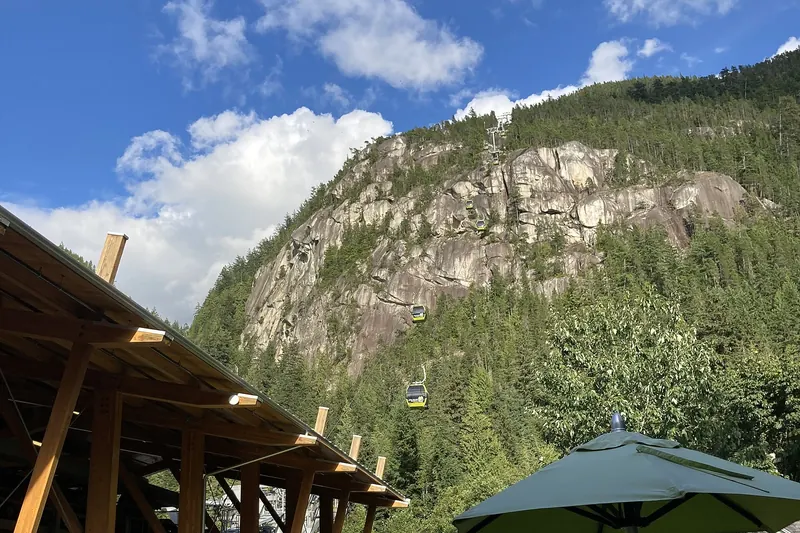
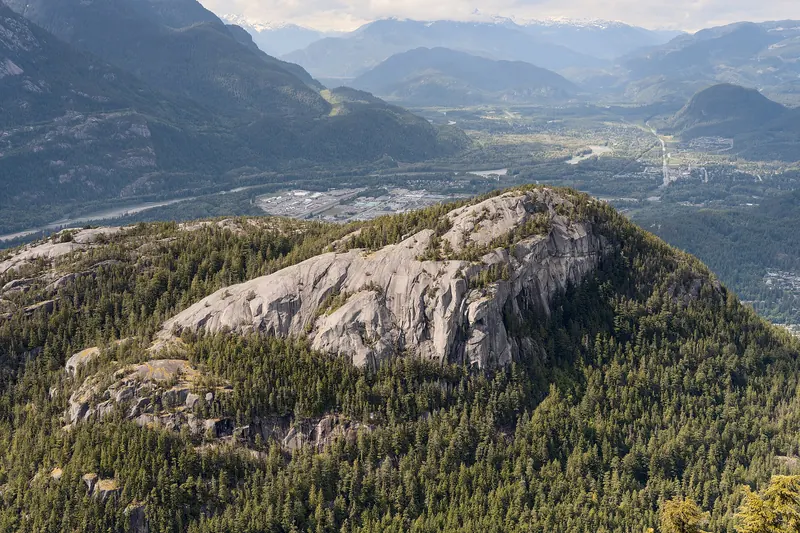
  6. The Stawamus Chief seen from the Sea to Sky Gondola

    The Stawamus Chief viewpoint

    A dramatic granite monolith near Squamish, one of the largest in the world, visible from the Sea to Sky Gondola.

    Tip A popular rock-climbing destination for those with the skill and gear.

  7. Whistler's surrounding mountain scenery

    Whistler's mountain backdrop

    Striking in any season, jagged Coast Mountain peaks rising directly above the village.

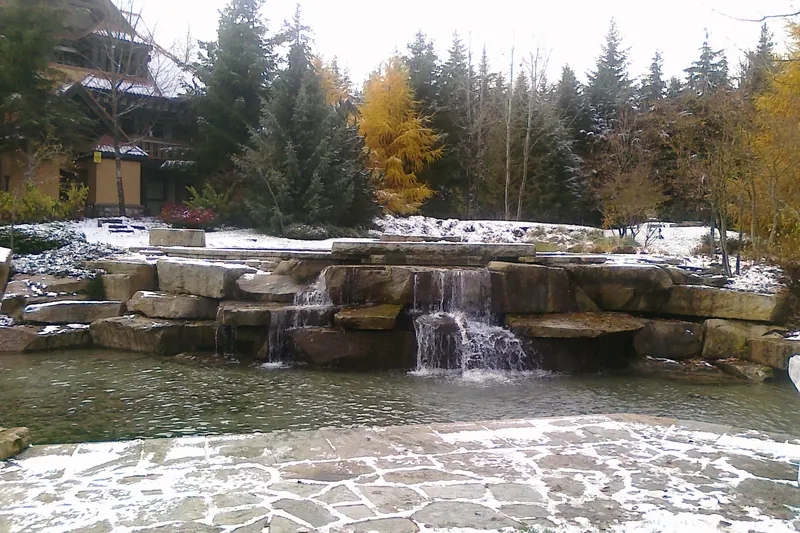
    Tip The view changes dramatically between summer green and winter snow — worth a visit in both.

Things to do

Best things to do in Whistler

Whistler offers something in every season, not just the winter sports it's best known for.

  1. Riding the Peak 2 Peak Gondola

    Ride the Peak 2 Peak Gondola between the mountains

    An essential Whistler experience, gliding between two mountains high above the valley floor.

    Tip Go on a clear day for the best views — cloud cover can obscure the panorama entirely.

  2. Skiing at Whistler Blackcomb

    Ski or snowboard Whistler Blackcomb

    A world-class winter sports experience, with terrain for complete beginners through to experts.

    Tip Book lessons ahead if you're new — Whistler's ski schools are excellent but do fill up.

  3. Hiking around Lost Lake near Whistler

    Hike or bike around Lost Lake

    A relaxed way to spend a summer afternoon, swimming, paddling or cycling the surrounding trails.

    Tip A nice alternative when the village itself feels too busy.

  4. The view from the Sea to Sky Gondola

    Ride the Sea to Sky Gondola near Squamish

    A worthwhile detour on the drive up, sweeping views over Howe Sound from a suspension bridge viewpoint.

    Tip Budget an hour or two here if travelling by car between Vancouver and Whistler.

  5. Explore the Squamish Lil'wat Cultural Centre

    A worthwhile stop in Whistler Village itself, showcasing the art and history of the region's First Nations.

    Tip Check for guided tours, which add real depth to the exhibits.

  6. Relax at an outdoor spa after a day on the mountain

    A popular way to unwind, alternating between hot pools, saunas and cold plunges in a forest setting.

    Tip Book ahead — Whistler's outdoor spas are popular and slots do fill up.

Local food

What to eat in Whistler

Whistler's food means hearty mountain-resort fare, from classic Canadian dishes to fresh Pacific seafood.

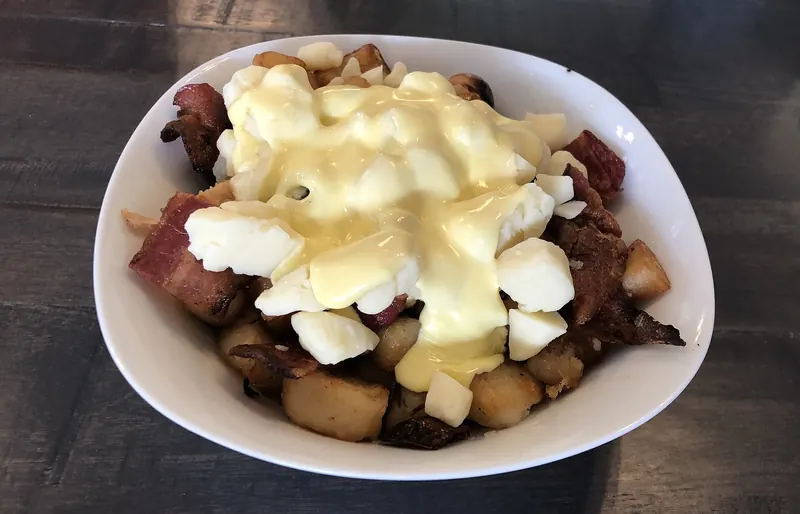
  • Poutine, Canada's fries, cheese curds and gravy dish

    Poutine

    A reliable, warming classic after a day on the mountain.

    Where to try it Restaurants and pubs throughout Whistler Village.

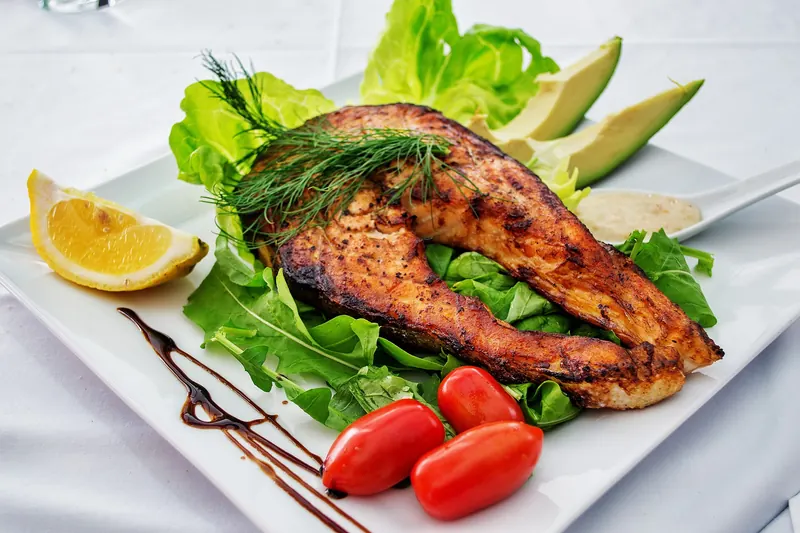
  • Grilled Pacific salmon

    Fresh Pacific salmon

    A Pacific Northwest staple, found on menus throughout the village.

    Where to try it Restaurants throughout Whistler Village.

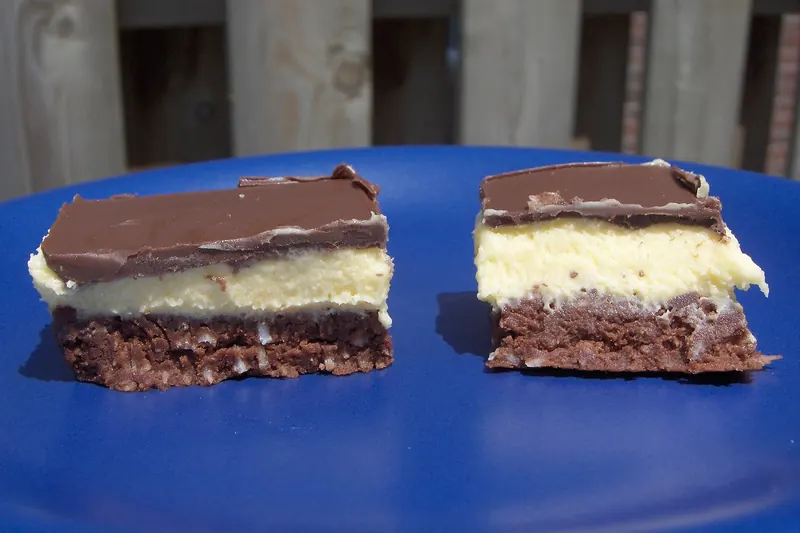
  • A Nanaimo bar, a layered dessert originating in British Columbia

    Nanaimo bars

    A fitting sweet treat here, this no-bake dessert originating elsewhere in British Columbia.

    Where to try it Bakeries and cafés throughout the village.

  • Elk or bison burger

    A hearty mountain-resort staple, found alongside standard beef options on many menus.

    Where to try it Restaurants and pubs throughout Whistler Village.

  • British Columbia craft beer

    A well-earned reward after a day of skiing or biking, with BC breweries well represented.

    Where to try it Pubs and breweries throughout the village.

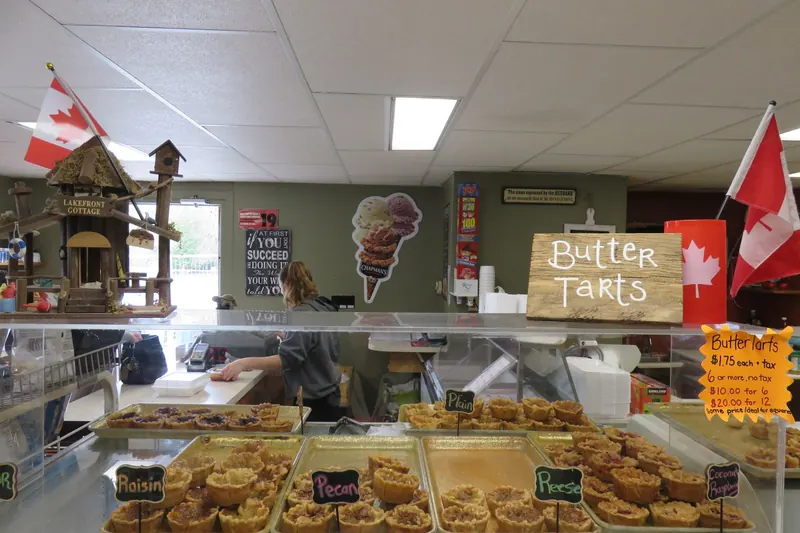
  • Butter tarts, a classic Canadian pastry

    Butter tarts

    A nice sweet treat, found at bakeries throughout the village.

    Where to try it Bakeries and cafés throughout Whistler Village.

Accommodation

Where to stay in Whistler

Whistler offers everything from hostels to ski-in, ski-out luxury, with prices climbing steeply in peak ski season.

  • Whistler Village

    The most convenient, though also the priciest, base.

    Best for: Being ski-in, ski-out and within walking distance of everything

  • Creekside or Upper Village

    Still close to the lifts, with a more low-key atmosphere than the main village.

    Best for: A quieter, slightly better value stay

What a night costs

Budget hostel
C$50–90 per night
Mid-range hotel in peak season
C$300–550 per night
Day lift ticket
About C$150–220
Dinner at a mid-range restaurant
About C$35–60 per person

Transport

Getting to and around Whistler

Whistler is reached by road from Vancouver, with no airport of its own.

Getting there

  • Drive the Sea to Sky Highway from Vancouver

    The standard route, taking about 2.5 hours.

    One of the most scenic drives in North America, hugging Howe Sound before climbing into the mountains.

  • Shuttle bus from Vancouver or the airport

    Convenient if you'd rather not drive.

    Several operators run frequent direct services, especially in ski season.

  • Private transfer or rental car

    The most flexible option for stopping along the way.

    Allows stops at the Sea to Sky Gondola and other viewpoints en route.

Getting around

Whistler Village is car-free and entirely walkable, with lifts and shuttles covering the mountains.

  • On foot

    The only way to move through the village itself.

    Cars are largely restricted from the pedestrian core.

  • Lifts and gondolas

    The way up the mountains, whether skiing or sightseeing.

    A single pass typically covers both Whistler and Blackcomb.

  • Local shuttle bus

    Useful for reaching Creekside or other outlying areas.

    A free or low-cost shuttle connects the village's different zones.

When to go

Best time to visit Whistler

Whistler is a true year-round resort, with two distinct high seasons depending on what you're after.

  • Winter (December–March)

    Best time

    Prime ski season, with the most reliable snow and the resort at its liveliest.

  • Summer (June–August)

    Best time

    Excellent for mountain biking, hiking and lake swimming, with warm, sunny weather.

  • Early autumn (September)

    Good

    A quieter shoulder season, still pleasant for hiking before the snow returns.

  • Spring and late autumn

    Good

    The quietest, muddiest months, with limited activities as the resort transitions between seasons.

Worth planning around: Late spring (April–May) and late autumn (November), when neither skiing nor summer activities are fully available.

Itinerary

Two days in Whistler

Built around the mountains and the village, adaptable to either winter or summer activities.

  1. Day1

    The mountains

    A full day on Whistler or Blackcomb.

    • Morning Ski, snowboard or hike, depending on season.
    • Afternoon Ride the Peak 2 Peak Gondola between the two mountains.
    • Evening Dinner in Whistler Village.
  2. Day2

    Lost Lake and the village

    A slower day around the village and nearby lake.

    • Morning Walk or cycle around Lost Lake.
    • Afternoon Explore Whistler Village and the Squamish Lil'wat Cultural Centre.
    • Evening A final dinner and relaxed evening in the village.

Travel tips

Whistler travel tips

Practical notes that make a Whistler visit noticeably smoother.

  • Book lift tickets, rentals and lessons online ahead for peak ski season.
  • Pack for both warm days and cold mornings, even in summer.
  • Stop at the Sea to Sky Gondola on the drive up if you have the time.
  • Book accommodation months ahead for peak ski season or summer weekends.
  • Bring a swimsuit for Lost Lake, even on a winter visit — some spas keep pools open year-round.
  • Consider a shuttle from Vancouver if you'd rather not drive the Sea to Sky Highway.

FAQ

Whistler: frequently asked questions

How many days do you need in Whistler?

Two to three days covers the mountains and village comfortably, longer if skiing is the main focus.

How do you get from Vancouver to Whistler?

By car or shuttle bus along the Sea to Sky Highway, taking about 2.5 hours.

Is Whistler only good for skiing?

No, not — summer brings excellent mountain biking, hiking and lake activities, making it a true year-round destination.

Is Whistler expensive?

One of Canada's pricier destinations, especially in peak ski season, though summer offers noticeably better value.

Do you need to be an expert skier to enjoy Whistler?

No, not — the resort has extensive terrain and lessons for complete beginners through to experts.

Can you visit Whistler without skiing?

Yes, easily — the Peak 2 Peak Gondola, Lost Lake and the village itself are all worthwhile without touching a ski.

Read next

Related travel articles

Practical

Packing by Season and Trip Type

Most packing advice is a list of things. This is the opposite: the small number of decisions that determine whether your luggage helps or hinders, organised by the kind of trip you are actually taking.

Where to go

Beyond the Big Names: Places Worth the Detour

The most visited place in a country is rarely its best, and it is almost never its best value. This is a method for finding the destinations that do not make the postcards — and a set of examples from five of the 50 countries on this site.

Advertisement