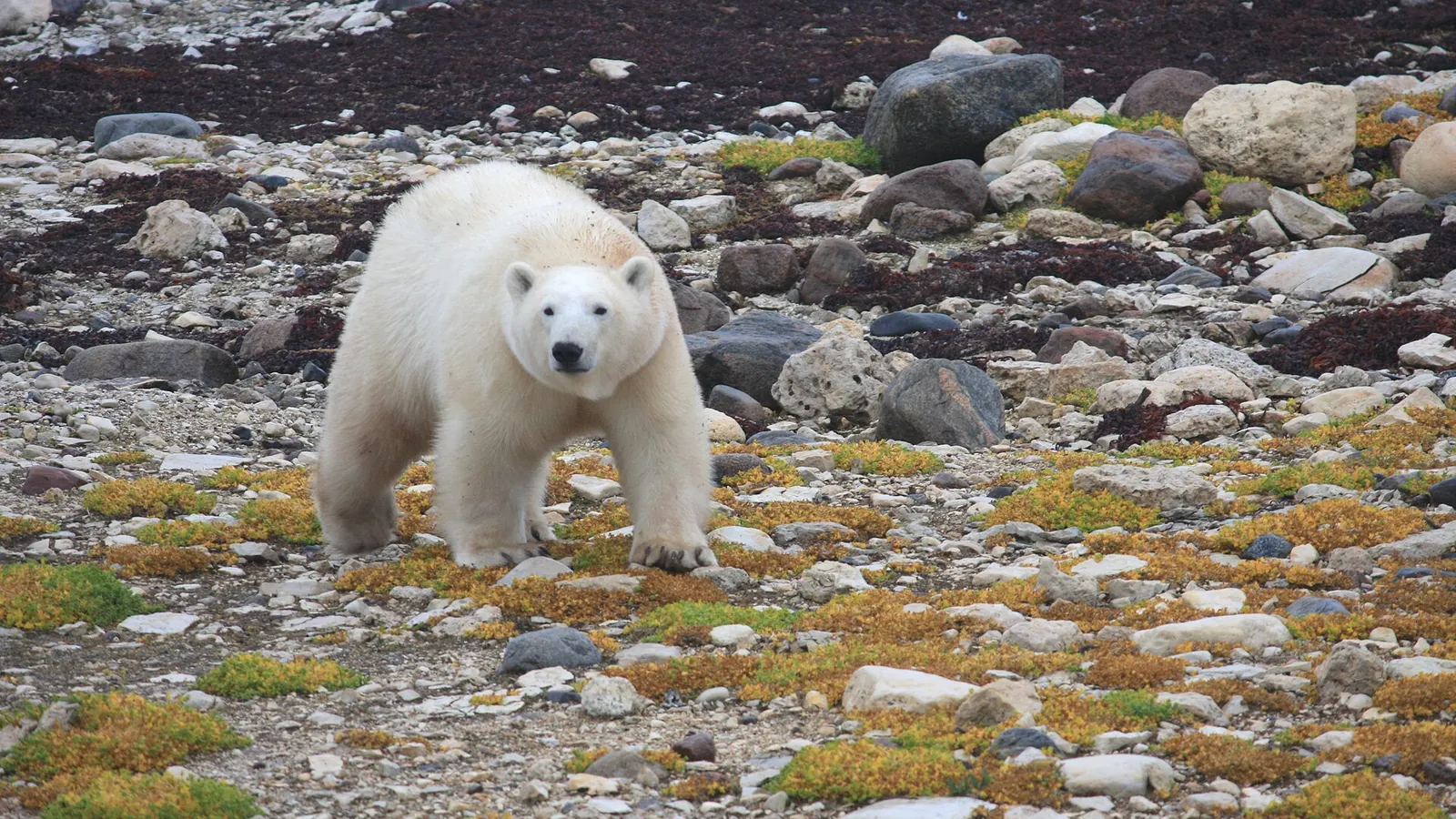
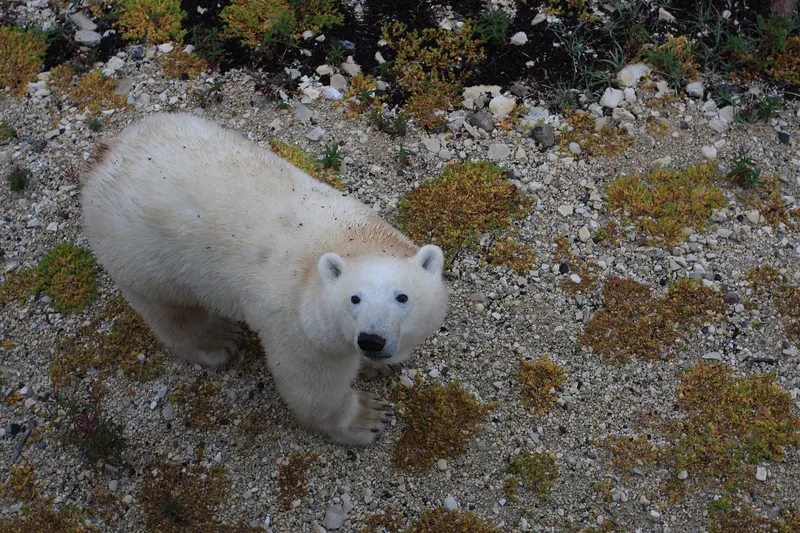


A wild polar bear on the tundra near Churchill, Manitoba

Manitoba · Canada

Churchill

A subarctic outpost on Hudson Bay known worldwide as the polar bear capital, reachable only by plane or train.

  • Best time October–November for polar bears, June–August for belugas, January–March for the northern lights
  • Stay 3-4 days
  • Good for Wildlife, photography, remote adventure

Photo: TravelingOtter from Houston, Texas, USA · CC BY 2.0

Welcome to Churchill

Churchill sits on the western shore of Hudson Bay, a town of under a thousand people with no road link to the rest of Manitoba — the only way in is a direct flight from Winnipeg or a two-night ride on the Hudson Bay train.

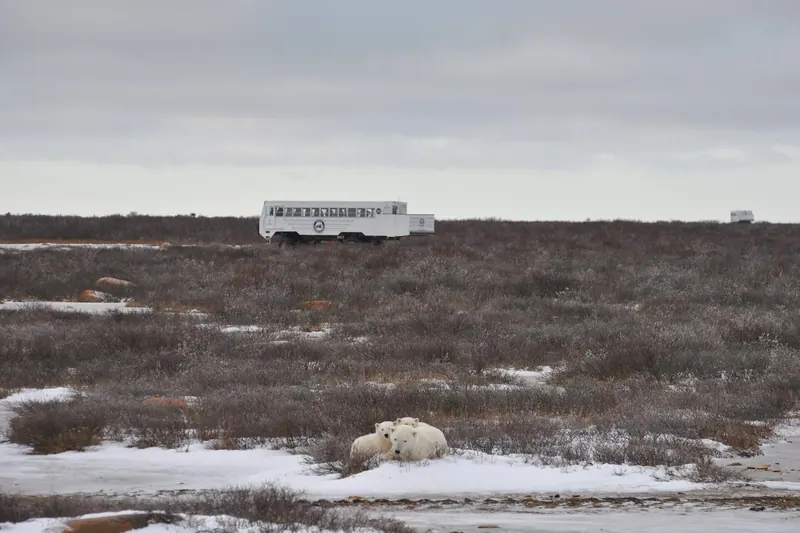
It has become world-famous as the polar bear capital, and each October and November the bears gather on the shore nearby waiting for the bay to freeze, close enough to watch safely from a Tundra Buggy built for exactly that.

Bears are only part of the story: thousands of beluga whales fill the Churchill River estuary every summer, and the town's far-north location and dark, wide-open skies make it one of the most reliable places on the continent to see the aurora borealis.

  • Wildlife
  • Nature & Wildlife
  • Remote
  • Adventure

Why visit

Why visit Churchill?

Churchill's appeal comes from wildlife that's hard to see anywhere else, in a landscape unlike anywhere in southern Canada.

  • It's the best place on earth to see wild polar bears

    Nowhere else offers this concentration of bears this reliably, viewed at close range from purpose-built vehicles.

  • Tundra Buggies get you close without disturbing the bears

    Elevated, enclosed vehicles built specifically for the terrain and for keeping a respectful distance.

  • Summer brings thousands of beluga whales

    The Churchill River estuary hosts one of the largest beluga populations anywhere, visible from boats, kayaks or the shore.

  • It's among the most reliable spots for the northern lights

    Far enough north and dark enough to see strong displays on a large share of clear winter nights.

  • It's real subarctic wilderness, not a re-creation of it

    A working northern town on the tundra's edge, not a resort built around the wildlife.

Main attractions

Top things to see in Churchill

Churchill's sights are spread between the tundra outside town, the river mouth, and a handful of historic sites near the water.

  1. A polar bear in the Churchill Wildlife Management Area

    Polar bears of the Churchill Wildlife Management Area

    The reason most people come — bears gathering on the tundra each autumn as they wait for sea ice to form.

    Tip Peak viewing runs from mid-October through November; book tours and flights many months ahead for this window.

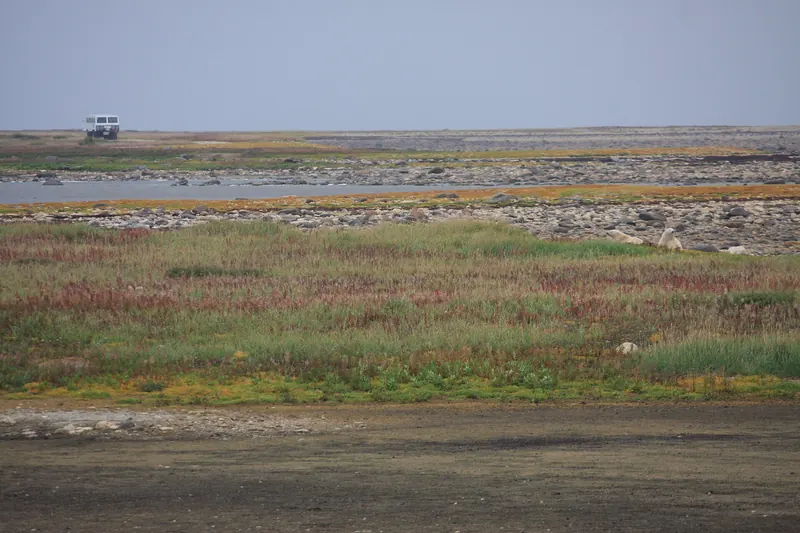
  2. A Tundra Buggy on the tundra near Churchill

    Tundra Buggy expeditions

    Elevated, enclosed vehicles that carry visitors safely out onto the tundra for close bear viewing.

    Tip Full-day trips give far better odds and better light than shorter tours.

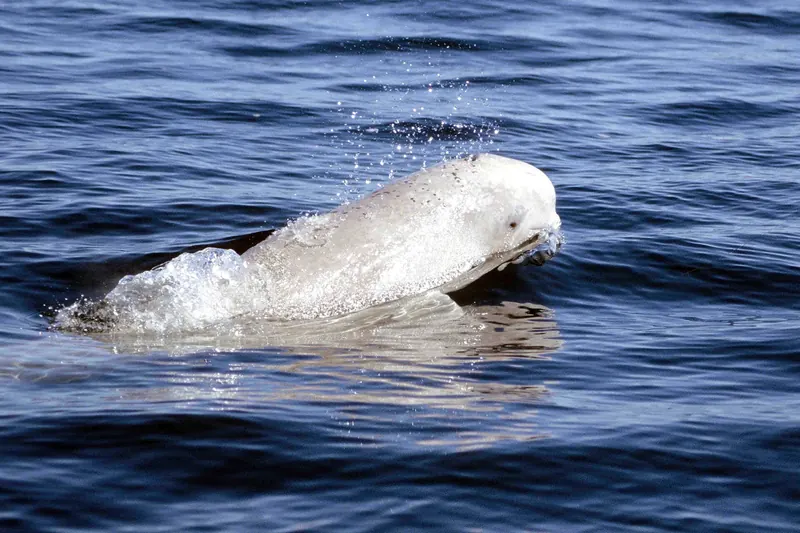
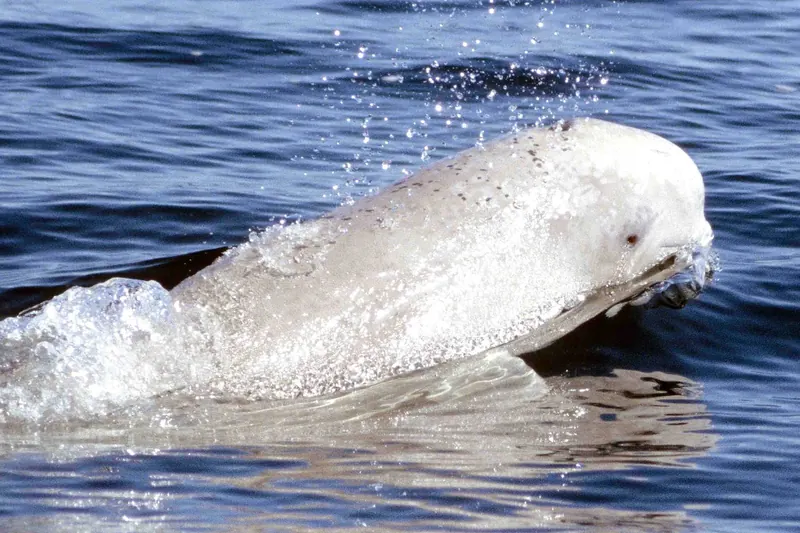
  3. A beluga whale in the Churchill River estuary

    Beluga whales of the Churchill River estuary

    Thousands of belugas gather here each summer to calve and feed in the river's brackish water.

    Tip Visit from late June through August, when numbers are at their highest.

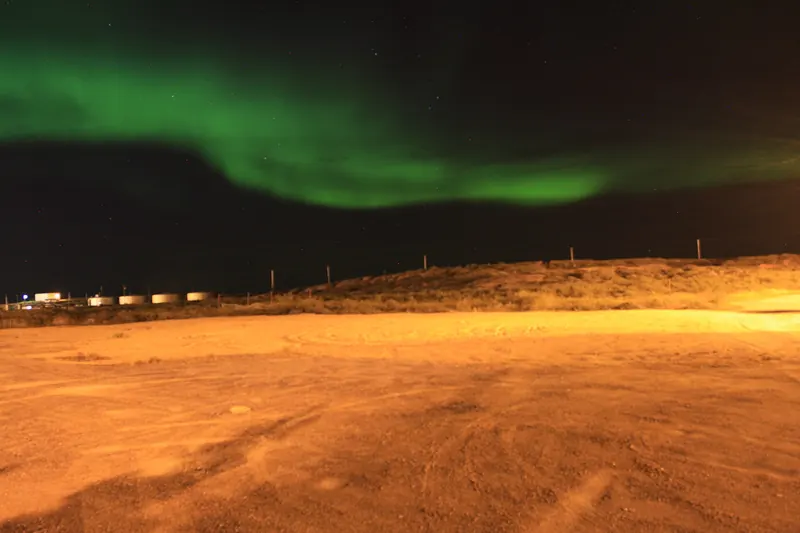
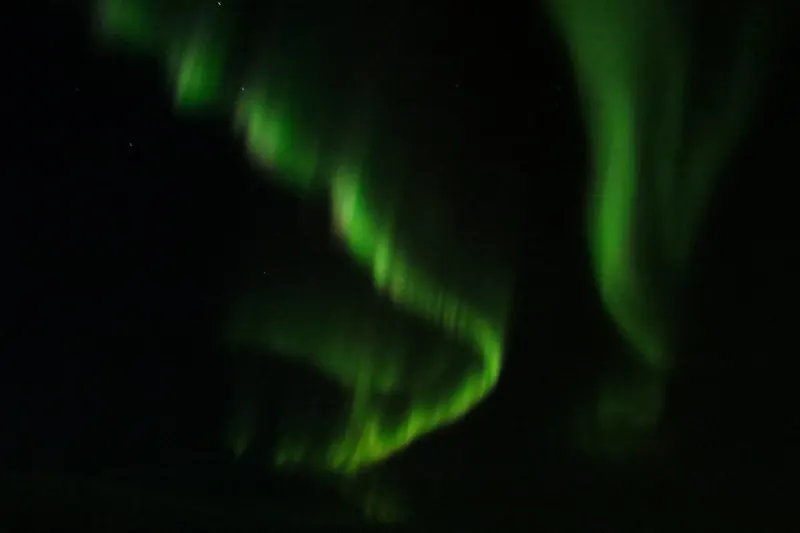
  4. The aurora borealis over the tundra near Churchill

    The aurora borealis

    Churchill's latitude and dark skies make it one of the most consistent places in North America to see strong displays.

    Tip January through March offers the clearest, coldest skies and the longest nights to watch.

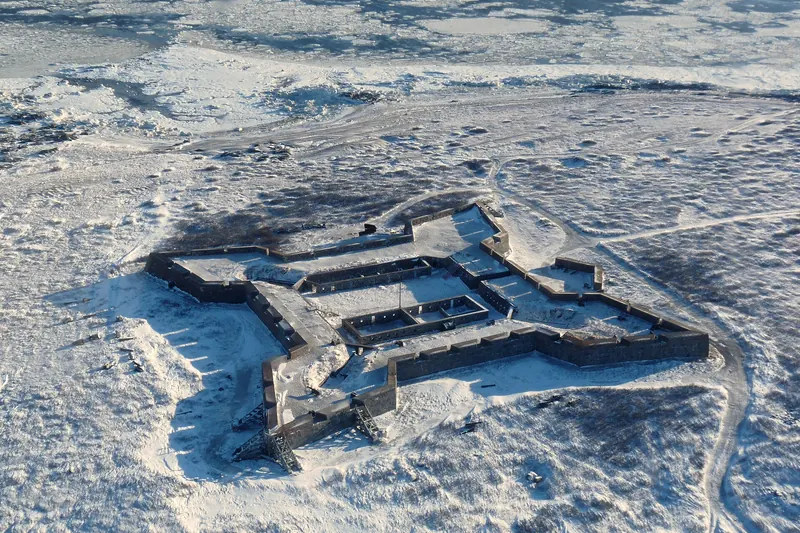
  5. The stone walls of Prince of Wales Fort near Churchill

    Prince of Wales Fort

    A stone Hudson's Bay Company fort begun in 1731, reachable only by boat across the river mouth.

    Tip Only accessible by guided boat tour — check current access before planning a visit, since polar bear activity can close it.

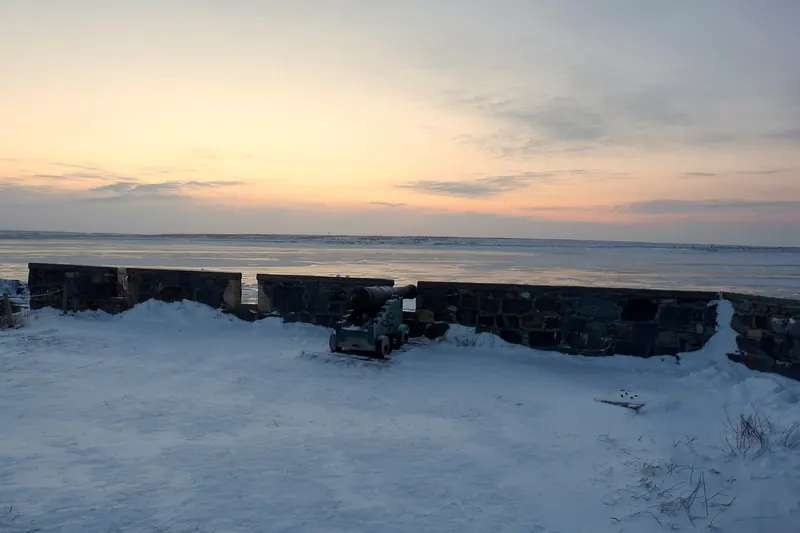
  6. The historic battery at Cape Merry near Churchill

    Cape Merry

    A rocky point at the mouth of the Churchill River with an old cannon battery and wide views over Hudson Bay.

    Tip A good spot for beluga sightings from shore in summer, without needing a boat.

  7. The grain terminal at the Port of Churchill

    Port of Churchill

    Canada's only Arctic deep-water port, its grain terminal a defining feature of the town's skyline.

    Tip Visible from several points around town; no need for a dedicated trip to see it.

Things to do

Best things to do in Churchill

What fills a visit depends heavily on the season, since Churchill's three main draws barely overlap on the calendar.

  1. A Tundra Buggy approaching polar bears on the tundra

    Ride a Tundra Buggy into the wildlife management area

    The standard way to see bears safely at close range during polar bear season.

    Tip Some operators run overnight Tundra Buggy Lodges out on the tundra itself for early-morning and late-evening light.

  2. A beluga whale near the surface of the Churchill River

    Snorkel or kayak with beluga whales

    A summer specialty — belugas are naturally curious and often approach boats, kayaks and swimmers.

    Tip Wetsuits are provided for snorkelling trips; the water stays cold even in midsummer.

  3. The northern lights over Churchill, Manitoba

    Chase the aurora after dark

    Guided aurora tours head away from town lights for the clearest view of the sky.

    Tip Dress for far colder temperatures than you'd expect — standing still outdoors at night drops fast.

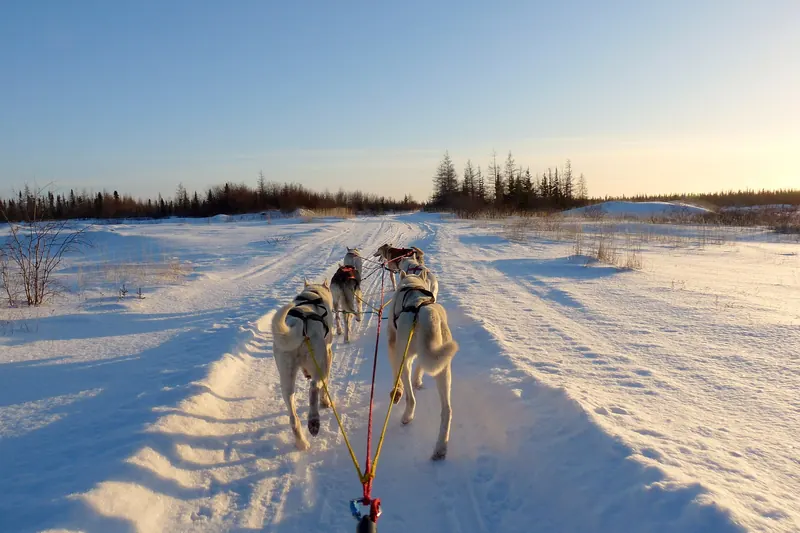
  4. A dog sled team near Churchill, Manitoba

    Go dog sledding across the tundra

    A winter activity run by local mushers, following trails out across the snow-covered tundra.

    Tip Most operators offer both short rides and longer half-day trips.

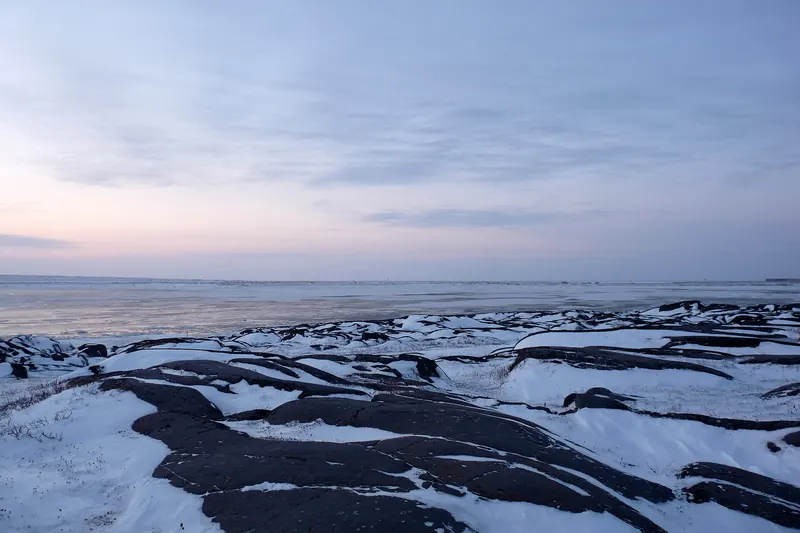
  5. The tundra landscape at Cape Merry near Churchill

    Walk the tundra trail at Cape Merry

    A short, easy walk through genuine subarctic tundra vegetation, right at the edge of town.

    Tip Check for recent bear activity at the visitor centre before walking anywhere outside town on your own.

  6. Browse Inuit art at the Itsanitaq Museum

    A small museum in town holding one of Canada's older collections of Inuit carvings and artifacts.

    Tip A good option for a spare hour or on a day when weather keeps tours grounded.

Local food

What to eat in Churchill

Food in Churchill blends northern Canadian staples with the practicalities of a town supplied almost entirely by plane and by an annual sealift.

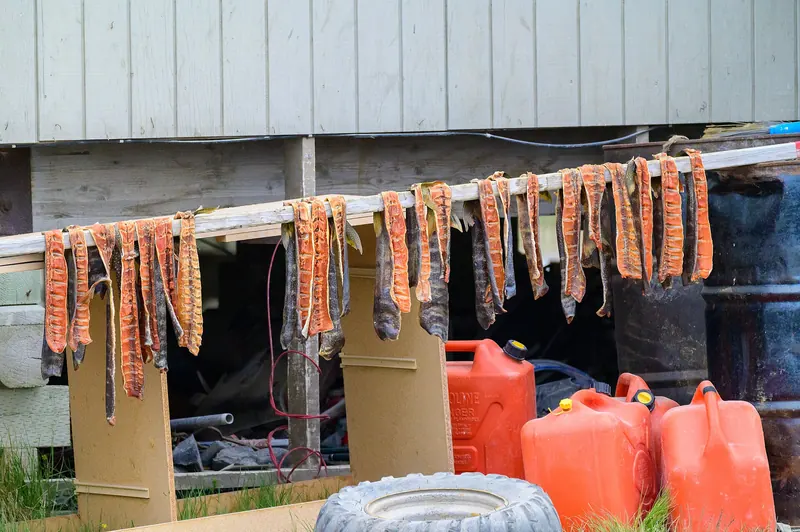
  • Arctic char, a fish native to Canada's far north

    Arctic char

    A northern fish related to salmon and trout, served fresh, smoked or grilled at restaurants in town.

    Where to try it Restaurants throughout Churchill.

  • Bannock, a traditional fried or baked bread

    Bannock

    A simple fried or baked bread with deep roots in Indigenous and northern Canadian cooking, served plain or alongside a meal.

    Where to try it Cafés and restaurants throughout town.

  • Caribou or muskox stew

    Wild game from the surrounding tundra, slow-cooked into a hearty stew well suited to the climate.

    Where to try it A handful of restaurants in town, seasonally.

  • Fresh-caught pickerel or whitefish

    Freshwater fish from nearby lakes and rivers, usually pan-fried and served simply.

    Where to try it Restaurants throughout Churchill.

  • Baked goods from Gypsy's Bakery

    A long-running local institution and a popular stop for breakfast, coffee and fresh bread before a day out on the tundra.

    Where to try it Gypsy's Bakery and Restaurant, in town.

  • A hot bowl of soup or chowder

    Simple, warming food that makes sense after hours outside in the cold, offered at most restaurants in town.

    Where to try it Restaurants throughout Churchill.

Accommodation

Where to stay in Churchill

Churchill has a small supply of hotels and lodges in town, with most visitors travelling on pre-booked multi-day packages that include accommodation.

  • Churchill town

    The town's small hotel selection, all within easy walking distance of each other.

    Best for: Being close to restaurants, the museum and tour departure points

  • Tundra Buggy Lodge (seasonal)

    Mobile lodge units parked in the wildlife management area for guests on multi-day bear-viewing packages.

    Best for: Being out on the tundra itself during polar bear season

What a night costs

Hotel in town
C$150–300 per night
Multi-day Tundra Buggy package
C$3,000–8,000+ per person, all-inclusive
Return flight from Winnipeg
About C$800–1,400
Dinner at a restaurant in town
About C$25–45 per person

Transport

Getting to and around Churchill

No road reaches Churchill — every visit starts with a flight or a long train ride from Winnipeg.

Getting there

  • Fly from Winnipeg

    The standard option, taking about two hours direct.

    The only realistic choice for a shorter visit; book well ahead in polar bear season.

  • Take the Hudson Bay train from Winnipeg

    A scenic but slow alternative, taking roughly two nights each way.

    Runs a few times a week and is often used one-way, paired with a flight the other direction.

  • Book a package tour

    Most visitors arrive on a pre-arranged multi-day package that includes flights, lodging and Tundra Buggy access.

    Simplifies logistics considerably in a town with limited independent tourism infrastructure.

Getting around

Churchill itself is small enough to walk, though tours out onto the tundra require specialist vehicles.

  • On foot

    Covers the town centre easily, though bear activity can make walking outside town unsafe without a guide.

    Check with the visitor centre about current bear activity before walking anywhere on your own.

  • Tundra Buggy or tour vehicle

    The only way to reach the wildlife management area and see polar bears safely.

    Included in bear-viewing tours; not something visitors arrange independently.

  • Tour van or shuttle

    Used for beluga tours, museum visits and trips to Cape Merry or the fort.

    Most operators include pickup from hotels in town.

When to go

Best time to visit Churchill

Churchill effectively has three separate high seasons, each built around a different animal or phenomenon, with little overlap between them.

  • Polar bear season (October–November)

    Best time

    The busiest and most famous window, with bears gathered on the shore waiting for the bay to freeze.

  • Beluga season (late June–August)

    Best time

    Warmer, greener and centred on the river estuary rather than the tundra.

  • Aurora season (January–March)

    Good

    Extremely cold but clear, dark and among the most reliable northern lights viewing on the continent.

  • Late spring (April–May)

    Good

    A quiet shoulder season between the bay's thaw and the belugas' arrival, with fewer organised tours running.

Worth planning around: Late spring offers the least to see, with the ice breaking up before belugas arrive and no snow left for winter activities.

Itinerary

Three days in Churchill

Built around whichever season you visit in, since the wildlife on offer changes completely between polar bear, beluga and aurora season.

  1. Day1

    Arrival and orientation

    Settling into town after the flight or train from Winnipeg.

    • Morning Fly or arrive by train from Winnipeg.
    • Afternoon Explore the town centre and the Itsanitaq Museum.
    • Evening Dinner in town, and an aurora check outside if it's the season for it.
  2. Day2

    Into the wild

    The main wildlife day, built around whichever season you're visiting in.

    • Morning A full-day Tundra Buggy tour, or a beluga boat or snorkel trip, depending on season.
    • Afternoon Continue the same tour, or head out for dog sledding in winter.
    • Evening Dinner in town, followed by an aurora tour if conditions allow.
  3. Day3

    Cape Merry and the fort

    A quieter day around the river mouth before departure.

    • Morning A boat tour to Prince of Wales Fort, conditions permitting.
    • Afternoon Walk the tundra trail at Cape Merry and browse shops in town.
    • Evening A final dinner in town before departure.

Travel tips

Churchill travel tips

A handful of practical points that matter more in Churchill than almost anywhere else on this list.

  • Book flights and tours many months ahead for polar bear season, when capacity sells out early.
  • Pack serious cold-weather layers for winter visits — temperatures regularly drop well below freezing.
  • Decide on a season before booking, since bears, belugas and the aurora rarely overlap.
  • Bring a zoom lens if you have one; wildlife is viewed at a respectful distance for good reason.
  • Check with your hotel or the visitor centre about bear activity before walking anywhere outside the town centre.
  • Build in a spare day where possible, since flights can be delayed by weather this far north.

FAQ

Churchill: frequently asked questions

How many days do you need in Churchill?

Three to four days is typical, enough for a couple of Tundra Buggy or beluga outings plus a spare day for weather.

How do you get to Churchill?

By direct flight from Winnipeg, or by a much slower train — there's no road connection to the rest of Manitoba.

When is the best time to see polar bears in Churchill?

Mid-October through November, when bears gather on the shore waiting for Hudson Bay to freeze.

Can you see polar bears and belugas on the same trip?

Not usually — bears gather in autumn and belugas arrive in summer, so most visits focus on one or the other.

Is Churchill expensive to visit?

Yes, relatively — remote flights and multi-day guided packages make it pricier than most Canadian destinations.

Is it safe to walk around Churchill given the polar bears?

The town centre is generally fine, but bears do pass through at times, so it's worth checking current activity before walking outside the centre alone.

Read next

Related travel articles

Where to go

Beyond the Big Names: Places Worth the Detour

The most visited place in a country is rarely its best, and it is almost never its best value. This is a method for finding the destinations that do not make the postcards — and a set of examples from five of the 50 countries on this site.

Practical

Packing by Season and Trip Type

Most packing advice is a list of things. This is the opposite: the small number of decisions that determine whether your luggage helps or hinders, organised by the kind of trip you are actually taking.

Advertisement