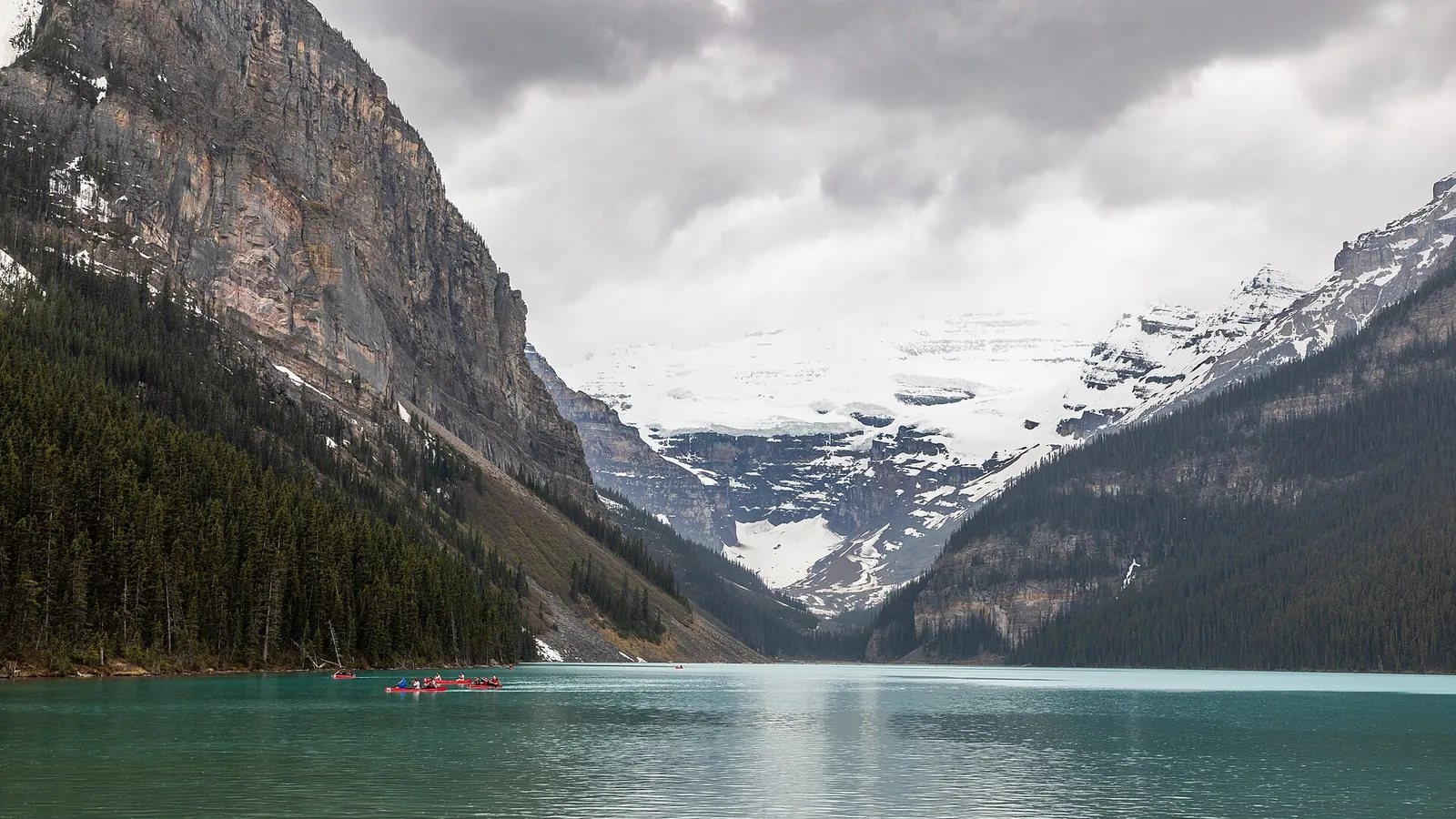
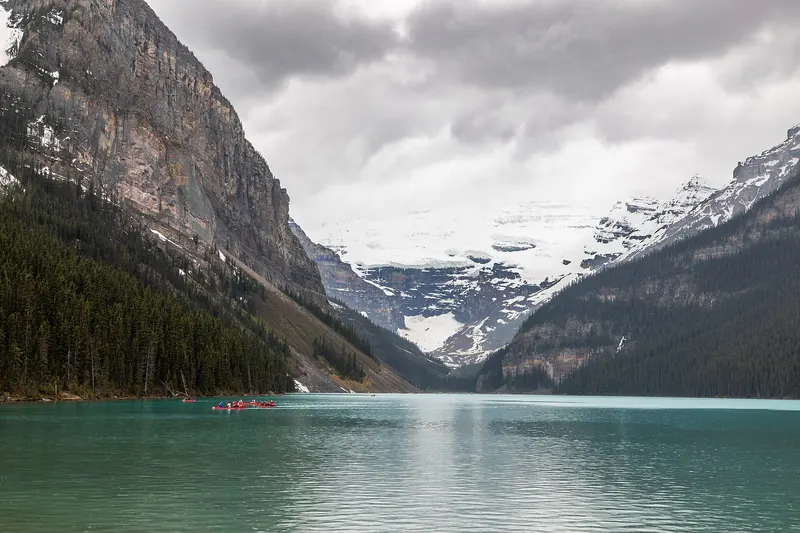
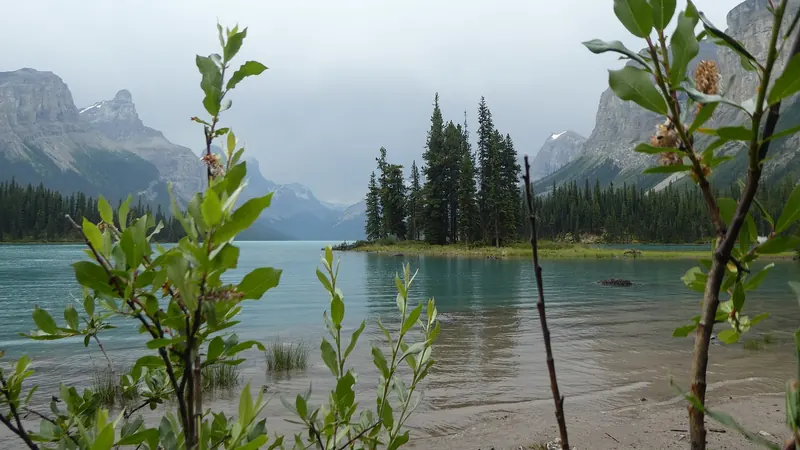
Lake Louise's turquoise water in Banff National Park

Alberta · Canada

Banff & Lake Louise

The postcard image of the Canadian Rockies, turquoise glacial lakes and jagged peaks anchored by a charming mountain town.

  • Best time June to September for open trails and full access to the lakes
  • Stay 3-4 days
  • Good for Hiking, photography, mountain scenery

Photo: Dietmar Rabich · CC BY-SA 4.0

Welcome to Banff & Lake Louise

Banff and Lake Louise are the postcard image of the Canadian Rockies, a cluster of turquoise glacial lakes and jagged peaks inside Canada's oldest and most visited national park.

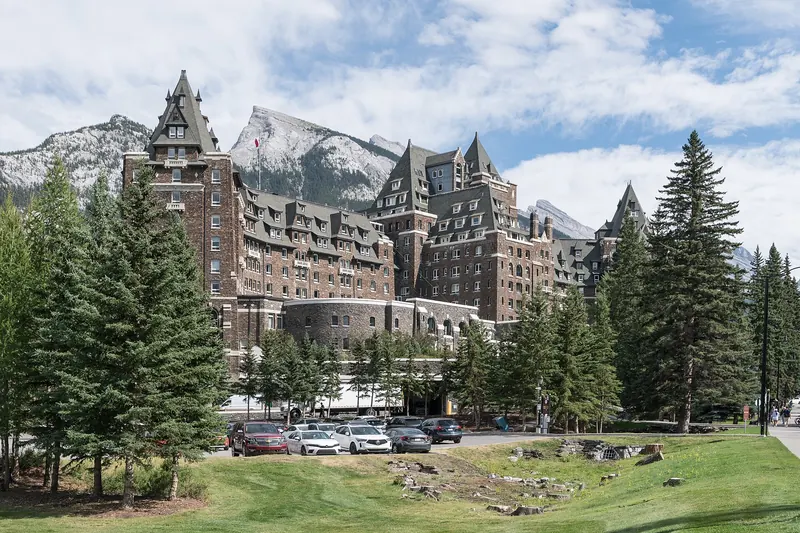
Banff itself is a real, charming mountain town, its main street backed by the grand Fairmont Banff Springs Hotel and framed by peaks on every side.

A short drive away, Lake Louise and Moraine Lake rank among the most photographed lakes on Earth, their colour coming from glacial rock flour suspended in the water.

  • Nature & Wildlife
  • National Park
  • Mountains
  • Scenic Region

Why visit

Why visit Banff & Lake Louise?

Banff and Lake Louise's case rests on scenery that looks retouched even when it isn't.

  • Lake Louise and Moraine Lake are as striking as the photos suggest

    Glacial rock flour gives both an almost unbelievable turquoise colour.

  • Banff is a real, walkable mountain town

    Not just a gateway — a destination with its own charm, shops and restaurants.

  • The hiking here is world class

    Trails for every fitness level, from lakeside strolls to serious alpine routes.

  • Wildlife sightings are a real possibility

    Elk, bighorn sheep and occasionally bears are seen right around town.

  • It works well as the anchor of a Western Canada trip

    An easy pairing with Jasper via the Icefields Parkway, or Vancouver and Whistler further west.

Main attractions

Top things to see in Banff & Lake Louise

Banff and Lake Louise's essential sights are spread between the townsite and a handful of iconic nearby lakes.

  1. Lake Louise's turquoise water

    Lake Louise

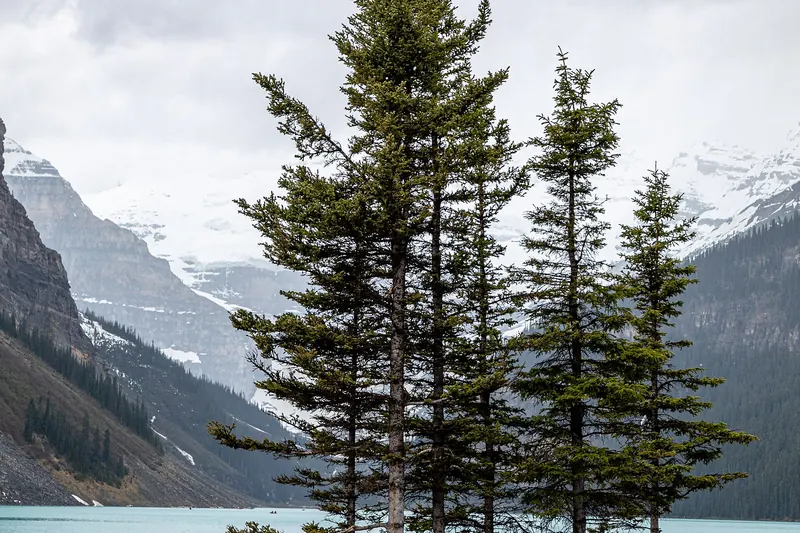
    One of the most photographed lakes on Earth, its glacier-fed turquoise water backed by the Victoria Glacier.

    Tip Arrive before 7am in summer — parking fills and the shoreline gets crowded fast.

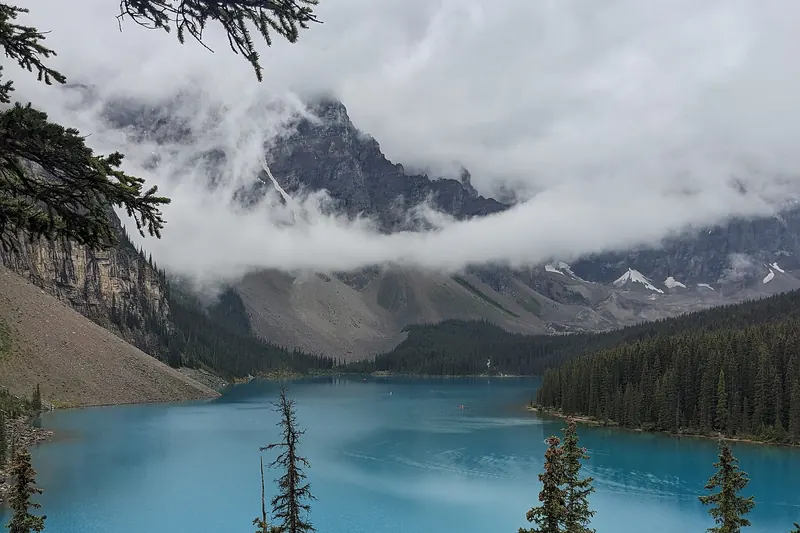
  2. Moraine Lake in the Valley of the Ten Peaks

    Moraine Lake

    Even more dramatic than Lake Louise for many visitors, set beneath the jagged Valley of the Ten Peaks.

    Tip Check current access rules — private cars are often restricted, with a shuttle or early arrival required.

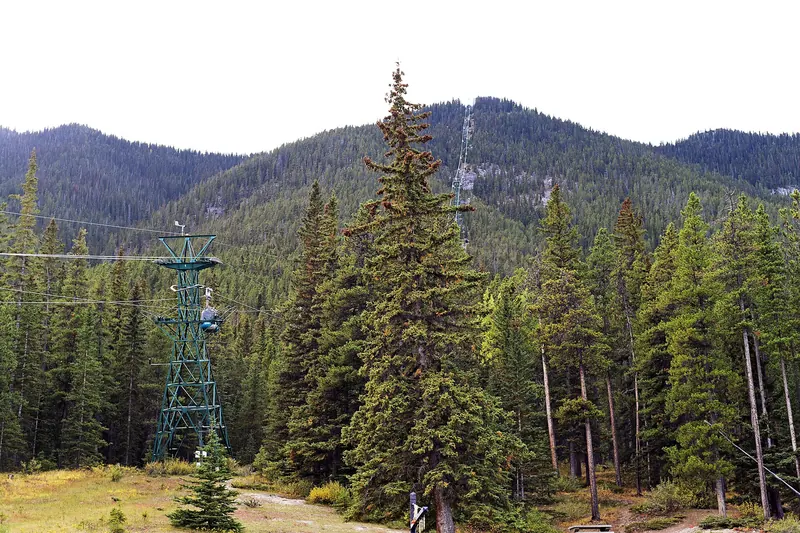
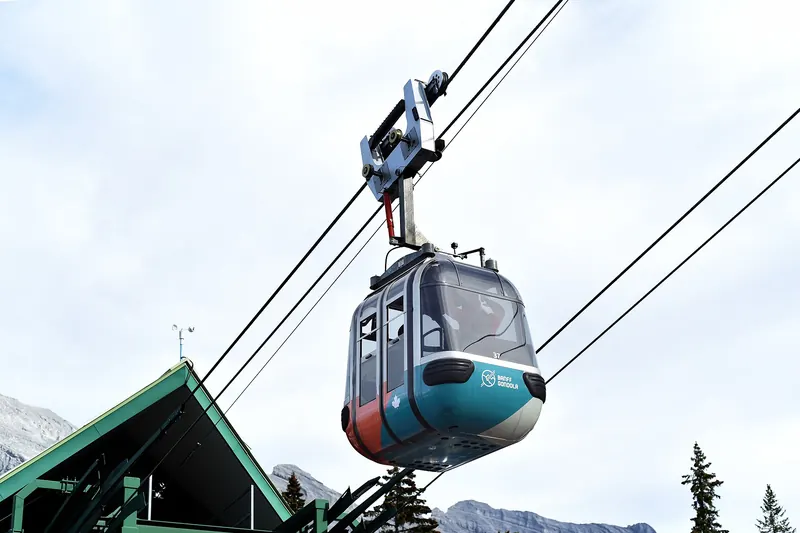
  3. The Banff Gondola climbing Sulphur Mountain

    The Banff Gondola

    The easiest way up a Rockies summit, climbing Sulphur Mountain for a panoramic view over the whole valley.

    Tip Book a sunset time slot for the best light over the surrounding peaks.

  4. The Fairmont Banff Springs Hotel

    Fairmont Banff Springs Hotel

    Known as 'the castle in the Rockies', a grand 1888 railway hotel that anchors the town's skyline.

    Tip Worth a visit even without staying — the lobby and grounds are open to explore.

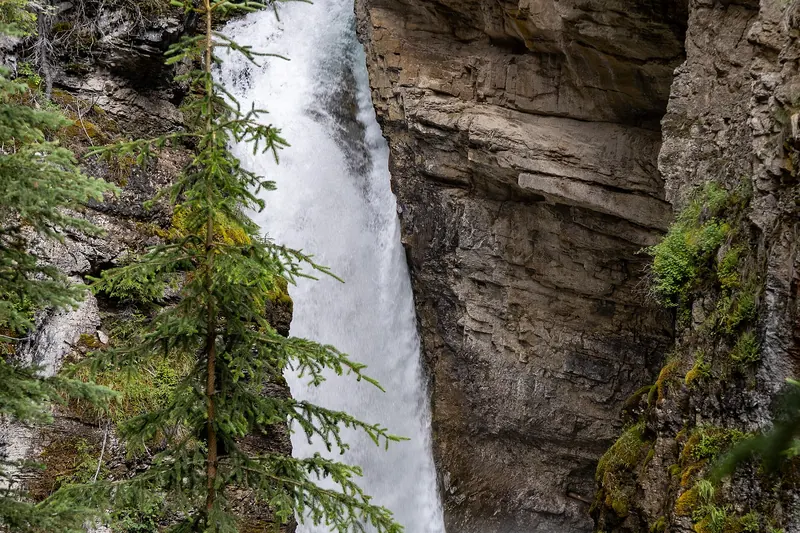
  5. Johnston Canyon in Banff National Park

    Johnston Canyon

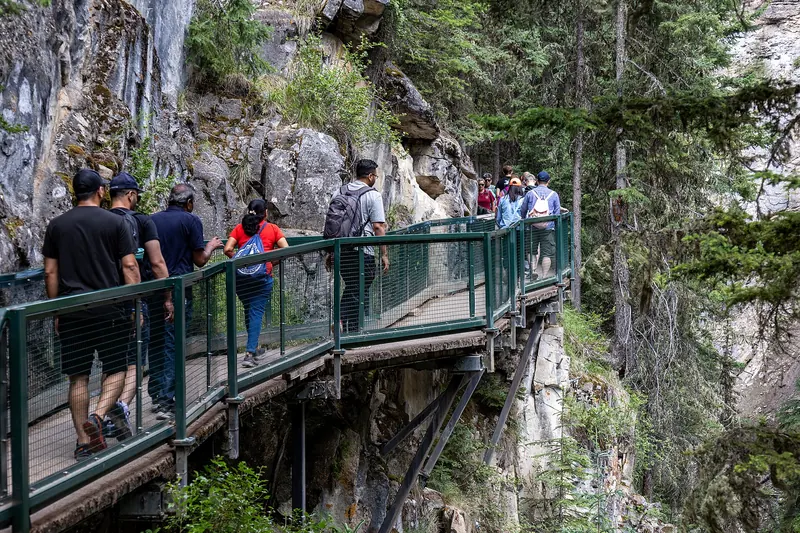
    One of the park's most popular short hikes, a catwalk trail leading past waterfalls through a narrow limestone canyon.

    Tip Start early — this is one of the busiest trails in the entire park.

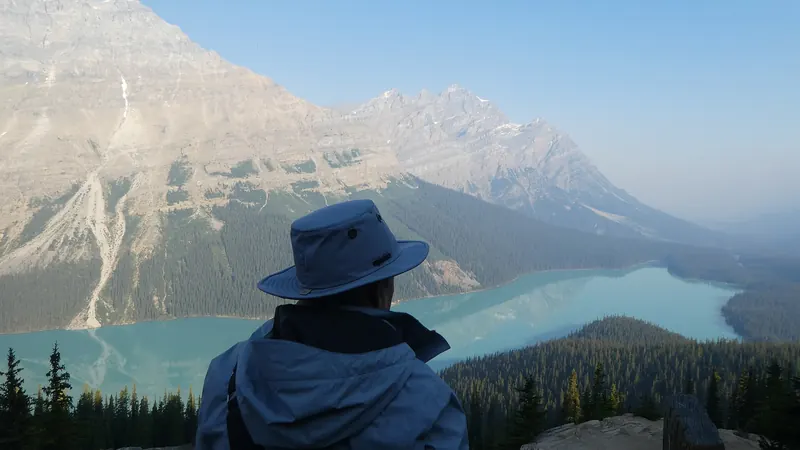
  6. Peyto Lake from its viewpoint

    Peyto Lake

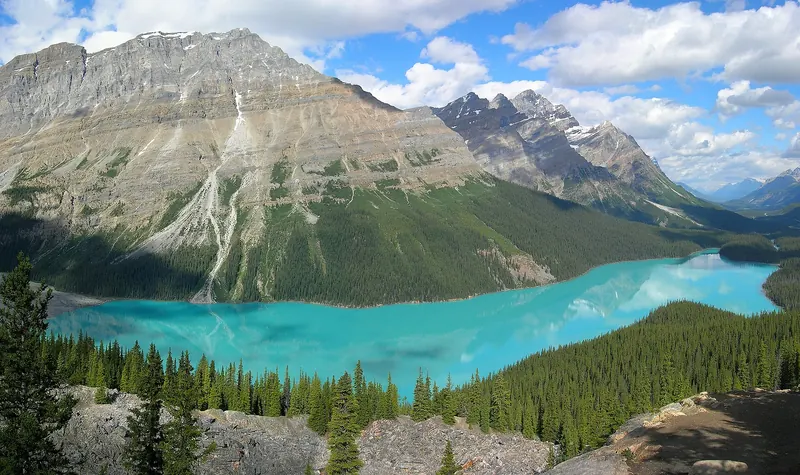
    A striking wolf-head-shaped lake seen from an elevated viewpoint just off the Icefields Parkway.

    Tip A short, easy walk from the parking area to the main viewpoint.

  7. Bow Falls near Banff town

    Bow Falls

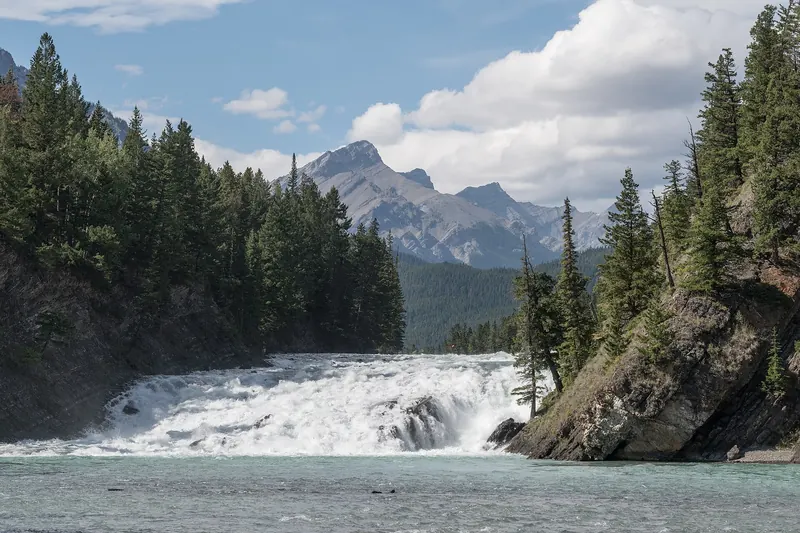
    An easy, rewarding stop right at the edge of town, a wide, powerful waterfall on the Bow River.

    Tip An easy walk or short drive from downtown Banff, needing no real planning.

Things to do

Best things to do in Banff & Lake Louise

Banff and Lake Louise reward both easy sightseeing and more serious hiking, depending on your pace.

  1. Canoeing on Lake Louise

    Canoe on Lake Louise

    A classic Rockies experience, paddling the lake's famously still, turquoise water beneath the glacier.

    Tip Book a canoe rental slot ahead in peak summer — they do sell out.

  2. Sunrise at Moraine Lake

    Photograph Moraine Lake at sunrise

    An essential early start, the Valley of the Ten Peaks catching first light before the day's crowds arrive.

    Tip Check shuttle or access schedules the night before — timing here matters.

  3. Riding the Banff Gondola up Sulphur Mountain

    Ride the Banff Gondola

    An easy way to reach alpine terrain, with boardwalk trails at the summit extending the view further.

    Tip Bring a warm layer — temperatures at the top run noticeably cooler than the valley.

  4. The Lower Falls at Johnston Canyon

    Walk Johnston Canyon's catwalks to the falls

    A rewarding, family-friendly hike, catwalks clinging to the canyon wall past two waterfalls.

    Tip Continue to the Ink Pots beyond the Upper Falls for a quieter, less crowded extension.

  5. The viewpoint over Peyto Lake

    Stop at Peyto Lake's viewpoint

    A worthwhile stop on the way to Jasper, one of the Icefields Parkway's most photographed views.

    Tip Visit mid-morning for the best light on the lake's colour.

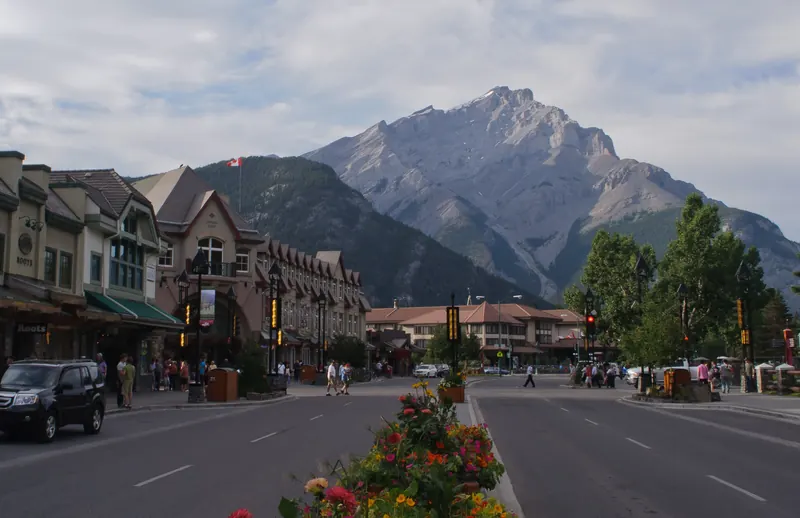
  6. Banff Avenue, the town's main street

    Stroll Banff Avenue

    A relaxed way to spend an evening, browsing shops and restaurants with mountain views at the street's end.

    Tip Look down the avenue toward Cascade Mountain for one of the town's best framed views.

Local food

What to eat in Banff & Lake Louise

Food here means hearty mountain-town fare, from Alberta beef to fresh Rockies-caught fish.

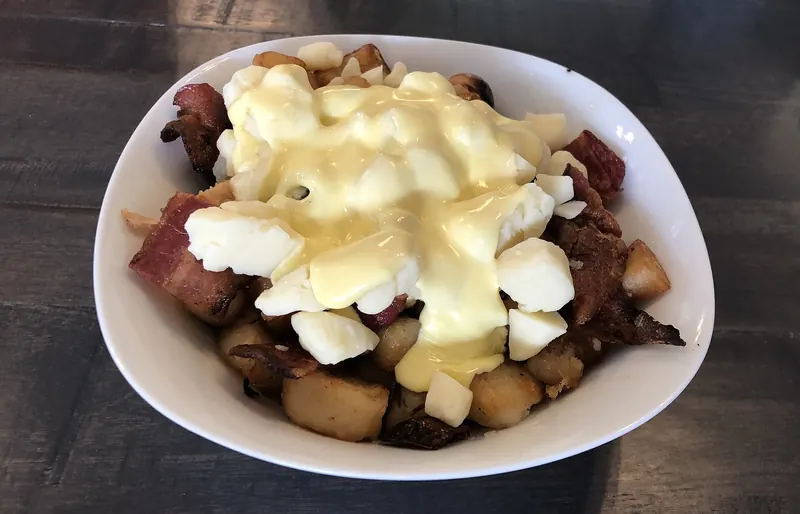
  • Poutine, Canada's fries, cheese curds and gravy dish

    Poutine

    A reliable, warming classic after a day on the trails.

    Where to try it Restaurants and pubs throughout Banff town.

  • Alberta beef

    A real point of regional pride, Alberta's cattle country producing some of Canada's best steak.

    Where to try it Steakhouses throughout Banff town.

  • Bison burger

    A distinctive Rockies menu staple, leaner and richer-tasting than standard beef.

    Where to try it Restaurants and pubs throughout Banff town.

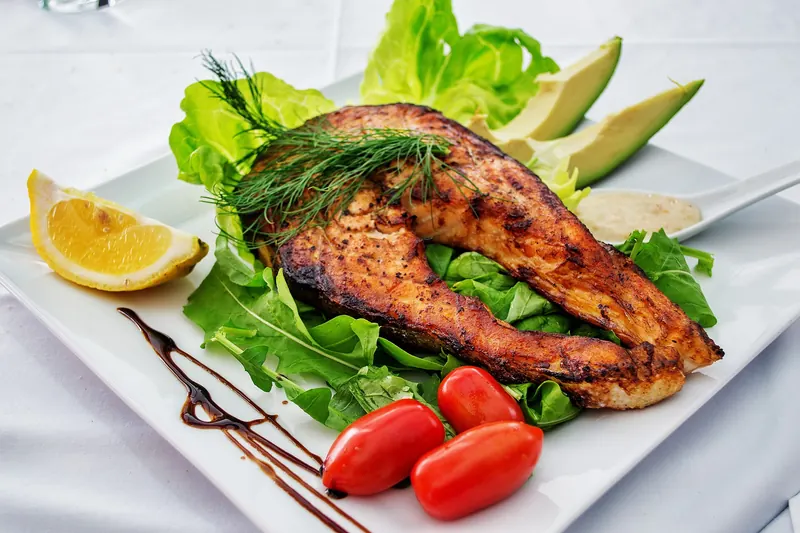
  • Grilled salmon

    Grilled salmon

    A reliable menu option, though note this is mountain trout and Pacific salmon country rather than a local catch.

    Where to try it Restaurants throughout Banff town.

  • Canadian craft beer

    Worth trying, with several Alberta breweries pouring on tap throughout town.

    Where to try it Pubs and breweries throughout Banff town.

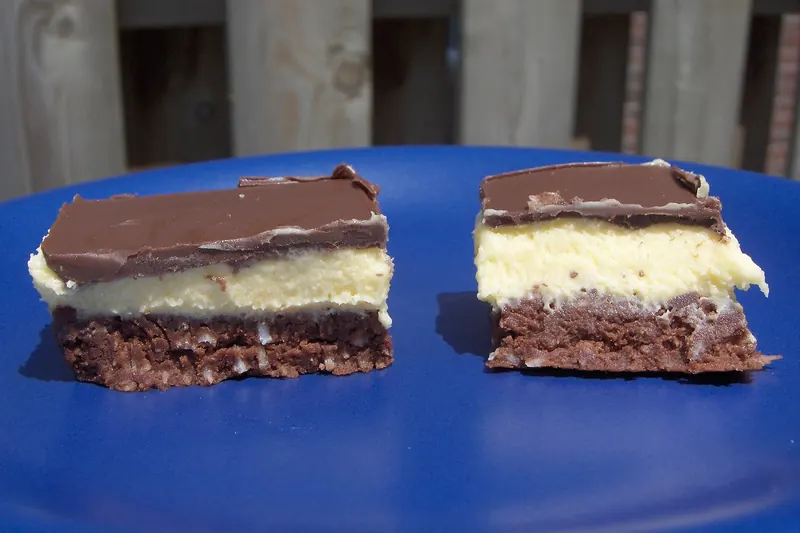
  • A Nanaimo bar, a layered Canadian dessert

    Nanaimo bars

    A nice sweet treat after a day of hiking, found at cafés throughout town.

    Where to try it Cafés and bakeries throughout Banff town.

Accommodation

Where to stay in Banff & Lake Louise

Banff offers everything from hostels to grand historic hotels, with Lake Louise's own lodging commanding a real premium.

  • Banff town

    The most practical base, with easy access to the gondola and nearby trailheads.

    Best for: Being central, walkable and full of restaurants

  • Lake Louise

    Limited, pricier lodging right by the lake, about 45 minutes from Banff town.

    Best for: An early start at the lake itself, before day-trippers arrive

What a night costs

Budget hostel
C$60–100 per night
Mid-range hotel in Banff town
C$280–500 per night
Banff Gondola ticket
About C$65–75
Dinner at a mid-range restaurant
About C$35–60 per person

Transport

Getting to and around Banff & Lake Louise

Banff is reached by road from Calgary, the closest major airport.

Getting there

  • Fly into Calgary, then drive or shuttle

    The standard route, taking about 1.5 hours by road from the airport.

    Shared shuttles and rental cars are both widely available at Calgary International Airport.

  • Drive from Vancouver

    A scenic but long option, taking around nine to ten hours.

    Best broken up over two days, or treated as part of a wider Western Canada road trip.

  • Organised tour or bus from Calgary

    Convenient if you'd rather not drive.

    Several operators run direct services between Calgary and Banff.

Getting around

Banff town is walkable, though a car is the most practical way to reach the area's famous lakes.

  • On foot in Banff town

    Easy for the town centre itself.

    Banff Avenue and the surrounding blocks are all comfortably walkable.

  • Car or shuttle to Lake Louise and Moraine Lake

    Necessary for reaching the area's most famous lakes.

    Check current parking and access rules — both lakes restrict private vehicles at peak times.

  • Roam public transit

    Useful for some routes within and around Banff town.

    A local bus network connects the town to a handful of nearby trailheads.

When to go

Best time to visit Banff & Lake Louise

Banff and Lake Louise are a year-round destination, though most visitors come for the ice-free summer months.

  • Summer (June–August)

    Best time

    The most reliable season, with every trail and viewpoint accessible, also the busiest and priciest.

  • Early autumn (September)

    Best time

    Excellent, with golden larch trees and noticeably thinner crowds than summer.

  • Winter (December–March)

    Good

    Beautiful and quiet, with skiing at nearby resorts, though the lakes freeze over.

  • Spring (April–May)

    Good

    A shoulder season, with snow lingering at higher elevations and some trails still closed.

Worth planning around: Nothing strongly, though July and August bring the heaviest crowds to Lake Louise and Moraine Lake.

Itinerary

Three days in Banff and Lake Louise

Built around Banff town, Lake Louise and Moraine Lake, and the Icefields Parkway's southern stretch.

  1. Day1

    Banff town

    The town's essential sights.

    • Morning The Banff Gondola up Sulphur Mountain.
    • Afternoon Bow Falls and the Fairmont Banff Springs Hotel.
    • Evening Dinner on Banff Avenue.
  2. Day2

    Lake Louise and Moraine Lake

    The area's two most famous lakes.

    • Morning Arrive early at Lake Louise for canoeing or a lakeside walk.
    • Afternoon Continue to Moraine Lake, checking access rules ahead.
    • Evening Return to Banff for a final night.
  3. Day3

    Johnston Canyon and Peyto Lake

    A day exploring further afield.

    • Morning Hike Johnston Canyon's catwalks to the falls.
    • Afternoon Drive north to the Peyto Lake viewpoint.
    • Evening A final dinner in Banff town.

Travel tips

Banff & Lake Louise travel tips

Practical notes that make a Banff and Lake Louise visit noticeably smoother.

  • Arrive before 7am at Lake Louise and Moraine Lake in peak summer to avoid parking closures.
  • Book a Banff Gondola time slot ahead, ideally for sunset.
  • Carry bear spray for any hike beyond the busiest, most crowded trails.
  • Pack layers — mountain weather shifts quickly, even in summer.
  • Check current shuttle and access rules for Moraine Lake before setting out.
  • Book accommodation months ahead for a July or August visit.

FAQ

Banff & Lake Louise: frequently asked questions

How many days do you need in Banff and Lake Louise?

Three to four days covers Banff town and the area's most famous lakes at a comfortable pace.

How do you get to Banff?

Easiest by flying into Calgary and driving or taking a shuttle, about 1.5 hours by road.

Do you need a car for Lake Louise and Moraine Lake?

A useful option, though check current access rules — both often restrict private vehicles and require a shuttle at peak times.

Is Banff crowded?

Very busy in July and August, especially at Lake Louise and Moraine Lake — arriving early is the best way to beat it.

Can you see wildlife in Banff?

Yes — elk and bighorn sheep are commonly seen, with bears occasionally spotted from a safe, respectful distance.

Can you combine Banff with Jasper?

Yes, easily — the Icefields Parkway connects the two in one of the most scenic drives in the world.

Read next

Related travel articles

Road trips

How to Plan a US National Parks Road Trip

American national parks are no longer places you turn up at. Timed entry, permit lotteries and mandatory shuttles now govern the popular ones, and the distances between them are larger than almost any visitor expects. Here is how to plan around both.

Practical

Packing by Season and Trip Type

Most packing advice is a list of things. This is the opposite: the small number of decisions that determine whether your luggage helps or hinders, organised by the kind of trip you are actually taking.

Advertisement