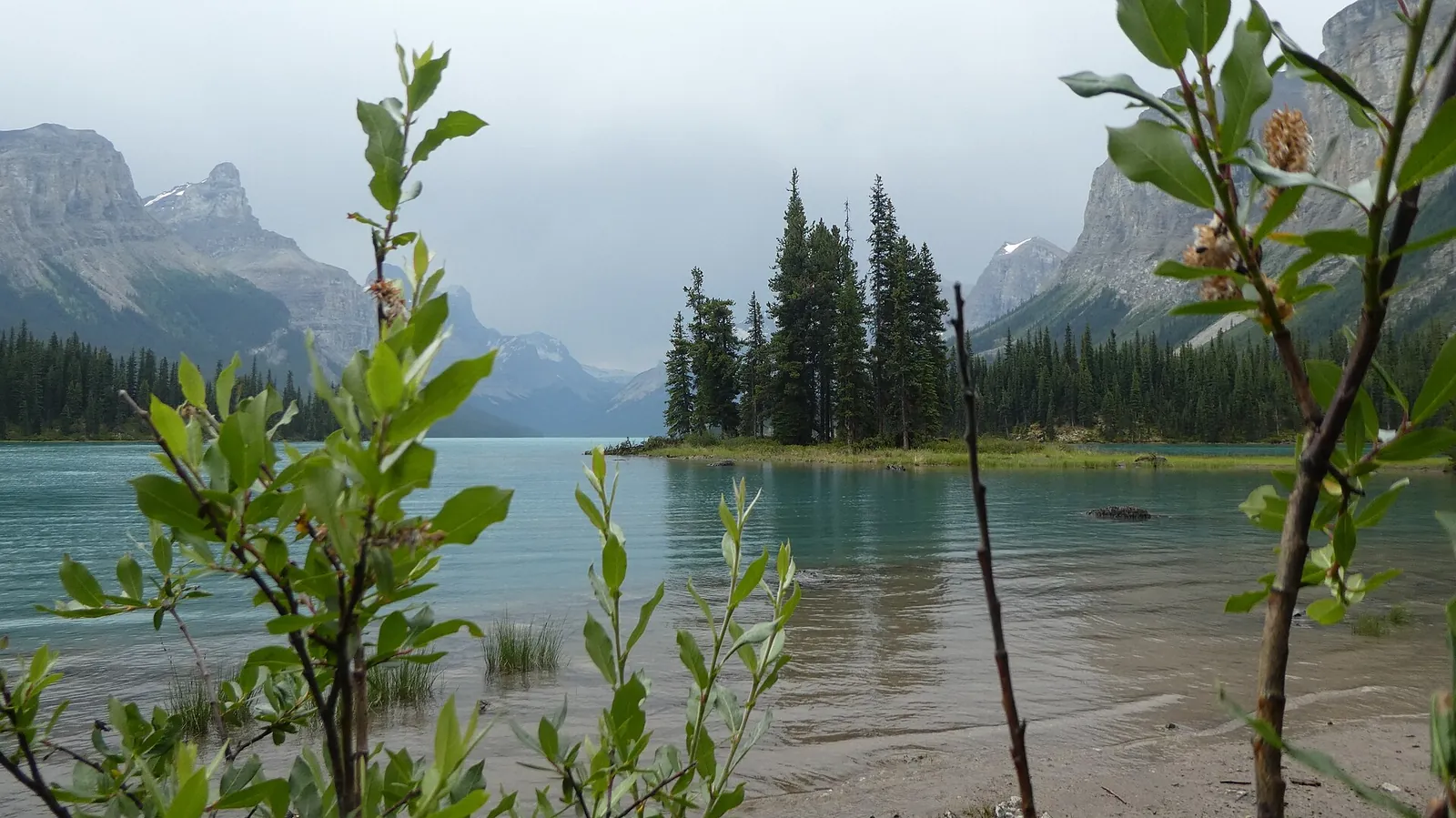
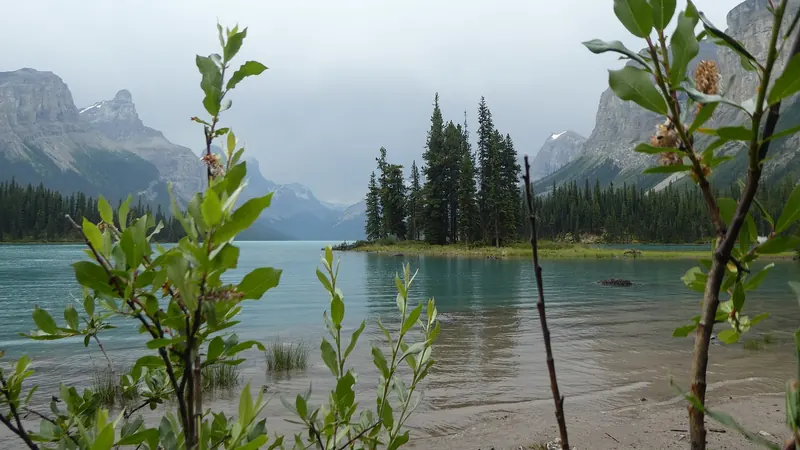

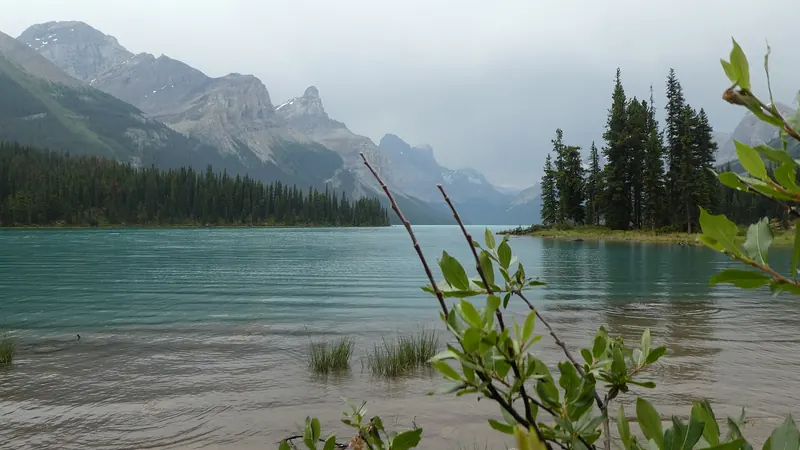

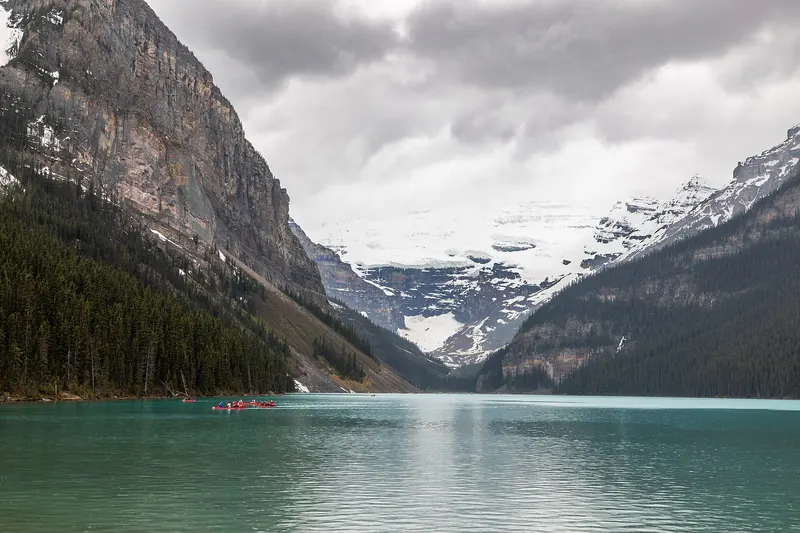
Spirit Island on Maligne Lake in Jasper National Park

Alberta · Canada

Jasper National Park

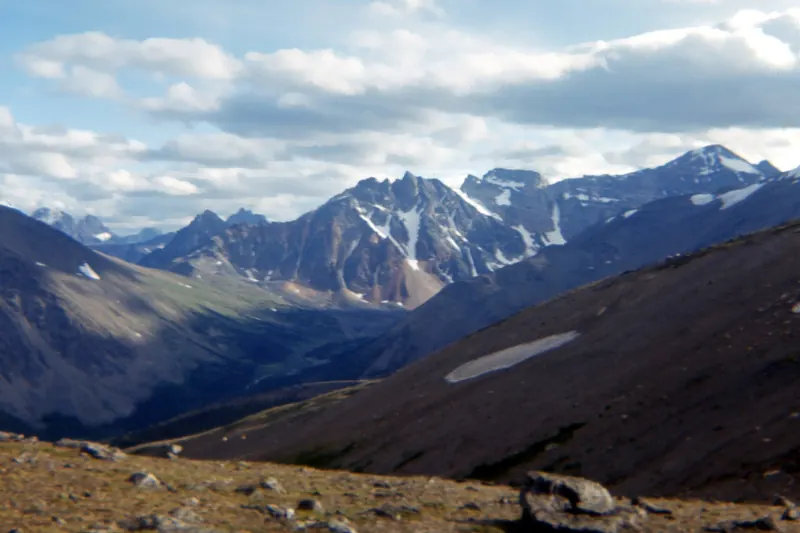
A wilder, quieter half of the Icefields Parkway's Rockies scenery, home to a genuine glacier you can walk on and one of the world's largest dark sky preserves.

  • Best time June to September for open roads and full glacier access
  • Stay 2-3 days
  • Good for Wildlife, glaciers, dark-sky stargazing

Photo: Serge Cousineau · CC BY-SA 4.0

Welcome to Jasper National Park

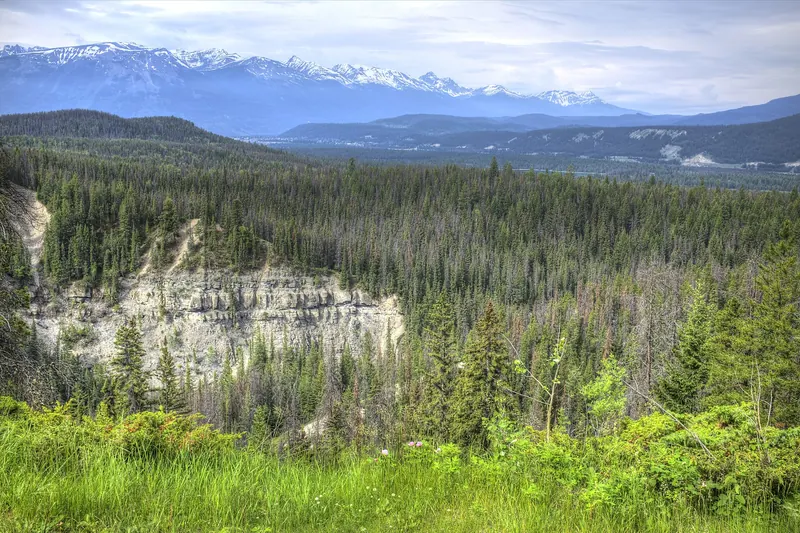
Jasper is the wilder, quieter half of the classic Rockies pairing with Banff, a larger national park with noticeably fewer crowds and a real sense of remoteness.

Its centrepiece is the Athabasca Glacier, part of the Columbia Icefield, one of the few glaciers in the world visitors can walk out onto directly.

The park is also one of the largest accessible dark sky preserves on the planet, drawing stargazers alongside the usual Rockies hikers and photographers.

  • Nature & Wildlife
  • National Park
  • Mountains
  • Wildlife

Why visit

Why visit Jasper National Park?

Jasper's case rests on wilder, less crowded Rockies scenery paired with a walkable glacier.

  • The Athabasca Glacier is walkable

    One of the few glaciers anywhere visitors can step out onto directly, guided or by Ice Explorer vehicle.

  • It's far less crowded than Banff

    A larger park with a fraction of the visitor numbers at its most famous sights.

  • Maligne Lake and Spirit Island are a singular sight

    One of the most photographed scenes in the Canadian Rockies.

  • The dark skies here are exceptional

    One of the world's largest accessible dark sky preserves, with regular stargazing events.

  • Wildlife sightings are more frequent than in Banff

    Elk, bighorn sheep, and black bears are all commonly seen along the roads.

Main attractions

Top things to see in Jasper National Park

Jasper's essential sights are spread across a much larger, wilder park than Banff.

  1. Spirit Island on Maligne Lake

    Maligne Lake and Spirit Island

    One of the most photographed scenes in the Rockies, a tiny wooded island in the middle of a long glacial lake.

    Tip Only reachable by boat tour — there's no trail to Spirit Island itself.

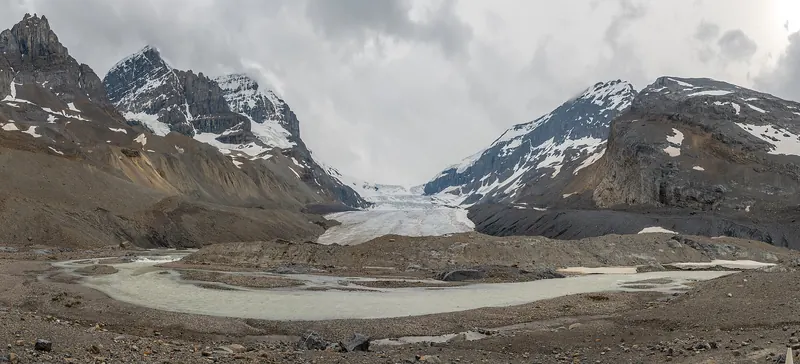
  2. The Athabasca Glacier in Jasper National Park

    The Athabasca Glacier

    Part of the Columbia Icefield, one of the largest accumulations of ice south of the Arctic Circle.

    Tip Only walk on the ice with a guided tour — crevasses make independent access dangerous.

  3. The Jasper SkyTram

    The Jasper SkyTram

    One of the highest and longest guided aerial tramways in Canada, climbing to a sweeping alpine viewpoint.

    Tip Bring a warm layer — the summit sits well above the treeline.

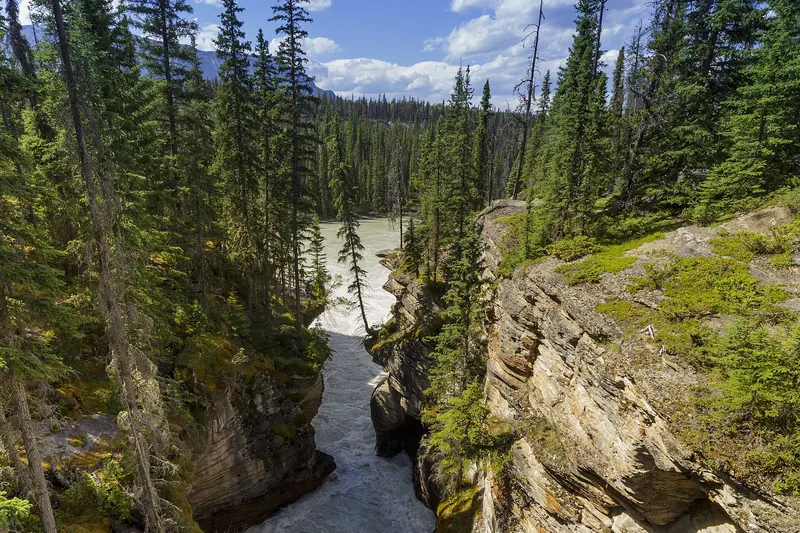
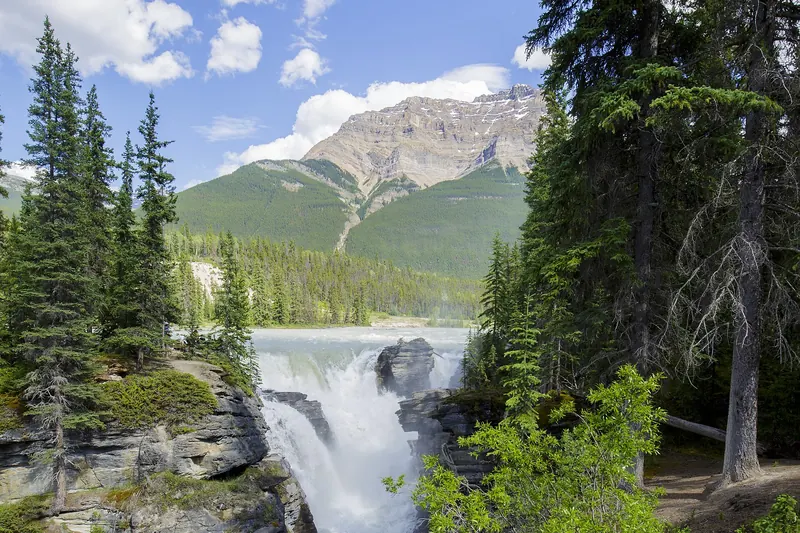
  4. Athabasca Falls in Jasper National Park

    Athabasca Falls

    Not the tallest waterfall in the Rockies, but one of the most powerful, forcing the Athabasca River through a narrow gorge.

    Tip Walk the full loop trail for multiple viewpoints over the falls and gorge.

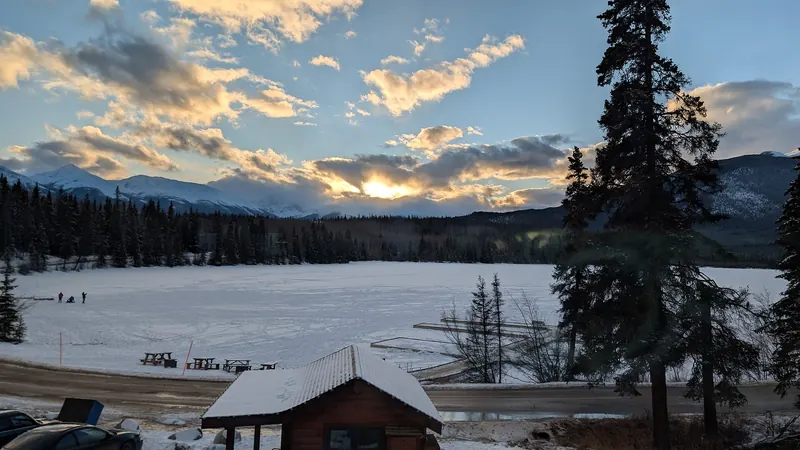
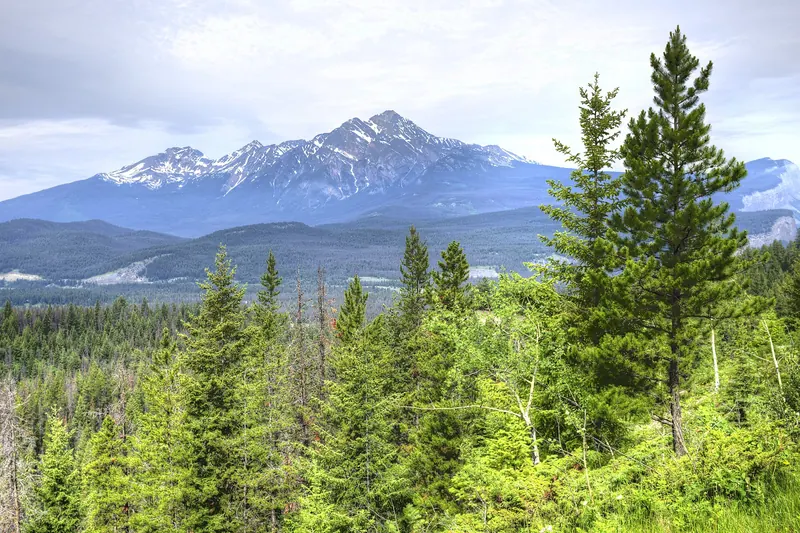
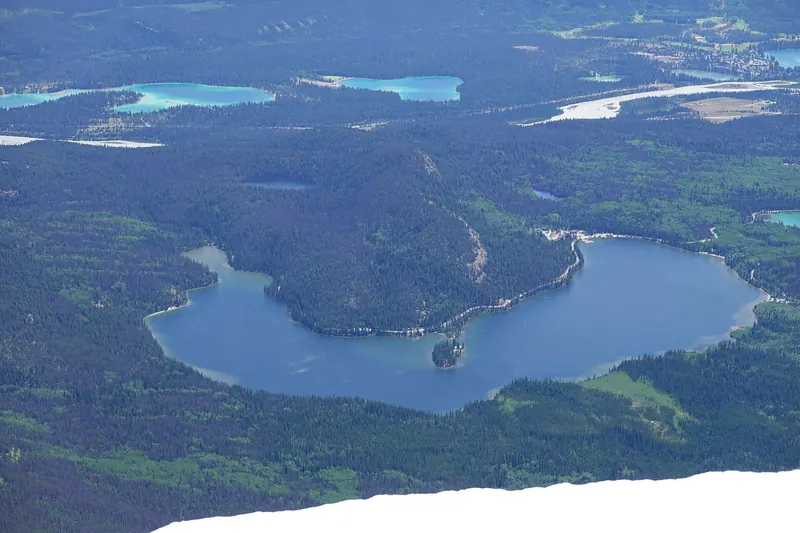
  5. Pyramid Lake near Jasper town

    Pyramid Lake

    A peaceful lake just outside Jasper town, named for the pyramid-shaped mountain reflected in its water.

    Tip An easy sunset spot, a short drive from downtown Jasper.

  6. Maligne Canyon in Jasper National Park

    Maligne Canyon

    One of the deepest canyons in the Rockies, a limestone gorge crossed by a series of dramatic footbridges.

    Tip Visit in winter too, if you can — the frozen canyon walk is a completely different experience.

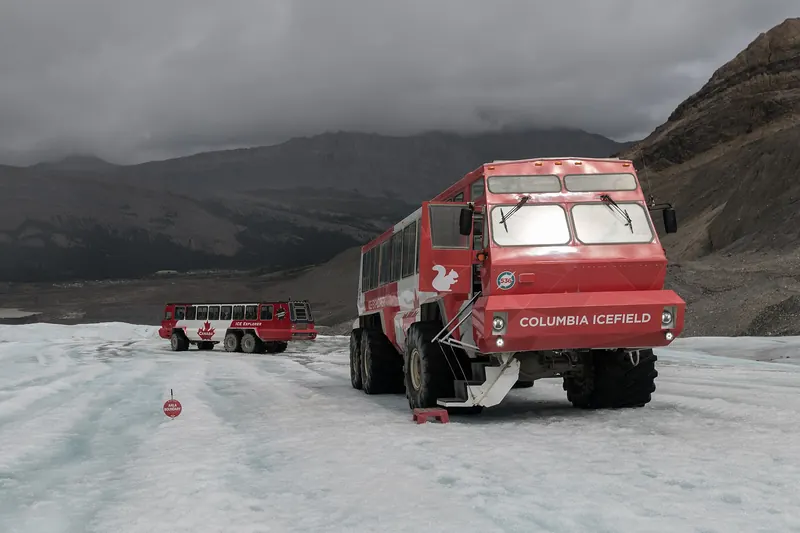
  7. Ice Explorer vehicles on the Athabasca Glacier

    Ice Explorer vehicles on the glacier

    A unique way to reach the glacier's surface, giant all-terrain buses built specifically for the ice.

    Tip Combine with the nearby Glacier Skywalk for a fuller Columbia Icefield experience.

Things to do

Best things to do in Jasper National Park

Jasper rewards a full day or two, split between its glacier, lakes and dark-sky nights.

  1. Boating to Spirit Island on Maligne Lake

    Boat to Spirit Island on Maligne Lake

    An essential Jasper experience, cruising the length of Maligne Lake to its famous island viewpoint.

    Tip Book ahead in peak summer — tour slots do fill up.

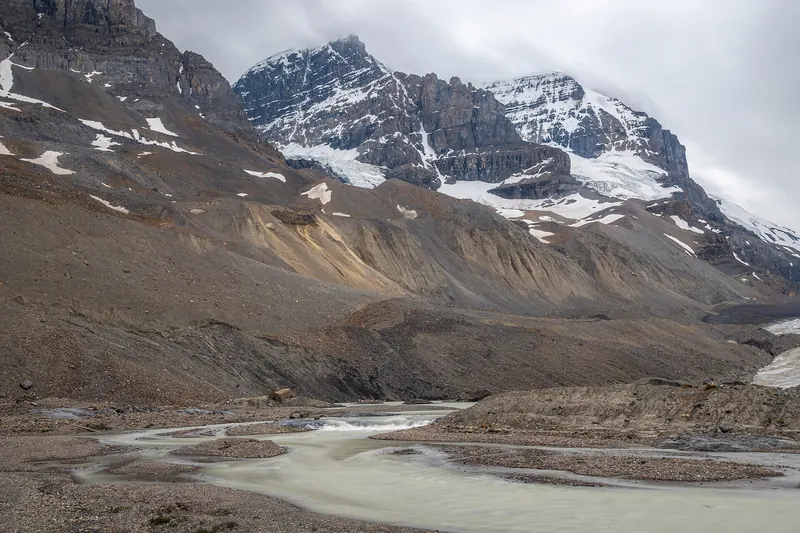
  2. The meltwater at the edge of the Athabasca Glacier

    Walk on the Athabasca Glacier

    A rare opportunity, stepping onto real glacial ice on a guided walk or Ice Explorer tour.

    Tip Dress warmly — the ice keeps temperatures noticeably colder than the surrounding valley.

  3. The view from the Jasper SkyTram

    Ride the Jasper SkyTram

    A quick way to reach alpine terrain, with hiking trails continuing further up from the top station.

    Tip Go on a clear day — the summit view is the whole point.

  4. Hiking the trail at Athabasca Falls

    Hike the trail to Athabasca Falls

    A short, easy walk with a dramatic payoff, the river forcing itself through a narrow limestone gorge.

    Tip Stay behind the railings — the rocks here are slippery and the current is powerful.

  5. Walking the trail at Maligne Canyon

    Walk the Maligne Canyon trail

    A rewarding walk across a series of bridges spanning an increasingly deep limestone canyon.

    Tip The first two bridges make a shorter loop if you're short on time.

  6. Pyramid Lake near Jasper

    Swim or picnic at Pyramid Lake

    A relaxed way to spend an afternoon, swimming, paddling or simply picnicking by the water.

    Tip The lake's small island is connected by a footbridge, worth the short walk across.

Local food

What to eat in Jasper National Park

Food in Jasper means hearty mountain-town fare, similar to Banff but with its own small-town character.

  • Poutine, Canada's fries, cheese curds and gravy dish

    Poutine

    A reliable, warming classic after a day exploring the park.

    Where to try it Restaurants and pubs throughout Jasper town.

  • Alberta beef

    A real point of regional pride, found on menus throughout Jasper town.

    Where to try it Restaurants throughout Jasper town.

  • Bison burger

    A distinctive Rockies menu staple, leaner and richer-tasting than standard beef.

    Where to try it Restaurants and pubs throughout Jasper town.

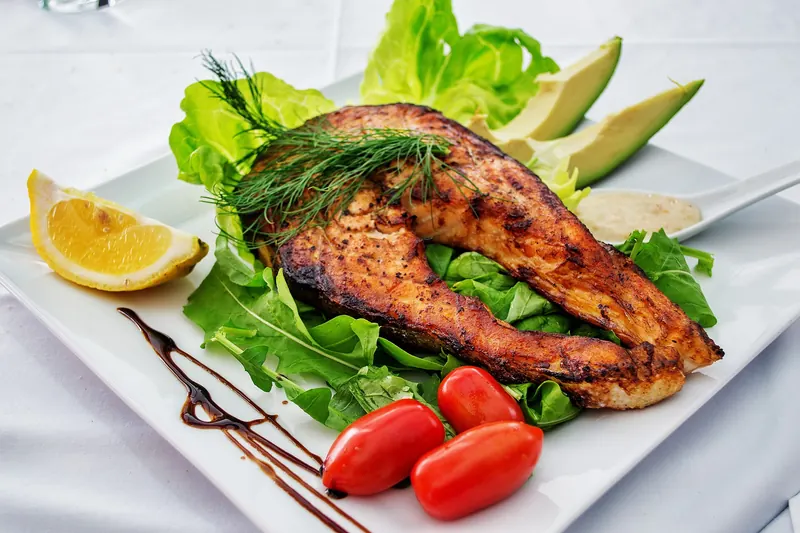
  • Grilled fish

    Grilled trout

    A fitting choice for a mountain lake region, though check the sourcing at each restaurant.

    Where to try it Restaurants throughout Jasper town.

  • Canadian craft beer

    Worth trying, with Alberta breweries well represented on local tap lists.

    Where to try it Pubs and restaurants throughout Jasper town.

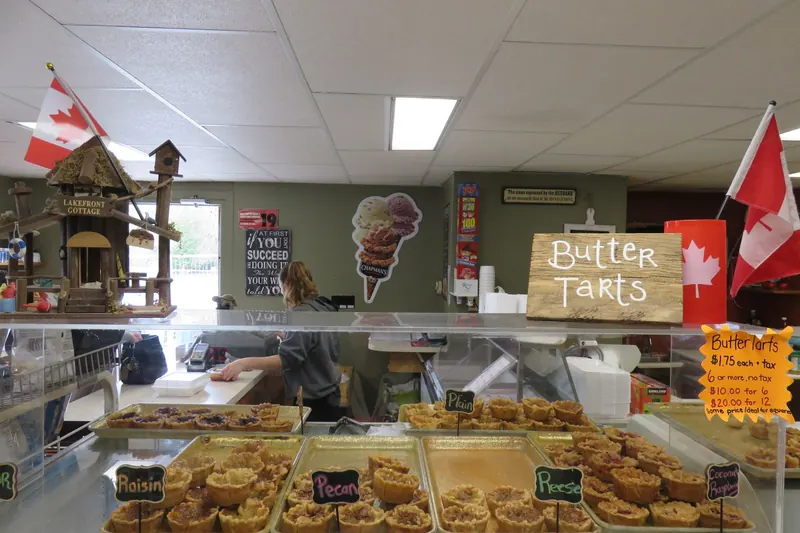
  • Butter tarts, a classic Canadian pastry

    Butter tarts

    A nice sweet treat after a day of hiking or glacier walking.

    Where to try it Bakeries and cafés throughout Jasper town.

Accommodation

Where to stay in Jasper National Park

Jasper offers a smaller, more low-key range of lodging than Banff, from campgrounds to historic lodges.

  • Jasper town

    The most practical base, with easy access to the SkyTram and nearby trailheads.

    Best for: Being central, walkable and close to restaurants

  • Along the Icefields Parkway

    A handful of lodges sit closer to the Columbia Icefield, useful for an early glacier start.

    Best for: A more remote, scenic stay closer to the glacier

What a night costs

Budget hostel or campground
C$40–90 per night
Mid-range hotel in Jasper town
C$230–400 per night
Columbia Icefield Adventure (Ice Explorer and Skywalk)
About C$130–160
Dinner at a mid-range restaurant
About C$30–55 per person

Transport

Getting to and around Jasper National Park

Jasper is reached either from Edmonton directly or via Banff along the Icefields Parkway.

Getting there

  • Drive from Edmonton

    The most direct route, taking about four hours.

    A straightforward highway drive from Edmonton International Airport.

  • Drive the Icefields Parkway from Banff

    The classic route, taking about three hours without stops.

    Budget a full day if combining the drive with sightseeing along the way.

  • Via Rail's Jasper–Prince Rupert or Skeena route

    A scenic, if infrequent, rail option.

    Limited schedule, best for travellers building a slower, rail-focused trip.

Getting around

Jasper town is small and walkable, though a car is needed to properly explore the wider park.

  • On foot in Jasper town

    Easy for the compact town centre.

    Restaurants, shops and the train station all sit within a short walk.

  • Car for the wider park

    Essential for reaching Maligne Lake, the Athabasca Glacier and other key sights.

    Distances within the park are significant — plan driving time accordingly.

  • Organised tours

    A good option for the glacier and Maligne Lake if you'd rather not drive.

    Widely available, often including the Ice Explorer and boat tour together.

When to go

Best time to visit Jasper National Park

Jasper is a year-round destination, though most visitors come for the summer months when everything is accessible.

  • Summer (June–August)

    Best time

    The most reliable season, with every road, trail and glacier tour running.

  • Early autumn (September)

    Best time

    Excellent, with fall colour and noticeably fewer visitors than summer.

  • Winter (December–March)

    Good

    Striking for stargazing and winter landscapes, though several attractions close for the season.

  • Spring (April–May)

    Good

    A shoulder season, with snow lingering and some roads and trails still closed.

Worth planning around: Nothing strongly, though winter closes access to the Athabasca Glacier's Ice Explorer tours.

Itinerary

Two days in Jasper National Park

Built around Maligne Lake and the Athabasca Glacier, with time for the park's smaller sights.

  1. Day1

    Maligne Lake and Canyon

    The park's eastern valley.

    • Morning Boat trip to Spirit Island on Maligne Lake.
    • Afternoon Walk the bridges at Maligne Canyon.
    • Evening Dinner in Jasper town.
  2. Day2

    The Athabasca Glacier

    The Columbia Icefield and Athabasca Falls.

    • Morning Drive the Icefields Parkway south to the Columbia Icefield.
    • Afternoon Ice Explorer tour onto the Athabasca Glacier, then Athabasca Falls.
    • Evening A final dinner in Jasper town, with stargazing if skies are clear.

Travel tips

Jasper National Park travel tips

Practical notes that make a Jasper visit noticeably smoother.

  • Book Maligne Lake boat tours and the Columbia Icefield Adventure ahead in peak summer.
  • Pack warm layers for the glacier — temperatures there run noticeably colder.
  • Carry bear spray for any hike beyond the busiest trails.
  • Check for a dark-sky event during your visit — Jasper's stargazing is exceptional.
  • Budget a full day for the Icefields Parkway drive from Banff, with stops.
  • Watch for wildlife on the roads, especially at dawn and dusk.

FAQ

Jasper National Park: frequently asked questions

How many days do you need in Jasper?

Two to three days covers Maligne Lake, the Athabasca Glacier and the park's smaller sights comfortably.

How does Jasper compare to Banff?

Wilder and less crowded, with a larger park and more frequent wildlife sightings, at the cost of a longer drive from a major airport.

Can you really walk on the Athabasca Glacier?

Yes — via a guided walk or Ice Explorer vehicle tour, though independent access is dangerous due to crevasses.

How do you get to Jasper?

Easiest by driving from Edmonton, about four hours, or from Banff along the Icefields Parkway.

Is Jasper good for stargazing?

Yes — it's one of the largest accessible dark sky preserves in the world, with regular public stargazing events.

Can you combine Jasper with Banff?

Yes — the Icefields Parkway between them is one of the most scenic drives in the world, and the natural way most visitors do both.

Read next

Related travel articles

Road trips

How to Plan a US National Parks Road Trip

American national parks are no longer places you turn up at. Timed entry, permit lotteries and mandatory shuttles now govern the popular ones, and the distances between them are larger than almost any visitor expects. Here is how to plan around both.

Practical

Packing by Season and Trip Type

Most packing advice is a list of things. This is the opposite: the small number of decisions that determine whether your luggage helps or hinders, organised by the kind of trip you are actually taking.

Advertisement