

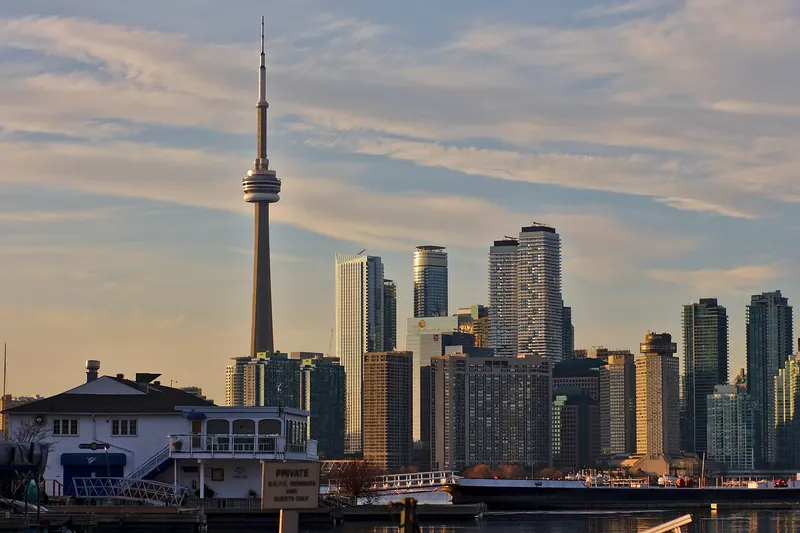




The CN Tower above Toronto's skyline

Ontario · Canada

Toronto

Canada's largest and most multicultural city, a genuine United Nations of neighbourhoods anchored by a tower that dominated the world's skylines for over three decades.

  • Best time May to September for warm weather and outdoor events
  • Stay 3 days
  • Good for City life, food, museums

Photo: Scott Webb scottwebb · CC0

Welcome to Toronto

Toronto is Canada's largest city and its most multicultural, with over half its population born outside Canada and neighbourhoods representing nearly every corner of the world.

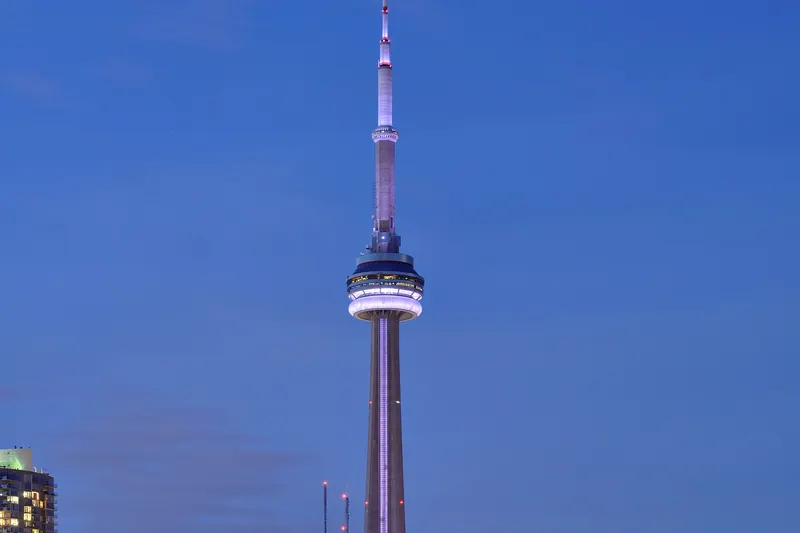
Its skyline is still defined by the CN Tower, which held the record for the world's tallest freestanding structure for more than three decades.

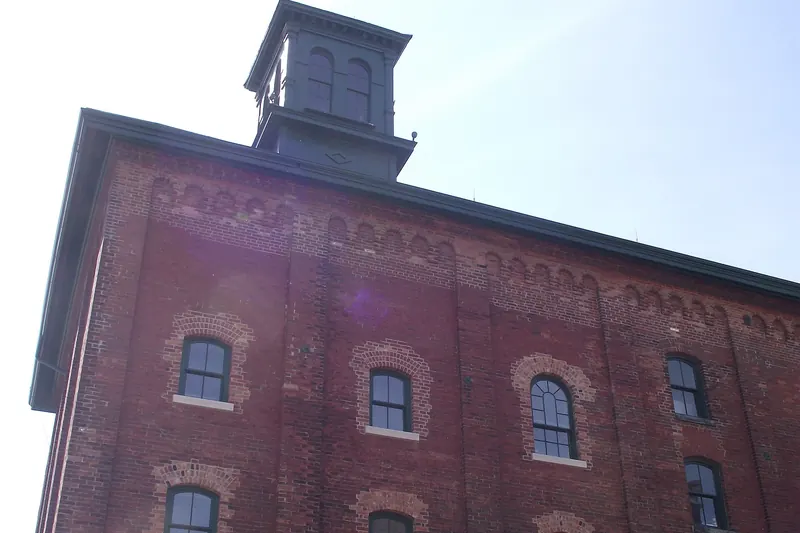
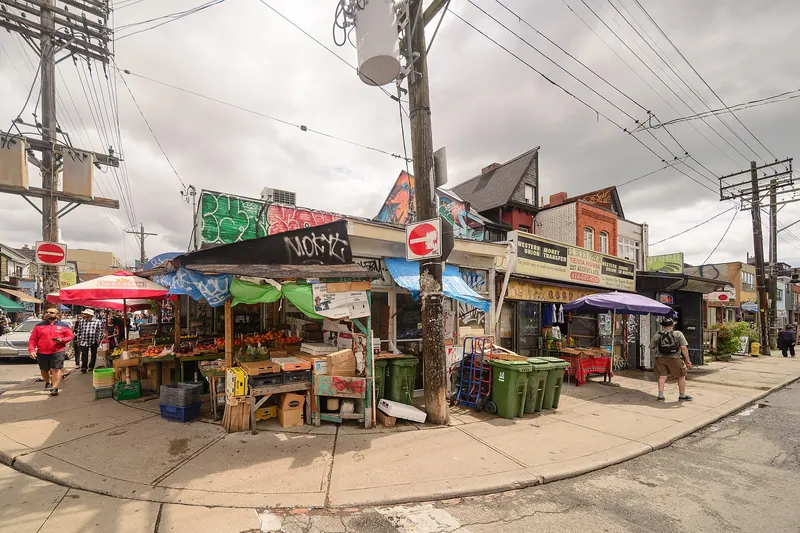
The real draw, though, is street level — Kensington Market's eclectic shops, the Distillery District's Victorian warehouses, and a food scene that reflects the city's remarkable diversity.

  • Major City
  • Culture Arts
  • Food & Wine
  • Family

Why visit

Why visit Toronto?

Toronto's case rests on being one of the world's most diverse cities, with the food and neighbourhood culture to prove it.

  • It's one of the most multicultural cities on Earth

    Neighbourhoods representing dozens of cultures, each with its own genuine character.

  • The CN Tower is still an icon

    A defining symbol of the skyline, with a glass floor and revolving restaurant.

  • The food scene is exceptional

    A direct reflection of the city's diversity, from dim sum to Jamaican patties to fine dining.

  • It's a real, walkable big city

    Distinct neighbourhoods connect easily by transit or on foot.

  • It works well as an Eastern Canada base

    An easy pairing with Niagara Falls, Montreal and Quebec City.

Main attractions

Top things to see in Toronto

Toronto's essential sights are spread across its downtown core and a handful of distinct historic neighbourhoods.

  1. The CN Tower above Toronto

    The CN Tower

    The city's defining landmark, held the record for the world's tallest freestanding structure from 1975 to 2007.

    Tip Book a sunset time slot for the best light over Lake Ontario.

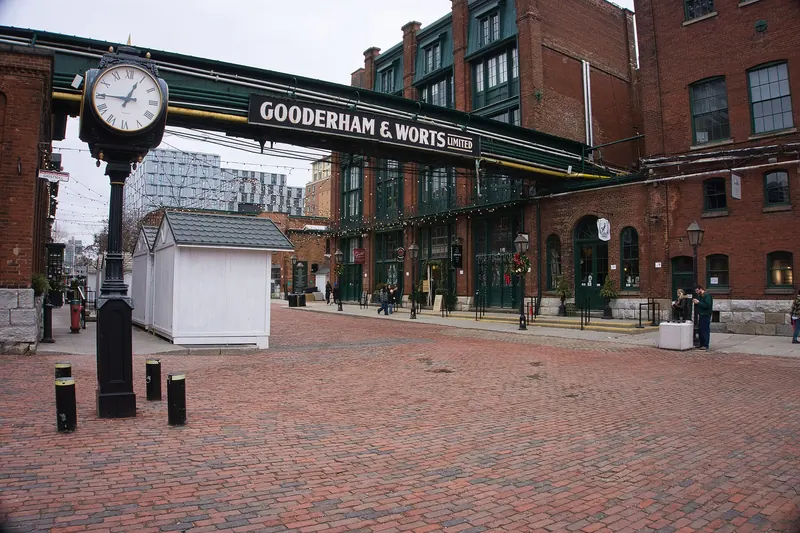
  2. The Distillery District in Toronto

    The Distillery District

    A car-free enclave of Victorian industrial architecture, once the largest whisky distillery in the British Empire.

    Tip A lovely spot for a slow wander among galleries, boutiques and cafés.

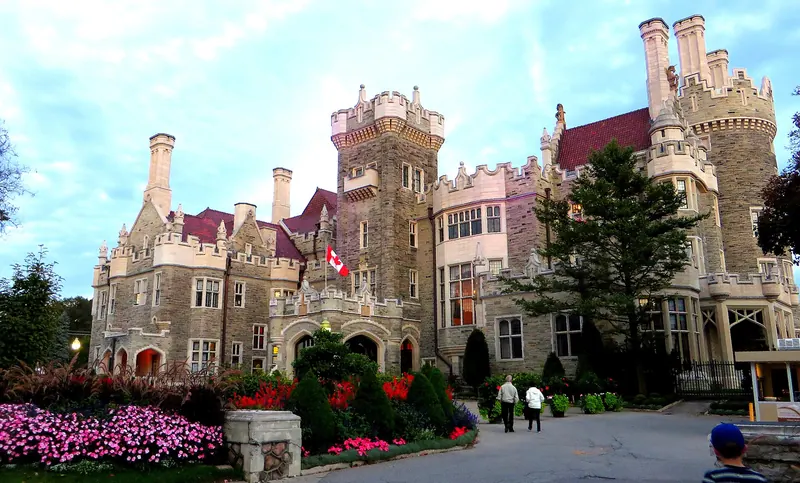
  3. Casa Loma, a castle in Toronto

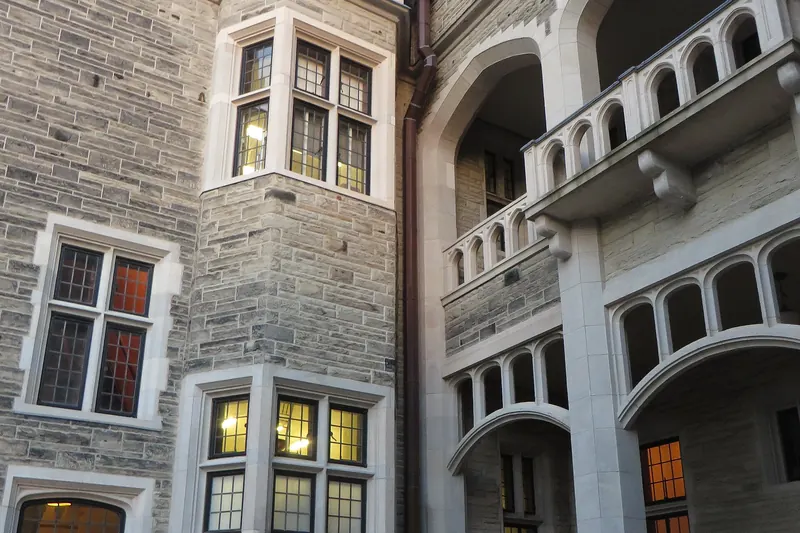
    Casa Loma

    A full-scale early 20th-century castle, complete with secret passages and manicured gardens.

    Tip Allow a couple of hours to properly explore both the interior and the grounds.

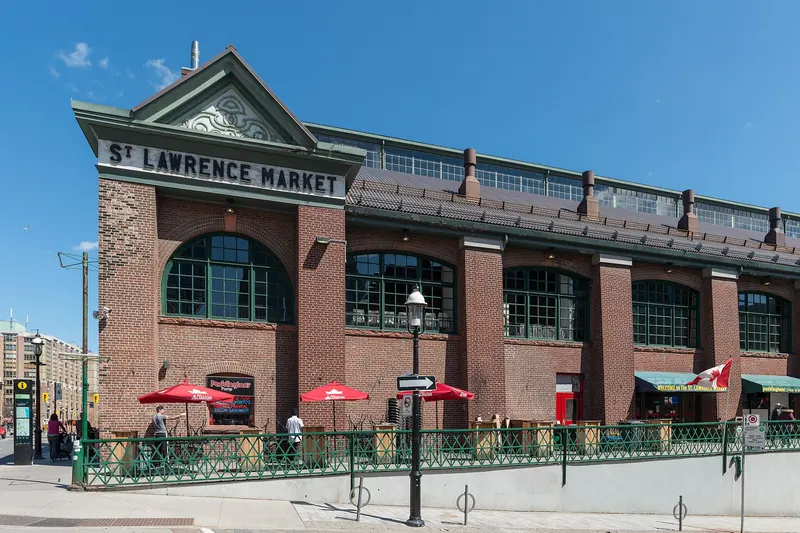
  4. St Lawrence Market in Toronto

    St Lawrence Market

    A working market with real history, once named the world's best food market by National Geographic.

    Tip Visit on a Saturday for the additional farmers' market in the north building.

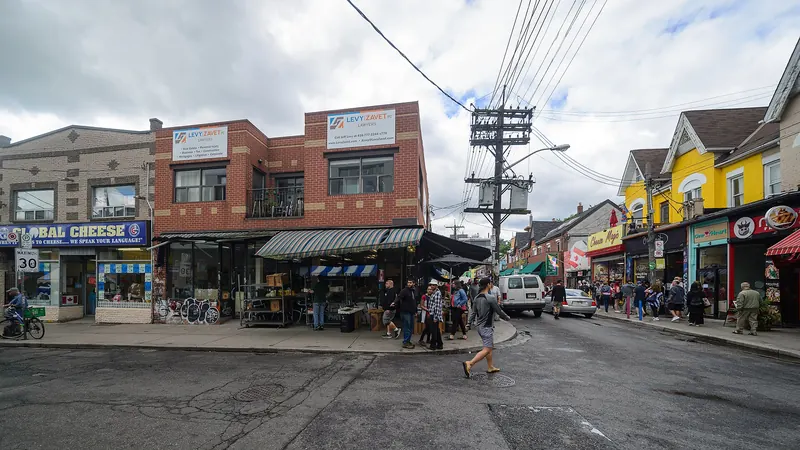
  5. Kensington Market in Toronto

    Kensington Market

    One of the city's most eclectic neighbourhoods, vintage shops and global food stalls packed into a few colourful blocks.

    Tip Visit on a car-free Pedestrian Sunday if your dates align, held on the last Sunday of warmer months.

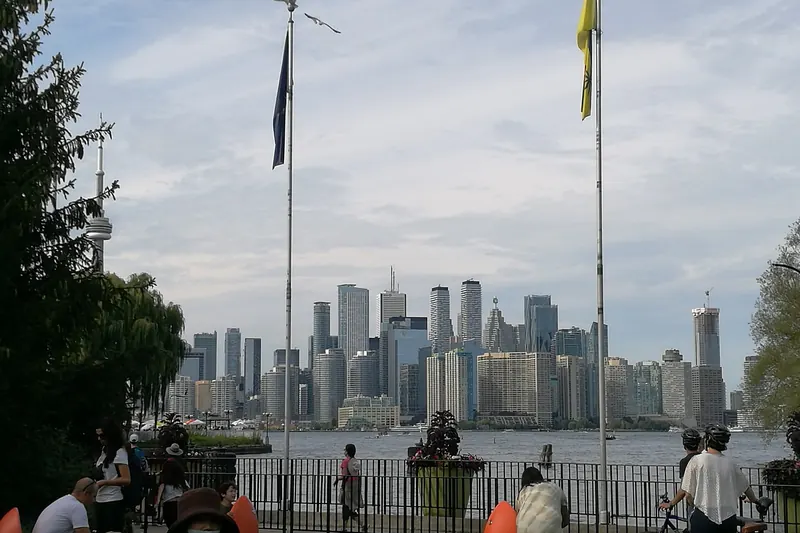
  6. Toronto's skyline seen from the Toronto Islands

    The Toronto Islands

    A car-free escape a short ferry ride from downtown, with beaches, parkland and the city's best skyline view.

    Tip Rent a bike on the islands to cover more ground than walking alone.

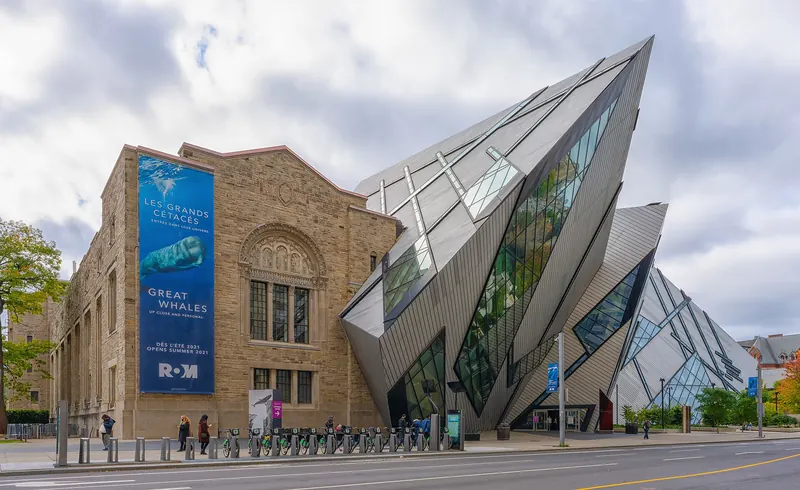
  7. The Michael Lee-Chin Crystal at the Royal Ontario Museum

    The Royal Ontario Museum's Crystal

    A striking architectural statement, a jagged crystalline extension bursting from the museum's original heritage building.

    Tip Allow a full afternoon — the collection inside is extensive.

Things to do

Best things to do in Toronto

Toronto rewards exploring by neighbourhood, each with its own distinct food and character.

  1. The CN Tower at night

    Go up the CN Tower

    An essential Toronto experience, taking in the view from the observation deck or glass floor.

    Tip Consider the EdgeWalk if you want a real adrenaline rush — a hands-free walk around the tower's outer rim.

  2. Cobblestone streets in the Distillery District

    Wander the Distillery District's cobblestones

    A relaxed way to spend an afternoon, browsing boutiques and galleries in converted Victorian warehouses.

    Tip Check the events calendar — the district regularly hosts markets and festivals.

  3. Touring Casa Loma's interior

    Tour Casa Loma's castle rooms

    A fun, slightly surreal visit, wandering a full-scale castle's period rooms and secret tunnel.

    Tip Check for seasonal light shows and special events held on the grounds.

  4. Food stalls at St Lawrence Market

    Browse St Lawrence Market's food stalls

    An essential food stop, sampling everything from peameal bacon sandwiches to international specialties.

    Tip Go hungry and share several stalls' offerings rather than filling up at just one.

  5. Shops in Kensington Market

    Explore Kensington Market's eclectic shops

    A colourful way to spend a few hours, vintage stores and global street food packed into a compact area.

    Tip Pair with neighbouring Chinatown, just a short walk away.

  6. The ferry to the Toronto Islands

    Take the ferry to the Toronto Islands

    An easy, scenic escape, swapping downtown streets for beaches and the city's best skyline photo.

    Tip Book ferry tickets online ahead on busy summer weekends.

Local food

What to eat in Toronto

Toronto's food reflects its remarkable diversity, a real strength of the city's dining scene.

  • A peameal bacon sandwich, a Toronto specialty

    Peameal bacon sandwich

    A true Toronto original, cornmeal-crusted back bacon piled onto a soft bun.

    Where to try it St Lawrence Market's Carousel Bakery, the dish's most famous source.

  • A Jamaican beef patty

    Jamaican beef patty

    A beloved staple reflecting Toronto's large Caribbean community.

    Where to try it Bakeries and shops throughout the city, especially in Caribbean neighbourhoods.

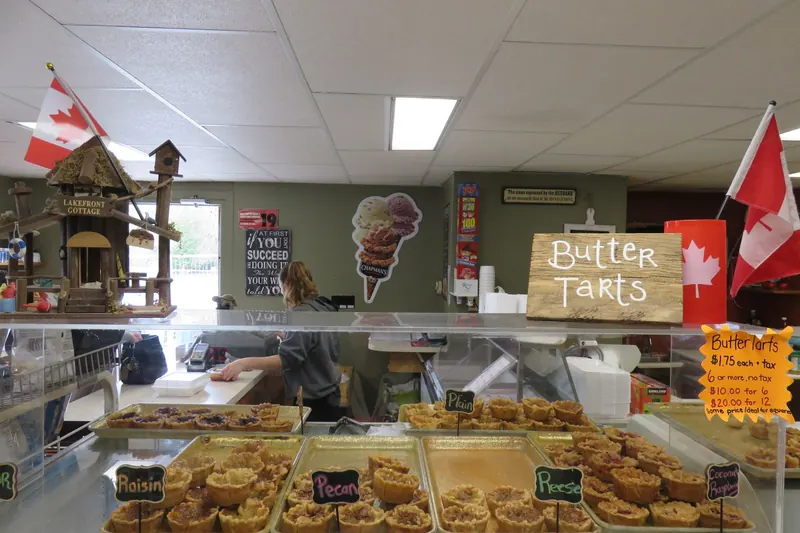
  • Butter tarts, a classic Canadian pastry

    Butter tarts

    A beloved Ontario classic, found at bakeries throughout the city.

    Where to try it Bakeries and cafés throughout Toronto.

  • Poutine, Canada's fries, cheese curds and gravy dish

    Poutine

    Widely available, though this is Quebec's dish rather than a local specialty.

    Where to try it Restaurants and food trucks throughout the city.

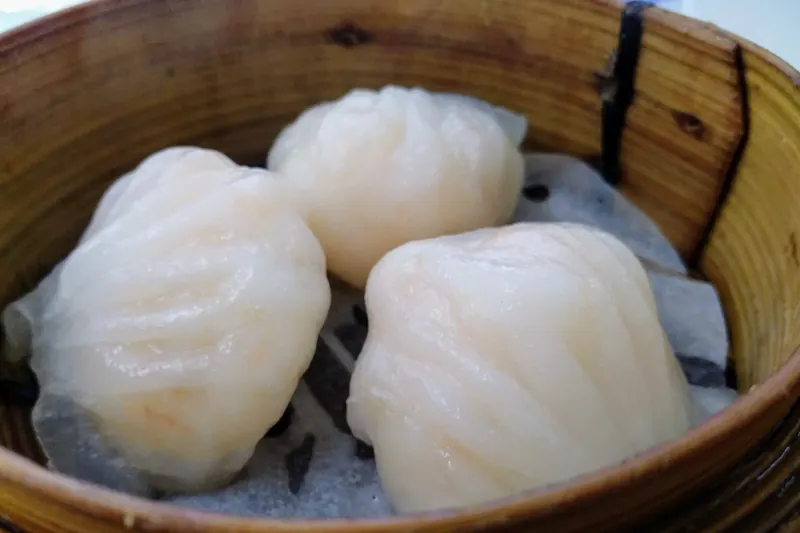
  • Dim sum, small steamed dishes

    Dim sum

    Excellent here too, a reflection of Toronto's own large Chinese community.

    Where to try it Restaurants throughout Chinatown and Scarborough.

  • Ontario craft beer and wine

    Worth exploring, with a thriving local brewery scene and Niagara wine country nearby.

    Where to try it Bars and restaurants throughout the city.

Accommodation

Where to stay in Toronto

Toronto offers accommodation for every budget, with downtown commanding the highest prices.

  • Downtown or the Entertainment District

    The most convenient, though also the priciest, part of the city to stay.

    Best for: Being within walking distance of the CN Tower and waterfront

  • Queen West or Kensington

    Close to Kensington Market and Chinatown, with easy transit downtown.

    Best for: A more character-filled, slightly better value stay

What a night costs

Budget hostel
C$45–80 per night
Mid-range hotel
C$200–350 per night
CN Tower observation deck ticket
About C$50–65
Dinner at a mid-range restaurant
About C$30–55 per person

Transport

Getting to and around Toronto

Toronto is one of North America's best-connected cities by air, with a large international airport.

Getting there

  • Direct international flights

    Available from across the world.

    The UP Express train connects Pearson Airport to downtown Union Station in about 25 minutes.

  • Train from Montreal or Ottawa

    A comfortable, frequent option.

    Via Rail's corridor service connects all three cities well.

  • Bus or drive from Niagara Falls

    An easy day-trip connection.

    About 1.5 hours by road or a direct GO Transit train.

Getting around

Toronto's extensive transit network covers the city well, with downtown itself easily walkable.

  • Subway and streetcars

    Reliable and easy to use across the city.

    The TTC's subway lines and streetcar network cover most major sights.

  • On foot

    The best way to explore individual downtown neighbourhoods.

    Kensington Market, the Distillery District and the waterfront are all walkable once you're there.

  • Ferry to the Toronto Islands

    The only way to reach the islands.

    Frequent departures from the downtown ferry terminal.

When to go

Best time to visit Toronto

Toronto is a year-round city, with summer bringing the most festivals and outdoor activity.

  • Late spring (May–June)

    Best time

    Mild, comfortable weather before summer's full heat and humidity arrive.

  • Summer (July–August)

    Good

    Warm and humid, with the city's festival calendar in full swing.

  • Early autumn (September–October)

    Best time

    Comfortable temperatures with excellent fall colour in the city's parks.

  • Winter (November–March)

    Good

    Cold, with the city's extensive PATH underground walkway system a real asset.

Worth planning around: Nothing strongly — Toronto works as a year-round city break.

Itinerary

Three days in Toronto

Built around downtown's landmarks, historic neighbourhoods and a day trip to the islands.

  1. Day1

    Downtown and the CN Tower

    The city's iconic sights.

    • Morning The CN Tower's observation deck.
    • Afternoon St Lawrence Market for lunch and browsing.
    • Evening Dinner and drinks in the Distillery District.
  2. Day2

    Neighbourhoods and Casa Loma

    A day of distinct city character.

    • Morning Kensington Market and Chinatown.
    • Afternoon Tour Casa Loma's castle rooms and gardens.
    • Evening Dinner reflecting the city's global food scene.
  3. Day3

    The Toronto Islands

    A relaxed day on the water.

    • Morning Ferry to the Toronto Islands.
    • Afternoon Cycle or walk the islands, with the skyline view.
    • Evening A final dinner back downtown.

Travel tips

Toronto travel tips

Practical notes that make a Toronto visit noticeably smoother.

  • Book CN Tower tickets online ahead, especially for sunset time slots.
  • Use the PATH underground walkway system in winter to avoid the cold.
  • Explore by neighbourhood — Toronto's real character lives outside downtown's tower district.
  • Book Toronto Islands ferry tickets ahead on busy summer weekends.
  • Try food from multiple different neighbourhoods rather than sticking to downtown alone.
  • Use Toronto as a base for day trips to Niagara Falls.

FAQ

Toronto: frequently asked questions

How many days do you need in Toronto?

Three days covers the city's main sights and a couple of its distinct neighbourhoods comfortably.

Is Toronto expensive?

Comparable to other major North American cities, with food covering a wide range of budgets.

Is Toronto walkable?

Yes — downtown and its surrounding neighbourhoods are compact and well served by transit.

Is the CN Tower worth visiting?

Yes — it remains an iconic experience, and the glass floor is a memorable thrill.

Can you day-trip to Niagara Falls from Toronto?

Yes, easily — it's about 1.5 hours by road or a direct train.

Is Toronto good for food?

Yes, exceptional — its multicultural population makes it one of North America's best cities for diverse, authentic cuisine.

Read next

Related travel articles

Food

A Country-by-Country Food Primer

Eating well abroad is mostly a matter of knowing when meals happen, how the menu is structured and which dish belongs to the place you are standing in. This covers all three for the five countries in this guide, plus the signals that separate a restaurant that feeds locals from one that feeds coaches.

Where to go

Beyond the Big Names: Places Worth the Detour

The most visited place in a country is rarely its best, and it is almost never its best value. This is a method for finding the destinations that do not make the postcards — and a set of examples from five of the 50 countries on this site.

Advertisement