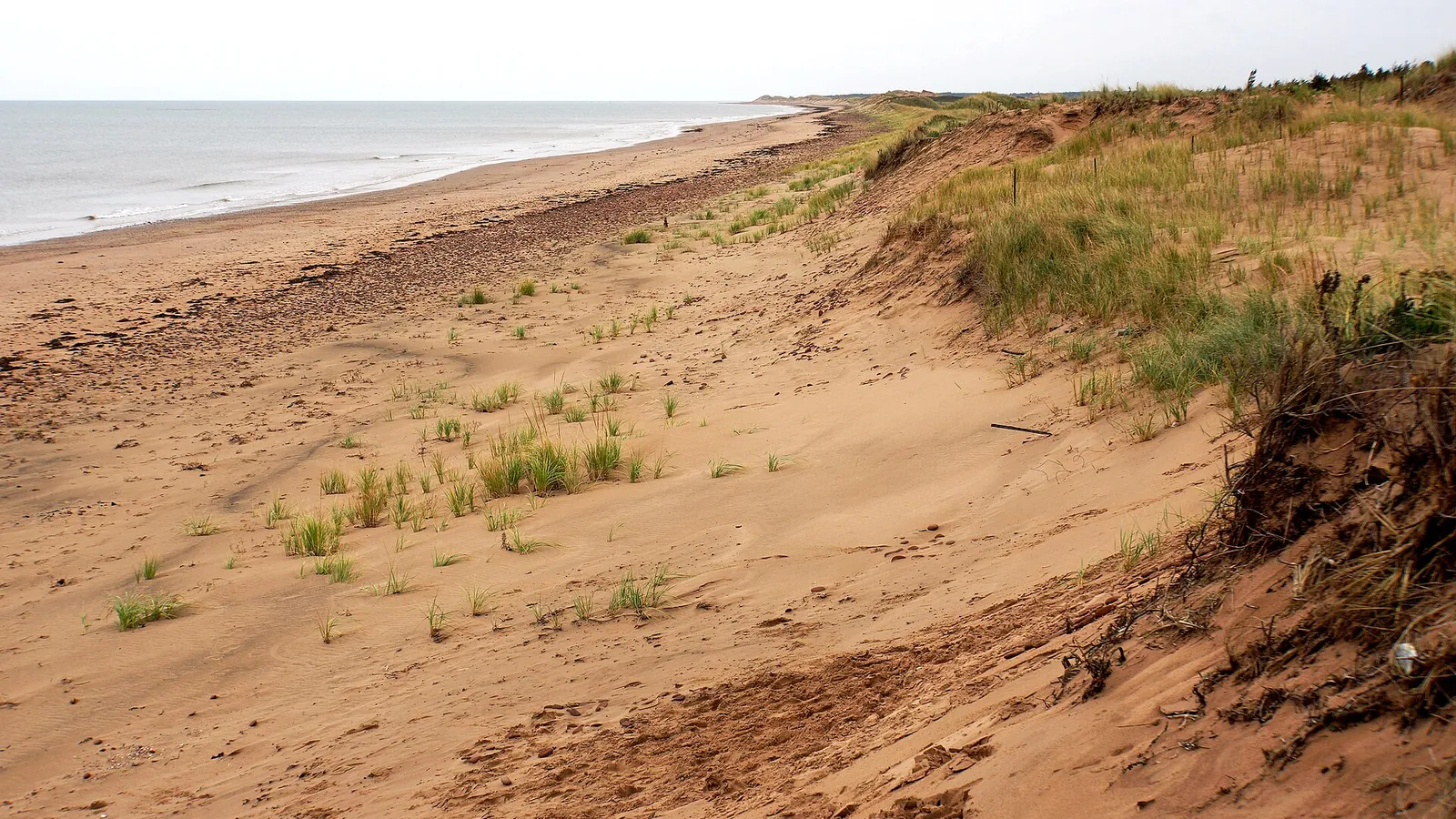

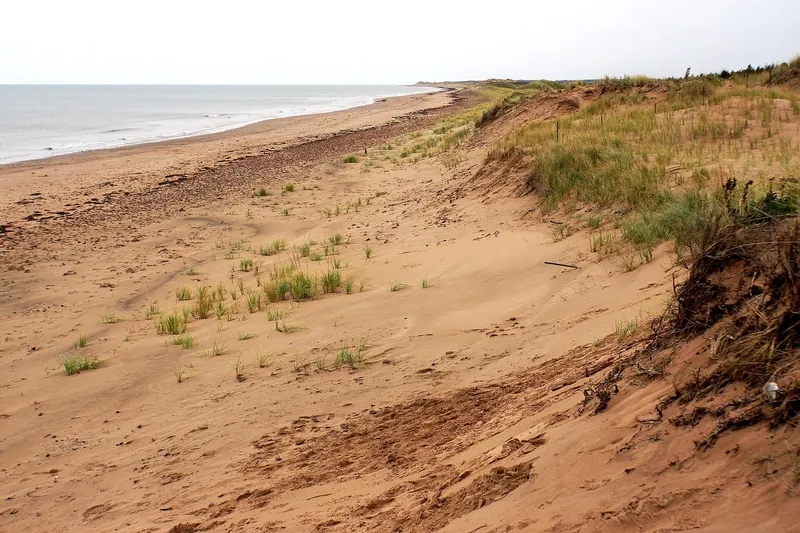


Red sand cliffs at Prince Edward Island National Park

Prince Edward Island · Canada

Prince Edward Island

Canada's smallest province, red sand beaches and rolling farmland moving at a pace the mainland forgot.

  • Best time June to September for warm weather and full seasonal access
  • Stay 3-4 days
  • Good for Beaches, slow travel, seafood

Photo: Dennis G. Jarvis · CC BY-SA 2.0

Welcome to Prince Edward Island

Prince Edward Island is Canada's smallest province, a gentle landscape of red sand beaches, rolling farmland and small fishing harbours that feels a world away from the Rockies or big city life.

It's also the setting for Anne of Green Gables, the beloved novel that still draws visitors to the farmhouse and landscape that inspired it.

The island's real character comes through in its seafood — lobster suppers, fresh mussels and PEI's own celebrated potatoes fill menus across the province.

  • Coast & Beaches
  • Countryside
  • Food & Wine
  • Family

Why visit

Why visit Prince Edward Island?

Prince Edward Island's case rests on a slower pace and a landscape unlike anywhere else in Canada.

  • The red sand beaches are striking

    Iron-rich soil gives the island's coastline a distinctive rust-red colour found almost nowhere else.

  • Green Gables is a real literary pilgrimage

    The farmhouse and landscape that inspired one of Canada's most beloved novels.

  • The seafood is some of the best in Canada

    Lobster, mussels and oysters landed fresh from the surrounding waters.

  • The pace here is deliberately slower

    Small towns, farm stands and a real absence of big-city hurry.

  • It works well as a distinctive add-on trip

    A very different side of Canada from the mountains or big cities.

Main attractions

Top things to see in Prince Edward Island

Prince Edward Island's essential sights are spread between its literary landmarks and its red sand coastline.

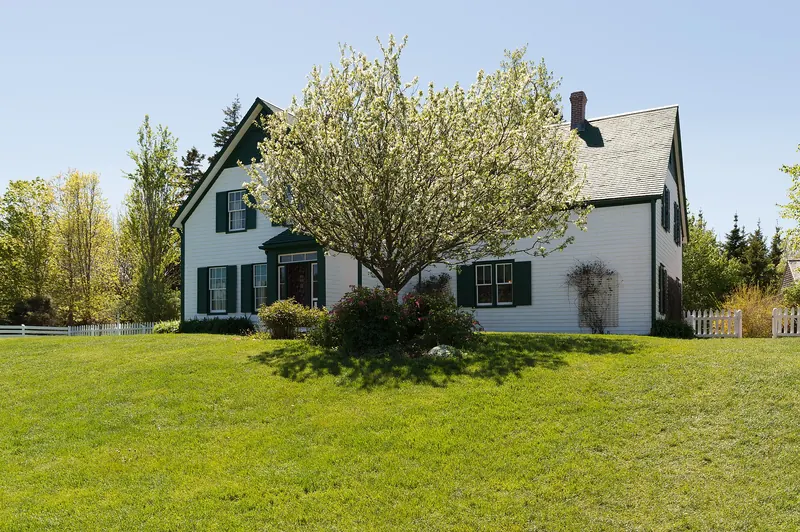
  1. Green Gables Heritage Place in Prince Edward Island

    Green Gables Heritage Place

    The farmhouse that inspired Anne of Green Gables, restored and furnished as it appears in the novel.

    Tip Walk the surrounding Haunted Wood and Lovers' Lane trails for the full literary setting.

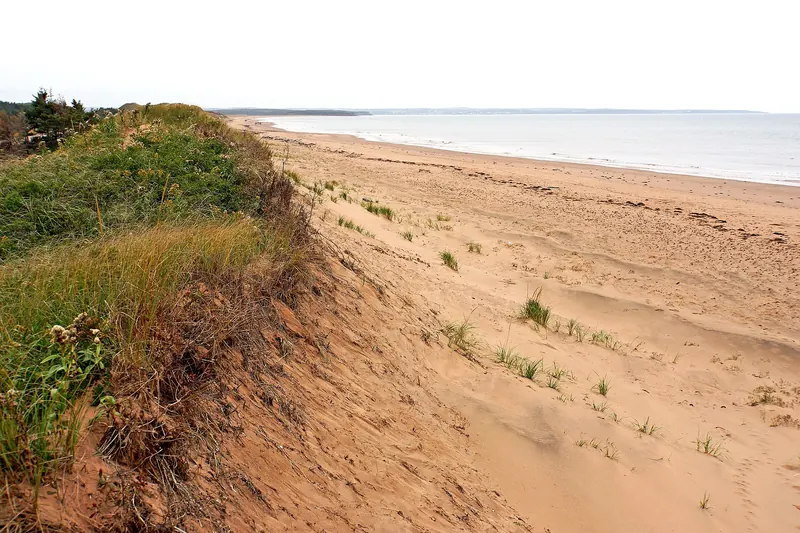
  2. Red sand cliffs at Prince Edward Island National Park

    Prince Edward Island National Park's red beaches

    The island's most striking natural feature, sandstone cliffs and dunes coloured rust-red by iron in the soil.

    Tip Visit at low tide for the widest, most walkable stretch of beach.

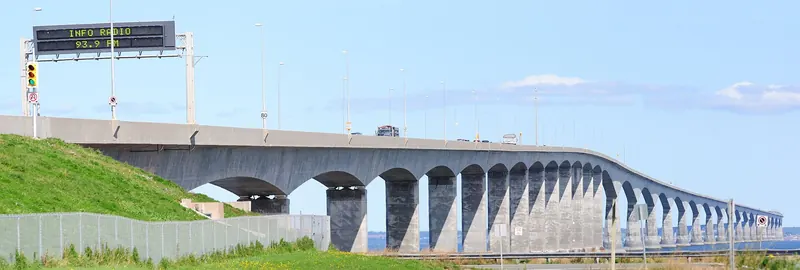
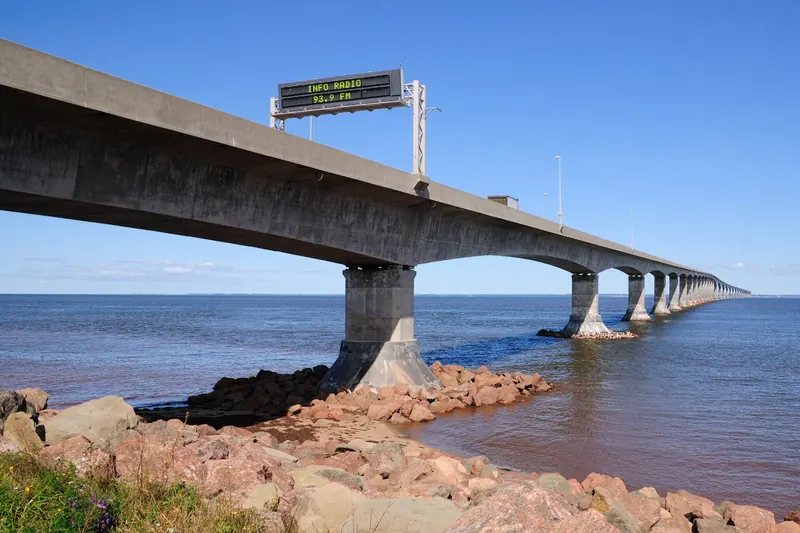
  3. The Confederation Bridge connecting PEI to the mainland

    The Confederation Bridge

    One of the world's longest bridges over ice-covered water, connecting the island to mainland New Brunswick.

    Tip A striking 13-kilometre drive in itself, best appreciated slowly rather than rushed.

  4. Charlottetown's historic streets in Prince Edward Island

    Charlottetown's historic streets

    The birthplace of Canadian Confederation, its compact downtown lined with well-preserved Victorian buildings.

    Tip Visit Province House, where the Confederation talks were first held, if it's open for tours.

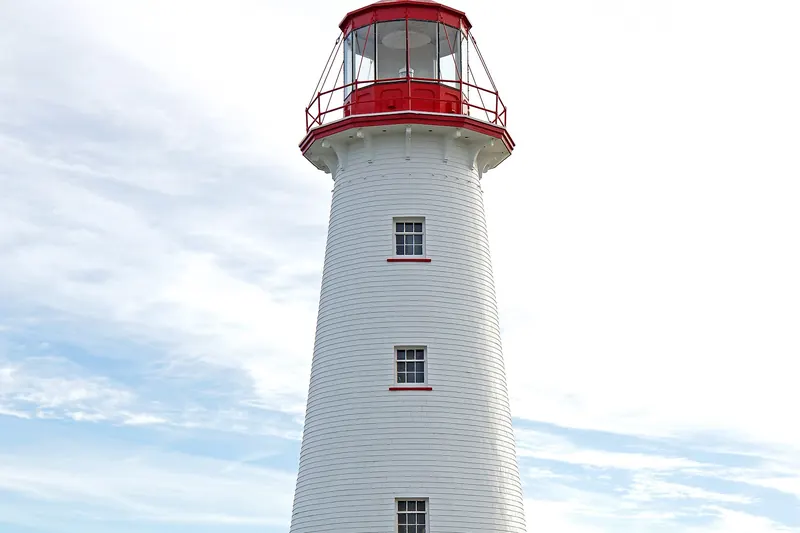
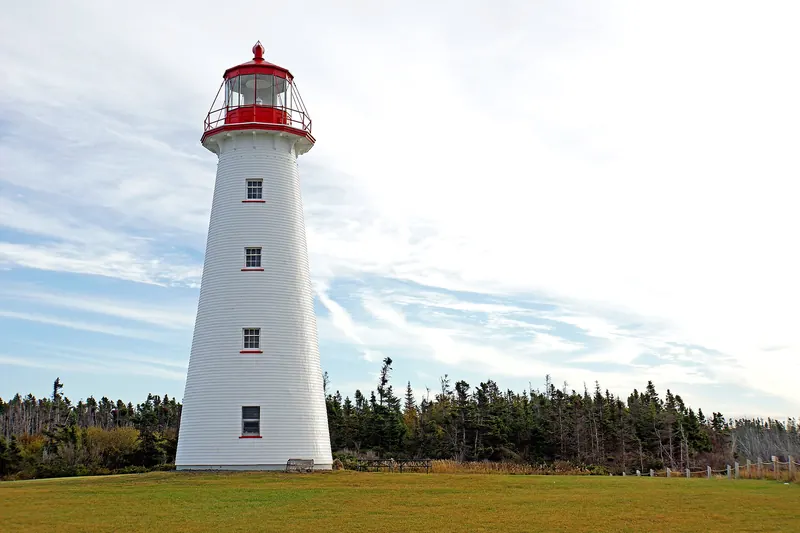
  5. Point Prim Lighthouse in Prince Edward Island

    Point Prim Lighthouse

    The island's oldest lighthouse, a distinctive round brick tower on a quiet, scenic point.

    Tip Climb to the top if it's open — the coastal view is worth the narrow stairs.

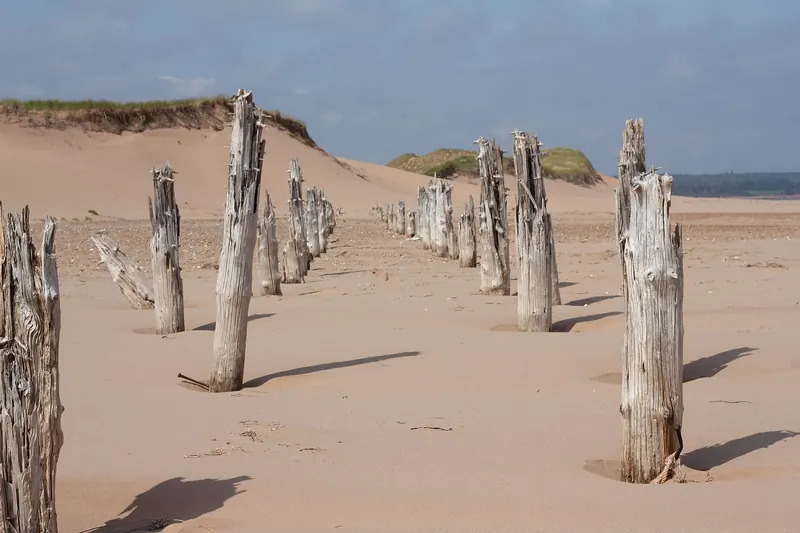
  6. Old wharf posts on the beach at Prince Edward Island National Park

    The old wharf at PEI National Park

    An atmospheric, photogenic remnant, weathered wooden posts rising from the sand at low tide.

    Tip A rewarding subject for photography, especially at sunrise or sunset.

  7. The farmland behind Green Gables Heritage Place

    Green Gables' surrounding farmland

    As much a part of the site as the house itself, gardens and fields evoking the novel's rural setting.

    Tip Allow time to walk the grounds, not just tour the house interior.

Things to do

Best things to do in Prince Edward Island

Prince Edward Island rewards a slow pace, built around its beaches, small towns and seafood.

  1. Touring Green Gables Heritage Place

    Tour Green Gables Heritage Place

    An essential literary pilgrimage, walking through the rooms and grounds that inspired Anne of Green Gables.

    Tip Read or revisit the novel beforehand for the fullest appreciation of the site.

  2. Walking the red sand beaches of PEI National Park

    Walk the red sand beaches of PEI National Park

    An essential island experience, exploring dunes and cliffs found almost nowhere else in the world.

    Tip Bring water shoes if you plan to wade — the sandstone underfoot can be sharp in places.

  3. Driving across the Confederation Bridge

    Drive across the Confederation Bridge

    A memorable arrival or departure, a long, curving drive suspended above the strait.

    Tip A toll applies only when leaving the island, not arriving.

  4. Charlottetown's waterfront in Prince Edward Island

    Explore Charlottetown's waterfront

    A relaxed way to spend an afternoon, browsing shops and restaurants along the historic harbour.

    Tip Check the events calendar — the waterfront often hosts markets and live music in summer.

  5. Visiting Point Prim Lighthouse

    Visit Point Prim Lighthouse

    A peaceful stop, a scenic drive to the island's oldest lighthouse on a quiet coastal point.

    Tip Combine with a stop at a nearby oyster shack — the area is known for its seafood.

  6. Eat a traditional PEI lobster supper

    An essential island tradition, a full lobster meal served family-style, often in a church hall or community setting.

    Tip Book ahead in peak summer — the island's most famous lobster suppers do fill up.

Local food

What to eat in Prince Edward Island

Prince Edward Island's food centres on fresh seafood and the province's own celebrated potatoes.

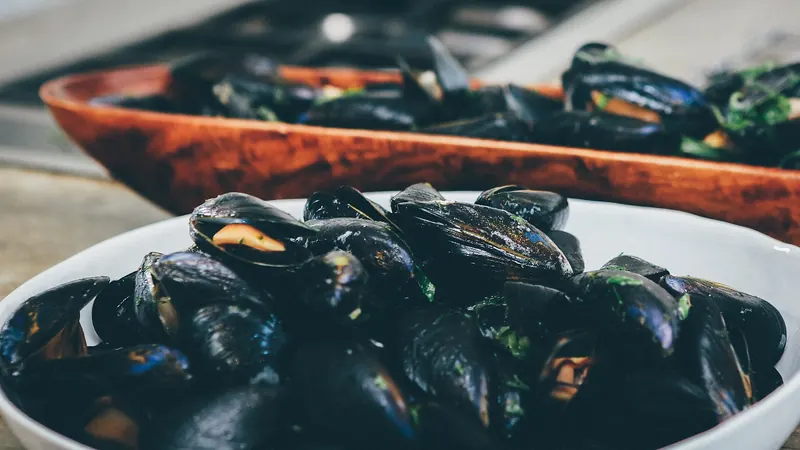
  • Fresh mussels, a Prince Edward Island specialty

    PEI mussels

    A real point of pride, PEI producing a large share of Canada's farmed mussels.

    Where to try it Seafood restaurants throughout the island.

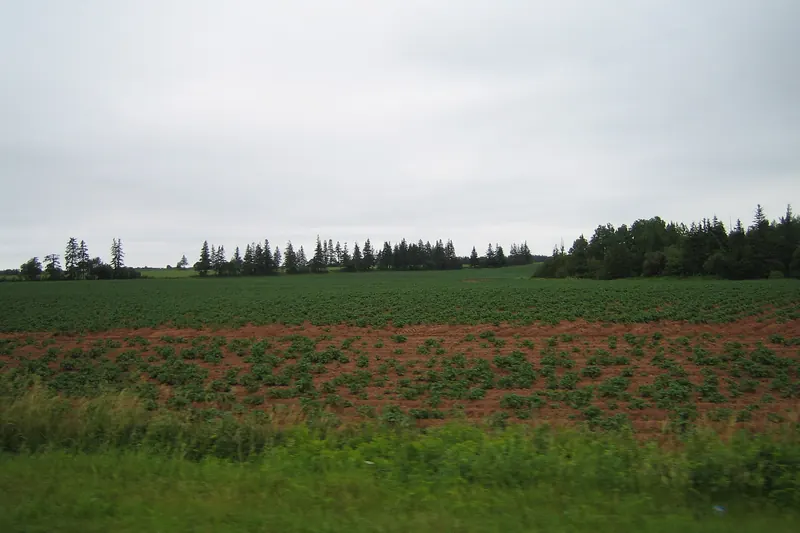
  • Potatoes grown in Prince Edward Island's red soil

    PEI potatoes

    A defining local product, the island's red soil producing some of Canada's best potatoes.

    Where to try it Restaurants and farm stands throughout the island.

  • PEI lobster

    The island's signature dish, fresh lobster served simply, often as part of a full traditional supper.

    Where to try it Lobster supper halls and seafood restaurants throughout the island.

  • Seafood chowder

    A hearty, warming classic, a creamy mix of the island's best local seafood in one bowl.

    Where to try it Restaurants throughout Charlottetown and coastal towns.

  • Cows Creamery ice cream

    A beloved island institution, a local creamery brand known across Canada.

    Where to try it Cows Creamery shops throughout the island, especially in Charlottetown.

  • Raspberry cordial

    A nod to Anne of Green Gables, a sweet, nostalgic drink referenced throughout the novel.

    Where to try it Gift shops and cafés near Green Gables Heritage Place.

Accommodation

Where to stay in Prince Edward Island

Prince Edward Island offers a relaxed range of stays, from farm bed and breakfasts to seaside cottages.

  • Charlottetown

    The island's capital, a convenient base for exploring in any direction.

    Best for: Being central, with the widest choice of restaurants

  • Cavendish

    The island's main tourist hub, close to the red sand coastline.

    Best for: A beach-focused stay near Green Gables and PEI National Park

What a night costs

Budget guesthouse
C$90–150 per night
Mid-range hotel or cottage
C$180–320 per night
Green Gables Heritage Place entry
About C$12–14
A traditional lobster supper
About C$45–65 per person

Transport

Getting to and around Prince Edward Island

Prince Edward Island is reached by bridge, ferry or air, with the Confederation Bridge the most common route.

Getting there

  • Drive across the Confederation Bridge

    The standard route from mainland New Brunswick.

    A toll applies when leaving the island, not on arrival.

  • Ferry from Nova Scotia

    A scenic seasonal alternative.

    Runs between Wood Islands, PEI, and Caribou, Nova Scotia, spring through autumn.

  • Direct flight to Charlottetown

    Available from several Canadian cities.

    Charlottetown Airport sits about ten minutes from downtown.

Getting around

A car is essential for exploring Prince Edward Island beyond Charlottetown itself.

  • Car

    Necessary for reaching the island's beaches, lighthouses and small towns.

    Distances are short, but public transport is limited outside Charlottetown.

  • On foot in Charlottetown

    Easy for the compact downtown core.

    The waterfront and historic streets sit within a comfortable walk.

  • Bicycle on the Confederation Trail

    A lovely way to see the island slowly.

    A former rail line converted into a cross-island cycling and walking trail.

When to go

Best time to visit Prince Edward Island

Prince Edward Island is a seasonal destination, with many attractions and restaurants closing over winter.

  • Summer (June–August)

    Best time

    The most reliable season, with every beach, attraction and lobster supper open.

  • Early autumn (September)

    Best time

    Still warm with noticeably thinner crowds than peak summer.

  • Late autumn and spring

    Good

    Quiet, with many seasonal businesses closed.

  • Winter (December–March)

    Good

    Very quiet, with most tourist infrastructure closed for the season.

Worth planning around: Winter, when most attractions, restaurants and lobster suppers close for the season.

Itinerary

Three days on Prince Edward Island

Built around Green Gables, the red sand coastline, and Charlottetown.

  1. Day1

    Charlottetown

    Arrival and the island's capital.

    • Morning Arrive and cross the Confederation Bridge.
    • Afternoon Explore Charlottetown's historic waterfront.
    • Evening A traditional PEI lobster supper.
  2. Day2

    Green Gables and Cavendish

    The island's literary heart.

    • Morning Tour Green Gables Heritage Place.
    • Afternoon Walk the red sand beaches of PEI National Park.
    • Evening Dinner in Cavendish.
  3. Day3

    The coast and lighthouses

    A slower day exploring the island's edges.

    • Morning Visit Point Prim Lighthouse.
    • Afternoon Explore small fishing harbours and farm stands.
    • Evening A final seafood dinner before departing.

Travel tips

Prince Edward Island travel tips

Practical notes that make a Prince Edward Island visit noticeably smoother.

  • Rent a car — public transport is limited outside Charlottetown.
  • Book a lobster supper ahead in peak summer season.
  • Visit outside summer only if you've confirmed your planned attractions stay open.
  • Pack water shoes for exploring the red sandstone beaches.
  • Time your Confederation Bridge crossing — the toll only applies when leaving the island.
  • Try both mussels and lobster — the island's two signature seafood dishes.

FAQ

Prince Edward Island: frequently asked questions

How many days do you need on Prince Edward Island?

Three to four days covers Green Gables, the red sand coastline and Charlottetown at a relaxed pace.

Is Prince Edward Island worth visiting?

Yes — its red sand beaches, literary history and seafood offer a distinctive, slower-paced side of Canada.

Do you need a car on PEI?

Yes — public transport is limited, and a car is the practical way to reach beaches, lighthouses and small towns.

How do you get to Prince Edward Island?

By car across the Confederation Bridge, seasonal ferry from Nova Scotia, or direct flight to Charlottetown.

Is Green Gables worth visiting if you haven't read the book?

Yes, though reading or revisiting Anne of Green Gables beforehand deepens the experience.

When is the best time to visit PEI?

June through September, when beaches, restaurants and lobster suppers are all fully open.

Read next

Related travel articles

Food

A Country-by-Country Food Primer

Eating well abroad is mostly a matter of knowing when meals happen, how the menu is structured and which dish belongs to the place you are standing in. This covers all three for the five countries in this guide, plus the signals that separate a restaurant that feeds locals from one that feeds coaches.

Where to go

Beyond the Big Names: Places Worth the Detour

The most visited place in a country is rarely its best, and it is almost never its best value. This is a method for finding the destinations that do not make the postcards — and a set of examples from five of the 50 countries on this site.

Advertisement