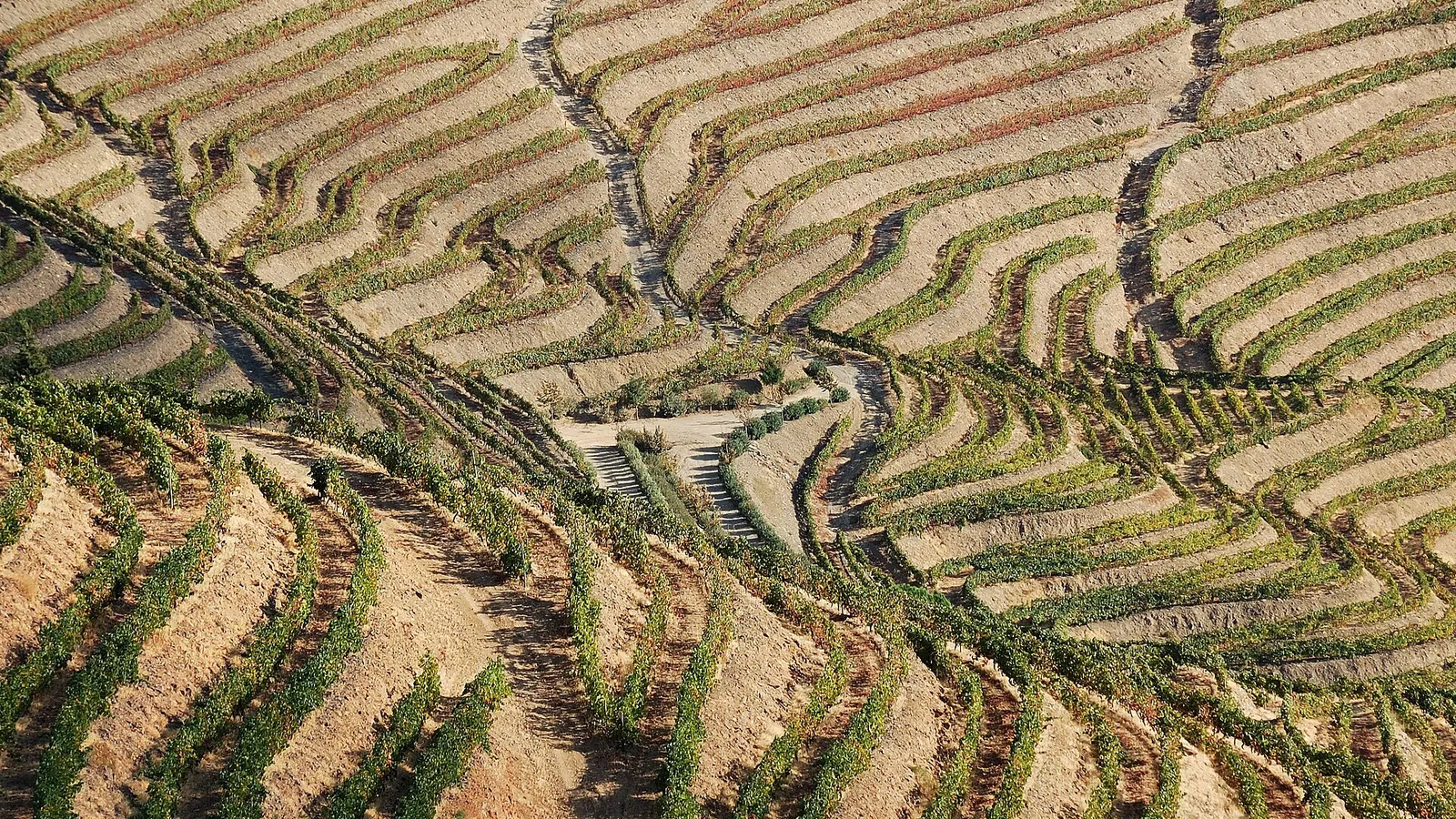
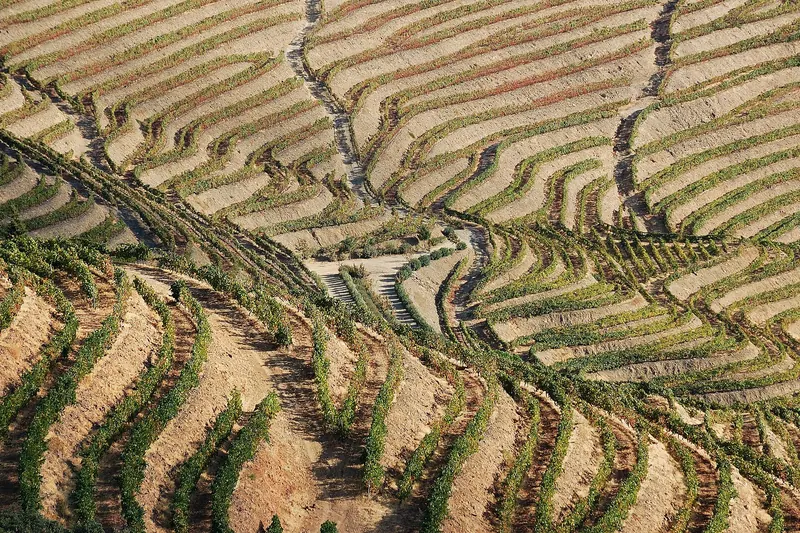
Terraced vineyards in Portugal's Douro Valley

Norte · Portugal

Douro Valley

A UNESCO-listed river valley terraced for wine since Roman times, its steep hillsides producing the port that gave Portugal one of its most famous exports.

  • Best time May–June and September, for pleasant weather and, in autumn, the harvest
  • Stay 1–2 days
  • Good for Wine, scenery, a genuine Porto day trip or overnight

Photo: Rosino · CC BY-SA 2.0

Welcome to Douro Valley

The Douro Valley has produced wine since Roman times, and its steeply terraced hillsides above the river were formally demarcated in 1756, making it one of the oldest officially regulated wine regions anywhere in the world, predating even Bordeaux's classification system.

The valley's terraces, cut painstakingly into schist hillsides too steep for almost any other agriculture, produce the grapes behind port wine — the fortified wine that gave Porto its international fame — alongside an increasingly respected range of still Douro table wines.

That combination of ancient wine-making tradition and dramatic river-valley scenery, recognised as a UNESCO World Heritage cultural landscape, makes the Douro one of the most rewarding day trips or overnight stays from Porto, whether by train, river cruise or rental car.

  • Scenic Region
  • UNESCO Site
  • Food & Wine
  • Off the Beaten Path

Why visit

Why visit Douro Valley?

The Douro Valley's case is that it delivers ancient wine-making tradition within dramatic, UNESCO-listed river scenery.

  • The terraced scenery is dramatic

    Steep schist hillsides carved into vineyard terraces over two thousand years, recognised as a UNESCO cultural landscape.

  • This is where port wine comes from

    Not Porto itself, but this valley's terraces — the real source behind Portugal's most famous export.

  • The wine region is one of the world's oldest

    Formally demarcated in 1756, predating even Bordeaux's own classification system.

  • It's easy to reach from Porto

    A scenic train ride or short drive away, making a full, worthwhile day trip or overnight stay.

  • A river cruise or train ride is spectacular

    The Douro's winding valley offers some of Portugal's most striking scenic transport.

Main attractions

Top things to see in Douro Valley

The Douro Valley's essential sights, spread across its terraced hillsides and riverside wine towns.

  1. Terraced vineyards in Portugal's Douro Valley

    Pinhão and its terraced hillsides

    A small riverside town at the heart of the valley's most dramatic terraced scenery, its train station's azulejo tiles depicting the wine harvest.

    Tip The viewpoint above Pinhão, reached by a short drive, offers the most photographed panorama of the valley's terraces.

  2. A quinta (wine estate) tour and tasting

    Historic wine estates across the valley offer excellent tours and tastings, several housed in centuries-old buildings overlooking their own vineyards.

    Tip Book a quinta with a terrace restaurant for lunch, combining a tasting with spectacular valley views.

  3. São João de Pesqueira viewpoint (São Salvador do Mundo)

    A sweeping viewpoint over some of the valley's most dramatic terraced hillsides, considerably less crowded than the main Pinhão overlooks.

    Tip A worthwhile detour for visitors with a rental car and time to explore beyond the valley's main towns.

  4. Peso da Régua

    The valley's largest town and a historic hub for the port wine trade, home to the Douro Museum covering the region's wine-making history.

    Tip The Douro Museum offers useful context on the terraces' construction and the wine's journey to Porto.

  5. Douro River viewpoints from a boat

    A river cruise or smaller boat trip offers a different perspective on the valley's terraces, viewed directly from the water.

    Tip A shorter regional cruise from Pinhão or Régua is more manageable than a full-day Porto-to-valley cruise.

Things to do

Best things to do in Douro Valley

Beyond the wine tastings, the Douro Valley rewards its scenic transport and hillside hiking.

  1. Take the Douro Line train from Porto

    A scenic regional train hugging the river for much of its route from Porto into the heart of the valley.

    Tip Sit on the left-hand side travelling from Porto for the best river views along the route.

  2. Take a river cruise through the valley

    Boats ranging from short regional trips to full-day Porto departures offer a different perspective on the terraced hillsides.

    Tip A one-way train and return boat combination (or vice versa) gives a fuller sense of the valley's scenery.

  3. Tour a quinta's vineyards on foot

    Many wine estates offer worthwhile guided walks through their own terraced vineyards, explaining the hand-cut terracing techniques.

    Tip Visit during harvest season (September) if your dates allow — the valley is at its most active and atmospheric.

  4. Drive the valley's back roads

    A rental car opens up spectacular viewpoints and smaller wine towns beyond the main train-accessible stops.

    Tip The valley's roads are narrow and winding — allow more time than GPS estimates suggest.

  5. Stay overnight at a quinta

    Several wine estates offer atmospheric overnight accommodation directly among the vineyards, a memorable alternative to a Porto day trip.

    Tip Book well ahead for harvest season, when quinta accommodation fills up fastest.

Local food

What to eat in Douro Valley

The Douro Valley's food centres on its wine, alongside hearty regional dishes suited to the valley's terraced hillside communities.

  • Terraced vineyards in Portugal's Douro Valley

    Port wine

    The valley's signature product, a globally recognised fortified wine produced exclusively from these terraced hillsides.

    Where to try it Quinta tastings throughout the valley, directly at the source where the grapes are grown.

  • Douro table wine

    Increasingly respected still wines from the same terraces that produce port, excellent and less internationally known than their fortified cousin.

    Where to try it Quinta tastings and restaurants throughout Pinhão and Peso da Régua.

  • Posta à mirandesa

    A substantial grilled beef dish from the wider Trás-os-Montes region bordering the Douro, a hearty regional specialty.

    Where to try it Traditional restaurants throughout the valley's towns.

  • Roasted chestnuts and almonds

    Both important local crops in the valley's hillside communities, appearing in regional dishes and sold at local markets.

    Where to try it Local markets and traditional restaurants throughout the valley, particularly in autumn.

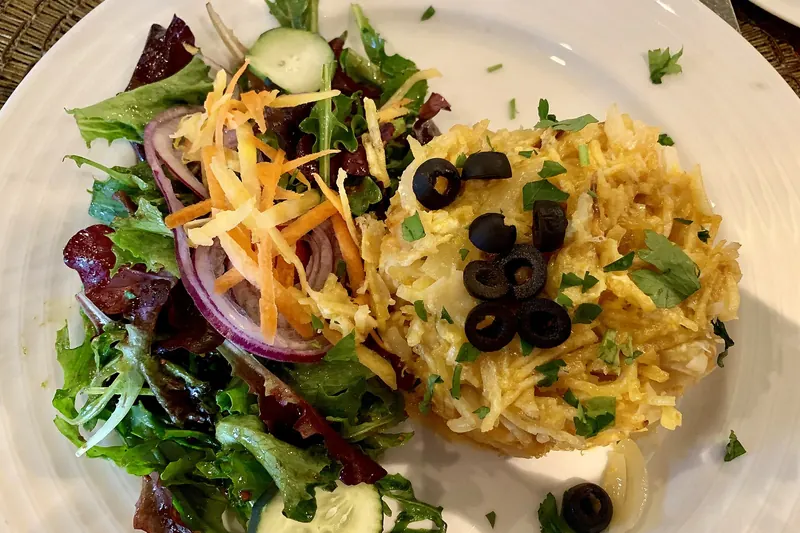
  • Bacalhau à Brás, a Portuguese salt cod dish with eggs and shoestring potatoes

    Bacalhau (salt cod)

    Widely available across the valley as elsewhere in Portugal, good from local restaurants.

    Where to try it Traditional restaurants throughout Pinhão and Peso da Régua.

Accommodation

Where to stay in Douro Valley

The Douro Valley works well as a Porto day trip, or an overnight stay at a wine estate for a fuller experience.

  • Pinhão

    A small riverside town directly in the valley's most photographed stretch, with several nearby quinta stays.

    Best for: The most dramatic terraced scenery

  • Peso da Régua

    The valley's largest town, with more restaurants and services than smaller Pinhão.

    Best for: A convenient base with more amenities

What a night costs

Guesthouse room
€75–140 per night
Quinta wine estate stay
€150–300 per night
Wine estate tour and tasting
€15–35
Douro Line train ticket
€12–15

Transport

Getting to and around Douro Valley

The Douro Valley is an easy train, boat or car trip from Porto, making it Portugal's most accessible wine-region day trip.

Getting there

  • Douro Line train from Porto

    A scenic regional train from Porto reaches Pinhão in about 2.5 hours, hugging the river for much of the route.

    No advance booking required for most regional departures, though checking timetables ahead is worthwhile.

  • River cruise from Porto

    Full-day and multi-day cruises depart from Porto, combining transport with scenic sightseeing.

    A relaxed but slower option, best for visitors wanting the journey itself as part of the experience.

  • Rental car

    The most flexible way to visit several quintas and viewpoints in one day at your own pace.

    The valley's roads are narrow and winding — allow more time than GPS estimates suggest.

Getting around

The valley's towns are connected by train and boat along the river, with a car needed to reach outlying quintas and viewpoints.

  • Douro Line train

    Connects Peso da Régua, Pinhão and other valley towns along the river.

    A scenic way to move between the valley's main stops without driving.

  • River boat

    Connects several points along the valley, with views different from the train's riverside route.

    Seasonal schedules vary — check current timetables before planning a boat-only day.

  • Rental car

    Essential for reaching quintas and viewpoints away from the train line and main river towns.

    Worthwhile for visitors wanting to combine several wine estate visits in one day.

When to go

Best time to visit Douro Valley

The Douro Valley's steep hillsides run hot in summer, and spring and the September harvest offer the most rewarding visiting windows.

  • Spring (May–June)

    Best time

    Mild, warming weather and lush green vineyards, a comfortable window for touring quintas.

  • Summer (July–August)

    Shoulder

    Intense heat in the valley's sheltered terraces, though still a popular season for river cruises.

  • Autumn harvest (September)

    Best time

    The valley at its most active and atmospheric, with grape harvest in full swing at many quintas.

  • Winter (November–March)

    Shoulder

    Quiet and cool, with many smaller quintas and restaurants operating reduced hours outside the main season.

Worth planning around: The peak of summer's midday heat if touring vineyards extensively on foot — the valley's terraces offer little shade.

Itinerary

One to two days in the Douro Valley

Pinhão's terraced hillsides and a wine tasting first, then a wider exploration if staying overnight.

  1. Day1

    Pinhão and a wine tasting

    The valley's essential scenery and wine.

    • Morning Train from Porto along the Douro Line.
    • Afternoon A quinta tour and tasting near Pinhão.
    • Evening Return to Porto, or overnight at a quinta.
  2. Day2

    Wider valley exploration

    An optional second day for the valley's quieter viewpoints.

    • Morning Drive to the São João de Pesqueira viewpoint.
    • Afternoon A second quinta tasting or the Douro Museum in Régua.
    • Evening Return to Porto.

Travel tips

Douro Valley travel tips

Practical notes on booking, timing and transport that make a real difference to a Douro Valley trip.

  • Book quinta accommodation well ahead for harvest season in September.
  • Take the train one way and consider a boat or car for the return leg for varied scenery.
  • Book wine tastings ahead at well-known quintas, particularly during peak summer and harvest season.
  • Rent a car if you want to visit several quintas or reach quieter viewpoints beyond Pinhão.
  • Pack sun protection — the valley's terraces offer little shade in summer.
  • Consider visiting during September's harvest for the most atmospheric, active version of the valley.

FAQ

Douro Valley: frequently asked questions

Is the Douro Valley worth a day trip from Porto?

Yes — it's the source of port wine and one of the world's oldest demarcated wine regions, with dramatic terraced scenery considerably different from Porto's own riverside old town.

Should I stay overnight in the Douro Valley?

Worth considering if wine tasting and a relaxed pace matter to you — a day trip covers Pinhão and one quinta tasting well, but an overnight stay at a quinta allows a considerably fuller experience.

How do I get around the Douro Valley?

By the scenic Douro Line train connecting the main towns, by river boat, or by rental car for the most flexibility to reach quintas and viewpoints off the main routes.

What is the difference between port wine and regular Douro wine?

Port is a fortified wine, made by adding grape spirit during fermentation to stop it and retain sweetness; regular Douro table wine ferments fully like standard wine — both come from the same terraced vineyards, increasingly both excellent.

What is the best time of year to visit?

May, June and September offer the most rewarding weather, with September's grape harvest adding genuine atmosphere if your dates allow. Summer runs hot in the valley's sheltered terraces.

Read next

Related travel articles

Where to go

Beyond the Big Names: Places Worth the Detour

The most visited place in a country is rarely its best, and it is almost never its best value. This is a method for finding the destinations that do not make the postcards — and a set of examples from five of the 50 countries on this site.

Transport

Getting Around Europe by Train

European rail is excellent and confusing — six national operators, three completely different pricing models, and a rail pass that is either a bargain or a waste depending on where you are going. Here is how to work out which.

Advertisement