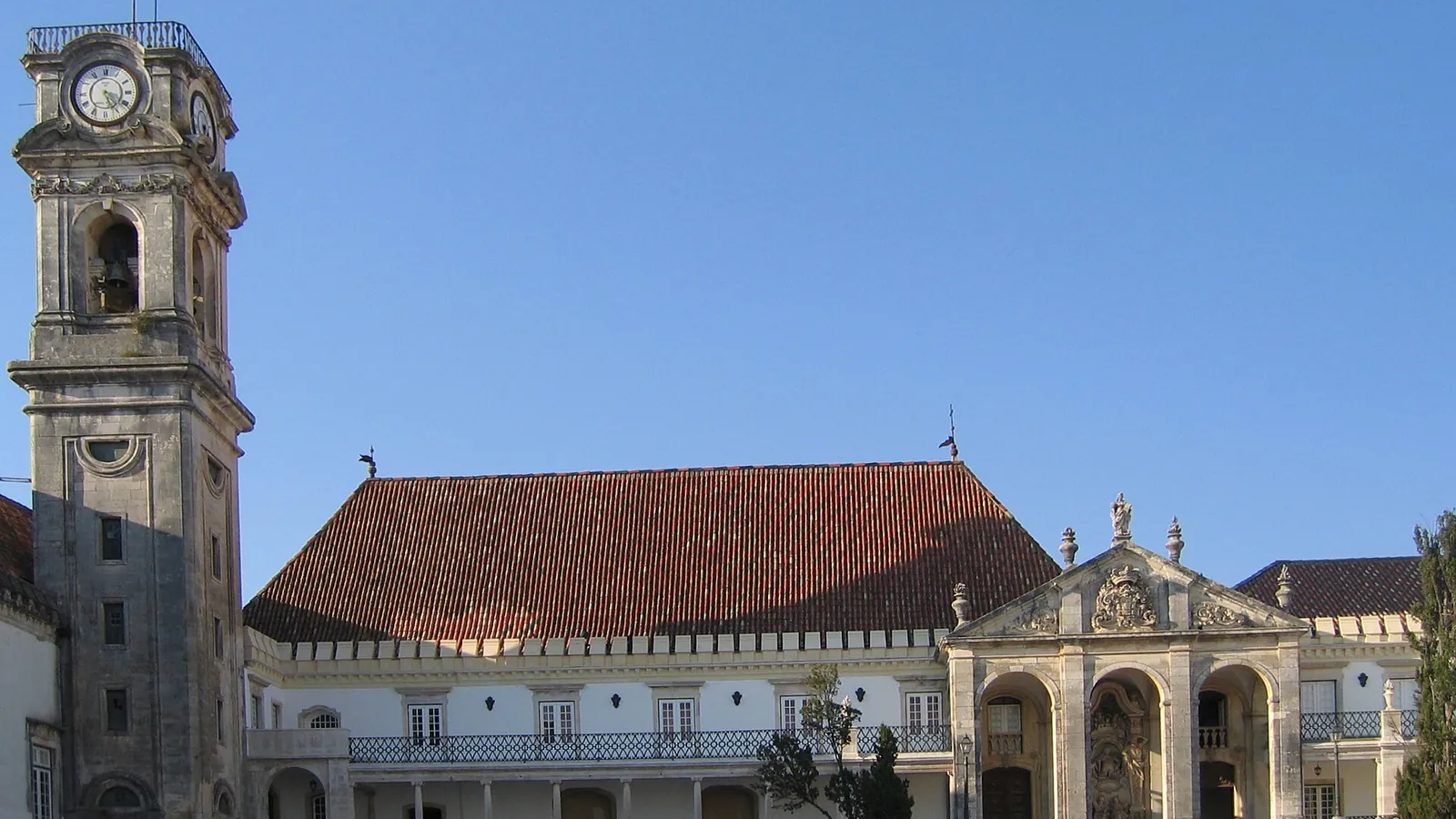


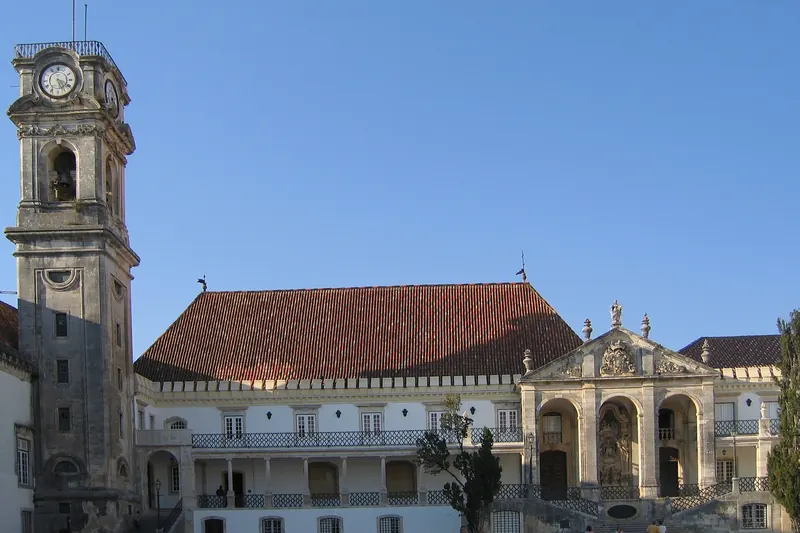


The clock tower and Paço das Escolas courtyard at the University of Coimbra

Beira Litoral, Central Portugal · Portugal

Coimbra

A hillside university city on the Mondego River, its baroque library and student traditions unbroken since the 13th century.

  • Best time April–June and September–October, outside the university's exam periods
  • Stay 1–2 days
  • Good for History, architecture, an authentic university city beyond Lisbon and Porto

Photo: Elapsed at English Wikipedia · Public domain

Welcome to Coimbra

Coimbra was Portugal's capital for over a century in the Middle Ages, and it has been home to the country's oldest university since 1290 — one of the oldest continuously operating universities anywhere in the world. That combination of royal history and unbroken academic tradition gives the city a different character from Lisbon or Porto: a hillside old town built quite literally around a working campus, its students still wearing black capes through the same steep lanes their predecessors have climbed for over seven centuries.

The university's historic core, crowned by the gilded Baroque interior of the Biblioteca Joanina, was added to UNESCO's World Heritage list in 2013, and the honour is earned — few academic buildings anywhere combine this much ceremonial grandeur with an institution still in daily use. Below the university hill, the compact old town descends past the Romanesque Sé Velha to the Mondego River, Portugal's longest river contained entirely within its own borders.

Coimbra rewards visitors who come for the university and its traditions specifically, rather than expecting another Lisbon or Porto. Fado de Coimbra — sung only by men, in academic dress, and considered by its practitioners a serenade rather than performance — is found nowhere else, and the city's Roman roots are a short trip away at Conimbriga, mainland Portugal's largest excavated Roman site.

  • Historic Site
  • Culture & Arts
  • Off the Beaten Path

Why visit

Why visit Coimbra?

Coimbra's case is an unbroken university tradition spanning seven centuries, wrapped in a compact, walkable hillside city most itineraries skip entirely.

  • The Biblioteca Joanina is one of Europe's finest libraries

    A gilded Baroque interior housing 300,000 volumes, still protected at night by a colony of bats that eat the insects which would otherwise damage the books.

  • The university traditions are still alive

    Students in black capes, the May ribbon-burning festival, and fado de Coimbra are living customs, not museum pieces staged for visitors.

  • It's much less touristed than Lisbon or Porto

    A UNESCO World Heritage core that most first-time Portugal visitors never reach, despite being under two hours from either city by train.

  • Conimbriga adds genuine Roman depth nearby

    Mainland Portugal's largest excavated Roman ruins, with mosaics and fountains, a short bus or drive from the city centre.

  • The riverside setting is pretty

    The old town's terraced streets descend steeply from the university hill to the Mondego, with river walks and boat trips below.

Main attractions

Top things to see in Coimbra

Coimbra's essential sights climb the university hill from the Mondego River, with a Roman detour just outside the city.

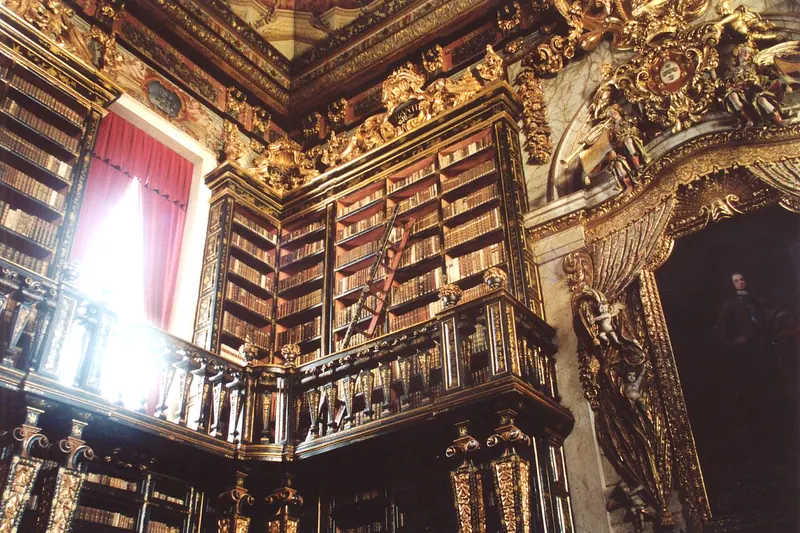
  1. The gilded Baroque interior of the Biblioteca Joanina at the University of Coimbra

    University of Coimbra and the Biblioteca Joanina

    The historic university campus, UNESCO-listed since 2013, is centred on the Paço das Escolas courtyard and the Biblioteca Joanina, a gilded 18th-century Baroque library of three ornate chambers holding 300,000 volumes, still guarded at night by a resident bat colony.

    Tip Book Biblioteca Joanina tickets online in advance — daily visitor numbers are capped and timed entry slots sell out, especially in summer.

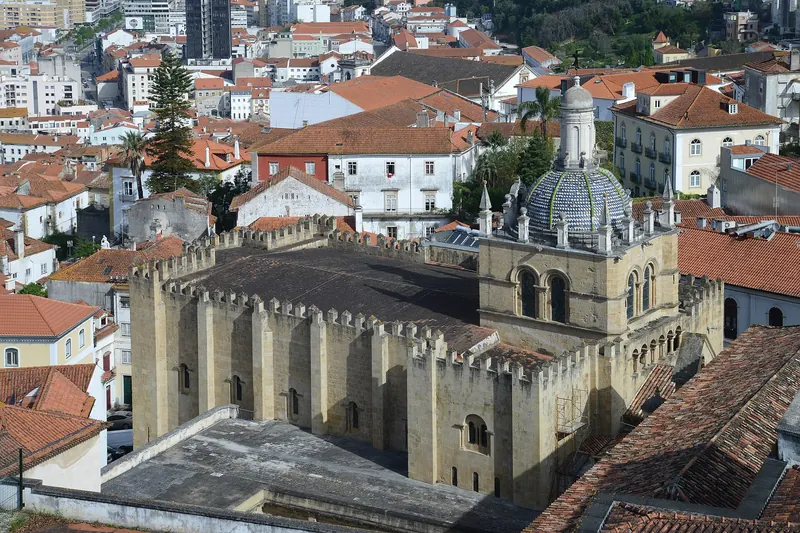
  2. The fortress-like Romanesque Sé Velha cathedral seen from the university hill

    Sé Velha (Old Cathedral)

    A severe, fortress-like Romanesque cathedral completed in the 12th century, one of the best-preserved examples of the style in Portugal, with a cloister added shortly after.

    Tip The cathedral sits directly on the route between the riverside old town and the university hill — a natural stop on the climb up.

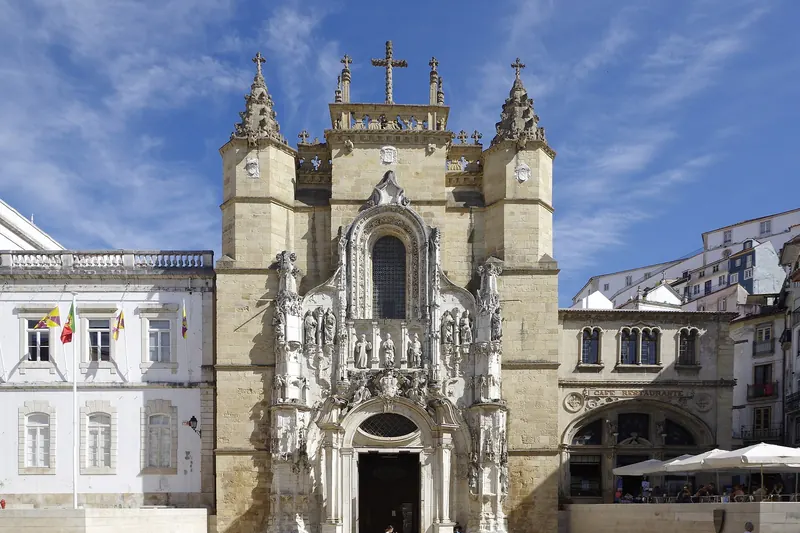
  3. The ornate Manueline facade of the Mosteiro de Santa Cruz in central Coimbra

    Mosteiro de Santa Cruz

    A royal monastery founded in 1131 and the burial place of Portugal's first two kings, Afonso Henriques and Sancho I, its interior covered in gilded woodwork and 16th-century azulejo tiles.

    Tip The adjoining Café Santa Cruz, in a former monastery chapel, is a striking spot for a coffee afterward.

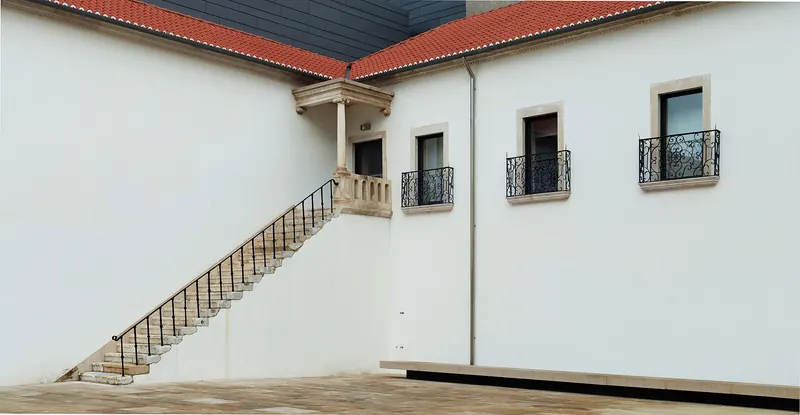
  4. The courtyard of the Machado de Castro National Museum in Coimbra

    Museu Nacional Machado de Castro

    Portugal's national museum of sculpture, built directly above a vast Roman cryptoporticus — an underground vaulted gallery that once supported the Roman forum — now open to explore beneath the museum itself.

    Tip The Roman cryptoporticus alone justifies the entry fee, even for visitors who skip the sculpture collection above.

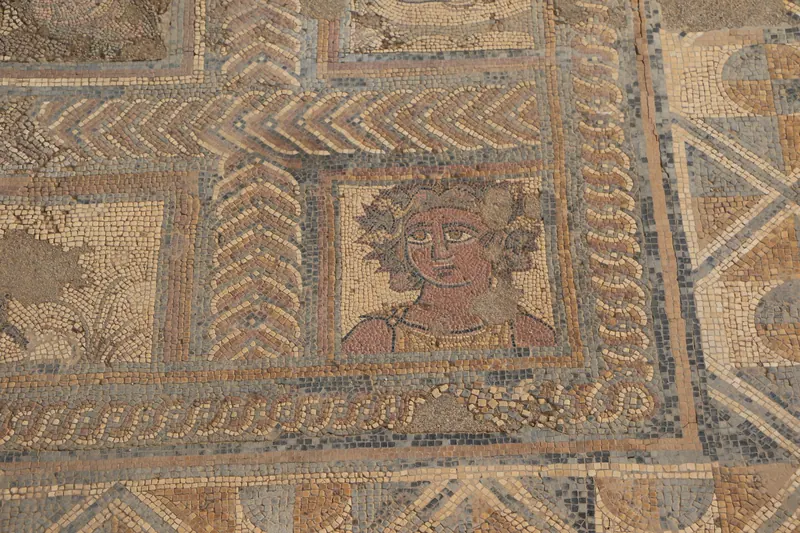
  5. Excavated Roman mosaic floors at the Casa dos Repuxos in Conimbriga

    Conimbriga Roman ruins

    Mainland Portugal's largest excavated Roman site, about 16km south of Coimbra, with well-preserved mosaic floors, fountains and the remains of a defensive wall built in a hurry as the empire declined.

    Tip A regular bus runs from Coimbra; the on-site museum is worth the extra time to see artefacts found during excavation.

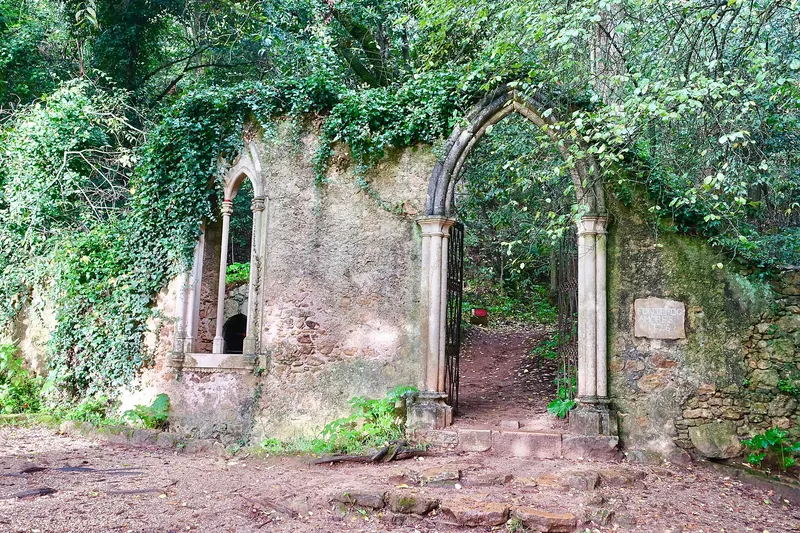
  6. The ivy-covered Fonte dos Amores in the gardens of Quinta das Lágrimas

    Quinta das Lágrimas

    A historic manor and garden tied to Portugal's most famous royal tragedy — the murder of Inês de Castro, secret lover of the future King Pedro I, said to have taken place on these grounds in 1355.

    Tip The Fonte dos Amores fountain, said to mark the spot of the murder, is the garden's central point of interest.

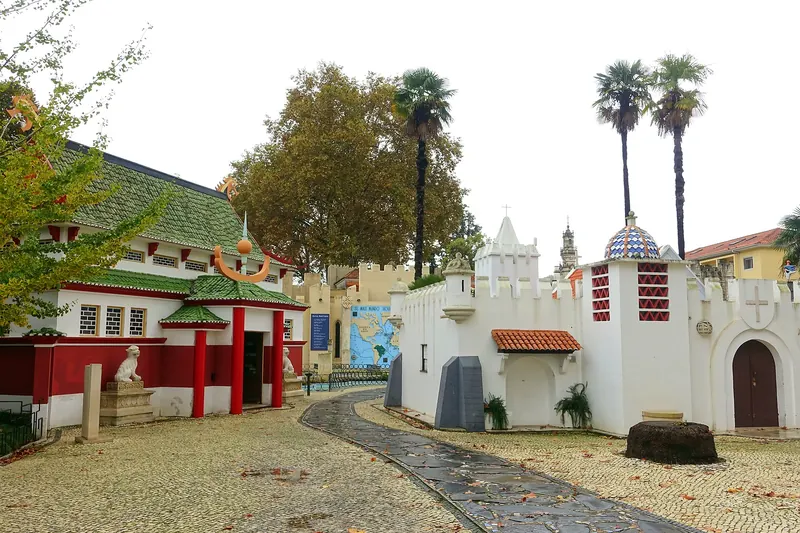
  7. Miniature-scale replica buildings at the Portugal dos Pequenitos park in Coimbra

    Portugal dos Pequenitos

    A charming miniature theme park recreating Portugal's monuments and former colonial architecture at child scale, opened in 1940 and still popular with families.

    Tip Best suited to visitors travelling with children, though the miniature Manueline and colonial buildings have a certain appeal regardless of age.

Things to do

Best things to do in Coimbra

Coimbra's university traditions and riverside setting give it a different rhythm from Portugal's bigger cities.

  1. Musicians performing fado de Coimbra in traditional academic dress

    Hear fado de Coimbra

    A distinct tradition from Lisbon fado — sung only by men in black academic capes, traditionally as a serenade rather than a performance, with its own repertoire and guitar style.

    Tip Fado ao Centro offers a respectful, informative evening session aimed at visitors without losing the tradition's genuine character.

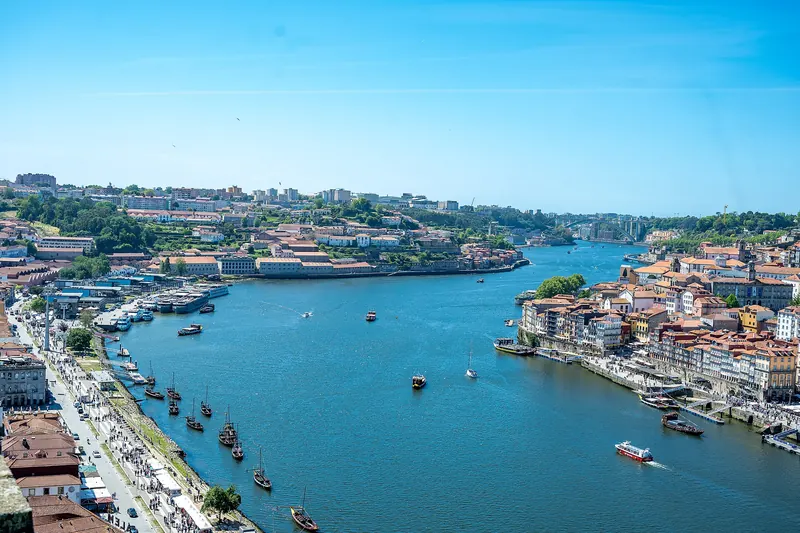
  2. Coimbra's hillside old town rising above the Mondego River

    Take a boat on the Mondego

    Small boat trips run along the river beneath the old town, giving a different view up at the university hill and cathedral than the streets above provide.

    Tip Basófias, the traditional flat-bottomed boats once used to ferry goods, now run short scenic trips from the riverside in season.

  3. Walk the Baixa up to the university at night

    The climb from the riverside Baixa district up through the old town to the university courtyard is atmospheric after dark, when the day-trip crowds have gone and the floodlit buildings stand out clearly.

    Tip Retrace the route in daylight too — the steep lanes reveal architectural details easy to miss at night.

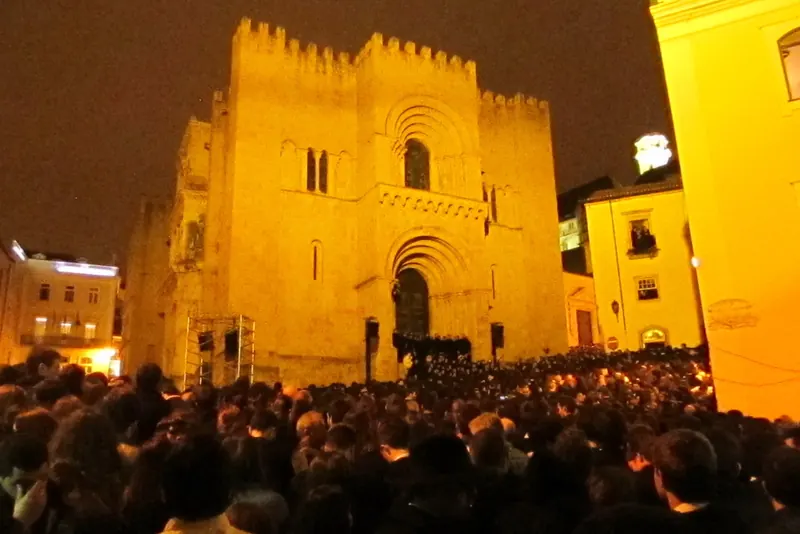
  4. A night-time serenata crowd gathered before the Sé Velha during Coimbra's Queima das Fitas festival

    Time a visit around Queima das Fitas

    Coimbra's famous ribbon-burning festival each May marks graduating students' final year with parades, traditional dress and days of celebration across the city — a major event in the Portuguese academic calendar.

    Tip Book accommodation well ahead if visiting in May; the festival draws large crowds of current and former students alike.

  5. The clock tower and courtyard of the Paço das Escolas at the University of Coimbra

    Explore the university's Paço das Escolas at sunset

    The historic courtyard at the heart of the university offers sweeping views down over the city and river as the light softens, alongside the Baroque bell tower and ceremonial hall.

    Tip The courtyard is included in the main university ticket and stays open later than the Biblioteca Joanina itself.

  6. The excavated Roman mosaics of Conimbriga, near Coimbra

    Day-trip to Conimbriga's Roman ruins

    A half-day trip to mainland Portugal's largest Roman excavation, with well-preserved mosaics, fountains and a small but informative museum.

    Tip Combine the ruins with lunch in nearby Condeixa-a-Nova, a quiet town rarely visited for its own sake.

Local food

What to eat in Coimbra

Coimbra's food draws on the wider Beira region — hearty stews, roast meats and a distinctive local wine country just south of the city.

  • Chanfana

    Goat slow-cooked for hours in red wine in a traditional clay pot, a rustic regional dish from the hills around Coimbra, rich and falling off the bone.

    Where to try it Traditional restaurants in and around Coimbra, especially in nearby Vila Nova de Poiares, chanfana's genuine home village.

  • Leitão da Bairrada, whole roast suckling pig with crackling skin

    Leitão da Bairrada

    Whole roast suckling pig from the nearby Bairrada wine region, roasted until the skin turns crisp, traditionally served with orange slices and fried potato crisps.

    Where to try it Restaurants in Mealhada, a short drive north, widely considered the dish's genuine home.

  • Arroz de lampreia

    Lamprey rice, a seasonal Beira Litoral delicacy made from the eel-like river fish, cooked in its own blood-thickened sauce with rice — an acquired taste with real regional pride behind it.

    Where to try it Riverside restaurants, in season roughly January through April, when lamprey run up the Mondego to spawn.

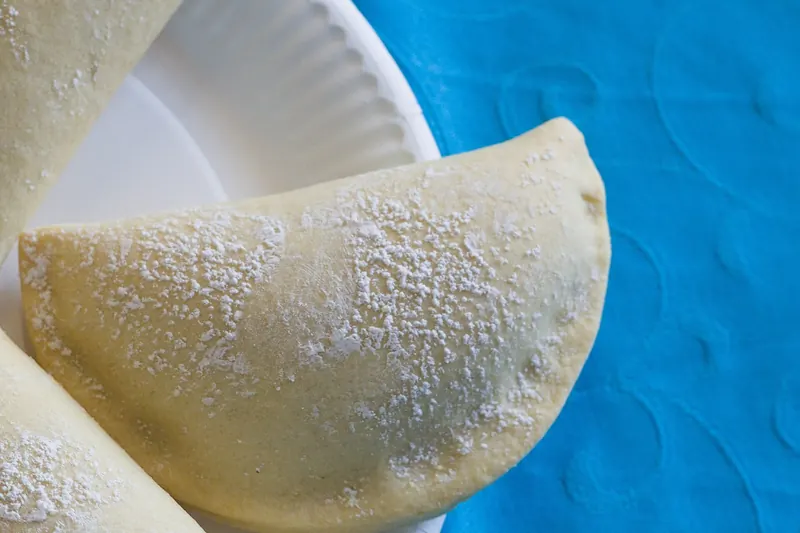
  • A pastel de Santa Clara, Coimbra's almond and egg-yolk pastry

    Pastel de Santa Clara

    An almond and egg-yolk pastry shaped like a folded triangle, originating in Coimbra's Santa Clara convent, sweet and dense in the tradition of Portugal's convent pastries.

    Where to try it Historic pastelarias throughout the old town, particularly around the Santa Clara district.

  • Queijo de Rabaçal, a sheep's and goat's milk cheese from near Coimbra

    Queijo de Rabaçal

    A tangy small cheese made from a blend of sheep's and goat's milk, produced in villages near Coimbra and traditionally sold in the region's markets.

    Where to try it Local markets and traditional restaurants as a starter, often with regional bread.

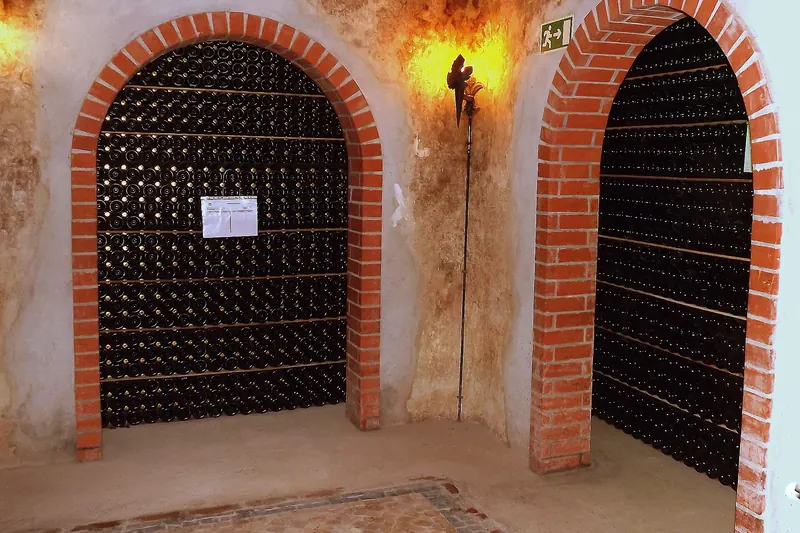
  • Sparkling wine ageing in a cellar in Portugal's Bairrada region

    Bairrada sparkling wine

    The Bairrada region just south of Coimbra rivals more famous Portuguese wine areas for its sparkling wines, made in the traditional method from local grape varieties.

    Where to try it Wine shops and restaurants in and around Coimbra, or a cellar visit in Bairrada itself.

Accommodation

Where to stay in Coimbra

Coimbra is compact enough that almost anywhere central works well, with the old town and university hill the most atmospheric base.

  • The old town and university hill

    Steep and characterful, with the university, cathedral and monastery all within a short climb — the best base for a short stay despite the hills.

    Best for: Walking distance to everything, genuine old-town atmosphere

  • The riverside Baixa district

    Coimbra's main shopping and dining streets sit between the river and the old town's foot, convenient and considerably less steep.

    Best for: A flatter base with easy access up to the old town

  • Near the train station

    A short walk or bus ride from the centre, with more budget-friendly options than the historic core itself.

    Best for: Arriving or departing by train, budget stays

What a night costs

Budget guesthouse
€50–80 per night
Mid-range hotel
€80–140 per night
Biblioteca Joanina ticket
About €14, part of the general university ticket
Chanfana dinner
€14–20

Transport

Getting to and around Coimbra

Coimbra sits directly on the main rail line between Lisbon and Porto, making it an easy stop rather than a detour.

Getting there

  • Train from Lisbon or Porto

    Fast Alfa Pendular trains connect Lisbon to Coimbra in under two hours, and Porto to Coimbra in under an hour.

    Coimbra-B station, outside the centre, serves the fast intercity trains, with a short connecting shuttle to the central Coimbra station.

  • By car

    About 2 hours from Lisbon or 1h15 from Porto on the A1 motorway, and a convenient stop en route to the Douro Valley.

    The old town's steep, narrow streets make a car more useful for reaching Coimbra than for exploring once there.

  • Bus

    Intercity coaches connect Coimbra to most major Portuguese cities, generally slower than the train but sometimes cheaper.

    Worth comparing against train fares, particularly if booking close to the travel date.

Getting around

Coimbra's historic core is walkable, though steep — the university hill is a real climb from the riverside.

  • Walking

    The old town, university and cathedral are all within a compact, if hilly, walking area from the riverside Baixa district.

    Comfortable shoes are worth it — much of the old town is stepped lanes rather than gradual streets.

  • Local bus

    A city bus network covers the steeper climbs and reaches the train station and outer neighbourhoods.

    Useful for visitors who would rather skip the walk up to the university hill.

  • Bus to Conimbriga

    A regular public bus runs from Coimbra to the Conimbriga ruins, a straightforward half-day trip without a car.

    Check current timetables, as departures are less frequent than city routes.

When to go

Best time to visit Coimbra

Coimbra is pleasant much of the year; spring brings the Queima das Fitas festival, while term-time gives the fullest sense of the city as a living university town.

  • Spring (April–June)

    Best time

    Mild weather and, in May, the major Queima das Fitas festival — book ahead if visiting then.

  • Summer (July–August)

    Good

    Warm and reliably dry, though with students away on holiday the city feels quieter and less lively than in term time.

  • Autumn (September–October)

    Best time

    The academic year restarts in September, bringing genuine student life back to the streets alongside comfortable temperatures.

  • Winter (November–March)

    Good

    Cool and quieter with tourists, though lamprey season from January runs through this period for visitors keen to try arroz de lampreia.

Worth planning around: Exam periods in January and June bring a noticeably quieter, more subdued university campus, with fewer visible student traditions on display.

Itinerary

One day in Coimbra

The university hill and old town cover Coimbra's essentials comfortably within a single day.

  1. Day1

    The university hill and old town

    The complete essential visit, climbing from river to campus.

    • Morning Climb through the old town to the university, timing entry to the Biblioteca Joanina with your booked slot.
    • Afternoon The Sé Velha, Machado de Castro museum and its Roman cryptoporticus, then the Mosteiro de Santa Cruz.
    • Evening Dinner in the Baixa followed by a fado de Coimbra session.

Travel tips

Coimbra travel tips

Practical notes on booking, timing and transport that make a real difference to a Coimbra trip.

  • Book Biblioteca Joanina tickets online ahead — daily entry is capped and slots sell out in summer.
  • Wear comfortable shoes for the climb up to the university — much of the old town is steep, stepped lanes.
  • Time a visit for a genuine fado de Coimbra session rather than a generic tourist show, since the tradition differs meaningfully from Lisbon fado.
  • Check exam periods (January and June) before booking if seeing genuine student life matters to your visit.
  • Combine Coimbra with a half-day trip to Conimbriga's Roman ruins if travelling with a car or checking the public bus timetable.
  • Coimbra-B station is outside the centre — confirm whether your train stops there or at the central Coimbra station, and budget time for the connecting shuttle.

FAQ

Coimbra: frequently asked questions

Is Coimbra worth visiting on a Portugal trip?

Yes — it offers a university tradition unbroken since 1290, a UNESCO World Heritage campus, and a character distinct from both Lisbon and Porto, all reachable in under two hours from either city by train.

How much time do you need in Coimbra?

A full day covers the university, cathedral and old town comfortably. A second day allows a half-day trip to the Conimbriga Roman ruins or a more relaxed pace through the city's museums.

What is the Biblioteca Joanina?

An 18th-century Baroque library at the University of Coimbra, one of Europe's finest, with gilded woodwork across three chambers holding 300,000 volumes — still protected at night by a resident bat colony that eats book-damaging insects.

What is fado de Coimbra?

A distinct tradition from Lisbon fado, sung only by men in black academic capes as a serenade rather than a performance, with its own repertoire, guitar style and university-linked history.

Can Coimbra be visited as a day trip from Lisbon or Porto?

Yes, though an overnight stay is worthwhile — fast trains make it under two hours from Lisbon and under an hour from Porto, but a day trip leaves little time for Conimbriga or an evening fado session.

What is Conimbriga?

Mainland Portugal's largest excavated Roman site, about 16km south of Coimbra, with well-preserved mosaic floors, fountains and a small museum, reachable by regular public bus.

Read next

Related travel articles

Heritage

UNESCO Sites Worth Planning a Trip Around

A UNESCO listing tells you a place matters; it does not tell you whether it is worth two days and a detour. This is how to read the list usefully — and which sites reward building a trip around them.

Where to go

Beyond the Big Names: Places Worth the Detour

The most visited place in a country is rarely its best, and it is almost never its best value. This is a method for finding the destinations that do not make the postcards — and a set of examples from five of the 50 countries on this site.

Transport

Getting Around Europe by Train

European rail is excellent and confusing — six national operators, three completely different pricing models, and a rail pass that is either a bargain or a waste depending on where you are going. Here is how to work out which.

Advertisement