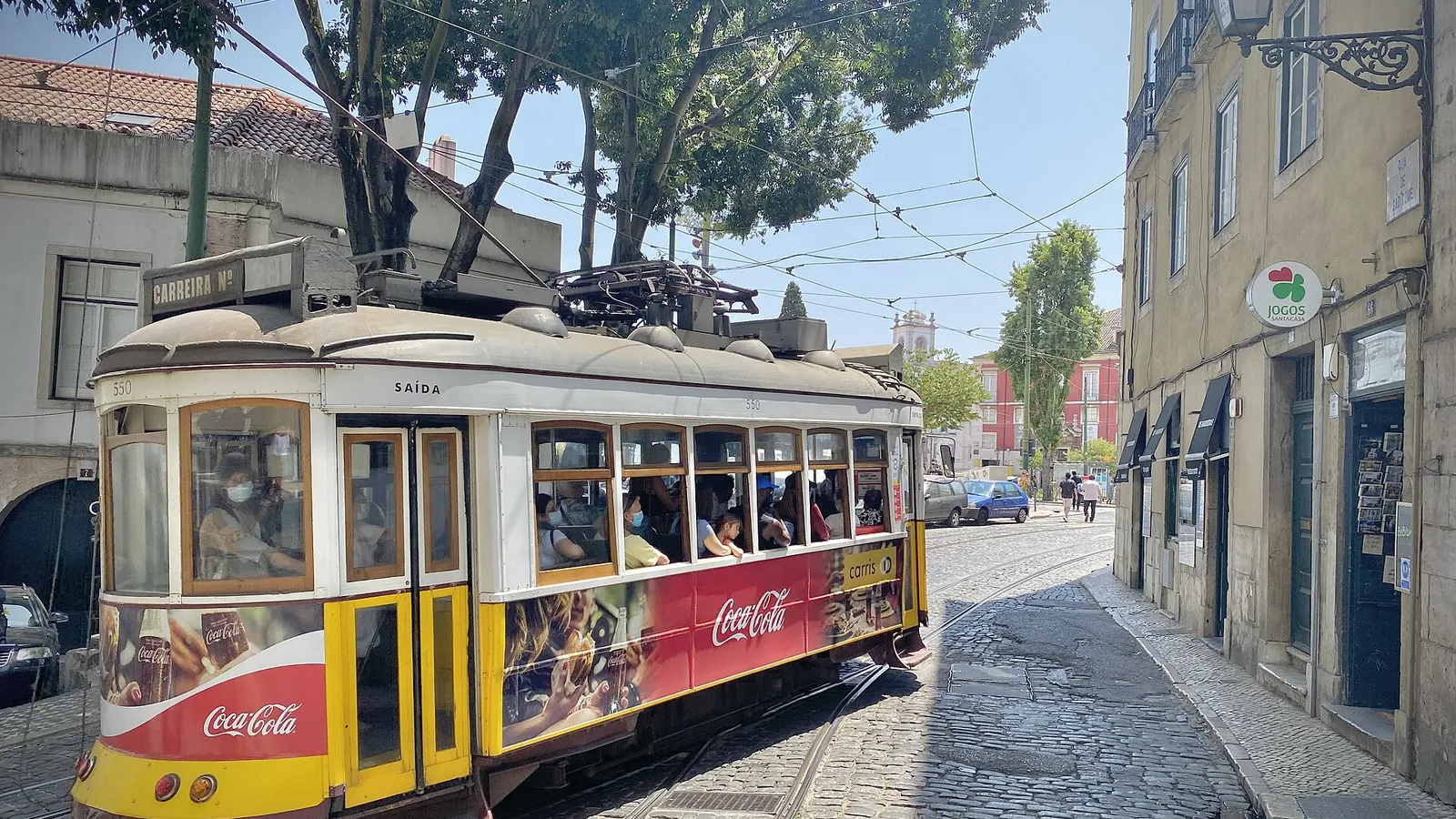
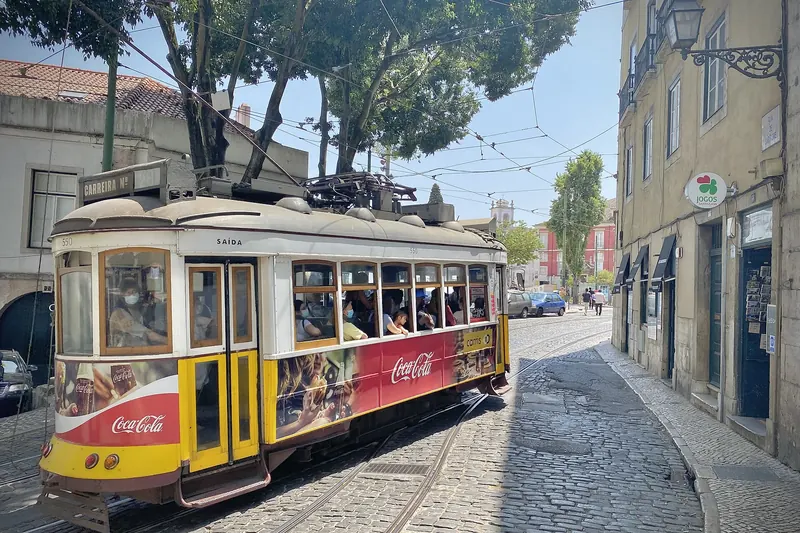
A traditional yellow tram climbing through Lisbon's Alfama district

Portugal · Travel guide

The Complete Portugal Travel Guide

How Lisbon, Porto and the coast divide, why the Algarve isn't the whole country, and what a fortnight can honestly cover.

  • Reading time 15 min read
  • Covers 10 destinations
  • Updated 2026

Photo: Sharon Hahn Darlin · CC BY 2.0

Portugal packs hillside capitals, a two-thousand-year-old wine valley and an Atlantic coastline running from cliff-lined beaches to volcanic islands into a country its trains and short domestic flights make easy to combine. This guide covers how the regions differ, when a rental car actually matters, what the seasons really mean from April's mild warmth to August's Algarve crowds, and the practicalities — couvert charges and steep cobblestones — that catch first-time visitors out most often.

How Portugal divides

Portugal spans a compact mainland plus two Atlantic island groups, and treating it as a single trip without picking a focus is the most common mistake first-time visitors make in planning.

Lisbon and the centre. Lisbon itself, a genuine hillside capital of trams and tiled facades, alongside easy day trips to Sintra's fairy-tale palaces and the medieval walled town of Óbidos.

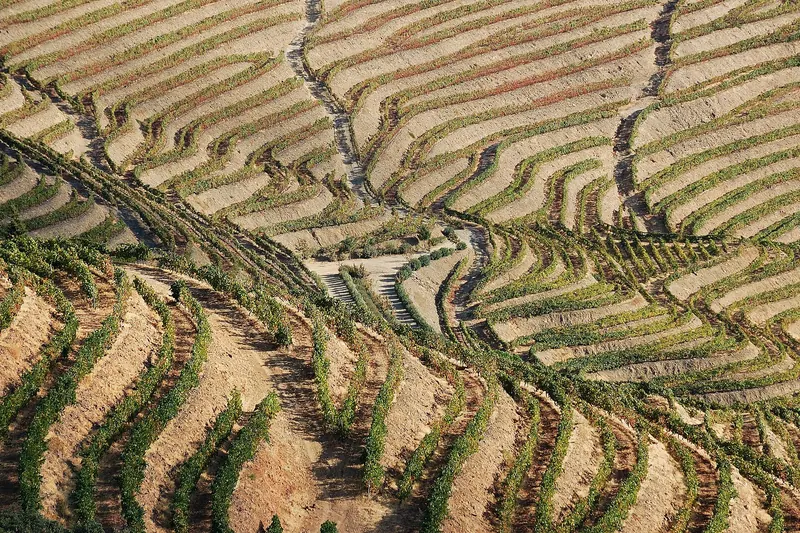
Porto and the north's wine country. Porto's riverside old town paired with the Douro Valley's terraced vineyards, the genuine source of port wine, and Coimbra's historic university city between them.

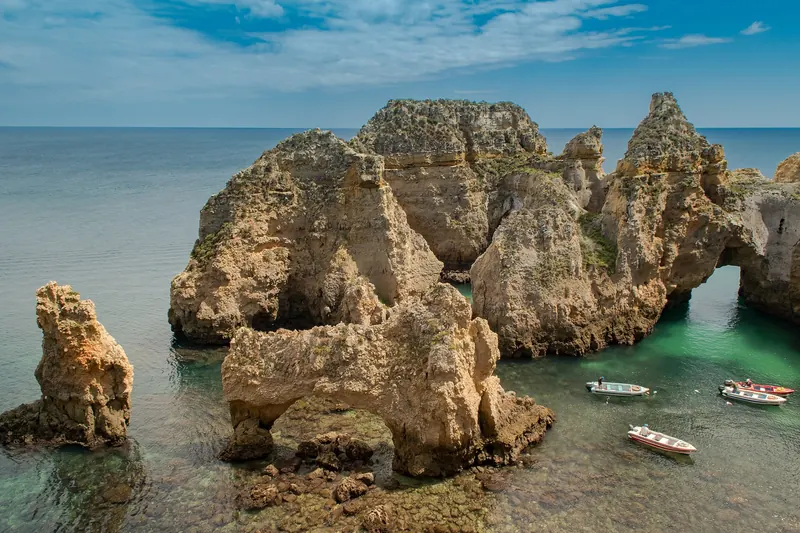
The Alentejo and the Algarve. Évora's Roman ruins and rolling wine country inland, and the Algarve's dramatic limestone cliffs and beaches along the southern coast.

The Atlantic islands. Madeira's volcanic peaks and levada trails, and the Azores' wilder, still-active volcanic landscape — both a short flight from the mainland but feeling like an entirely different country.

Worth knowing: The practical unit for a first trip is Lisbon plus Porto and the north, not an attempt at the whole country. Trains make this corridor easy; the Algarve, Alentejo and the islands each reward dedicated time of their own.

Choosing between the ten destinations

  • If this is your first trip

    Lisbon, Sintra and Porto, connected by train. Four nights in Lisbon with a Sintra day trip, three in Porto. It is the standard route because it works: Portugal's two great cities and its most famous palace complex, no car required.

  • If you want wine country without the crowds

    The Douro Valley, one of the world's oldest demarcated wine regions, its terraced hillsides considerably less visited than Tuscany or Bordeaux.

  • If you want beaches and dramatic coastline

    The Algarve for limestone cliffs and Atlantic water, staying on the quieter western Costa Vicentina if crowds are a concern.

  • If you want ancient history without the coast

    Évora for Roman ruins and Alentejo countryside, or Coimbra for one of Europe's oldest universities, both considerably less touristed than Lisbon.

  • If you want a different island experience

    Madeira for well-developed volcanic hiking infrastructure, or the Azores for a wilder, still-active volcanic landscape with fewer visitors.

  • If you want a fairy-tale day trip from Lisbon

    Sintra's hillside palaces, or the medieval walled town of Óbidos, both easy train or bus trips from the capital.

Getting around: trains, a rental car, and one common mistake

Portugal's train network makes the mainland's main cities easy to combine. Fast Alfa Pendular trains connect Lisbon and Porto in under three hours.

Book Alfa Pendular fares ahead for meaningfully lower prices on the Lisbon-Porto route, Portugal's busiest and best-served intercity line.

Rent a car for the Douro Valley, Algarve and Alentejo. Public transport in these regions is limited, and a car opens up wineries, smaller coastal towns and countryside villages the trains don't reach.

Don't drive in central Lisbon or Porto. Both cities' steep, narrow streets and limited parking make walking, trams and the metro considerably more practical — pick up a rental car only when leaving the city.

Fly, don't ferry, to the islands. Domestic flights to Madeira and the Azores take under two hours; there's no practical ferry alternative for most visitors' timeframes.

Regional trains reach Sintra and Óbidos easily from Lisbon, both worthwhile day trips without needing a car at all.

Worth knowing: Book the train or flight for your last leg back to Lisbon with real slack before an international departure. Cobblestone streets and hilly terrain make Portugal's cities charming but tiring — pace multi-city days accordingly.

When to go

Portugal's mainland weather is reliable in summer, which makes 'the best time' more about crowds and prices than any guarantee of sunshine. Two windows generally work best: April to June and September to October.

Spring brings mild, increasingly warm temperatures, wildflowers across the countryside and crowds well below the July-August peak — an excellent window for Lisbon, Porto and Sintra.

Summer offers the most reliable warm, dry weather for the Algarve's beaches, plus the longest daylight hours. It is also the most crowded and expensive stretch of the year, particularly along the southern coast.

Autumn, especially September, keeps warm sea temperatures lingering from summer while crowds and prices ease — one of the best windows for combining beaches with sightseeing.

Winter stays mild on the mainland, wetter in the north, while Madeira and the Azores maintain a temperate, subtropical-adjacent climate year-round.

Worth knowing: The Algarve specifically overlaps Portuguese and wider European summer holidays in August — book accommodation many months ahead if travelling then, or shift a few weeks either side if your dates allow it.

Costs, couverts and what you must book

Mid-range travel in Portugal runs roughly €85–140 per person per day, with the Algarve and islands adding a modest premium in peak summer. Backpacking works at €45–70; comfortable travel with good hotels and guided tours runs €160–280.

Watch for couvert charges. Bread, olives and other table snacks brought unprompted at restaurants are usually charged if eaten — decline politely if you'd rather not pay.

Book ahead, without exception: Algarve and island accommodation for July-August travel, Sintra's palace tickets for peak-season visits, and Alfa Pendular train fares for the best prices.

Rent a car for the regions trains don't reach well — the Douro Valley, wider Algarve and Alentejo all reward the flexibility.

Small savings that add up: neighbourhood tascas over tourist-strip restaurants, regional trains over taxis, and travelling in April, May or September rather than the July-August peak for meaningfully lower accommodation prices.

Culture, hospitality and how meals actually work

Portuguese culture is shaped by a genuine maritime history and a warm, unhurried hospitality, with a handful of broadly shared norms holding nationwide.

A greeting matters. A polite 'bom dia' or 'boa tarde' on entering a shop or restaurant is expected and appreciated.

Meals are a genuine social occasion, rarely rushed — unhurried service reflects the pace of dining, not inattentiveness.

Table snacks aren't automatically free. Bread and olives brought to the table (couvert) are usually charged if eaten — it's fine to send them back untouched.

Football is a genuine national passion — a good conversation topic nationwide, particularly around the country's big three clubs.

Finally, take August closures seriously when planning — many smaller businesses close for part of the month as owners take their own holiday, a real cultural institution rather than poor planning.

Four routes that work

  1. Ten days: the classic Lisbon-Sintra-Porto route

    Four nights in Lisbon with a Sintra day trip, four in Porto, connected by train. The most trodden route in Portugal and still the right first trip — hillside cities and fairy-tale palaces, no car required.

    Tip Book Sintra's Pena Palace tickets online ahead — walk-up queues in summer can mean significant waiting.

  2. Two weeks: north to south

    The itinerary on the Portugal country page: Lisbon, Sintra, the Douro Valley, Porto, then Évora and the Algarve. Adds wine country and the southern coast to the classic two-city route.

    Tip Rent the car in Porto for the Douro Valley leg, then return it before heading south by train to avoid driving in city centres.

  3. Ten days in the Douro Valley and the north alone

    Porto as a base, with the Douro Valley and Coimbra as day or overnight trips, without any long-distance transfers south at all.

    Tip Base yourself in the Douro Valley itself for at least one night rather than only day-tripping from Porto.

  4. A week on an island

    Madeira or the Azores as a self-contained trip of volcanic hiking and coastal scenery, distinct enough from mainland Portugal to justify a dedicated week.

    Tip Rent a car on arrival for either island — public transport is limited and the best hiking trailheads and viewpoints are spread out.

Reference

The 10 destinations in this guide

Every place named above has its own detailed guide — attractions, food, where to stay, how to get around and a suggested day-by-day plan.

Capital CityMajor City

Lisbon

Lisbon

Portugal's hillside capital, its tiled facades and yellow trams climbing between viewpoints over the Tagus River.

Don't miss The view from Miradouro da Senhora do Monte at sunset, Lisbon's terracotta rooftops spilling down toward the Tagus River as the light turns gold.

Explore Destination — Lisbon
Major CityHistoric Site

Porto

Norte

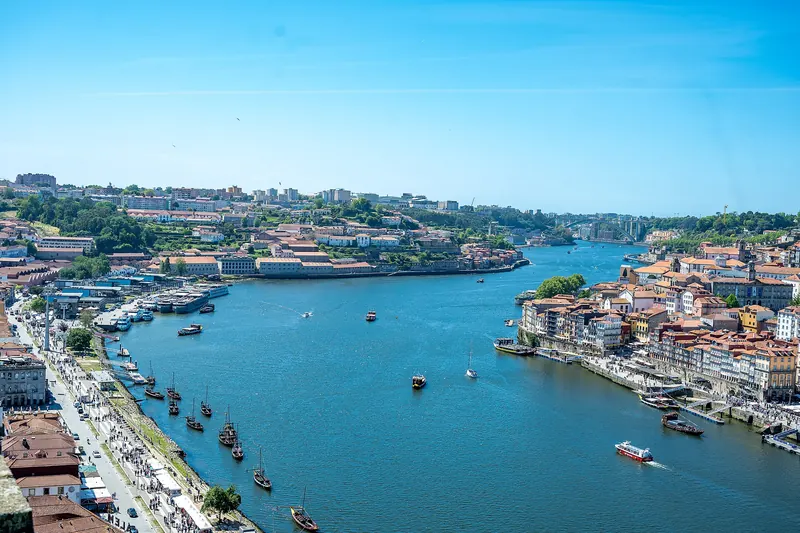
Portugal's second city, its riverside Ribeira district and the port wine cellars across the water worth a trip of their own.

Don't miss The view from the Dom Luís I Bridge's upper deck at sunset, Ribeira's colourful houses stacked above the river and Vila Nova de Gaia's port lodges glowing on the opposite bank.

Explore Destination — Porto
Historic SiteUNESCO Site

Sintra

Lisbon district

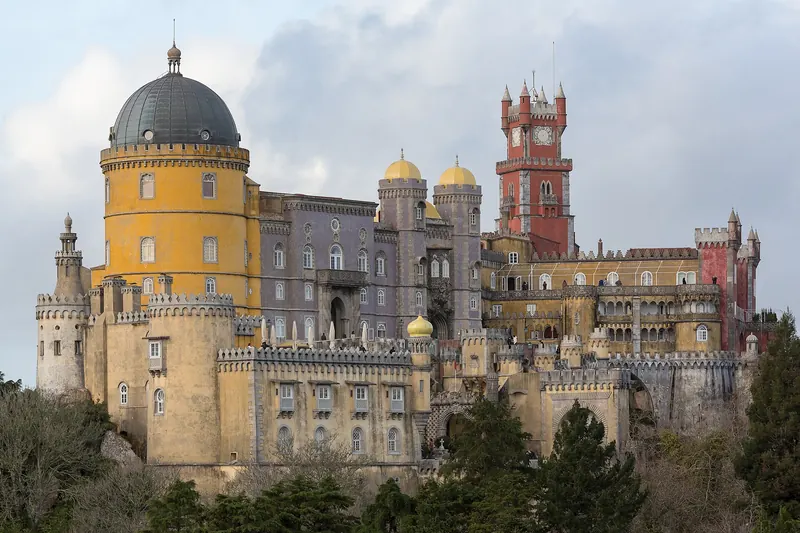
A UNESCO-listed hillside town of fairy-tale royal palaces and misty forests, an easy and essential day trip from Lisbon.

Don't miss Pena Palace emerging from the mist above its forested hillside, its clashing red, yellow and violet towers looking more like a fantasy illustration than an actual 19th-century royal retreat.

Explore Destination — Sintra
Coast & BeachesScenic Region

The Algarve

Algarve

Portugal's dramatic southern coastline, its limestone cliffs, sea caves and Atlantic beaches rivalling anywhere in the Mediterranean.

Don't miss The view over Ponta da Piedade at golden hour, its ochre limestone sea stacks and hidden grottoes glowing above the Atlantic near Lagos.

Explore Destination — The Algarve
Scenic RegionUNESCO Site

Douro Valley

Norte

A UNESCO-listed river valley of steeply terraced vineyards, the genuine birthplace of port wine and one of the world's oldest demarcated wine regions.

Don't miss The view from a Pinhão hillside terrace at golden hour, the Douro River curving between vineyard slopes that have been shaped by hand for over two thousand years.

Explore Destination — Douro Valley
Historic SiteUNESCO Site

Évora

Alentejo

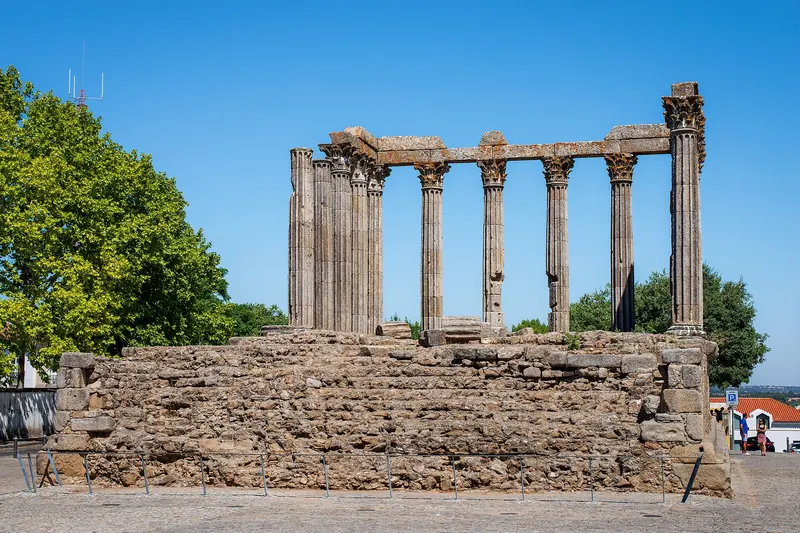
A UNESCO-listed walled city in Portugal's Alentejo region, its Roman temple and bone-walled chapel among the country's most striking historic sights.

Don't miss The Roman Temple of Évora at dusk, its Corinthian columns floodlit against the sky at the heart of a city that's kept building around them for two millennia.

Explore Destination — Évora
Historic SiteOff the Beaten Path

Óbidos

Oeste, Central Portugal

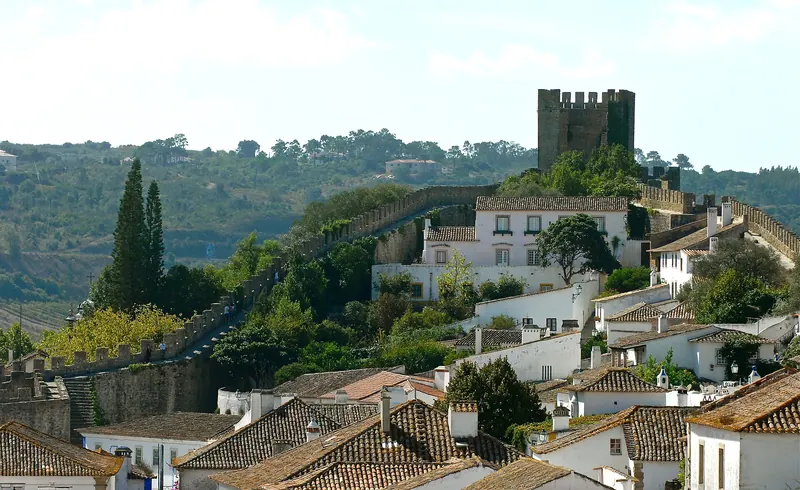
A tiny, intact medieval walled town, its full ring of 14th-century battlements walkable in under an hour, an easy day trip from Lisbon.

Don't miss The view from Óbidos's castle walls at sunset, whitewashed rooftops and bougainvillea spilling below as the walkable ramparts circle the entire town.

Explore Destination — Óbidos
Historic SiteCulture & Arts

Coimbra

Beira Litoral, Central Portugal

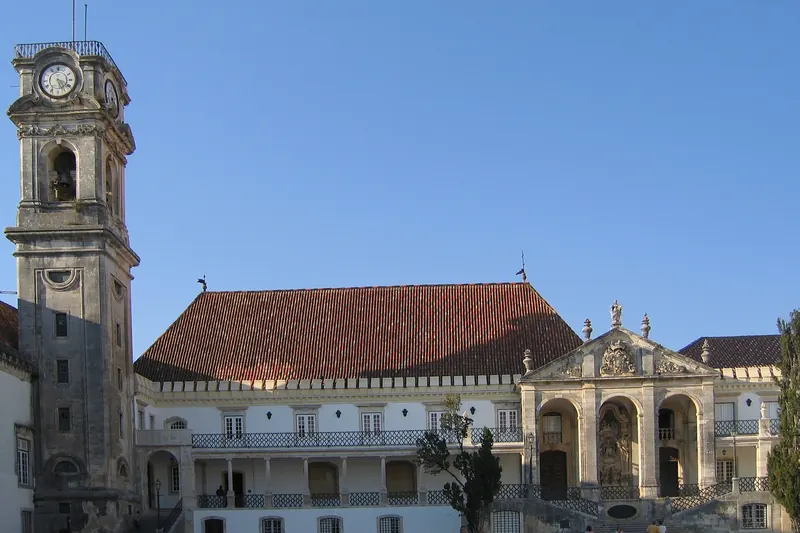
Portugal's great university city, its Renaissance-era campus, gilded baroque library and centuries of student tradition stacked on a hill above the Mondego River.

Don't miss Fado de Coimbra sung by cape-wearing students on the steps below the old cathedral, a different tradition from Lisbon's version of the music.

Explore Destination — Coimbra
IslandNature & Wildlife

Madeira

Madeira Autonomous Region

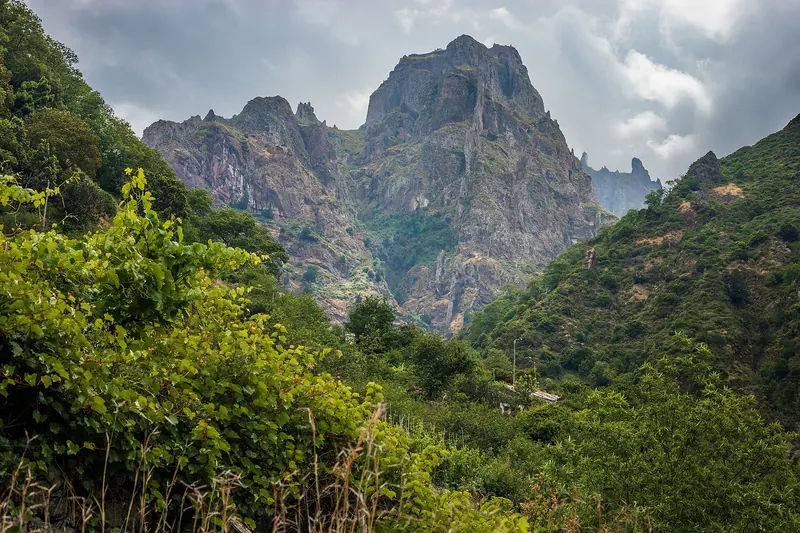
A subtropical volcanic island off the African coast, its levada footpaths, laurel forest and dramatic sea cliffs making it one of Europe's great hiking destinations.

Don't miss Standing above the clouds at sunrise on Pico do Arieiro, the island's jagged central ridge emerging from a sea of white as the sky turns pink.

Explore Destination — Madeira
IslandNature & Wildlife

São Miguel, Azores

Azores Autonomous Region

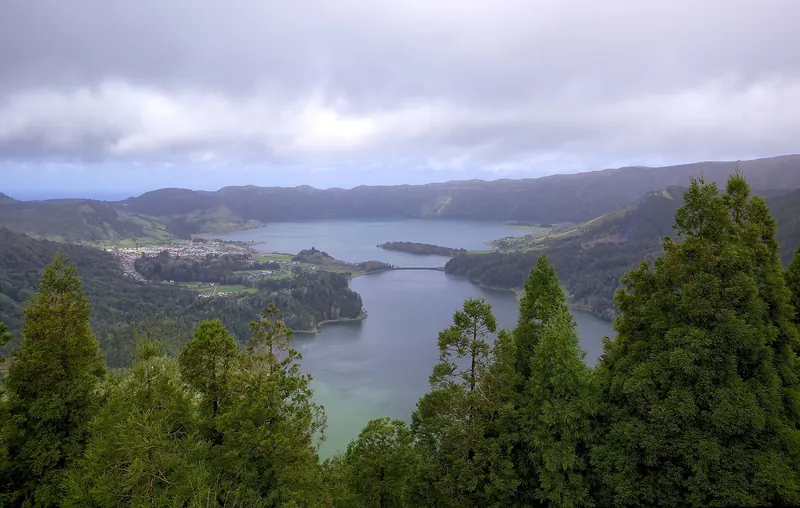
The largest and most-visited Azorean island, its volcanic crater lakes, thermal springs and dramatically green landscape feeling unlike anywhere else in Portugal.

Don't miss The twin crater lakes of Sete Cidades from the Vista do Rei viewpoint, one lake blue and one green, filling an extinct volcano's caldera far below.

Explore Destination — São Miguel, Azores

Back to the Portugal country page

FAQ

Planning a trip to Portugal

How long do I need in Portugal?

Ten to fourteen days for a first trip. Eight to ten covers Lisbon, Sintra and Porto properly by train; twelve to sixteen lets you add the Douro Valley, Évora and the Algarve. Four or five days is enough for Lisbon alone, and Lisbon alone justifies a trip.

Do I need a rental car in Portugal?

Not for Lisbon, Porto, Sintra or Óbidos, all well covered by trains and trams. A car becomes useful for the Douro Valley, the wider Algarve coast and the Alentejo's countryside, where public transport is limited.

What is the single most common mistake visitors make?

Treating the Algarve as representative of the whole country. Portugal's north — Porto, the Douro Valley, Coimbra — has a different character, climate and pace from the southern beach resorts, and skipping it means missing a large part of what makes the country worth visiting.

When should I avoid Portugal?

Nowhere is truly a bad time, but the Algarve in August overlaps peak Portuguese and European holidays, pushing prices and crowds to their annual peak and requiring accommodation booked many months ahead unless that's exactly what you're there for.

Advertisement