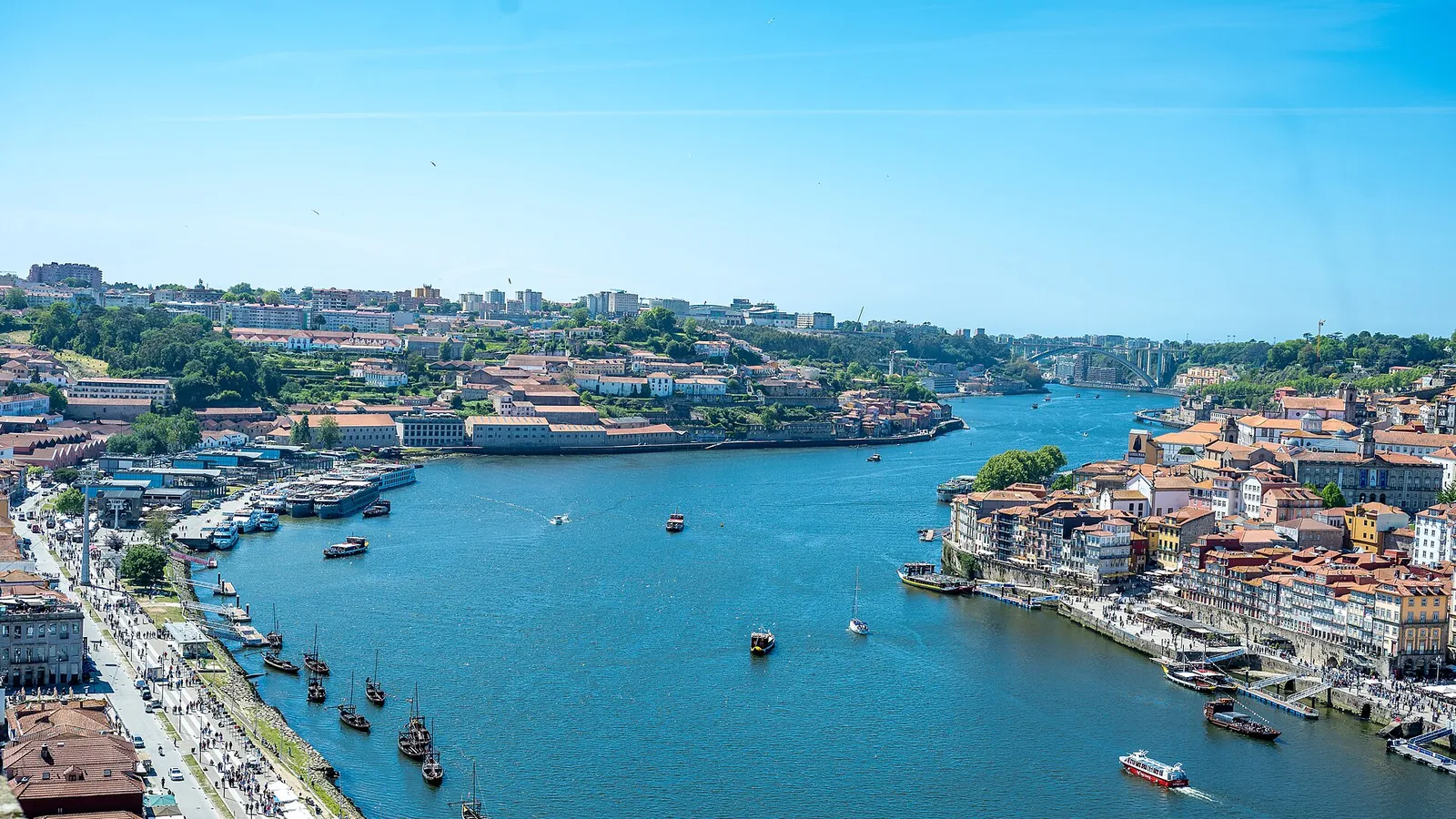
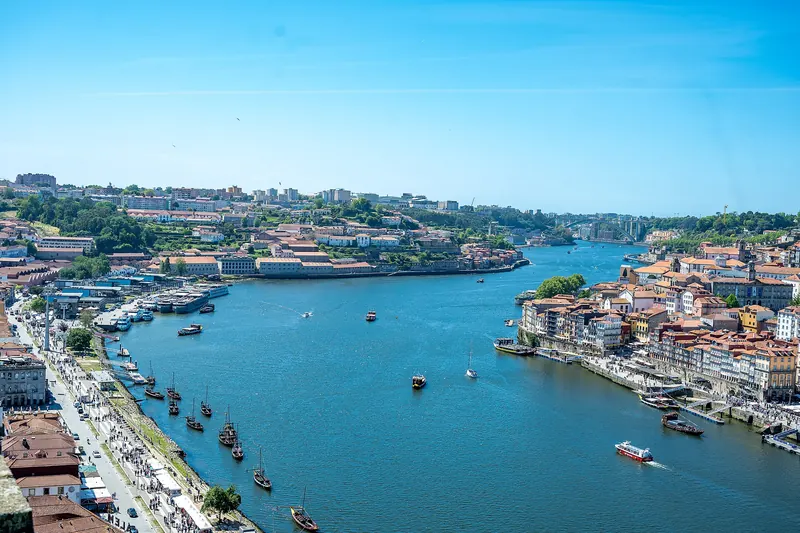
Porto's Ribeira district's colourful houses along the Douro River

Norte · Portugal

Porto

Portugal's second city, its Ribeira district's stacked houses tumbling down to the Douro River across from the port wine cellars that gave the country's most famous export its name.

  • Best time April–June and September–October, for mild weather and manageable crowds
  • Stay 3 days
  • Good for Wine, history, food, a genuine second city

Photo: Michael Gaylard from Horsham, UK · CC BY 4.0

Welcome to Porto

Porto gave Portugal its name and its most famous export — port wine has been shipped from here for over three centuries, aged in the cellars of Vila Nova de Gaia directly across the Douro River from the city's spectacular riverside Ribeira district.

That riverside old town, a UNESCO World Heritage Site, stacks colourful houses up a steep hillside above the water, connected to Gaia by the double-decked Dom Luís I Bridge, designed by a student of Gustave Eiffel and one of the city's most photographed structures.

Beyond the postcard views, Porto holds a serious architectural and culinary identity of its own — ornate azulejo-tiled churches and train stations, a defiantly indulgent local sandwich, and a noticeably more grounded, less touristy pace than Lisbon, despite the city's fast-growing international reputation.

  • Major City
  • Historic Site
  • Food & Wine
  • Culture & Arts

Why visit

Why visit Porto?

Porto's case is that no other Portuguese city pairs this much riverside beauty with the genuine source of the country's most famous wine.

  • The Ribeira district is spectacular

    Colourful houses stacked above the Douro deliver on the reputation in a way photographs alone never quite capture.

  • Port wine tasting here is the real thing

    Vila Nova de Gaia's cellars, directly across the river, are where the actual aging and blending happens.

  • The architecture is ornate and distinctive

    Azulejo-tiled churches and São Bento station rank among Portugal's most striking interiors.

  • It's noticeably less touristy than Lisbon

    A more grounded, local pace while still holding a serious food and wine scene.

  • It's the natural gateway to the Douro Valley

    The wine region that gives port its name is a short train ride upriver from the city.

Main attractions

Top things to see in Porto

Porto's essential sights, spanning the riverside Ribeira district and the port cellars across the water.

  1. Porto's Ribeira district's colourful houses along the Douro River

    Ribeira district

    A UNESCO-listed riverside old town, its colourful, stacked houses climbing a steep hillside above the Douro, one of Portugal's most photographed districts.

    Tip Walk the riverside promenade at both morning and sunset — the light and atmosphere transform between the two.

  2. Dom Luís I Bridge

    A double-decked iron bridge designed by a student of Gustave Eiffel, its upper deck offering sweeping views over Ribeira and Vila Nova de Gaia.

    Tip Cross on the upper deck on foot for the best views, though it's also used by the metro — check the pedestrian lane.

  3. Livraria Lello

    A stunning neo-Gothic bookshop with an ornate carved staircase, said to have influenced J.K. Rowling's imagination while she lived in Porto.

    Tip Buy a timed-entry ticket online ahead — the bookshop's fame has made walk-in queues long.

  4. São Bento Railway Station

    A working train station whose entrance hall is covered in over 20,000 azulejo tiles depicting scenes from Portuguese history, one of the most striking interiors in the country.

    Tip Free to enter even without a train ticket — a worthwhile stop even if you're not travelling by rail.

  5. Port wine cellars in Vila Nova de Gaia

    Historic port wine houses lining the riverbank across from Ribeira, where the region's wine is aged and blended before bottling.

    Tip Book a cellar tour and tasting ahead at one of the well-known houses like Graham's or Taylor's for a deeper understanding of the wine.

  6. Porto Cathedral (Sé do Porto)

    A fortress-like Romanesque cathedral overlooking the old town, its terrace offering sweeping views over Ribeira's rooftops.

    Tip The adjoining cloister's azulejo tilework is worth the small additional entry fee.

  7. Clérigos Tower

    A baroque bell tower climbing 240 steps, offering one of the best panoramic views over Porto's rooftops and the river.

    Tip The climb is narrow and steep — not recommended if you're uncomfortable in confined spaces.

Things to do

Best things to do in Porto

Beyond the riverside and port cellars, Porto rewards its azulejo architecture and serious food scene.

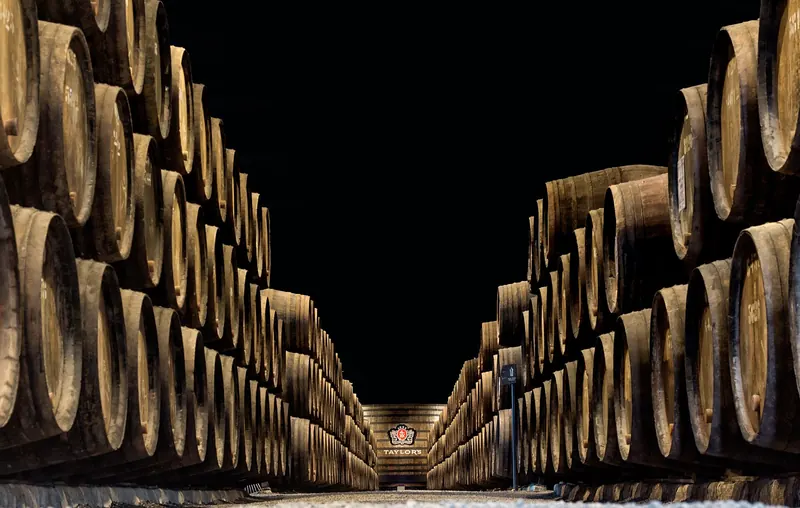
  1. Port wine barrels in a cellar in Vila Nova de Gaia across from Porto

    Take a port wine cellar tour and tasting

    An essential Porto experience, learning how port is aged and blended before tasting several styles at a historic cellar.

    Tip Book a smaller, guided cellar tour rather than a large group tour for a more personal tasting experience.

  2. Take a Douro River boat cruise

    A short boat trip beneath Porto's six bridges offers a different perspective on Ribeira and Vila Nova de Gaia's cellars.

    Tip A sunset cruise is worth the modest premium over a daytime departure for the light on the riverside houses.

  3. Explore Porto's azulejo-tiled churches

    Beyond São Bento station, churches like Igreja do Carmo and Capela das Almas showcase stunning blue-and-white tile facades.

    Tip Igreja do Carmo and the adjoining Igreja dos Carmelitas share a fascinating, unusually narrow house squeezed between them.

  4. Eat a francesinha

    Porto's indulgent signature sandwich, layered with meats and melted cheese under a spicy beer-and-tomato sauce, a defining local specialty.

    Tip Come hungry — a proper francesinha is a substantial meal, not a light snack.

  5. Visit the Serralves Museum and gardens

    An excellent contemporary art museum set within an art deco villa and expansive gardens, a worthwhile counterpoint to the historic old town.

    Tip Allow time for the gardens themselves, as much a highlight as the art collection inside.

  6. Walk or take a cable car to Vila Nova de Gaia's viewpoint

    A cable car connects the upper deck of the Dom Luís I Bridge area to Vila Nova de Gaia's riverside, offering sweeping views along the way.

    Tip Take the cable car one way and walk the other for a fuller experience of the crossing.

Local food

What to eat in Porto

Porto's food scene is distinct from Lisbon's, shaped by hearty northern Portuguese cuisine and its own signature dishes.

  • Francesinha

    Porto's indulgent layered sandwich of meats, melted cheese and a spicy beer-and-tomato sauce, the city's defining comfort food.

    Where to try it Café Santiago, one of the most celebrated francesinha spots in the city.

  • Port wine barrels in a cellar in Vila Nova de Gaia across from Porto

    Port wine

    A globally recognised fortified wine, with the city's own name attached, best tasted directly at the source across the river.

    Where to try it Historic port lodges in Vila Nova de Gaia, including Graham's, Taylor's and Ferreira.

  • Tripas à moda do Porto

    A traditional tripe stew with beans and meat, whose consumption gave Porto residents the nickname 'tripeiros' (tripe-eaters).

    Where to try it Traditional restaurants throughout the old town, particularly those specialising in northern Portuguese cuisine.

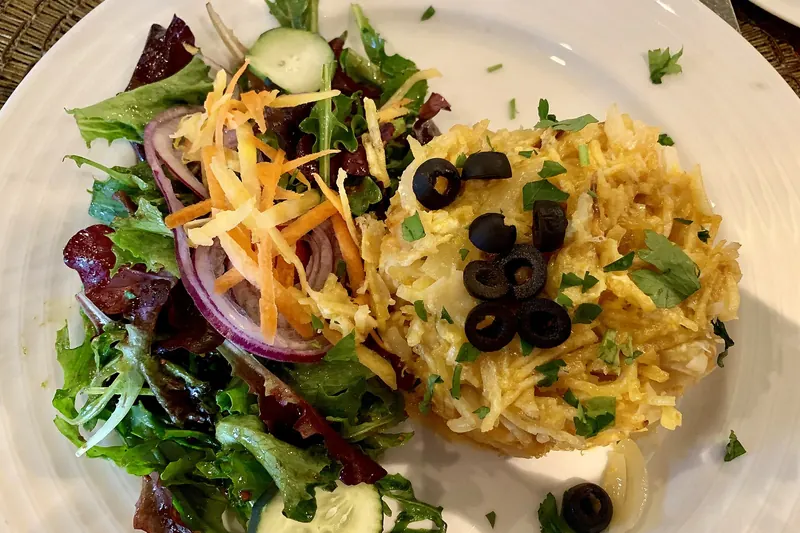
  • Bacalhau à Brás, a Portuguese salt cod dish with eggs and shoestring potatoes

    Bacalhau (salt cod)

    Widely available across the city as elsewhere in Portugal, good from Porto's traditional restaurants.

    Where to try it Traditional tascas throughout the Ribeira and Baixa districts.

  • Pastel de nata

    Available across the city, good from Porto's own bakeries even if Lisbon holds the more famous original recipe.

    Where to try it Local pastelarias throughout the city centre.

Accommodation

Where to stay in Porto

Porto's Ribeira district and the area around Baixa both work well as a convenient base.

  • Ribeira

    The most atmospheric, historic base, though its steep, narrow lanes mean more walking with luggage.

    Best for: Riverside views and walking to the main sights

  • Baixa (Porto's downtown)

    A short walk from Ribeira, with easier access and a wide range of hotels.

    Best for: Central convenience and shopping

What a night costs

Hostel dorm
€18–30 per night
Mid-range hotel
€70–130 per night
Port cellar tour and tasting
€15–25
Francesinha meal
€8–14

Transport

Getting to and around Porto

Porto Francisco Sá Carneiro Airport connects directly to the city by metro.

Getting there

  • Porto Francisco Sá Carneiro Airport (OPO)

    The metro's Purple Line reaches central Porto in about 30–40 minutes, a reliable option.

    A taxi or ride-hailing app offers a faster if pricier alternative for those with luggage.

  • Train from Lisbon

    Fast Alfa Pendular trains connect Lisbon to Porto in under three hours.

    Book fares ahead for meaningfully lower prices on this popular route.

  • Train to the Douro Valley

    Regional trains reach the Douro Valley's wine towns in about 2–2.5 hours.

    A scenic ride along the river for much of the journey.

Getting around

Central Porto is walkable if hilly, with a metro and funicular covering steeper connections.

  • Walking

    Ribeira, Baixa and the cathedral area all sit within a compact, if steeply hilled, central area.

    Comfortable, sturdy shoes matter considerably for Porto's cobblestones and inclines.

  • Metro

    A clean, efficient network covering the wider city, including a direct airport connection.

    The fastest way to cover longer distances across the city.

  • Funicular dos Guindais

    Connects Ribeira's riverside to the upper old town, sparing a steep climb.

    A quick, practical way to avoid one of the city's toughest hills.

When to go

Best time to visit Porto

Porto's weather runs somewhat cooler and wetter than Lisbon's given its more northern, Atlantic-facing position.

  • Spring (April–June)

    Best time

    Mild, increasingly warm weather, ideal for walking the riverside and old town.

  • Summer (July–August)

    Good

    Warm and reliable, more comfortable than Lisbon's summer heat given Porto's slightly cooler, more northern climate.

  • Autumn (September–October)

    Best time

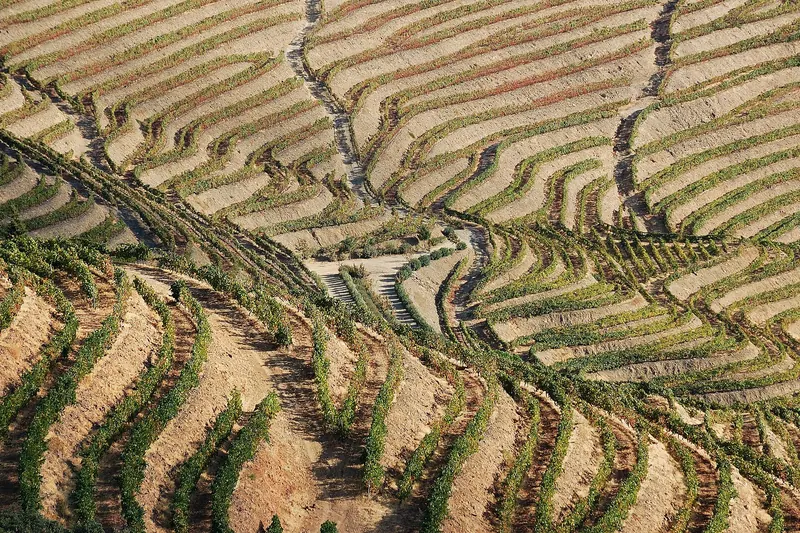
    Comfortable temperatures and thinning crowds, coinciding with the Douro Valley's grape harvest nearby.

  • Winter (November–March)

    Shoulder

    Mild but wetter than the rest of the country, given Porto's Atlantic-facing position.

Worth planning around: Nothing strongly — Porto's comparatively cooler climate makes it a more forgiving destination than Lisbon or the Algarve even at summer's peak.

Itinerary

Three days in Porto

The riverside Ribeira district first, then port wine tasting and the city's ornate architecture.

  1. Day1

    Ribeira and the riverside

    Porto's essential riverside sights.

    • Morning Wander Ribeira's lanes and the cathedral terrace.
    • Afternoon Cross the Dom Luís I Bridge to Vila Nova de Gaia.
    • Evening Sunset from the bridge's upper deck.
  2. Day2

    Port wine and architecture

    Porto's wine heritage and striking buildings.

    • Morning A port cellar tour and tasting in Vila Nova de Gaia.
    • Afternoon Livraria Lello and São Bento station.
    • Evening A francesinha dinner.
  3. Day3

    Clérigos Tower and local neighbourhoods

    Views and Porto's contemporary side.

    • Morning Climb Clérigos Tower for panoramic views.
    • Afternoon The Serralves Museum and gardens, or a Douro River cruise.
    • Evening A final dinner in Baixa.

Travel tips

Porto travel tips

Practical notes on booking, timing and transport that make a real difference to a Porto trip.

  • Book Livraria Lello tickets online ahead — walk-up queues for the bookshop are long.
  • Book a port cellar tour ahead at a well-known house for a deeper tasting experience.
  • Wear comfortable, sturdy shoes — Porto's cobblestone hills are steep.
  • Visit São Bento station even without a train ticket — the tiled entrance hall is free to enter.
  • Pack a light rain layer even in summer — Porto's Atlantic-facing climate is wetter than Lisbon's.
  • Combine Porto with a Douro Valley day trip if you have an extra day — it's easy by train.

FAQ

Porto: frequently asked questions

How many days do you need in Porto?

Three covers the Ribeira district, port wine tasting and the main architectural sights comfortably, with a Douro Valley day trip a worthwhile extension if you have more time.

Is Porto better than Lisbon?

They're different rather than comparable — Lisbon offers more scale and nightlife, while Porto offers a more compact, grounded pace and the genuine home of port wine. Most first-time visitors benefit from seeing both.

Where should I taste port wine?

In Vila Nova de Gaia, directly across the river from Porto's old town, where the historic port houses actually age and blend their wine — not in Porto itself, despite the wine's name.

Is Porto expensive?

No, one of Western Europe's more affordable cities — mid-range travel runs roughly €65–120 per person per day, slightly below even Lisbon's already reasonable costs.

What is the best time of year to visit?

April to June and September to October offer the most comfortable weather. Porto's Atlantic-facing climate runs cooler and wetter than Lisbon's year-round, making it a more forgiving summer destination.

Read next

Related travel articles

Transport

Getting Around Europe by Train

European rail is excellent and confusing — six national operators, three completely different pricing models, and a rail pass that is either a bargain or a waste depending on where you are going. Here is how to work out which.

Where to go

Beyond the Big Names: Places Worth the Detour

The most visited place in a country is rarely its best, and it is almost never its best value. This is a method for finding the destinations that do not make the postcards — and a set of examples from five of the 50 countries on this site.

Advertisement