



A traditional yellow tram climbing through Lisbon's Alfama district

Lisbon · Portugal

Lisbon

A hillside capital of tiled facades and rattling yellow trams, its seven hills offering a new river view at the end of nearly every street.

  • Best time April–June and September–October, for mild weather and manageable crowds
  • Stay 3–4 days
  • Good for History, culture, food, a Portugal gateway

Photo: Sharon Hahn Darlin · CC BY 2.0

Welcome to Lisbon

Lisbon is built across seven hills above the Tagus River, and that terrain shapes nearly everything about how the city feels to visit — steep, narrow streets that suddenly open onto a miradouro viewpoint, funiculars and rattling yellow trams that exist as genuine necessity rather than tourist novelty, and a skyline of terracotta roofs and tiled facades that catches the light differently from every new vantage point.

The city's history runs from Moorish rule through the Age of Discovery, when Portuguese explorers set out from Belém's riverbank to chart routes to India and Brazil, to the devastating 1755 earthquake that levelled much of the centre and led to Europe's first modern grid-planned rebuilding in the Baixa district.

What consistently surprises first-time visitors is how affordable and unhurried Lisbon feels relative to other major European capitals — excellent food and wine at a fraction of Paris or London's prices, and a pace that rewards wandering rather than checklisting.

  • Capital City
  • Major City
  • Historic Site
  • Culture & Arts

Why visit

Why visit Lisbon?

Lisbon's case is that no other European capital pairs this much hillside charm with affordable, high-quality food and history.

  • The hillside setting is unlike anywhere else

    Miradouro viewpoints appear around nearly every corner, each offering a new angle over the river and rooftops.

  • The trams are still functional transit

    Tram 28's climb through Alfama isn't a novelty ride — it's how the neighbourhood's own residents get around.

  • The food and wine scene is excellent value

    Comparable quality to Paris or Rome at noticeably lower prices, from tascas to a growing fine-dining scene.

  • The history is still visible

    Moorish, maritime-empire and post-earthquake layers all remain readable in the city's fabric today.

  • It's the natural gateway to the rest of Portugal

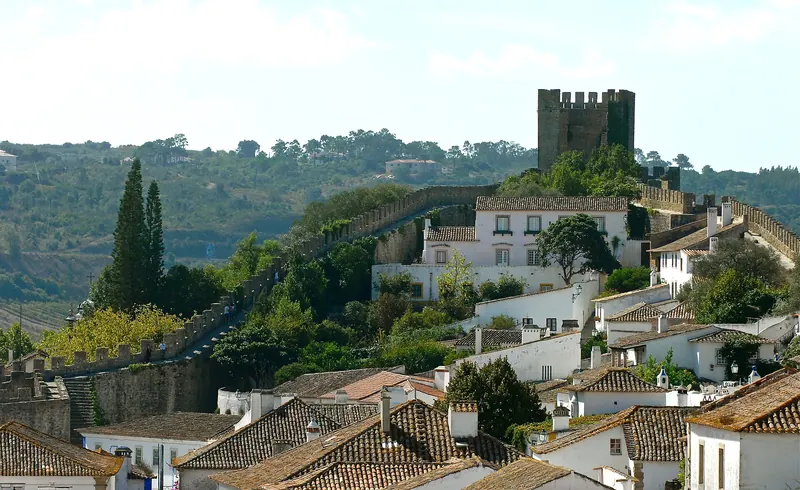
    Sintra, Óbidos and the wider country are all a short train ride from Lisbon.

Main attractions

Top things to see in Lisbon

Lisbon's essential sights, spanning the hillside old town and the riverside Belém district.

  1. Alfama district

    Lisbon's oldest neighbourhood, its steep, narrow lanes surviving the 1755 earthquake largely intact, now home to fado houses and genuine local life.

    Tip Get deliberately lost in Alfama's lanes rather than following a fixed route — the neighbourhood rewards genuine wandering.

  2. Belém Tower and Jerónimos Monastery

    Two UNESCO-listed monuments from Portugal's Age of Discovery, among the finest examples of Manueline architecture anywhere.

    Tip Visit Jerónimos Monastery early morning to avoid the significant midday queues, particularly in summer.

  3. São Jorge Castle

    A hilltop Moorish castle overlooking the city, its ramparts offering the best panoramic view over Lisbon's rooftops and the Tagus.

    Tip Time a visit for late afternoon, when the light over the river is at its best from the ramparts.

  4. Praça do Comércio and the Baixa district

    The grand riverside square and grid-planned district built after the 1755 earthquake, one of Europe's earliest examples of modern urban planning.

    Tip The square's riverside arch offers a good photo angle back toward the plaza and its equestrian statue.

  5. LX Factory

    A former industrial complex turned vibrant creative hub of shops, restaurants and street art beneath the 25 de Abril Bridge.

    Tip Ler Devagar, a striking multi-level bookshop within the complex, is worth the visit alone.

  6. National Tile Museum (Azulejo)

    Housed in a former convent, this museum traces the centuries-deep history of Portugal's iconic decorated tiles.

    Tip A slightly out-of-the-way stop, but worthwhile for understanding the tilework seen throughout the rest of the city.

  7. Miradouro da Senhora do Monte

    One of Lisbon's highest and least crowded viewpoints, offering sweeping views over Alfama and the castle toward the river.

    Tip A short but steep uphill walk from Alfama, best timed for sunset.

Things to do

Best things to do in Lisbon

Beyond the major sights, Lisbon rewards its trams, fado houses and serious food and wine culture.

  1. A traditional yellow tram climbing through Lisbon's Alfama district

    Ride Tram 28 through the old city

    The historic yellow tram's steep, winding route through Alfama, Graça and Baixa is Lisbon's most iconic ride.

    Tip Ride early morning or late in the day to avoid the packed midday crowds and pickpocket risk that come with them.

  2. Listen to fado in a small venue

    Portugal's melancholic traditional music, rooted in Lisbon's working-class neighbourhoods, is best experienced unamplified in a small casa de fado.

    Tip Alfama and Mouraria hold more authentic fado houses than the tourist-heavy Bairro Alto strip.

  3. Fresh pastéis de nata, Portugal's custard tarts, dusted with cinnamon

    Eat pastéis de nata at the source

    Pastéis de Belém has baked to the same 19th-century recipe since 1837, the most historic version of Portugal's beloved custard tart.

    Tip Eat them warm, straight from the oven, dusted with cinnamon and powdered sugar at the counter.

  4. Explore Bairro Alto and Chiado at night

    Lisbon's nightlife district and adjoining upscale shopping neighbourhood offer a lively contrast to Alfama's quieter old-world charm.

    Tip Bairro Alto's bars spill out onto the street after dark — a distinctly Lisbon way to spend an evening.

  5. Take a day trip to Sintra or Cascais

    Both easy train trips from Lisbon, offering fairy-tale palaces or a relaxed coastal town respectively.

    Tip Book Sintra's palace tickets online ahead if going for the day — queues can mean significant waiting in summer.

  6. Cross the Tagus by ferry

    A cheap, scenic way to see Lisbon's skyline from the water, with Cristo Rei's statue visible on the opposite bank.

    Tip The Cacilhas ferry from near Praça do Comércio offers good skyline views for the price of a metro ticket.

Local food

What to eat in Lisbon

Lisbon's food scene spans genuine neighbourhood tascas to an increasingly serious modern Portuguese restaurant movement.

  • Bacalhau à Brás, a Portuguese salt cod dish with eggs and shoestring potatoes

    Bacalhau (salt cod)

    Portugal's national ingredient, said to have a different recipe for every day of the year, widely available across Lisbon's restaurants.

    Where to try it Traditional tascas throughout Alfama and Bairro Alto.

  • Fresh pastéis de nata, Portugal's custard tarts, dusted with cinnamon

    Pastéis de nata

    Flaky pastry custard tarts, one of Lisbon's most beloved exports, best eaten fresh and warm.

    Where to try it Pastéis de Belém for the original recipe, or Manteigaria for an excellent modern alternative.

  • Grilled sardines

    Simply grilled whole sardines, a summer staple, especially during Lisbon's Santo António festival in June.

    Where to try it Street stalls and traditional restaurants throughout Alfama during festival season.

  • Ginjinha

    A potent sour cherry liqueur, traditionally served in a small shot glass, a distinctly Lisbon institution.

    Where to try it A Ginjinha near Rossio Square, a tiny, historic shot bar that's been serving it since 1840.

  • Bifana

    A simple, beloved pork sandwich, marinated and pan-fried, a defining Lisbon street food and hangover cure alike.

    Where to try it Casa das Bifanas near Praça da Figueira, a genuine local institution.

  • Vinho verde

    A light, slightly effervescent young wine from northern Portugal, widely served across Lisbon as a refreshing summer choice.

    Where to try it Any traditional restaurant or wine bar citywide.

Accommodation

Where to stay in Lisbon

Lisbon's hillside neighbourhoods each offer a different base, from historic Alfama to trendy Chiado.

  • Alfama

    The oldest, most atmospheric neighbourhood, though its steep, narrow lanes mean more walking with luggage.

    Best for: Historic atmosphere and fado houses

  • Chiado and Baixa

    Flat, central and well connected, putting most major sights within easy walking distance.

    Best for: Central convenience and shopping

  • Príncipe Real

    A stylish residential area with excellent restaurants and a noticeably less touristy atmosphere.

    Best for: A trendier, more local neighbourhood feel

What a night costs

Hostel dorm
€18–32 per night
Mid-range hotel
€75–140 per night
Jerónimos Monastery entry
€10
Bifana sandwich
€3–5

Transport

Getting to and around Lisbon

Lisbon Humberto Delgado Airport sits close to the city, with a direct metro line into the centre.

Getting there

  • Lisbon Humberto Delgado Airport (LIS)

    The metro's Red Line reaches central Lisbon in about 25 minutes, a reliable and affordable option.

    A metered taxi or ride-hailing app offers a comparable-speed alternative for those with luggage.

  • Train to Sintra or Porto

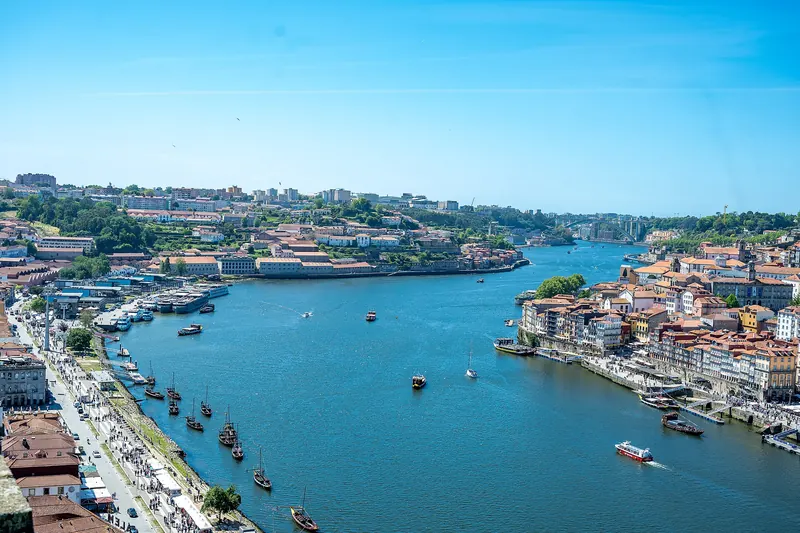
    Regional trains reach Sintra in about 40 minutes; fast Alfa Pendular trains reach Porto in under three hours.

    Book Alfa Pendular fares ahead for meaningfully lower prices on the Porto route.

  • Bus or train to Óbidos

    Regular connections reach Óbidos in about an hour from Lisbon.

    Buses run more frequently than trains on this particular route.

Getting around

Central Lisbon is walkable if hilly, with trams, funiculars and the metro covering the steeper climbs.

  • Walking

    Alfama, Chiado and Baixa all sit within a compact, if steeply hilled, central area.

    Comfortable, sturdy shoes matter considerably for Lisbon's cobblestones and inclines.

  • Trams and funiculars

    Historic yellow trams and funiculars still serve as functional transit up the city's steepest hills.

    A Viva Viagem card covers trams, funiculars, metro and buses within the same fare system.

  • Metro

    A clean, efficient four-line system covering the wider city, including a direct airport connection.

    The fastest way to cover longer distances across the city.

When to go

Best time to visit Lisbon

Lisbon's summer heat runs intense, and spring and autumn offer the most comfortable balance of weather and crowds.

  • Spring (April–June)

    Best time

    Mild, increasingly warm weather, ideal for walking the hills without peak summer heat.

  • Summer (July–August)

    Shoulder

    Intense heat, often exceeding 30°C, alongside the year's biggest crowds.

  • Autumn (September–October)

    Best time

    Comfortable temperatures and thinning crowds, an excellent window for sightseeing.

  • Winter (November–March)

    Good

    Mild by northern European standards, with quiet major sites and lower accommodation prices.

Worth planning around: Midday hours in July and August, when heat and crowds both peak — an early morning or late afternoon pace is more comfortable.

Itinerary

Three days in Lisbon

Alfama and the old town first, then Belém's monuments and Lisbon's neighbourhoods at an unhurried pace.

  1. Day1

    Alfama and the castle

    Lisbon's essential historic core.

    • Morning São Jorge Castle, arriving at opening time.
    • Afternoon Wander Alfama's lanes and viewpoints.
    • Evening Fado and dinner in Alfama.
  2. Day2

    Belém and the river

    Portugal's Age of Discovery monuments.

    • Morning Jerónimos Monastery and Belém Tower.
    • Afternoon Pastéis de Belém and the riverside promenade.
    • Evening Sunset from a miradouro.
  3. Day3

    Chiado, Baixa and local life

    Lisbon's shopping and nightlife neighbourhoods.

    • Morning The Baixa district and Praça do Comércio.
    • Afternoon Chiado's shops and cafés, or LX Factory.
    • Evening Dinner and drinks in Bairro Alto.

Travel tips

Lisbon travel tips

Practical notes on booking, timing and transport that make a real difference to a Lisbon trip.

  • Wear comfortable, sturdy shoes — Lisbon's cobblestone hills are steep and slippery when worn or wet.
  • Ride Tram 28 early morning or late in the day to avoid pickpocket risk on the packed midday route.
  • Book Jerónimos Monastery and Belém Tower tickets online ahead in summer, when queues run long.
  • Carry a Viva Viagem card for trams, funiculars, metro and buses rather than buying single tickets.
  • Watch for couvert charges — bread and olives brought unprompted to your table are usually billed if eaten.
  • Book Sintra day-trip train tickets or tours ahead in peak season.
  • Explore beyond Alfama and Belém — Príncipe Real and Graça offer good value and a more local atmosphere.

FAQ

Lisbon: frequently asked questions

How many days do you need in Lisbon?

Three to four. Two covers Alfama and Belém at a rushed pace; four allows deeper neighbourhood time and a day trip to Sintra without feeling hurried.

Is Lisbon a good base for exploring Portugal?

Yes — the airport and main train station both connect easily to Sintra, Óbidos and Porto, making Lisbon the natural start or end point for a wider Portugal trip.

Is Lisbon safe for tourists?

Yes, very — violent crime against visitors is rare. The practical risk is pickpocketing on crowded trams, particularly Tram 28, and in busy tourist areas, manageable with ordinary vigilance.

What is the best time of year to visit?

April to June and September to October offer the most comfortable weather for exploring the hills on foot. Summer is hot, often exceeding 30°C, and considerably more crowded.

Is Lisbon expensive?

No, one of Western Europe's more affordable capitals — mid-range travel runs roughly €70–130 per person per day, noticeably below Paris, London or Rome for comparable quality.

Read next

Related travel articles

Planning

Planning Your First Trip to Europe

Most first European trips go wrong in the same three ways: too many cities, too little time in each, and a route shaped by a cheap flight rather than by geography. Here is how to avoid all three.

Transport

Getting Around Europe by Train

European rail is excellent and confusing — six national operators, three completely different pricing models, and a rail pass that is either a bargain or a waste depending on where you are going. Here is how to work out which.

Advertisement