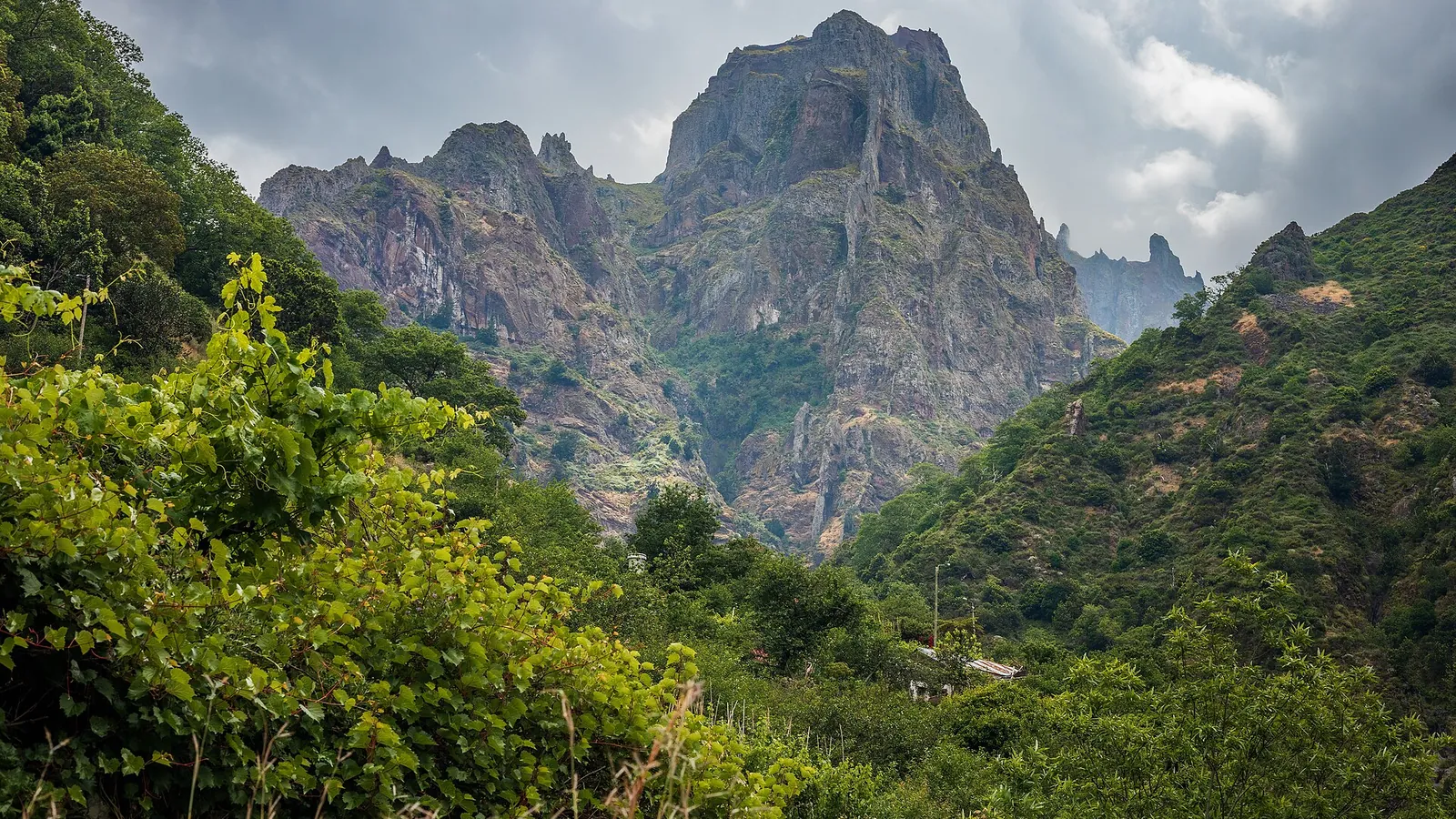
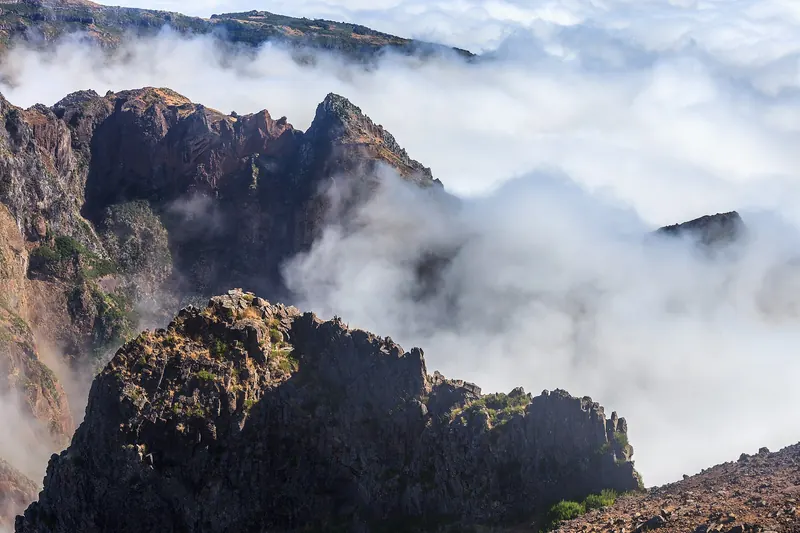
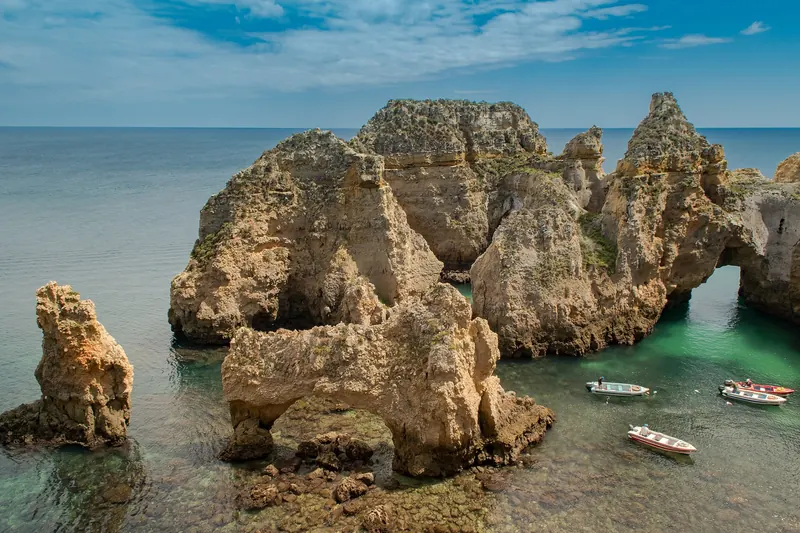
The jagged volcanic peaks of Curral das Freiras in the mountains of Madeira

Madeira Autonomous Region · Portugal

Madeira

A volcanic island of sheer green peaks and centuries-old irrigation channels, its levada paths among Europe's finest walking trails.

  • Best time Year-round, with April–October the most reliable for hiking and swimming
  • Stay 4–5 days
  • Good for Hiking, nature, dramatic scenery, a genuine year-round destination

Photo: Ximonic (Simo Räsänen) · CC BY-SA 4.0

Welcome to Madeira

Madeira sits alone in the Atlantic, closer to Morocco than to mainland Portugal, and its volcanic origin shows in every view: sheer green ridgelines, valleys that drop almost straight to the sea, and a central mountain spine reaching over 1,800 metres above a coastline with barely any flat ground at all. The result is a landscape considerably more dramatic than its reputation as a mild-climate retirement destination might suggest.

The island's defining feature is its network of levadas — irrigation channels dug into hillsides and cliff faces since the 16th century to carry water from the wet, mountainous north to the drier, sunnier south. Over 2,000km of these channels remain, most with a walking path alongside, and following one through subtropical laurel forest or along a sheer cliff edge is one of the best low-effort, high-reward hikes anywhere in Europe.

Funchal, the island's compact hillside capital, anchors most visits with its historic old town, a bustling produce market and a genuine wine-making tradition dating to the 15th century. But Madeira rewards getting out of the city just as strongly — to the sea cliffs of Cabo Girão, the volcanic pools of Porto Moniz, and hiking trails that feel remote despite being a short drive from anywhere on the island.

  • Island
  • Nature & Wildlife
  • Mountains
  • UNESCO Site

Why visit

Why visit Madeira?

Madeira's case is a dramatic volcanic landscape, world-class hiking on the levada network, and a mild climate that works essentially year-round.

  • The levada walks are unlike hiking anywhere else

    Centuries-old irrigation channels thread through laurel forest and along cliff faces, with well-maintained paths for walkers of very different fitness levels.

  • The Laurisilva forest is a genuine UNESCO World Heritage Site

    Madeira protects the largest surviving area of laurel forest that once covered much of Southern Europe, largely unchanged since prehistory.

  • The scenery is dramatic for such a small island

    Sheer volcanic ridges, near-vertical valleys and some of Europe's highest sea cliffs pack into an island you can cross by car in under two hours.

  • The climate works most of the year

    Mild year-round temperatures make Madeira a workable destination even in European winter, when the north's weather can differ sharply from the sunnier south coast.

  • Madeira wine is a genuine, distinct tradition

    Fortified and famously long-lived, with some producers still ageing bottles for decades in Funchal's historic wine lodges.

Main attractions

Top things to see in Madeira

Madeira's essential sights span Funchal's old town and a dramatic ring of coast and mountain around the rest of the island.

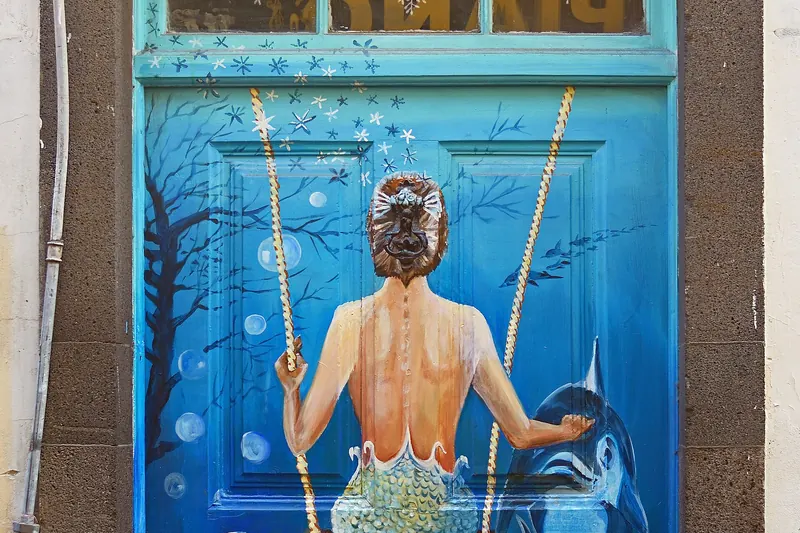
  1. A colourfully painted wooden door as part of Funchal's Art of Open Doors project in the Zona Velha

    Zona Velha, Funchal's Old Town

    Funchal's historic fishing quarter, its narrow lanes home to the charming Art of Open Doors project — dozens of old wooden doors painted by local and international artists — alongside seafront restaurants and the city's oldest streets.

    Tip Rua de Santa Maria has the highest concentration of painted doors; a slow wander finds new ones around nearly every corner.

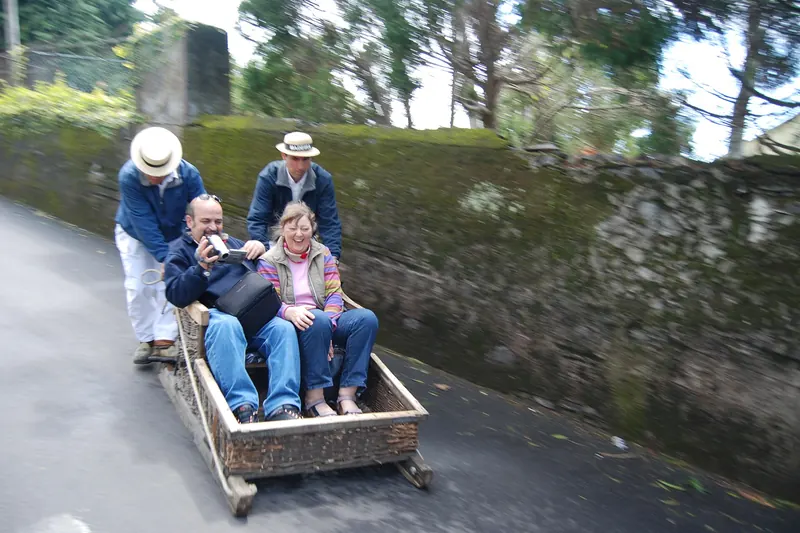
  2. Traditional wicker toboggans (carros de cesto) and their drivers on the streets of Monte above Funchal

    Monte Palace Tropical Garden and the Monte toboggan

    A lush botanical garden in the hillside village of Monte above Funchal, best combined with the famous carros de cesto — wicker sledges steered by two white-uniformed drivers down steep public streets, a tradition dating to the 19th century.

    Tip Take the cable car up to Monte and the toboggan back down — the classic, and still the best, way to do both in one trip.

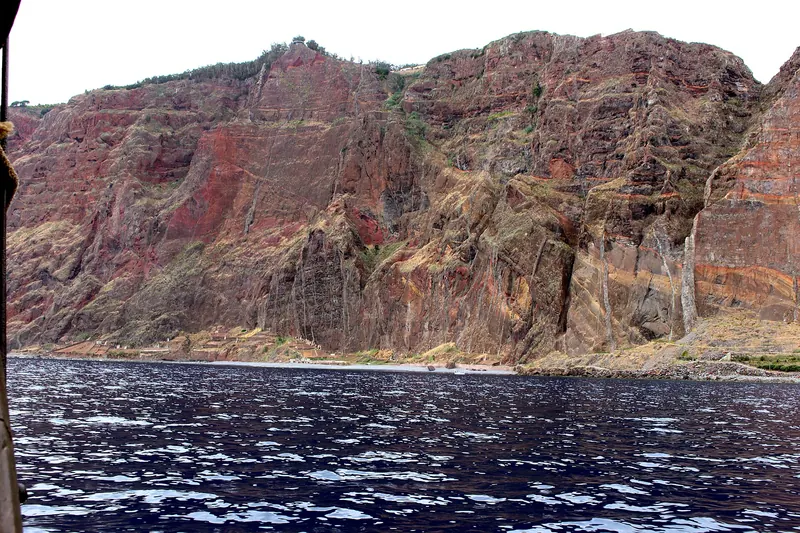
  3. The sheer red-rock face of Cabo Girão, one of Europe's highest sea cliffs, seen from the water

    Cabo Girão skywalk

    One of Europe's highest sea cliffs, dropping close to 580 metres to the water, with a glass-floored viewing platform that tests visitors' nerve directly over the drop.

    Tip Go early in the day for the clearest light and thinnest crowds on the glass platform.

  4. The rocky summit of Pico do Arieiro rising above a sea of clouds in Madeira's central mountains

    Pico do Arieiro

    Madeira's third-highest peak and the easiest to reach by car, its summit offering spectacular sunrise views over a sea of clouds when conditions align, and the starting point for the island's most celebrated ridge trail.

    Tip Dress warmly regardless of season — temperatures at 1,818 metres are far cooler than at sea level, especially before sunrise.

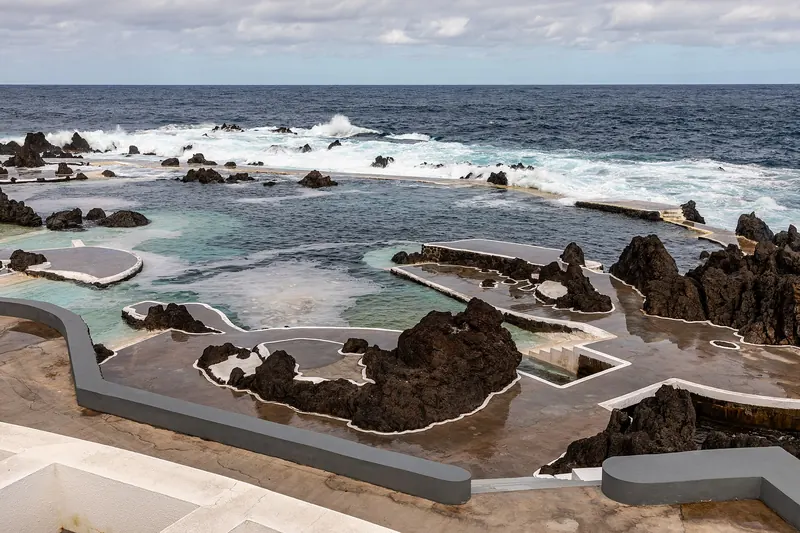
  5. The volcanic natural swimming pools at Porto Moniz on Madeira's northwest coast

    Porto Moniz natural pools

    Volcanic rock pools on the island's rugged northwest coast, naturally filled and refreshed by the Atlantic, offering safer swimming than the open ocean nearby.

    Tip Water temperature runs cool year-round; a wetsuit rental at the site is worth it outside summer.

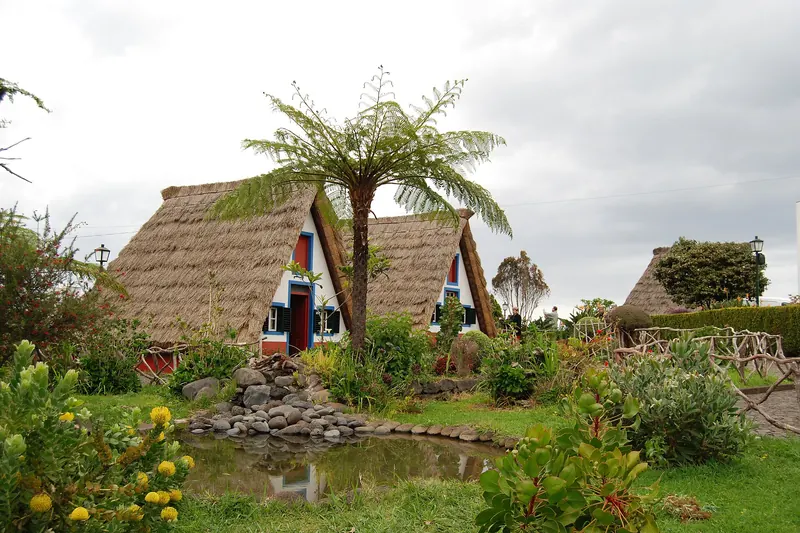
  6. Colourful traditional A-frame thatched houses (palheiros) in Santana, northern Madeira

    Santana's traditional thatched houses

    A cluster of distinctive A-frame houses (palheiros) with steeply thatched roofs, a traditional Madeiran building style now largely preserved for visitors in this northern town.

    Tip A handful of the houses are open as small museums furnished in period style — worth the short stop beyond photos from outside.

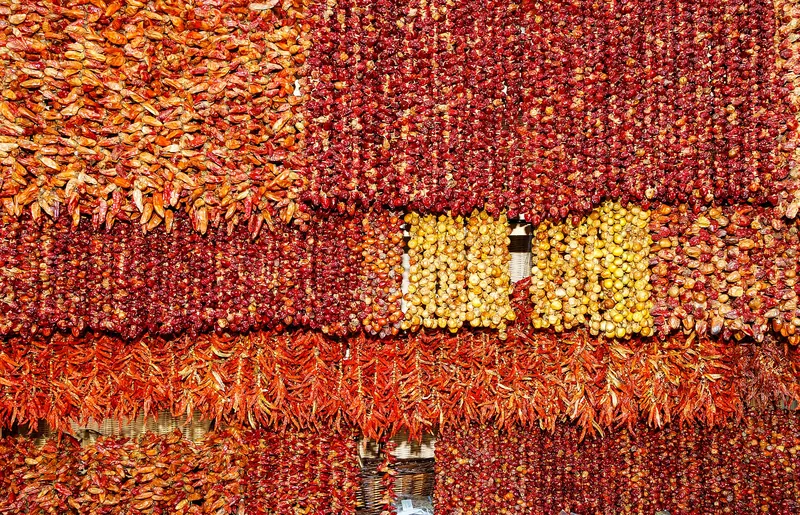
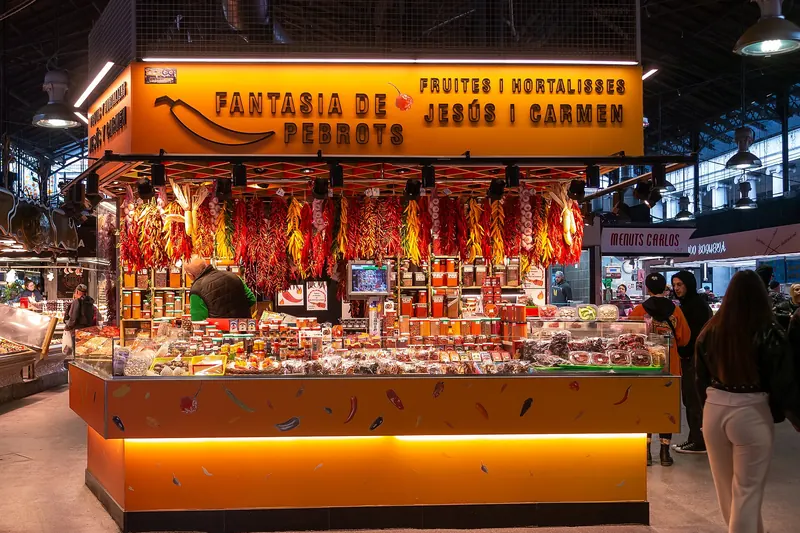
  7. Dried capsicum peppers on sale inside Funchal's Mercado dos Lavradores market

    Mercado dos Lavradores

    Funchal's vibrant farmers' market, its ground floor piled with tropical fruit and flowers and an upper floor of fishmongers famously selling espada, the black scabbardfish central to Madeiran cooking.

    Tip Go in the morning when the market is liveliest and the fish counters are freshest.

Things to do

Best things to do in Madeira

Madeira's landscape rewards active exploration — on foot, on the water and, in one famous case, in a wicker sledge.

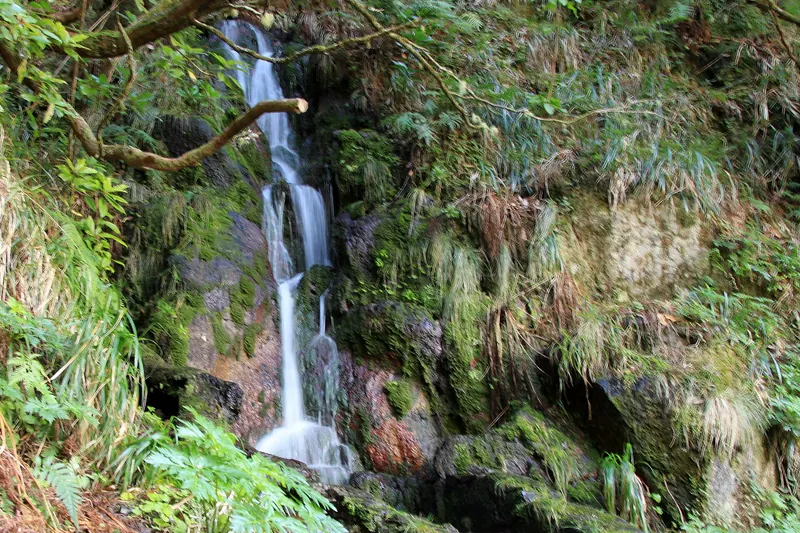
  1. The path alongside the Levada das 25 Fontes through Madeira's laurel forest

    Walk the Levada das 25 Fontes

    One of Madeira's most popular levada walks, following a centuries-old irrigation channel through dense laurel forest to a rock amphitheatre fed by, true to its name, roughly 25 small waterfalls.

    Tip Start early — this is the island's single most popular trail and the car park fills quickly in high season.

  2. Hike the Pico do Arieiro to Pico Ruivo ridge trail

    A dramatic, exposed ridge path connecting Madeira's third- and first-highest peaks, with tunnels cut through rock, sheer drops on both sides and views considered among the best hiking scenery in Europe.

    Tip Not for anyone uneasy with heights or exposure — sections have steep drop-offs, though handrails and tunnels help on the hardest parts.

  3. Ride the Monte toboggan

    Two drivers in traditional white uniforms steer a wicker sledge down about two kilometres of public streets from Monte toward Funchal, a unique and surprisingly fast 19th-century transport tradition turned tourist experience.

    Tip Book at the top in Monte rather than through a third party — prices are fixed and posted at the starting point.

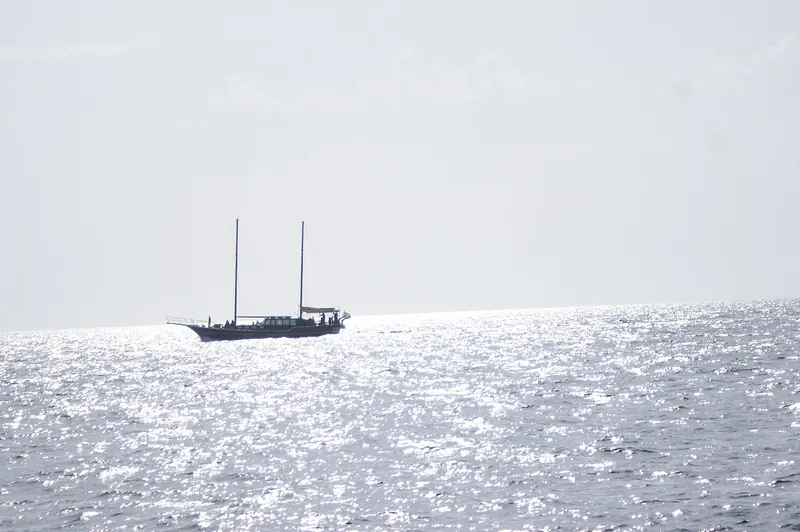
  4. A whale and dolphin watching tour boat off the coast of Madeira

    Go whale and dolphin watching

    Madeira's deep coastal waters attract a wide range of cetacean species year-round, with several responsible operators running boat trips from Funchal's marina.

    Tip Choose an operator that follows official approach-distance guidelines — Madeira's whale-watching code is taken seriously.

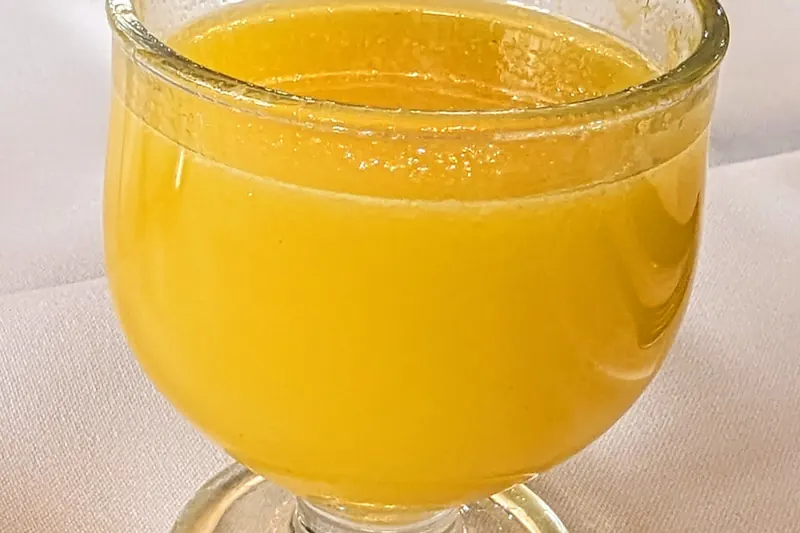
  5. A glass of poncha, Madeira's traditional cocktail of sugarcane spirit, honey and citrus

    Drink poncha

    Madeira's traditional cocktail of aguardente de cana (sugarcane spirit), honey and citrus, still made and served much as it has been for generations, particularly in Câmara de Lobos.

    Tip Câmara de Lobos, the fishing village Winston Churchill once painted, is considered poncha's spiritual home.

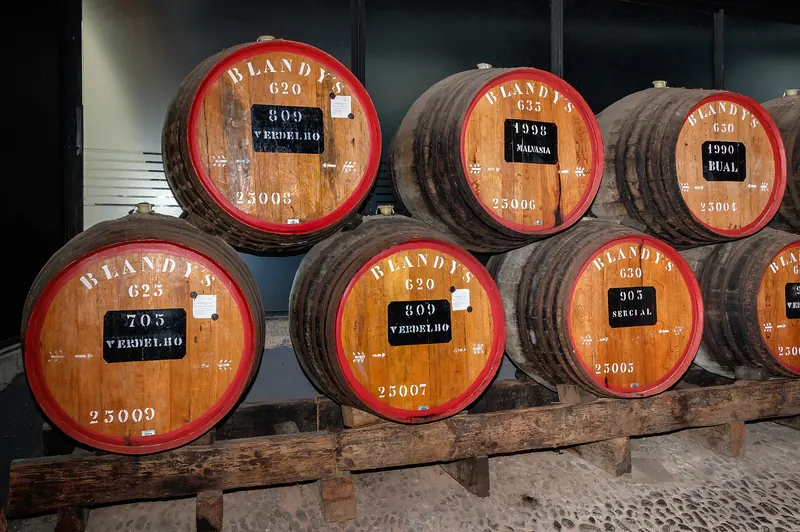
  6. Barrels of ageing Madeira wine at Blandy's Wine Lodge in Funchal

    Tour a Madeira wine lodge

    Historic wine lodges in central Funchal offer tours and tastings of Madeira's famous fortified wine, some ageing bottles for decades using traditional heating methods that define the wine's character.

    Tip Blandy's Wine Lodge, in business since 1811, is the most established and easiest to visit without booking far ahead.

Local food

What to eat in Madeira

Madeiran food draws on the island's Atlantic setting and subtropical produce, with a handful of dishes found nowhere else in Portugal.

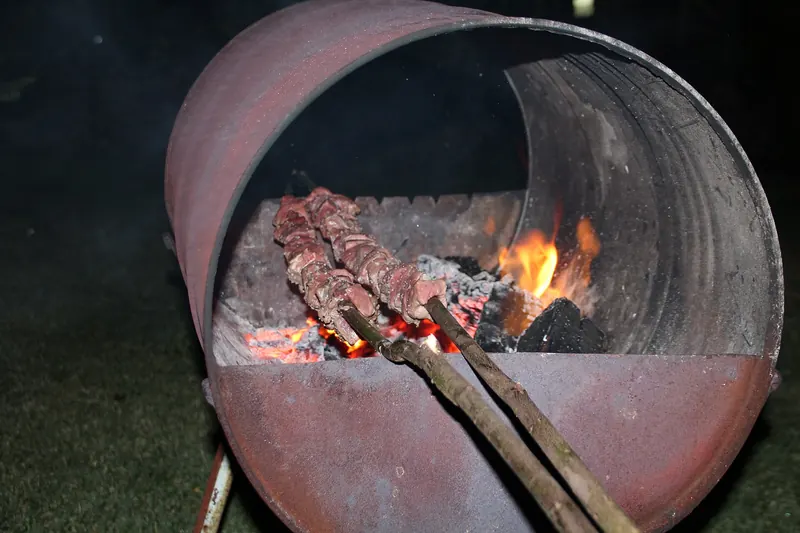
  • Espetada, chunks of beef skewered on a bay laurel stick and grilled

    Espetada

    Chunks of beef marinated in garlic and bay laurel, skewered on a laurel branch and grilled, traditionally served hanging from a hook directly over the table — Madeira's signature dish.

    Where to try it Restaurants across the island, especially in Câmara de Lobos and Funchal's Zona Velha.

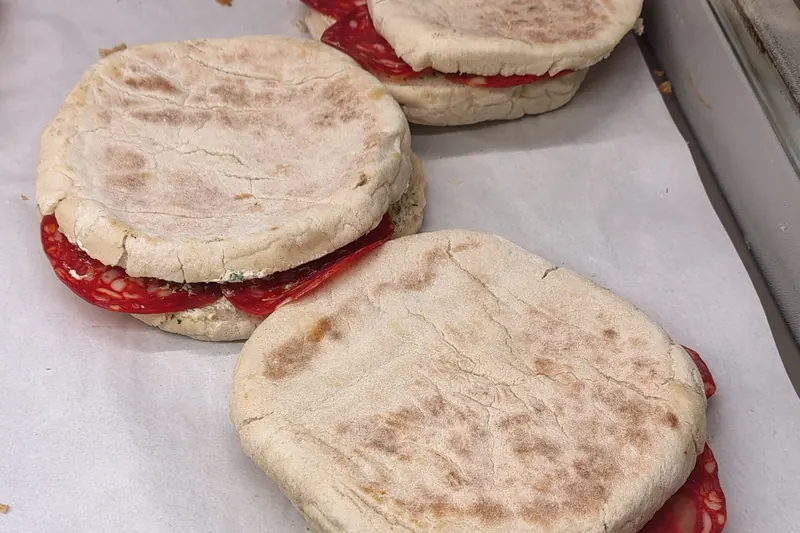
  • Bolo do caco, a round Madeiran griddle bread split and filled with garlic butter

    Bolo do caco

    A round, flat bread made from sweet potato and wheat flour, cooked on a hot stone (caco) and traditionally split and slathered with garlic butter straight off the griddle.

    Where to try it Bakeries and restaurants island-wide; often served warm as a starter before the main course.

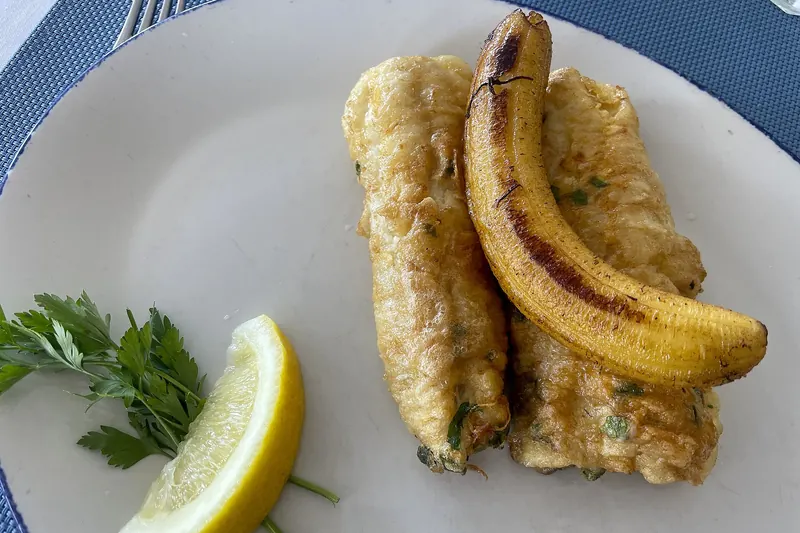
  • Espada com banana, black scabbardfish fillets served with fried banana

    Espada com banana

    Black scabbardfish, an unusual deep-sea species caught almost exclusively off Madeira, pan-fried and served with fried banana — a distinctive sweet-savoury pairing found nowhere else in Portugal.

    Where to try it Traditional restaurants across Funchal, particularly near the Mercado dos Lavradores.

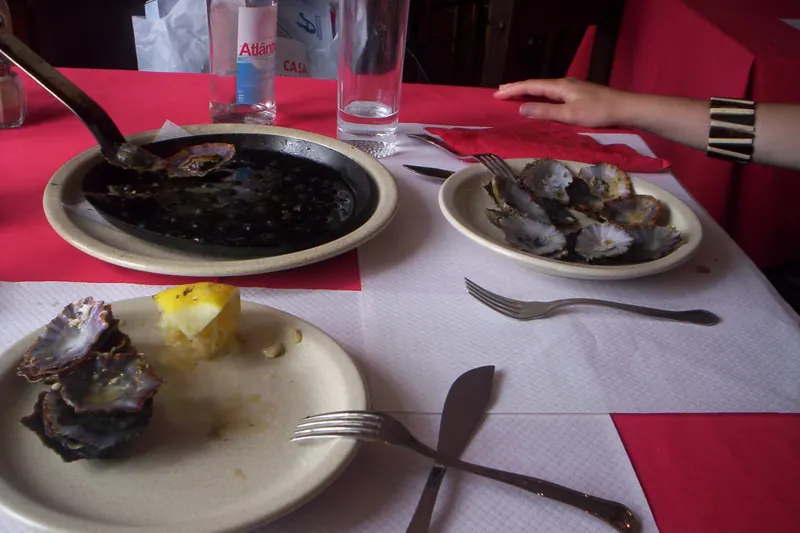
  • Lapas, grilled limpets served in their shells with garlic butter

    Lapas

    Limpets grilled in their shells with garlic, butter and a squeeze of lemon, a simple seafood starter found at restaurants along the coast.

    Where to try it Seafood restaurants in Câmara de Lobos and along Funchal's waterfront.

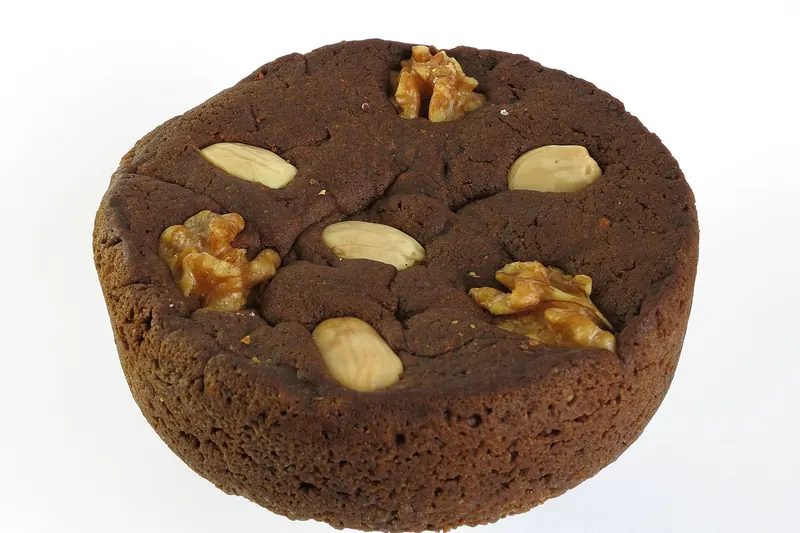
  • Bolo de mel, Madeira's dense, dark spiced cake

    Bolo de mel

    Madeira's dense, dark 'honey cake' — despite the name, traditionally made with sugarcane molasses rather than honey — spiced and rich, historically associated with Christmas but sold year-round.

    Where to try it Bakeries and confectioners across Funchal; it keeps well and travels as a souvenir.

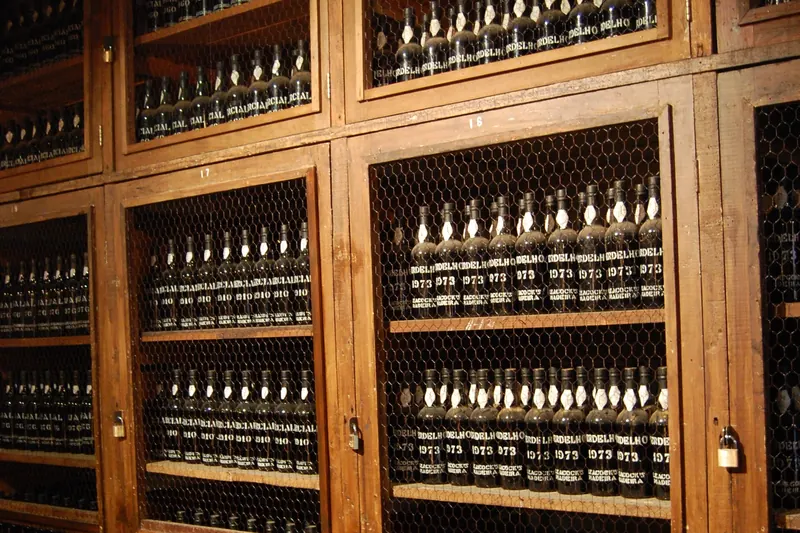
  • Bottles of fortified Madeira wine at a wine lodge in Funchal

    Madeira wine

    A fortified wine famous for its longevity — capable of ageing for decades or longer thanks to a unique heating process — ranging from dry styles suited to an aperitif to sweet ones for dessert.

    Where to try it Funchal's historic wine lodges, several offering tastings alongside cellar tours.

Accommodation

Where to stay in Madeira

Funchal is the practical base for most visits, with a scattering of options elsewhere for a quieter or more scenic stay.

  • Funchal old town and marina

    Madeira's liveliest base, with the Zona Velha's restaurants and bars a short walk from most hotels in this area.

    Best for: Walking distance to restaurants, the market and nightlife

  • Funchal's hotel zone (Lido/Praia Formosa)

    A strip of larger hotels west of the old town, several with direct or near-direct access to Funchal's rocky sea-pool beaches.

    Best for: Resort-style stays with sea access

  • Câmara de Lobos or the west coast

    Picturesque fishing villages a short drive from the capital, considerably less touristed than central Funchal.

    Best for: A quieter, more local base within easy reach of Funchal

  • The north coast

    Towns like Santana and Porto Moniz put visitors closer to the island's best hiking, at the cost of a longer drive back to Funchal's restaurants and nightlife.

    Best for: Proximity to levada walks and a cooler, greener landscape

What a night costs

Budget guesthouse
€55–90 per night
Mid-range hotel
€90–160 per night
Espetada dinner
€14–22
Monte toboggan ride
About €30 per two-person sledge

Transport

Getting to and around Madeira

Madeira is reached only by air or sea — there is no bridge or tunnel connection to anywhere.

Getting there

  • Flight from mainland Portugal

    Direct flights from Lisbon or Porto take about 1h30 to 2 hours, with frequent daily departures.

    Madeira Airport's short runway, extended out over the sea on pillars, is a genuine feat of engineering worth reading up on before landing.

  • Flight from elsewhere in Europe

    Direct seasonal and year-round routes connect Madeira to numerous European cities, particularly in summer.

    Booking ahead pays off — routes and frequency shrink considerably outside the main season.

  • Ferry

    A seasonal ferry service has previously run to mainland Portugal, though schedules change; check current availability if travelling without flying.

    Flying remains the reliable, year-round option for most visitors.

Getting around

Madeira's terrain rewards a rental car — public transport exists but the island's dramatic geography works against it.

  • Rental car

    The most practical way to reach levada trailheads, the north coast and Cabo Girão on your own schedule.

    Roads are well maintained but steep and winding, with many tunnels — comfortable for confident drivers, less so for the nervous.

  • Public bus

    A comprehensive network reaches most towns and some trailheads from Funchal, though schedules can be infrequent outside the capital.

    Workable for a Funchal-based visit without a car, less so for reaching remote levadas on a tight schedule.

  • Organised tours and taxis

    Widely available for levada walks, Cabo Girão and round-island day trips, an easy option for visitors who would rather not drive.

    A useful way to reach the Pico do Arieiro to Pico Ruivo trailhead and arrange a one-way pickup at the other end.

When to go

Best time to visit Madeira

Madeira's mild subtropical climate works in any month, though the wetter, cooler north contrasts with a sunnier south coast at any time of year.

  • Spring (March–May)

    Best time

    Mild temperatures and, in late April and May, the island's flowers at their most spectacular — excellent for hiking.

  • Summer (June–August)

    Good

    Warm and reliably dry on the south coast, busier with visitors, and the best window for swimming at the natural pools.

  • Autumn (September–November)

    Best time

    Still warm with thinning crowds; September and October are excellent for both hiking and coastal weather.

  • Winter (December–February)

    Good

    Mild by European standards and still workable for hiking at lower elevations, though the mountains see more cloud, rain and occasional snow at altitude.

Worth planning around: Nothing strongly — Madeira's appeal is a mild climate in every season, though the high central peaks can close to hikers in poor winter weather.

Itinerary

Four days in Madeira

Built around Funchal as a base, with the island's dramatic coast and mountains reached on day trips.

  1. Day1

    Funchal's old town and market

    Settle in and get a feel for the capital.

    • Morning The Mercado dos Lavradores for fruit, flowers and the fish hall.
    • Afternoon Wander the Zona Velha's painted doors and old streets.
    • Evening An espetada dinner and a first poncha.
  2. Day2

    Monte and the mountains

    Botanical gardens, a cable car and an unusual ride down.

    • Morning Cable car up to Monte and the Tropical Garden.
    • Afternoon The famous wicker toboggan ride back toward Funchal.
    • Evening A wine lodge tour and tasting in central Funchal.
  3. Day3

    The levadas and the north coast

    The island's best-known walk, then a swim in volcanic pools.

    • Morning Walk the Levada das 25 Fontes.
    • Afternoon Drive to Porto Moniz for the natural swimming pools.
    • Evening Dinner in Santana or back in Funchal.
  4. Day4

    Cabo Girão and the west coast

    Sea cliffs, a fishing village and Madeira's dramatic coastal drive.

    • Morning The Cabo Girão skywalk.
    • Afternoon Câmara de Lobos for lunch and a final poncha.
    • Evening A last Funchal dinner, or an early night before a Pico do Arieiro sunrise.

Travel tips

Madeira travel tips

Practical notes on booking, timing and transport that make a real difference to a Madeira trip.

  • Book a rental car well ahead in high season — Madeira's roads reward the flexibility and demand outstrips supply in summer.
  • Start popular levada walks early, particularly the 25 Fontes trail, since car parks and trails both fill by mid-morning.
  • Dress in layers for the mountains — Pico do Arieiro and Pico Ruivo can be far colder and cloudier than the coast.
  • The Pico do Arieiro to Pico Ruivo trail has serious exposure in places; check conditions and consider a guide if unsure.
  • Madeira Airport's short, cliff-edge runway is famously tricky — turbulence on approach is normal and nothing to worry about.
  • Pack for both sun and rain regardless of season — the mountainous interior and north coast can differ sharply in weather from sunny Funchal.

FAQ

Madeira: frequently asked questions

Is Madeira worth visiting for hiking?

Yes — its 2,000km network of levada paths, UNESCO-listed laurel forest and dramatic central mountains make it one of Europe's best hiking destinations, with trails suited to a wide range of fitness levels.

How many days do you need in Madeira?

Four to five days covers Funchal, a levada walk, Cabo Girão and the north coast comfortably. A week allows a more relaxed pace and time for the Pico do Arieiro to Pico Ruivo trail or a boat trip.

What is a levada?

A centuries-old irrigation channel carrying water from Madeira's wet north to its drier south, most with a walking path alongside. Over 2,000km survive, and following one is one of the best low-effort ways to see the island's laurel forest and mountains.

Is Madeira a good winter destination?

Yes — its mild subtropical climate keeps Funchal and the south coast comfortable through winter, though the central mountains see more cloud, rain and occasional snow at altitude.

Do you need a car in Madeira?

It helps. Public buses and organised tours reach most sights, but a rental car gives far more flexibility for levada trailheads, the north coast and Cabo Girão, especially given how dramatically the island's geography affects travel times.

What is the Monte toboggan?

A 19th-century transport tradition turned visitor experience: two drivers in white uniforms steer a wicker sledge down about two kilometres of public streets from the hillside village of Monte toward Funchal.

Read next

Related travel articles

Where to go

Beyond the Big Names: Places Worth the Detour

The most visited place in a country is rarely its best, and it is almost never its best value. This is a method for finding the destinations that do not make the postcards — and a set of examples from five of the 50 countries on this site.

Food

A Country-by-Country Food Primer

Eating well abroad is mostly a matter of knowing when meals happen, how the menu is structured and which dish belongs to the place you are standing in. This covers all three for the five countries in this guide, plus the signals that separate a restaurant that feeds locals from one that feeds coaches.

Advertisement