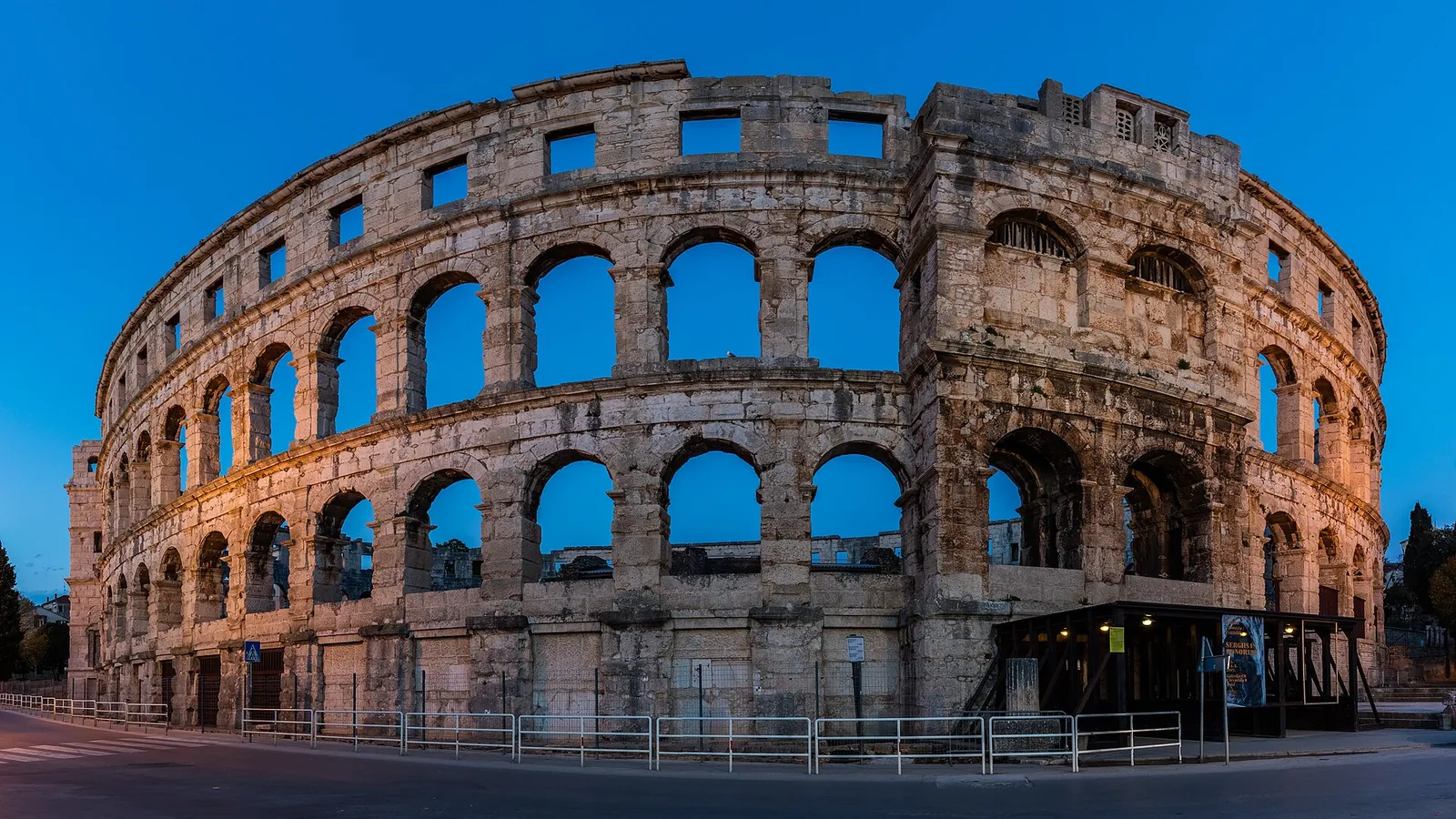
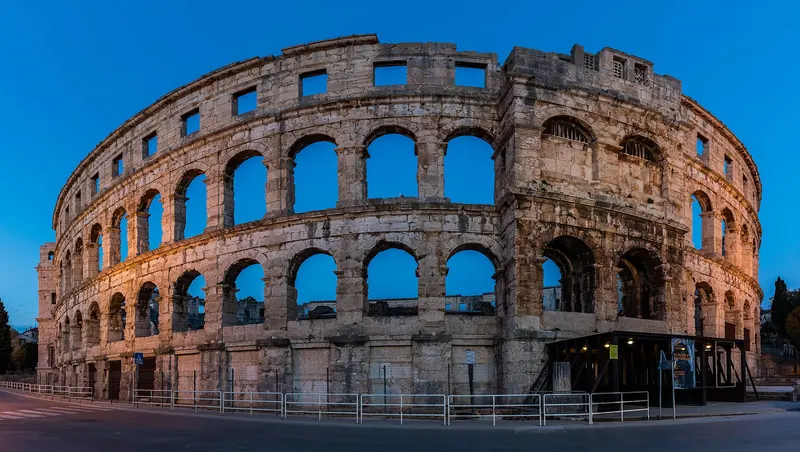
Pula Arena, a Roman amphitheatre in Croatia

Istria · Croatia

Pula

One of the best-preserved Roman amphitheatres on Earth, still hosting concerts nearly two thousand years after gladiators fought inside it.

  • Best time May, June and September for warm weather without peak crowds
  • Stay 1-2 days
  • Good for Roman history, beaches, day trips

Photo: Diego Delso · CC BY-SA 4.0

Welcome to Pula

Pula is home to one of the best-preserved Roman amphitheatres anywhere on Earth, a full oval arena still standing nearly two thousand years after it was built.

Beyond the Arena, the city's Roman core continues with a well-preserved temple, a triumphal arch and a cathedral, all within an easy walk of the harbour.

It's also Istria's largest city and its main gateway, well positioned for day trips to Cape Kamenjak's wild coastline and the Brijuni Islands National Park just offshore.

  • Historic Site
  • Coast & Beaches
  • Major City
  • UNESCO Site

Why visit

Why visit Pula?

Pula's case rests on Roman architecture that ranks among the best-preserved anywhere in the world.

  • Pula Arena is one of the six best-preserved Roman amphitheatres on Earth

    Its full oval structure still standing, complete enough to host concerts today.

  • The wider Roman core is substantial

    A temple, triumphal arch and forum all survive within the compact old town.

  • It's Istria's practical gateway

    The peninsula's main airport and largest city, well placed for exploring further afield.

  • Cape Kamenjak is a dramatic nearby escape

    Wild limestone cliffs and clear water a short drive from the city.

  • The Brijuni Islands are a unique day trip

    A former Yugoslav presidential retreat turned national park, reachable by boat.

Main attractions

Top things to see in Pula

Pula's essential sights are its substantial Roman remains, anchored by the Arena itself.

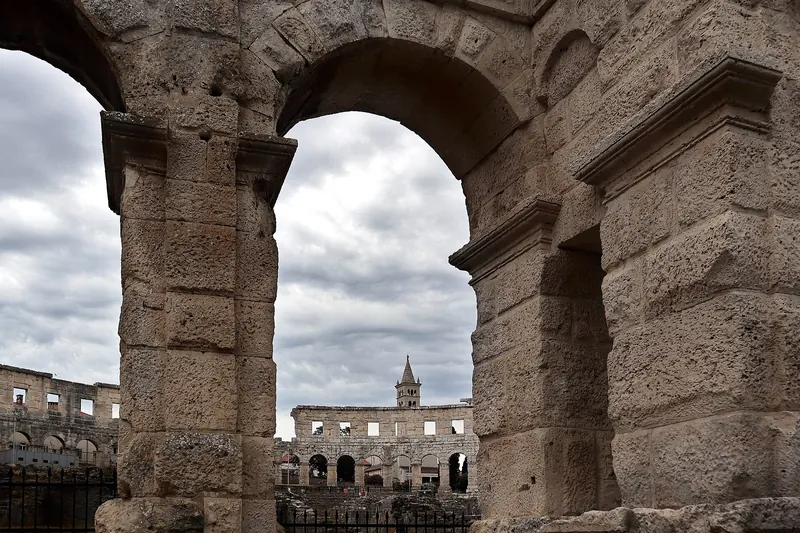
  1. Pula Arena, a Roman amphitheatre

    Pula Arena

    One of only six Roman amphitheatres left this complete anywhere in the world, still hosting concerts and film festivals today.

    Tip Check the events calendar — seeing a concert inside is a memorable way to experience it.

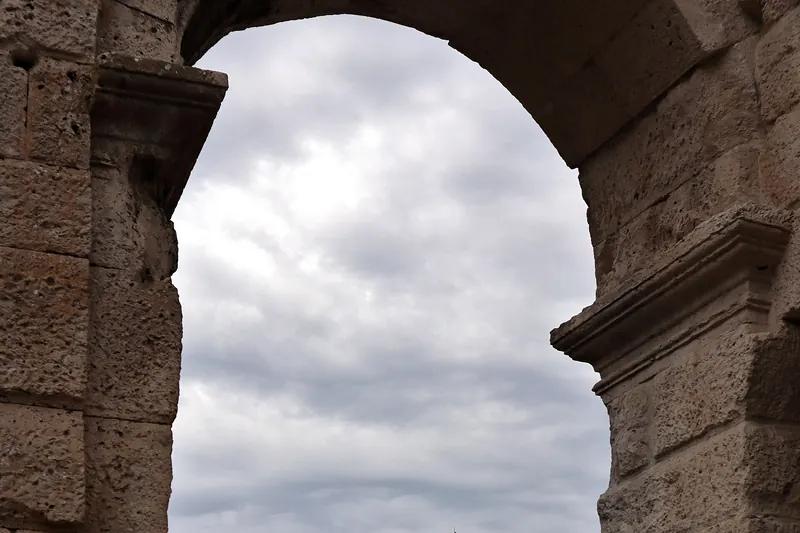
  2. The underground chambers of Pula Arena

    Pula Arena's underground chambers

    A fascinating addition to the visit, tunnels once used to hold gladiators and animals before events.

    Tip Included with the standard Arena entry ticket.

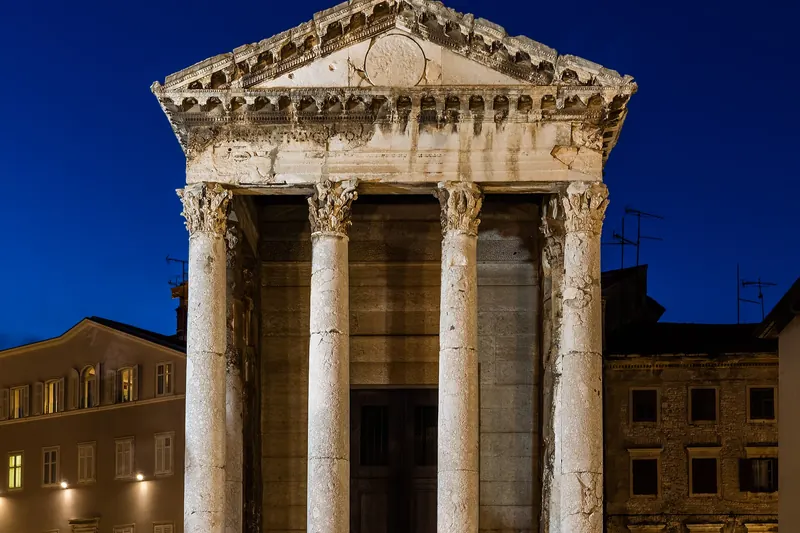
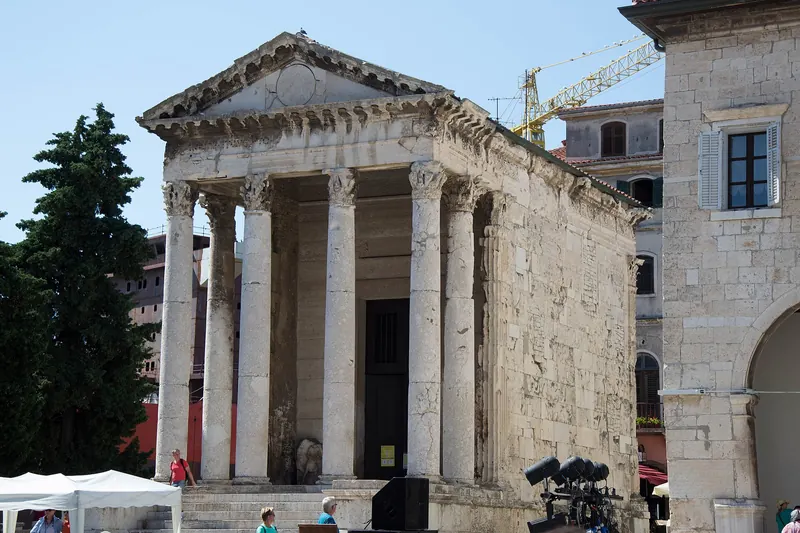
  3. The Temple of Augustus in Pula

    Temple of Augustus

    A remarkably intact Roman temple, standing on the old Forum since the 1st century.

    Tip Small enough to see quickly, but worth a proper look at the surviving inscriptions.

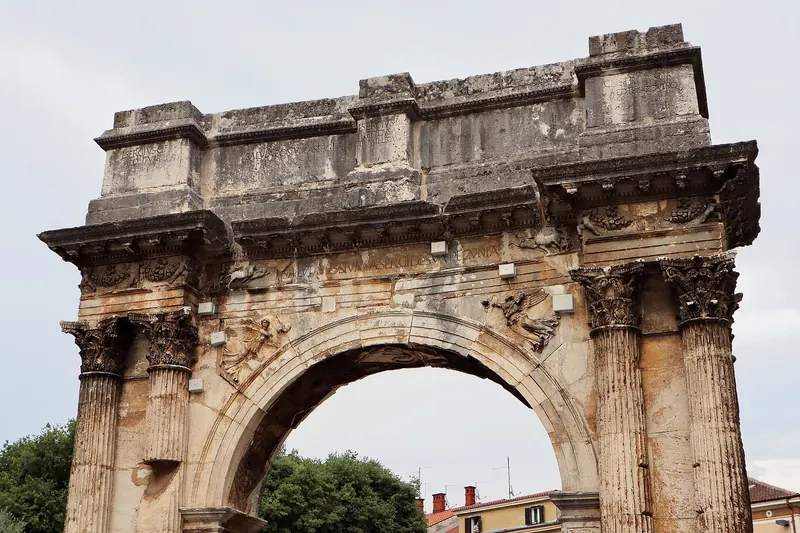
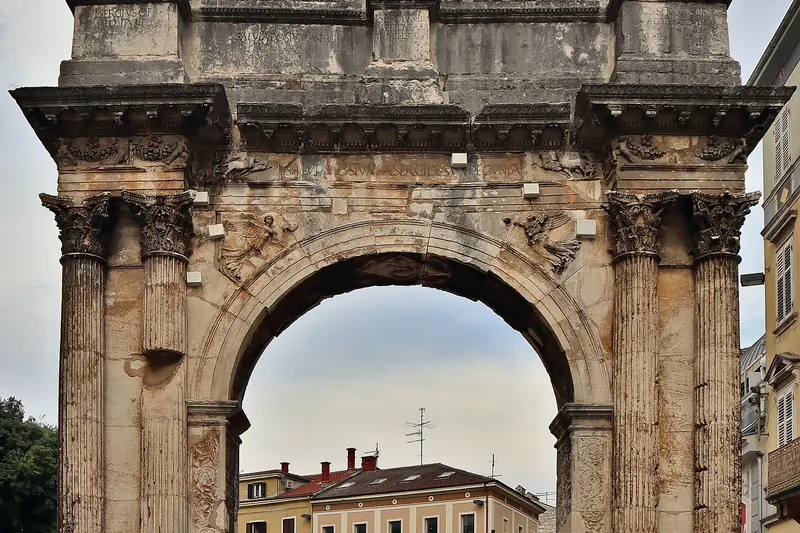
  4. The Arch of the Sergii in Pula

    The Arch of the Sergii

    A well-preserved Roman triumphal arch, built to honour a prominent local family around 27 BC.

    Tip Marks a natural entry point into the old town's main pedestrian street.

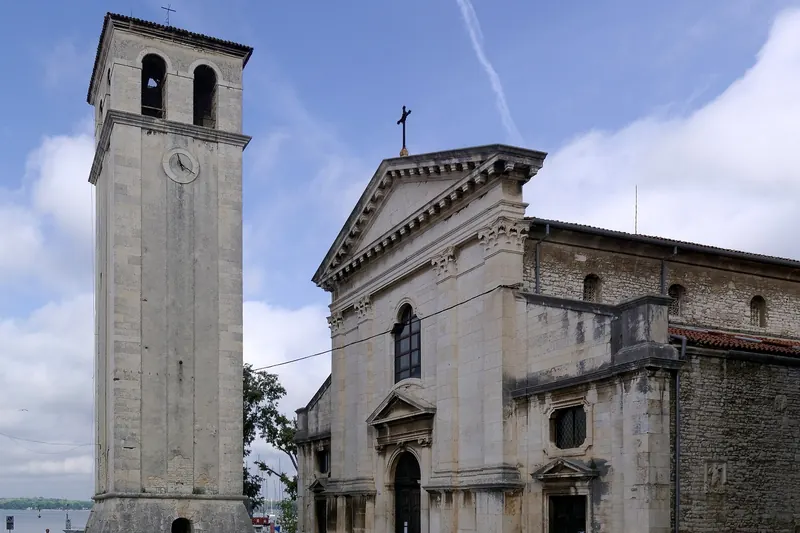
  5. Pula Cathedral

    Pula Cathedral

    Built on the site of earlier Roman and early Christian structures, layering the city's long history in one building.

    Tip A quiet, cool stop away from the busier Arena crowds.

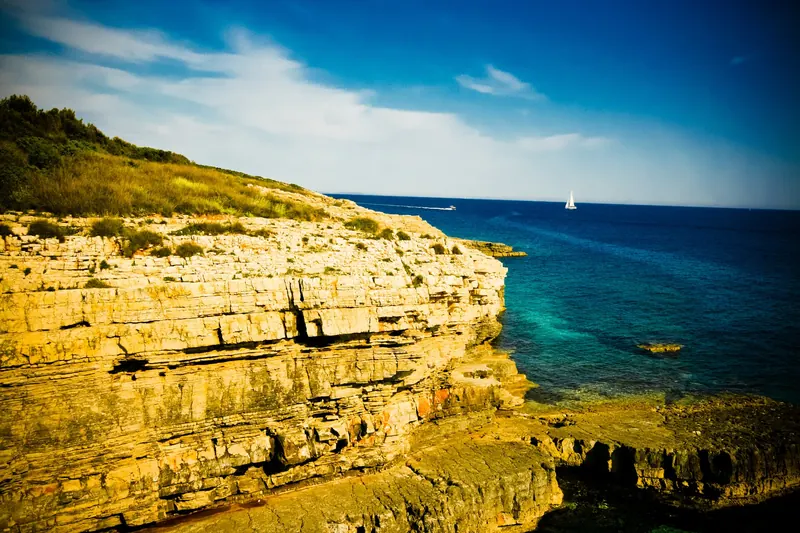
  6. The limestone cliffs of Cape Kamenjak near Pula

    Cape Kamenjak

    A wild, protected headland south of the city, with dramatic cliffs and some of Istria's clearest water.

    Tip Bring your own vehicle or bicycle — the cape's coves are spread across a fair distance.

  7. The Brijuni Islands near Pula

    The Brijuni Islands

    A former Yugoslav presidential retreat turned national park, with Roman ruins and a safari park among its surprises.

    Tip Book the official boat and guided tour package ahead, as independent access is restricted.

Things to do

Best things to do in Pula

Pula rewards splitting time between its Roman core and the wild coastline just outside the city.

  1. Exploring Pula Arena's underground chambers

    Explore Pula Arena's underground chambers

    An essential part of the Arena visit, walking through tunnels once used to prepare gladiators and animals.

    Tip Look for the small museum display on ancient olive oil and wine production down here.

  2. Walking through the Arch of the Sergii in Pula

    Walk through the Arch of the Sergii

    A fitting entry point into the old town, passing beneath a two-thousand-year-old triumphal arch.

    Tip A natural spot to start a walking route through the rest of the Roman old town.

  3. The Temple of Augustus in Pula's old Forum

    Visit the Temple of Augustus

    A quick but rewarding stop, standing before one of the best-preserved Roman temples on the Adriatic.

    Tip Easy to combine with a coffee on the surrounding square.

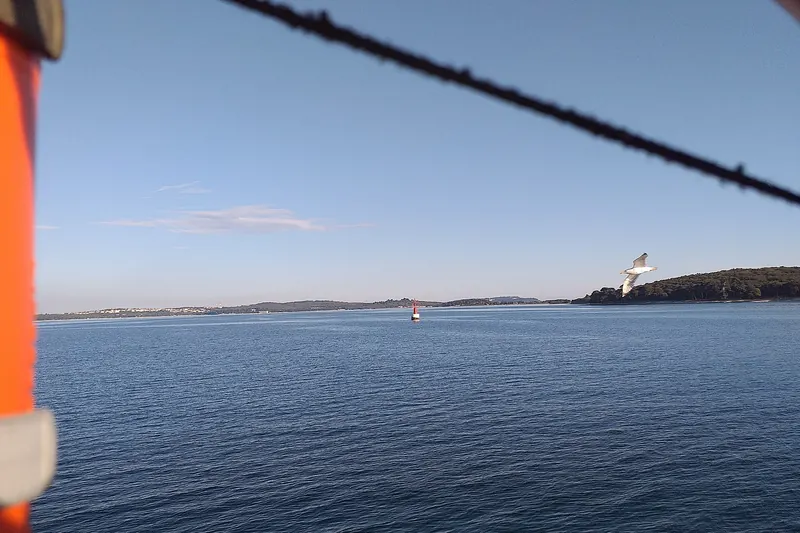
  4. Boating to the Brijuni Islands near Pula

    Take a boat to the Brijuni Islands

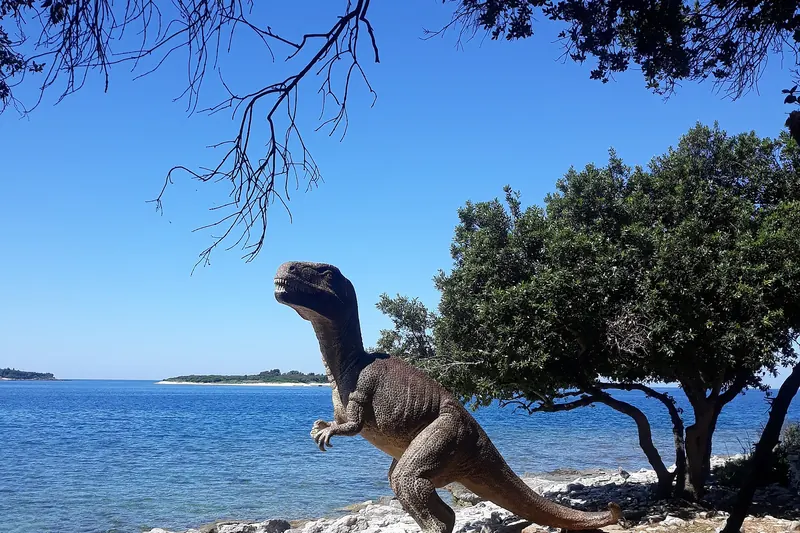
    An unusual day trip, exploring a former presidential retreat with Roman ruins, a safari park and dinosaur footprints.

    Tip Allow the better part of a day for the full guided tour experience.

  5. Swim or snorkel at Cape Kamenjak

    A refreshing escape from the city, clear water and quiet coves along a dramatic limestone headland.

    Tip Bring your own snorkel gear, as rental options are limited out at the cape itself.

  6. Wandering Pula's old town

    Wander the old town beneath the cathedral

    A relaxed way to spend an hour, tracing layers of Roman, Venetian and Austro-Hungarian history through one compact centre.

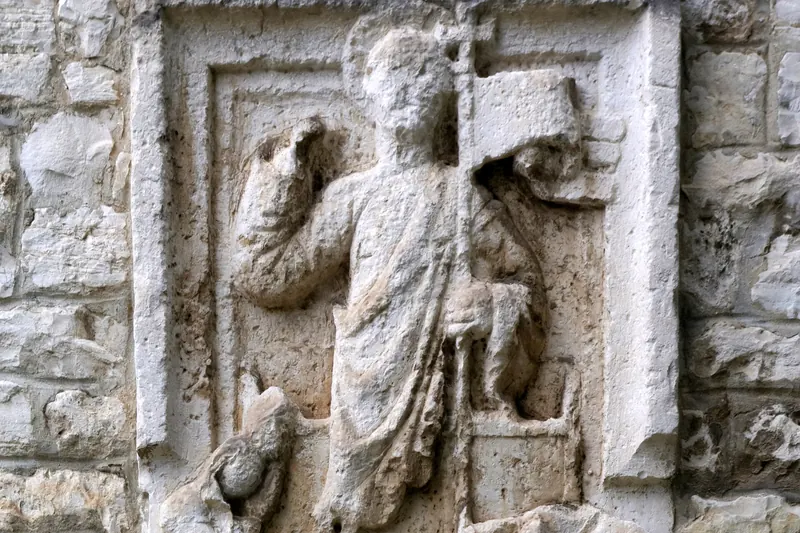
    Tip Look for Roman fragments built into later medieval and modern walls throughout the old town.

Local food

What to eat in Pula

Pula's food shares Istria's distinct culinary identity, built around truffles, wine and a rare local cattle breed.

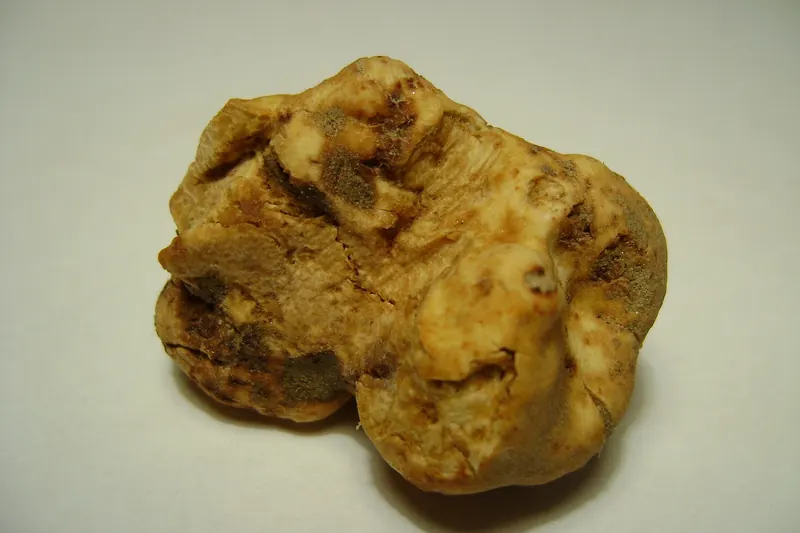
  • A white truffle, prized in Istrian cuisine

    Istrian white truffle

    One of Istria's most celebrated products, shaved fresh over pasta or eggs at restaurants across the region.

    Where to try it Restaurants throughout Pula's old town.

  • Istrian pršut (prosciutto)

    Distinct from Dalmatian pršut, cured with a different process and noticeably milder flavour.

    Where to try it Restaurants and delis throughout Pula.

  • Boškarin (Istrian ox)

    A rare, protected local cattle breed, its rich meat a real point of regional culinary pride.

    Where to try it Traditional Istrian restaurants, especially those specialising in regional cuisine.

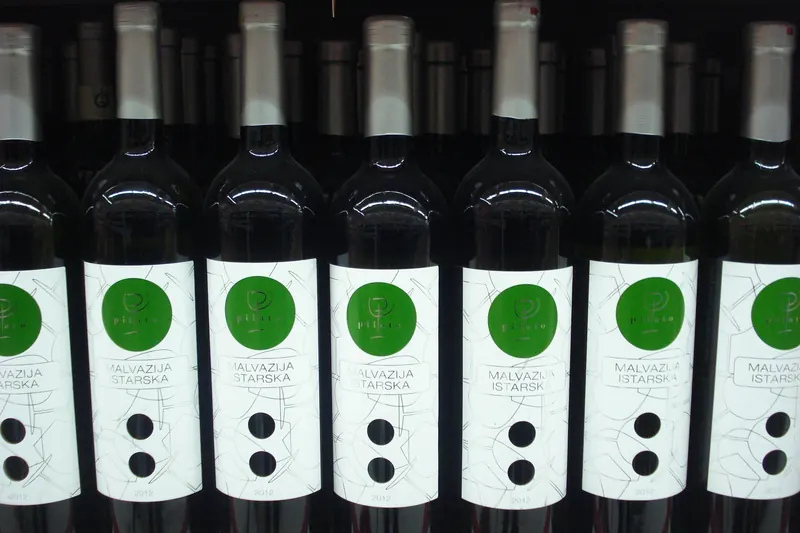
  • Malvazija, Istria's signature white wine

    Malvazija (Istrian white wine)

    The region's signature grape, a crisp, aromatic white produced throughout Istria.

    Where to try it Wine bars throughout Pula's old town.

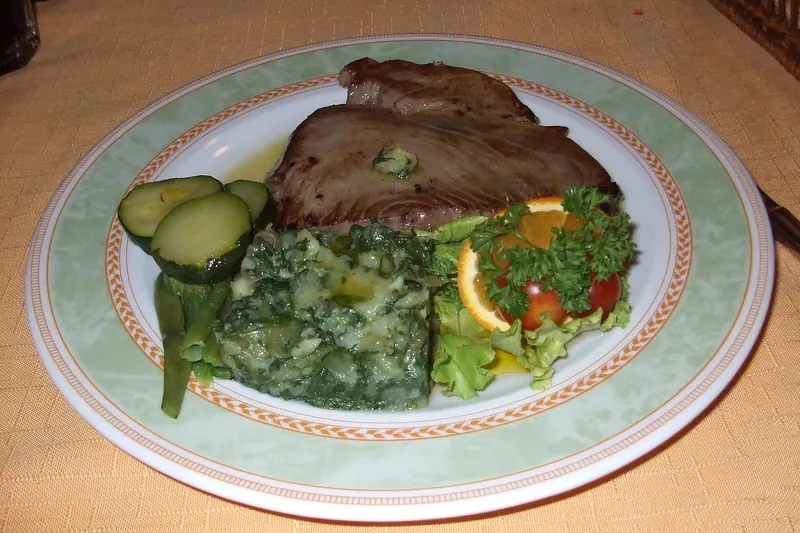
  • Grilled seafood at a traditional Croatian restaurant

    Fresh grilled seafood

    A highlight of dining here, fish and shellfish grilled simply at restaurants near the harbour.

    Where to try it Restaurants along Pula's waterfront.

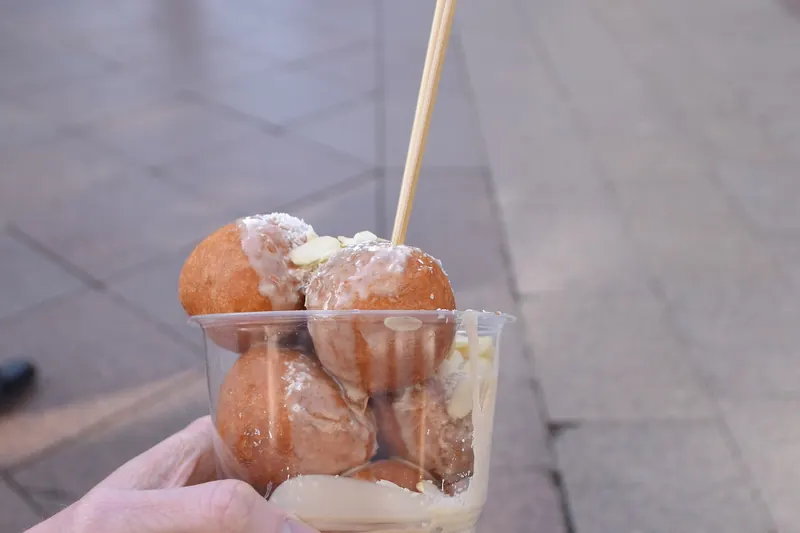
  • Fritule, small Croatian fried doughnuts

    Fritule (small fried doughnuts)

    A nice sweet treat, found at bakeries and cafés throughout the old town.

    Where to try it Bakeries throughout Pula.

Accommodation

Where to stay in Pula

Pula offers noticeably better value than the Dalmatian coast, with everything of interest within easy reach of the Arena.

  • The old town, near the Arena

    The most convenient base, close to restaurants and the harbour.

    Best for: Being within walking distance of every major Roman sight

  • Along the coast toward Cape Kamenjak

    Resort-style accommodation with easier access to the cape's coves.

    Best for: A beach-focused stay outside the city centre

What a night costs

Budget guesthouse
€55–95 per night
Mid-range hotel
€110–200 per night
Pula Arena entry
About €13–15
Dinner at a mid-range restaurant
About €25–45 per person

Transport

Getting to and around Pula

Pula is Istria's main transport hub, with its own international airport.

Getting there

  • Direct international flights

    Available from many European cities, especially in summer.

    Pula Airport sits about ten minutes from the city centre.

  • Bus from Zagreb or Rovinj

    A comfortable, straightforward option.

    Around three to four hours from Zagreb, or under an hour from Rovinj.

  • Car or private driver

    The most flexible option for exploring Istria's interior and Cape Kamenjak.

    Well-maintained roads connect Pula to the rest of the peninsula.

Getting around

Pula's compact old town is entirely walkable, with a car or bus needed for Cape Kamenjak and the Brijuni ferry dock.

  • On foot

    The best way to see the Arena and the wider Roman old town.

    Most major sights sit within a comfortable 15-minute walk of each other.

  • Car or bus to Cape Kamenjak

    Necessary for reaching the cape's coves.

    About a 20-minute drive south of the city centre.

  • Boat from Fažana for the Brijuni Islands

    The only way to reach the islands.

    A short drive or bus ride from Pula to the departure point.

When to go

Best time to visit Pula

Pula is busiest in July and August, with shoulder months offering a better balance for sightseeing and swimming alike.

  • Late spring (May–June)

    Best time

    Mild, comfortable weather for exploring the Roman sights on foot.

  • Summer (July–August)

    Good

    Hot and busy, especially during the Arena's summer concert and film festival season.

  • Early autumn (September)

    Best time

    Still warm enough for the sea, with crowds and prices both easing off.

  • Winter (November–March)

    Good

    Quiet, with a real, lived-in city atmosphere rather than a tourist-focused one.

Worth planning around: Nothing strongly, though peak July and August bring the heaviest crowds to the Arena.

Itinerary

Two days in Pula

Built around the Roman old town, with a day trip to Cape Kamenjak or the Brijuni Islands.

  1. Day1

    Roman Pula

    The Arena and the wider Roman old town.

    • Morning Pula Arena, including its underground chambers.
    • Afternoon The Temple of Augustus, the Arch of the Sergii and the cathedral.
    • Evening Dinner near the harbour.
  2. Day2

    Cape Kamenjak or the Brijuni Islands

    A day trip outside the city.

    • Morning Travel to Cape Kamenjak or catch the Brijuni Islands boat.
    • Afternoon Swim and explore the coastline, or tour the islands.
    • Evening A final dinner back in Pula's old town.

Travel tips

Pula travel tips

Practical notes that make a Pula visit noticeably smoother.

  • Check the Arena's events calendar — a summer concert here is memorable.
  • Book the Brijuni Islands tour ahead — independent access is restricted.
  • Bring your own snorkel gear for Cape Kamenjak, where rental is limited.
  • Visit the Arena early or late in the day to avoid peak midday crowds and heat.
  • Rent a car for a day to properly explore Cape Kamenjak's spread-out coves.
  • Expect noticeably better prices than the Dalmatian coast for food and accommodation.

FAQ

Pula: frequently asked questions

Is Pula Arena worth visiting?

Yes — it's one of only six Roman amphitheatres left this complete anywhere in the world.

How many days do you need in Pula?

One to two days covers the Roman old town, with a second day for Cape Kamenjak or the Brijuni Islands.

How do you get to the Brijuni Islands?

By an official boat and guided tour from Fažana, a short drive from Pula — independent access isn't permitted.

Is Pula worth visiting compared to Rovinj?

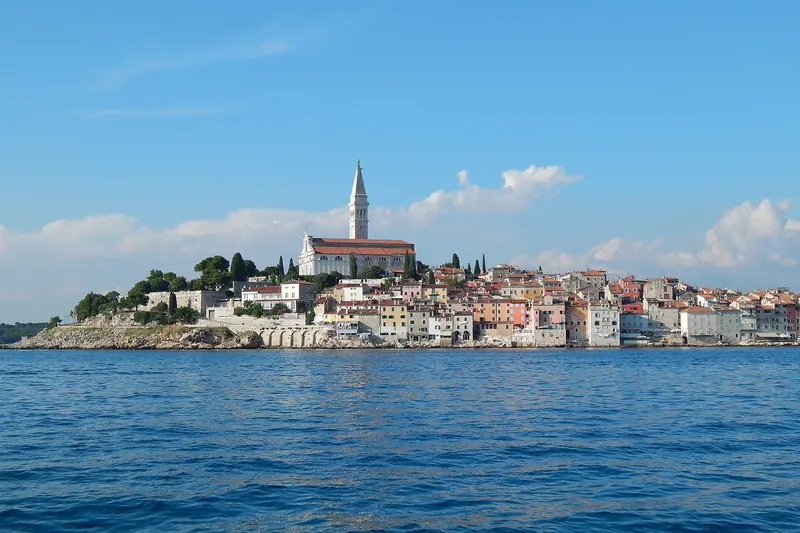
Yes — the two offer quite different experiences, with Pula's Roman history complementing Rovinj's postcard coastal setting well.

Is Cape Kamenjak good for swimming?

Yes — it's known for some of Istria's clearest water, though most coves require your own transport to reach.

Can you see concerts at Pula Arena?

Yes — the Arena regularly hosts concerts and film festivals through the summer months.

Read next

Related travel articles

Heritage

UNESCO Sites Worth Planning a Trip Around

A UNESCO listing tells you a place matters; it does not tell you whether it is worth two days and a detour. This is how to read the list usefully — and which sites reward building a trip around them.

Where to go

Choosing a Mediterranean Coast

The Mediterranean coasts in this guide are not interchangeable. Some have sand and some have rock; some are glamorous and some are cheap; two of them are effectively closed for half the year. This is a comparison by the things that decide whether a coastal week works — swimming, crowds, cost, transport and what there is to do when you get out of the water.

Advertisement