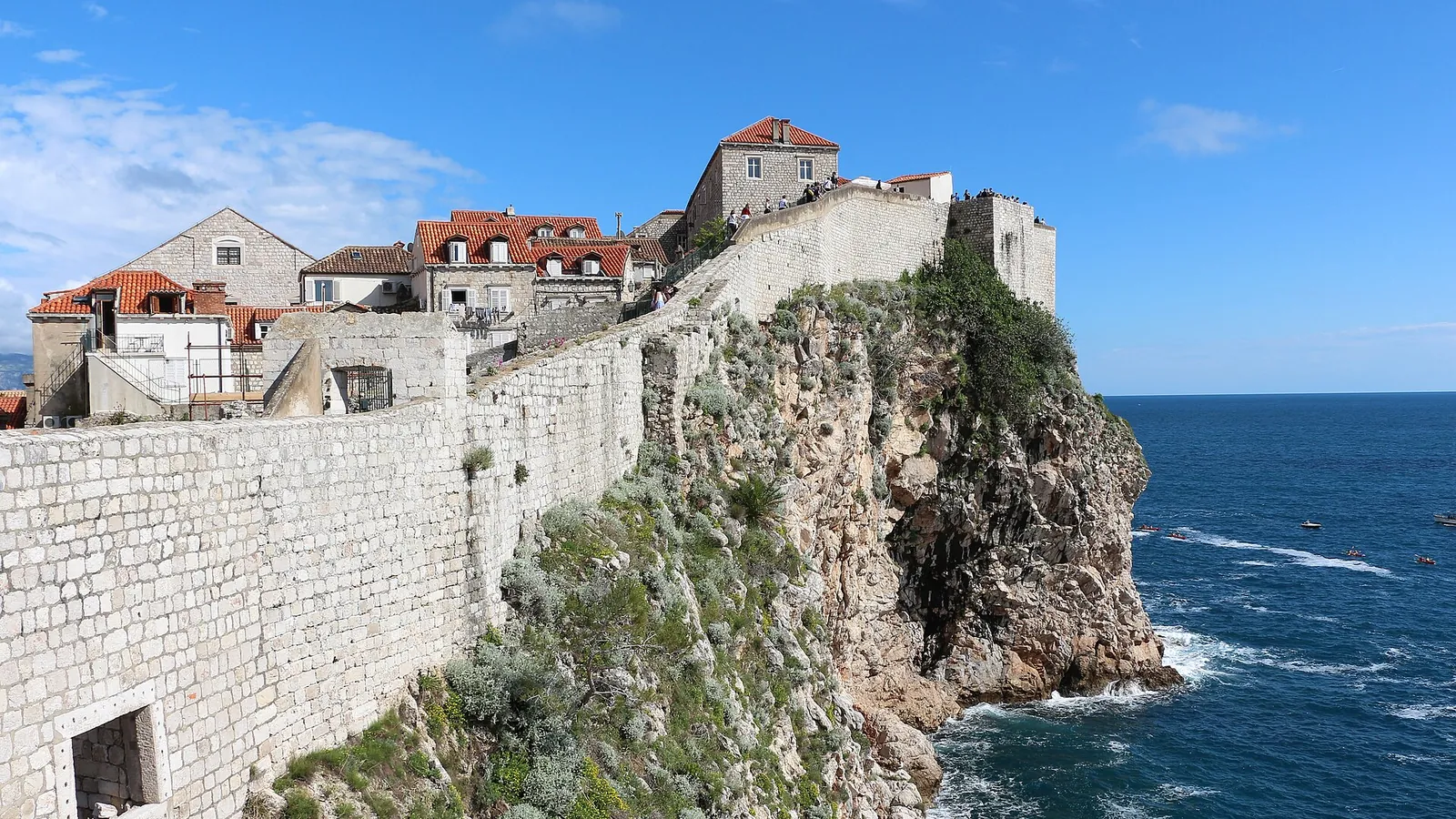
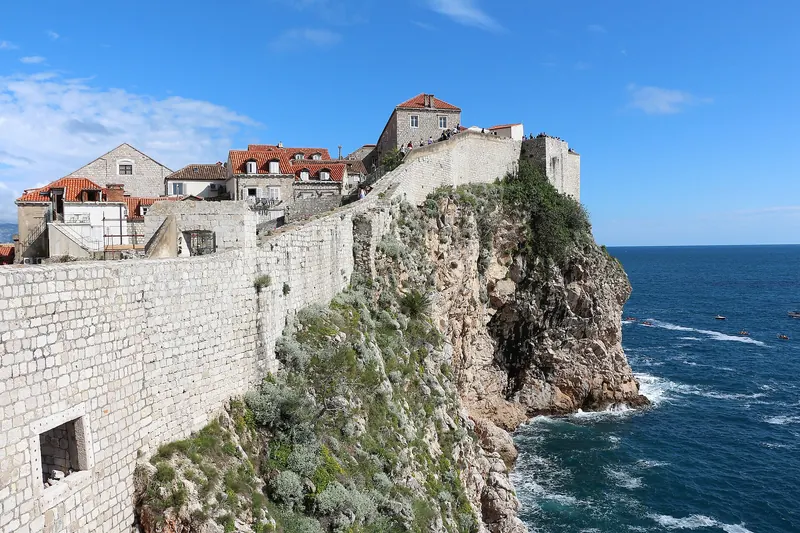
Dubrovnik's medieval city walls above the Adriatic

Croatia · Travel guide

The Complete Croatia Travel Guide

Walled Adriatic cities, turquoise national parks and a thousand islands down the Dalmatian coast

  • Reading time 12 min read
  • Covers 10 destinations
  • Updated 2026

Photo: Bernard Gagnon · CC BY-SA 4.0

How to plan a Croatia trip: whether to focus on Dalmatia, Istria or inland Croatia, when to go for the best weather and crowds, what it costs, and a practical ten-day itinerary.

How Croatia divides

Croatia divides into three distinct parts — the Dalmatian coast, Istria, and inland Croatia — and a first trip realistically covers the first two well.

The Dalmatian coast. Dubrovnik, Split, Hvar, Korčula and Zadar — walled cities, islands and the country's most famous stretch of coastline.

Istria. Rovinj and Pula — a wedge-shaped peninsula in the north with an Italian-influenced coast, hill towns and truffle country inland.

Inland Croatia. Zagreb, Plitvice Lakes and Krka National Park — the capital's café culture and two of the country's most dramatic natural sights.

Worth knowing: Most first-time visitors focus on the Dalmatian coast, with Zagreb and Plitvice Lakes as an inland add-on. Istria is where a longer or second trip belongs.

Choosing between the ten destinations

  • If this is your first trip

    Split, Hvar and Dubrovnik, the classic Dalmatian coast route.

  • If you want dramatic natural scenery

    Plitvice Lakes, one of Europe's most striking national parks.

  • If you want a slower, less crowded stretch of coast

    Rovinj and Pula in Istria, a quieter alternative to Dalmatia.

  • If you want island life without the biggest crowds

    Korčula, a quieter, equally beautiful alternative to Hvar.

  • If you want a lively inland capital

    Zagreb, worth two or three days for its café culture alone.

  • If you want turquoise water without the peak-season crowds

    Krka National Park, a quieter alternative to Plitvice.

Getting around: ferries, buses, and one common mistake

Croatia's elongated shape and scattered islands mean ferries, buses and driving all play a role, rather than one single mode covering everything.

Book ferries ahead for peak summer. Split to Hvar or Korčula sells out on the fastest catamaran sailings in July and August.

Drive for Istria and the national parks. Rovinj, Plitvice Lakes and Krka National Park are all easiest with your own car.

Don't underestimate coastal drive times. The road from Zadar to Dubrovnik takes most of a day despite looking short on a map.

Fly to save a travel day. Zagreb to Dubrovnik takes under an hour by air versus most of a day by road.

Worth knowing: Buy ferry tickets a few days ahead for July and August sailings between the main Dalmatian ports — the fastest, most popular catamaran departures do sell out.

When to go

Croatia's long Adriatic summer draws the crowds, though May, June and September offer the best overall balance.

Peak summer (July–August) brings the warmest sea and liveliest atmosphere, also the highest prices and heaviest crowds in Dubrovnik and Hvar.

Late spring and early autumn are warm enough to swim, with noticeably thinner crowds and lower prices.

Winter is quiet along the coast, with many island businesses closing for the season, while Zagreb stays lively year-round.

Worth knowing: Book Dubrovnik and Hvar accommodation several months ahead for a July or August trip — both sell out their best options early.

Four routes that work

  1. Six days: the Dalmatian highlights

    Split, Hvar and Dubrovnik, the most popular short Croatia itinerary.

    Tip Book the Split-Hvar-Dubrovnik ferry connections before you fly, especially in summer.

  2. Ten days: the classic coast-and-capital route

    The itinerary on the Croatia country page: Zagreb, Plitvice Lakes, Zadar, Split, Hvar and Dubrovnik. A complete first look at inland Croatia and the Dalmatian coast.

    Tip Break up the Zadar-to-Split drive with a stop at Krka National Park if you have a car.

  3. A week focused on Istria

    Rovinj and Pula, skipping Dalmatia entirely for a slower, food-and-wine-focused trip.

    Tip Rent a car — Istria's hill towns and wineries are built for a slow road trip.

  4. An island-hopping add-on for a second trip

    Korčula paired with Hvar, a proper Dalmatian island-hopping route.

    Tip Base yourself on one island and day-trip to the other rather than switching accommodation.

Reference

The 10 destinations in this guide

Every place named above has its own detailed guide — attractions, food, where to stay, how to get around and a suggested day-by-day plan.

Historic SiteUNESCO Site

Dubrovnik

Dalmatia

The Adriatic's most complete medieval walled city, home to nearly two kilometres of intact fortifications, a marble old town and Fort Lovrijenac.

Don't miss Walking the full circuit of the City Walls at sunrise, the Old Town's terracotta rooftops glowing below and the Adriatic stretching out on the other side.

Explore Destination — Dubrovnik
Historic SiteUNESCO Site

Split

Dalmatia

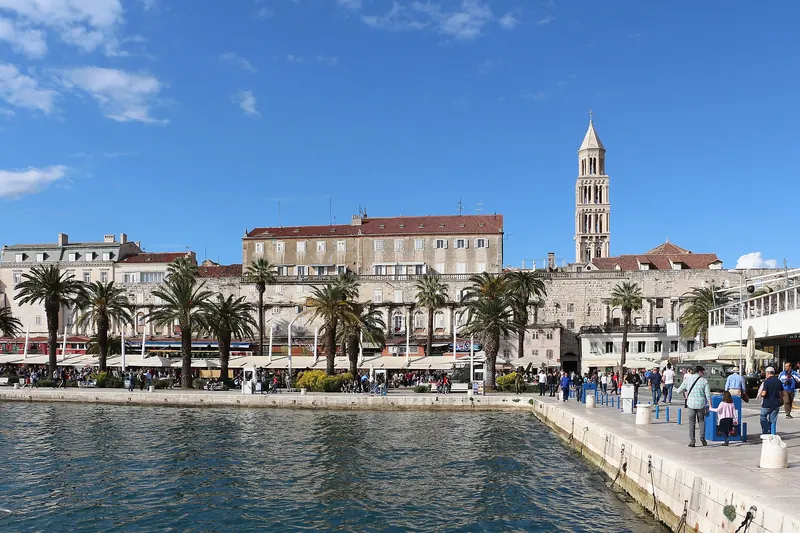
A 1,700-year-old Roman emperor's palace that never stopped being a living city, Croatia's second city and the main gateway to the Dalmatian islands.

Don't miss Sitting for a coffee in the Peristyle at dusk, Roman columns and a sphinx from Luxor lit up exactly where Diocletian once held court.

Explore Destination — Split
IslandCoast & Beaches

Hvar

Dalmatia

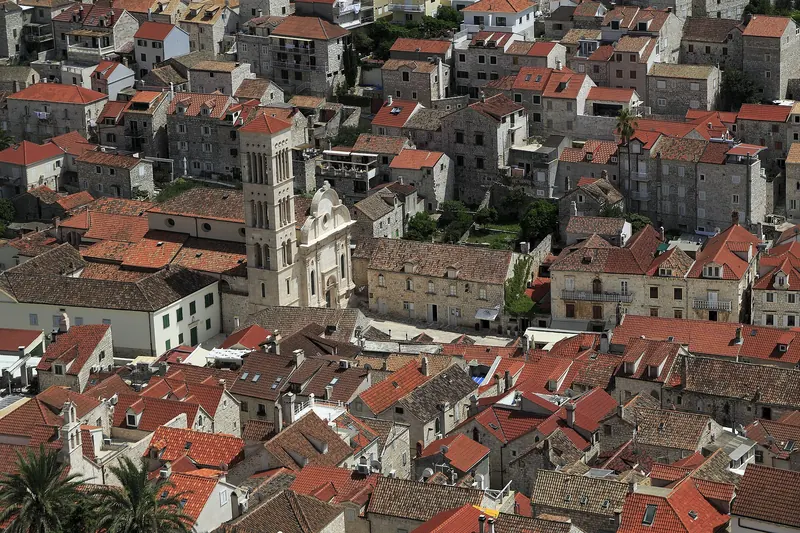
Croatia's glamorous lavender island, a medieval harbour town backed by a hilltop fortress, with the pine-covered Pakleni Islands scattered just offshore.

Don't miss Watching the sun set from Fortica's ramparts, Hvar Town's terracotta rooftops and the Pakleni Islands glowing below.

Explore Destination — Hvar
Nature & WildlifeNational Park

Plitvice Lakes

Lika

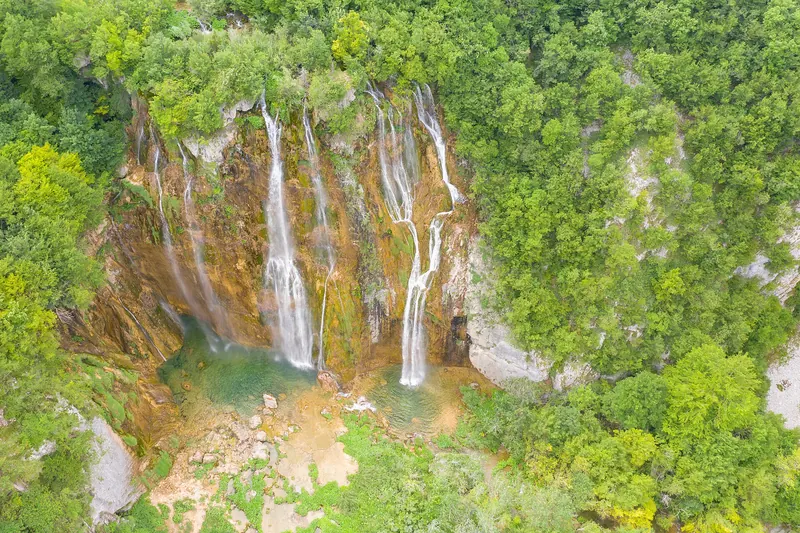
Croatia's most famous national park, sixteen terraced turquoise lakes cascading into each other through travertine dams and waterfalls.

Don't miss Standing on a boardwalk with turquoise water flowing directly beneath your feet, Veliki Slap thundering into the pool ahead.

Explore Destination — Plitvice Lakes
Capital CityMajor City

Zagreb

Central Croatia

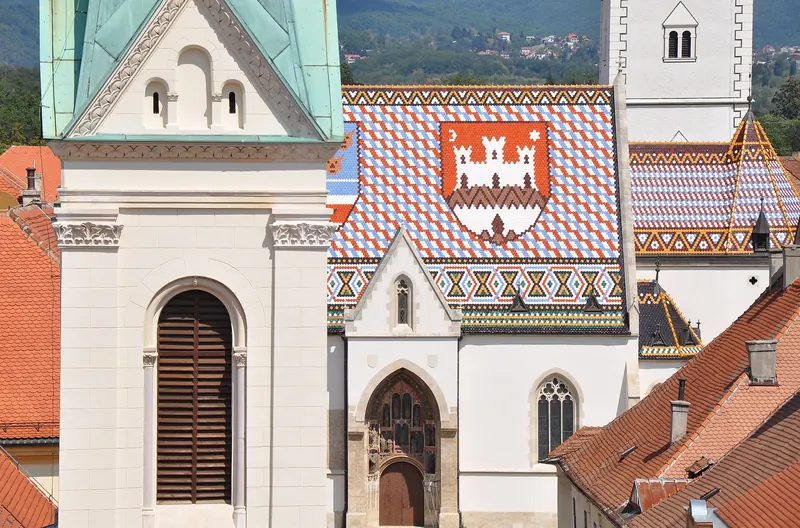
Croatia's underrated Central European capital, home to St Mark's colourfully tiled church roof, the Museum of Broken Relationships and a genuine café culture.

Don't miss Sitting for a slow coffee on Tkalčićeva Street, the whole city seemingly in no hurry to be anywhere else.

Explore Destination — Zagreb
Coast & BeachesRomantic

Rovinj

Istria

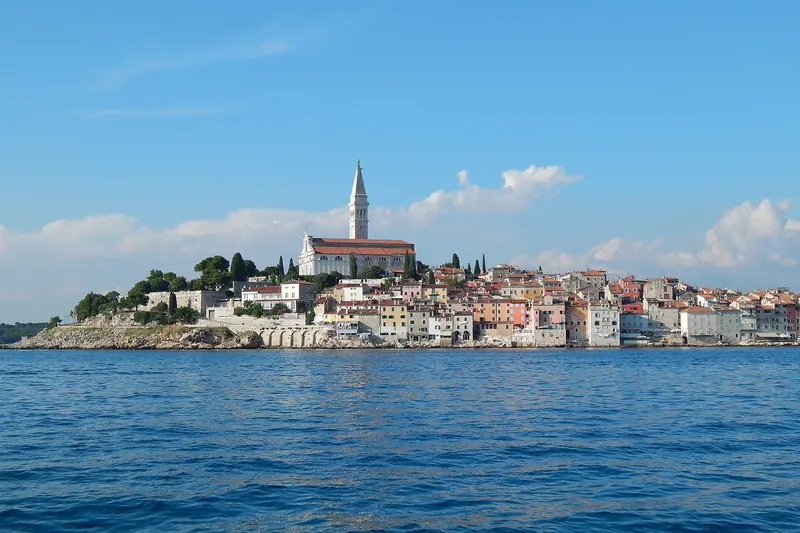
Istria's most photographed town, pastel houses rising straight from the Adriatic, with the region's celebrated truffle and wine country just inland.

Don't miss Watching the old town's lights come on from a boat just offshore, St Euphemia's bell tower catching the last of the sunset.

Explore Destination — Rovinj
Coast & BeachesHistoric Site

Zadar

Dalmatia

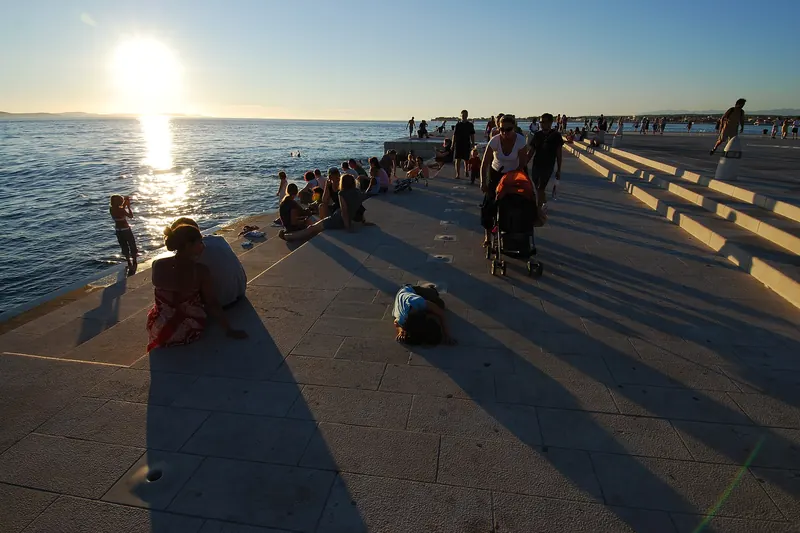
A Dalmatian coastal city where the sea makes music through the Sea Organ, backed by a Roman Forum and one of the Adriatic's best sunsets.

Don't miss Sitting on the Sea Organ's steps at dusk, waves sighing through hidden pipes as the Monument to the Sun begins to glow underfoot.

Explore Destination — Zadar
IslandHistoric Site

Korčula

Dalmatia

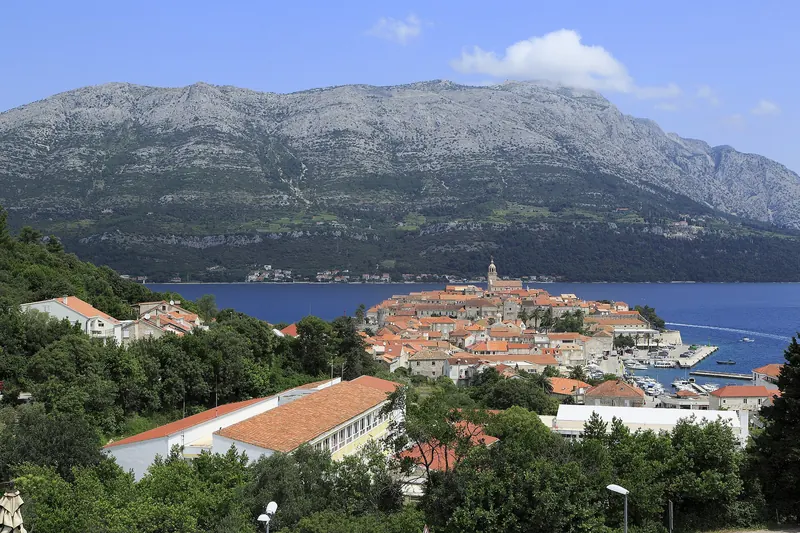
A quieter, equally beautiful alternative to Hvar, a walled medieval town that claims Marco Polo as a native son, surrounded by Korčula's own vineyards.

Don't miss Wandering the old town's herringbone streets, each angled just enough to block the wind and let the sea breeze cool every doorway.

Explore Destination — Korčula
Nature & WildlifeNational Park

Krka National Park

Dalmatia

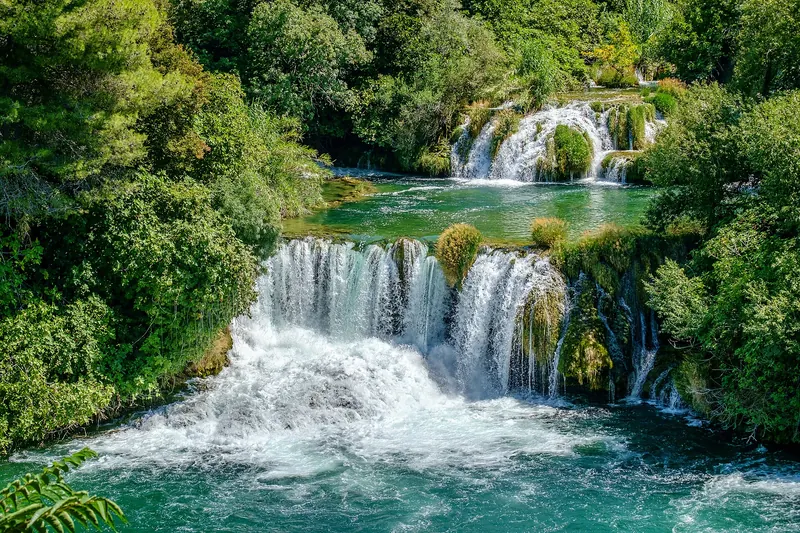
A quieter alternative to Plitvice Lakes, cascading travertine waterfalls in the Dalmatian hinterland, centred on Skradinski Buk and Visovac Island's monastery.

Don't miss Watching Skradinski Buk's wide curtain of falls from the boardwalk, a monastery just visible on a tiny island upstream.

Explore Destination — Krka National Park
Historic SiteCoast & Beaches

Pula

Istria

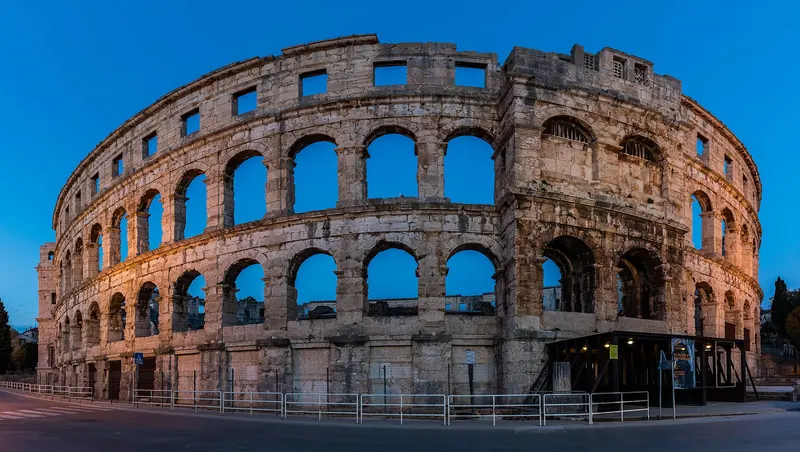
Home to one of the best-preserved Roman amphitheatres on Earth, Istria's largest city, gateway to Cape Kamenjak and the Brijuni Islands.

Don't miss Standing inside Pula Arena's full oval bowl, one of only a handful of Roman amphitheatres left this complete anywhere in the world.

Explore Destination — Pula

Back to the Croatia country page

FAQ

Planning a trip to Croatia

How many days do you need in Croatia?

Ten to fourteen days covers Zagreb, Plitvice Lakes and the main Dalmatian coast, which is the itinerary in this guide. Six days is enough for the Dalmatian highlights alone.

Is Dubrovnik worth visiting despite the crowds?

Yes — visiting the walls early morning or staying an extra day to see the Old Town after the cruise ships leave both help enormously.

Do you need a car in Croatia?

Not for the main Dalmatian coast, where buses and ferries cover things well, though a car opens up Istria and the national parks.

When should I visit for the best weather?

May, June and September offer warm, swimmable weather without July and August's peak crowds and prices.

Advertisement