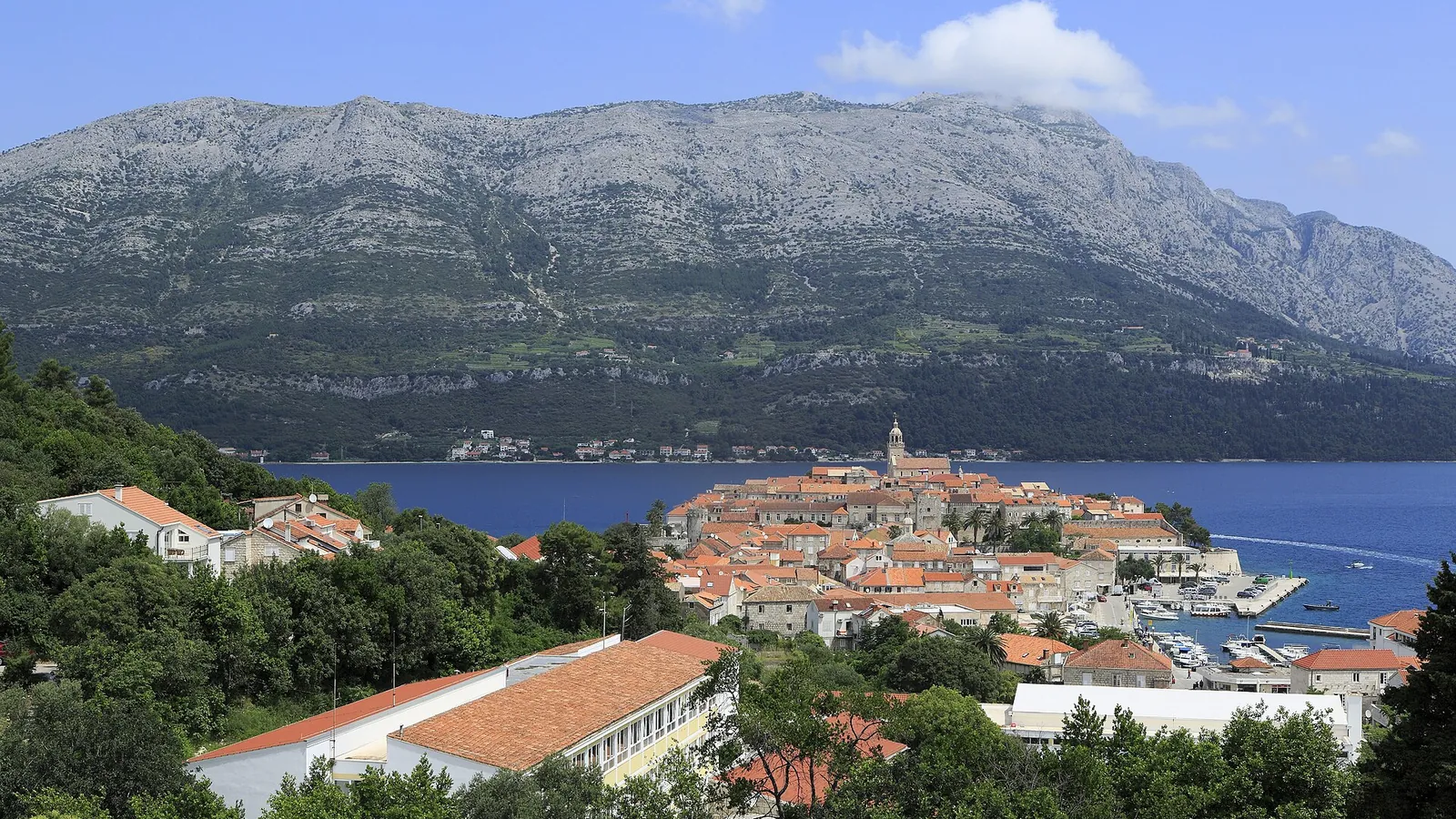
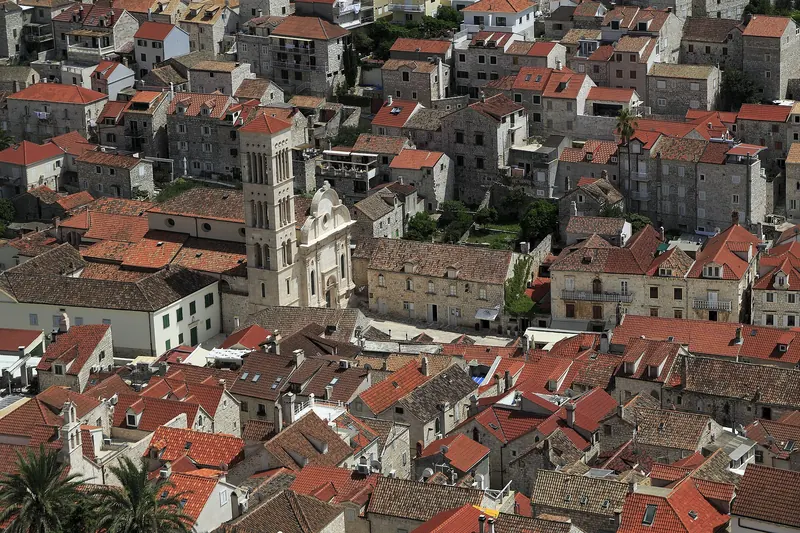
Korčula's walled old town on its peninsula

Dalmatia · Croatia

Korčula

A quieter, equally beautiful alternative to Hvar, a walled medieval town on a herringbone street plan that claims Marco Polo as a native son.

  • Best time May, June and September for warm weather without peak crowds
  • Stay 2 days
  • Good for History, wine, a quieter island escape

Photo: Falk2 · CC BY-SA 3.0 de

Welcome to Korčula

Korčula is a quieter, equally beautiful alternative to Hvar, a walled medieval town on its own small peninsula off Croatia's Pelješac Peninsula.

Its old town is famous for a clever herringbone street plan, angled to funnel cooling sea breezes through the main streets while blocking the harsher winter winds.

The island also claims to be the birthplace of Marco Polo, and produces some of Croatia's most respected white wine from vineyards right outside the old town walls.

  • Island
  • Historic Site
  • Food & Wine
  • Off the Beaten Path

Why visit

Why visit Korčula?

Korčula's case rests on Dalmatian island beauty without Hvar's crowds or price tag.

  • The old town is a walled medieval showpiece

    A compact, herringbone-planned peninsula town rivalling Dubrovnik's architecture on a smaller scale.

  • It's quieter and more affordable than Hvar

    A similar Dalmatian island experience with noticeably fewer crowds.

  • The Marco Polo connection is a fun draw

    Local legend places the explorer's birthplace right in the old town.

  • The wine is excellent

    Pošip, a distinctive white grape, is grown almost exclusively on this island.

  • It works well paired with Hvar or Dubrovnik

    An easy ferry connection makes it a natural island-hopping addition.

Main attractions

Top things to see in Korčula

Korčula's essential sights are concentrated within its compact, walled old town.

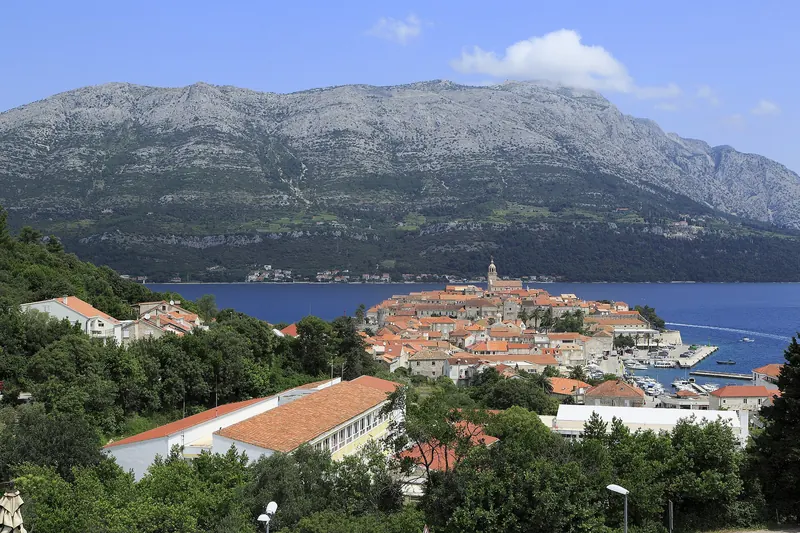
  1. Korčula's old town on its peninsula

    Korčula's old town peninsula

    A walled medieval town on its own small peninsula, its fortifications still substantially intact.

    Tip Walk the perimeter path for the best views of the walls from outside.

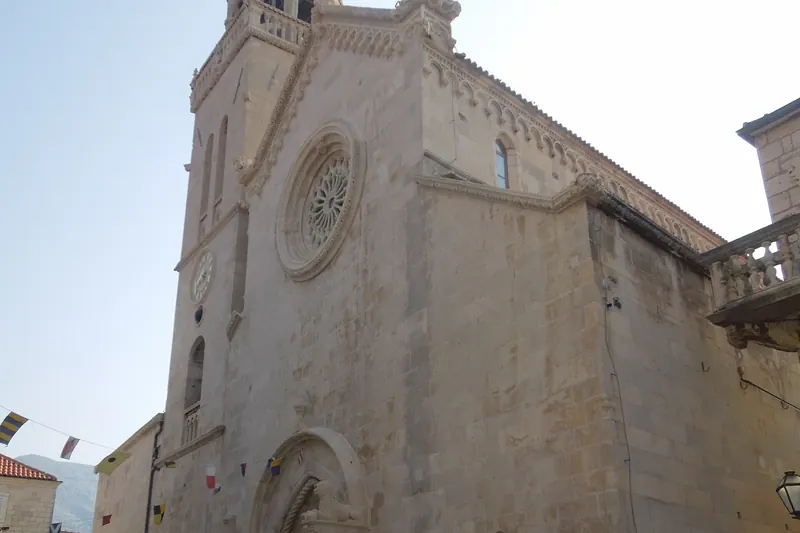
  2. St Mark's Cathedral in Korčula

    St Mark's Cathedral

    The old town's centrepiece, a Gothic-Renaissance cathedral built from local stone on the main square.

    Tip Look for the carvings by Korčula's own stonemasons, renowned across Dalmatia.

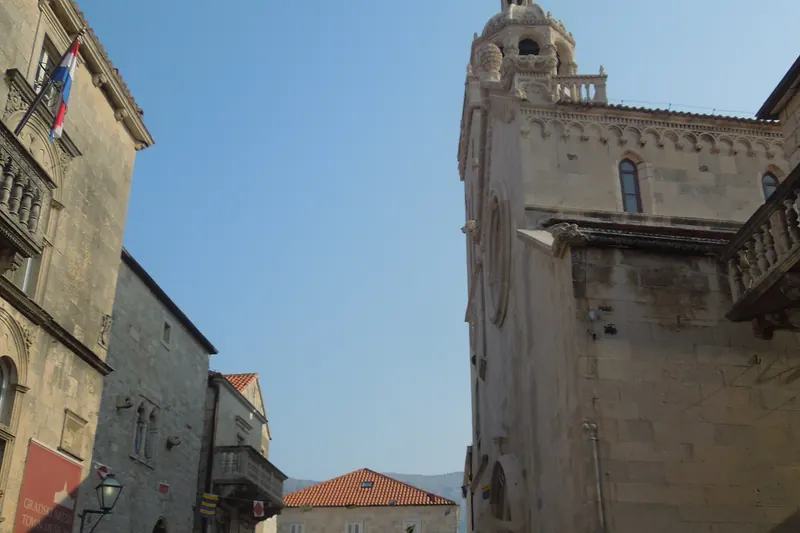
  3. St Mark's Square in Korčula

    St Mark's Square and the Venetian Governor's Palace

    The old town's civic heart, ringed by the cathedral, bishop's palace and former Venetian governor's residence.

    Tip A lovely spot for an evening coffee once the day-trip crowds have thinned.

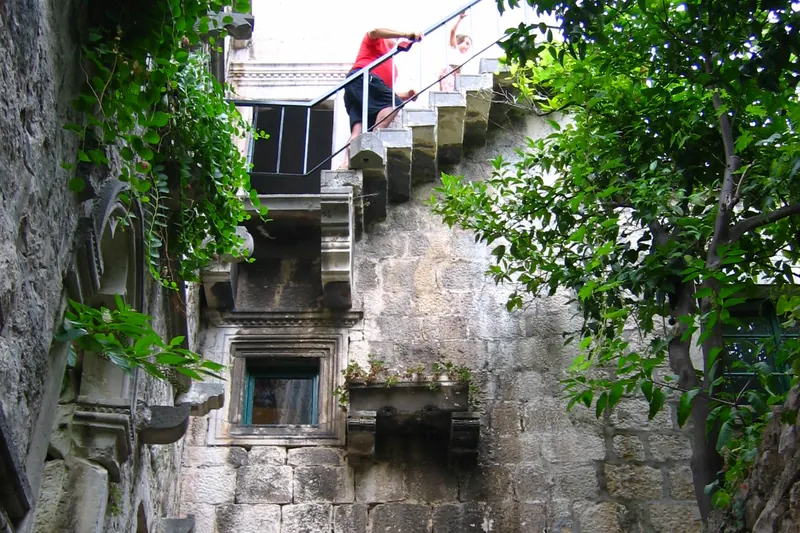
  4. The house said to be Marco Polo's birthplace in Korčula

    Marco Polo's alleged birthplace

    A beloved local legend, a modest stone house said to be where the famous explorer was born in 1254.

    Tip Treat the connection as charming folklore rather than settled historical fact — scholars dispute it.

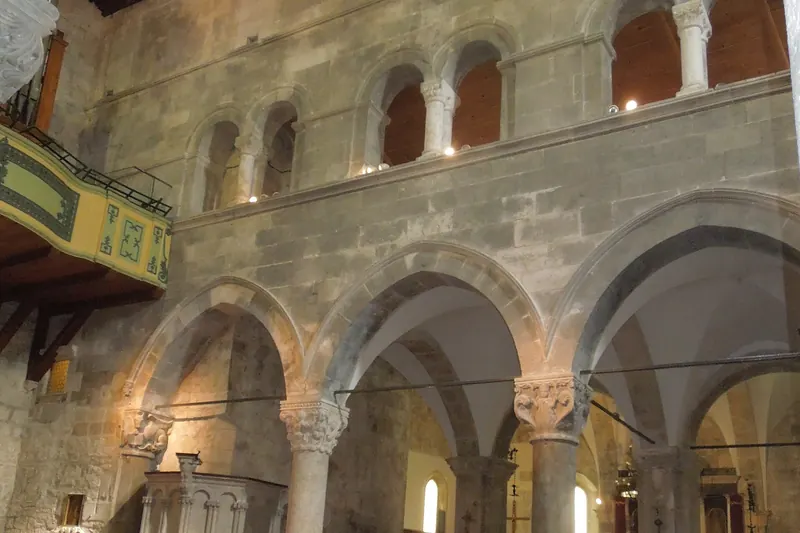
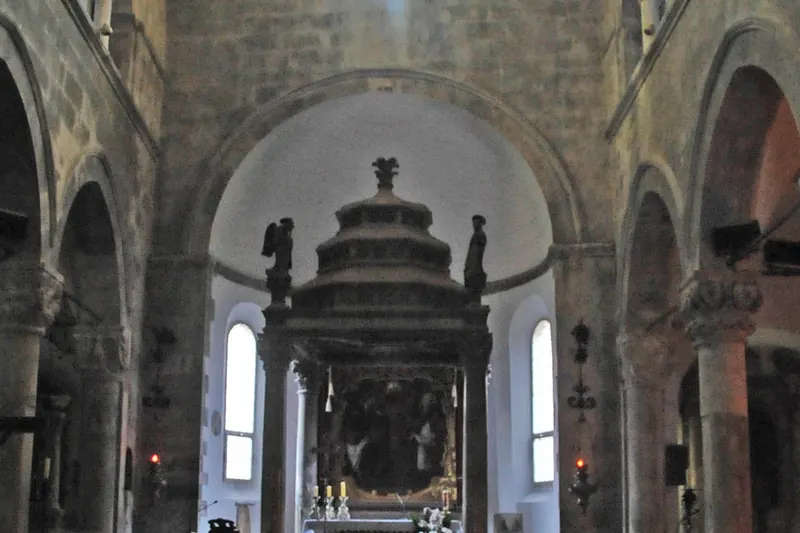
  5. The interior of St Mark's Cathedral in Korčula

    St Mark's Cathedral's interior

    Worth a proper look inside, featuring works attributed to Venetian master Tintoretto.

    Tip Combine with the adjacent Treasury and Bishop's Palace museums for the fuller story.

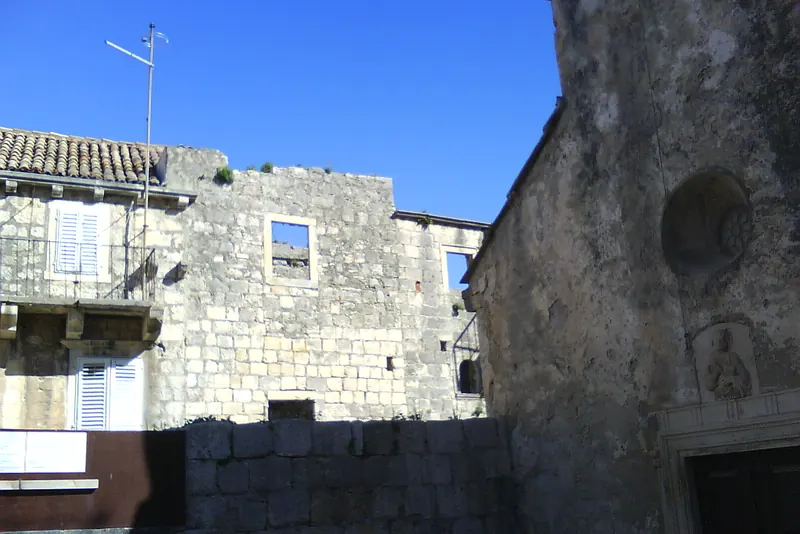
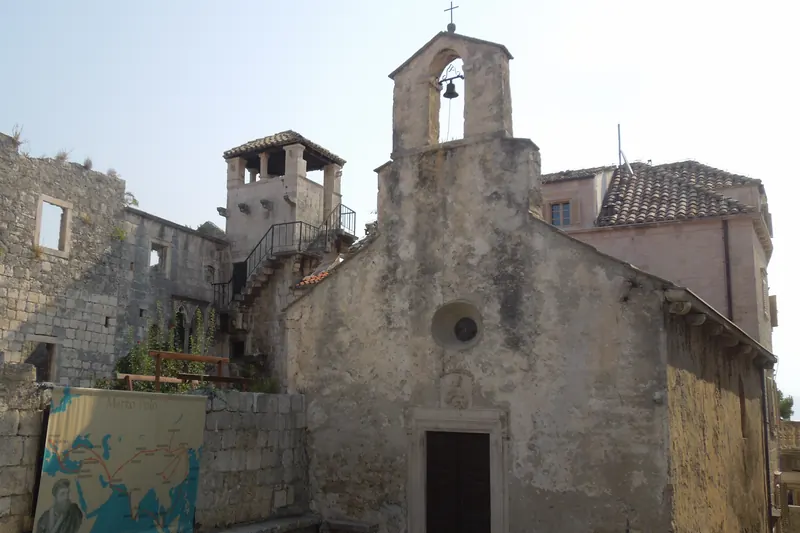
  6. St Peter's Church near Marco Polo's alleged birthplace in Korčula

    St Peter's Church

    A modest but atmospheric church right beside the Marco Polo house, part of the same historic corner.

    Tip An easy stop combined with the Marco Polo house next door.

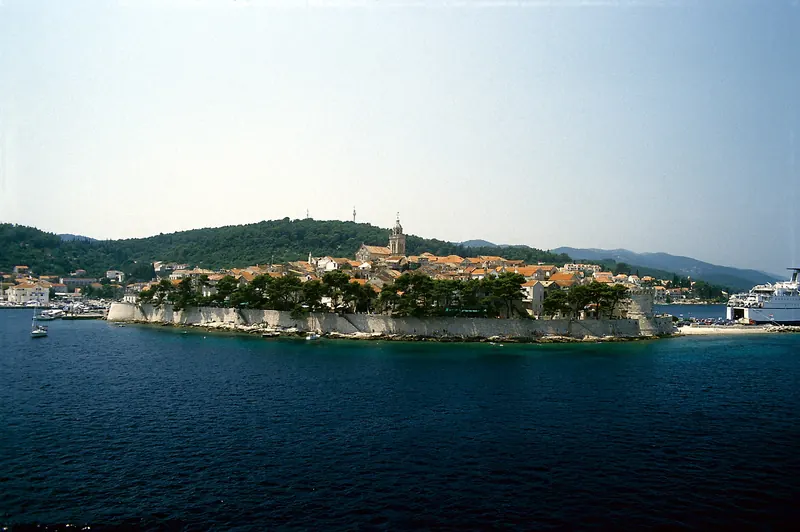
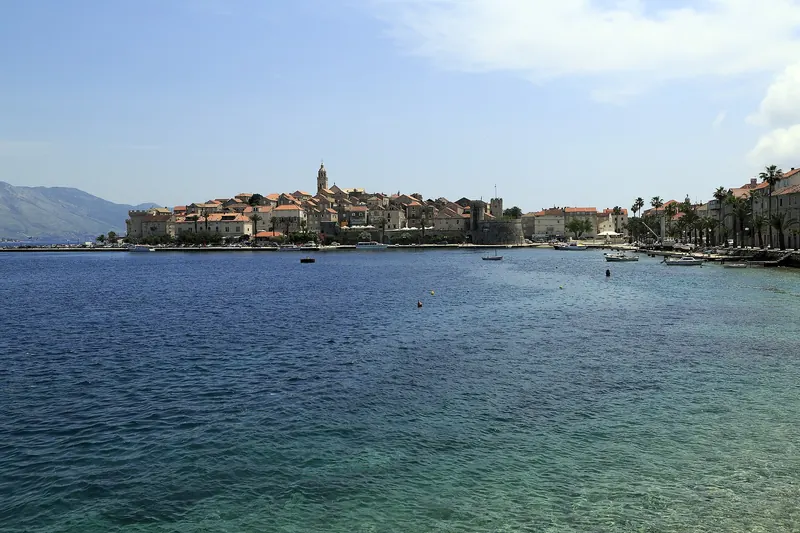
  7. Korčula's old town walls seen from the water

    The old town walls from the water

    A striking sight, the old town's fortified silhouette rising directly from the sea.

    Tip A short boat trip or ferry arrival both offer this classic view.

Things to do

Best things to do in Korčula

Korčula rewards a slow pace, best spent wandering the old town and tasting the island's own wine.

  1. Walk the old town's herringbone streets

    A fascinating piece of town planning, streets deliberately angled to channel sea breezes and block winter winds.

    Tip Compare the straight main street to the curved side streets to see the clever design in action.

  2. The house said to be Marco Polo's birthplace

    Tour Marco Polo's alleged birthplace

    A fun, low-key stop, climbing the modest house's tower for a view over the old town's rooftops.

    Tip Don't expect much in the way of historical artefacts — this is more atmosphere than museum.

  3. The interior of St Mark's Cathedral in Korčula

    Explore St Mark's Cathedral

    A worthwhile visit, taking in the cathedral's carved stonework and Venetian-era artwork.

    Tip Combine with the Bishop's Treasury next door for a fuller sense of the island's history.

  4. Watch a Moreška sword dance performance

    A unique local tradition, a centuries-old choreographed sword dance performed in the old town in summer.

    Tip Check performance schedules ahead — shows typically run on a set evening each week in season.

  5. Swim at a beach outside the walls

    An easy way to cool off, small pebble beaches dotted around the peninsula just outside the old town.

    Tip Rent a kayak or paddleboard for a closer look at the walls from the water.

  6. Korčula's old town photographed from the water

    Photograph the old town from the water

    A rewarding pursuit, the walled peninsula town photographing beautifully from nearly any angle offshore.

    Tip Golden hour light works especially well on the old town's pale stone walls.

Local food

What to eat in Korčula

Korčula's food centres on its own respected white wine alongside classic Dalmatian cooking.

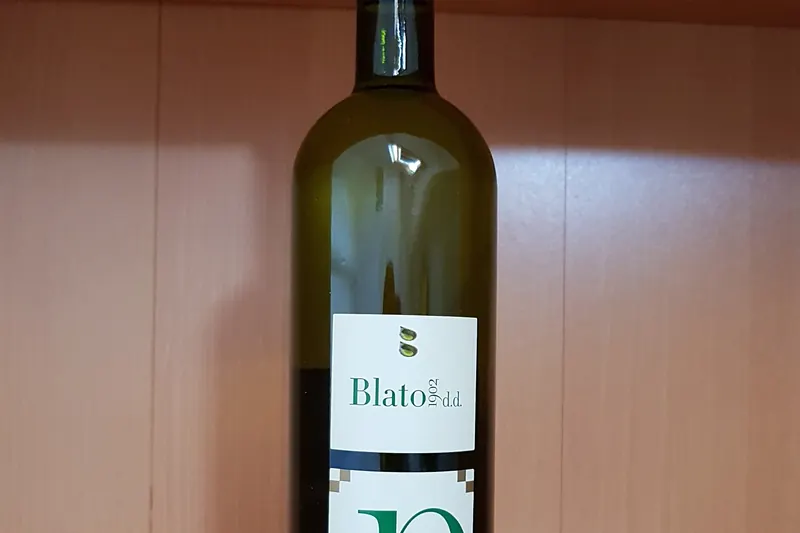
  • Pošip, a white wine grown almost exclusively on Korčula

    Pošip wine

    One of Croatia's most respected white wines, a grape grown almost exclusively on this island.

    Where to try it Wine bars throughout the old town, or wineries a short drive inland.

  • Žrnovski makaruni

    A distinctive local pasta, hand-rolled in the nearby village of Žrnovo and traditionally served with a rich meat sauce.

    Where to try it Traditional konobas, especially those specialising in Korčula home cooking.

  • Grilled seafood at a traditional Croatian konoba

    Fresh grilled seafood

    A highlight of dining here, fish and shellfish grilled simply at old town konobas.

    Where to try it Konobas throughout Korčula's old town.

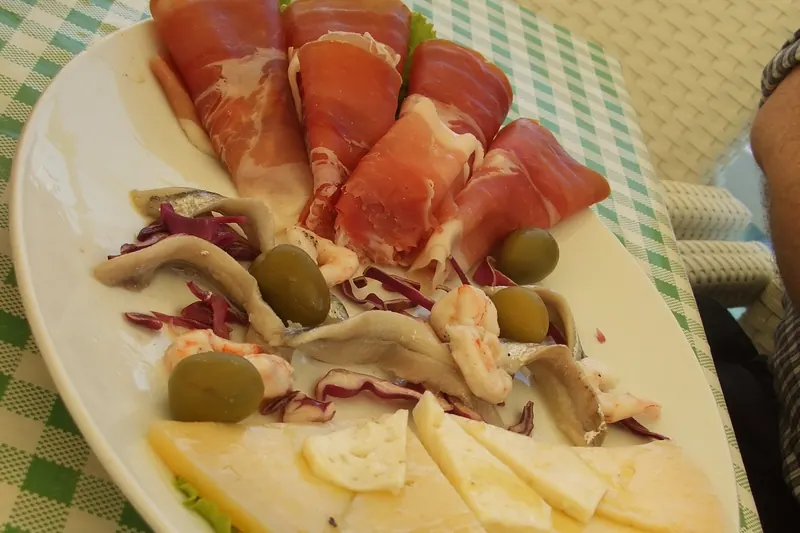
  • Dalmatinski pršut, Croatia's dry-cured ham

    Dalmatinski pršut (dry-cured ham)

    A reliable starter, often served with local cheese and olives.

    Where to try it Restaurants and konobas throughout the old town.

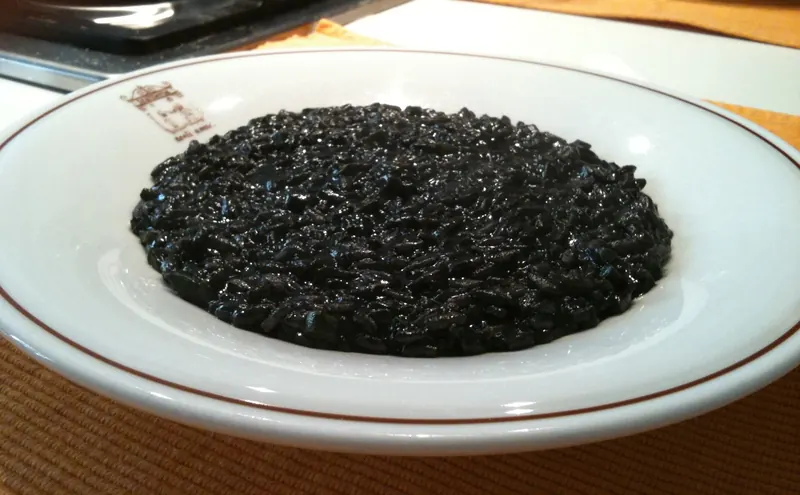
  • Black risotto made with cuttlefish ink

    Crni rižot (black risotto)

    A Dalmatian classic, worth trying at least once during a Korčula visit.

    Where to try it Seafood restaurants throughout the old town.

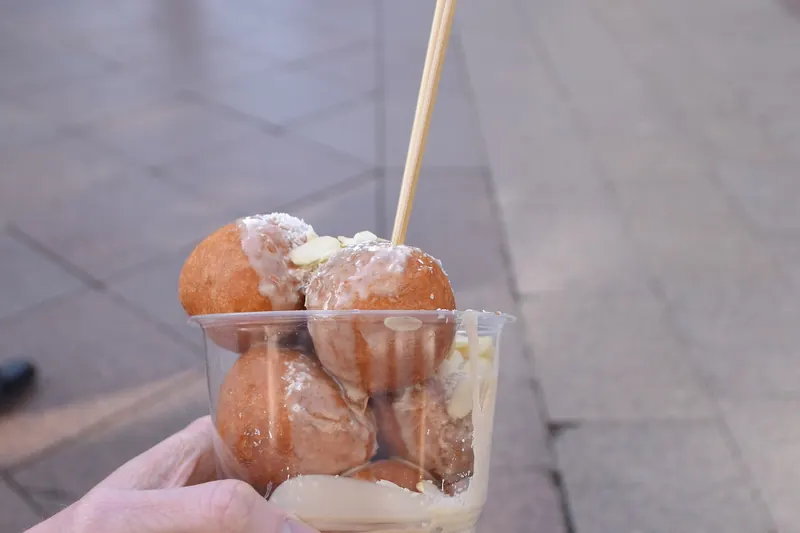
  • Fritule, small Croatian fried doughnuts

    Fritule (small fried doughnuts)

    A nice sweet treat, found at bakeries around the old town.

    Where to try it Bakeries throughout Korčula's old town.

Accommodation

Where to stay in Korčula

Korčula offers a more affordable range of stays than Hvar, from simple guesthouses to boutique hotels.

  • The old town

    The most atmospheric base, though also the busiest during day-trip hours.

    Best for: Being immersed in the historic walled peninsula

  • Lumbarda or nearby villages

    A short drive from the old town, with a more relaxed, rural feel.

    Best for: A quieter stay near the island's vineyards and beaches

What a night costs

Budget guesthouse
€60–110 per night
Mid-range hotel
€130–250 per night
St Mark's Cathedral and Treasury entry
About €7–10
Dinner at a mid-range restaurant
About €28–50 per person

Transport

Getting to and around Korčula

Korčula is reached by ferry, most commonly from Dubrovnik or Split.

Getting there

  • Catamaran from Dubrovnik

    The most common route, with seasonal daily sailings.

    Takes around two to three hours depending on the service.

  • Ferry from Split

    A longer but scenic option through the Dalmatian islands.

    Journey times vary depending on stops, generally three to five hours.

  • Car ferry via Pelješac Peninsula

    The quickest option if driving.

    A short car ferry crossing connects Korčula to the mainland peninsula.

Getting around

Korčula's compact old town is entirely walkable, with a car or scooter useful for the wider island.

  • On foot

    The only way to explore the old town's herringbone streets.

    Everything within the walls sits within a few minutes' walk.

  • Bus or scooter to nearby villages

    Useful for reaching Lumbarda's beaches and vineyards.

    A short ride connects the old town to the island's other villages.

  • Bicycle

    A pleasant way to explore the island's quieter roads.

    Widely available for rent near the old town.

When to go

Best time to visit Korčula

Korčula is busiest in July and August, with shoulder months offering a quieter, better-value alternative.

  • Late spring (May–June)

    Best time

    Warm enough to swim, with noticeably thinner crowds than peak summer.

  • Summer (July–August)

    Good

    Warm and lively, though still noticeably calmer than Hvar at the same time of year.

  • Early autumn (September)

    Best time

    Still warm enough for the sea, with crowds and prices both easing off.

  • Winter (November–March)

    Good

    Very quiet, with much of the island's hospitality scene closed for the season.

Worth planning around: Deep winter, when most restaurants and hotels close until spring.

Itinerary

Two days in Korčula

Built around the old town's essential sights, with time for wine tasting on the second day.

  1. Day1

    The old town

    The walled peninsula's essential sights.

    • Morning St Mark's Cathedral and Square.
    • Afternoon Marco Polo's alleged birthplace and St Peter's Church.
    • Evening Dinner at a konoba within the old town walls.
  2. Day2

    Wine and the wider island

    A slower day of vineyards and beaches.

    • Morning Visit a Pošip winery near Lumbarda.
    • Afternoon Swim at a beach outside the old town.
    • Evening A final dinner featuring local wine.

Travel tips

Korčula travel tips

Practical notes that make a Korčula visit noticeably smoother.

  • Book ferry tickets ahead for peak summer sailings from Dubrovnik or Split.
  • Try Pošip wine at a local winery, not just a restaurant list.
  • Check for a Moreška sword dance performance during your visit.
  • Wear comfortable shoes — the old town's streets are cobbled and can be slippery.
  • Escape to Lumbarda's beaches when the old town feels busy with day-trippers.
  • Consider Korčula as a quieter alternative base to Hvar for a Dalmatian island stay.

FAQ

Korčula: frequently asked questions

How many days do you need in Korčula?

Two days covers the old town and a taste of the island's wine country comfortably.

How do you get to Korčula?

By catamaran from Dubrovnik or ferry from Split, or by car via the Pelješac Peninsula's car ferry.

Was Marco Polo really born in Korčula?

It's disputed by historians, though the local legend and the house said to be his birthplace remain a beloved part of the island's identity.

How does Korčula compare to Hvar?

Quieter and more affordable, offering a similar Dalmatian island experience with noticeably fewer crowds.

Is Korčula good for wine lovers?

Yes — Pošip, one of Croatia's best white wines, is grown almost exclusively on this island.

Can you combine Korčula with Dubrovnik or Hvar?

Yes, easily — ferry connections make it a natural addition to either destination.

Read next

Related travel articles

Where to go

Choosing a Mediterranean Coast

The Mediterranean coasts in this guide are not interchangeable. Some have sand and some have rock; some are glamorous and some are cheap; two of them are effectively closed for half the year. This is a comparison by the things that decide whether a coastal week works — swimming, crowds, cost, transport and what there is to do when you get out of the water.

Where to go

Beyond the Big Names: Places Worth the Detour

The most visited place in a country is rarely its best, and it is almost never its best value. This is a method for finding the destinations that do not make the postcards — and a set of examples from five of the 50 countries on this site.

Advertisement