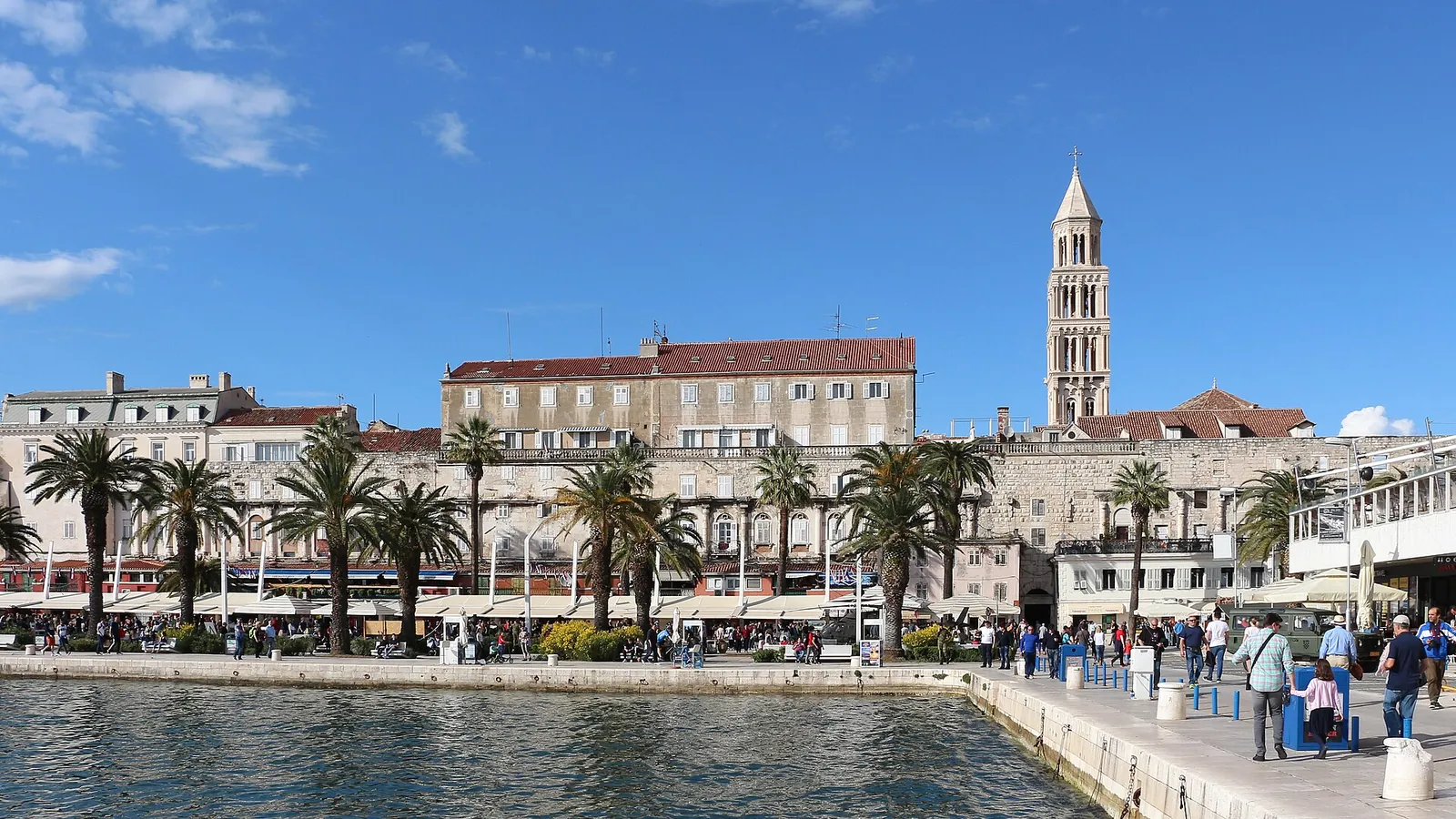
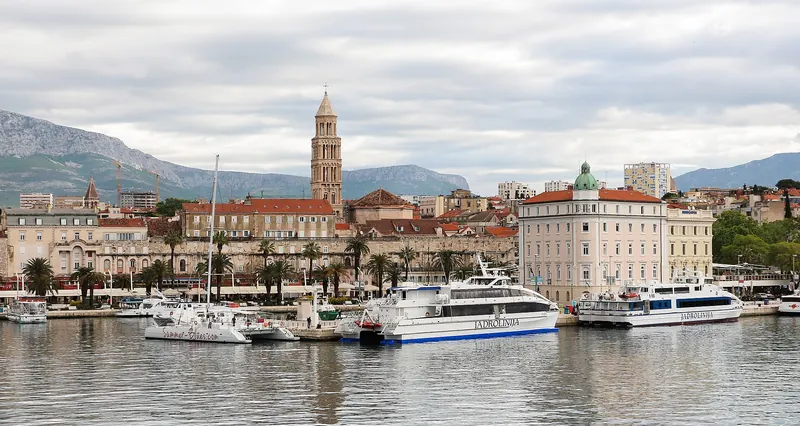

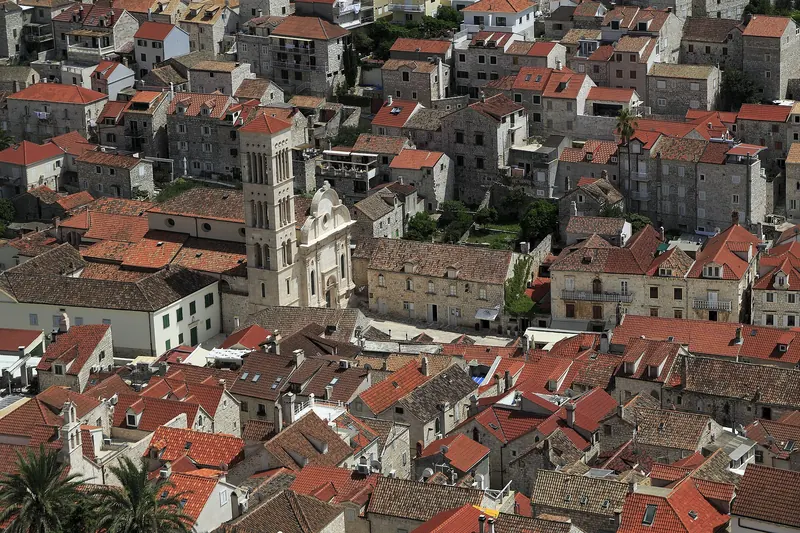
Diocletian's Palace in Split

Dalmatia · Croatia

Split

A 1,700-year-old Roman emperor's palace that never stopped being a living city, its ancient walls now filled with homes, cafés and a cathedral built from his own mausoleum.

  • Best time May, June and September for warm weather without peak-summer crowds
  • Stay 2-3 days
  • Good for History, beaches, island-hopping base

Photo: Bernard Gagnon · CC BY-SA 4.0

Welcome to Split

Split is built around one of the most unusual historic sites in Europe, a Roman emperor's retirement palace that never stopped being lived in for the 1,700 years since.

Diocletian's Palace's ancient walls now enclose an entire working neighbourhood — homes, shops, cafés and a cathedral converted from the emperor's own mausoleum.

Beyond the palace, Split is Croatia's second city and busiest ferry hub, with its own beaches, a green hillside park and a lively waterfront promenade.

  • Historic Site
  • UNESCO Site
  • Coast & Beaches
  • Major City

Why visit

Why visit Split?

Split's case rests on a Roman palace that's stayed a real, living city for nearly two millennia.

  • Diocletian's Palace is unlike anywhere else

    A 1,700-year-old Roman palace still functioning as an actual, lived-in neighbourhood.

  • It's a real Croatian city, not just a resort

    A working port and Dalmatia's largest city, with an authentic, year-round pulse.

  • The Riva promenade is a proper daily ritual

    Palm-lined waterfront cafés where locals and visitors alike watch the harbour.

  • Marjan Hill offers excellent nature right in the city

    Forested trails and viewpoints a short walk from the historic centre.

  • It's the best base for island-hopping

    Croatia's busiest ferry port, with frequent connections to Hvar, Brač and beyond.

Main attractions

Top things to see in Split

Split's essential sights are concentrated within and around the ancient walls of Diocletian's Palace.

  1. Diocletian's Palace in Split

    Diocletian's Palace

    A UNESCO World Heritage Site and a living neighbourhood at once, a Roman emperor's palace still filled with homes and shops today.

    Tip Get lost in the palace's narrow side streets — the real character lives away from the main routes.

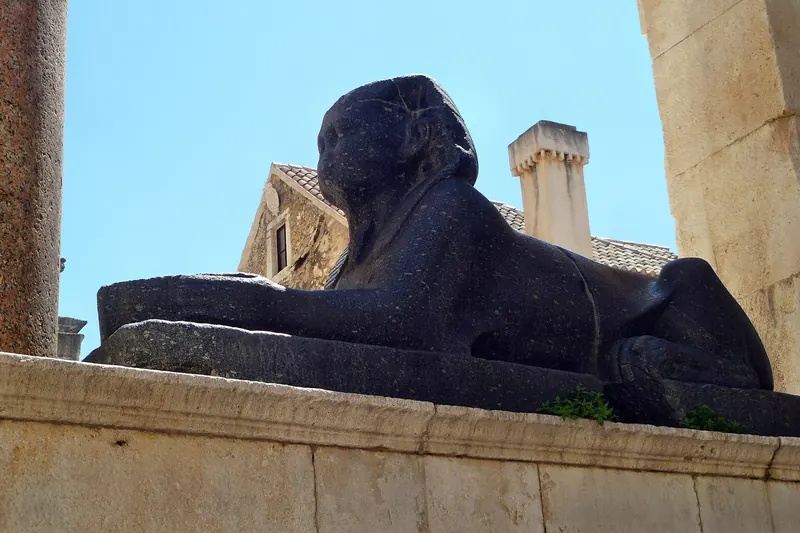
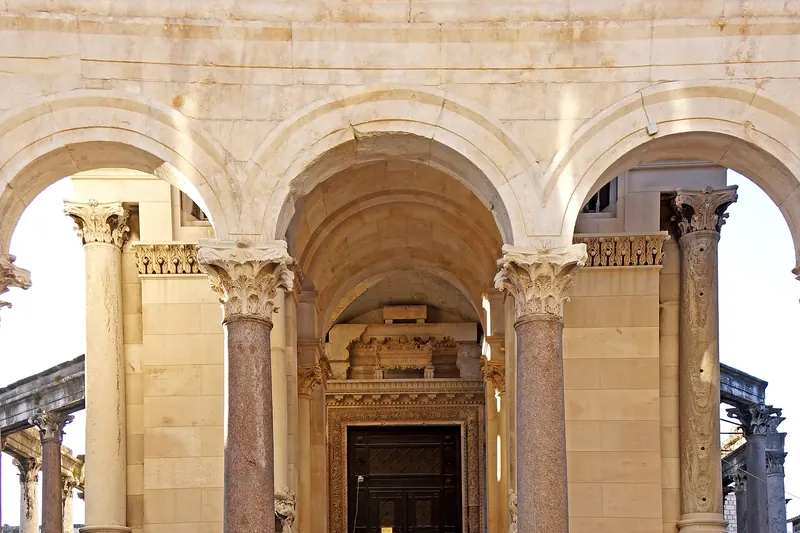
  2. The Peristyle at Diocletian's Palace in Split, with an ancient Egyptian sphinx

    The Peristyle

    The palace's ceremonial heart, a sunken Roman courtyard still ringed by columns and a genuine Egyptian sphinx.

    Tip Visit in the evening, when café tables fill the square and it feels properly alive.

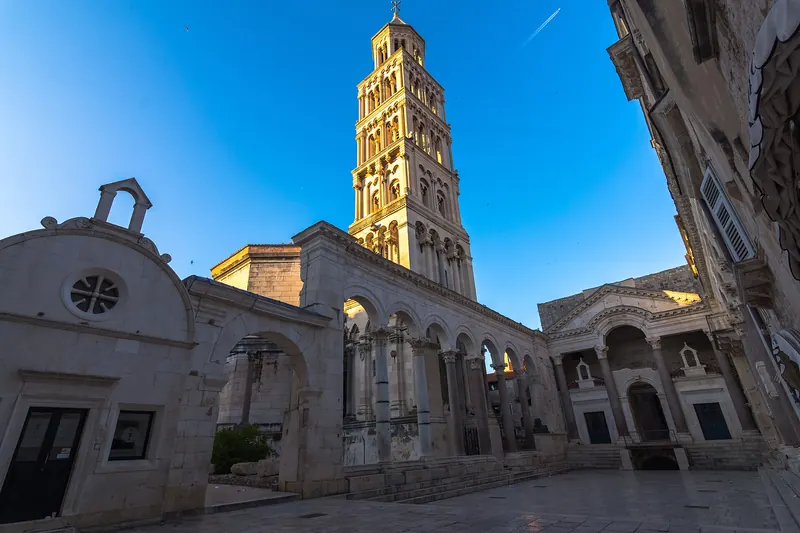
  3. The Cathedral of St Domnius in Split

    The Cathedral of St Domnius

    One of the oldest Catholic cathedrals in the world still in its original structure — Diocletian's own mausoleum, repurposed.

    Tip Climb the bell tower for the best rooftop view over the whole palace and harbour.

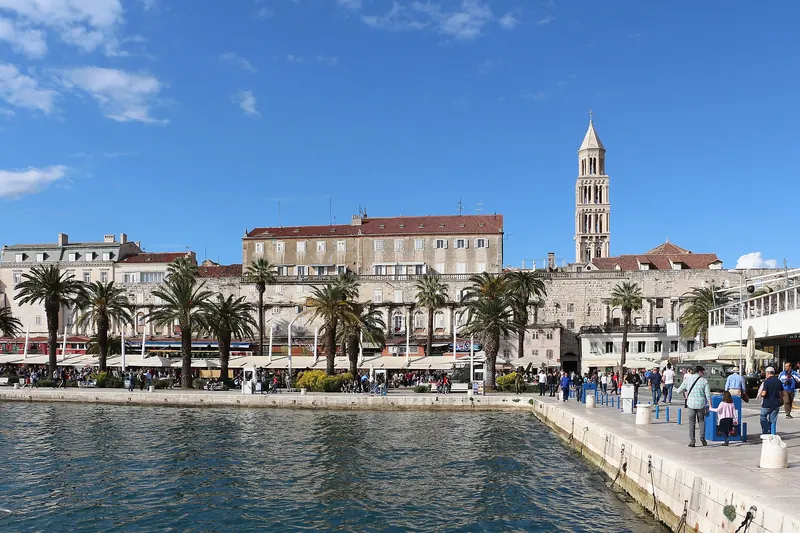
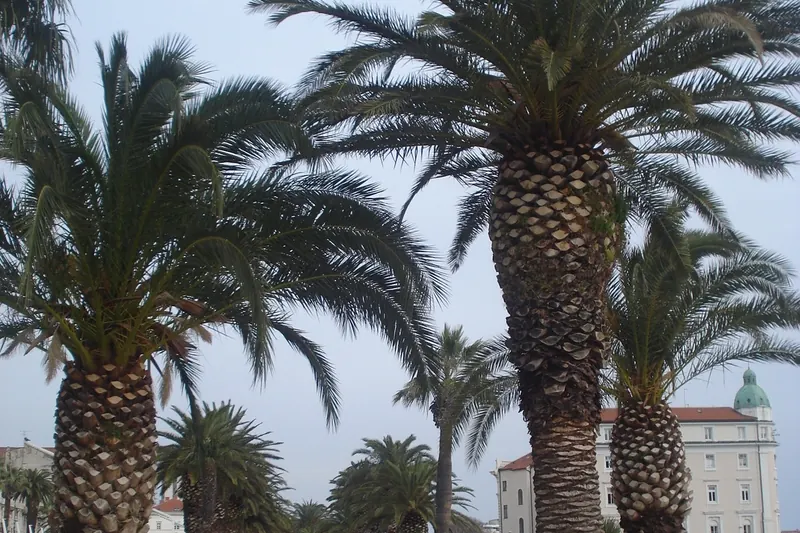
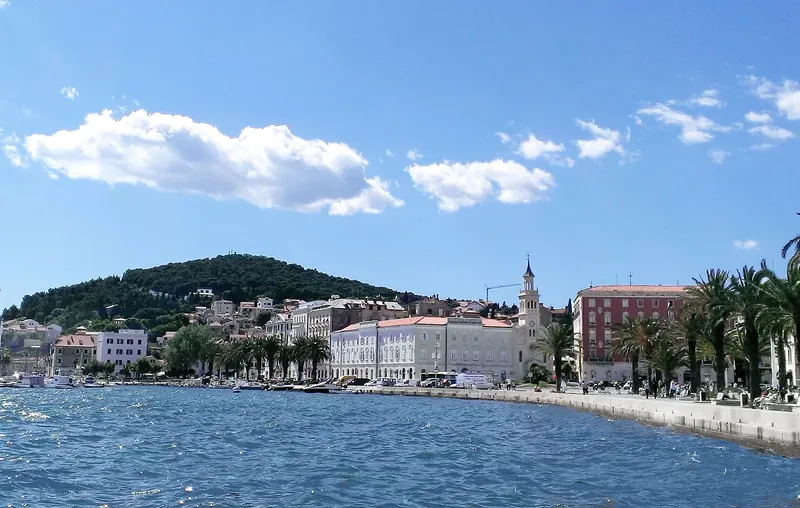
  4. The palm-lined Riva promenade in Split

    The Riva waterfront promenade

    The city's social stage, a palm-lined seafront promenade right outside the palace's southern wall.

    Tip A lovely spot for a slow evening coffee or aperitivo.

  5. Marjan Hill above Split

    Marjan Hill

    A forested peninsula park right beside the city centre, with trails, chapels and sweeping sea views.

    Tip Go for sunset — the views over Split and the islands are spectacular.

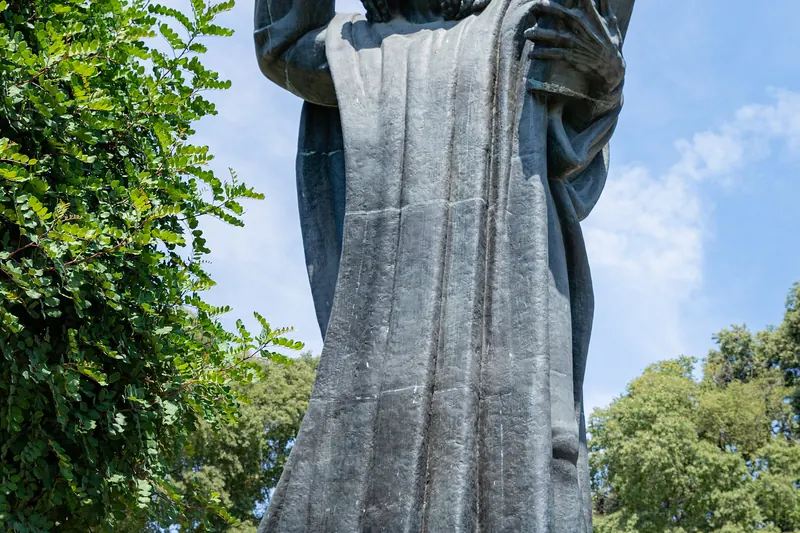
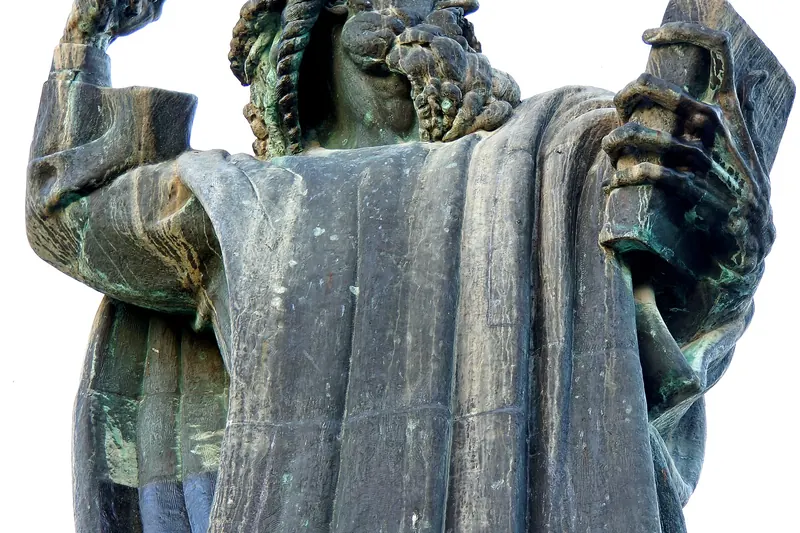
  6. The statue of Gregory of Nin near Split's Golden Gate

    The Golden Gate and Gregory of Nin statue

    The palace's grandest original entrance, guarded outside by Ivan Meštrović's towering bronze statue.

    Tip Rub the statue's toe — a well-known local tradition said to bring good luck.

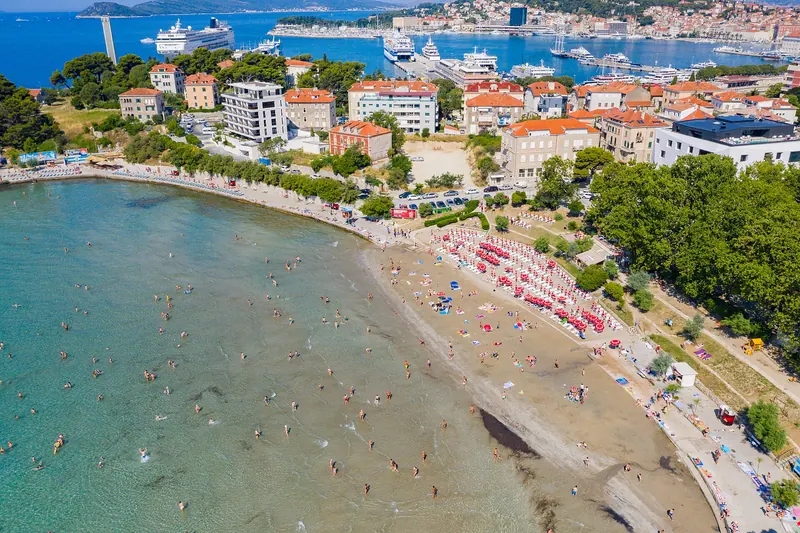
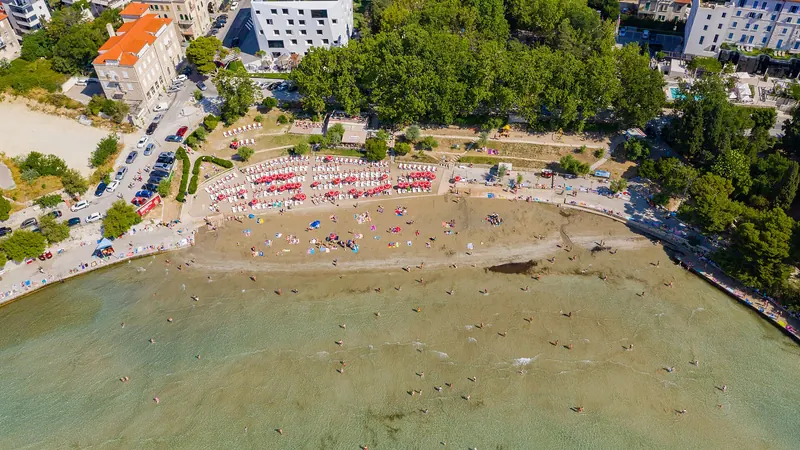
  7. Bačvice Beach in Split

    Bačvice Beach

    The city's most popular beach, a shallow sandy bay a short walk from the historic centre.

    Tip Watch for a game of picigin, the local beach sport invented right here.

Things to do

Best things to do in Split

Split rewards splitting time between its ancient palace streets and its very real, modern city life.

  1. Ancient streets within Diocletian's Palace

    Wander Diocletian's Palace's ancient streets

    An essential experience, getting lost among the palace's Roman substructure and centuries of later additions.

    Tip Visit the palace's atmospheric underground cellars, among the best-preserved Roman substructures anywhere.

  2. Climbing the bell tower of Split's Cathedral of St Domnius

    Climb the Cathedral bell tower

    A rewarding, if slightly precarious, climb, with the palace's best rooftop view waiting at the top.

    Tip Not for the faint of heart — the stairs are steep and narrow in places.

  3. The statue of Gregory of Nin outside Split's Golden Gate

    Rub Gregory of Nin's toe for luck

    A fun, low-key local tradition, joining the line of visitors polishing the statue's bronze big toe.

    Tip An easy stop combined with the Golden Gate itself.

  4. A hiking trail on Marjan Hill above Split

    Hike or bike Marjan Hill

    A refreshing break from the historic centre, trails winding through pine forest to several viewpoints.

    Tip Bring water — shade is limited once you're above the tree line at the top.

  5. Bačvice Beach in Split from above

    Swim and watch picigin at Bačvice Beach

    A lively city beach scene, complete with the locally invented ball game picigin played in the shallows.

    Tip A short walk from the palace — an easy way to cool off between sightseeing.

  6. Sunset on the Riva promenade in Split

    Stroll the Riva promenade at sunset

    An essential evening ritual, joining locals and visitors alike for a slow walk along the palm-lined waterfront.

    Tip A great spot to watch the ferries come and go while the light fades.

Local food

What to eat in Split

Split's food means classic Dalmatian cooking, with a regional pie worth seeking out beyond the seafood staples.

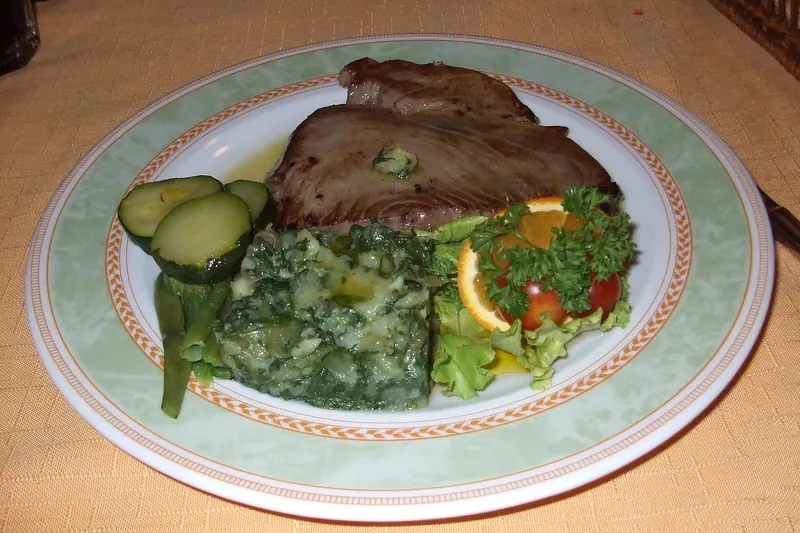
  • Grilled seafood at a traditional Croatian konoba

    Fresh grilled seafood

    A highlight of dining here, fish and shellfish grilled simply at konobas throughout the palace.

    Where to try it Konobas throughout Diocletian's Palace and the wider old town.

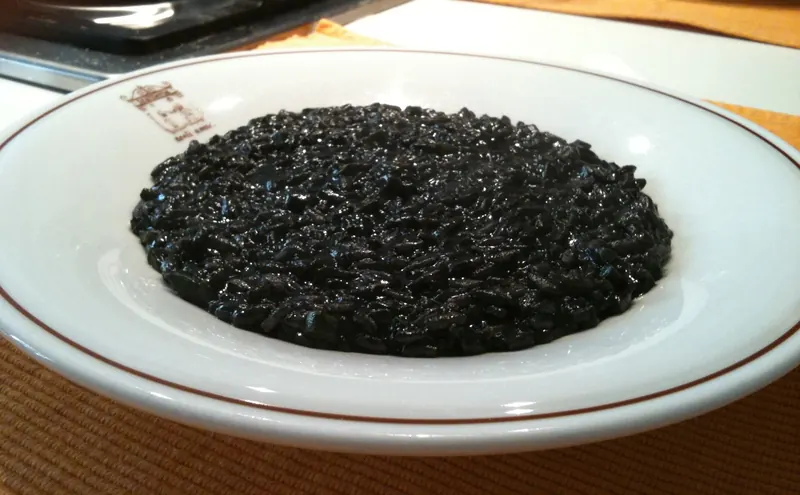
  • Black risotto made with cuttlefish ink

    Crni rižot (black risotto)

    A Dalmatian classic worth trying at least once during a Split visit.

    Where to try it Seafood restaurants throughout the old town.

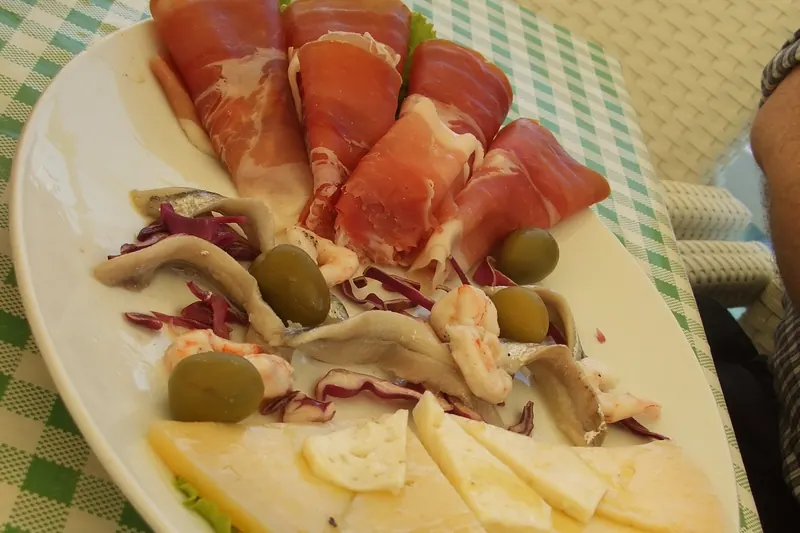
  • Dalmatinski pršut, Croatia's dry-cured ham

    Dalmatinski pršut (dry-cured ham)

    A reliable starter, often served with local cheese and olives.

    Where to try it Restaurants and konobas throughout Split.

  • Soparnik (savoury Swiss chard pie)

    A distinctive regional specialty from the Poljica area just outside Split, a thin pie filled with chard and baked under embers.

    Where to try it Traditional bakeries and markets, especially the Split Green Market.

  • Croatian wine

    Worth exploring, with Dalmatian reds from nearby Pelješac and Hvar both widely available.

    Where to try it Wine bars throughout the old town.

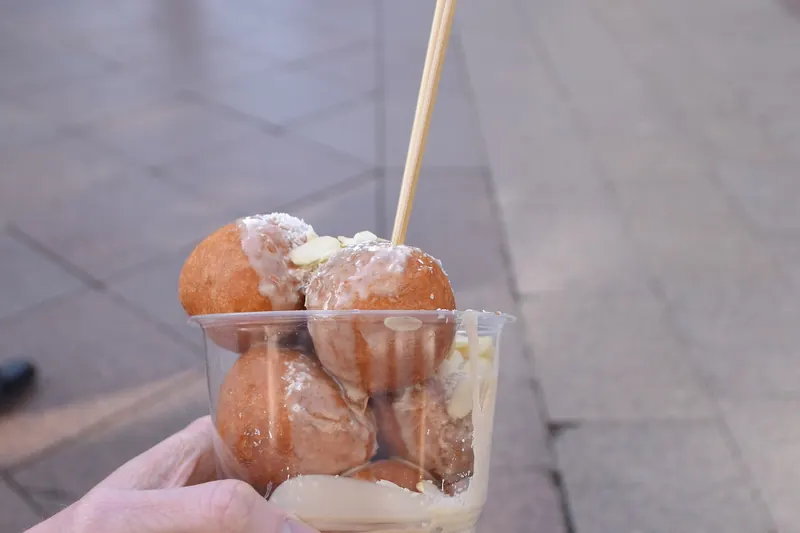
  • Fritule, small Croatian fried doughnuts

    Fritule (small fried doughnuts)

    A nice sweet treat, found at bakeries and market stalls around the old town.

    Where to try it Bakeries throughout Split's old town.

Accommodation

Where to stay in Split

Split offers accommodation for every budget, with location inside or outside the palace walls making a real difference.

  • Inside Diocletian's Palace

    The most atmospheric base, staying inside the ancient walls themselves.

    Best for: Being immersed in the historic atmosphere

  • Varoš or the Riva area

    An easy walk from the centre, with a more local, residential feel.

    Best for: A quieter stay just outside the busiest palace streets

What a night costs

Budget guesthouse
€55–95 per night
Mid-range hotel
€120–220 per night
Cathedral bell tower climb
About €8–10
Dinner at a mid-range restaurant
About €25–45 per person

Transport

Getting to and around Split

Split is Croatia's busiest transport hub after Zagreb, well connected by air, road and sea.

Getting there

  • Direct international flights

    Available from many European cities, especially in summer.

    Split Airport sits about 25 minutes from the city centre.

  • Bus from Zagreb or Dubrovnik

    A comfortable, scenic option along the coast.

    Takes around five to six hours from Zagreb, or four to five from Dubrovnik.

  • Ferry from the islands

    The main gateway for island-hopping around Dalmatia.

    Frequent connections to Hvar, Brač, Korčula and beyond.

Getting around

Split's compact old town is entirely walkable, with buses covering the wider city and Marjan Hill.

  • On foot

    The only way to explore Diocletian's Palace itself.

    No cars are permitted within the ancient palace walls.

  • Local buses

    Useful for reaching Marjan Hill's far side or outlying neighbourhoods.

    A frequent, inexpensive network across the wider city.

  • Ferry port and bus station

    Conveniently located right beside the old town.

    Both sit an easy walk from most central accommodation.

When to go

Best time to visit Split

Split is busiest in July and August, with shoulder months offering a much better balance of weather and crowds.

  • Late spring (May–June)

    Best time

    Warm enough to swim, with noticeably thinner crowds than peak summer.

  • Summer (July–August)

    Good

    Hot and lively, the busiest season for both the city and its ferry connections.

  • Early autumn (September)

    Best time

    Still warm enough for the beach, with crowds and prices both easing off.

  • Winter (November–March)

    Good

    Quiet, with a real, lived-in city atmosphere rather than a tourist-focused one.

Worth planning around: Nothing strongly, though peak July and August bring the heaviest crowds to the palace and ferry terminals alike.

Itinerary

Two days in Split

Built around Diocletian's Palace and Marjan Hill, with time on the water.

  1. Day1

    Diocletian's Palace

    The palace's essential sights.

    • Morning The Peristyle, the Cathedral of St Domnius and the palace's ancient streets.
    • Afternoon The Golden Gate and Gregory of Nin's statue.
    • Evening Dinner and a stroll along the Riva.
  2. Day2

    Marjan Hill and the beach

    A slower day of nature and the sea.

    • Morning Hike or bike the trails of Marjan Hill.
    • Afternoon Swim at Bačvice Beach.
    • Evening A final dinner in the old town.

Travel tips

Split travel tips

Practical notes that make a Split visit noticeably smoother.

  • Book ferry tickets ahead in peak summer if you're continuing on to the islands.
  • Climb the Cathedral bell tower for the best view over the whole palace.
  • Wear comfortable shoes — the palace's ancient streets are cobbled and can be slippery.
  • Visit Marjan Hill in the late afternoon for the best light and cooler temperatures.
  • Try soparnik at the Green Market for a taste of the wider Split region.
  • Use Split as a base for day trips to Krka National Park or the nearby islands.

FAQ

Split: frequently asked questions

How many days do you need in Split?

Two to three days covers the palace, Marjan Hill and the beach at a comfortable pace.

Is Diocletian's Palace still lived in?

Yes — around 3,000 people still live and work within the ancient palace walls today.

Is Split a good base for island-hopping?

Yes — it's Croatia's busiest ferry port, with frequent connections to Hvar, Brač, Korčula and beyond.

How do you get from Split Airport to the city centre?

By airport shuttle bus or taxi, taking about 25 to 30 minutes.

Is Split worth visiting versus just Dubrovnik?

Yes — the two offer quite different experiences, and Split's living Roman palace is unlike anywhere else.

Can you swim in Split?

Yes — Bačvice Beach sits a short walk from the palace, with more beaches further along Marjan Hill.

Read next

Related travel articles

Where to go

Choosing a Mediterranean Coast

The Mediterranean coasts in this guide are not interchangeable. Some have sand and some have rock; some are glamorous and some are cheap; two of them are effectively closed for half the year. This is a comparison by the things that decide whether a coastal week works — swimming, crowds, cost, transport and what there is to do when you get out of the water.

Food

A Country-by-Country Food Primer

Eating well abroad is mostly a matter of knowing when meals happen, how the menu is structured and which dish belongs to the place you are standing in. This covers all three for the five countries in this guide, plus the signals that separate a restaurant that feeds locals from one that feeds coaches.

Advertisement