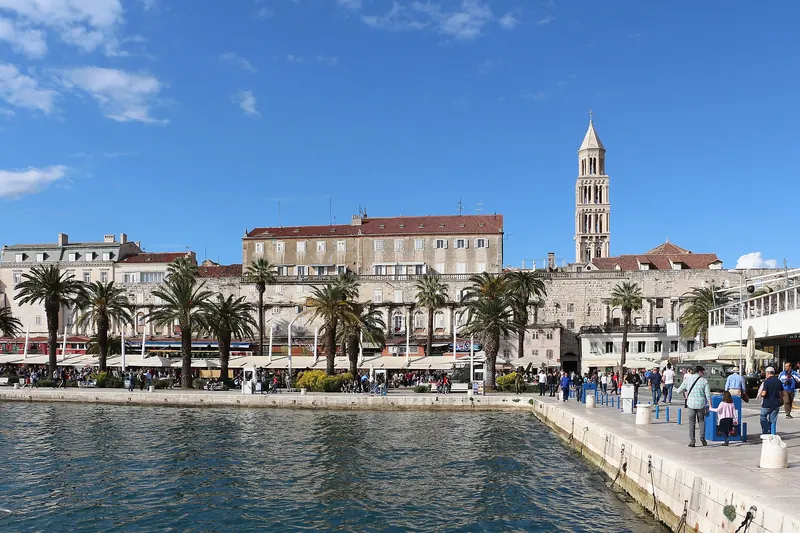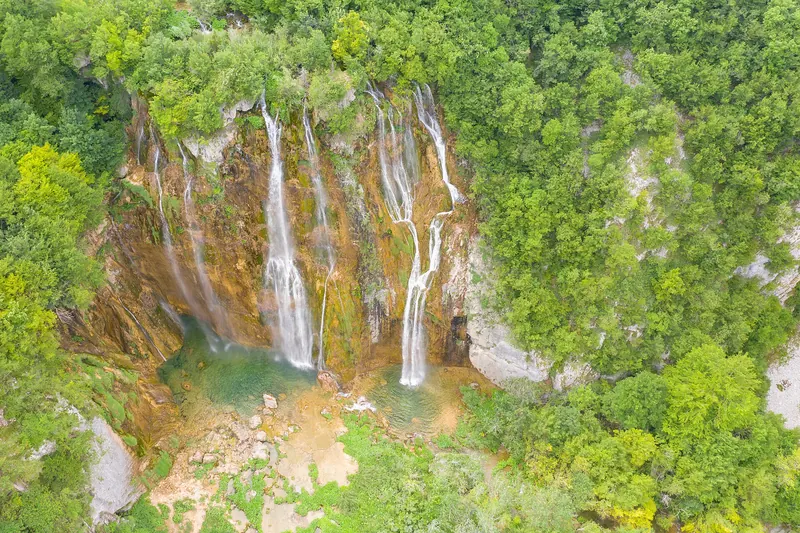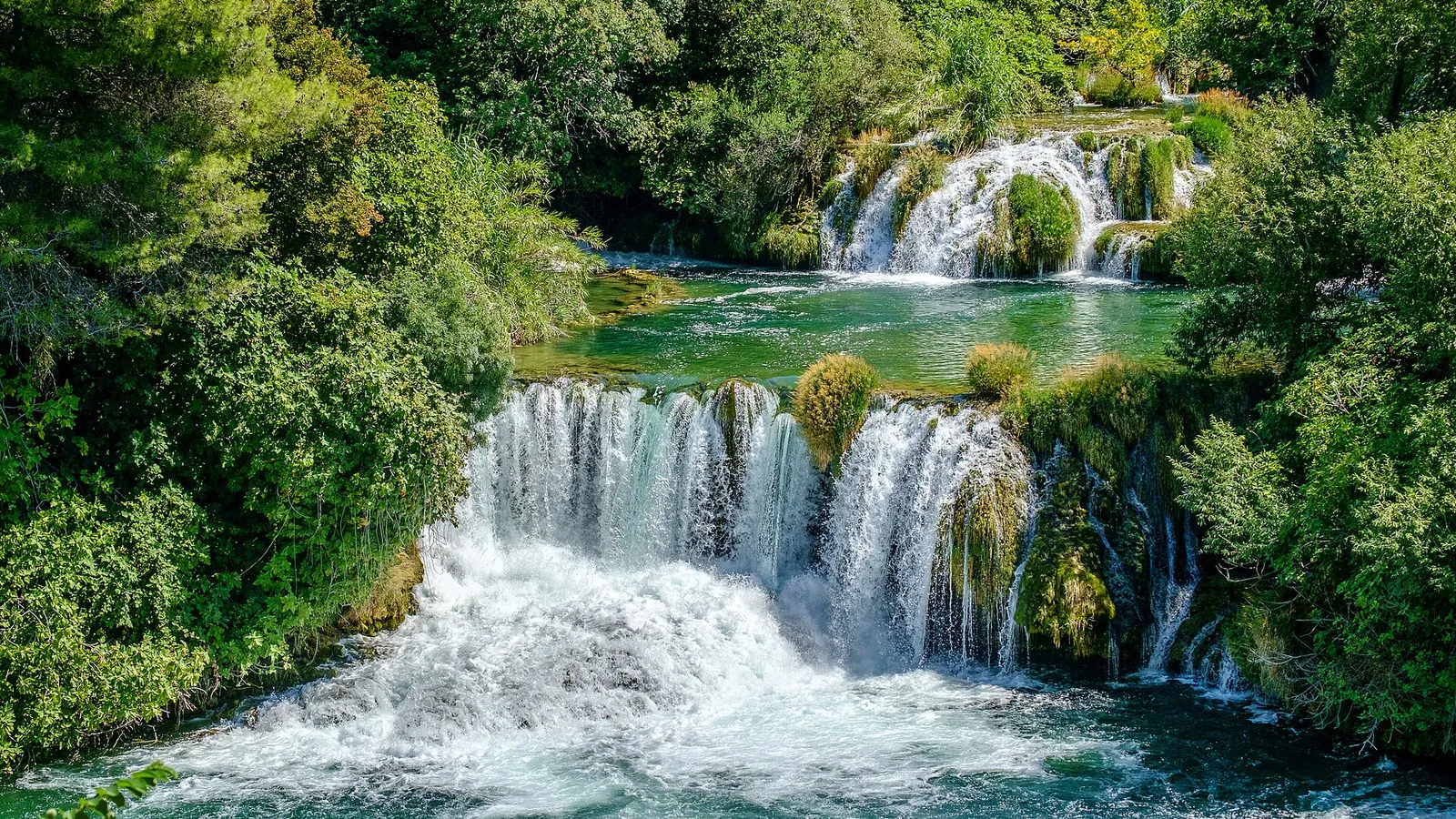
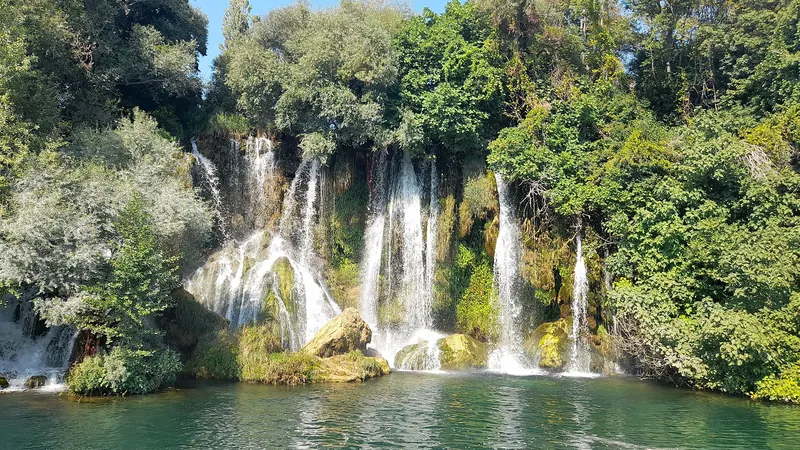
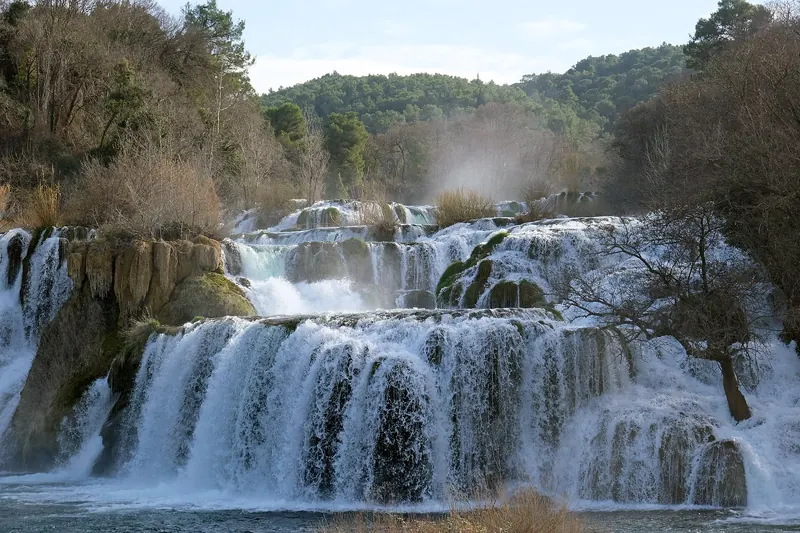

Skradinski Buk waterfall at Krka National Park

Dalmatia · Croatia

Krka National Park

A quieter alternative to Plitvice, cascading travertine waterfalls tumbling through Dalmatian hinterland, with a monastery island at its heart.

  • Best time May, June and September for full waterfalls and manageable crowds
  • Stay 1 day
  • Good for Nature, boat trips, photography

Photo: Skot · CC BY-SA 4.0

Welcome to Krka National Park

Krka National Park is Croatia's other great waterfall park, a quieter, more coastal alternative to the better-known Plitvice Lakes further inland.

Its centrepiece is Skradinski Buk, a wide, stepped travertine waterfall reached by boardwalks through the Dalmatian hinterland's karst landscape.

A boat trip upriver reaches Visovac Island, a tiny monastery island sitting in the middle of the Krka River, one of the park's most photographed sights.

  • Nature & Wildlife
  • National Park
  • Scenic Region
  • Day Trip

Why visit

Why visit Krka National Park?

Krka's case rests on dramatic travertine waterfalls reached easily from the Dalmatian coast.

  • Skradinski Buk is one of Croatia's most photogenic waterfalls

    A wide, stepped cascade crossed by wooden boardwalks.

  • Visovac Island is a singular sight

    A working Franciscan monastery on a tiny island reached only by boat.

  • It's far easier to reach from the coast than Plitvice

    An easy day trip from Split, Zadar or Šibenik.

  • It's noticeably quieter than Plitvice

    A comparable landscape with fewer crowds, especially outside peak season.

  • The park's mills add real cultural history

    Restored watermills showing how the river once powered the local economy.

Main attractions

Top things to see in Krka National Park

The park's essential sights are its cascading waterfalls, boardwalks and a monastery island upriver.

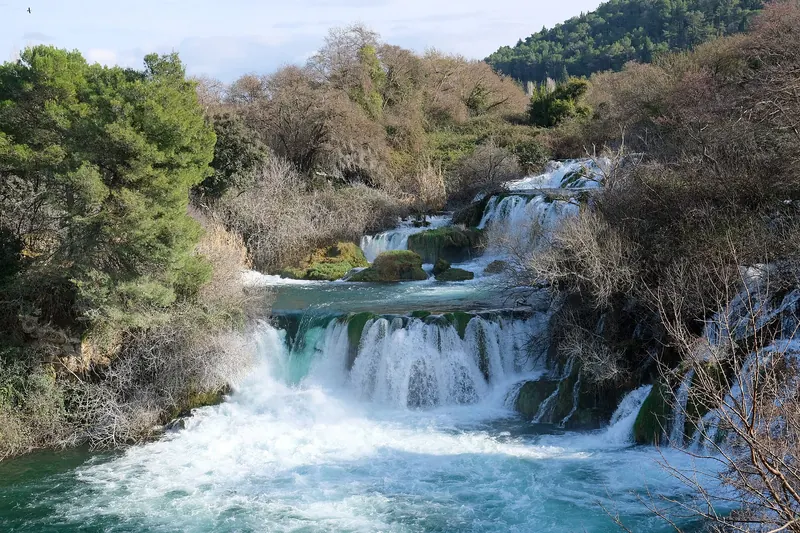
  1. Skradinski Buk waterfall at Krka National Park

    Skradinski Buk

    The park's centrepiece, a wide, stepped travertine waterfall and the most visited spot in the entire park.

    Tip Arrive early or late in the day to see it with fewer visitors on the boardwalks.

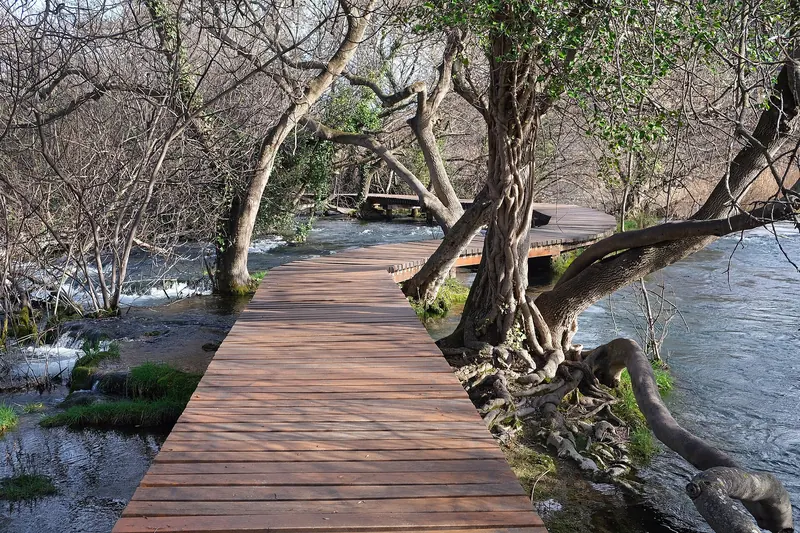
  2. Wooden boardwalks around Skradinski Buk waterfall

    The boardwalks around Skradinski Buk

    A network of wooden paths winding directly beside and over the cascading falls.

    Tip Allow at least an hour to properly cover the full boardwalk loop.

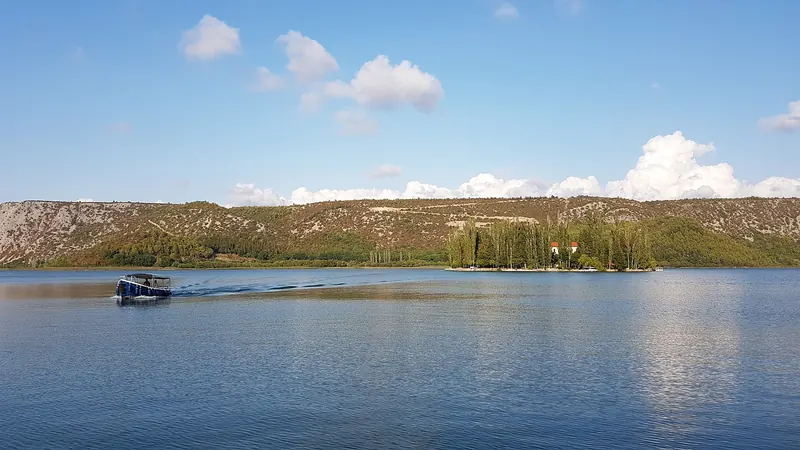
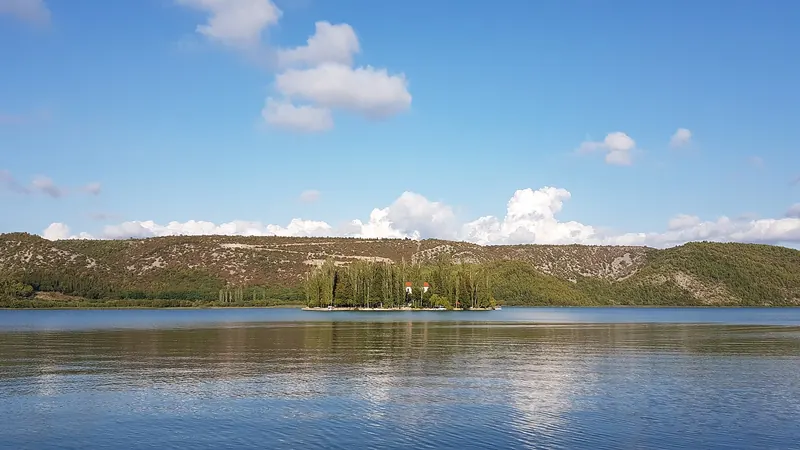
  3. Visovac Island Monastery on the Krka River

    Visovac Island Monastery

    A working Franciscan monastery on a tiny island, reachable only by the park's own boat service.

    Tip Book the boat trip through the park's official ticket system, included with certain entry tickets.

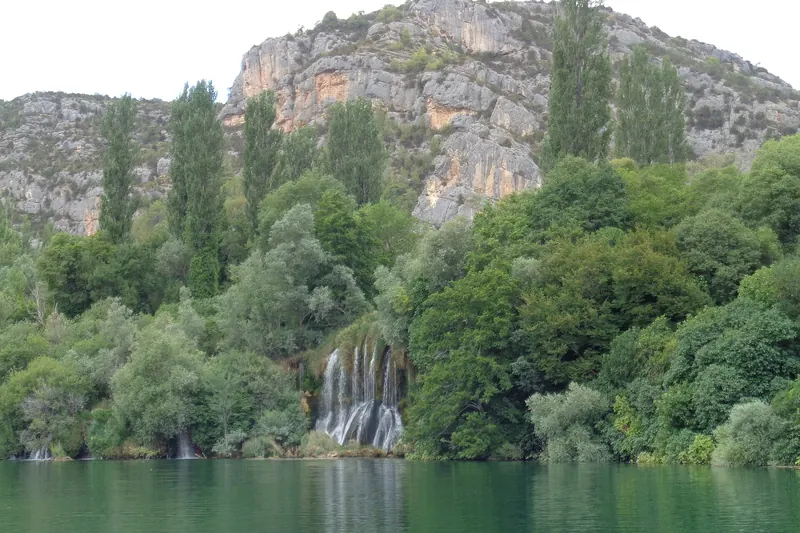
  4. Roški Slap waterfall at Krka National Park

    Roški Slap

    A broader, quieter waterfall area further upstream, with far fewer visitors than Skradinski Buk.

    Tip Worth the extra effort to reach if you'd like a calmer alternative to the main falls.

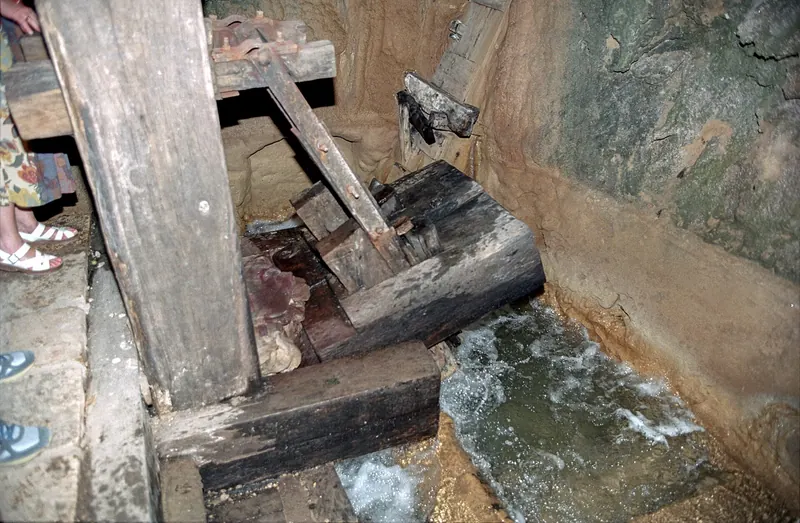
  5. A historic watermill at Krka National Park

    The park's historic watermills

    A real piece of local history, restored mills that once ground grain using the river's power.

    Tip Look for the small ethnographic displays inside some of the restored mill buildings.

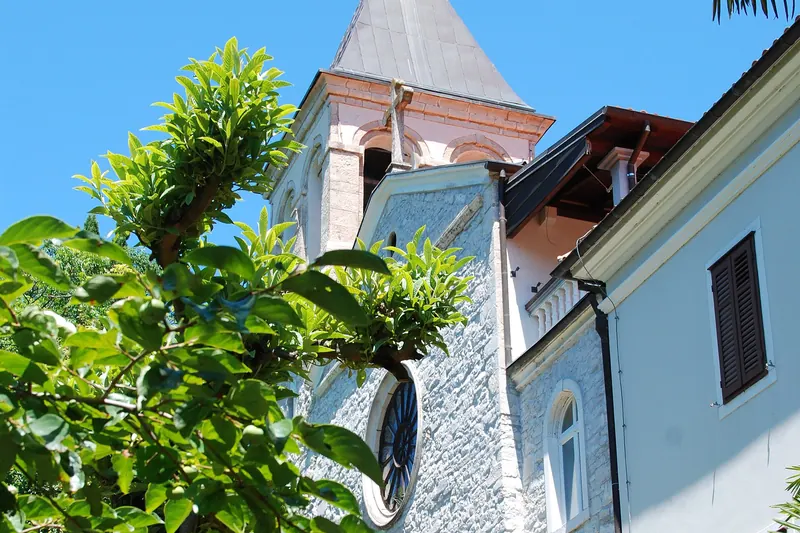
  6. The church tower at Visovac Island Monastery

    Visovac's monastery church

    A peaceful, still-active place of worship, its bell tower visible from the boat long before arrival.

    Tip Dress modestly, as this remains an active religious site.

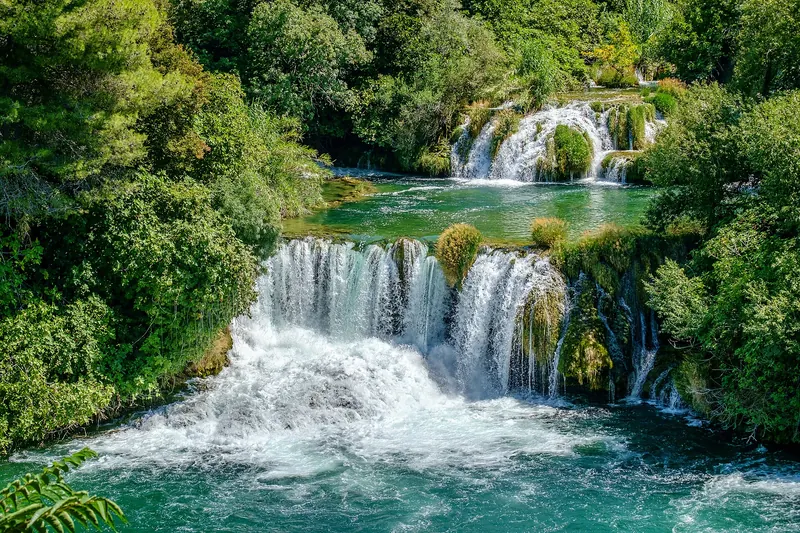
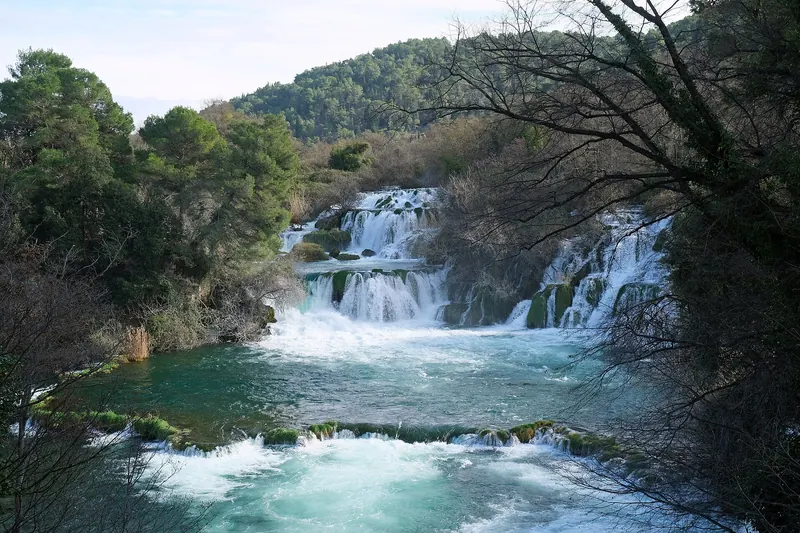
  7. Cascading travertine pools at Skradinski Buk

    Skradinski Buk's cascading pools

    A striking natural formation, dozens of small pools stepping down through travertine barriers.

    Tip Photograph from multiple boardwalk viewpoints for the most dramatic angles.

Things to do

Best things to do in Krka National Park

Krka rewards a full day, built around its boardwalks and a boat trip to the monastery island.

  1. Walking the boardwalks at Skradinski Buk

    Walk the boardwalks around Skradinski Buk

    An essential first stop, following wooden paths directly beside the park's widest, most dramatic falls.

    Tip Wear non-slip shoes — the boardwalks can be damp near the falls.

  2. Boating to Visovac Island at Krka National Park

    Take a boat to Visovac Island

    A lovely, calm interlude, gliding upriver to the tiny monastery island.

    Tip Check whether the boat trip is included in your ticket or needs booking separately.

  3. Roški Slap, a quieter waterfall area at Krka

    Visit Roški Slap, a quieter waterfall

    A worthwhile detour for a calmer experience, a broader falls area with far fewer visitors than Skradinski Buk.

    Tip Check the park shuttle schedule if you're not driving between the two areas yourself.

  4. Exploring a historic watermill at Krka National Park

    Explore the park's historic watermills

    An interesting cultural stop, restored mills showing how the river once powered daily life.

    Tip A nice change of pace between longer stretches of walking.

  5. Photographing the cascading pools at Skradinski Buk

    Photograph Skradinski Buk's cascading pools

    A rewarding pursuit, the layered travertine pools photographing beautifully from multiple boardwalk angles.

    Tip Visit after rainfall for the falls at their fullest, most dramatic flow.

  6. Learn about the park's ethnographic heritage

    A worthwhile stop for context, small exhibits showing traditional Dalmatian rural life along the river.

    Tip Look for information panels near the restored mill buildings.

Local food

What to eat in Krka National Park

Food near the park means classic Dalmatian hinterland cooking, with one distinctive local risotto worth seeking out.

  • Skradinski rižot (Skradin risotto)

    A distinctive local specialty from the nearby town of Skradin, a slow-cooked beef risotto unlike the coast's seafood versions.

    Where to try it Traditional restaurants in Skradin, the park's main gateway town.

  • Grilled seafood at a traditional Croatian restaurant

    Fresh grilled seafood

    A highlight given the park's proximity to the coast, fish and shellfish grilled simply nearby.

    Where to try it Restaurants in Skradin and along the coast near the park.

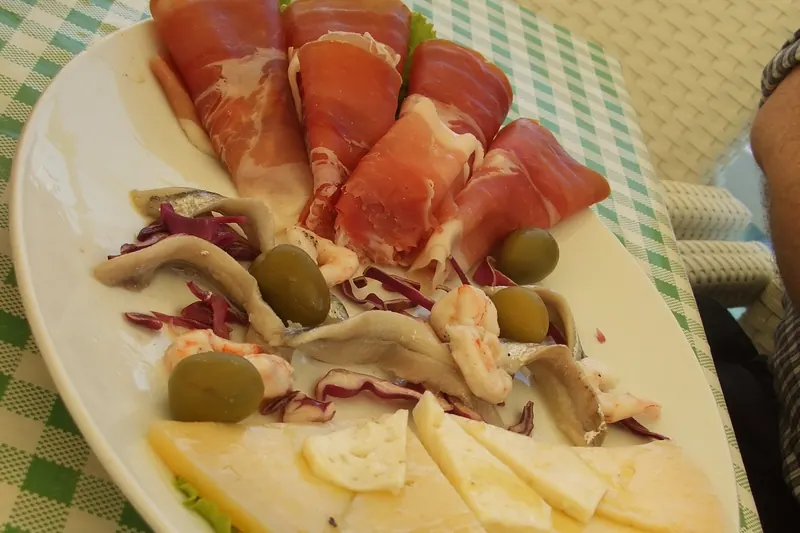
  • Dalmatinski pršut, Croatia's dry-cured ham

    Dalmatinski pršut (dry-cured ham)

    A reliable starter, often served with local cheese and olives.

    Where to try it Restaurants near the park's entrances.

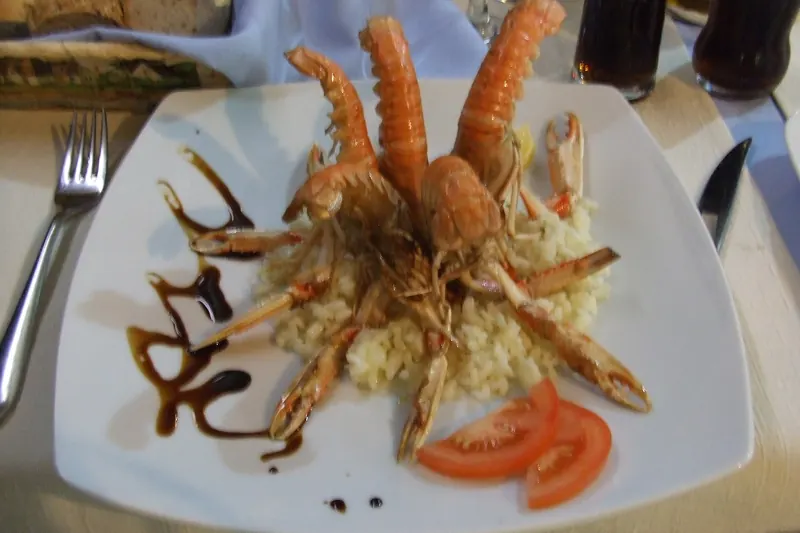
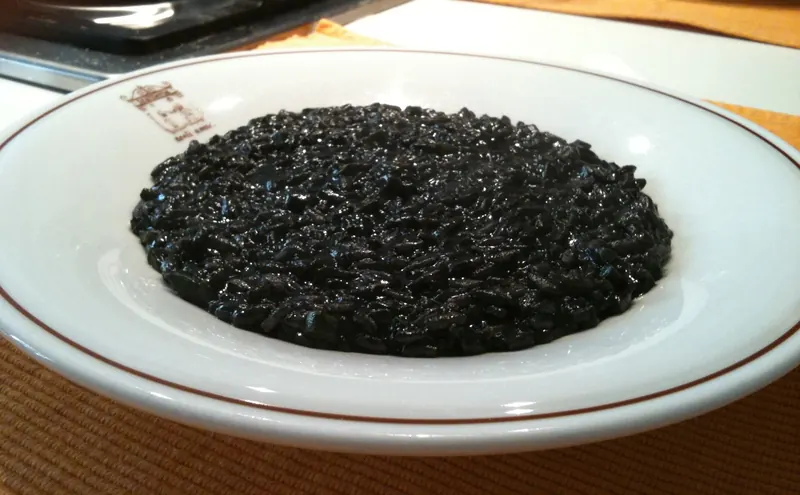
  • Black risotto made with cuttlefish ink

    Crni rižot (black risotto)

    A Dalmatian classic, widely available at restaurants near the park.

    Where to try it Restaurants in Skradin and along the nearby coast.

  • Croatian wine

    A reasonable selection available at most restaurants near the park, from both Dalmatian and continental regions.

    Where to try it Restaurants near the park's entrances.

  • Fritule, small Croatian fried doughnuts

    Fritule (small fried doughnuts)

    A nice sweet treat after a day of walking, found at cafés near the park.

    Where to try it Cafés in Skradin near the park entrance.

Accommodation

Where to stay in Krka National Park

Most visitors see Krka as a day trip from the coast, though Skradin makes a pleasant, low-key overnight base.

  • Skradin

    A small, pretty riverside town with guesthouses and restaurants.

    Best for: Being right at the park's main entrance

  • Split, Zadar or Šibenik

    All three make Krka an easy day trip while offering far more accommodation choice.

    Best for: A more convenient base if combining Krka with a wider coastal trip

What a night costs

Budget guesthouse in Skradin
€60–100 per night
Mid-range hotel near the coast
€110–220 per night
Park entry ticket
About €20–40, varies by season
Lunch near the park
About €18–35 per person

Transport

Getting to and around Krka National Park

Krka National Park is one of the easiest national parks to reach from the Dalmatian coast.

Getting there

  • Car or organised day trip from Split

    The most common route, taking about an hour each way.

    Widely available as a guided day trip if you'd rather not drive.

  • Car or day trip from Zadar

    Similarly convenient, around an hour by road.

    A popular add-on for those based in or passing through Zadar.

  • Boat trip from Skradin

    A scenic way to enter the park directly from the river.

    Boats run from Skradin town to the Skradinski Buk entrance.

Getting around

Getting around the park means walking the boardwalks, with a boat covering the river sections.

  • On foot along the boardwalks

    The way to see Skradinski Buk itself.

    A marked loop covers the main falls area in about an hour or two.

  • Park boat to Visovac and Roški Slap

    The only way to reach the monastery island and the upper falls.

    Included with certain ticket types, or bookable separately at the dock.

  • Shuttle bus between park areas

    Useful for covering the distance between Skradinski Buk and Roški Slap.

    Runs on a schedule during the main visitor season.

When to go

Best time to visit Krka National Park

Krka is at its best outside the peak midsummer crowds, when the falls are fuller and the boardwalks less busy.

  • Late spring (May–June)

    Best time

    Lush, with waterfalls at their fullest after spring rain.

  • Summer (July–August)

    Good

    The busiest season, with the boardwalks crowded at peak midday hours.

  • Autumn (September–October)

    Best time

    Comfortable temperatures with noticeably thinner crowds than summer.

  • Winter (November–March)

    Good

    Quiet, with some park facilities and boat services reduced for the season.

Worth planning around: Peak midday hours in July and August, when the Skradinski Buk boardwalks get most crowded.

Itinerary

One day at Krka National Park

A single full day covering Skradinski Buk and a boat trip to Visovac Island.

  1. Day1

    Skradinski Buk and Visovac Island

    A full day of waterfalls and a monastery island.

    • Morning Walk the boardwalks around Skradinski Buk.
    • Afternoon Take the boat to Visovac Island Monastery.
    • Evening Dinner in Skradin before returning to the coast.

Travel tips

Krka National Park travel tips

Practical notes that make a Krka National Park visit noticeably smoother.

  • Book park entry tickets online ahead in peak season.
  • Note that swimming at Skradinski Buk has been prohibited since 2021 to protect the ecosystem, despite older photos and guides suggesting otherwise.
  • Wear non-slip shoes — boardwalks get damp and slippery near the falls.
  • Start early to see Skradinski Buk before the day's crowds build.
  • Check whether the Visovac Island boat trip is included in your ticket type.
  • Bring water and snacks — options inside the park itself are limited.

FAQ

Krka National Park: frequently asked questions

Can you swim at Krka National Park?

No, not anymore — swimming at Skradinski Buk has been prohibited since 2021 to protect the travertine formations, despite this once being one of the park's most famous features.

How does Krka compare to Plitvice Lakes?

Similar in style, with waterfalls and boardwalks, though Krka is noticeably closer to the coast and sees fewer visitors.

How many days do you need at Krka?

One full day covers Skradinski Buk and a boat trip to Visovac Island comfortably.

Is Krka worth visiting from Split or Zadar?

Yes — it's about an hour from either city, an easy and rewarding day trip.

Do you need to book the boat to Visovac Island ahead?

It's worth checking — some ticket types include it, while others require a separate booking at the dock.

Is Krka busy in summer?

Skradinski Buk gets crowded at midday in July and August; arriving early or visiting Roški Slap instead both help avoid the worst of it.

Read next

Related travel articles

Where to go

Beyond the Big Names: Places Worth the Detour

The most visited place in a country is rarely its best, and it is almost never its best value. This is a method for finding the destinations that do not make the postcards — and a set of examples from five of the 50 countries on this site.

Heritage

UNESCO Sites Worth Planning a Trip Around

A UNESCO listing tells you a place matters; it does not tell you whether it is worth two days and a detour. This is how to read the list usefully — and which sites reward building a trip around them.

Advertisement