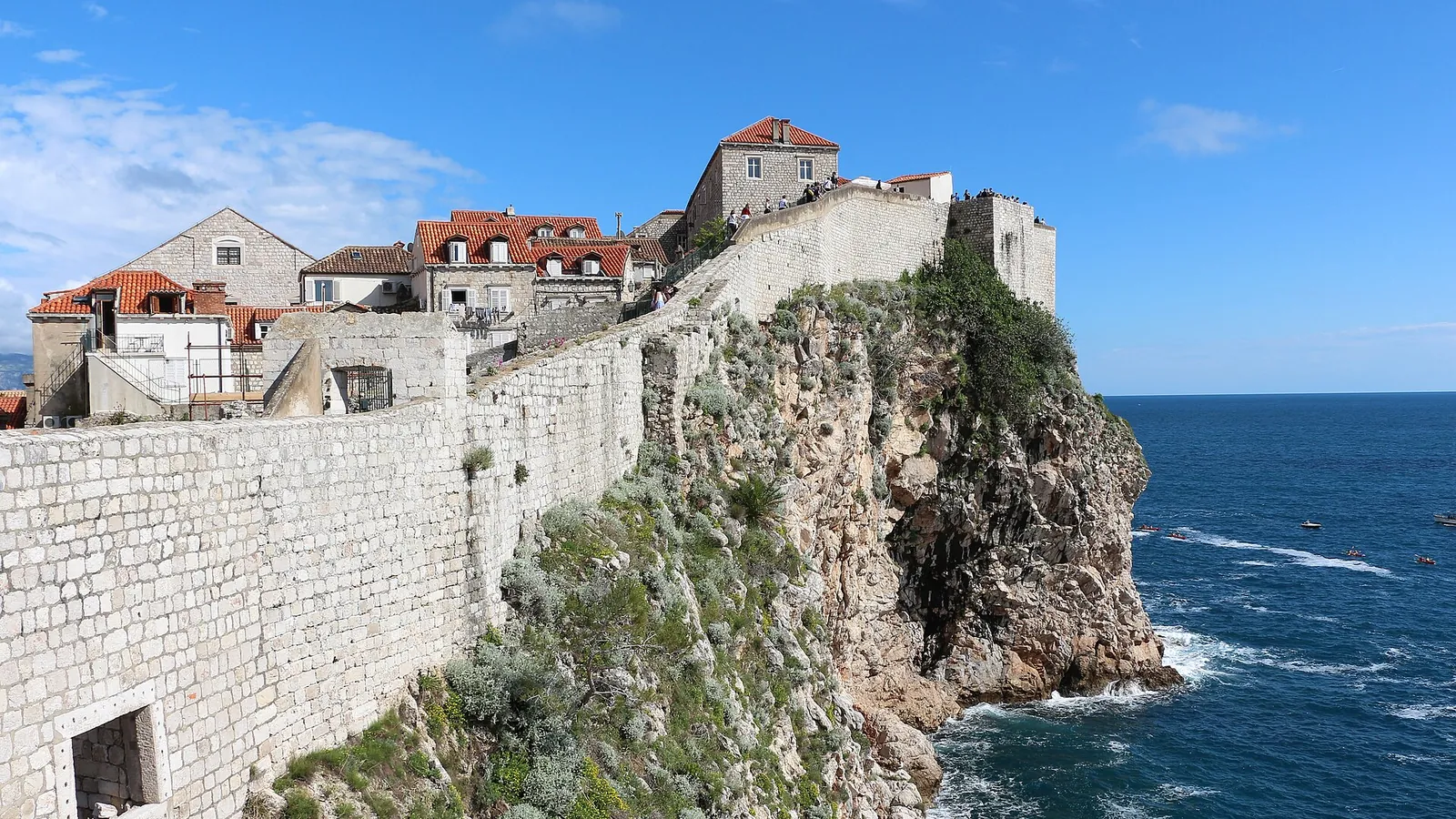
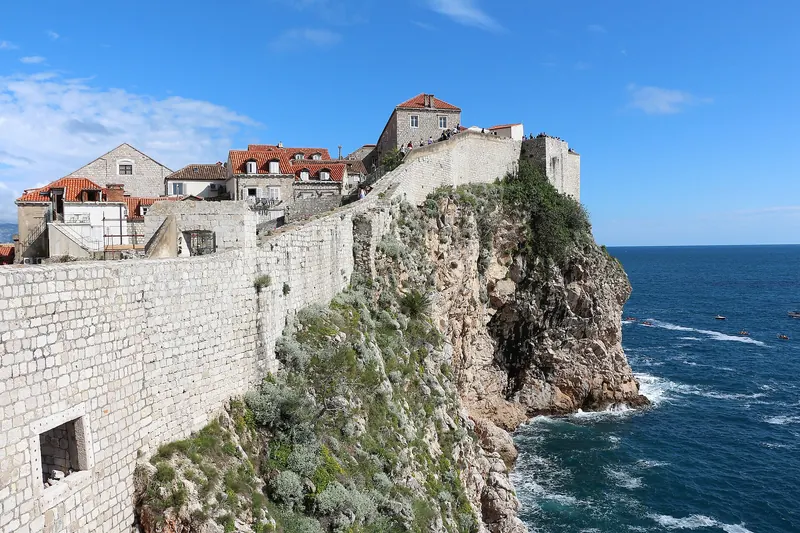


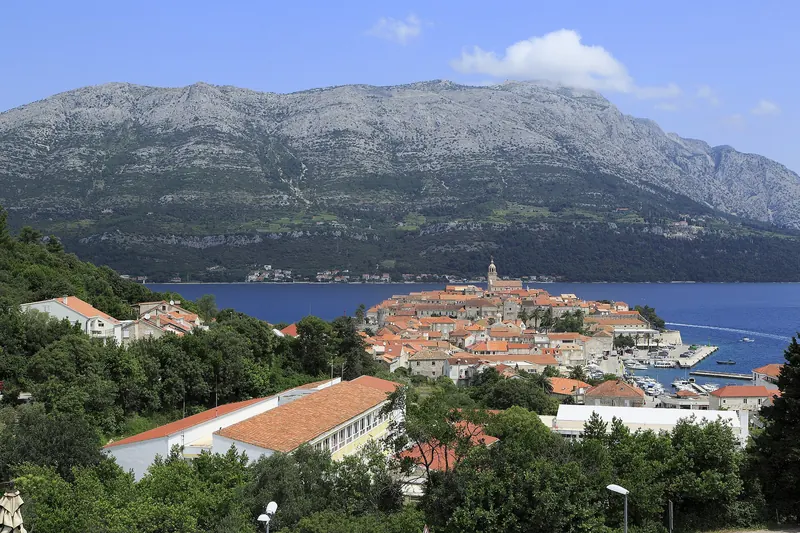
Dubrovnik's medieval city walls above the Adriatic

Dalmatia · Croatia

Dubrovnik

The Adriatic's most complete medieval walled city, marble streets and baroque churches still enclosed by nearly two kilometres of fortifications.

  • Best time May, June and September for warm weather without peak-summer crowds
  • Stay 3-4 days
  • Good for History, architecture, romance

Photo: Bernard Gagnon · CC BY-SA 4.0

Welcome to Dubrovnik

Dubrovnik is the Adriatic's most complete medieval walled city, its Old Town still fully enclosed by nearly two kilometres of intact 16th-century fortifications.

Inside those walls, marble-paved Stradun runs the length of a townscape of baroque churches, monasteries and palaces, almost entirely rebuilt after a devastating 1667 earthquake in remarkably unified style.

It's a city that rewards patience with its crowds — arriving early, staying late, or timing a visit outside cruise-ship hours all transform the experience.

  • Historic Site
  • UNESCO Site
  • Coast & Beaches
  • Romantic

Why visit

Why visit Dubrovnik?

Dubrovnik's case rests on being one of the best-preserved fortified cities anywhere in the world.

  • The City Walls are a singular experience

    Nearly two kilometres of intact fortifications, walkable in their entirety.

  • The Old Town is remarkably unified

    Rebuilt after a 1667 earthquake in consistent baroque style, marble streets and all.

  • The setting is dramatic

    A walled city rising straight from the Adriatic, backed by Mount Srđ.

  • It's an easy gateway to the islands

    Ferries connect Lokrum, the Elaphiti Islands and further afield straight from the Old Town harbour.

  • It works well outside peak crowds

    Early mornings, evenings and shoulder-season visits reveal a much quieter, more atmospheric city.

Main attractions

Top things to see in Dubrovnik

Dubrovnik's essential sights are concentrated within and immediately around its walled Old Town.

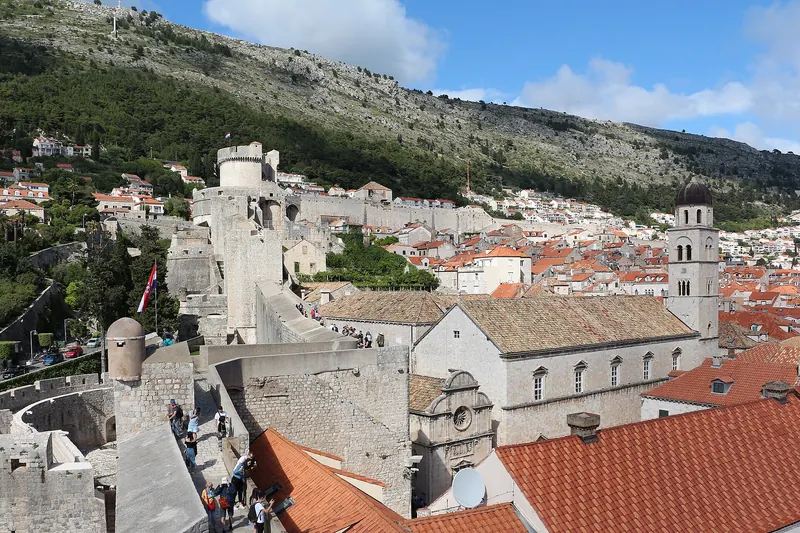
  1. Dubrovnik's medieval city walls

    The City Walls

    The city's defining feature, nearly two kilometres of intact medieval and Renaissance fortifications encircling the entire Old Town.

    Tip Walk the full circuit early morning, both for the light and to beat the worst of the crowds and heat.

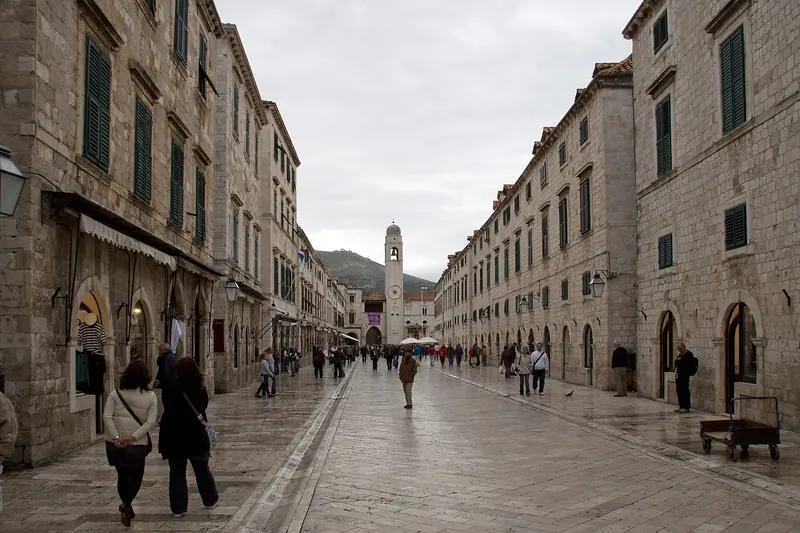
  2. Stradun, Dubrovnik's marble-paved main street

    Stradun

    The Old Town's spine, a marble-paved promenade running the full length of the walled city.

    Tip Visit in the early evening for the classic Dubrovnik ritual of a slow walk and gelato.

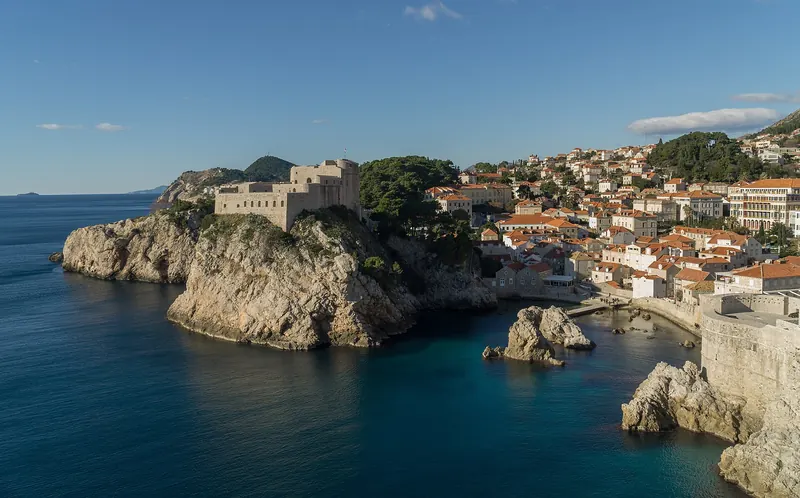
  3. Fort Lovrijenac overlooking Dubrovnik

    Fort Lovrijenac

    A dramatic standalone fortress on a cliff just outside the walls, built to guard the city's western approach.

    Tip Climb up for one of the best views back over the Old Town's rooftops and walls.

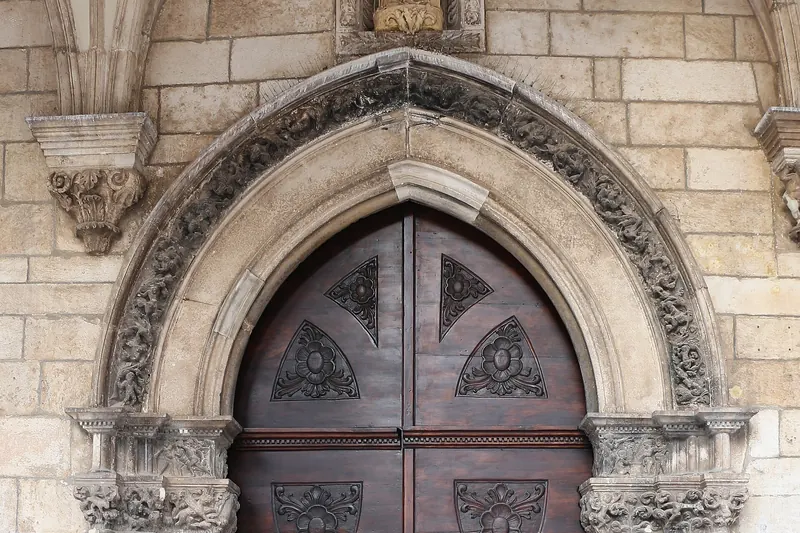
  4. The Rector's Palace in Dubrovnik

    The Rector's Palace

    The former seat of the Republic of Ragusa's government, a Gothic-Renaissance palace now housing the city museum.

    Tip A cool, quiet escape from the heat and crowds of Stradun outside.

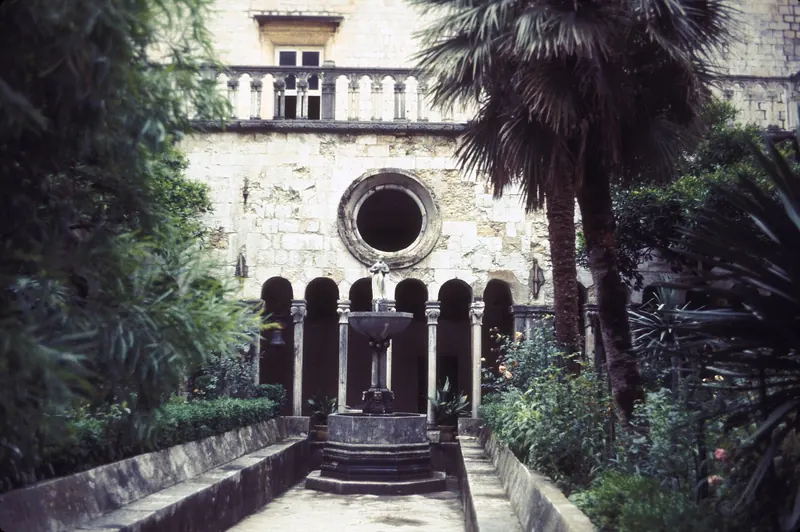
  5. The cloister of the Franciscan Monastery in Dubrovnik

    The Franciscan Monastery

    Home to one of the oldest continuously operating pharmacies in Europe, alongside a beautiful Romanesque cloister.

    Tip Don't miss the small museum's collection of historic pharmaceutical equipment.

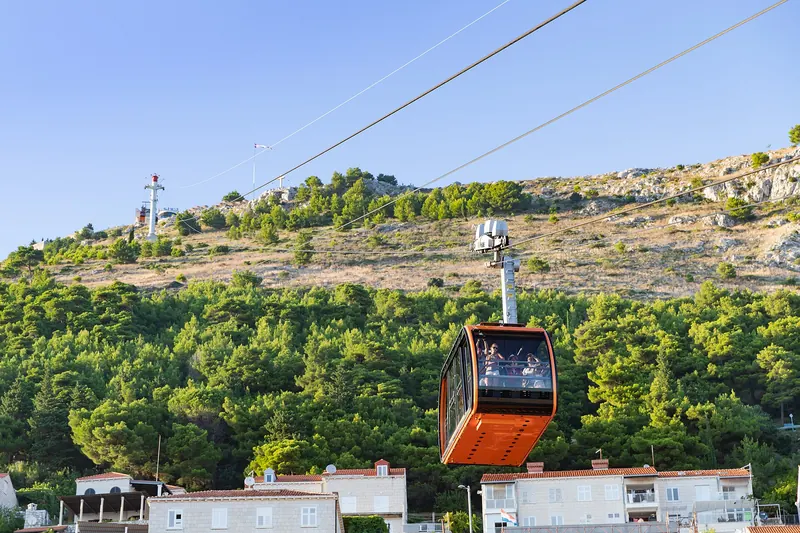
  6. The cable car climbing Mount Srđ above Dubrovnik

    The Srđ Cable Car

    The easiest way up Mount Srđ, whisking visitors from the Old Town's edge to a panoramic viewpoint in minutes.

    Tip Go for sunset — the view over the walled city and islands is spectacular.

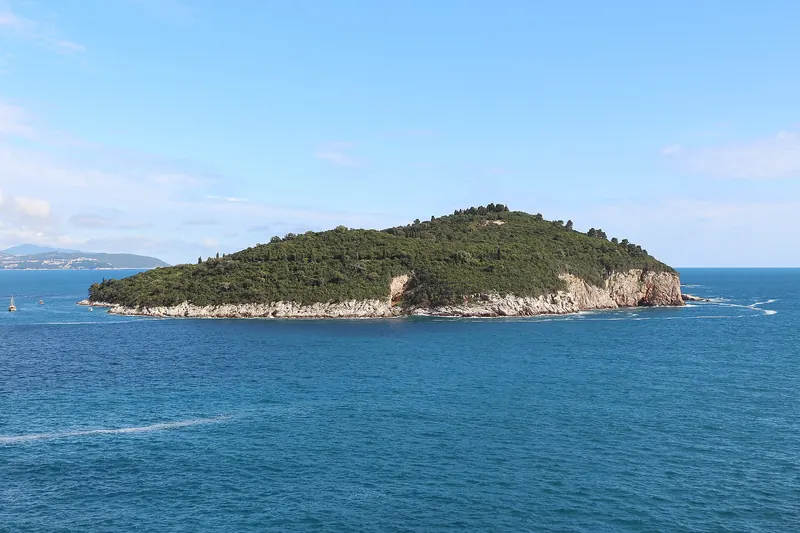
  7. Lokrum Island near Dubrovnik

    Lokrum Island

    A wooded island retreat a short boat ride from the Old Town, with a botanical garden and rocky swimming spots.

    Tip A lovely half-day escape from the Old Town's heat and crowds.

Things to do

Best things to do in Dubrovnik

Dubrovnik rewards both essential sightseeing and simply slowing down between the walls and the sea.

  1. Walking Dubrovnik's medieval city walls

    Walk the full circuit of the City Walls

    An essential Dubrovnik experience, circling the entire Old Town with views over rooftops and sea alike.

    Tip Allow at least 1.5 to 2 hours at an unhurried pace, with stops for photos.

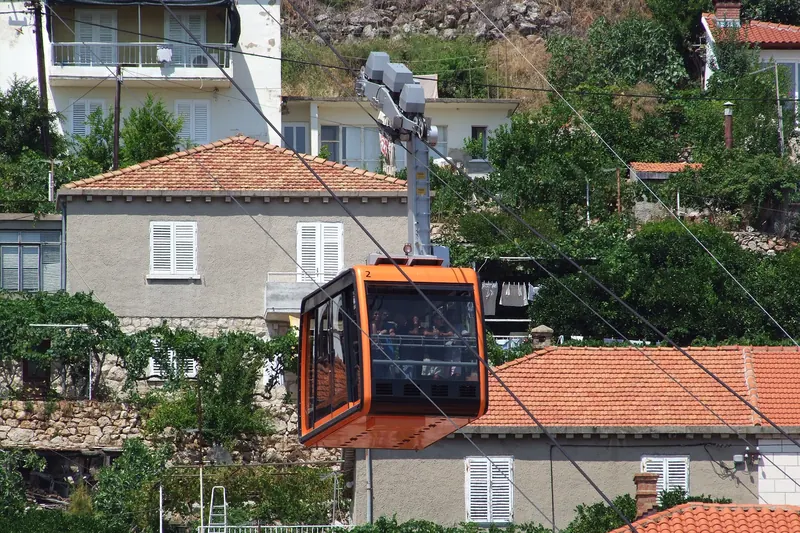
  2. The cable car up Srđ Hill above Dubrovnik

    Ride the cable car up Srđ Hill

    A quick, rewarding trip, trading the Old Town's narrow streets for a sweeping panoramic view.

    Tip Book tickets online ahead in peak season to skip the queue.

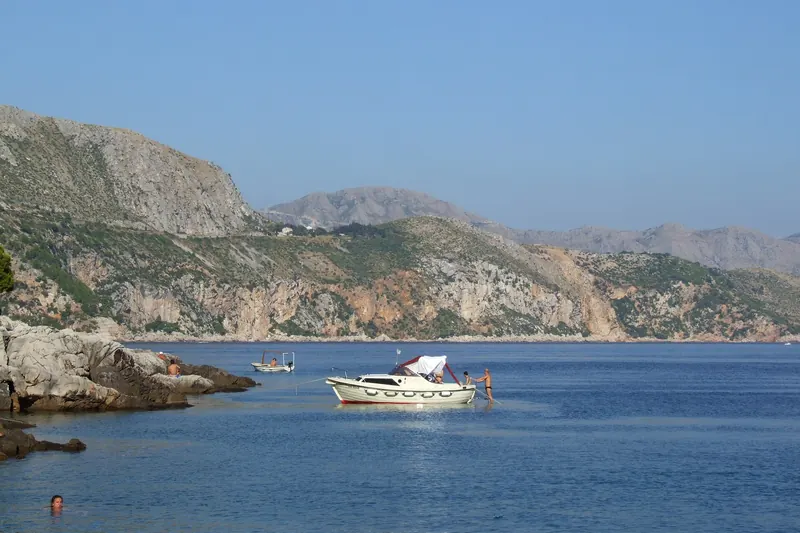
  3. Boats departing for Lokrum Island from Dubrovnik

    Take a boat to Lokrum Island

    An easy half-day escape, a short ferry ride to a quiet, wooded island with a botanical garden.

    Tip Bring water shoes — Lokrum's swimming spots are mostly rocky rather than sandy.

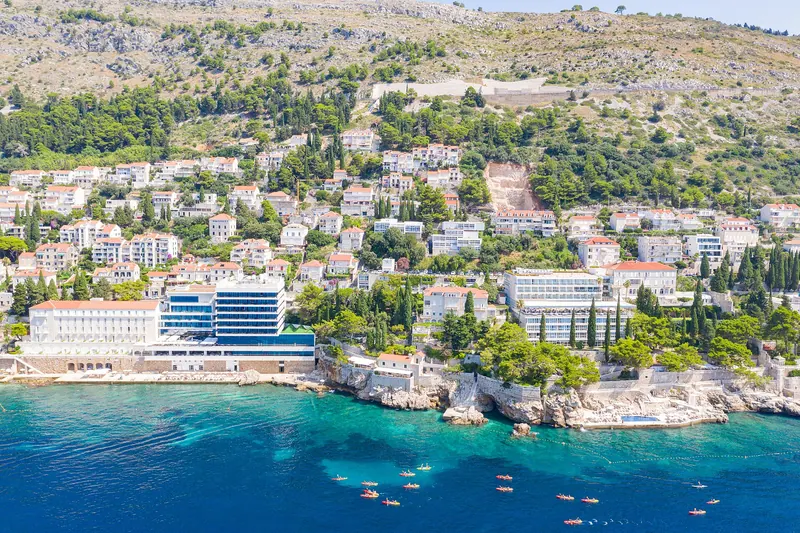
  4. Kayaking along Dubrovnik's sea walls

    Kayak along the Old Town's sea walls

    A unique perspective, paddling right beneath the fortifications from the water side.

    Tip Book a guided sunset tour for the best light over the walls.

  5. Stradun at golden hour in Dubrovnik

    Wander Stradun at golden hour

    A lovely ritual, the marble street glowing warm as the day's heat and crowds finally ease off.

    Tip A nice time for people-watching from a Stradun café terrace.

  6. The cloister of the Franciscan Monastery in Dubrovnik

    Explore the Franciscan Monastery's cloister

    A peaceful stop, a Romanesque cloister and historic pharmacy tucked just off the busy Stradun.

    Tip A good midday escape from the heat and crowds outside.

Local food

What to eat in Dubrovnik

Dubrovnik's food centres on fresh Adriatic seafood and classic Dalmatian cooking.

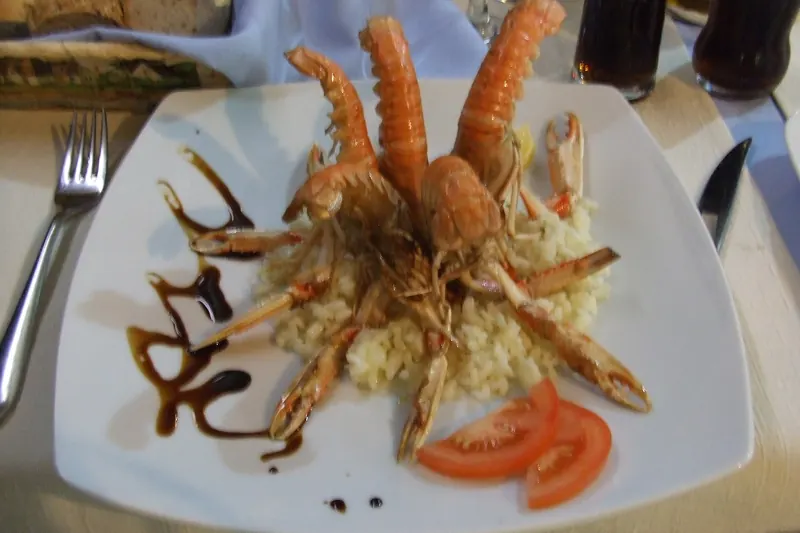
  • Grilled seafood at a traditional Croatian restaurant

    Fresh grilled seafood

    A highlight of dining here, fish and shellfish grilled simply at restaurants throughout the Old Town.

    Where to try it Konobas and seafood restaurants throughout the Old Town.

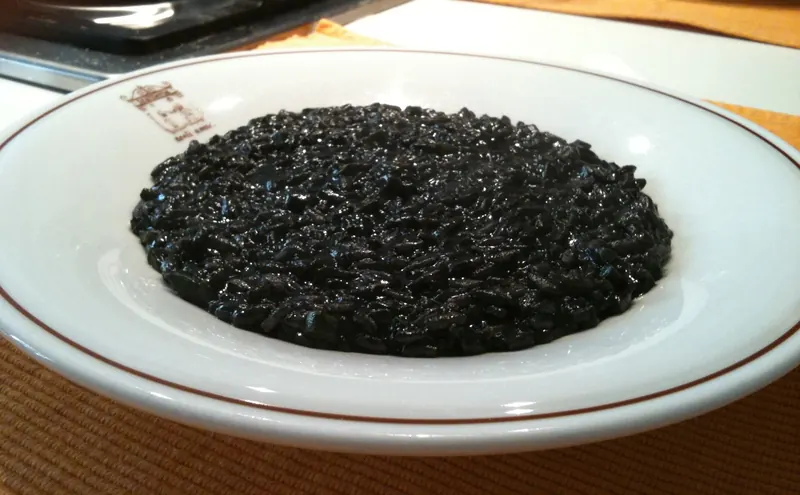
  • Black risotto made with cuttlefish ink

    Crni rižot (black risotto)

    A Dalmatian classic, worth trying at least once during a Dubrovnik visit.

    Where to try it Seafood restaurants throughout the Old Town.

  • Dalmatinski pršut, Croatia's dry-cured ham

    Dalmatinski pršut (dry-cured ham)

    A reliable starter, often served simply with local cheese and olives.

    Where to try it Restaurants and konobas throughout the Old Town.

  • Peka (slow-cooked under a bell)

    Worth ordering ahead, meat or seafood slow-cooked with vegetables under embers for hours.

    Where to try it Traditional konobas, especially outside the busiest tourist streets.

  • Pelješac Peninsula wine

    Worth seeking out, bold red wines from the peninsula just up the coast from Dubrovnik.

    Where to try it Wine bars throughout the Old Town.

  • Fritule, small Croatian fried doughnuts

    Fritule (small fried doughnuts)

    A nice sweet treat, found at bakeries and market stalls around the Old Town.

    Where to try it Bakeries throughout the Old Town.

Accommodation

Where to stay in Dubrovnik

Dubrovnik offers everything from budget guesthouses to luxury hotels, with location making a real difference to the experience.

  • Inside the Old Town walls

    The most atmospheric base, though also the priciest and busiest during the day.

    Best for: Being immersed in the historic atmosphere, day and night

  • Lapad or Babin Kuk

    A short bus ride from the Old Town, with a more residential, relaxed feel.

    Best for: A better-value stay with easy beach access

What a night costs

Budget guesthouse
€60–110 per night
Mid-range hotel
€150–280 per night
City Walls entry
About €35
Dinner at a mid-range restaurant
About €30–55 per person

Transport

Getting to and around Dubrovnik

Dubrovnik is well connected by direct flights, with ferries linking it to the wider Dalmatian coast.

Getting there

  • Direct international flights

    Available from many European cities, especially in summer.

    Dubrovnik Airport sits about 20 minutes from the Old Town.

  • Domestic flight from Zagreb

    The fastest way to connect from the capital.

    Takes under an hour, versus most of a day by road.

  • Ferry or coastal bus from Split

    A scenic overland or sea option.

    Buses take around four to five hours; ferries run less frequently but offer spectacular coastal views.

Getting around

Dubrovnik's car-free Old Town is entirely walkable, with buses covering the wider city.

  • On foot

    The only way to explore the Old Town itself.

    No cars are permitted inside the walls.

  • Local buses

    Useful for reaching Lapad, Babin Kuk or the airport.

    A frequent, inexpensive network connects the Old Town to the wider city.

  • Cable car

    The easiest way up Mount Srđ.

    Departs from just outside the Old Town's Ploče Gate.

When to go

Best time to visit Dubrovnik

Dubrovnik is at its most crowded and expensive in July and August, with shoulder months offering a far better balance.

  • Late spring (May–June)

    Best time

    Warm enough to swim, with noticeably thinner crowds than peak summer.

  • Summer (July–August)

    Good

    Hot and lively, though the Old Town gets packed, especially on cruise-ship days.

  • Early autumn (September)

    Best time

    Still warm enough for the sea, with crowds and prices both easing off.

  • Winter (November–March)

    Good

    Quiet and atmospheric, though many restaurants and attractions reduce their hours.

Worth planning around: July and August's peak crowds and prices, if your dates are flexible.

Itinerary

Three days in Dubrovnik

Built around the City Walls, the wider Old Town, and a slower day exploring beyond the walls.

  1. Day1

    Stradun and the Old Town

    An introduction to the walled city.

    • Morning Arrive and settle in near the Old Town.
    • Afternoon Wander Stradun, the Rector's Palace and the Franciscan Monastery.
    • Evening Dinner with a view of the floodlit walls.
  2. Day2

    The City Walls and Fort Lovrijenac

    The full walls circuit and a viewpoint fortress.

    • Morning Walk the full circuit of the City Walls, starting early.
    • Afternoon Fort Lovrijenac and its views over the Old Town.
    • Evening Sunset from the Srđ cable car.
  3. Day3

    Lokrum Island

    A slower day on the water.

    • Morning Boat to Lokrum Island.
    • Afternoon Swim and explore the island's botanical garden.
    • Evening A final Dalmatian dinner in the Old Town.

Travel tips

Dubrovnik travel tips

Practical notes that make a Dubrovnik visit noticeably smoother.

  • Book City Walls tickets online ahead to skip the entrance queue.
  • Walk the walls first thing in the morning to beat both heat and crowds.
  • Check the cruise ship schedule — some days bring far heavier Old Town crowds than others.
  • Wear comfortable, grippy shoes — the Old Town's marble streets get slippery when wet.
  • Book accommodation well ahead for a July or August visit.
  • Escape to Lokrum or Lapad's beaches when the Old Town feels overwhelming.

FAQ

Dubrovnik: frequently asked questions

How many days do you need in Dubrovnik?

Three to four days allows time for the walls, the wider Old Town and a boat trip to Lokrum without rushing.

Is Dubrovnik worth visiting despite the crowds?

Yes — visiting the walls early morning and checking the cruise ship schedule both help enormously.

Are the City Walls worth the entry fee?

Yes — it's widely considered one of Europe's best walking experiences, with views found nowhere else in the city.

How do you get from Dubrovnik Airport to the Old Town?

By airport shuttle bus or taxi, taking about 20 to 30 minutes.

Can you swim in Dubrovnik?

Yes — rocky beaches line the Old Town's edge, with Lokrum Island and Lapad's beaches both popular alternatives.

Can you day-trip to the islands from Dubrovnik?

Yes, easily — Lokrum is a short boat ride, and the Elaphiti Islands make a popular full-day trip.

Read next

Related travel articles

Where to go

Choosing a Mediterranean Coast

The Mediterranean coasts in this guide are not interchangeable. Some have sand and some have rock; some are glamorous and some are cheap; two of them are effectively closed for half the year. This is a comparison by the things that decide whether a coastal week works — swimming, crowds, cost, transport and what there is to do when you get out of the water.

Heritage

UNESCO Sites Worth Planning a Trip Around

A UNESCO listing tells you a place matters; it does not tell you whether it is worth two days and a detour. This is how to read the list usefully — and which sites reward building a trip around them.

Advertisement