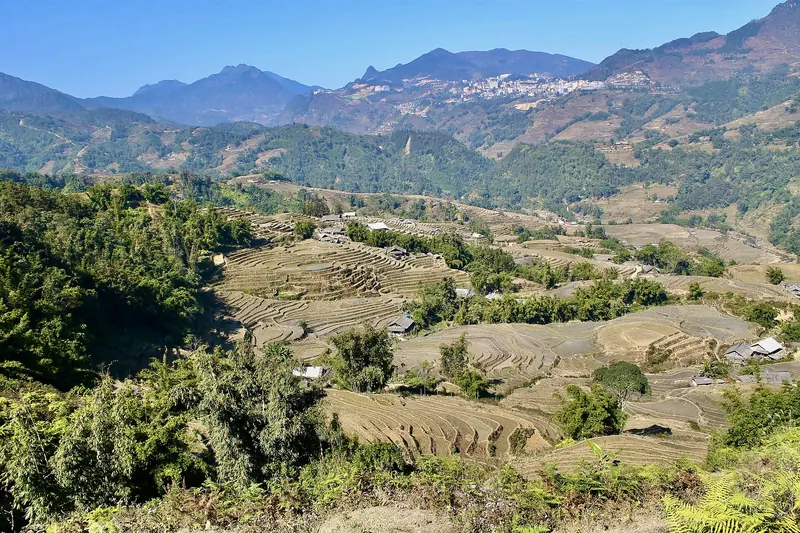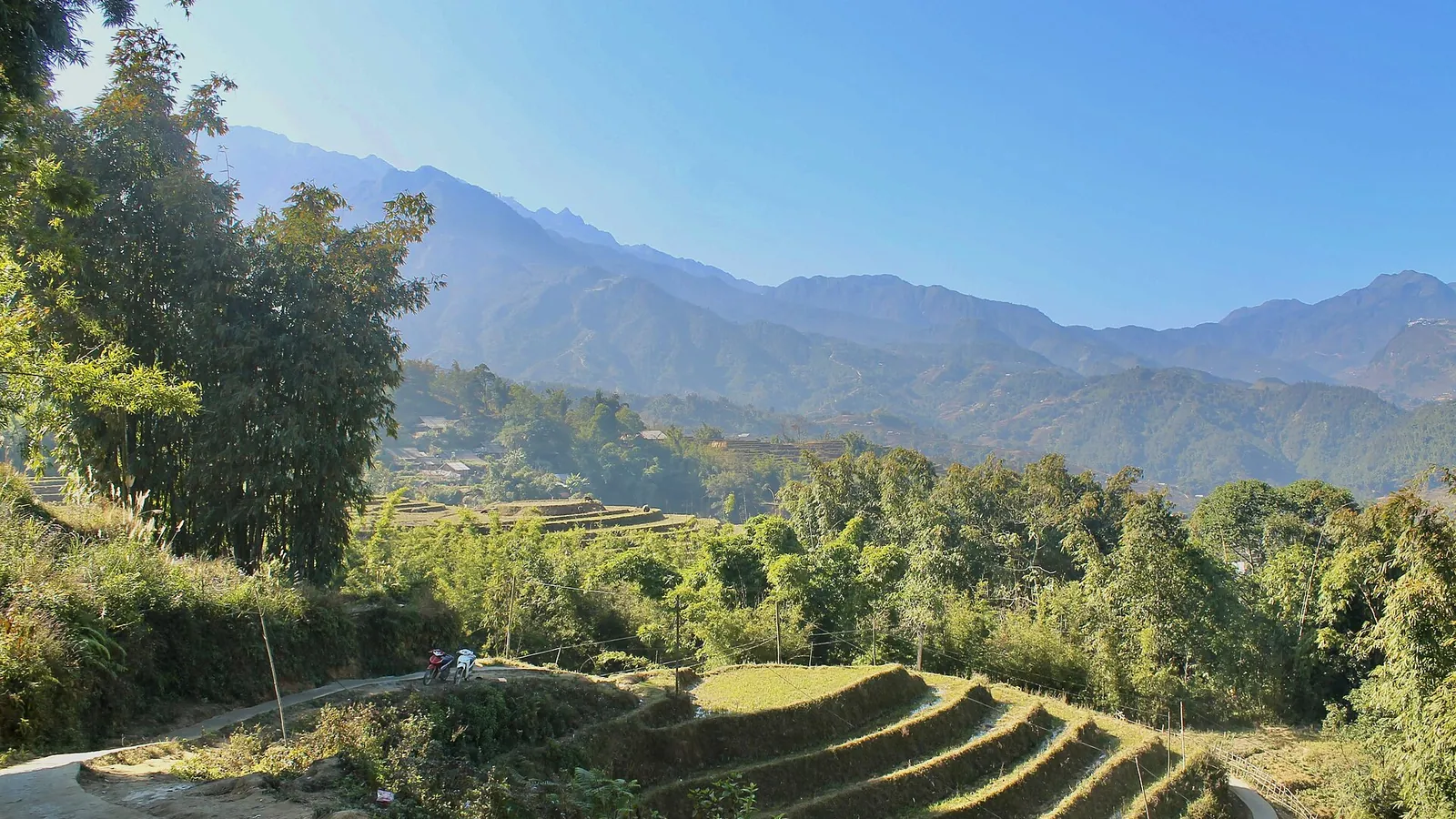
Terraced rice fields stepping down a mountainside in northern Vietnam

Vietnam · Travel guide

The Complete Vietnam Travel Guide

How the country divides, how to choose between the ten destinations, how to cover a long, narrow country, and what two weeks can realistically hold.

  • Reading time 13 min read
  • Covers 10 destinations
  • Updated 2026

Photo: Eerin25 · CC0

Vietnam is 1,650 km from top to bottom, with three distinct regions, each with its own food, climate and character. This guide covers how the regions divide, how to choose between the ten destinations, how to move around, when to go, what it costs and three routes that work.

How Vietnam divides

Vietnam is shaped like a long S, and the country splits into three regions, each with a different history, climate and cuisine.

The north. Hanoi is the capital and a city of lakes, temples and French colonial villas. Around it are the limestone seascape of Ha Long Bay, the river landscapes of Ninh Binh and the mountain terraces of Sapa.

The centre. Hue was the imperial capital, and Hoi An is a former trading port on the coast. Inland, Phong Nha has vast caves and jungle.

The south. Ho Chi Minh City, still often called Saigon, is the largest city and commercial centre. South of it, the Mekong Delta is a maze of rivers and orchards, and Phu Quoc is the main beach island.

Not covered. The Central Highlands around Da Lat, the beaches of Nha Trang and Mui Ne, and the Ha Giang Loop in the far north are also popular, and easy to add if you have more time.

Worth knowing: Most first trips run north to south across all three regions, using two or three domestic flights to save time.

Choosing between the ten destinations

Moving around a long, narrow country

Vietnam's shape means that long journeys are the norm. Hanoi to Ho Chi Minh City is about 1,700 km by road, roughly 30 hours by train and two hours by air.

Flights. Cheap and frequent, and by far the best option for the long hops. Vietjet, Vietnam Airlines and others fly between all the main cities.

Trains. The Reunification Express runs the whole length of the country, with sleepers and seats. The Hue to Da Nang section has spectacular coastal views.

Buses. Sleeper buses and limousine vans are cheap and frequent for shorter distances, such as Hanoi to Ninh Binh or Sapa.

Local transport. Grab is the easiest way to get around cities, and covers cars and motorbike taxis. In Hoi An and Hue, bicycles are a delight.

Worth knowing: Traffic in Hanoi and Ho Chi Minh City is intense, and crossing the road takes practice. Walk slowly and steadily.

When to go

Vietnam's climate is complicated, and there is no single best month. Aim for the dry season in the regions you plan to visit most.

The north is best from October to April, with clear, golden days in autumn and misty, cool weather in winter. Summer is hot and rainy.

The centre is driest from February to August. Typhoons and floods hit from around October to December, and it can be wet and cool in winter.

The south is best from December to April, with dry, sunny weather. The wet season from May to October brings afternoon storms, though it can be pleasant.

Phu Quoc and the southern islands are at their best from November to April.

Worth knowing: Tet, the Lunar New Year, usually falls in late January or February, and the whole country slows down for several days.

Money, costs and safety

Vietnam is one of the best-value countries in Asia. A bowl of pho costs US$1–3, a good restaurant meal US$5–15, a comfortable hotel US$30–80 and a private car with driver about US$60–100 per day.

Ha Long Bay cruises range from about US$100 to US$400 per person for an overnight trip. Domestic flights are often under US$50.

Carry cash, since many street vendors and small shops do not take cards. ATMs are plentiful, but withdrawal limits are low and fees apply.

Safety is good, but bag-snatching from motorbikes and overcharging are real problems in big cities. Keep bags on the side away from the road, and use Grab.

Three routes that work

  1. One week: the north

    Three nights in Hanoi, a night on Ha Long Bay and two in Ninh Binh. It uses buses or trains, with no internal flights.

    Tip Fly in and out of Hanoi to avoid backtracking.

  2. Ten days: Hanoi to Hoi An

    Hanoi, Ha Long Bay, Hue and Hoi An, with one internal flight and a scenic drive over the Hai Van Pass.

    Tip Fly Hanoi to Hue, and out of Da Nang.

  3. Two weeks: north to south

    The itinerary on the country page: Hanoi, Ha Long Bay, Ninh Binh, Hue, Hoi An, Ho Chi Minh City and the Mekong Delta.

    Tip Add Phu Quoc for beach days, or Sapa and Phong Nha if you have a third week.

Reference

The 10 destinations in this guide

Every place named above has its own detailed guide — attractions, food, where to stay, how to get around and a suggested day-by-day plan.

Capital CityMajor City

Hanoi

Red River Delta, northern Vietnam

Vietnam's capital: a lakeside city with a maze-like Old Quarter, the Temple of Literature, Ho Chi Minh's mausoleum, colonial architecture, water puppets and some of the best street food in Asia.

Don't miss A bowl of pho at a pavement stall at dawn, before the motorbikes take over the Old Quarter.

Explore Destination — Hanoi
UNESCO SiteNature & Wildlife

Ha Long Bay

Quang Ninh, north-east Vietnam

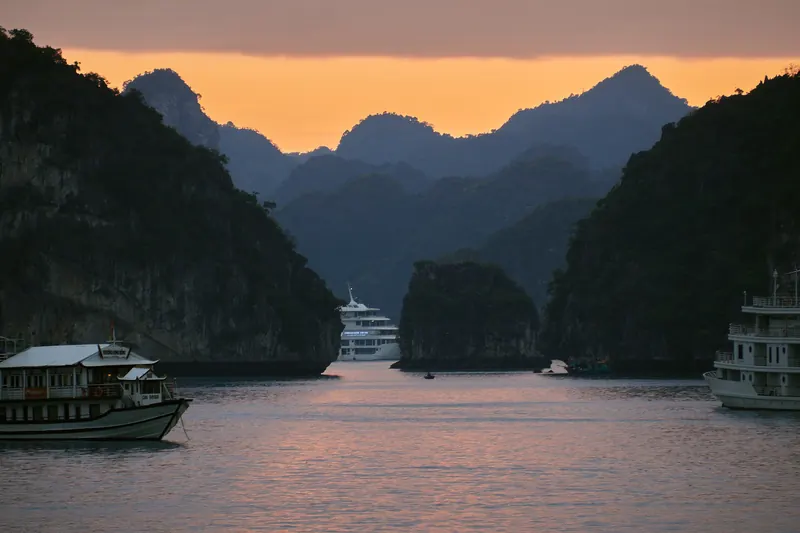
A UNESCO-listed seascape of limestone islands and hidden lagoons in the Gulf of Tonkin, explored by overnight cruise, kayak and cave, with quieter Lan Ha and Bai Tu Long bays nearby.

Don't miss Waking on deck to mist lifting from the karst islands.

Explore Destination — Ha Long Bay
UNESCO SiteHistoric Site

Hoi An

Central coast, near Da Nang

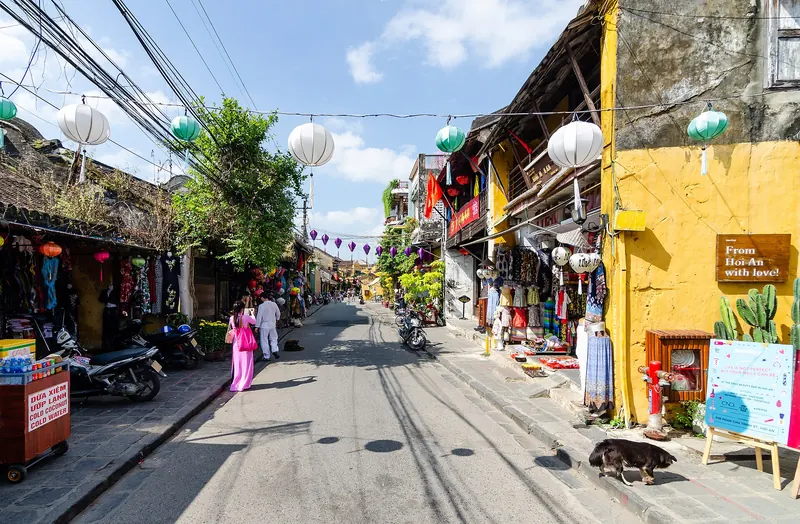
A UNESCO-listed trading town of Chinese assembly halls, Japanese bridge and merchants' houses, famed for lanterns, tailors, food and its easy access to beaches and the ruins of My Son.

Don't miss The old town at dusk, when the lanterns are lit and the river fills with candle-lit boats.

Explore Destination — Hoi An
UNESCO SiteNature & Wildlife

Ninh Binh

Southern Red River Delta, northern Vietnam

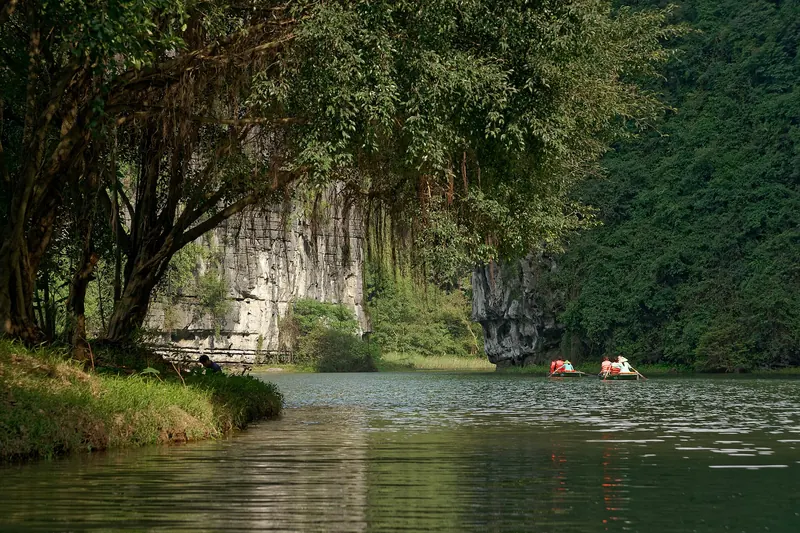
A landscape of karst hills, rivers, caves and paddies two hours south of Hanoi, with the boat trips of Trang An and Tam Coc, the Hang Mua viewpoint, Hoa Lu ancient capital and Bai Dinh pagoda.

Don't miss A rowing boat gliding through a cave beneath the cliffs at Trang An, with water buffalo grazing beside the river.

Explore Destination — Ninh Binh
UNESCO SiteHistoric Site

Hue

Perfume River, central Vietnam

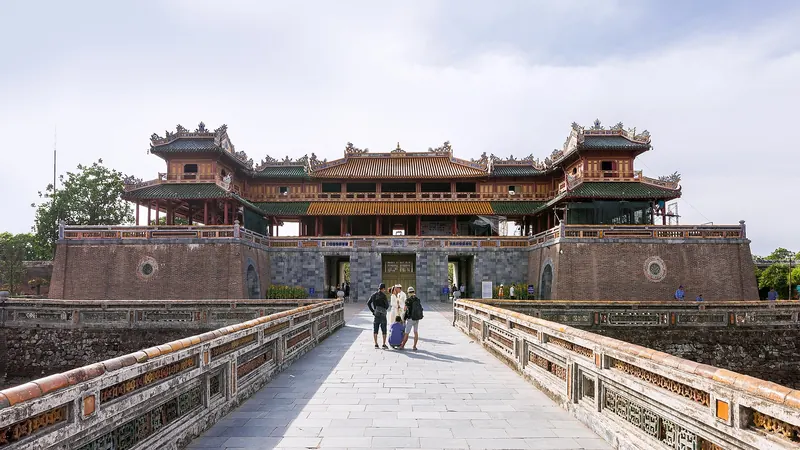
The former imperial capital on the Perfume River, with the Imperial City, the tombs of the Nguyen emperors, Thien Mu Pagoda and a distinctive royal cuisine.

Don't miss The Meridian Gate of the Imperial City, and the calm of a royal tomb reflected in its lotus pond.

Explore Destination — Hue
Major CityHistoric Site

Ho Chi Minh City

Southern Vietnam

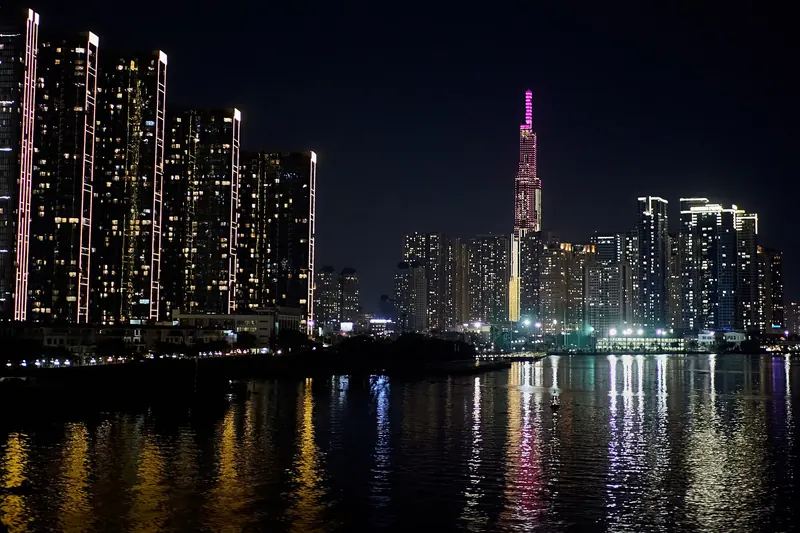
The commercial heart of Vietnam, with the Reunification Palace, War Remnants Museum, Notre-Dame Basilica, Ben Thanh Market, Chinatown and the Cu Chi Tunnels, plus a thriving food and nightlife scene.

Don't miss A bowl of noodles on a plastic stool at midnight, with the motorbikes of Saigon streaming by.

Explore Destination — Ho Chi Minh City
MountainsScenic Region

Sapa

Hoang Lien Son mountains, north-west Vietnam

A former French hill station at 1,500 metres, gateway to the terraced valleys of the Hoang Lien Son range, Hmong and Red Dao villages, homestays and Fansipan, Indochina's highest peak.

Don't miss Trekking through the Muong Hoa Valley when the terraces turn gold in September.

Explore Destination — Sapa
UNESCO SiteNational Park

Phong Nha–Ke Bang

Central Vietnam

A UNESCO-listed national park with hundreds of caves, including Phong Nha, Paradise and the giant Son Doong, plus jungle, rivers, ziplines and quiet countryside.

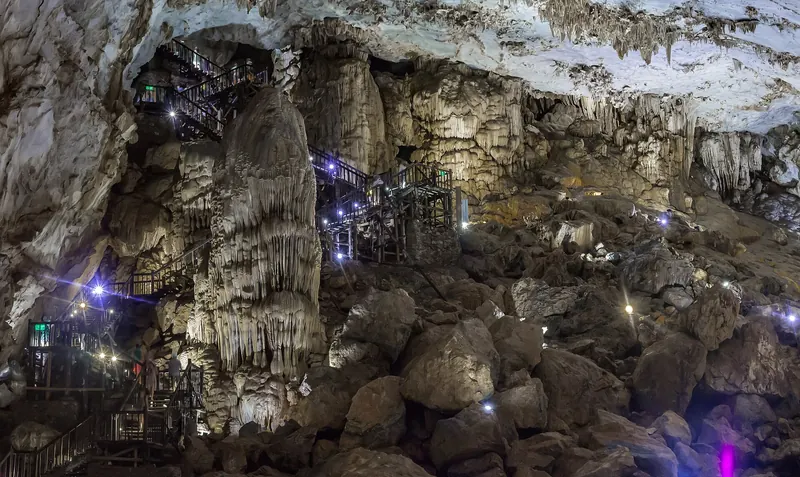
Don't miss The huge chamber of Paradise Cave, with its glittering formations lit for the visitors.

Explore Destination — Phong Nha–Ke Bang
Nature & WildlifeCulture & Arts

The Mekong Delta

Mekong Delta, southern Vietnam

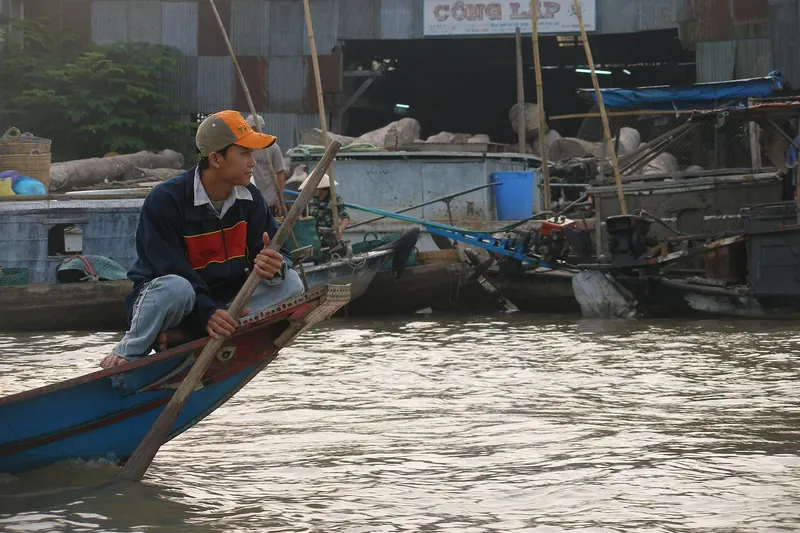
Vietnam's rice bowl: a delta of waterways south of Ho Chi Minh City with floating markets at Can Tho, fruit orchards, homestays, coconut candy workshops and a slow river pace.

Don't miss A dawn boat to a floating market, with fruit boats piled high and vendors hanging their wares from tall poles.

Explore Destination — The Mekong Delta
IslandCoast & Beaches

Phu Quoc

Gulf of Thailand, southern Vietnam

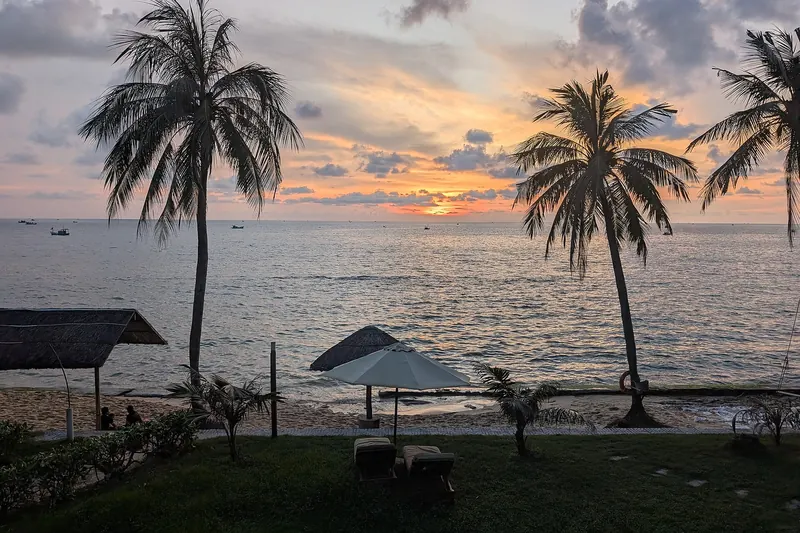
A tropical island in the Gulf of Thailand with long beaches, snorkelling, a national park, pepper and fish-sauce farms, night markets and a cable car to the offshore islands.

Don't miss Swimming off Sao Beach in calm turquoise water, then dinner at the Duong Dong night market.

Explore Destination — Phu Quoc

Back to the Vietnam country page

FAQ

Planning a trip to Vietnam

Should I travel north to south or south to north?

Either works. North to south is the most popular, with the cool north first and the beaches later. Choose the direction that matches your flights and the season, so that you reach the centre in its dry months.

Is it better to fly or take the train?

Fly for the long legs between Hanoi, Hue or Da Nang and Ho Chi Minh City. Trains are good for Hanoi to Ninh Binh and for the scenic Hue to Da Nang stretch.

Do I need to book Ha Long Bay cruises far ahead?

Book a few weeks ahead for the best boats, and earlier for peak season and holidays. Read recent reviews carefully.

When is Tet, and how does it affect travel?

Tet, the Lunar New Year, falls in late January or February. Many shops and restaurants close for several days, and transport is very crowded. Book far ahead or avoid it.

Advertisement