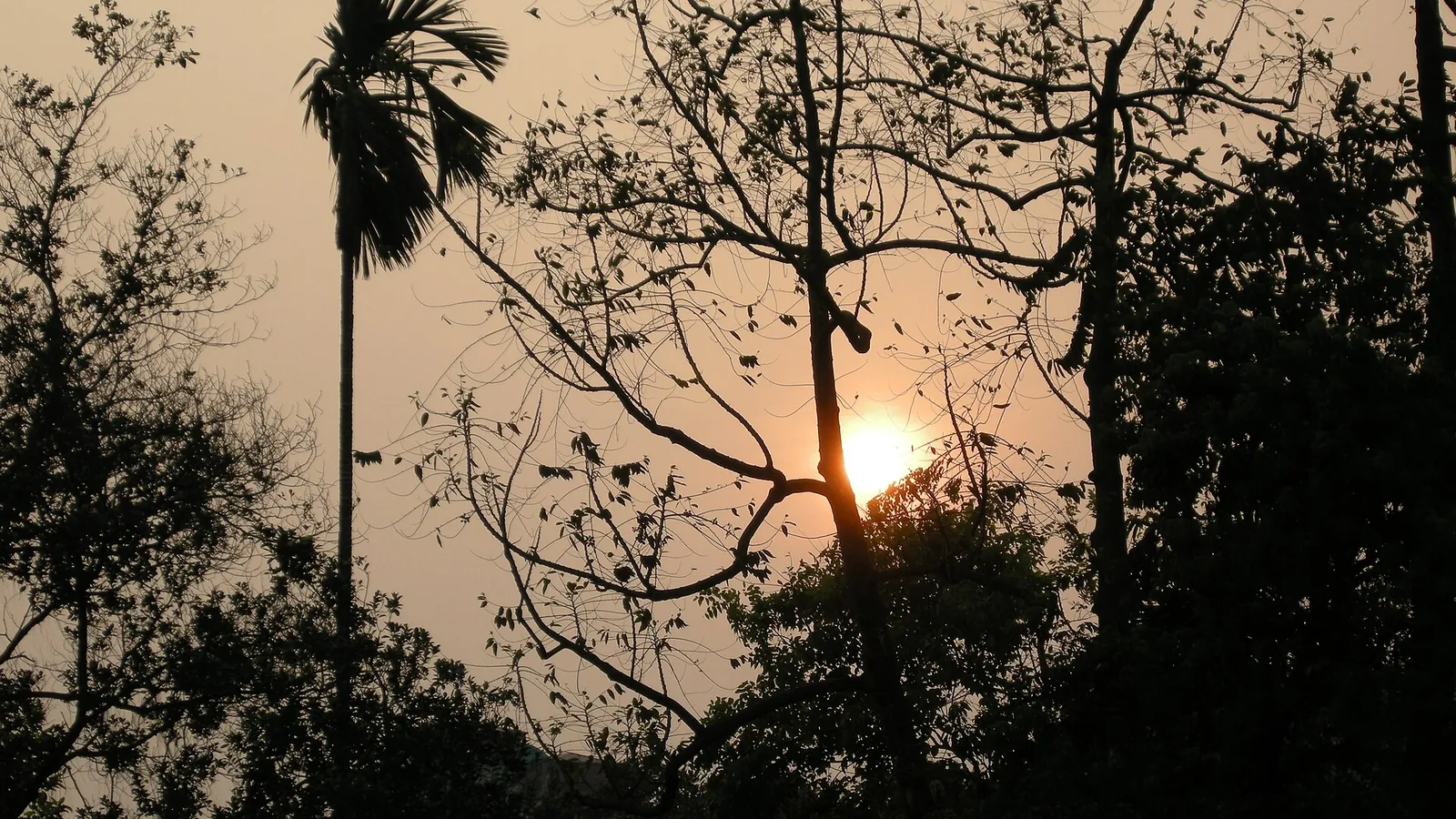
Sunset over Hoan Kiem Lake in the centre of Hanoi

Red River Delta, northern Vietnam · Vietnam

Hanoi

A thousand-year-old capital of lakes, temples, French colonial boulevards and an Old Quarter where every street still sells its own trade, and the food is superb.

  • Best time September–November and March–April
  • Stay 3 days
  • Good for Food, culture, history, walking, first-time visitors

Photo: Vyacheslav Argenberg · CC BY 4.0

Welcome to Hanoi

Hanoi became the capital in 1010, when the emperor Ly Thai To moved the court here and named it Thang Long, the Ascending Dragon. It has been the centre of northern Vietnam ever since, through Chinese rule, the great dynasties, French colonial administration from the 1880s and the wars of the 20th century. It became the capital of a reunified Vietnam in 1976.

Its centre is compact and atmospheric. Around Hoan Kiem Lake, locals do tai chi and jog at dawn and stroll in the evening. North of the lake, the Old Quarter is a tangle of narrow streets that historically belonged to guilds, and many are still named for the goods they sell: silk, silver, paper, tin. To the south and west are the tree-lined avenues, villas and opera house of the French Quarter, and the temples and mausoleum of the Ba Dinh district.

Hanoi is loud, crowded and dominated by motorbikes, but it is one of the great food cities in Asia and a place where daily life takes place on the street. Its plastic stools, steaming pots, coffee shops and pavement beer corners are the main attractions.

  • Capital City
  • Major City
  • Historic Site
  • Culture & Arts

Why visit

Why visit Hanoi?

Hanoi is the best place in Vietnam to understand the country's culture and eat its northern cooking.

  • A superb street food city

    Pho, bun cha, cha ca, banh cuon and egg coffee were all born or perfected here.

  • A living Old Quarter

    Narrow shophouses, temples, markets and workshops, with life lived on the pavement.

  • Historic sights

    The Temple of Literature, Ho Chi Minh's mausoleum and the Hoa Lo Prison museum cover a thousand years.

  • Lakes and colonial charm

    Hoan Kiem and West Lake give the city breathing space, and French-era boulevards add elegance.

  • A base for the north

    Ha Long Bay, Ninh Binh and Sapa are all reachable from here.

Main attractions

Top things to see in Hanoi

Most sights are in the compact centre, and many can be seen on foot.

  1. Hoan Kiem Lake and Ngoc Son Temple

    The heart of the city, a small lake named for a legend of a golden turtle returning a magic sword. The red Huc Bridge leads to Ngoc Son Temple on an island.

    Tip Walk around the lake at dawn or in the evening, and on weekends when nearby streets are closed to traffic.

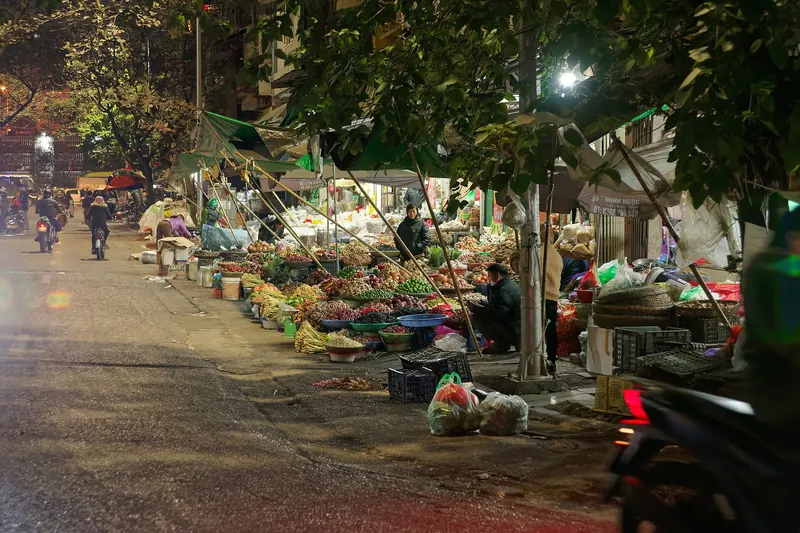
  2. A busy evening market in the Old Quarter of Hanoi

    The Old Quarter

    A maze of streets north of the lake, formerly organised by trade, with tube houses, temples, markets and street food. Hang Ma, Hang Bac and Hang Gai are among the best known.

    Tip Explore on foot, and be prepared for motorbikes on the pavements.

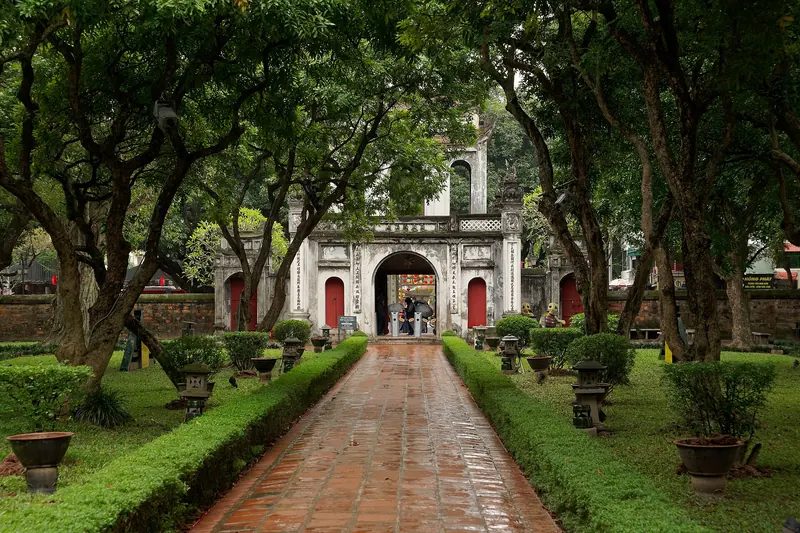
  3. The main gate of the Temple of Literature in Hanoi

    The Temple of Literature

    Founded in 1070 as a Confucian temple and in 1076 as Vietnam's first national university, with peaceful courtyards, stone tablets on turtles' backs and traditional roofs.

    Tip Go in the morning, when it is quiet.

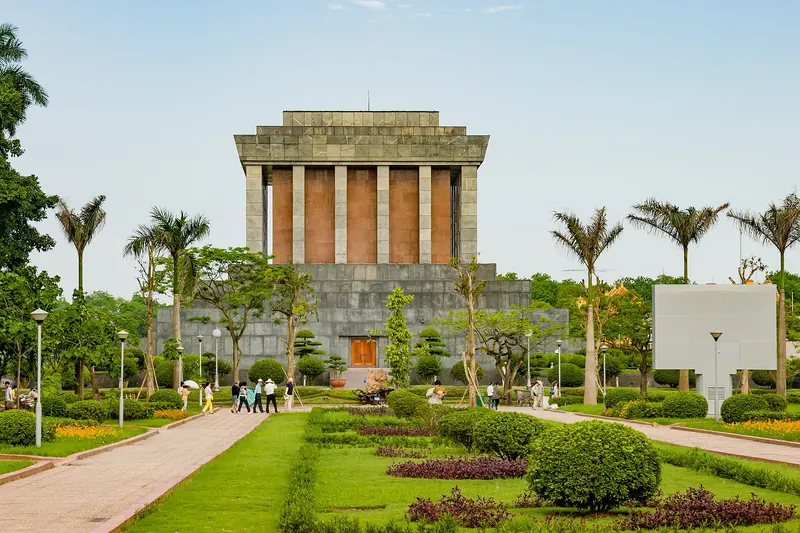
  4. The Ho Chi Minh Mausoleum in Ba Dinh Square in Hanoi

    Ho Chi Minh Mausoleum complex

    The granite mausoleum where the revolutionary leader lies, beside Ba Dinh Square, with the One Pillar Pagoda, the stilt house and the museum nearby. The mausoleum closes for annual maintenance, and has a strict dress code.

    Tip Check opening days, dress modestly and expect silence and security checks.

  5. Hoa Lo Prison

    A French colonial prison, later used to hold American pilots during the war, now a museum with an emphasis on the colonial period.

    Tip Allow about 90 minutes.

  6. St. Joseph's Cathedral and the French Quarter

    A neo-Gothic cathedral from 1886, with the Opera House and the colonial buildings to the south of the lake.

    Tip Have a coffee on the cathedral's street.

Things to do

Best things to do in Hanoi

Hanoi is for wandering, eating and dipping into small museums.

  1. Take a street food walk

    A guide will lead you through the best stalls for pho, bun cha, banh cuon and sweets.

    Tip Book on your first evening.

  2. Drink egg coffee

    A Hanoi invention from the 1940s: coffee topped with whisked egg yolk and sugar, like a warm liquid tiramisu.

    Tip Try it at Cafe Giang.

  3. Watch a water puppet show

    A charming performance of traditional puppets on a pool, with live music.

    Tip Book the evening show in advance.

  4. Have a bia hoi

    Cheap, fresh draught beer drunk on plastic stools at street corners such as Ta Hien.

    Tip Go early in the evening.

  5. Visit the Vietnam Museum of Ethnology

    A good museum on Vietnam's 54 ethnic groups, with a garden of traditional houses.

    Tip Take a Grab taxi.

  6. Walk across Long Bien Bridge

    An old iron bridge over the Red River built by the French, with views and a look at everyday life.

    Tip Go at sunrise.

Local food

What to eat in Hanoi

Hanoi is the home of pho, and its cooking is simple, delicate and focused on broth and herbs.

  • Pho

    The northern version of the noodle soup has a clear broth, spring onions and few extras.

    Where to try it Street stalls, especially at breakfast.

  • Bun cha

    Grilled pork and noodles in a dipping broth, a lunchtime dish that became famous after a 2016 dinner with a visiting US president.

    Where to try it Lunchtime restaurants in the Old Quarter.

  • Cha ca

    Turmeric-marinated fish cooked with dill and spring onions at the table, and served with noodles and peanuts.

    Where to try it Cha Ca street in the Old Quarter.

  • Banh cuon

    Thin steamed rice pancakes filled with pork and mushroom.

    Where to try it Breakfast shops.

  • Egg coffee

    A frothy, sweet coffee topped with whipped egg yolk.

    Where to try it Cafés near the lake.

  • Nem and fresh beer

    Fried spring rolls and bia hoi, the classic snacks.

    Where to try it Street corners in the Old Quarter.

Accommodation

Where to stay in Hanoi

Stay in the Old Quarter for atmosphere, and the French Quarter for space and comfort.

  • Old Quarter

    Guesthouses and boutique hotels, but noisy.

    Best for: Atmosphere and food

  • French Quarter

    Larger hotels and colonial properties near the Opera House.

    Best for: Comfort and quiet

  • West Lake

    Cafés and quieter hotels, further from sights.

    Best for: Residential calm

What a night costs

Budget hotel or hostel
US$10–30 per night
Mid-range hotel
US$40–100 per night
Luxury hotel
US$150–400 per night
Meal at a street stall
US$1–4 per person

Transport

Getting to and around Hanoi

Hanoi is the main entry point for northern Vietnam.

Getting there

  • Flight to Noi Bai (HAN)

    Direct flights from across Asia, Europe and beyond, and domestic flights from Da Nang, Hue and Ho Chi Minh City.

    The airport is about 45 minutes from the Old Quarter by Grab or bus.

  • Train

    Overnight trains from Hue (about 13 hours), Da Nang (about 16 hours) and Ho Chi Minh City (about 30 hours), and to Lao Cai for Sapa.

    Book sleepers in advance.

  • Bus and road

    Buses run to Ha Long Bay, Ninh Binh and other places.

    Book reputable companies.

Getting around

Walk in the centre, and use Grab for longer trips.

  • Walking

    The Old Quarter, the lake and the French Quarter are compact.

    Cross roads slowly and steadily.

  • Grab

    Motorbike taxis and cars are cheap and have fixed prices.

    Use the app.

  • Cyclo

    A slow tour of the Old Quarter.

    Agree the price and route in advance.

When to go

Best time to visit Hanoi

Hanoi has four seasons: cool and damp winters, hot and humid summers and pleasant spring and autumn.

  • Spring (March–April)

    Best time

    Warm and often drizzly, with mild temperatures.

  • Summer (May–August)

    Think twice

    Hot and very humid, with heavy rain and occasional typhoons.

  • Autumn (September–November)

    Best time

    Clear, golden weather with mild temperatures.

  • Winter (December–February)

    Good

    Cool, grey and damp, sometimes cold enough to need a jacket.

Worth planning around: July and August, and the days around Tet, when many businesses close.

Itinerary

Three days in Hanoi

The Old Quarter and the lake, the historic sights, and a slower day for culture.

  1. Day1

    The Old Quarter

    Streets and food.

    • Morning Hoan Kiem Lake and Ngoc Son Temple.
    • Afternoon The Old Quarter streets.
    • Evening A street food walk and a water puppet show.
  2. Day2

    History

    Temples and Ho Chi Minh.

    • Morning The Temple of Literature.
    • Afternoon Ho Chi Minh Mausoleum complex and Hoa Lo Prison.
    • Evening Egg coffee and dinner.
  3. Day3

    Culture and lakes

    A slower day.

    • Morning The Museum of Ethnology.
    • Afternoon West Lake and a café.
    • Evening Bia hoi on Ta Hien.

Travel tips

Hanoi travel tips

Hanoi is easy once you learn the rhythm.

  • Cross roads slowly and steadily, so that motorbikes can flow around you.
  • Use Grab for taxis, to avoid overcharging.
  • Book the water puppet show ahead.
  • Dress modestly at the mausoleum and temples.
  • Eat where locals queue.
  • Carry small notes for street food.
  • Check whether the Ho Chi Minh Mausoleum is open on your dates.

FAQ

Hanoi: frequently asked questions

How many days do you need in Hanoi?

Two or three days. Add more if you plan day trips.

Is Hanoi safe?

Yes, generally. Watch for bag snatching, and be careful with traffic.

What is the best time to visit Hanoi?

September to November and March to April.

Where can I see the train street cafés?

Cafés along the tracks have been popular, but access has been restricted several times for safety, so check whether it is currently open.

Is it better to stay in the Old Quarter?

It is the most atmospheric, but noisy. The French Quarter is quieter.

What should I eat first?

Pho for breakfast, bun cha for lunch and egg coffee in the afternoon.

Read next

Related travel articles

Food

A Country-by-Country Food Primer

Eating well abroad is mostly a matter of knowing when meals happen, how the menu is structured and which dish belongs to the place you are standing in. This covers all three for the five countries in this guide, plus the signals that separate a restaurant that feeds locals from one that feeds coaches.

Budgeting

What a Week Actually Costs in Five Countries

Most travel budgets fail for the same reason: they estimate the flight and the hotel accurately and then guess at everything else. This is a per-day breakdown for the five countries in this guide at three levels of comfort, plus the costs people consistently forget — tourist tax, ZTL fines, resort fees, tipping and the price of a coffee sitting down.

Advertisement