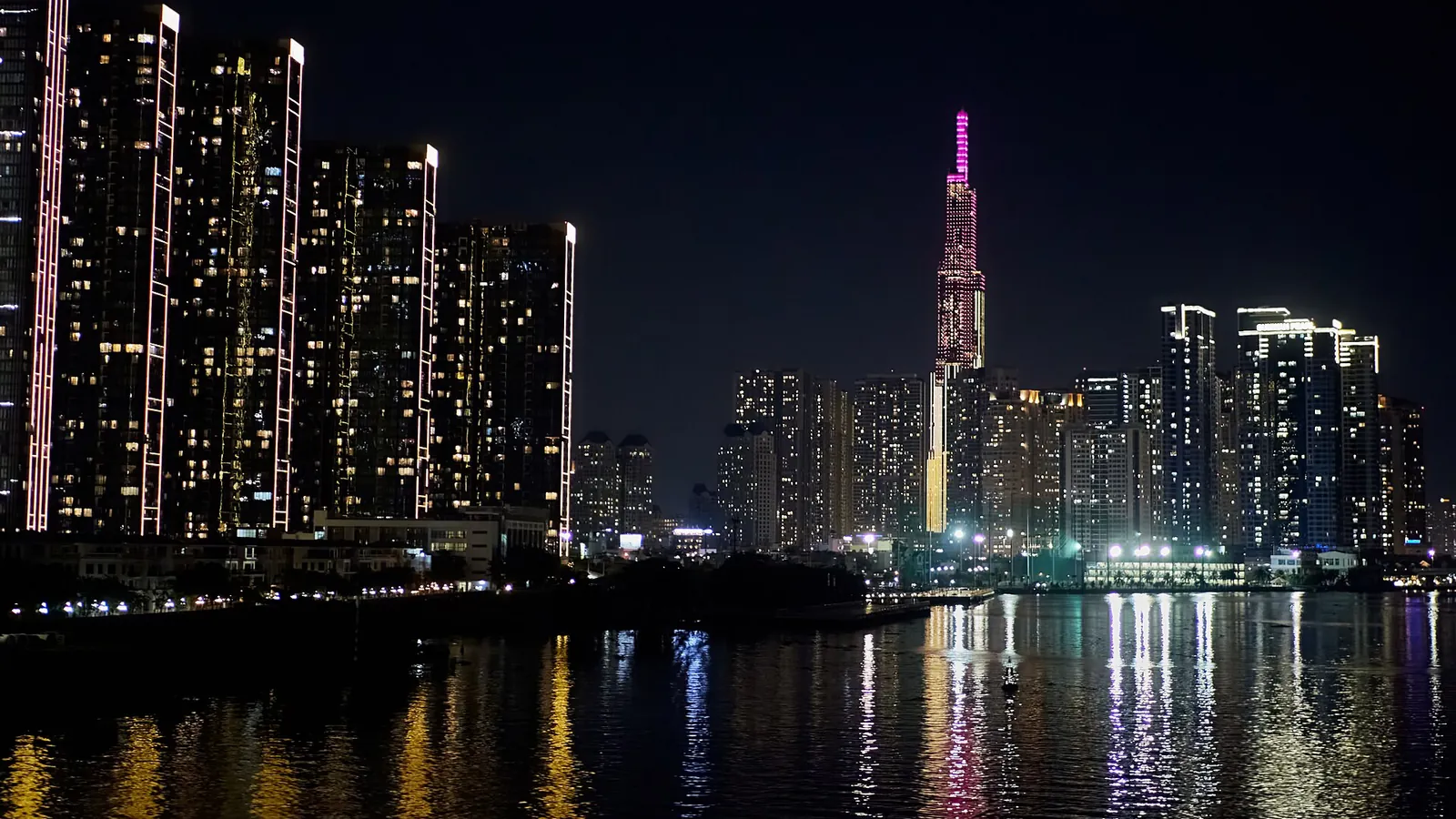
The skyline of Ho Chi Minh City with high-rise towers beside the Saigon River

Southern Vietnam · Vietnam

Ho Chi Minh City

Vietnam's biggest, fastest city, still called Saigon by nearly everyone: French colonial landmarks, war history, rooftop bars and street food on every corner.

  • Best time December–April
  • Stay 2–3 days
  • Good for Food, history, nightlife, shopping, a gateway to the Mekong

Photo: lumoplank · CC0

Welcome to Saigon

Ho Chi Minh City is Vietnam's largest city, with around nine to ten million people, and its economic centre. It is still known as Saigon to most people, including its residents. The city was the capital of French Cochinchina, and later of South Vietnam, and it was renamed in 1976 after the fall of the Republic and the reunification of the country.

It is a very different place from Hanoi. The city is bigger, faster and more commercial, with wide French-planned boulevards, glass towers and a river port. The colonial legacy is visible in the red-brick Notre-Dame Basilica and the Central Post Office, and the war is remembered at the Reunification Palace and the War Remnants Museum. In the centre, District 1 is compact enough to walk, though the motorbike traffic is legendary.

Above all, Saigon is a city to eat and drink in. Its street food, from banh mi and broken rice to pancakes and noodle soups, is exceptional, and its café, rooftop bar and nightlife culture is the liveliest in the country. It rewards a couple of days, and it is a good springboard for the Mekong Delta and the Cu Chi Tunnels.

  • Major City
  • Historic Site
  • Culture & Arts
  • Food & Wine

Why visit

Why visit Saigon?

Ho Chi Minh City is the best place in Vietnam for food, modern energy and a look at the war from the southern side.

  • Street food and cafés

    Some of the best snacks and coffee in Southeast Asia, and dishes from across the country.

  • War history

    The Reunification Palace, the War Remnants Museum and the Cu Chi Tunnels tell a powerful, difficult story.

  • Colonial landmarks

    The Basilica, the Post Office, the Opera House and grand boulevards.

  • Nightlife and energy

    Rooftop bars, live music and a city that never stops.

  • A gateway city

    The Mekong Delta, Cu Chi and the beaches are all within a few hours.

Main attractions

Top things to see in Saigon

Most sights are in District 1 and District 3, with Cholon and Cu Chi further out.

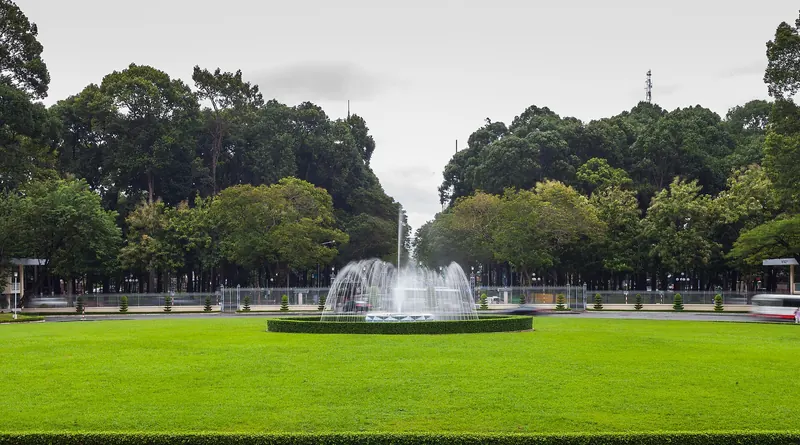
  1. The 1960s Reunification Palace in Ho Chi Minh City with its modernist façade

    The Reunification Palace

    The former presidential palace of South Vietnam, where a tank crashed through the gates on 30 April 1975 to mark the end of the war. Its 1960s interior, with war rooms and a basement bunker, is preserved.

    Tip Allow an hour, and check opening hours.

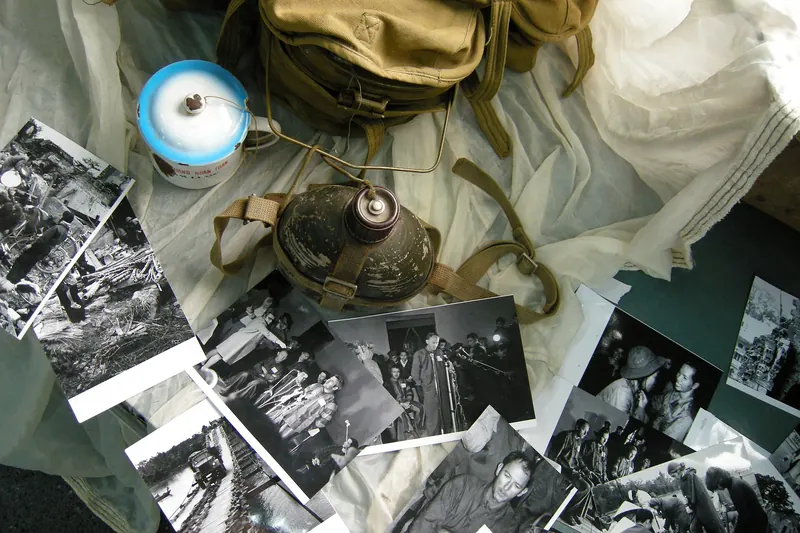
  2. The exterior of the War Remnants Museum in Ho Chi Minh City with military vehicles

    The War Remnants Museum

    A museum of the Vietnam War, from the Vietnamese perspective, with photographs, military equipment and displays on the effects of Agent Orange. It is powerful and often distressing.

    Tip Allow two hours, and consider whether the images are suitable for children.

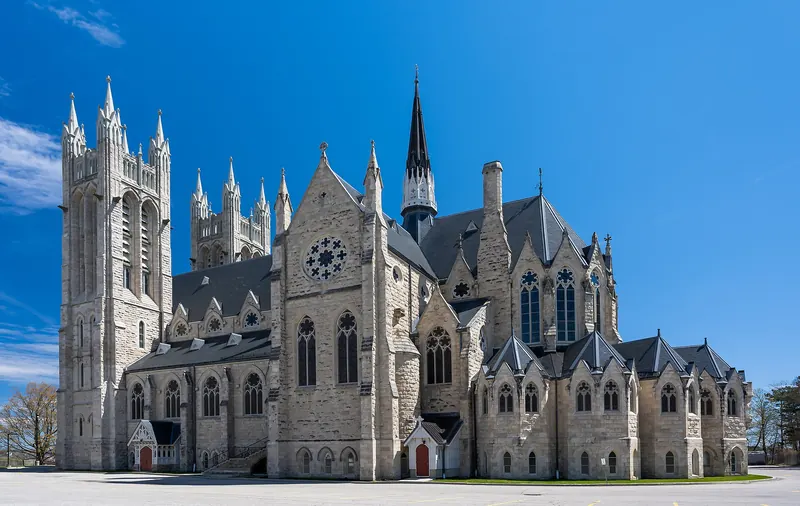
  3. The red-brick twin towers of the Notre-Dame Basilica in Saigon

    Notre-Dame Basilica and the Central Post Office

    A red-brick neo-Romanesque cathedral built in the 1870s, and opposite it a grand yellow post office of the 1890s with an iron-vaulted hall, both in the French colonial style.

    Tip The Basilica has been under renovation, so check access.

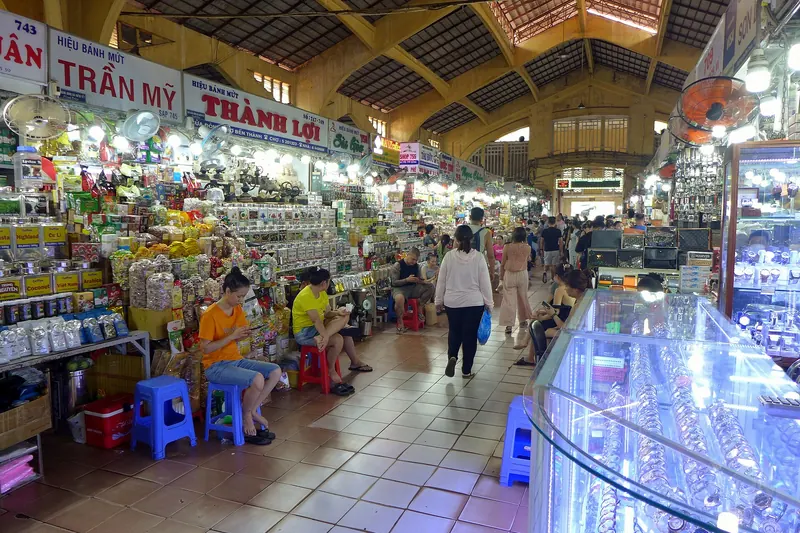
  4. The entrance and clock tower of Ben Thanh Market in Ho Chi Minh City

    Ben Thanh Market

    The city's best-known market, with stalls selling souvenirs, clothes, coffee and food. A tourist favourite, with high prices for gifts.

    Tip Bargain, and eat at the food stalls.

  5. An entrance to the Cu Chi Tunnels used during the Vietnam War

    Cu Chi Tunnels

    A network of hand-dug tunnels about 70 km north-west of the city, used by Viet Cong fighters. Visitors can crawl through sections, and see booby traps and displays.

    Tip Take a half-day tour, and go early.

  6. Cholon (Chinatown)

    The Chinese quarter, with temples, markets and herbal medicine shops, including the atmospheric Thien Hau Temple.

    Tip Go by Grab or as part of a tour.

Things to do

Best things to do in Saigon

Ho Chi Minh City is best explored by mixing sights, food and evenings out.

  1. Take a street food tour

    A guide leads you through the alleys for pancakes, noodle soups and snacks, often by motorbike.

    Tip Choose a small group.

  2. Have a cà phê sữa đá

    Strong Vietnamese iced coffee with sweetened condensed milk, at any café.

    Tip Try it in an old apartment café.

  3. Visit the Cu Chi Tunnels

    See how fighters lived and moved underground.

    Tip Not for claustrophobes.

  4. Walk Nguyen Hue Street

    The pedestrian boulevard leads to the river, and is a favourite evening promenade.

    Tip Go after dusk.

  5. Visit the Jade Emperor Pagoda

    A Taoist temple filled with incense and carved figures.

    Tip Dress modestly.

  6. Go to a rooftop bar

    Views of the skyline and river at dusk.

    Tip Book for sunset.

Local food

What to eat in Saigon

Saigon's food is bigger and sweeter than in the north, with dishes from across the country and its own southern specialities.

  • Com tam

    Broken rice served with grilled pork chop, egg and pickles.

    Where to try it Street stalls and small restaurants.

  • Banh mi

    The southern version is loaded with herbs, pâté and sauces.

    Where to try it Street carts and bakeries.

  • Banh xeo

    A large, crisp pancake filled with pork, shrimp and beansprouts, wrapped in lettuce and herbs.

    Where to try it Restaurants in District 1.

  • Hu tieu

    A clear, sweet pork and seafood noodle soup, typical of the south.

    Where to try it Breakfast stalls.

  • Pho

    The southern style has more herbs and sauces.

    Where to try it Street stalls.

  • Iced coffee and sugar cane juice

    Sweet, cool drinks for a hot day.

    Where to try it Cafés and street vendors.

Accommodation

Where to stay in Saigon

Stay in District 1 for convenience, with a choice of areas around it.

  • District 1

    Hotels from budget to luxury around Nguyen Hue and Dong Khoi.

    Best for: Sights, restaurants and nightlife

  • Pham Ngu Lao backpacker area

    Hostels, bars and travel agents, busy and noisy.

    Best for: Budget travellers

  • District 3 and Binh Thanh

    Boutique hotels and cafés.

    Best for: Quieter, local streets

What a night costs

Budget hotel or hostel
US$10–30 per night
Mid-range hotel
US$45–110 per night
Luxury hotel
US$150–400 per night
Meal at a street stall
US$1–4 per person

Transport

Getting to and around Saigon

Ho Chi Minh City is the main international gateway to southern Vietnam.

Getting there

  • Flight to Tan Son Nhat (SGN)

    Direct flights from across Asia, Europe and beyond, and domestic flights from Hanoi, Da Nang and Phu Quoc.

    The airport is about 30 minutes from District 1, longer in traffic.

  • Train

    The Reunification Express arrives at Saigon Station after about 30 hours from Hanoi.

    Fly instead unless you love trains.

  • Bus from Cambodia

    Buses from Phnom Penh take about 6 to 7 hours.

    Check visa requirements at the border.

Getting around

Traffic is heavy, and Grab is the easiest way to move.

  • Grab

    Cars and motorbike taxis with fixed prices.

    Use the app.

  • Walking

    District 1 is compact, though crossing roads is a challenge.

    Cross slowly and steadily.

  • Metro

    Ho Chi Minh City's first metro line opened in the last few years and connects the centre with the north-east.

    Check the current route.

When to go

Best time to visit Saigon

Ho Chi Minh City is hot all year, with a dry season from December to April and a wet season from May to November.

  • Dry season (December–February)

    Best time

    Sunny, dry and slightly cooler.

  • Hot season (March–April)

    Good

    Very hot and dry.

  • Early wet (May–July)

    Good

    Afternoon downpours and humid heat.

  • Late wet (August–November)

    Quiet

    Heavy rain, with streets sometimes flooding.

Worth planning around: The days around Tet, when many businesses close, and the peak rain in September and October.

Itinerary

Three days in Ho Chi Minh City

The city sights, a day at Cu Chi and Chinatown, and a day of food.

  1. Day1

    The centre

    Colonial and war history.

    • Morning Notre-Dame Basilica and the Post Office.
    • Afternoon The Reunification Palace and War Remnants Museum.
    • Evening Nguyen Hue Street and a rooftop bar.
  2. Day2

    Cu Chi and Cholon

    Tunnels and Chinatown.

    • Morning The Cu Chi Tunnels.
    • Afternoon Cholon and Thien Hau Temple.
    • Evening Dinner in District 1.
  3. Day3

    Food and markets

    Eating in earnest.

    • Morning Ben Thanh Market.
    • Afternoon A street food tour.
    • Evening Farewell dinner.

Travel tips

Saigon travel tips

A few tips make the city easier.

  • Use Grab for taxis and motorbike rides.
  • Keep phones and bags on the side away from the road, since snatch thefts occur.
  • Cross roads slowly and predictably.
  • Go to the Cu Chi Tunnels early, to avoid the heat and crowds.
  • Carry small notes for street food.
  • Bargain in markets.
  • Expect rain in the afternoon during the wet season.

FAQ

Saigon: frequently asked questions

Is it Ho Chi Minh City or Saigon?

Officially it is Ho Chi Minh City, and most people, including locals, still call it Saigon, particularly the central district.

How many days do you need?

Two or three days. Add a day for the Mekong Delta.

Is Ho Chi Minh City safe?

Generally yes, but bag and phone snatching is common. Use Grab and keep valuables secure.

Is the War Remnants Museum suitable for children?

It contains graphic images and may upset young children.

What is the best time to visit?

December to April, the dry season.

How do I visit Cu Chi Tunnels?

By half-day tour or by Grab, about 1.5 to 2 hours each way.

Read next

Related travel articles

Food

A Country-by-Country Food Primer

Eating well abroad is mostly a matter of knowing when meals happen, how the menu is structured and which dish belongs to the place you are standing in. This covers all three for the five countries in this guide, plus the signals that separate a restaurant that feeds locals from one that feeds coaches.

Budgeting

What a Week Actually Costs in Five Countries

Most travel budgets fail for the same reason: they estimate the flight and the hotel accurately and then guess at everything else. This is a per-day breakdown for the five countries in this guide at three levels of comfort, plus the costs people consistently forget — tourist tax, ZTL fines, resort fees, tipping and the price of a coffee sitting down.

Advertisement