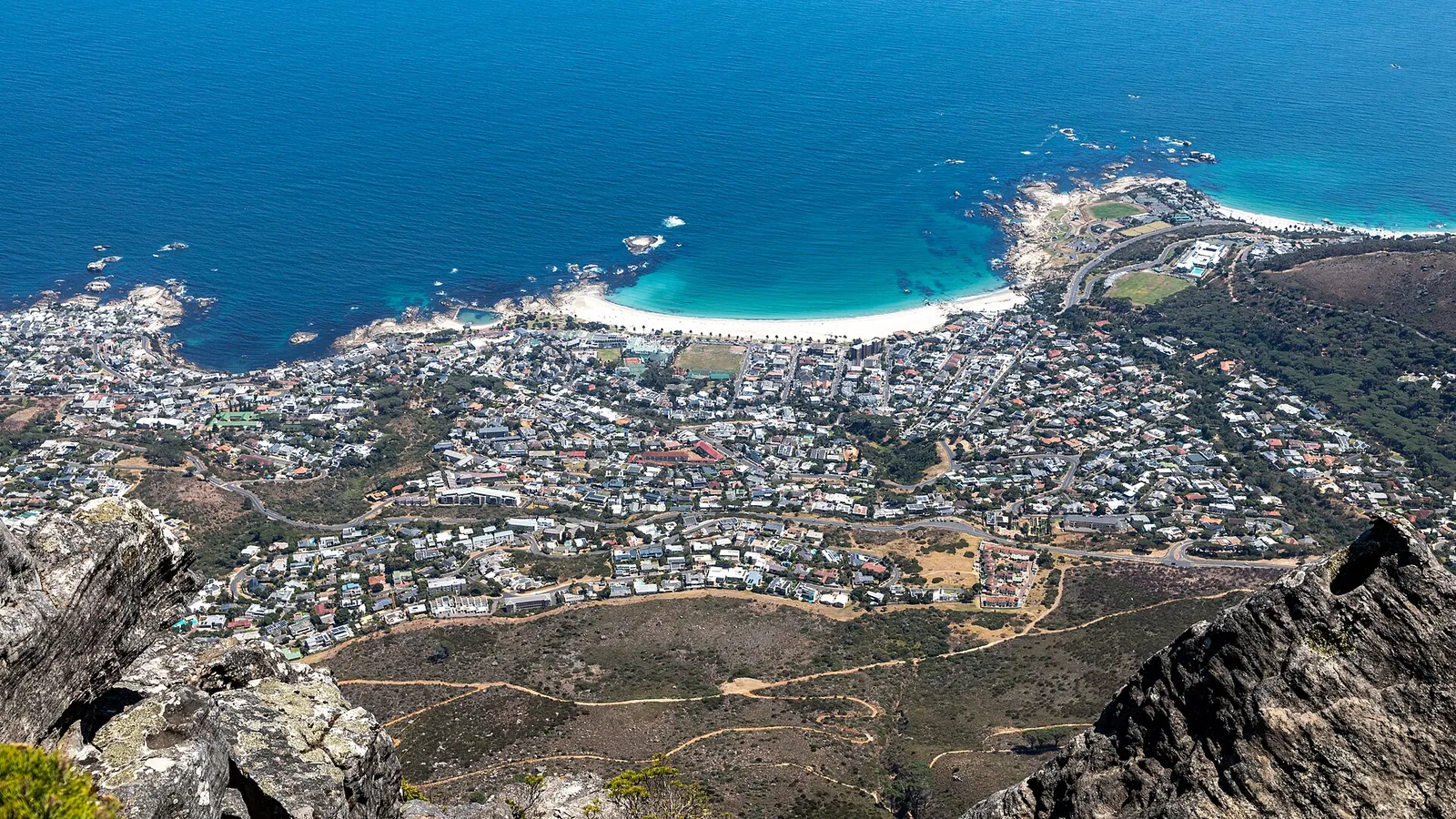
Table Mountain and the sweep of Camps Bay on the Atlantic coast of Cape Town

South Africa · Travel guide

The Complete South Africa Travel Guide

How the country divides, how to choose between the ten destinations, how to drive and fly around it safely, and what two weeks can realistically hold.

  • Reading time 14 min read
  • Covers 10 destinations
  • Updated 2026

Photo: Dietmar Rabich · CC BY-SA 4.0

South Africa combines safari, coast, mountains and wine with an unforgettable modern history. This guide covers how the regions divide, how to choose between the ten destinations, how to travel and stay safe, when to go, what it costs and three routes that work.

How South Africa divides

South Africa is about 1,600 km from north to south, and it has roughly five zones for a visitor.

The Western Cape. Cape Town is the gateway, with the Winelands to the east and Hermanus and the Overberg along the coast.

The Garden Route and the Eastern Cape. The Garden Route runs along the south coast, and Addo is a malaria-free elephant park at its eastern end.

Gauteng and the north-east. Johannesburg and Soweto are the country's economic and historical heart, and Kruger and the Panorama Route lie to the east.

KwaZulu-Natal. iSimangaliso has hippos, beaches and reefs on the Indian Ocean coast, and the Drakensberg rises inland.

Worth knowing: The practical unit is two or three of these, linked by flights and drives. South Africa is big, and it is better to explore a few regions than to rush.

Choosing between the ten destinations

Getting around safely

South Africa is easy to navigate, with good roads and reliable flights, but public transport is limited, and safety needs thought.

Flights. Cape Town, Johannesburg, Durban, George and Gqeberha are well connected, and small airports serve safari areas. Airlink, FlySafair and others compete on price.

Hire cars. The best way to explore the Garden Route, Winelands, Kruger and the Panorama Route. Drive on the left, avoid night driving and keep doors locked.

Ride-hailing apps. Uber and Bolt are the safest and most convenient way to move within cities.

Tours. A guide is the best way to visit Soweto, Robben Island and remote parks.

Worth knowing: Keep valuables out of sight in cars and at restaurants, and do not leave bags unattended.

When to go

South Africa's seasons are reversed from the northern hemisphere, and different regions peak at different times.

December to February is summer, hot and dry in Cape Town and wet in the north-east. It is beach and wine season, and the busiest for domestic holidays.

March to May is autumn, with warm settled weather in the Cape and the start of the safari dry season.

June to August is winter, the best time for safaris, whale watching at Hermanus (from June) and the Drakensberg's snow. Cape Town is cool and wet.

September to November is spring, with wildflowers, warm weather and good conditions for the Garden Route and Cape Town.

Worth knowing: The Cape's south-easter wind can make summer afternoons breezy, and it sometimes closes Table Mountain's cable car.

Money, costs and safety

South Africa is good value. A good restaurant meal costs US$15–30, a comfortable hotel US$80–150, and a hire car US$30–60 per day. Private safari lodges are the big expense, at several hundred dollars a night.

Cards are widely accepted, and tipping is expected: 10–15% in restaurants, and something for guides and petrol attendants.

Crime is the main concern. Robbery, smash-and-grab and carjacking occur, particularly in cities. Follow local advice, use ride-hailing apps, and do not display valuables.

Malaria is a risk only in the north-east, including Kruger, and is lower in winter. Consult a travel clinic.

Three routes that work

  1. One week: Cape Town and the Winelands

    Four nights in Cape Town, with a day on the peninsula, then two nights in the Winelands and a day on the whale coast at Hermanus.

    Tip Hire a car for the Winelands and coast.

  2. Ten days: Cape Town and safari

    Four nights in Cape Town, one in the Winelands, then a flight to Johannesburg and three nights on safari in Kruger.

    Tip Fly to Hoedspruit or Skukuza to save time.

  3. Two weeks: the classic

    The itinerary on the country page: Cape Town, the Winelands, Hermanus, the Garden Route, Addo, Kruger and Johannesburg.

    Tip Swap Addo for the Drakensberg if you prefer mountains.

Reference

The 10 destinations in this guide

Every place named above has its own detailed guide — attractions, food, where to stay, how to get around and a suggested day-by-day plan.

Major CityCoast & Beaches

Cape Town

Western Cape, south-west coast

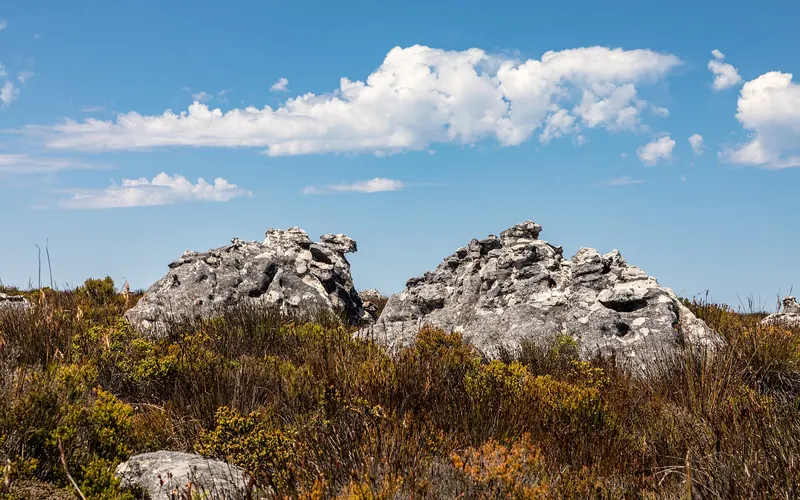
One of the world's most beautiful cities: Table Mountain, the Waterfront, Robben Island, the Cape Peninsula's penguins and Cape Point, Kirstenbosch, Bo-Kaap and a superb food scene.

Don't miss The top of Table Mountain on a clear day, looking over the city, the bay and the Atlantic coast at your feet.

Explore Destination — Cape Town
National ParkNature & Wildlife

Kruger National Park

Limpopo and Mpumalanga, north-east South Africa

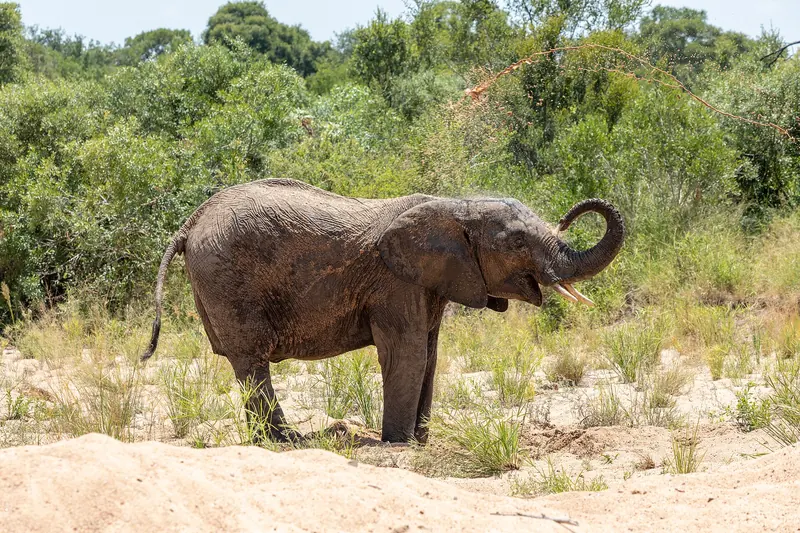
South Africa's flagship safari destination: 19,500 square kilometres of savanna with lions, leopards, elephants, rhinos, buffaloes and more, visited by self-drive, guided drives and private reserves.

Don't miss A dawn game drive that ends with a leopard resting in a tree beside the road.

Explore Destination — Kruger National Park
Scenic RegionCoast & Beaches

The Garden Route

Western and Eastern Cape, south coast

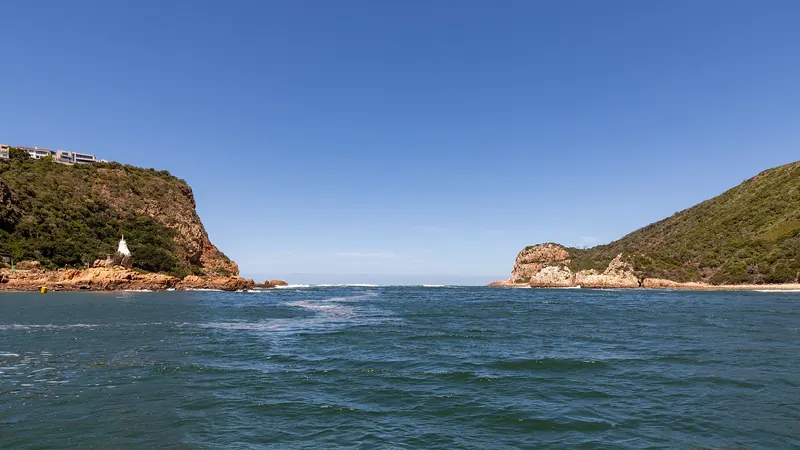
A scenic coastal drive from Mossel Bay to Tsitsikamma, with Knysna's lagoon, Plettenberg Bay's beaches, ancient forests, the Storms River suspension bridge and the ostrich country of Oudtshoorn.

Don't miss The sea-carved cliffs and forest of Tsitsikamma, from the suspension bridge across the Storms River mouth.

Explore Destination — The Garden Route
Food & WineScenic Region

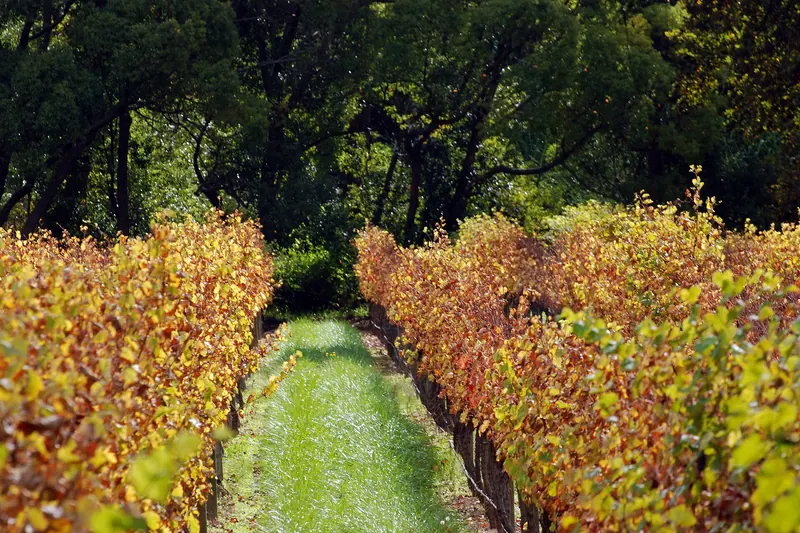
The Cape Winelands

Western Cape, east of Cape Town

The heart of South African wine: Stellenbosch, Franschhoek, Paarl and Constantia, with historic estates, Cape Dutch architecture, food, art and superb scenery.

Don't miss A long lunch on a wine estate terrace, with a chilled chenin blanc and vineyards stretching to the mountains.

Explore Destination — The Cape Winelands
Major CityHistoric Site

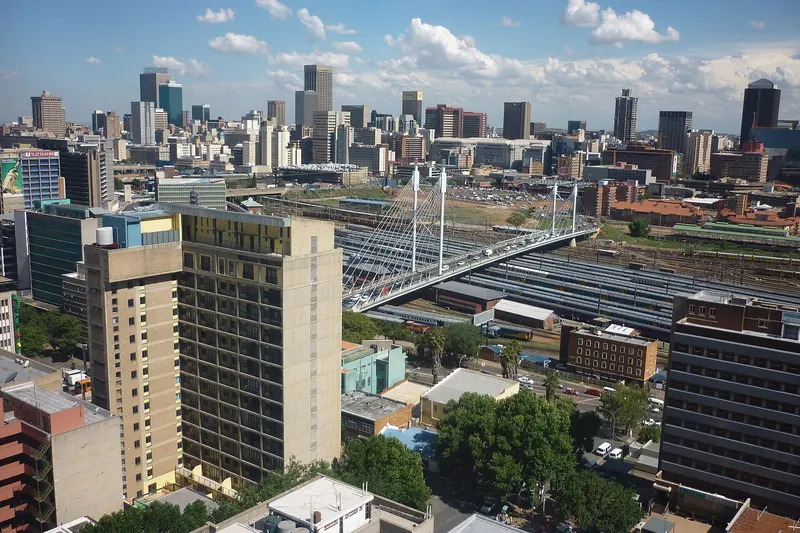
Johannesburg and Soweto

Gauteng, north-east interior

South Africa's largest city and its historic heart: the Apartheid Museum, Constitution Hill, Soweto's Vilakazi Street and Hector Pieterson Memorial, urban renewal in Maboneng and the Cradle of Humankind.

Don't miss Vilakazi Street in Soweto, where two Nobel Peace Prize winners lived a few doors apart.

Explore Destination — Johannesburg and Soweto
MountainsUNESCO Site

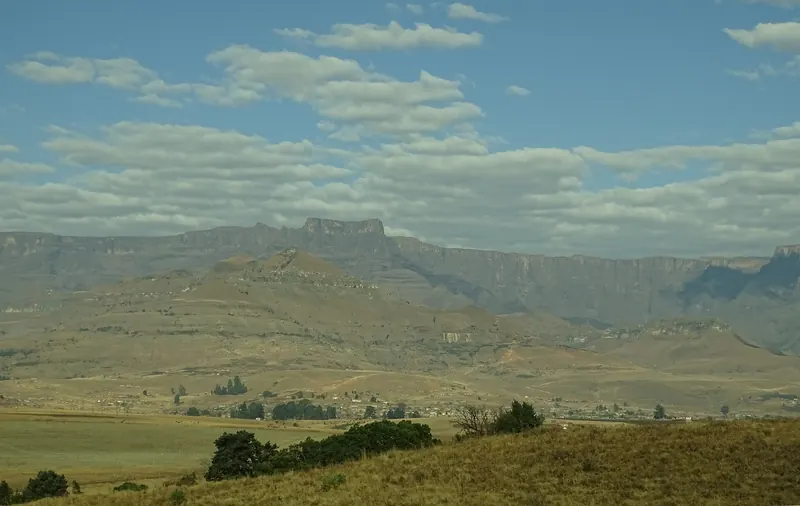
The Drakensberg

KwaZulu-Natal, on the Lesotho border

A UNESCO-listed mountain range of dramatic escarpments, with the Amphitheatre and Tugela Falls, Cathedral Peak, Giant's Castle, San rock art, hiking, horse riding and mountain resorts.

Don't miss Standing beneath the Amphitheatre, a five-kilometre rock wall towering above the Royal Natal National Park.

Explore Destination — The Drakensberg
Scenic RegionNature & Wildlife

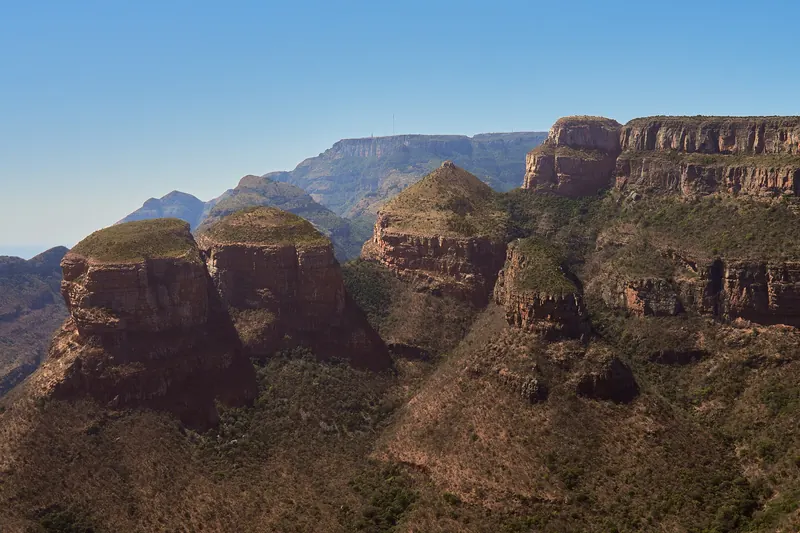
The Panorama Route

Mpumalanga, north-east South Africa

A scenic route through Mpumalanga's escarpment, with Blyde River Canyon, God's Window, the Three Rondavels, Bourke's Luck Potholes, waterfalls and the old gold town of Pilgrim's Rest.

Don't miss The view from God's Window across the lowveld, with the Blyde River Canyon and the Three Rondavels beyond.

Explore Destination — The Panorama Route
UNESCO SiteNational Park

iSimangaliso and St Lucia

KwaZulu-Natal, north-east coast

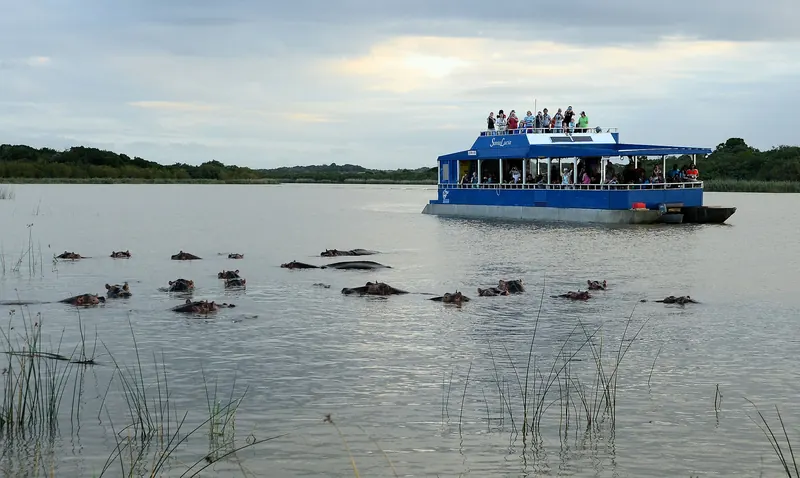
South Africa's first UNESCO World Heritage Site: hippo and crocodile cruises on the St Lucia estuary, the beaches of Cape Vidal, diving at Sodwana Bay, turtle nesting, whales and nearby big-game parks.

Don't miss A boat cruise on the St Lucia estuary at sunset, surrounded by hippos and the sound of fish eagles.

Explore Destination — iSimangaliso and St Lucia
National ParkNature & Wildlife

Addo and the Eastern Cape

Eastern Cape, near Gqeberha

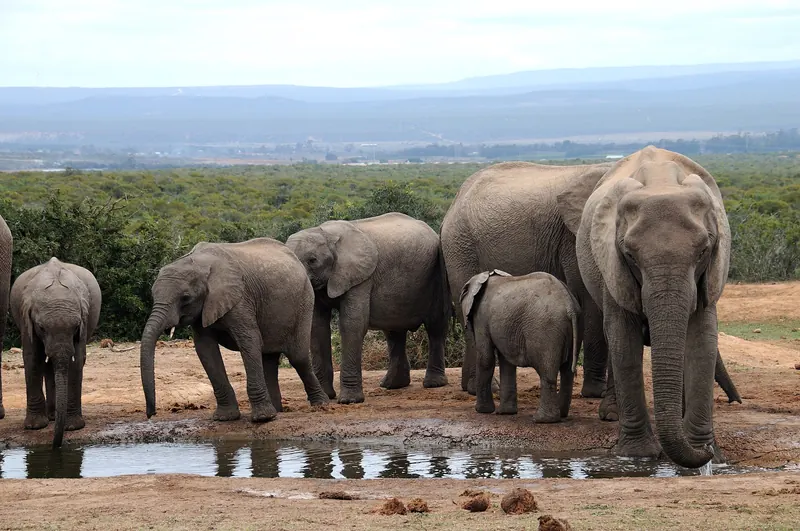
One of South Africa's most rewarding safari parks, malaria-free and easy to reach from Gqeberha, with dense elephant herds, the Big Five, dung beetle crossings and private reserves such as Shamwari.

Don't miss A herd of elephants arriving at a waterhole at dusk, with calves splashing in the mud.

Explore Destination — Addo and the Eastern Cape
Coast & BeachesNature & Wildlife

Hermanus and the Overberg

Western Cape, south coast, Overberg

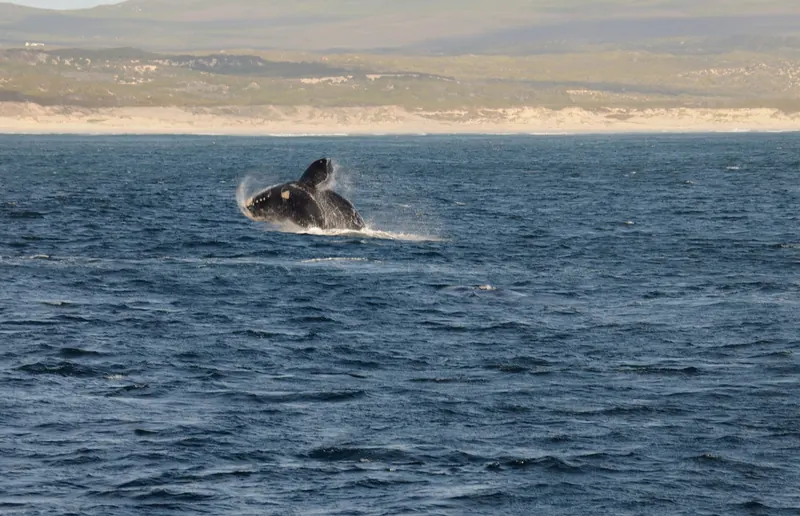
A seaside town 90 minutes from Cape Town with whales from June to November, plus shark-cage diving at Gansbaai, Cape Agulhas, wine in the Hemel-en-Aarde Valley and coastal walks.

Don't miss A southern right whale mother and calf just metres from the cliff path, seen with no boat needed.

Explore Destination — Hermanus and the Overberg

Back to the South Africa country page

FAQ

Planning a trip to South Africa

Can I do a safari and Cape Town in the same trip?

Yes, with a flight. Cape Town to Johannesburg takes about two hours, and from there Kruger is an hour by air or a day by road. Ten days covers both comfortably.

Is it better to self-drive or take a tour?

Self-driving is easy and rewarding on the Garden Route, in the Winelands and in Kruger. Tours make sense for Soweto, Robben Island and the Drakensberg, where a guide adds context.

Is it safe to self-drive?

Generally yes, with precautions: avoid driving at night, keep doors locked and valuables hidden, and plan routes ahead.

When should I book?

Book Kruger camps and safari lodges three to six months ahead for winter. Cape Town's Robben Island and Table Mountain slots should be booked a month or more ahead in high season.

Advertisement