Table Mountain rising above Cape Town with its flat summit and Lion's Head beside it

Western Cape, south-west coast · South Africa

Cape Town

A city beneath a flat-topped mountain, where two oceans meet, with penguin beaches, coloured Cape Malay houses, superb food and a history that stretches from Robben Island to the vineyards.

  • Best time November–March
  • Stay 4 days
  • Good for Scenery, food, wine, history, hiking, first-time visitors

Photo: Dietmar Rabich · CC BY-SA 4.0

Welcome to Cape Town

Cape Town, at the south-western tip of Africa, is one of the world's great natural cities. Table Mountain, a 1,085-metre wall of sandstone with a flat top, rises directly behind the city centre, flanked by Lion's Head and Devil's Peak, and the city spreads along beaches and bays at its feet. The Dutch East India Company founded a supply station here in 1652, and the city has been a meeting point of African, Asian and European cultures ever since.

Its history is layered and often painful. Robben Island, in Table Bay, where Nelson Mandela and other political prisoners were held, is a UNESCO World Heritage Site. The Castle of Good Hope, from the 1660s, is the oldest colonial building in the country, and neighbourhoods such as Bo-Kaap, with its brightly painted houses, reflect the Cape Malay community, descended from enslaved and exiled people from Southeast Asia. District Six, once a mixed community, was flattened under apartheid, and its museum tells the story.

Cape Town is also a city for outdoors and food. Hiking trails lead up the mountain, penguins waddle on Boulders Beach, the Cape Peninsula's roads twist along cliffs to Cape Point, and the Winelands are less than an hour away. It is a beautiful, popular and expensive city by South African standards, and one of the most enjoyable to visit.

  • Major City
  • Coast & Beaches
  • UNESCO Site
  • Culture & Arts

Why visit

Why visit Cape Town?

Cape Town has an unbeatable combination of scenery, history, food and outdoor activity.

  • Table Mountain

    A cable car and hiking trails to a flat summit with views over the city and coast.

  • The Cape Peninsula

    Penguins, baboons, cliffs and Cape Point, all within an hour's drive.

  • Powerful history

    Robben Island, District Six and the Castle of Good Hope.

  • Food and wine

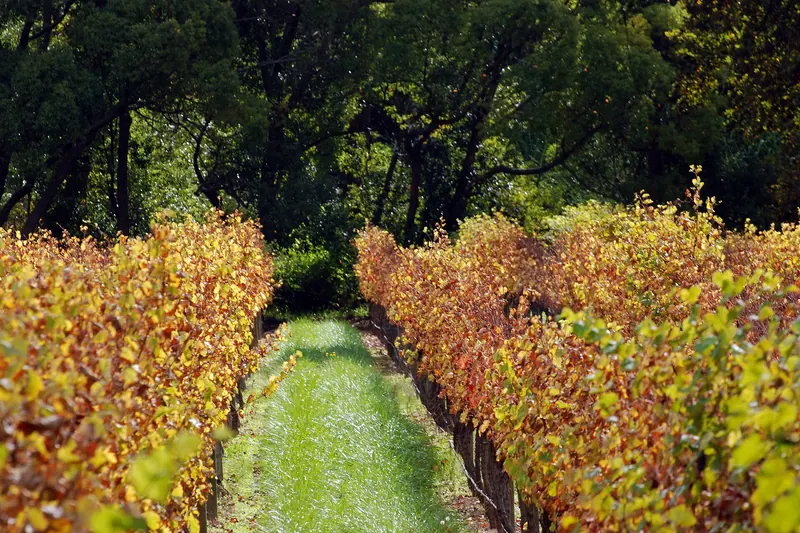
    Cape Malay curries, fresh seafood, and estates a short drive away.

  • Beaches and nature

    Camps Bay, Clifton and the Kirstenbosch botanical garden.

Main attractions

Top things to see in Cape Town

The city's sights are spread out, so group them by area and use ride-hailing apps.

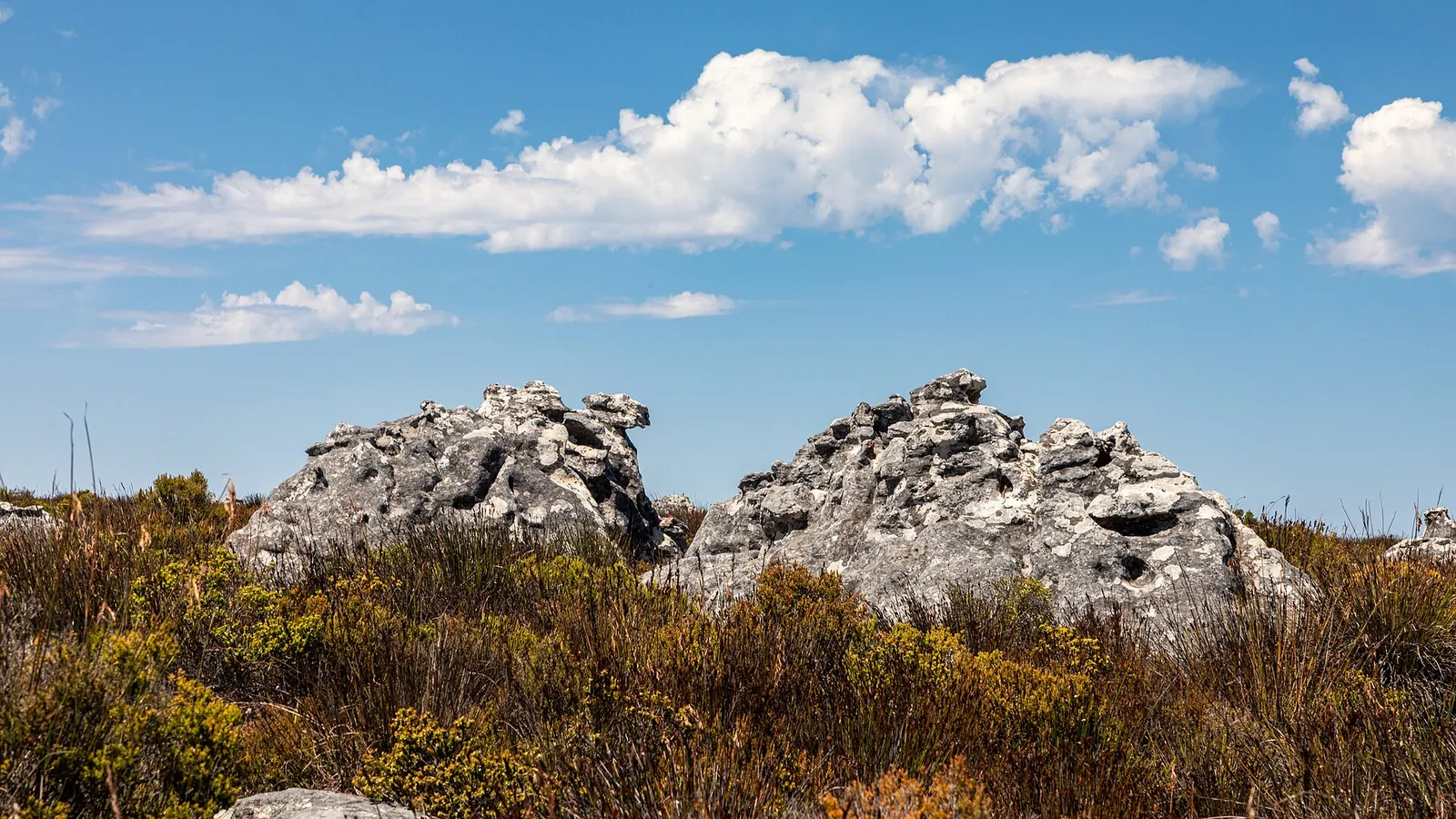
  1. The flat top of Table Mountain above Cape Town seen from below

    Table Mountain

    The city's icon, reached by a rotating cable car in about five minutes, or on foot via Platteklip Gorge in two to three hours. The top has walking paths and views over the city, Robben Island and the Atlantic.

    Tip Check the weather and wind first, and book tickets online.

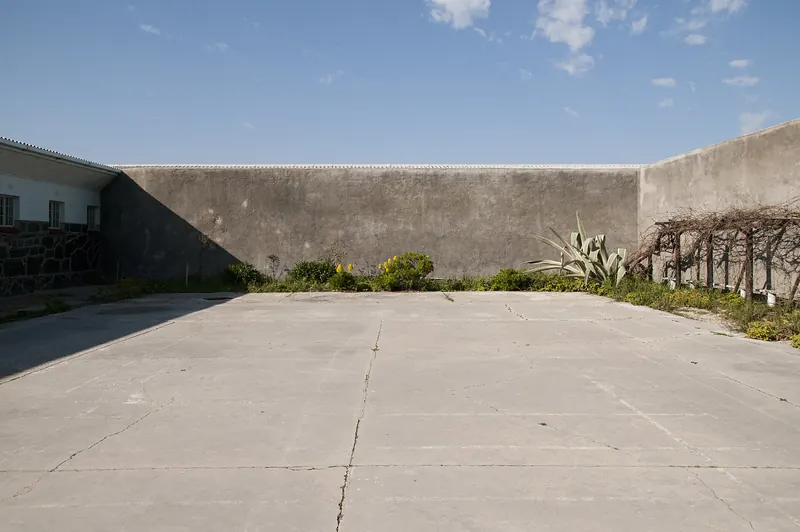
  2. The courtyard of the maximum security prison on Robben Island

    Robben Island

    The island prison where Nelson Mandela spent 18 of his 27 years in custody, now a UNESCO site and museum. Tours include a boat ride from the V&A Waterfront and a visit led by former political prisoners.

    Tip Book weeks ahead, and allow about four hours.

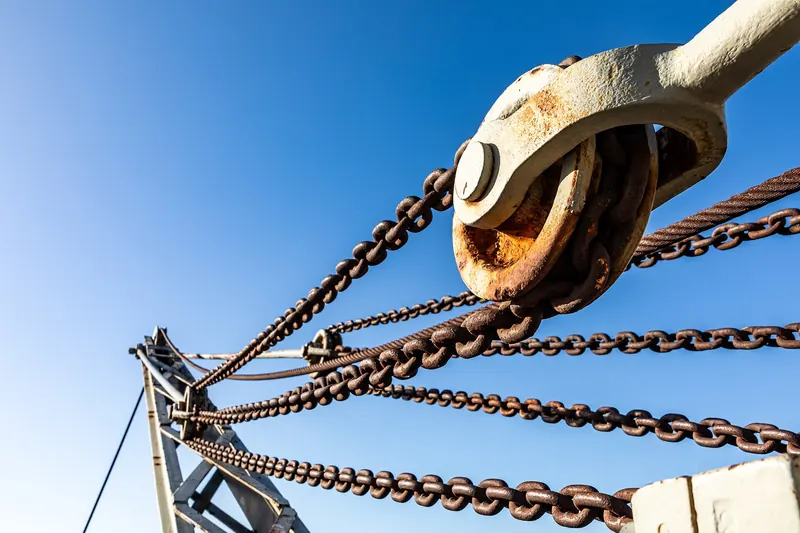
  3. The working harbour and crane of the V&A Waterfront in Cape Town

    The V&A Waterfront

    A busy harbour precinct of restaurants, shops, a wheel, the Zeitz Museum of Contemporary Art Africa and boats to Robben Island, with Table Mountain behind.

    Tip Go for dinner or a sunset drink.

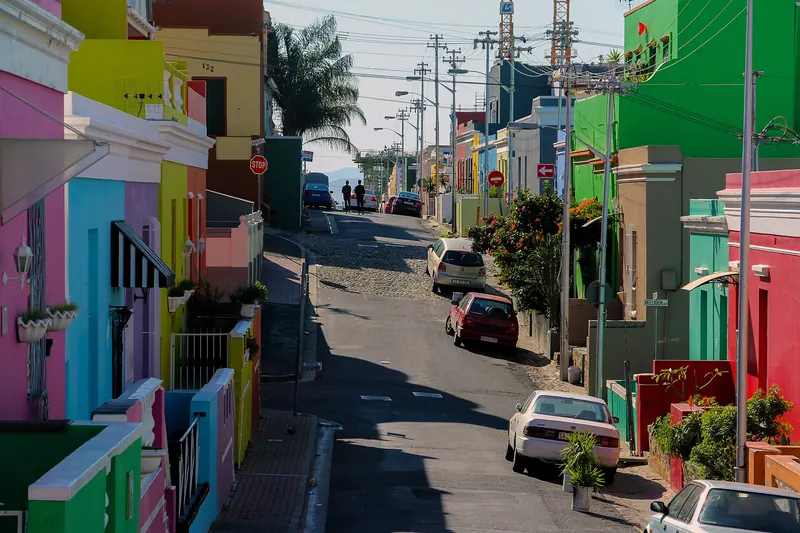
  4. Brightly painted houses along a steep cobbled street in Bo-Kaap

    Bo-Kaap

    A hillside neighbourhood of brightly painted houses and mosques, the historic home of the Cape Malay community, with a museum and cooking classes.

    Tip Go with a local guide, and be respectful of residents.

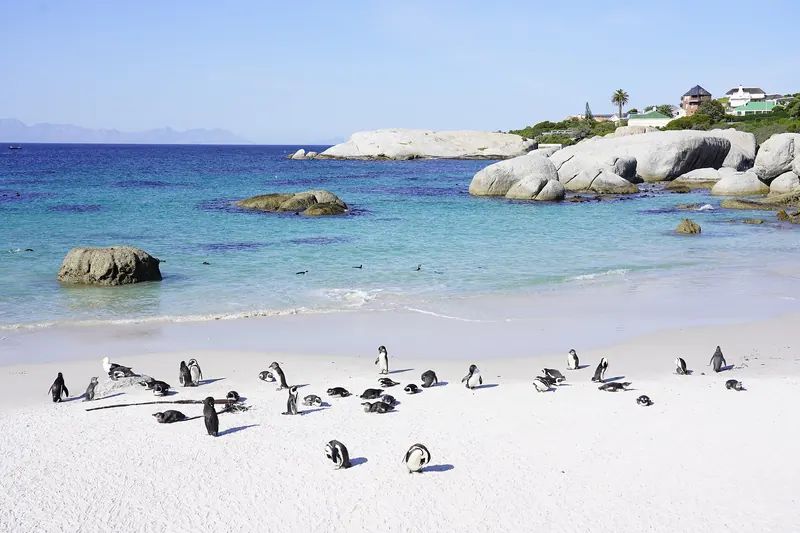
  5. African penguins on the sand at Boulders Beach near Simon's Town

    Boulders Beach and Cape Point

    On the Cape Peninsula, Boulders Beach has a colony of African penguins, and Cape Point, in the Cape of Good Hope nature reserve, has dramatic cliffs and a lighthouse where the two oceans are said to meet.

    Tip Go early to avoid crowds, and watch out for baboons.

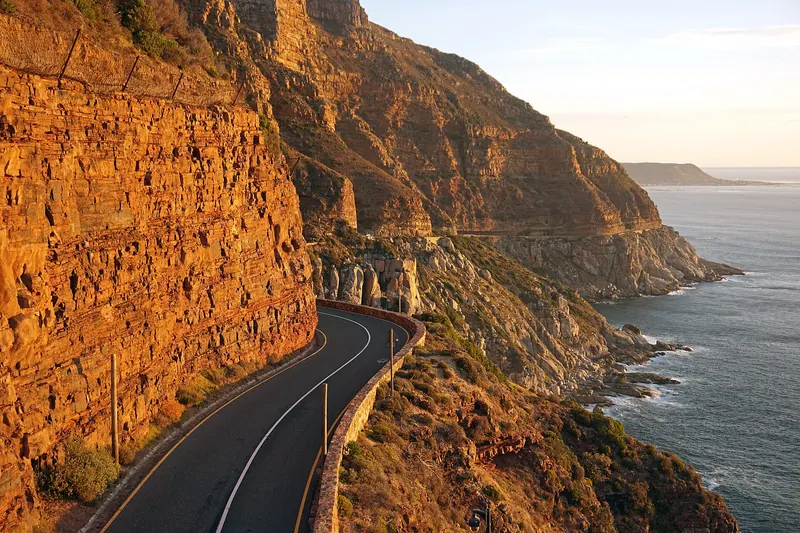
  6. The winding Chapman's Peak Drive hugging cliffs above the Atlantic

    Chapman's Peak Drive

    A 9-km toll road cut into the cliff between Hout Bay and Noordhoek, with sweeping views over the Atlantic. It is one of the great coastal drives of the world.

    Tip Check whether it is open, as it closes in bad weather.

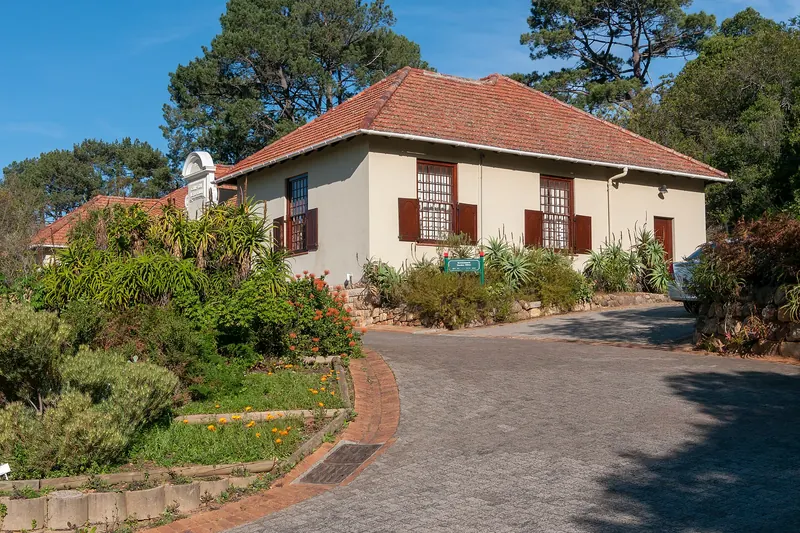
  7. Lawns and indigenous plants at Kirstenbosch on the slopes of Table Mountain

    Kirstenbosch National Botanical Garden

    A garden of indigenous plants on the eastern slopes of the mountain, with a treetop walkway and summer concerts.

    Tip Bring a picnic.

Things to do

Best things to do in Cape Town

Cape Town is best enjoyed by mixing outdoor time, history and food.

  1. Hike Lion's Head at sunset

    A 2-hour walk to a peak with 360-degree views over the city and the sea.

    Tip Go with others and bring a torch for the descent.

  2. Watch the sunset at Camps Bay

    A stylish beach with palm-lined promenade and restaurants facing the sunset.

    Tip Book a table early.

  3. Take a Cape Malay cooking class

    Learn to make curries and samoosas in Bo-Kaap.

    Tip Book in advance.

  4. Visit District Six Museum

    A moving museum about the community forcibly removed under apartheid.

    Tip Allow an hour or two.

  5. Try a township tour

    Guided tours of areas such as Langa and Khayelitsha, with community-run visits, give context to modern Cape Town.

    Tip Choose a responsible, locally run operator.

  6. Take a day trip to the Winelands

    Stellenbosch and Franschhoek are about an hour away. See the Winelands.

    Tip Book a driver.

Local food

What to eat in Cape Town

Cape Town's food scene is one of Africa's best, mixing Cape Malay, seafood, braai and modern fine dining.

  • Cape Malay curry and bobotie

    Sweet, fragrant curries and baked spiced mince with an egg topping, from the Cape Malay tradition.

    Where to try it Restaurants in Bo-Kaap.

  • Seafood and snoek

    Fresh fish, crayfish, mussels, and grilled or smoked snoek.

    Where to try it Harbour restaurants in Hout Bay and Kalk Bay.

  • Gatsby sandwich

    A huge Cape Town sandwich packed with chips, meat and sauce.

    Where to try it Local takeaways.

  • Koeksisters

    Sweet, syrupy braided doughnuts. The Cape Malay version is spiced and coated in coconut.

    Where to try it Bakeries in Bo-Kaap.

  • Cape wine

    Chenin blanc, Pinotage and Sauvignon blanc, from nearby estates.

    Where to try it Wine bars and Constantia.

  • Braai

    Grilled meats, boerewors and seafood cooked over fire.

    Where to try it Restaurants and beach kiosks.

Accommodation

Where to stay in Cape Town

Stay in the City Bowl, Camps Bay or the Waterfront, all with good access and safety.

  • City Bowl and Gardens

    Boutique hotels and guesthouses below the mountain.

    Best for: Restaurants, transport and value

  • V&A Waterfront

    Hotels with harbour and mountain views.

    Best for: Convenience and safety

  • Camps Bay and the Atlantic Seaboard

    Villas and hotels facing the sunset.

    Best for: Beach life

What a night costs

Budget hostel or guesthouse
US$25–70 per night
Mid-range hotel
US$100–200 per night
Luxury hotel
US$250–600 per night
Meal at a mid-range restaurant
US$15–30 per person

Transport

Getting to and around Cape Town

Cape Town has direct flights from Europe, the Middle East and Johannesburg.

Getting there

  • Flight to Cape Town (CPT)

    Direct flights from Europe, the Middle East, and across South Africa, about 2 hours from Johannesburg.

    The airport is 25 minutes from the centre.

  • Drive from the Garden Route

    About 5 hours 30 minutes from Knysna, and 1 hour 30 minutes from Hermanus.

    Roads are good.

  • Luxury train

    The Blue Train and Rovos Rail run from Pretoria.

    Book far ahead.

Getting around

Use ride-hailing apps, a hire car and the MyCiTi bus, and avoid walking at night.

  • Ride-hailing

    Uber and Bolt are the safest and most convenient option.

    Use the app.

  • Hire car

    Good for the Peninsula and Winelands.

    Never leave valuables in view.

  • MyCiTi buses and City Sightseeing

    Buses link the airport, the city and the coast.

    Buy a card.

When to go

Best time to visit Cape Town

Cape Town has a Mediterranean climate, with hot, dry summers and mild, wet winters, and a strong south-easter wind in summer.

  • Summer (December–February)

    Best time

    Hot, dry and sunny, with long days. Busy and expensive.

  • Autumn (March–May)

    Best time

    Warm and settled, with fewer crowds and the wine harvest.

  • Winter (June–August)

    Quiet

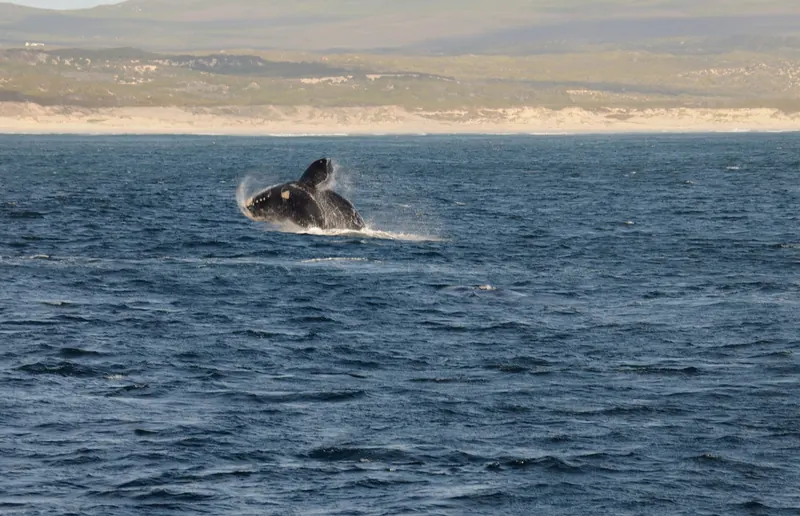
    Cool and wet, with storms, but whales arrive and prices fall.

  • Spring (September–November)

    Best time

    Mild, with wildflowers and whales.

Worth planning around: Windy days in summer, when the cable car can close.

Itinerary

Four days in Cape Town

The mountain, the peninsula, history and a day in the Winelands.

  1. Day1

    The city and the mountain

    Icons.

    • Morning Table Mountain.
    • Afternoon Bo-Kaap and the city centre.
    • Evening Sunset at Camps Bay.
  2. Day2

    The Cape Peninsula

    Penguins and cliffs.

    • Morning Chapman's Peak Drive and Hout Bay.
    • Afternoon Boulders Beach and Cape Point.
    • Evening Dinner in Kalk Bay.
  3. Day3

    History

    Robben Island.

    • Morning The ferry to Robben Island.
    • Afternoon The Waterfront and District Six.
    • Evening A Cape Malay dinner.
  4. Day4

    The Winelands or Kirstenbosch

    Wine or plants.

    • Morning Kirstenbosch or a winery.
    • Afternoon Lunch in Constantia or Stellenbosch.
    • Evening Depart.

Travel tips

Cape Town travel tips

A few tips help you enjoy Cape Town safely.

  • Use ride-hailing apps rather than walking at night or hailing cabs.
  • Keep valuables out of sight, and do not leave anything in a parked car.
  • Book Robben Island and popular restaurants well ahead.
  • Check the Table Mountain cable car status and the weather.
  • Wear layers and sun protection.
  • Do not feed baboons, which can be aggressive.
  • Take care on beaches, where rips are strong.

FAQ

Cape Town: frequently asked questions

How many days do you need in Cape Town?

Four days for the city, the peninsula and Robben Island, plus more for the Winelands.

Is Cape Town safe?

Tourist areas are generally fine with precautions. Use apps at night, keep valuables hidden and follow local advice.

What is the best time to visit?

November to March for weather, September to November for whales and wildflowers.

Do I need to book Robben Island?

Yes. Tours sell out weeks ahead in high season.

Can I hike Table Mountain?

Yes, on several routes, with a guide recommended on longer ones. The cable car is an alternative.

Is Cape Town malaria-free?

Yes.

Read next

Related travel articles

Food

A Country-by-Country Food Primer

Eating well abroad is mostly a matter of knowing when meals happen, how the menu is structured and which dish belongs to the place you are standing in. This covers all three for the five countries in this guide, plus the signals that separate a restaurant that feeds locals from one that feeds coaches.

Heritage

UNESCO Sites Worth Planning a Trip Around

A UNESCO listing tells you a place matters; it does not tell you whether it is worth two days and a detour. This is how to read the list usefully — and which sites reward building a trip around them.

Advertisement