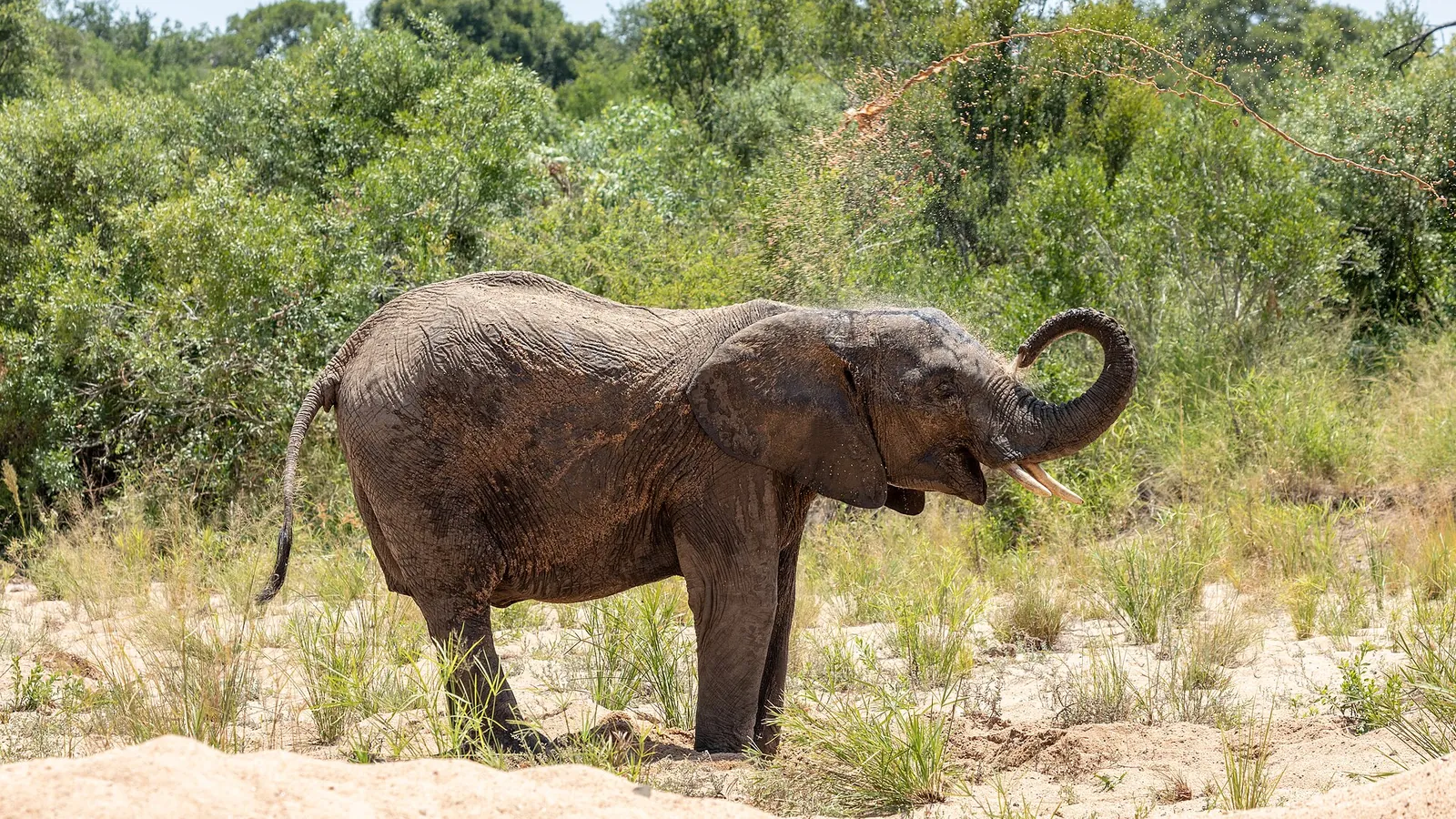
An elephant standing in the bushveld of Kruger National Park

Limpopo and Mpumalanga, north-east South Africa · South Africa

Kruger National Park

One of Africa's largest and best-managed game reserves, the size of Wales, where the Big Five roam and you can drive yourself between rest camps and waterholes.

  • Best time May–September
  • Stay 3–4 days
  • Good for Wildlife, self-drive safaris, photography, families

Photo: Dietmar Rabich · CC BY-SA 4.0

Welcome to Kruger National Park

Kruger National Park covers almost 20,000 square kilometres along South Africa's north-eastern border with Mozambique, an area the size of Wales, or of Israel. It began in 1898 as the Sabie Game Reserve, and it became a national park in 1926, named after the Boer president Paul Kruger. Today it is one of the most biodiverse protected areas in Africa, with about 150 species of mammal, including the Big Five, more than 500 species of bird and a landscape of open savanna, acacia woodland, rivers and rocky hills.

What sets Kruger apart is how easy it is to visit. A network of paved and gravel roads, 12 main rest camps with chalets and campsites, restaurants and shops, means that visitors can drive their own vehicles, and many do. Others join guided game drives at dawn, dusk or night, or bush walks with armed rangers. Along the western boundary, private reserves such as Sabi Sands and Timbavati share unfenced land with Kruger, and offer off-road drives and luxury lodges.

The dry season, from May to September, is the best time for wildlife, as animals gather at rivers and waterholes and the vegetation thins. Rhino poaching has been a serious problem in recent years, and the park has worked to protect its populations, though sightings are less common than they once were. Even so, a stay here is the classic African safari.

  • National Park
  • Nature & Wildlife
  • Off the Beaten Path

Why visit

Why visit Kruger National Park?

Kruger is Africa's most accessible big-game park, with wildlife that ranges from elephants to tiny birds.

  • The Big Five and more

    Lion, leopard, elephant, rhino and buffalo, plus giraffe, zebra, hippo, cheetah and wild dogs.

  • Self-drive freedom

    Explore at your own pace on well-kept roads, stopping at waterholes and viewpoints.

  • Guided drives and walks

    Dawn, sunset and night drives with expert rangers.

  • A range of budgets

    From campsites and chalets to some of the world's best safari lodges.

  • Superb birdlife

    Eagles, hornbills, rollers and hundreds of other species.

Main attractions

Top things to see in Kruger National Park

Kruger is a vast park with distinct regions, each with different wildlife and character.

  1. Skukuza and the Sabie River

    The largest rest camp, in the south, on the Sabie River, with many animals along its banks and a good chance of seeing leopards.

    Tip Drive the river road at dawn.

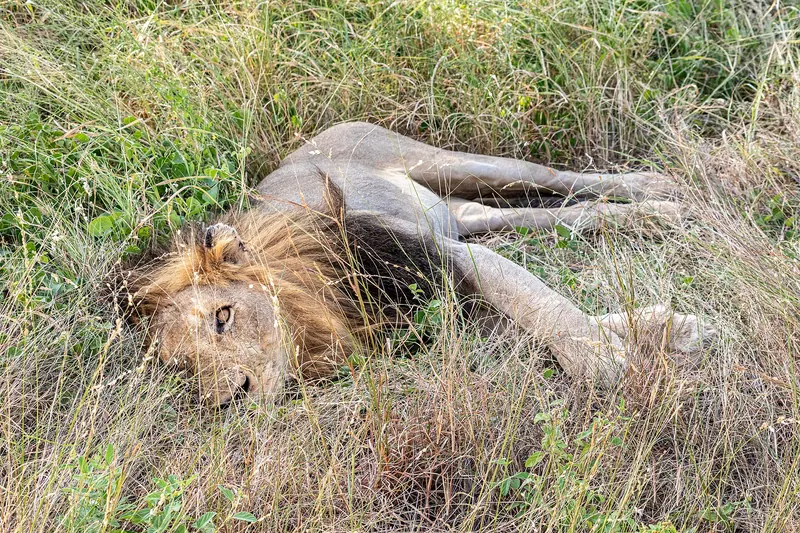
  2. A lion resting in the grass of Kruger National Park

    Satara and the central plains

    Open grassland in the centre, rich in grazers and known for lions, which follow the herds of zebra, wildebeest and buffalo.

    Tip Look for lions near waterholes.

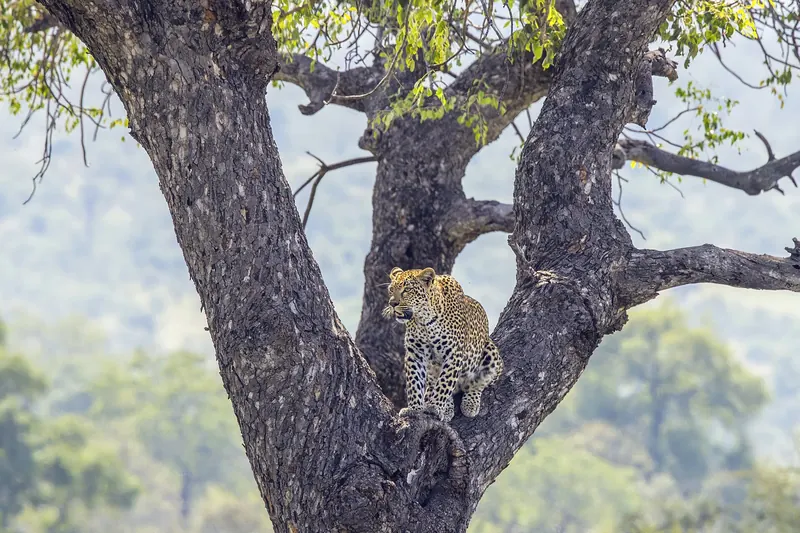
  3. A young female leopard in Kruger National Park

    Leopards and the south

    The southern part, from Lower Sabie to Berg-en-Dal, has dense bush and a high density of wildlife, including leopards and rhinos.

    Tip Scan trees along rivers.

  4. Olifants and Letaba

    Camps in the north-central region with views over rivers and elephant herds, and the Letaba Elephant Hall museum.

    Tip Stay a night for the river views.

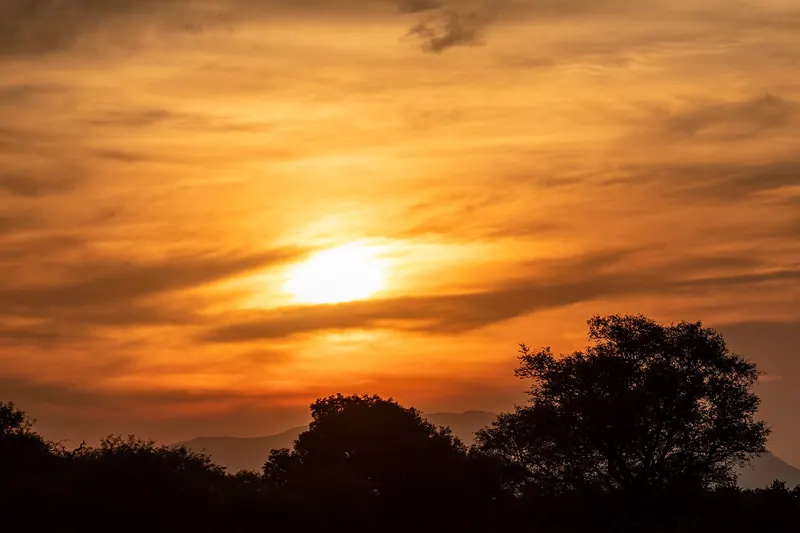
  5. A sunset over the bushveld of a private game reserve near Kruger

    Sabi Sands and private reserves

    Private reserves along Kruger's western border, unfenced from the park, offering off-road drives, night drives and close leopard encounters, at a high price.

    Tip Book far ahead.

Things to do

Best things to do in Kruger National Park

The main activity is game viewing, on your own or with a guide.

  1. Do a self-drive safari

    Drive the park's roads at your own pace, with a map and binoculars.

    Tip Drive slowly, and stay in your car.

  2. Join a dawn or sunset game drive

    A guided drive in an open vehicle, with a ranger who spots wildlife.

    Tip Book in the camp.

  3. Take a night drive

    See leopards, hyenas, owls and bushbabies with a spotlight.

    Tip Bring warm clothes.

  4. Go on a bush walk

    A guided walk with an armed ranger, learning about tracks, plants and insects.

    Tip Follow the ranger's instructions.

  5. Watch a waterhole

    Sit at a hide or camp waterhole and watch animals come and go.

    Tip Bring patience and binoculars.

  6. Stay in a private lodge

    A luxury stay with trackers and off-road drives.

    Tip Book months ahead.

Local food

What to eat in Kruger National Park

Food in Kruger is simple, with braais, buffets and camp restaurants.

  • Braai and boerewors

    Barbecue at rest-camp braai areas, with steak, chops and sausages.

    Where to try it Every camp.

  • Potjiekos

    A slow-cooked stew in a cast-iron pot, over a fire.

    Where to try it Lodges.

  • Game meat

    Kudu, springbok and impala, in stews and steaks.

    Where to try it Restaurants and lodges.

  • Biltong and rusks

    Dried meat and hard biscuits for dunking in coffee.

    Where to try it Camp shops.

  • Sundowner drinks

    Gin and tonic or wine at sunset in the bush.

    Where to try it Lodges.

Accommodation

Where to stay in Kruger National Park

Stay in rest camps for value, or in private lodges for a higher-end experience.

  • SANParks rest camps

    Chalets, safari tents and campsites in fenced camps.

    Best for: Value and self-drive

  • Private concessions

    Lodges within Kruger with guided drives.

    Best for: Comfort and exclusivity

  • Private reserves (Sabi Sands, Timbavati)

    Luxury lodges, with all activities included.

    Best for: Leopards and off-road drives

What a night costs

Camp or tent
US$20–60 per night
Rest-camp chalet
US$80–180 per night
Private lodge
US$500–1,500 per person per night
Conservation fee
A daily per-person fee, higher for international visitors

Transport

Getting to and around Kruger National Park

Kruger is 400 to 500 km east of Johannesburg.

Getting there

  • Fly to Kruger area airports

    Flights from Johannesburg and Cape Town to Skukuza, Hoedspruit, Nelspruit (MQP) and Phalaborwa.

    Rent a car at the airport.

  • Drive from Johannesburg

    About 5 to 6 hours to the southern gates, on good roads.

    Avoid driving after dark.

  • Tour or fly-in safari

    Tours from Johannesburg and lodges arrange transfers.

    Book in advance.

Getting around

Most visitors self-drive, or travel on guided vehicles.

  • Self-drive

    Paved and gravel roads, with speed limits of 50 and 40 km/h. A standard car is fine.

    Stay inside your car, and obey the gate times.

  • Guided drives

    Sunrise, sunset and night drives from camps.

    Book on arrival.

  • Private lodge vehicles

    Open vehicles with a ranger and tracker.

    Included in lodge rates.

When to go

Best time to visit Kruger National Park

Kruger has hot, wet summers and mild, dry winters. Winter is best for wildlife.

  • Summer (November–March)

    Good

    Hot, humid and green, with newborn animals, birds and thick vegetation.

  • Autumn (April–May)

    Good

    Drying out, with lower rates and fewer visitors.

  • Winter (June–August)

    Best time

    Cool mornings, warm days, sparse vegetation and animals at water.

  • Late dry (September–October)

    Best time

    Hot and dry, with the best game viewing, before the rains.

Worth planning around: January and February for heat, rain and dense bush.

Itinerary

Three days in Kruger

A self-drive with a guided drive and a night in the bush.

  1. Day1

    Arrive

    Enter the park.

    • Morning Fly or drive to the park.
    • Afternoon A first game drive.
    • Evening A braai at the camp.
  2. Day2

    Game viewing

    Dawn to dusk.

    • Morning A dawn drive along the river.
    • Afternoon A waterhole and a picnic.
    • Evening A night drive.
  3. Day3

    Central Kruger

    Lions and plains.

    • Morning A drive to the central plains.
    • Afternoon Return.
    • Evening Depart.

Travel tips

Kruger National Park travel tips

A few tips help you make the most of Kruger.

  • Drive slowly and quietly, and stay in your car unless in a designated area.
  • Start at the gate opening time for the best sightings.
  • Book camps months ahead, particularly for winter.
  • Take binoculars, a bird book and a camera with a zoom lens.
  • Use insect repellent and take malaria precautions where advised.
  • Do not feed animals, and follow the speed limits.
  • Ask other drivers and rangers where animals have been seen.

FAQ

Kruger National Park: frequently asked questions

How many days do you need in Kruger?

Three or four days for a good safari experience.

Can I see the Big Five?

Often, though rhino sightings are rarer than before because of poaching. Leopards can also be elusive.

Is Kruger safe to self-drive?

Yes. Roads are good, but keep to the rules, and stay in your car.

What is the best time to visit?

May to September, the dry season.

Do I need malaria tablets?

Kruger is a malaria area, with lower risk in winter. Consult a travel clinic.

Kruger or a private reserve?

Kruger is cheaper and lets you self-drive. Private reserves offer off-road drives and more intimate sightings, at a higher price.

Read next

Related travel articles

Practical

Packing by Season and Trip Type

Most packing advice is a list of things. This is the opposite: the small number of decisions that determine whether your luggage helps or hinders, organised by the kind of trip you are actually taking.

Road trips

How to Plan a US National Parks Road Trip

American national parks are no longer places you turn up at. Timed entry, permit lotteries and mandatory shuttles now govern the popular ones, and the distances between them are larger than almost any visitor expects. Here is how to plan around both.

Advertisement