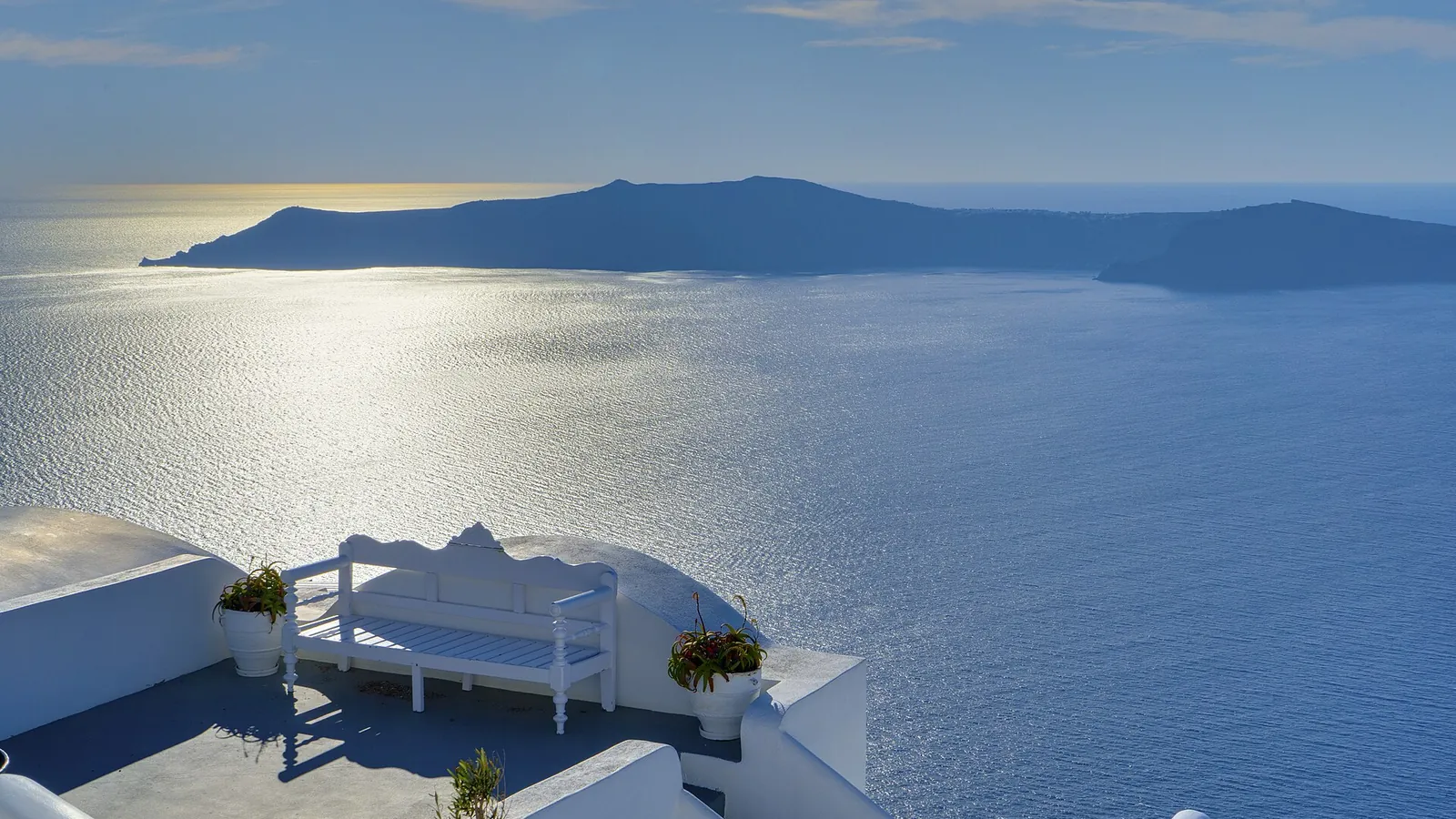
Santorini's whitewashed villages above the volcanic caldera at sunset

Greece · Travel guide

The Complete Greece Travel Guide

How the mainland and islands divide, why ferry timing rewards planning, and what a fortnight can honestly cover.

  • Reading time 15 min read
  • Covers 10 destinations
  • Updated 2026

Photo: User:Anna.Tsolidou · CC BY-SA 4.0

Greece packs ancient monuments, Byzantine monasteries and hundreds of distinct islands into a country its ferry and flight network makes surprisingly easy to combine. This guide covers how the regions differ, when a ferry beats a flight, what the seasons really mean from May's wildflowers to August's crowds, and the practicalities — cash on smaller islands and ferry weather delays — that catch first-time visitors out most often.

How Greece divides

Greece spans a mainland and more than 200 inhabited islands, and treating it as a single trip without picking a focus is the most common mistake first-time visitors make in planning.

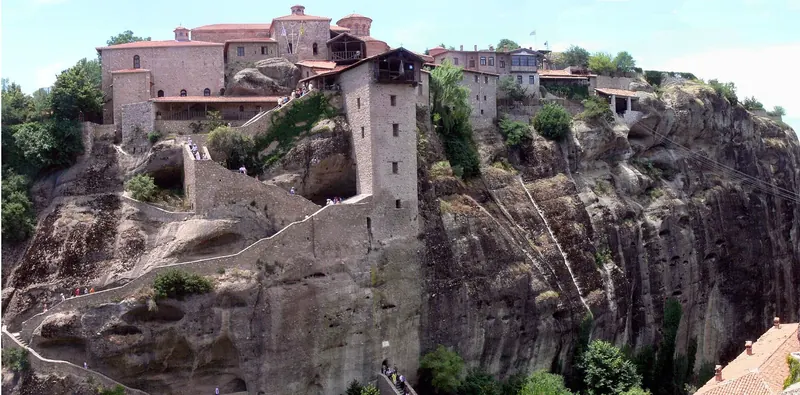
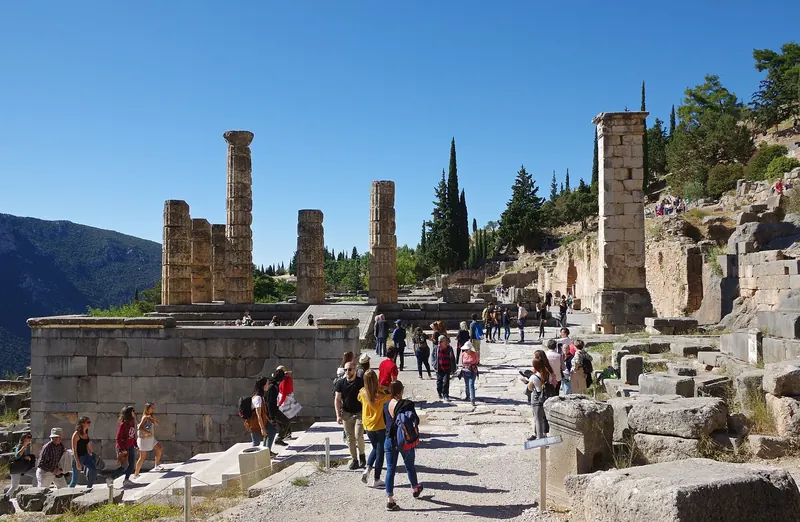
Athens and the mainland's ancient sites. Athens itself, a genuine world capital built directly around its ancient monuments, alongside easy day or overnight trips to Delphi's mountain sanctuary and Meteora's cliff-top monasteries.

The Cyclades. Santorini for caldera views and sunsets, Mykonos for nightlife and beach clubs — the two most famous islands, and the classic first-trip island pairing.

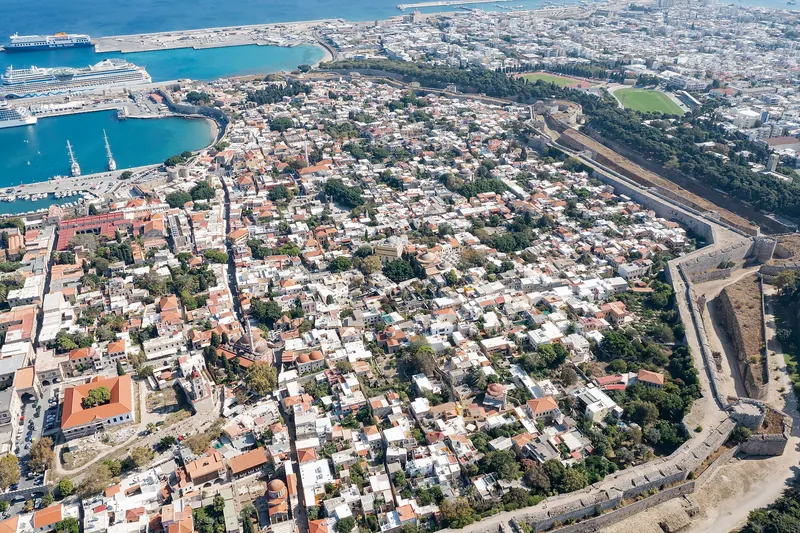
The larger islands. Crete, large enough for a trip of its own, and Rhodes, a walled medieval old town paired with Dodecanese island beaches.

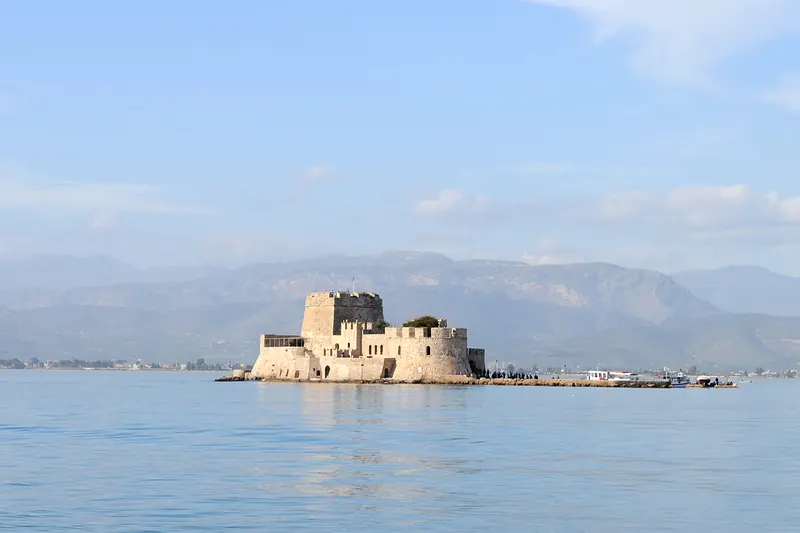
The Peloponnese. Nafplio and the Peloponnese, an underrated region of ancient sites, Venetian architecture and mountain villages within easy reach of Athens.

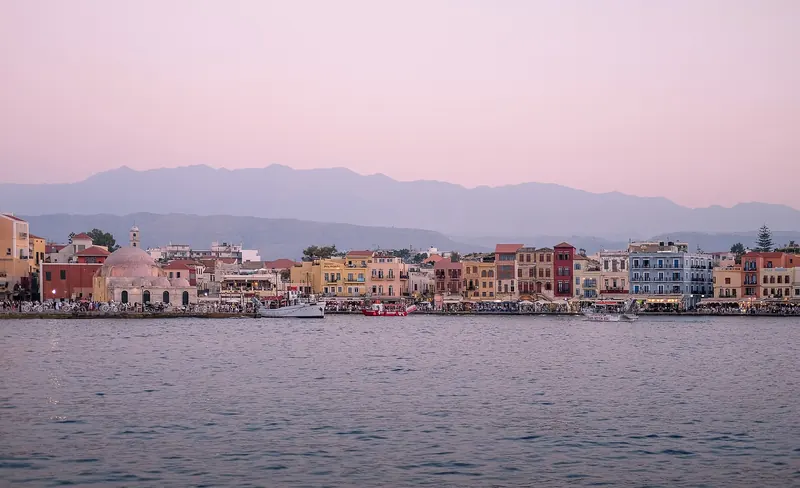
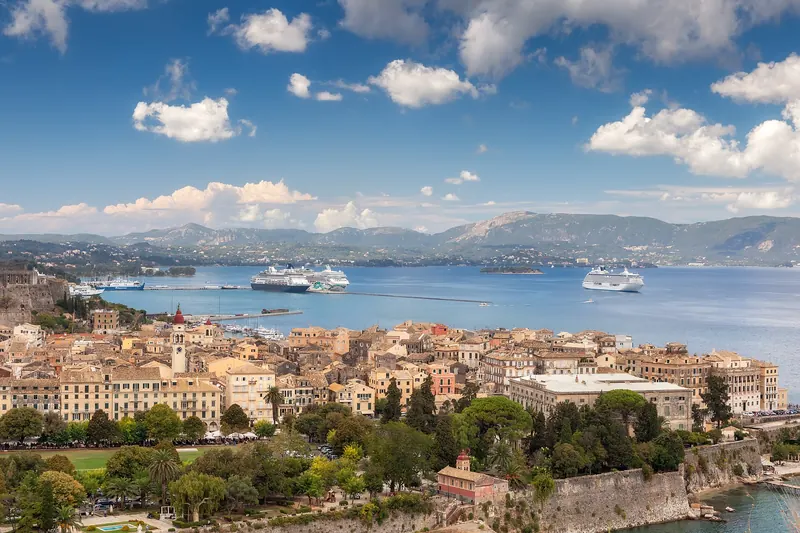
The north. Thessaloniki, Greece's different second city with its own Ottoman and Byzantine layered history, and Corfu, an Ionian island with a distinct Venetian character apart from the Cyclades.

Worth knowing: The practical unit for a first trip is Athens plus two islands, not an attempt at the whole country. Ferries and short flights make the Athens-Santorini-Mykonos-Crete corridor easy; the Peloponnese and the north each reward dedicated time of their own.

Choosing between the ten destinations

  • If this is your first trip

    Athens, Santorini and Mykonos, connected by ferry or short flight. Three nights in Athens, three in Santorini, two in Mykonos. It is the standard route because it works: ancient history, the caldera's famous view and the Cyclades' liveliest island.

  • If you want ancient history without the island logistics

    Athens paired with Delphi and Meteora as mainland day or overnight trips — no ferry booking required, and both reward at least a day each.

  • If you want a whole island's worth of range

    Crete alone, large enough for a week — Venetian harbour towns, the Palace of Knossos, mountain gorges and beaches all within one island.

  • If you want fewer crowds with comparable history and beauty

    Nafplio and the Peloponnese for ancient sites and Venetian towns with noticeably fewer visitors, or Thessaloniki for a different, less touristed Greek city.

  • If you want a walled medieval old town and Dodecanese beaches

    Rhodes, its old town a genuine UNESCO World Heritage Site, easily paired with a beach-focused island stay.

  • If you want something different from the Cyclades

    Corfu for its distinct Venetian-Ionian character, most first-time Greece visitors focused on Santorini and Mykonos never reach it.

Getting around: ferries, flights and one common mistake

Greece's ferry and flight network makes island-hopping workable. Athens' port of Piraeus connects to Santorini, Mykonos and Crete, with high-speed and conventional ferry options on most routes.

Book high-speed ferries ahead in July and August — popular Cyclades routes can sell out days in advance during peak season, and walk-up availability cannot be relied on.

Consider flights over ferries for longer hops. A short domestic flight from Athens reaches most major islands in under an hour, considerably faster than an equivalent ferry crossing, and budget carrier fares are often affordable.

Build a buffer day into ferry-dependent itineraries. Weather can delay or cancel crossings, especially in shoulder season — a tight island-hopping schedule with no slack is a common way to miss a flight home.

A car is useful for Crete's scale and a flexible Peloponnese route beyond the main towns. Hire it only for that specific leg — a car in Athens or on a small Cycladic island is expensive and actively unhelpful.

Intercity buses (KTEL) connect Athens reliably to Delphi, Meteora and Nafplio, an affordable option for mainland day trips.

Worth knowing: Book the ferry or flight for your last island-to-Athens leg with real slack before an international departure. Weather delays are the single most common way island-hopping itineraries go wrong.

When to go

Greek weather is reliable in summer, which makes 'the best time' more about crowds and prices than any guarantee of sunshine. Two windows generally work best: May to June and September.

Spring brings mild, increasingly warm temperatures, wildflowers across the countryside and crowds well below the July-August peak — an excellent window for ancient sites without the summer heat.

Summer offers the most reliable warm, dry weather for swimming, plus the longest daylight hours. It is also the most crowded and expensive stretch of the year, particularly on Santorini and Mykonos, with August specifically overlapping Greek domestic holidays.

Autumn, especially September, keeps warm sea temperatures lingering from summer while crowds and prices ease — one of the best windows for combining swimming with sightseeing.

Winter stays mild on the mainland but goes quiet on the islands, where many hotels, restaurants and ferry routes reduce service or close entirely between November and April.

Worth knowing: Mid-August specifically overlaps the Greek domestic August holiday period — book ferries and island accommodation many months ahead if travelling then, or shift a week either side if your dates allow it.

Costs, cash and what you must book

Mid-range travel in Greece runs roughly €100–170 per person per day, with Santorini and Mykonos adding a genuine 25–40% premium over that figure. Backpacking works at €50–80; comfortable travel with good hotels and domestic flights runs €190–320.

Carry some cash. Card acceptance is strong in cities and tourist areas, but smaller island tavernas, kiosks and taxis can still prefer cash.

Book ahead, without exception: high-speed ferries and flights for July-August travel, Santorini and Mykonos accommodation for summer, and Acropolis tickets for peak-season visits.

Build in ferry buffer time. A missed connection from weather delays is an expensive mistake if it costs a missed flight home — never schedule an island-to-airport ferry on the same day as an international departure.

Small savings that add up: neighbourhood tavernas over tourist-strip restaurants, house wine over bottled, and travelling in May, June or September rather than the July-August peak for meaningfully lower accommodation prices.

Culture, hospitality and how taverna meals work

Greek culture varies between the mainland and the islands, but a handful of broadly shared norms hold across most of the country.

Philoxenia, hospitality to strangers, is a genuine cultural value. Warmth offered by Greeks to visitors is generally sincere rather than transactional, and worth accepting graciously.

Time runs on 'siga siga' — slowly, slowly. Schedules and reservations are treated with more flexibility than punctuality-focused visitors may expect, and this is a feature of the culture, not poor planning.

Meals are a genuine social occasion, often starting late by many countries' standards and meant to be lingered over rather than rushed through.

Dress modestly for churches and monasteries — shoulders and knees covered, particularly at Meteora, where this is enforced at the entrance.

Finally, take August closures seriously when planning — many Greek businesses close for part of the month as owners take their own holiday, a real cultural institution rather than an inconvenience aimed at visitors.

Four routes that work

  1. Ten days: the classic Athens-and-islands

    Three nights in Athens, four in Santorini, three in Mykonos, connected by ferry or short flight. The most trodden route in Greece and still the right first trip — ancient history and the Cyclades' two most famous islands.

    Tip Book Santorini accommodation and the Acropolis before you leave home — both sell out or spike in price close to peak season dates.

  2. Two weeks: mainland history and island-hopping

    The itinerary on the Greece country page: Athens, Delphi, Meteora, then Santorini, Mykonos and Crete. Adds the mainland's ancient sanctuary and cliff-top monasteries to the classic islands route.

    Tip Book the Meteora-to-island leg with real slack — it typically involves a transfer back through Athens.

  3. Ten days on Crete alone

    Crete for the full trip, based in Chania or Heraklion with a rental car. Venetian harbour towns, the Palace of Knossos, mountain gorges and beaches, without any ferry-hopping logistics at all.

    Tip Hire the car from the airport on arrival — Crete's scale rewards having one for the whole stay.

  4. A week in one region

    Nafplio and the Peloponnese as a self-contained mainland trip of ancient sites and Venetian towns, or Rhodes paired with a quieter Dodecanese island. Both reward a full week and neither works well as a rushed two-day add-on to Athens.

    Tip For the Peloponnese, hire a car in Athens rather than relying on buses between its smaller towns.

Reference

The 10 destinations in this guide

Every place named above has its own detailed guide — attractions, food, where to stay, how to get around and a suggested day-by-day plan.

Historic SiteCity

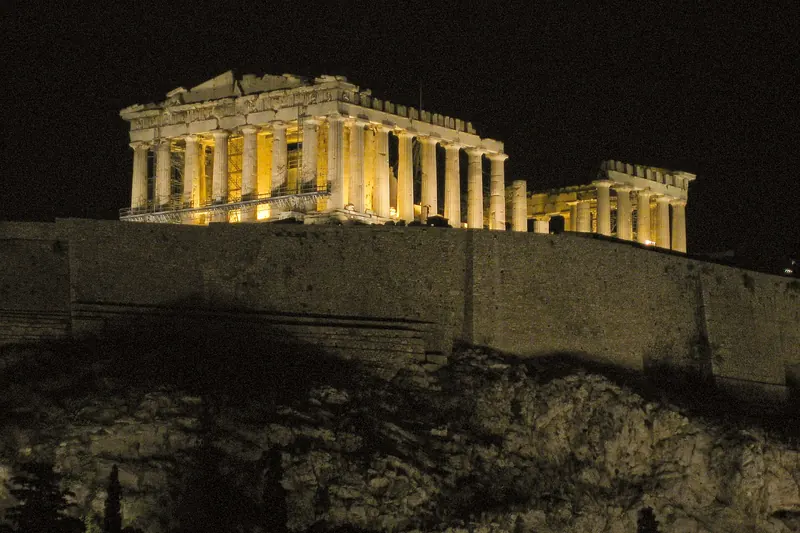
Athens

Attica

Greece's capital, its ancient monuments standing directly within a lively modern city rather than curated apart from it.

Don't miss The Parthenon at dusk, floodlit above the city, the same silhouette that has crowned Athens for nearly 2,500 years.

Explore Destination — Athens
IslandRomantic

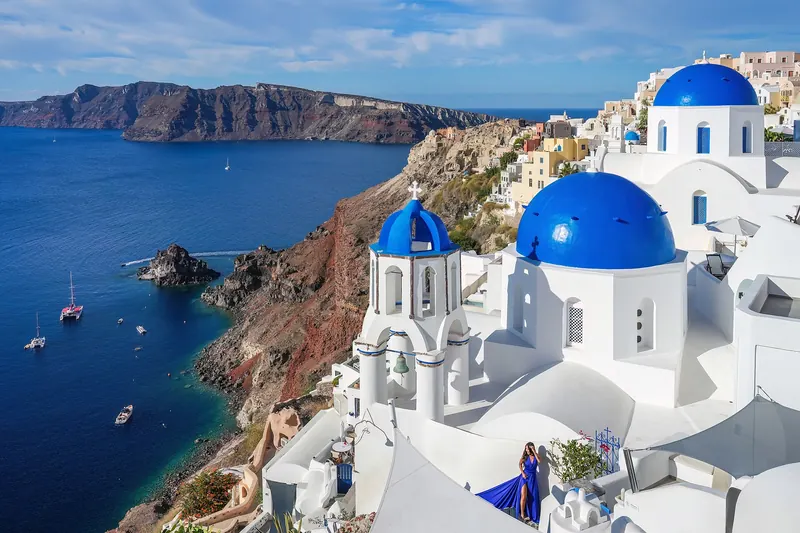
Santorini

Cyclades

A volcanic caldera island, its whitewashed villages perched along the rim above brilliant blue water, Greece's most photographed island for real reason.

Don't miss Oia's blue-domed churches and cave houses at sunset, the single most photographed view in Greece, and deserving of the reputation.

Explore Destination — Santorini
IslandNightlife

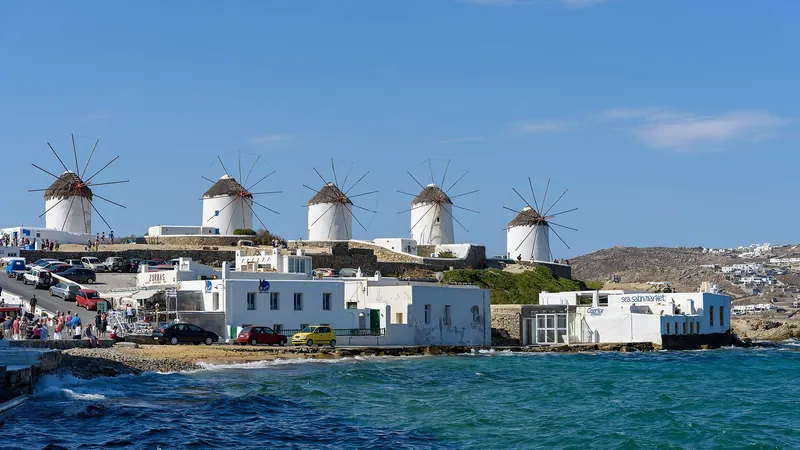
Mykonos

Cyclades

Greece's most famous nightlife island, its beautiful whitewashed old town and windmills often overshadowed by its reputation for beach clubs and parties.

Don't miss Little Venice's waterfront houses, their balconies hanging directly over the sea, lit warm at sunset alongside the row of historic windmills above.

Explore Destination — Mykonos
IslandHistoric Site

Crete

Crete

Greece's largest island, its scale rewarding a dedicated trip across Minoan ruins, Venetian harbour towns, mountain gorges and excellent beaches.

Don't miss The Palace of Knossos, the ceremonial heart of Europe's oldest advanced civilization, still standing nearly 4,000 years after it was first built.

Explore Destination — Crete
IslandHistoric Site

Rhodes

Dodecanese

A Dodecanese island pairing one of Europe's best-preserved medieval walled towns with the clifftop Acropolis of Lindos and dependable Aegean beaches.

Don't miss The medieval Old Town of Rhodes, a UNESCO World Heritage site and one of Europe's largest inhabited medieval towns, its walls and knights'-era streets still standing largely intact.

Explore Destination — Rhodes
Historic SiteUNESCO Site

Meteora

Thessaly

Six working monasteries perched atop sheer sandstone pillars in central Greece, a UNESCO World Heritage site unlike anywhere else in the country.

Don't miss The Holy Trinity Monastery, standing alone atop its own isolated rock pillar, reachable only by a steep staircase carved into the stone itself.

Explore Destination — Meteora
Historic SiteUNESCO Site

Delphi

Central Greece

The ancient world's most important oracle site, its ruined sanctuary spread dramatically across a mountainside once believed to mark the centre of the earth.

Don't miss The Temple of Apollo, home to the Oracle of Delphi, whose pronouncements shaped decisions across the ancient Greek world for centuries.

Explore Destination — Delphi
IslandHistoric Site

Corfu

Ionian Islands

A lush Ionian island shaped by centuries of Venetian rule, its UNESCO-listed old town paired with striking coastline and green scenery.

Don't miss Corfu's Old Town, a well-preserved Venetian fortress town and UNESCO World Heritage Site, its architecture unlike anywhere else in Greece.

Explore Destination — Corfu
CityHistoric Site

Thessaloniki

Central Macedonia

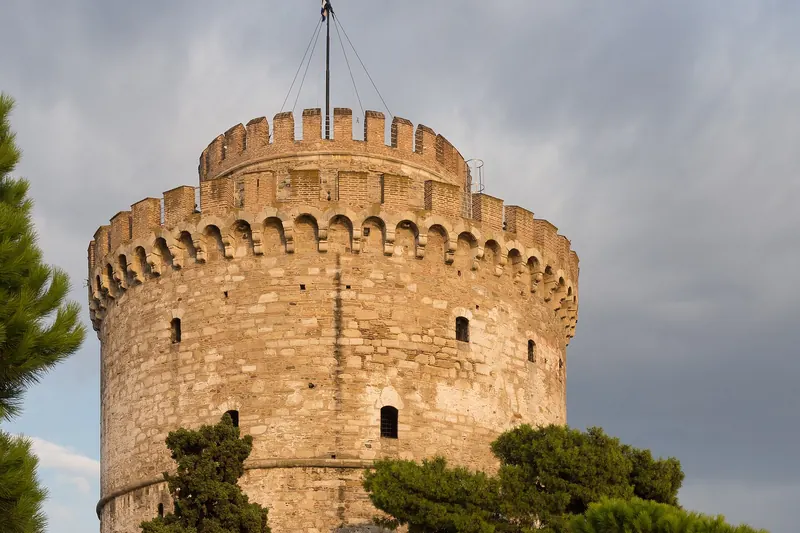
Greece's underrated second city, a Byzantine and Ottoman crossroads with a food and nightlife scene many Greeks rate above Athens's own.

Don't miss The White Tower on Thessaloniki's waterfront, the city's defining Byzantine and Ottoman-era landmark and the anchor of its lively seafront promenade.

Explore Destination — Thessaloniki

Back to the Greece country page

FAQ

Planning a trip to Greece

How long do I need in Greece?

Ten to fourteen days for a first trip. Eight to ten covers Athens and two islands properly by ferry or flight; twelve to sixteen lets you add Delphi and Meteora's mainland sites. Four or five days is enough for Athens alone, and Athens alone justifies a trip.

Should I take ferries or fly between islands?

Ferries for shorter, scenic hops within the Cyclades; flights for longer distances or when time is limited, since a short domestic flight often beats an equivalent ferry crossing by hours. Book either well ahead in July and August.

What is the single most common mistake visitors make?

Scheduling a tight island-hopping itinerary with no buffer day before an international flight home. Ferry weather delays are common enough that a missed connection on the final leg is a real risk without slack built in.

When should I avoid Greece?

Nowhere is truly a bad time, but mid-August overlaps the Greek domestic holiday period, pushing island prices and crowds to their annual peak and requiring accommodation and ferry bookings many months ahead unless that's exactly what you're there for.

Advertisement