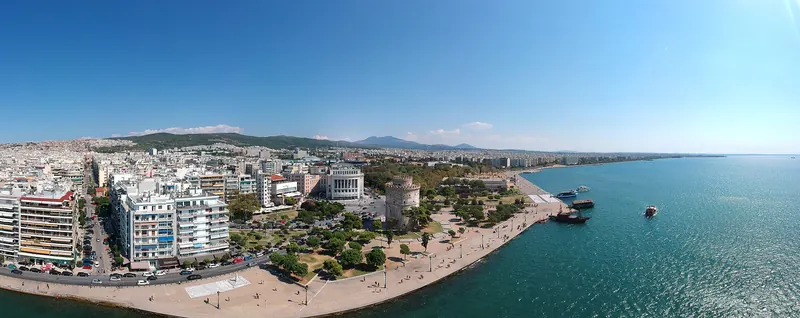
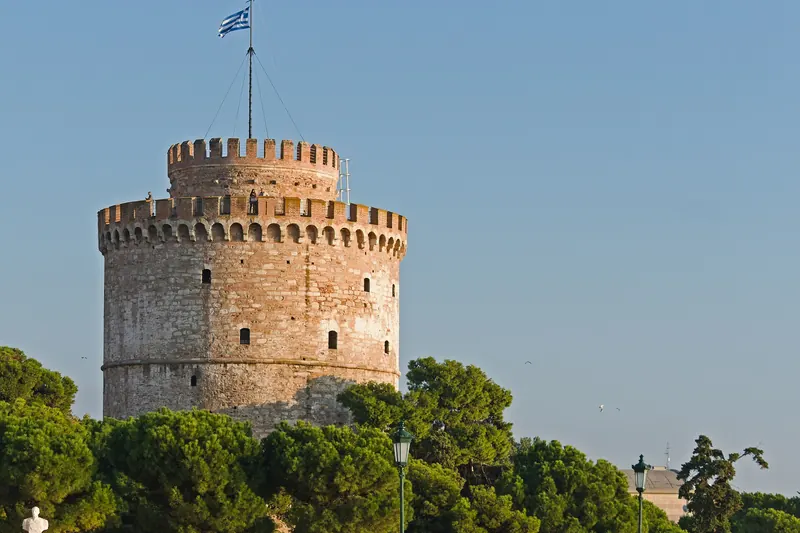
The White Tower on Thessaloniki's waterfront

Central Macedonia · Greece

Thessaloniki

Greece's underrated second city, a Byzantine, Ottoman and Sephardic Jewish crossroads with a food and nightlife scene many Greeks rate above Athens's own.

  • Best time April–June and September–October, for mild weather and manageable crowds
  • Stay 3 days
  • Good for History, food, nightlife, off-the-beaten-path

Photo: Hermann Hammer · CC BY-SA 4.0

Welcome to Thessaloniki

Thessaloniki is Greece's second-largest city and, for many Greeks themselves, its most underrated — a layered Byzantine, Ottoman and Sephardic Jewish crossroads that receives a fraction of the international attention paid to Athens, despite comparable historic depth and, by local consensus, a stronger food and nightlife scene.

The city's UNESCO-listed Byzantine monuments, including the Rotunda and the Church of Saint Demetrios, reflect its centuries as one of the Byzantine Empire's most important cities, second only to Constantinople itself, while its Ottoman and Sephardic Jewish history added further genuine depth before the population exchanges and Holocaust of the 20th century reshaped the city.

Today, Thessaloniki is known among Greeks as a food and student city, its waterfront promenade, Ano Poli old town and youthful energy giving it a noticeably different character from the more monument-focused, tourist-heavy atmosphere of Athens.
  • City
  • Historic Site
  • Food

Why visit

Why visit Thessaloniki?

Thessaloniki's case is that it offers comparable historic depth to Athens with a fraction of the crowds and, by wide local consensus, better food.

  • The Byzantine heritage is significant

    UNESCO-listed churches and monuments reflect centuries as the Byzantine Empire's second city after Constantinople.

  • The food scene is exceptional

    Many Greeks themselves rate Thessaloniki's food culture above Athens's, shaped by Ottoman, Sephardic and Balkan influence.

  • It's less crowded with tourists

    Comparable historic significance to Athens without the same volume of international visitors, particularly outside summer.

  • The nightlife and student energy are real

    A large student population gives Thessaloniki a youthful, lively atmosphere distinct from Athens's own.

  • It makes a good base for northern Greece

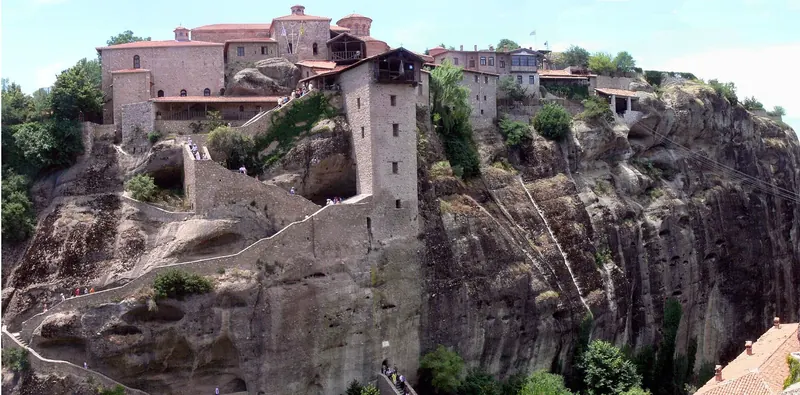
    Meteora, Halkidiki's beaches and the wider Macedonia region all sit within comfortable reach.

Main attractions

Top things to see in Thessaloniki

Thessaloniki's essential sights, from its Byzantine churches to its Ottoman-era landmarks and waterfront promenade.

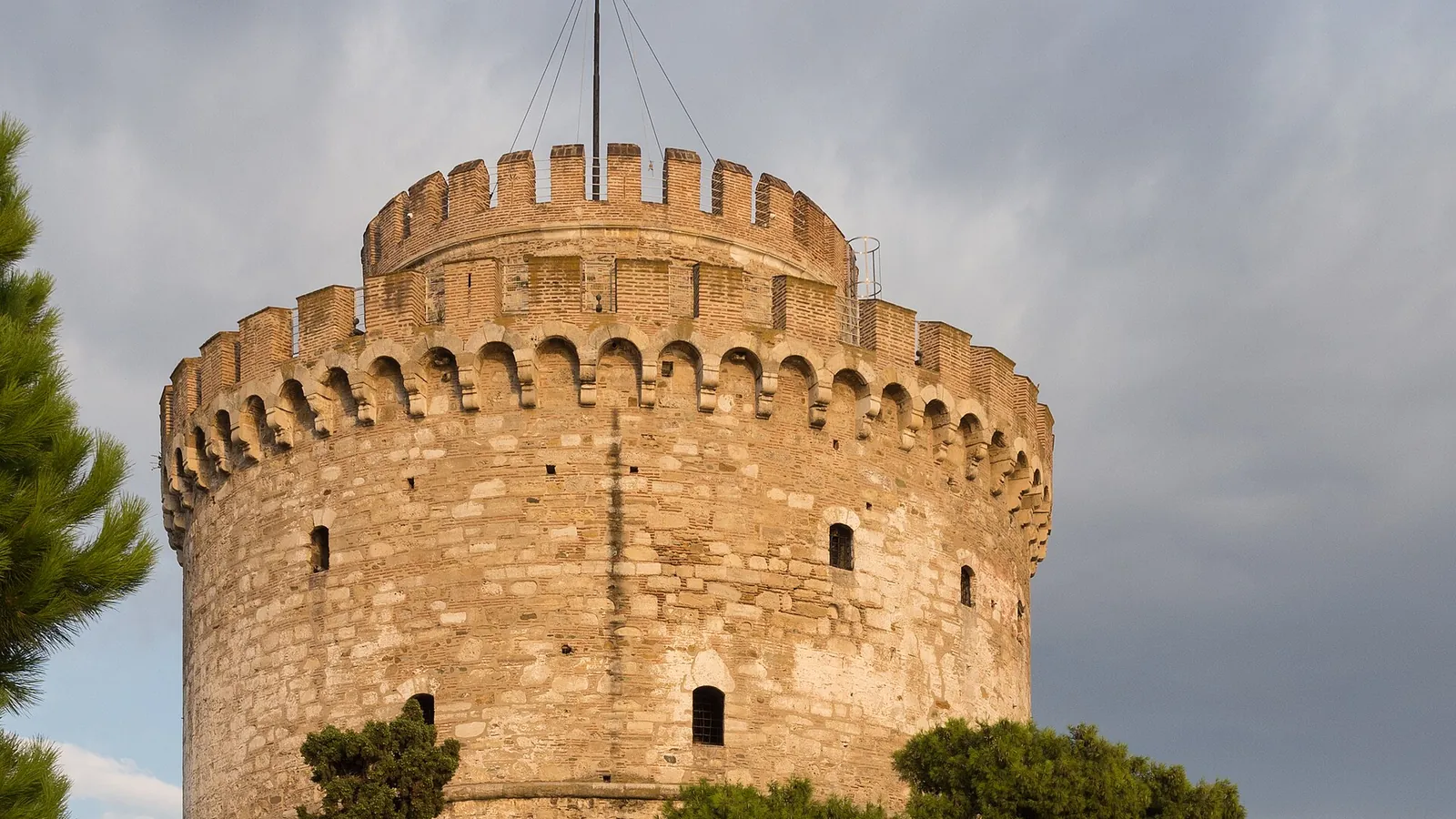
  1. A close view of Thessaloniki's White Tower

    The White Tower

    The city's defining landmark, a striking waterfront tower now housing a museum on Thessaloniki's history, anchoring the seafront promenade.

    Tip Climb to the top for excellent views back across the city and the Thermaic Gulf.

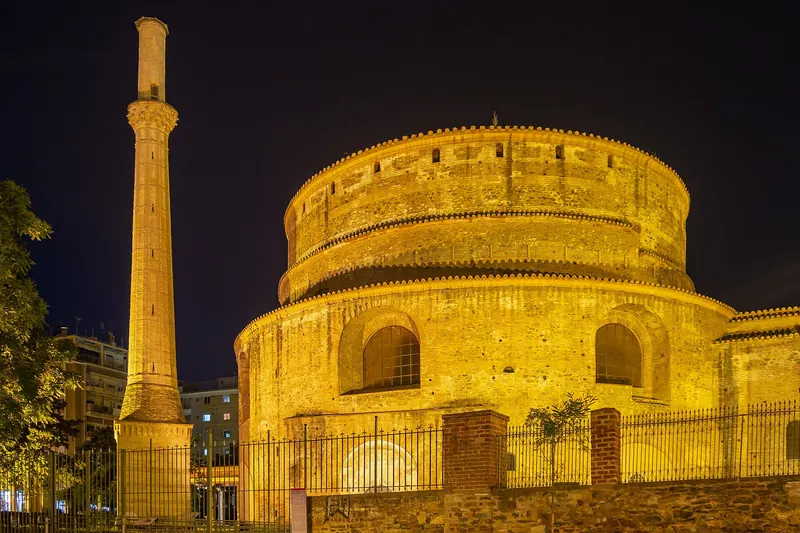
  2. The Rotunda, a Roman-era building turned Byzantine church

    The Rotunda

    A remarkable Roman-era rotunda, later converted into a Byzantine church and Ottoman mosque, its layered history reflected in its surviving mosaics.

    Tip The interior mosaics are among the finest surviving examples of early Byzantine art — worth real time inside.

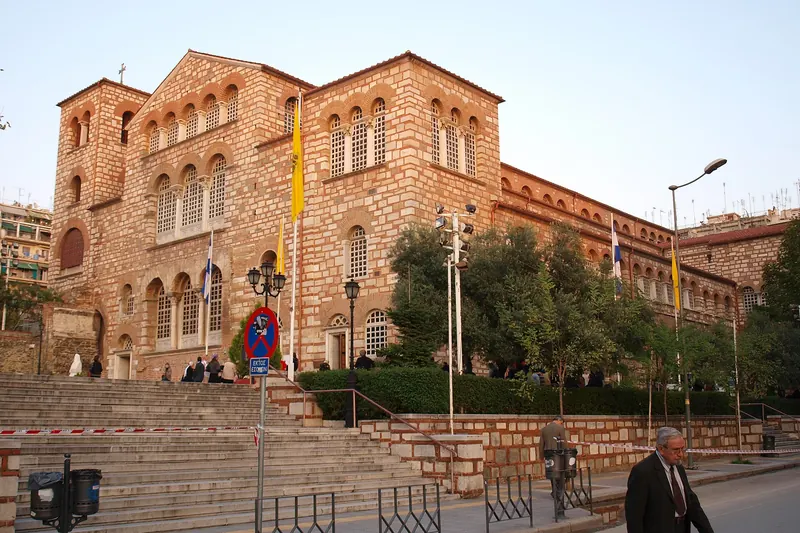
  3. The Church of Saint Demetrios in Thessaloniki

    The Church of Saint Demetrios

    Thessaloniki's patron saint's basilica, one of the largest churches in Greece, holding significant early Byzantine mosaics and a crypt beneath.

    Tip The crypt below the main church is worth the extra visit, holding archaeological remains from earlier structures on the site.

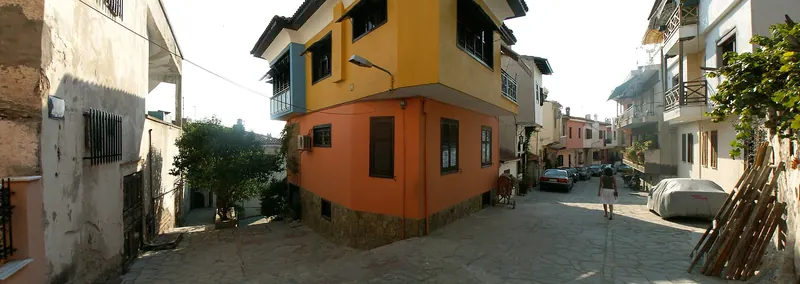
  4. Ano Poli, Thessaloniki's upper old town

    Ano Poli, the old town

    Thessaloniki's atmospheric upper town, its Ottoman-era houses and narrow lanes surviving the fires and redevelopment that reshaped the lower city.

    Tip Ano Poli's Byzantine walls offer excellent sunset views back down across the city and gulf.

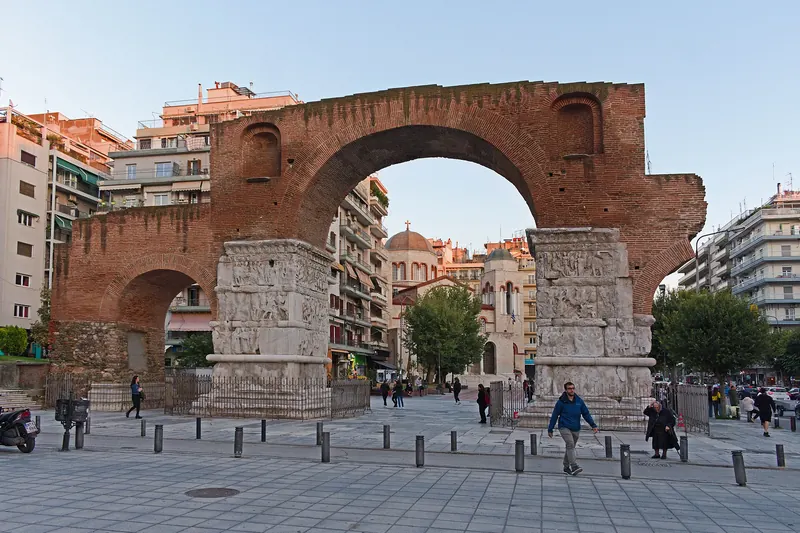
  5. The Arch of Galerius in Thessaloniki

    The Arch of Galerius and Rotunda complex

    A significant Roman triumphal arch marking the entrance to the imperial palace complex of Emperor Galerius.

    Tip The arch sits directly on a busy modern street — a striking juxtaposition of ancient and contemporary Thessaloniki.

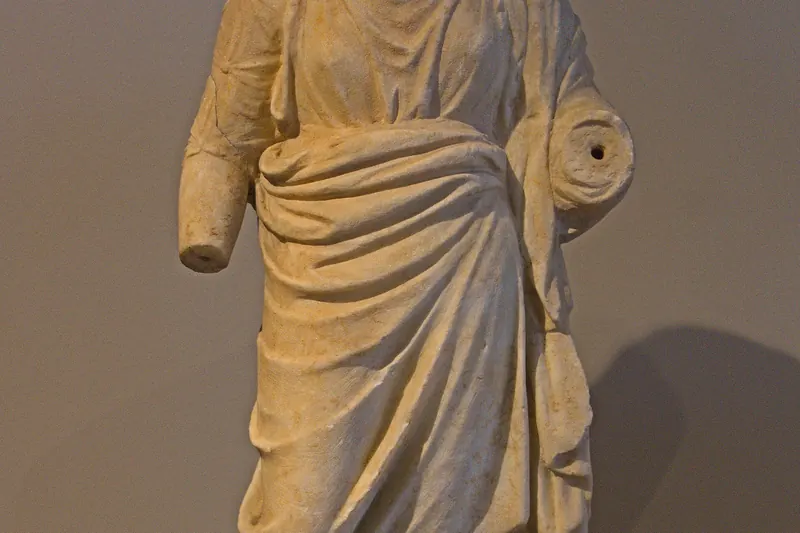
  6. An ancient statuette in the Archaeological Museum of Thessaloniki

    The Archaeological Museum of Thessaloniki

    A significant collection spanning prehistoric to Roman-era Macedonia, including major finds from the royal tombs at nearby Vergina.

    Tip The Vergina gold artefacts are a highlight — among Greece's most significant archaeological finds of the 20th century.

Things to do

Best things to do in Thessaloniki

Beyond the Byzantine churches and museums, Thessaloniki rewards its waterfront, its old town and its serious food and coffee culture.

  1. Thessaloniki's waterfront promenade

    Walk the waterfront promenade

    A pleasant seafront walk connecting the White Tower to the wider city, popular with locals for an evening stroll.

    Tip Early evening draws the biggest local crowds, walking, cycling and gathering along the water.

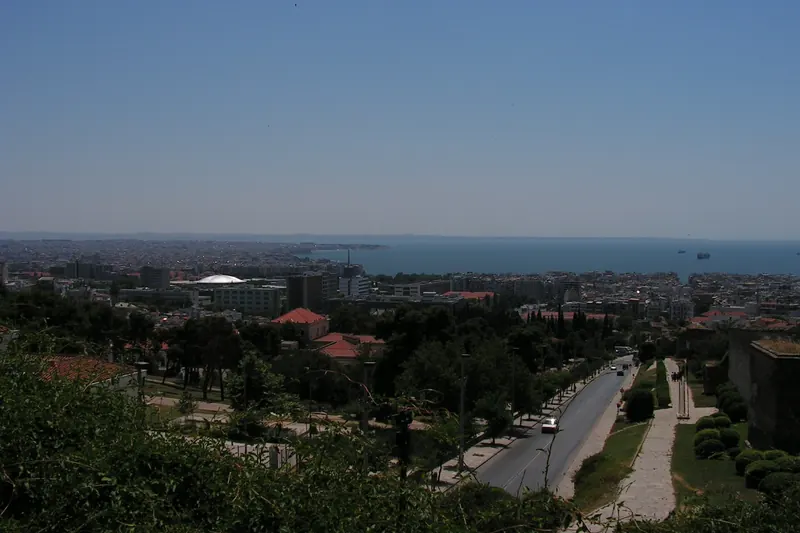
  2. A view over Thessaloniki from the old town

    Explore Ano Poli's lanes

    A rewarding wander through Thessaloniki's old town, its Ottoman-era houses and Byzantine walls offering a different pace from the busy lower city.

    Tip Several tavernas in Ano Poli offer excellent views alongside good, unpretentious food.

  3. Cafes at Aristotelous Square in Thessaloniki

    Go café-hopping in the city centre

    Thessaloniki's serious coffee culture rivals any Greek city, its student population supporting a real density of cafes.

    Tip Ladadika and the area around Aristotelous Square hold a high concentration of well-regarded cafes.

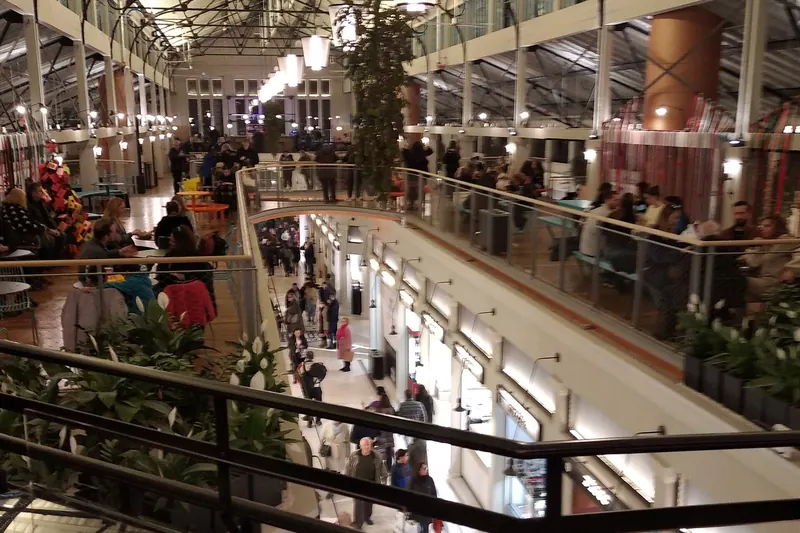
  4. Inside Thessaloniki's Modiano covered market

    Eat your way through the Modiano and Kapani markets

    Thessaloniki's vibrant covered markets offer real insight into the city's food culture, from produce to prepared street food.

    Tip Visit hungry — the markets are full of small stalls worth sampling rather than a single sit-down meal.

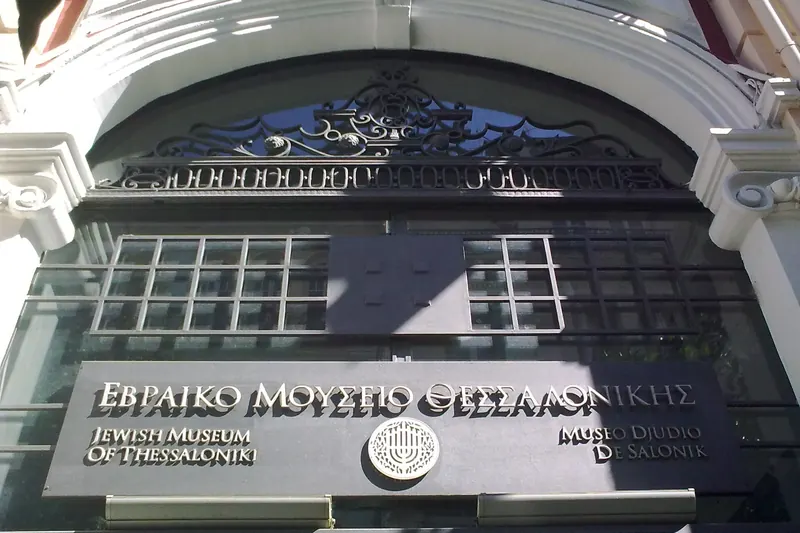
  5. The Jewish Museum of Thessaloniki

    Learn about the city's Sephardic Jewish history

    Thessaloniki was once one of the world's great Sephardic Jewish centres — the Jewish Museum of Thessaloniki tells this significant, largely lost history.

    Tip The museum rewards real time — the city's pre-war Jewish population and its devastating loss are essential context for understanding modern Thessaloniki.

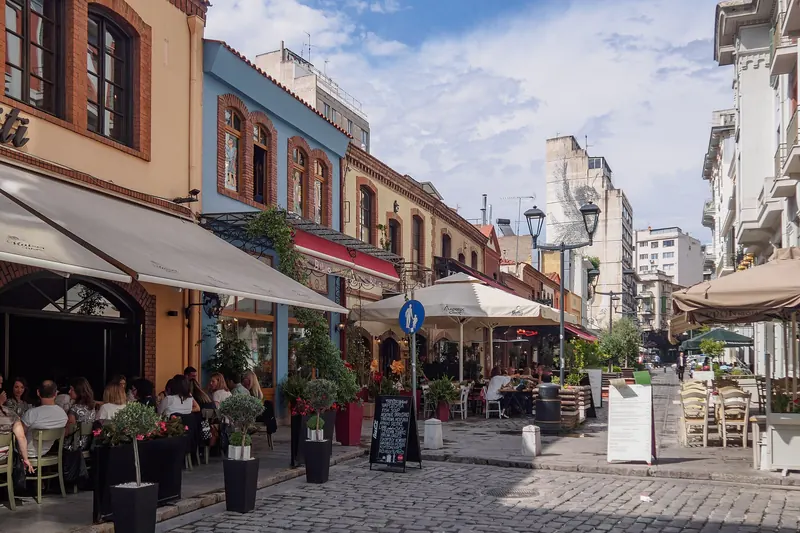
  6. The Ladadika nightlife district in Thessaloniki

    Experience Thessaloniki's nightlife

    A large student population gives the city a livelier, later nightlife scene than much of Greece, particularly around Ladadika and Valaoritou.

    Tip Thessaloniki nights start later than you might expect — venues fill up well after midnight on weekends.

Local food

What to eat in Thessaloniki

Thessaloniki's food culture is considered among Greece's best, shaped by Ottoman, Sephardic and Balkan influence alongside its own specialities.

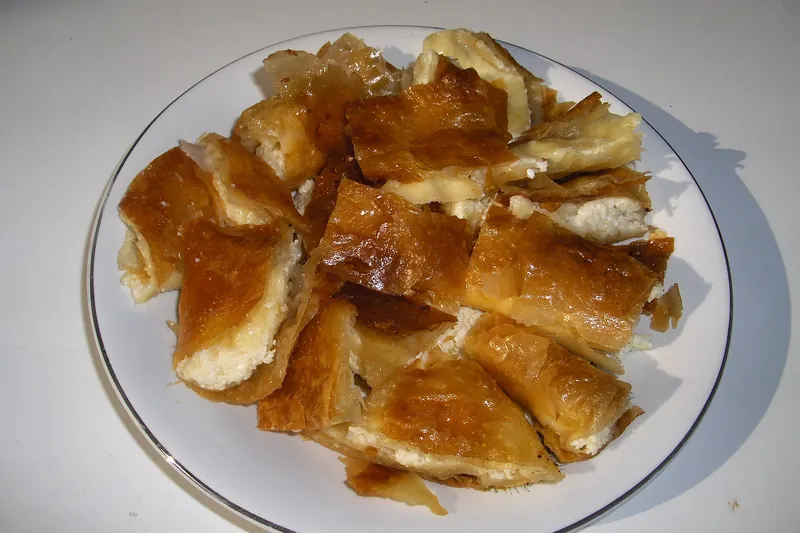
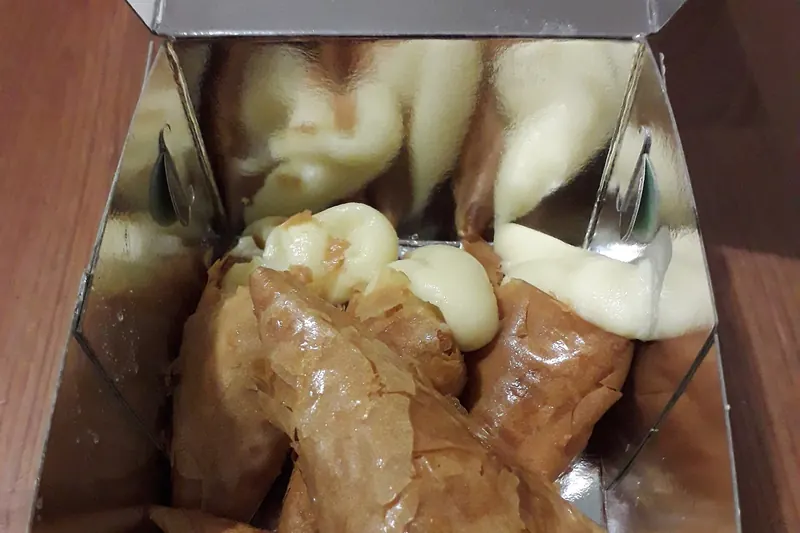
  • Bougatsa, a filo pastry filled with custard, cheese or meat

    Bougatsa

    A genuine Thessaloniki breakfast institution, a filo pastry filled with sweet custard, cheese or minced meat, best eaten fresh and warm.

    Where to try it Dedicated bougatsa shops across the city, several open since early morning specifically for this purpose.

  • Trigona Panoramatos, triangular custard-filled pastries

    Trigona Panoramatos

    Triangular pastries filled with custard, a genuine Thessaloniki specialty named for the suburb of Panorama where they originated.

    Where to try it Pastry shops throughout the city, particularly those specialising in the original Panorama recipe.

  • Thessaloniki-style souvlaki

    A distinct local style, typically wrapped with fries directly inside the pita, differing from souvlaki traditions elsewhere in Greece.

    Where to try it Souvlaki spots throughout the city centre, a genuine local institution at any hour.

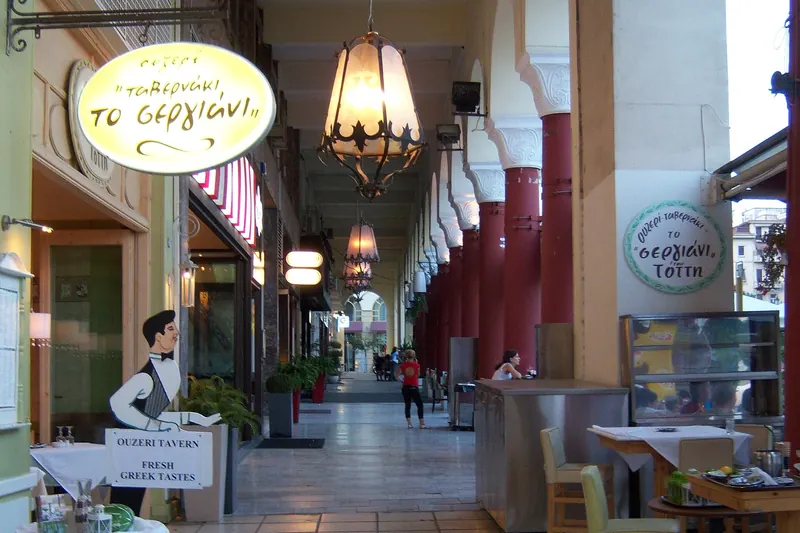
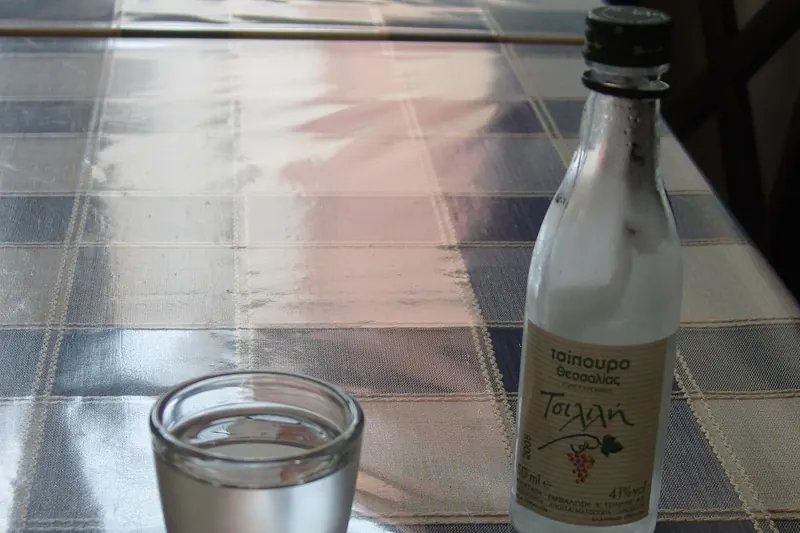
  • A glass of tsipouro, the grape-pomace spirit central to northern Greek dining

    Tsipouro with mezedes

    Thessaloniki's own strong grape spirit culture, central to the city's social eating, traditionally served alongside a spread of small dishes.

    Where to try it Traditional ouzeri and tsipouradika throughout the city, particularly in Ladadika.

  • Sephardic Jewish-influenced dishes

    Thessaloniki's Sephardic Jewish heritage shaped several local specialities, reflecting the city's once-significant Jewish population.

    Where to try it A small number of restaurants and bakeries preserving these traditions, worth seeking out for their historic significance.

  • Thessaloniki-style koulouri

    Sesame-crusted bread rings sold from street carts across the city, a ubiquitous, beloved Thessaloniki breakfast or snack.

    Where to try it Street carts throughout the city centre, sold fresh from early morning.

Accommodation

Where to stay in Thessaloniki

Thessaloniki's city centre and waterfront make the most convenient base for a first visit.

  • City centre near the waterfront

    The most convenient base, putting the White Tower, Aristotelous Square and the main restaurant districts within easy reach.

    Best for: Walkable access to major sights

  • Ladadika

    A lively former warehouse district turned restaurant and bar quarter, close to the port and city centre.

    Best for: Nightlife and restaurant atmosphere

  • Ano Poli

    A charming alternative in the old town, trading some central convenience for real atmosphere and views.

    Best for: A quieter, more atmospheric stay

What a night costs

Hostel dorm
€16–28 per night
Mid-range hotel
€60–110 per night
Archaeological Museum entry
€8 (€4 off-season)
Bougatsa and coffee
€4–6

Transport

Getting to and around Thessaloniki

Thessaloniki has its own international airport, with train and bus connections to Athens and the wider region.

Getting there

  • Flight from Athens

    A short flight from Athens reaches Thessaloniki in about an hour, the fastest option from the Greek capital.

    Book ahead in peak season, when popular flight times can sell out or spike in price.

  • Train from Athens

    Direct trains from Athens reach Thessaloniki in around 4 hours, a comfortable, scenic alternative to flying.

    Book ahead for the fastest direct services, which can sell out on popular travel dates.

  • Car from Meteora or Athens

    A road trip of around 2.5 hours from Meteora or 5 hours from Athens, offering genuine flexibility for combining destinations.

    The motorway connection to Athens is fast and well maintained for a long single-day drive if needed.

Getting around

Thessaloniki's city centre is walkable, with buses and a metro covering the wider city.

  • Walking

    The waterfront, White Tower, Aristotelous Square and most major sights sit within easy walking distance of one another.

    Ano Poli involves real elevation change from the lower city — comfortable shoes help for the climb.

  • Metro

    Thessaloniki's newly opened metro connects the city centre to outer districts, a welcome addition to the city's transport.

    The metro network remains limited in coverage compared to Athens's — walking still suits most central sightseeing.

  • Local buses

    A reasonably comprehensive network covers areas the metro doesn't yet reach, including access to the airport.

    Buy tickets ahead at kiosks or via the local transport app — validating on board is required.

When to go

Best time to visit Thessaloniki

Thessaloniki's summer heat runs hot and humid, and shoulder season offers the best balance of comfortable walking weather and thinner crowds.

  • Spring (April–June)

    Best time

    Mild, increasingly warm weather, comfortable for walking the waterfront and Ano Poli's hills.

  • Summer (July–August)

    Good

    Hot and humid, with the waterfront and outdoor cafes still lively, but midday heat considerably intense.

  • Autumn (September–October)

    Best time

    Comfortable temperatures and a pleasant return of the city's student energy as the academic year begins.

  • Winter (November–March)

    Shoulder

    Cold and occasionally rainy by Greek standards, though the city's cafe and restaurant culture continues year-round.

Worth planning around: Peak midsummer humidity if walking extensively — Thessaloniki's coastal position makes summer heat more humid than much of inland Greece.

Itinerary

Three days in Thessaloniki

The waterfront and Byzantine landmarks first, then Ano Poli and the markets, then a slower day of food and museums.

  1. Day1

    The waterfront and city centre

    Thessaloniki's defining landmarks.

    • Morning The White Tower and the waterfront promenade.
    • Afternoon The Rotunda and the Arch of Galerius.
    • Evening Dinner and drinks in Ladadika.
  2. Day2

    Ano Poli and the markets

    The old town and the city's food culture.

    • Morning Explore Ano Poli's lanes and Byzantine walls.
    • Afternoon The Modiano and Kapani markets.
    • Evening Souvlaki and tsipouro with mezedes.
  3. Day3

    Museums and Byzantine history

    A slower day of deeper history.

    • Morning The Archaeological Museum of Thessaloniki.
    • Afternoon The Church of Saint Demetrios and the Jewish Museum of Thessaloniki.
    • Evening A final dinner in the city centre, saving bougatsa for one last breakfast the next morning.

Travel tips

Thessaloniki travel tips

Practical notes on timing, transport and etiquette that make a real difference to a Thessaloniki trip.

  • Eat bougatsa fresh in the morning — it's a breakfast institution, not an all-day snack.
  • Visit the Jewish Museum of Thessaloniki for essential context on the city's pre-war history.
  • Wear comfortable shoes for Ano Poli — the old town's hills involve real elevation change from the lower city.
  • Go out later than you might expect — Thessaloniki's nightlife starts well after most Greek cities.
  • Visit the markets hungry — Modiano and Kapani reward grazing across several stalls.
  • Book train tickets from Athens ahead on popular dates — fast direct services can sell out.
  • Consider Thessaloniki as a genuine base for Meteora or Halkidiki, both within comfortable reach.

FAQ

Thessaloniki: frequently asked questions

How many days do you need in Thessaloniki?

Three works well — enough for the waterfront, Ano Poli, the major Byzantine sites and a real taste of the city's food scene.

Is Thessaloniki worth visiting instead of, or alongside, Athens?

Both are worth it if time allows — Thessaloniki offers comparable historic depth with fewer crowds and, by wide local consensus, better food.

Do I need a car in Thessaloniki?

Not for the city itself — the centre is walkable, though a car helps for day trips to Halkidiki or further into Macedonia.

What is the best time of year to visit?

April to June and September to October offer mild weather and comfortable walking conditions without summer's heat and humidity.

What is Thessaloniki known for?

Its food scene above all, alongside significant Byzantine monuments and a layered Ottoman and Sephardic Jewish history.

Read next

Related travel articles

Practical

Packing by Season and Trip Type

Most packing advice is a list of things. This is the opposite: the small number of decisions that determine whether your luggage helps or hinders, organised by the kind of trip you are actually taking.

Heritage

UNESCO Sites Worth Planning a Trip Around

A UNESCO listing tells you a place matters; it does not tell you whether it is worth two days and a detour. This is how to read the list usefully — and which sites reward building a trip around them.

Advertisement