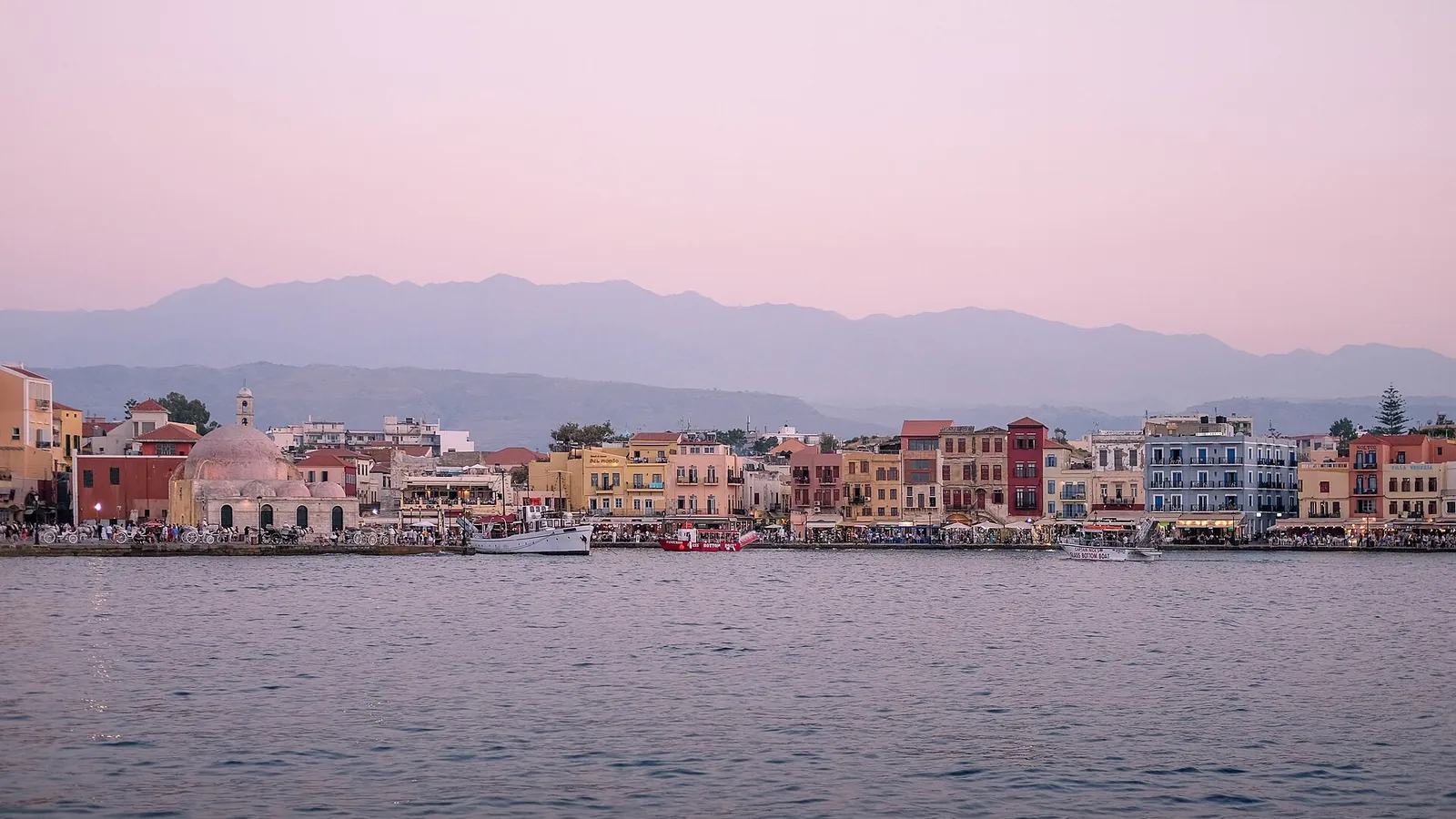
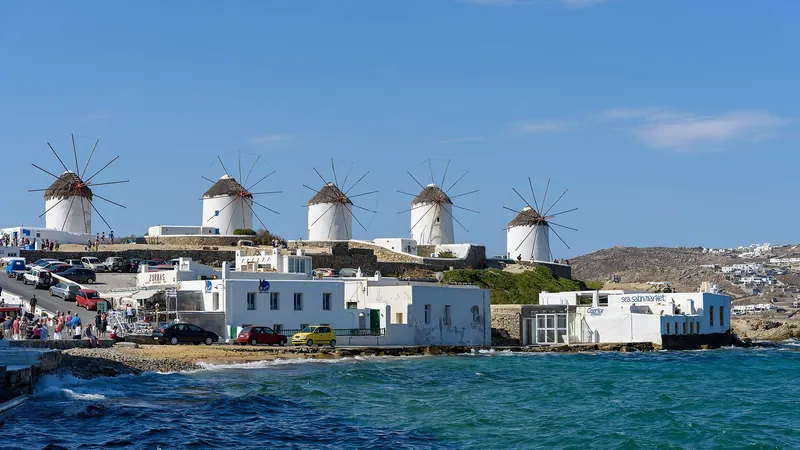
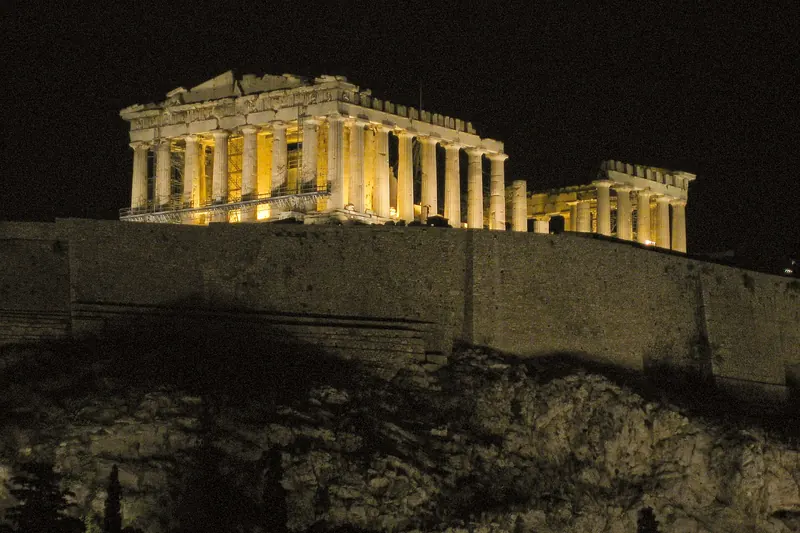
Chania's Venetian harbour at dusk on the island of Crete

Crete · Greece

Crete

Greece's largest island, large enough for a trip of its own, spanning Minoan palaces, Venetian harbour towns, dramatic gorges and some of the country's best beaches.

  • Best time May–June and September, for warm weather and open hiking trails
  • Stay 5–7 days
  • Good for History, beaches, hiking, food

Photo: Jules Verne Times Two · CC BY-SA 4.0

Welcome to Crete

Crete is Greece's largest island by a considerable margin, large enough to fill a week or more without repeating itself, and home to Europe's oldest advanced civilization — the Minoans, whose Bronze Age palace at Knossos still stands as one of the ancient Mediterranean's most significant archaeological sites.

The island's more recent history layered Venetian, Ottoman and Greek influence on top of that ancient foundation, most visibly in Chania and Rethymno's well-preserved Venetian harbour towns, their pastel buildings and fortified walls still standing centuries after Venice lost control of the island.

Crete's scale also means real geographic range within one island — the White Mountains' dramatic Samaria Gorge, some of Greece's best beaches at Balos and Elafonisi, and a mountain interior of traditional villages distinct from the more famous coastal towns.

  • Island
  • Historic Site
  • Coast & Beaches

Why visit

Why visit Crete?

Crete's case is that no other Greek island offers this much genuine range — ancient history, Venetian architecture, mountain hiking and excellent beaches — within a single destination.

  • Knossos is one of the ancient world's great sites

    The ceremonial heart of the Minoan civilization, Europe's oldest advanced culture, still standing after nearly 4,000 years.

  • Chania and Rethymno's Venetian towns are beautiful

    Well-preserved harbour architecture rivals any Mediterranean port town, with real historic depth beneath the postcard views.

  • The Samaria Gorge is one of Europe's great hikes

    One of the continent's longest gorges offers a serious, rewarding day hike through dramatic mountain scenery.

  • The beaches are among Greece's best

    Balos Lagoon and Elafonisi's pink sand rank among the country's most striking coastal scenery.

  • The island's scale rewards a dedicated trip

    Large enough to fill a week without needing to combine it with another island.

Main attractions

Top things to see in Crete

Crete's essential sights, from its ancient Minoan palace to its Venetian harbour towns and dramatic gorges.

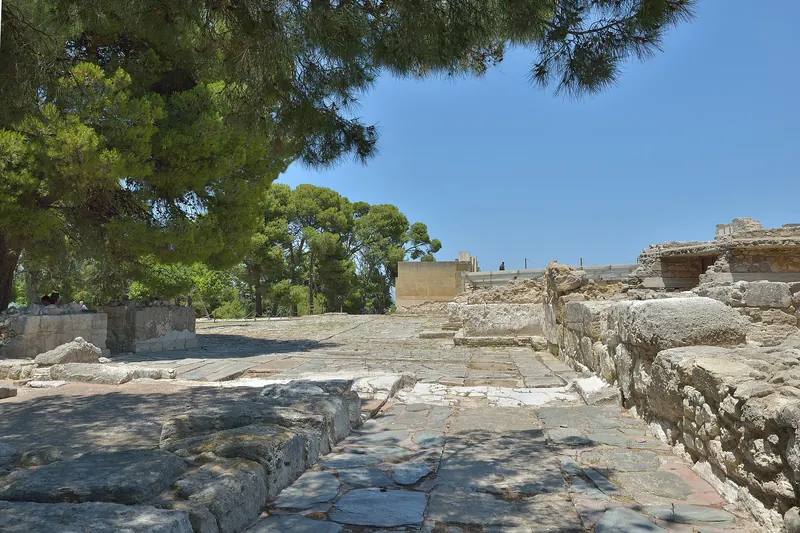
  1. The ruins and partial reconstructions of the Palace of Knossos

    The Palace of Knossos

    The ceremonial and political centre of the Minoan civilization, one of the ancient Mediterranean's most significant sites, its ruins and partial reconstructions offering real insight into Bronze Age life.

    Tip Hire a guide or audio guide — the site's layout and partial reconstructions benefit from context most visitors lack.

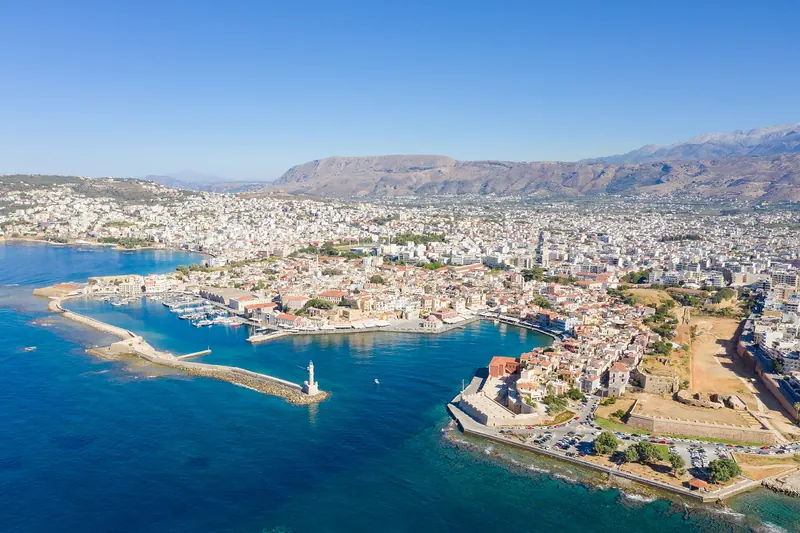
  2. Aerial view of the Old Venetian Harbour in Chania

    Chania's Venetian harbour

    A beautiful Venetian-era harbour, its pastel buildings, lighthouse and fortified walls surviving centuries after Venice's control of the island ended.

    Tip The harbour is at its most atmospheric in early morning or evening light, away from midday crowds.

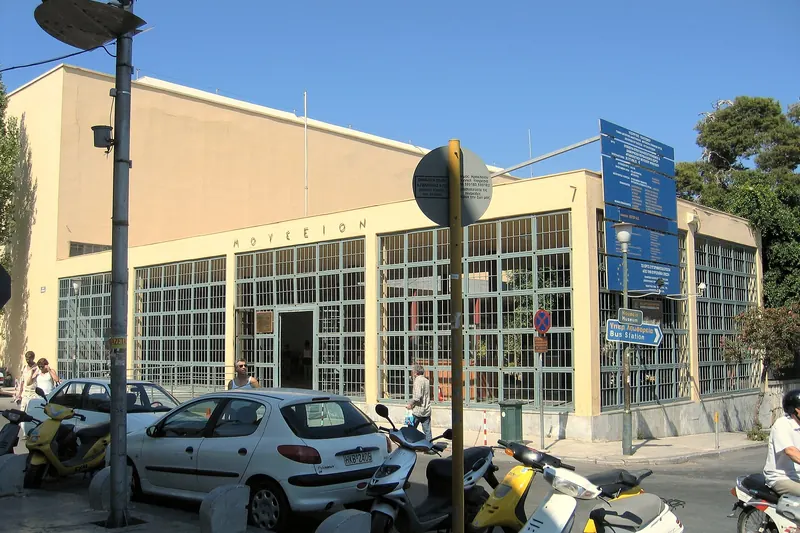
  3. The building of the Archaeological Museum of Heraklion

    The Heraklion Archaeological Museum

    One of Greece's most important museums, housing the world's finest collection of Minoan artefacts, including frescoes and artefacts from Knossos itself.

    Tip Visit before or after Knossos itself — the museum's context enriches the site, and vice versa.

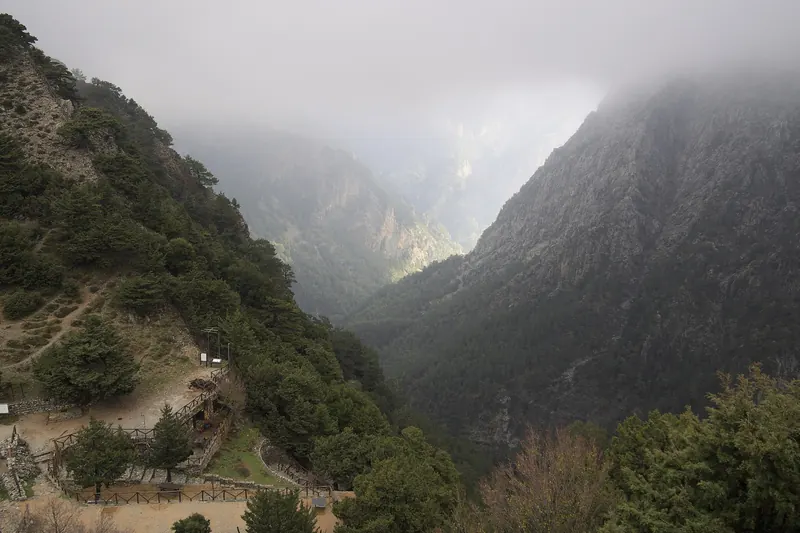
  4. The dramatic limestone walls of the Samaria Gorge

    The Samaria Gorge

    One of Europe's longest gorges, a serious full-day hike through dramatic limestone walls in the White Mountains' Samaria National Park.

    Tip Start at dawn — the hike takes most of a full day, and afternoon heat in the gorge's lower sections is intense.

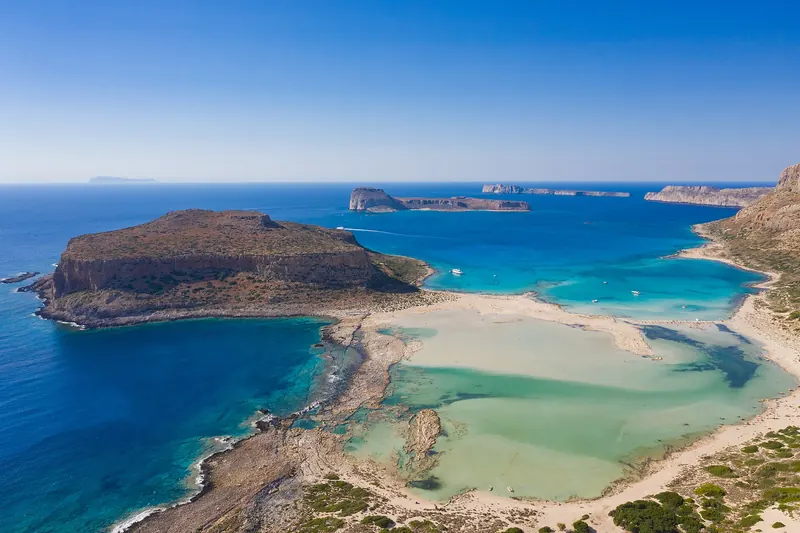
  5. Aerial view of the turquoise water and pink-tinged sand of Balos Lagoon

    Balos Lagoon

    A spectacular turquoise lagoon and pink-tinged sand beach on the island's northwestern tip, among Crete's most photographed views.

    Tip Arrive early or take a boat trip rather than the demanding access road — both improve the experience considerably.

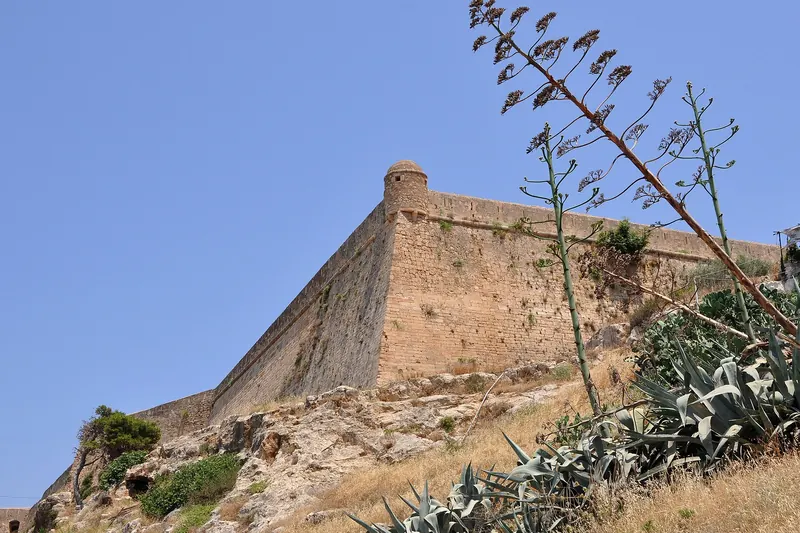
  6. The Fortezza fortress above Rethymno's old town

    Rethymno's old town

    A well-preserved Venetian and Ottoman old town, its fortress, narrow lanes and harbour offering a quieter alternative to Chania's more famous version.

    Tip The Fortezza fortress above the old town offers excellent sunset views over the town and sea.

Things to do

Best things to do in Crete

Beyond the ancient sites and harbour towns, Crete rewards its mountain hiking, its beaches and its serious food culture.

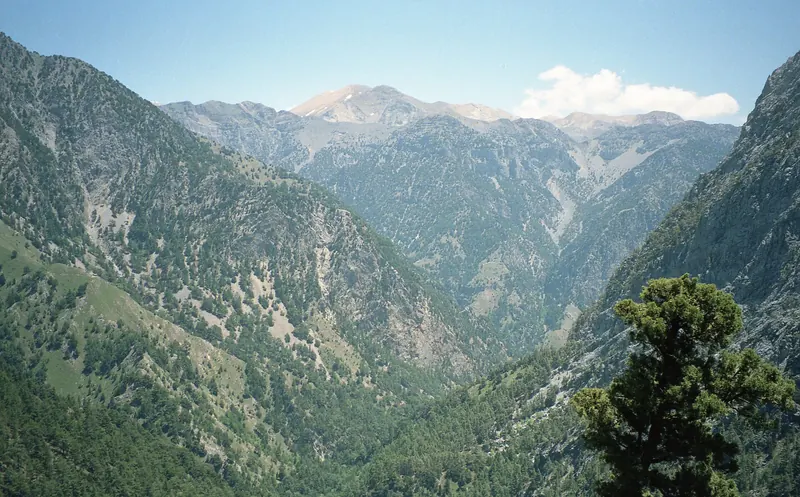
  1. The trail through the Samaria Gorge's dramatic rock walls

    Hike the Samaria Gorge

    A demanding but rewarding full-day hike through one of Europe's longest gorges, ending at the coastal village of Agia Roumeli.

    Tip Proper hiking shoes matter — the trail's lower sections are rocky and uneven for considerable stretches.

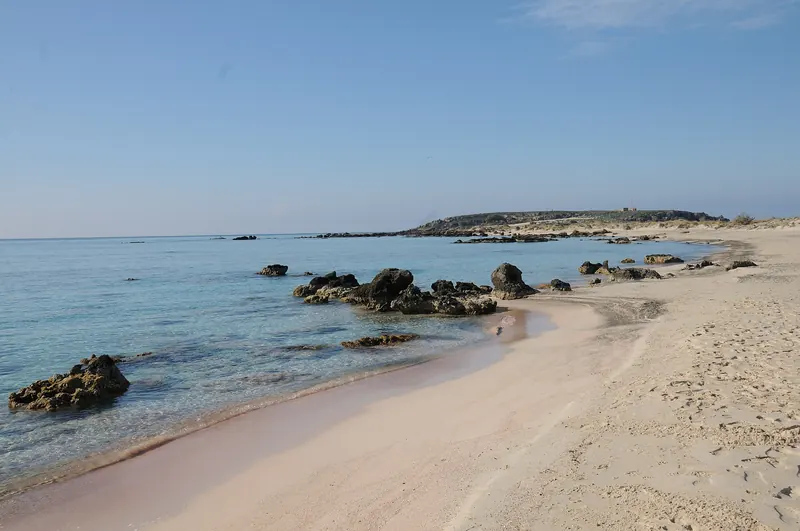
  2. The pink-tinged sand of Elafonisi beach

    Swim at Balos or Elafonisi

    Crete's two most famous beaches, striking for their turquoise water and pink-tinged sand respectively, both well worth the journey.

    Tip Visit outside peak midday hours in summer — both beaches crowd considerably by late morning in July and August.

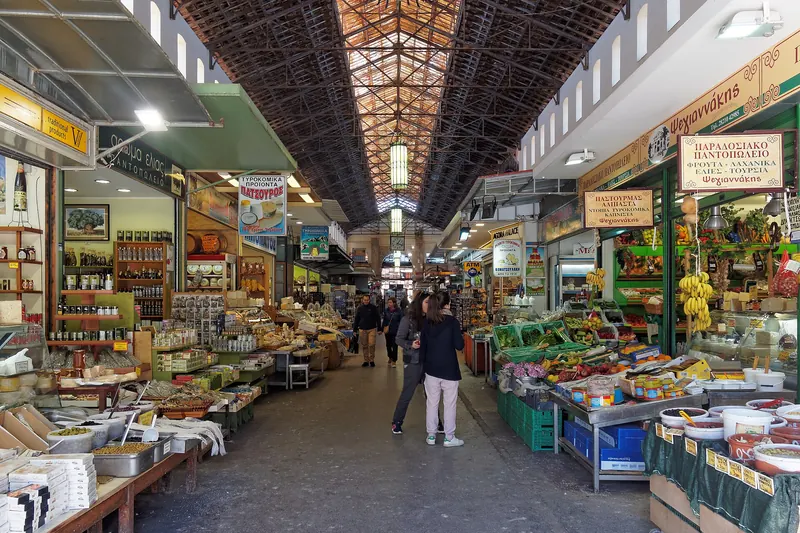
  3. Inside Chania's covered Municipal Market

    Explore Chania's old town

    Beyond the harbour itself, Chania's old town holds atmospheric covered markets, mosque architecture and narrow lanes worth an unhurried wander.

    Tip The covered Municipal Market building is worth a visit for local produce, cheese and Cretan specialities.

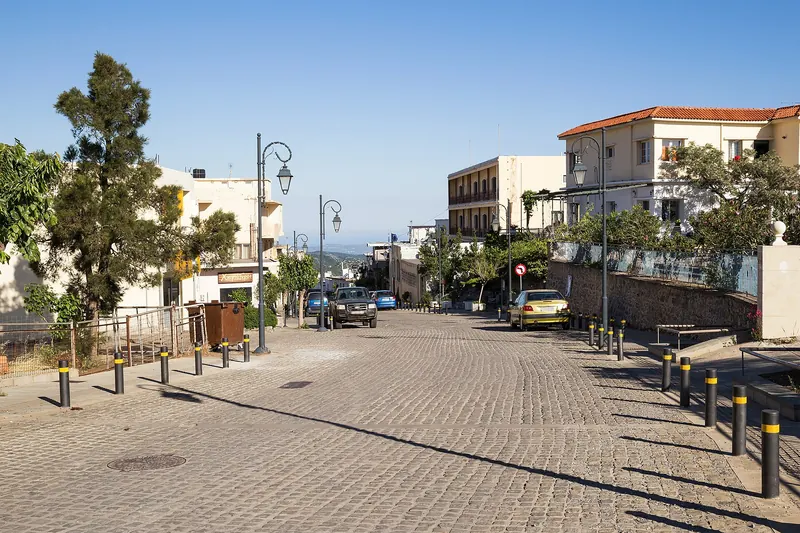
  4. A street in the traditional mountain village of Anogeia

    Visit a traditional mountain village

    Crete's interior holds traditional villages largely untouched by coastal tourism, offering real insight into the island's rural culture.

    Tip Anogeia and the villages around Zaros both offer an authentic taste of mountain Crete, distinct from the coast.

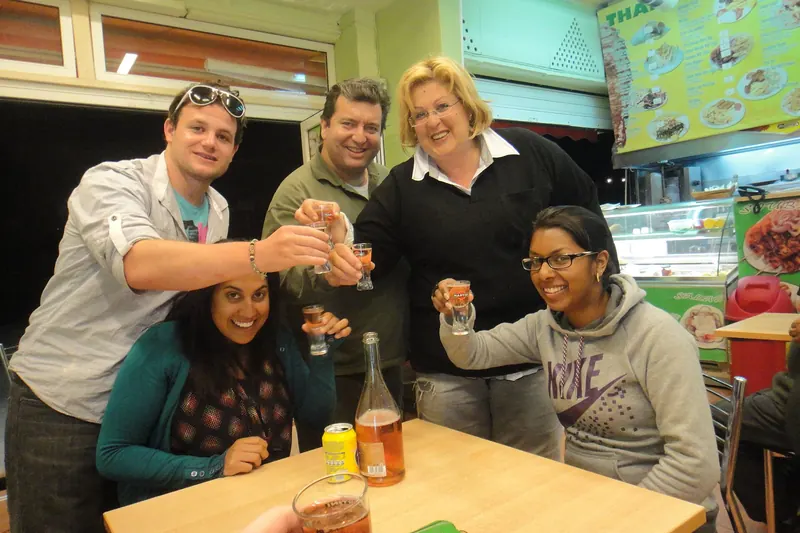
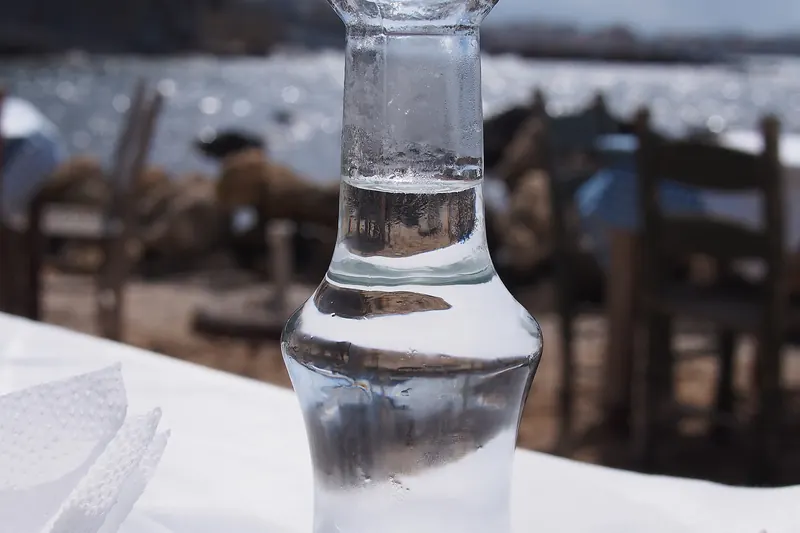
  5. A glass of Cretan raki (tsikoudia)

    Try raki (tsikoudia) properly

    Crete's own grape-pomace spirit, central to the island's hospitality culture, traditionally offered alongside a small plate of food after a meal.

    Tip Accepting a free raki after a taverna meal is a genuine local custom, not a sales pitch — it's considered rude to refuse outright.

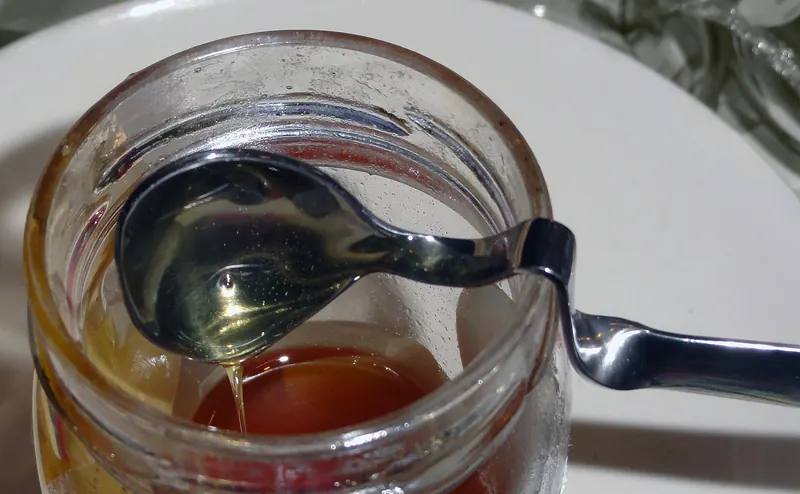
  6. Honey drizzled from a spoon

    Taste Cretan mountain herbs and honey

    The island's mountain herbs and thyme honey are central to both Cretan cuisine and its reputation for a health-supporting traditional diet.

    Tip Local herb and honey shops throughout mountain villages offer better quality and value than coastal tourist shops.

Local food

What to eat in Crete

Cretan cuisine is considered among Greece's best, built on the island's own olive oil, herbs and a diet widely studied for its health benefits.

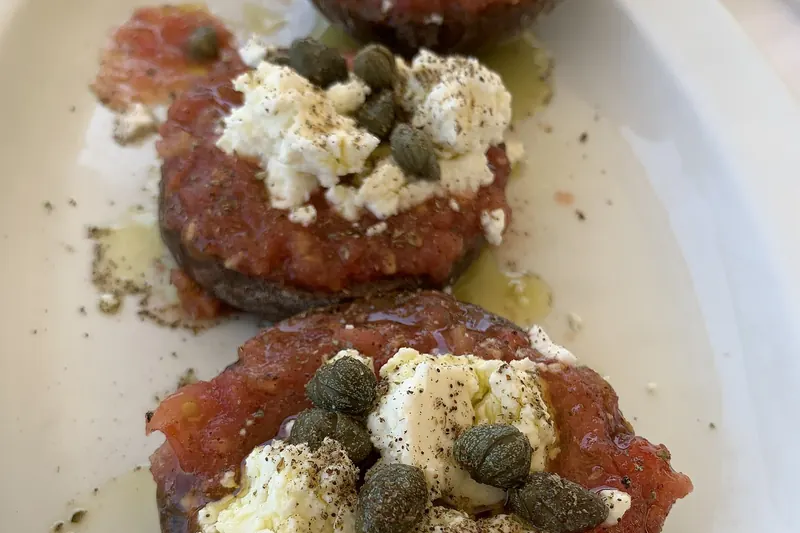
  • A plate of dakos, a barley rusk topped with tomato and cheese

    Dakos

    A barley rusk topped with grated tomato, feta or mizithra cheese and olive oil, Crete's most iconic simple dish.

    Where to try it Traditional tavernas across the island, a near-universal starter.

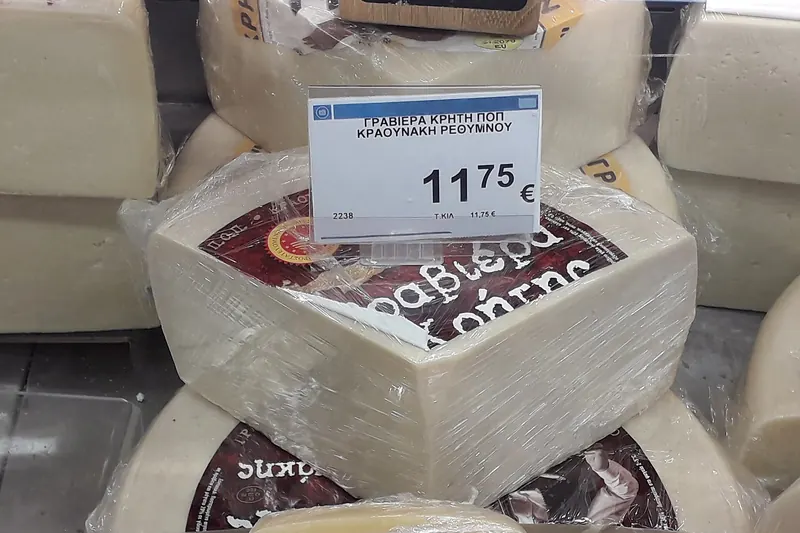
  • A wheel of Cretan graviera cheese

    Cretan graviera cheese

    A firm, nutty sheep's milk cheese, one of Greece's most respected regional cheeses, often served fried or shaved over dishes.

    Where to try it Traditional tavernas and cheese producers across the island, particularly in mountain villages.

  • Cretan raki (tsikoudia), a strong grape-pomace spirit

    Raki (tsikoudia)

    A strong grape-pomace spirit, central to Cretan hospitality culture, traditionally offered free after a taverna meal.

    Where to try it Any traditional taverna, where it's often brought unbidden at the end of a meal.

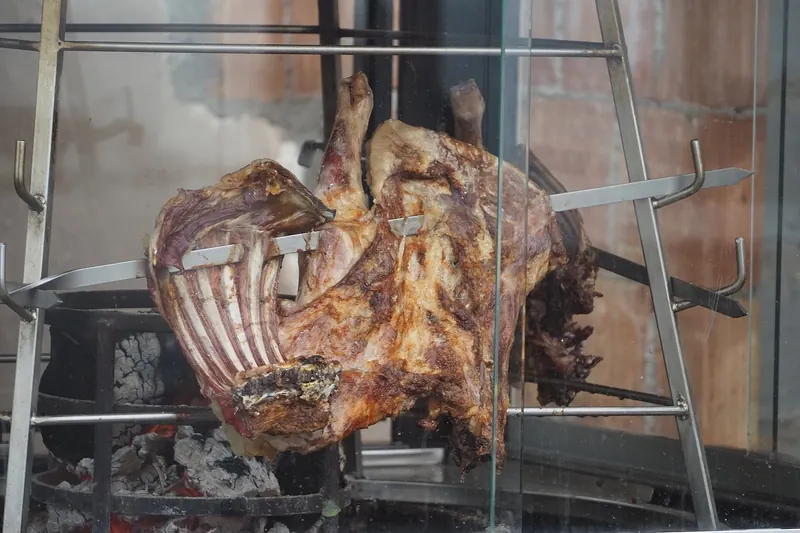
  • Antikristo lamb slow-roasted upright around an open fire

    Antikristo lamb

    Lamb slow-roasted upright around an open fire, a genuine traditional Cretan cooking method distinct from oven roasting.

    Where to try it Traditional mountain tavernas, particularly in Crete's interior villages.

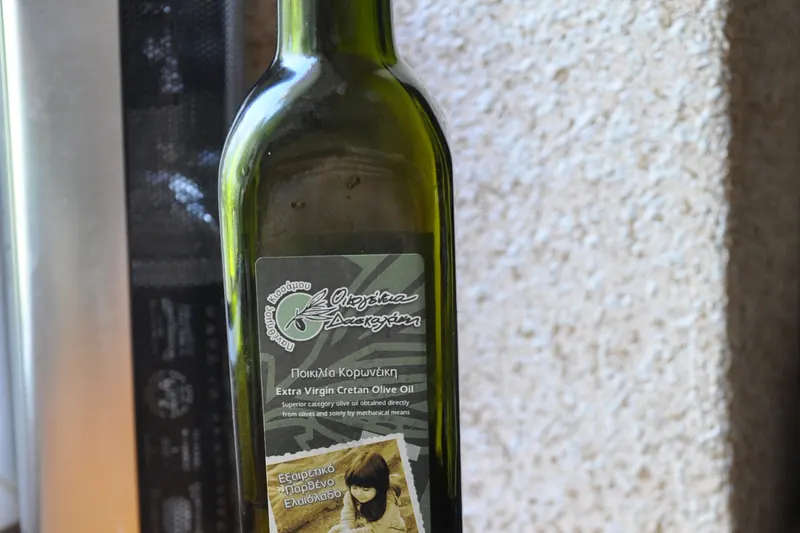
  • A bottle of extra virgin Cretan olive oil

    Cretan olive oil

    Among the world's most respected, central to the island's cuisine and its reputation for a health-supporting traditional diet.

    Where to try it Family-run producers across the island, several offering tastings and direct sales.

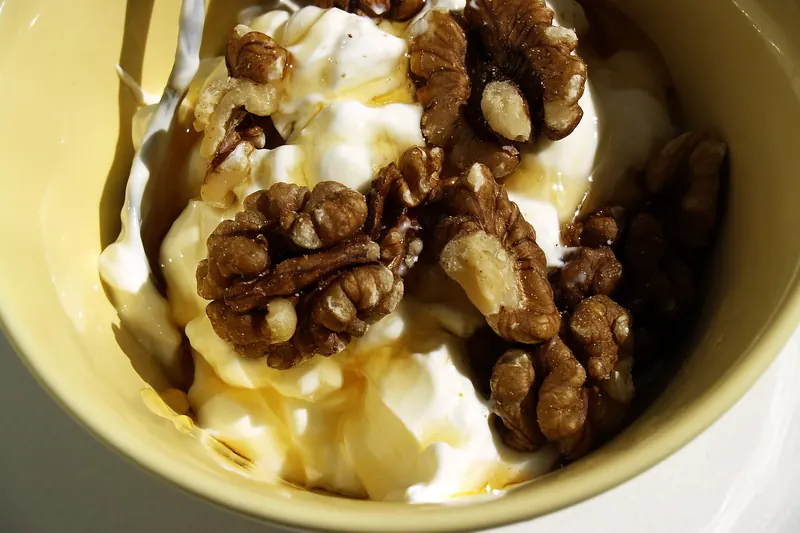
  • Thick Greek yogurt drizzled with honey

    Thyme honey with yogurt

    Thick Greek yogurt drizzled with the island's own excellent thyme honey, a simple, beloved Cretan dessert or breakfast.

    Where to try it Traditional tavernas and mountain village honey producers across the island.

Accommodation

Where to stay in Crete

Crete's scale means the right base depends heavily on your priorities — history, beaches or hiking.

  • Chania

    The island's most atmospheric base, putting the harbour, old town and western beaches within easy reach.

    Best for: Venetian harbour atmosphere and west-coast access

  • Heraklion

    Less picturesque than Chania but central for the island's major ancient sites.

    Best for: Knossos and the archaeological museum

  • Rethymno

    A good middle base between Chania and Heraklion, with its own well-preserved old town.

    Best for: A quieter Venetian town experience

What a night costs

Hostel dorm
€22–38 per night
Mid-range hotel
€85–150 per night
Knossos entry
€15 (€8 off-season)
Dakos at a taverna
€5–8

Transport

Getting to and around Crete

Crete has two main airports, with ferries also connecting the island to Athens and other Cyclades islands.

Getting there

  • Flight from Athens

    Short flights from Athens reach Heraklion or Chania in under an hour, the fastest option from the mainland.

    Book ahead in peak summer, when popular flight times can sell out or spike in price.

  • Ferry from Piraeus

    Overnight ferries from Athens' port reach Heraklion or Chania in about 8–9 hours, a scenic if slower option.

    Cabin berths offer a comfortable way to arrive rested for an overnight crossing.

  • Ferry from Santorini or Mykonos

    Direct ferries connect Crete to Santorini in about 2 hours, making island-hopping onward straightforward.

    Routes and frequency vary by season — check current schedules before finalising an island-hopping itinerary.

Getting around

Crete's scale rewards a rental car, though buses connect the main towns along the north coast.

  • Rental car

    The most practical way to explore Crete's scale, reaching Balos, mountain villages and the Samaria Gorge trailhead at your own pace.

    Mountain roads can be narrow and winding — allow more time than GPS estimates suggest.

  • Intercity buses (KTEL)

    A reliable network connects Chania, Rethymno and Heraklion along the north coast.

    Less frequent service to the south coast and interior villages — a car becomes necessary for these areas.

  • Organised tours

    A convenient option for the Samaria Gorge and Balos Lagoon, both of which involve logistics easier left to a tour operator.

    Tours typically include the Samaria Gorge's one-way hike logistics, a genuine advantage over independent travel.

When to go

Best time to visit Crete

Crete's summer heat runs intense, and shoulder season offers the best balance for both beaches and the Samaria Gorge, which closes outside its May-to-October season.

  • Spring (April–June)

    Best time

    Mild, increasingly warm weather with wildflowers across the countryside, and the Samaria Gorge opening for the season in May.

  • Summer (July–August)

    Good

    Hot and reliably sunny, the best swimming weather, but also the island's most crowded and expensive months.

  • Autumn (September–October)

    Best time

    Warm sea temperatures lingering from summer, comfortable air temperatures and noticeably thinner crowds.

  • Winter (November–March)

    Shoulder

    Mild by northern European standards but too cool for swimming, with the Samaria Gorge closed for the season.

Worth planning around: The Samaria Gorge outside its official May-to-October season, when the trail is closed for safety due to flash flood risk.

Itinerary

Five days in Crete

Chania's harbour and old town first, then the Samaria Gorge and Balos, then Heraklion's ancient history.

  1. Day1

    Arrive in Chania

    The island's most atmospheric harbour town.

    • Morning Land and settle into Chania.
    • Afternoon The Venetian harbour and old town.
    • Evening Dinner by the harbour.
  2. Day2

    The Samaria Gorge

    One of Europe's great hikes.

    • Morning Start the Samaria Gorge hike at dawn.
    • Afternoon Finish the hike and reach Agia Roumeli.
    • Evening Ferry and transfer back to Chania.
  3. Day3

    Balos Lagoon

    One of Crete's most striking beaches.

    • Morning Travel to Balos, by boat or the access road.
    • Afternoon A full beach day at the lagoon.
    • Evening Return to Chania for dinner.
  4. Day4

    To Heraklion and Knossos

    Ancient Minoan history.

    • Morning Travel to Heraklion.
    • Afternoon The Palace of Knossos.
    • Evening The Heraklion Archaeological Museum, or dinner in the old town.
  5. Day5

    Rethymno or a mountain village

    A final day of Venetian charm or rural Crete.

    • Morning Explore Rethymno's old town and Fortezza.
    • Afternoon A mountain village visit, or free time.
    • Evening A final Cretan dinner featuring dakos and raki.

Travel tips

Crete travel tips

Practical notes on timing, transport and etiquette that make a real difference to a Crete trip.

  • Rent a car for at least part of the trip — Crete's scale rewards the flexibility.
  • Check the Samaria Gorge's seasonal opening dates before planning around it — it's closed outside May to October.
  • Visit Balos and Elafonisi outside peak midday hours in summer to avoid the worst crowds.
  • Accept a free raki if offered after a taverna meal — it's a genuine local custom, not an upsell.
  • Wear proper hiking shoes for the Samaria Gorge — the trail is rocky for considerable stretches.
  • Book Heraklion or Chania flights and accommodation ahead for peak summer, when both airports and hotels fill up.
  • Allow real driving time between regions — Crete's scale and mountain roads mean distances take longer than they appear on a map.

FAQ

Crete: frequently asked questions

How many days do you need in Crete?

Five to seven for a first visit, enough to cover Chania, the Samaria Gorge, Balos and Knossos without feeling rushed.

Is Crete worth visiting as its own trip, or should it be combined with other islands?

It works well as a standalone trip given its scale — many visitors find a week on Crete alone more rewarding than splitting time across several smaller islands.

Do I need a car in Crete?

Highly recommended — buses cover the north coast reasonably well, but a car becomes necessary for Balos, mountain villages and flexible exploring beyond the main towns.

What is the best time of year to visit?

May to June and September offer warm weather with the Samaria Gorge open and crowds well below the July-August peak, which is the island's busiest, hottest season.

Is the Samaria Gorge hike difficult?

It's demanding — around 16 kilometres of mostly downhill but rocky, uneven terrain, taking most of a full day. Reasonable fitness and proper footwear matter.

Read next

Related travel articles

Practical

Packing by Season and Trip Type

Most packing advice is a list of things. This is the opposite: the small number of decisions that determine whether your luggage helps or hinders, organised by the kind of trip you are actually taking.

Heritage

UNESCO Sites Worth Planning a Trip Around

A UNESCO listing tells you a place matters; it does not tell you whether it is worth two days and a detour. This is how to read the list usefully — and which sites reward building a trip around them.

Advertisement