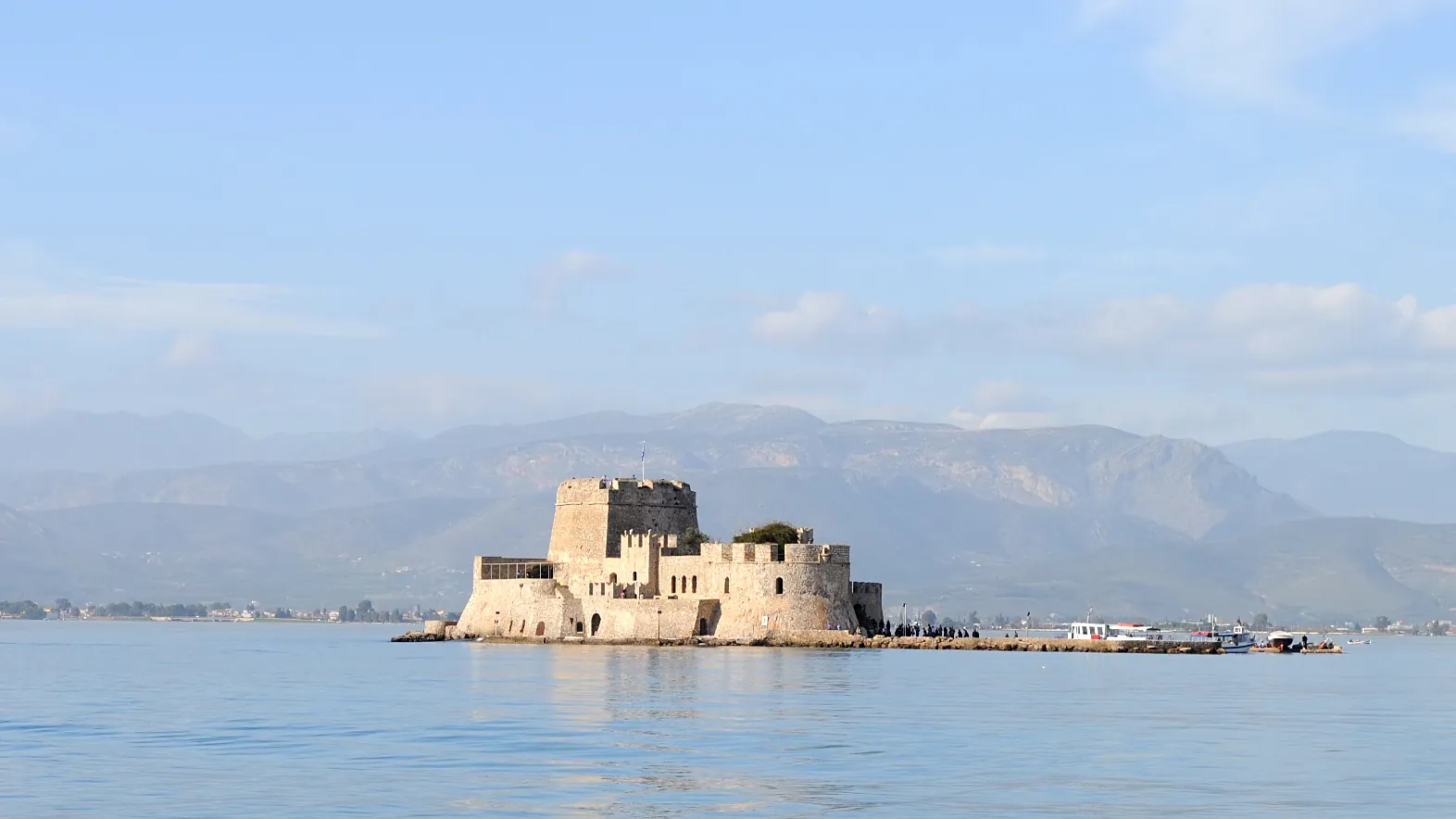
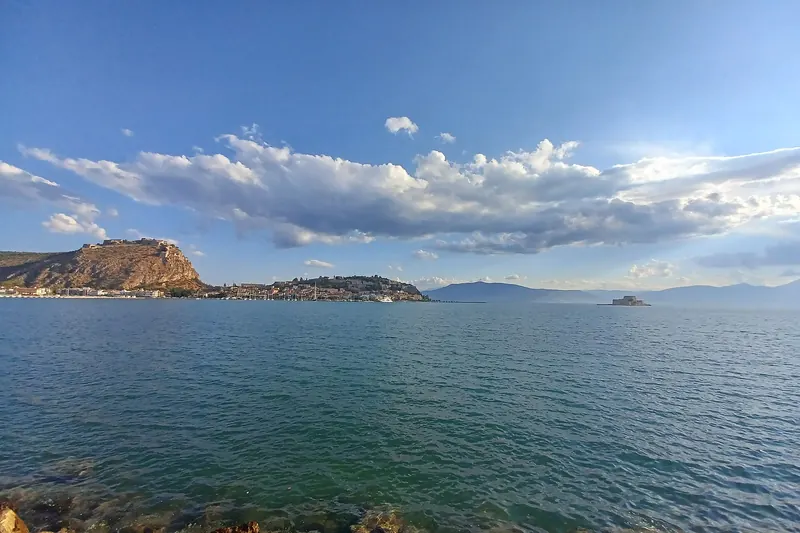
Nafplio's old town and the Bourtzi fortress in the harbour

Peloponnese · Greece

Nafplio and the Peloponnese

An elegant Venetian port town paired with the Peloponnese's dense concentration of ancient sites, from Mycenae to Epidaurus's famously precise theatre.

  • Best time April–June and September–October, for mild weather and manageable crowds
  • Stay 4 days
  • Good for History, architecture, road trips, food

Photo: Ava Babili · CC BY-SA 4.0

Welcome to Nafplio and the Peloponnese

Nafplio was modern Greece's first capital after independence, and its elegant old town still reflects that brief prominence — Venetian and neoclassical architecture, a hilltop fortress and the small island castle of Bourtzi sitting directly in the harbour, widely considered one of the most attractive towns in the Peloponnese.

The wider Peloponnese peninsula holds one of Greece's densest concentrations of major ancient sites within easy driving distance of Nafplio, including Mycenae, the legendary seat of Agamemnon, and Epidaurus, home to the ancient world's most acoustically celebrated theatre.

Together, Nafplio and its surrounding region offer a rewarding road trip through Greek history spanning the Bronze Age to the Venetian era, without the crowds or costs of the country's more famous island destinations.

  • Historic Site
  • Coast & Beaches
  • Culture

Why visit

Why visit Nafplio and the Peloponnese?

Nafplio's case is that no other Peloponnese base pairs this elegant a town with this dense a concentration of major ancient sites nearby.

  • The old town is one of Greece's most elegant

    Venetian and neoclassical architecture, narrow lanes and a harbourside setting rank among the Peloponnese's most attractive towns.

  • Mycenae is one of Greece's great Bronze Age sites

    The legendary seat of Agamemnon offers real depth into Greece's history well before the classical era most visitors know.

  • Epidaurus's theatre is remarkable

    Its acoustics remain celebrated today, still used for performances more than two thousand years after construction.

  • It rewards a genuine road trip

    The wider Peloponnese offers real range beyond Nafplio itself, from mountain villages to further ancient sites.

  • It's less crowded than Greece's islands

    Comparable historic and scenic significance without the peak-season crowds or prices of Santorini or Mykonos.

Main attractions

Top things to see in Nafplio and the Peloponnese

Nafplio and the wider Peloponnese's essential sights, from its Venetian old town to two of Greece's most significant ancient sites.

  1. The Venetian and neoclassical streets of Nafplio's old town

    Nafplio's old town

    An elegant network of Venetian and neoclassical streets, its architecture reflecting the town's brief period as modern Greece's first capital.

    Tip The old town is at its best in early evening, when the day-trip crowds thin and the streets take on their own atmosphere.

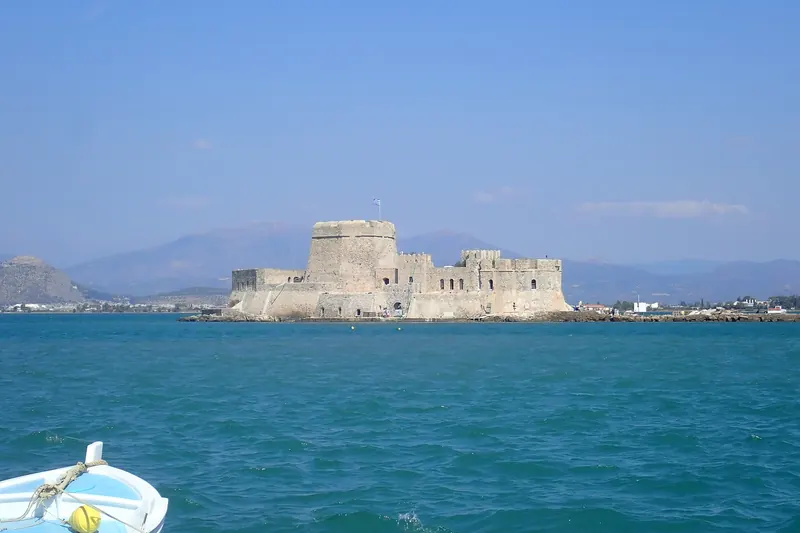
  2. The small Venetian island castle of Bourtzi

    The Bourtzi fortress

    A small Venetian castle on its own island directly in Nafplio's harbour, among the most photographed sights in the Peloponnese.

    Tip A short boat ride from the harbour reaches the fortress itself — worth it for the view back toward the town.

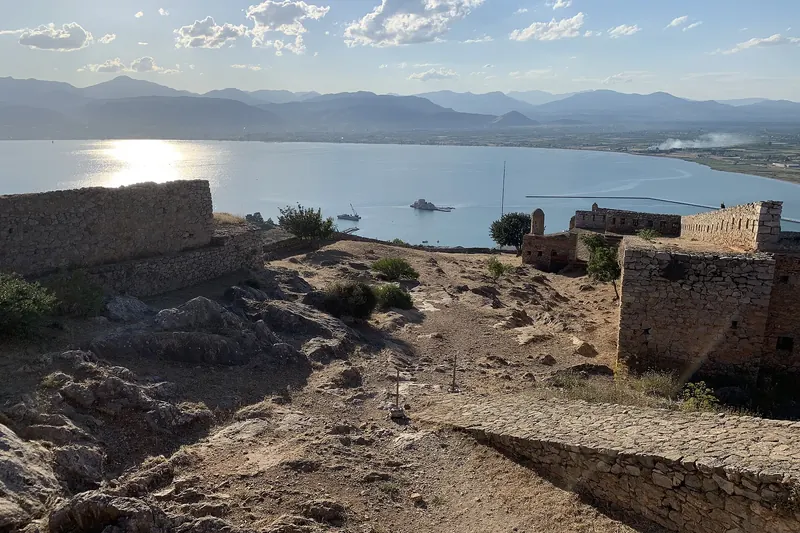
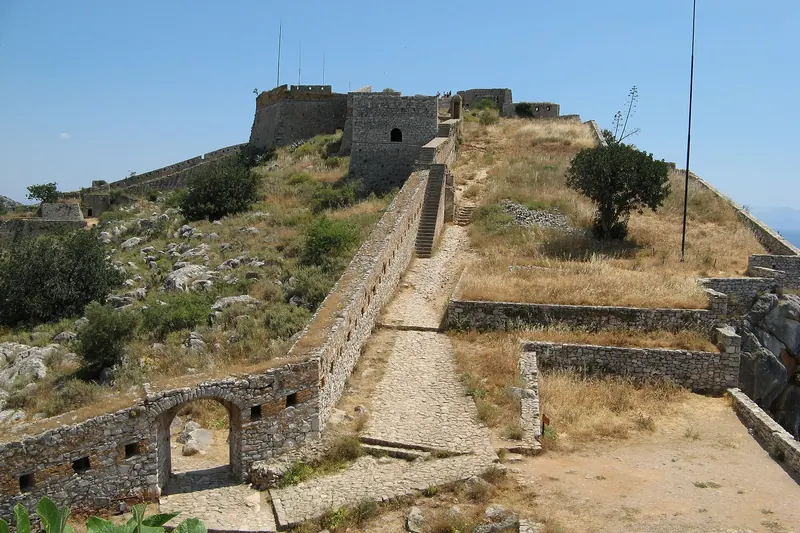
  3. The hilltop Venetian fortress of Palamidi above Nafplio

    Palamidi fortress

    An imposing hilltop Venetian fortress above Nafplio, reached by 857 steps, with sweeping views across the town and Argolic Gulf.

    Tip Climb early morning to avoid both the heat and the crowds — the steps are demanding in midday summer sun.

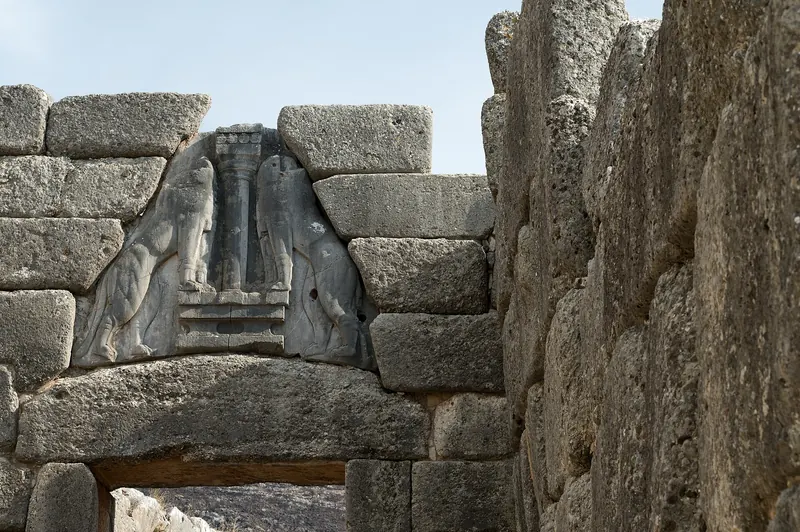
  4. The Lion Gate at the entrance to ancient Mycenae

    Ancient Mycenae

    The legendary seat of Agamemnon, home to the Lion Gate and beehive tombs, one of Greece's most significant Bronze Age sites.

    Tip The on-site museum rewards a visit alongside the ruins — the gold artefacts found here rank among Greece's finest.

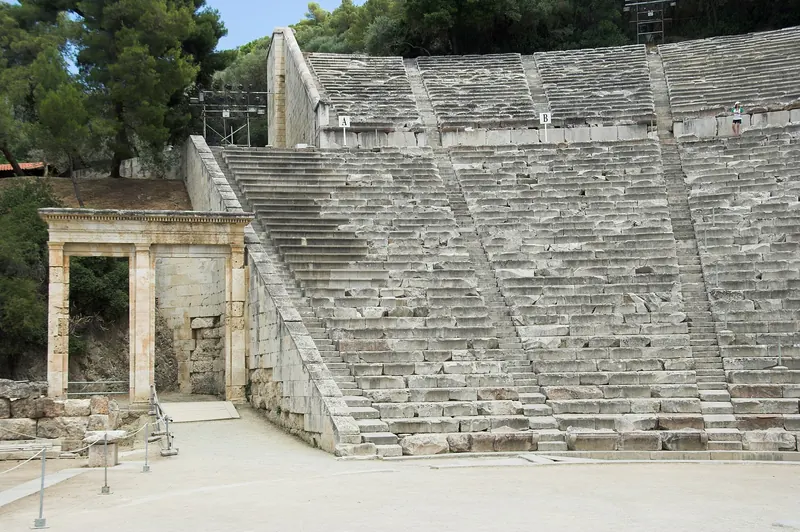
  5. The ancient Theatre of Epidaurus

    The Theatre of Epidaurus

    The ancient world's most acoustically celebrated theatre, still used for performances today more than two thousand years after construction.

    Tip Test the famous acoustics yourself — even a coin dropped at the centre stage is audible from the topmost seats.

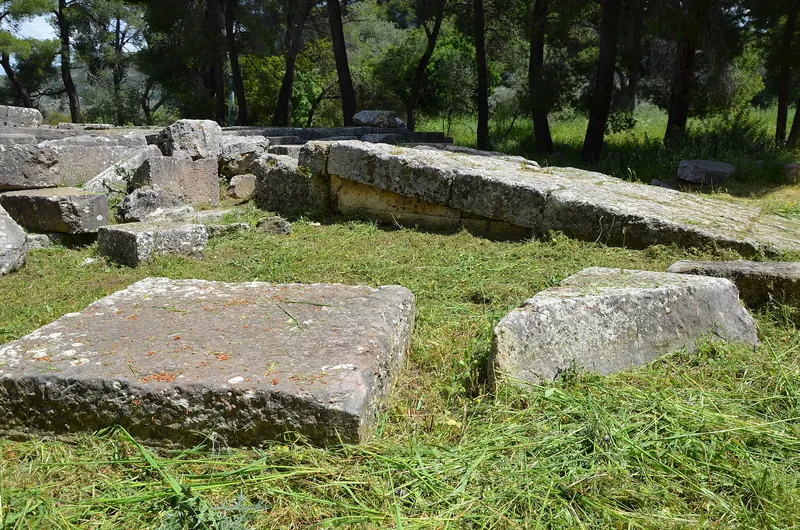
  6. The ruins of the Sanctuary of Asklepios at Epidaurus

    The Sanctuary of Asklepios at Epidaurus

    An ancient healing sanctuary surrounding the theatre, significant as one of the classical world's most important medical centres.

    Tip The sanctuary's ruins are worth the extra time beyond the theatre alone — most visitors rush past them.

Things to do

Best things to do in Nafplio and the Peloponnese

Beyond Nafplio's old town and the region's ancient sites, the Peloponnese rewards its coastline, its mountain villages and its serious food culture.

  1. The steps and walls of the Palamidi fortress

    Walk up to the Palamidi fortress

    A demanding but rewarding climb, its 857 steps leading to some of the best views in the entire Peloponnese.

    Tip Bring water — the climb offers little shade, particularly through its middle stretch.

  2. A boat approaching the Bourtzi fortress in Nafplio's harbour

    Take a boat out to the Bourtzi fortress

    A short, worthwhile excursion from Nafplio's harbour, offering a different perspective on the town from the water.

    Tip Boats depart regularly from the harbour promenade — no advance booking is necessary outside peak season.

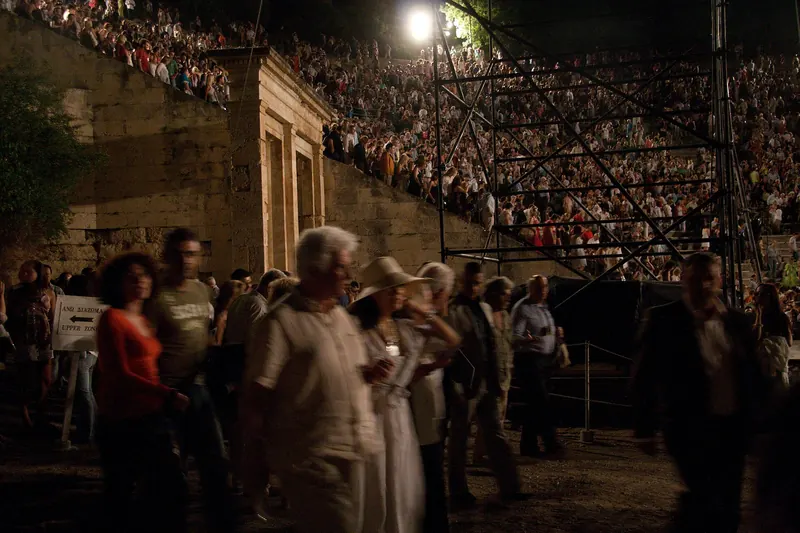
  3. A summer festival performance at the Theatre of Epidaurus

    See a performance at Epidaurus, if timing allows

    The ancient theatre still hosts a summer festival of performances, an extraordinary way to experience the site beyond a daytime visit.

    Tip Check the festival schedule well ahead — performances sell out for popular productions.

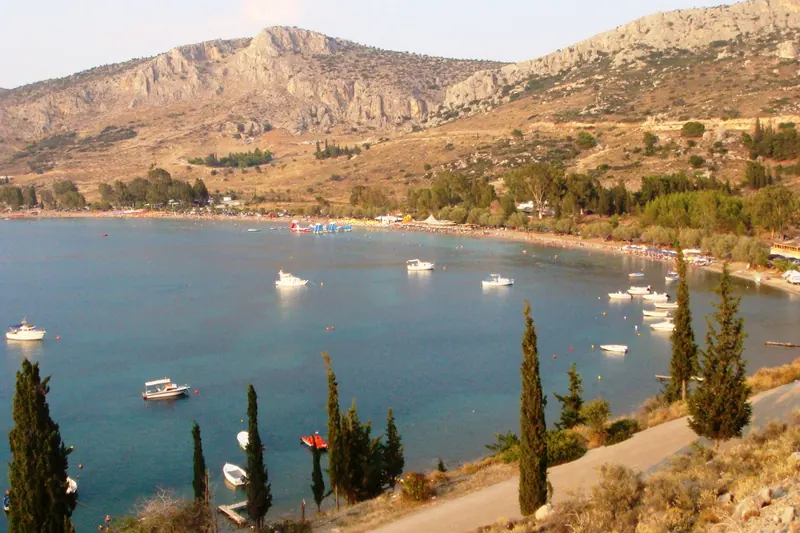
  4. Karathona beach near Nafplio

    Explore the Argolic coastline

    The coast around Nafplio holds pleasant beach towns and swimming spots, a quieter complement to the region's historic sites.

    Tip Karathona beach, a short walk from Nafplio's old town, offers a convenient swim without needing a car.

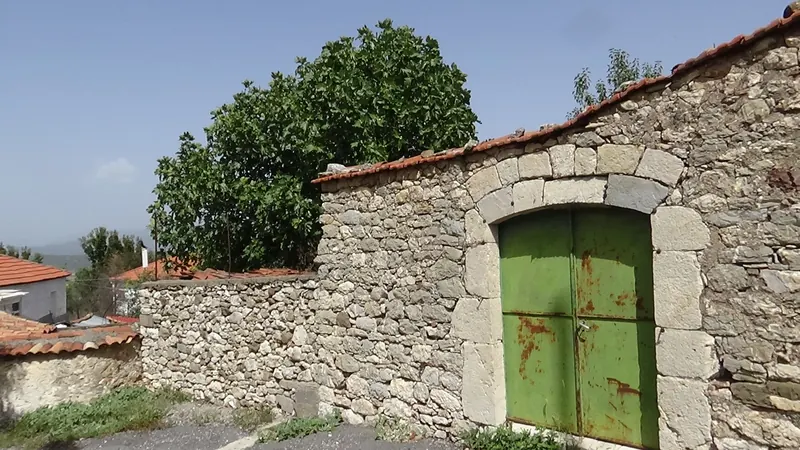
  5. A traditional stone house in an Arcadian mountain village

    Visit a Peloponnese mountain village

    The region's interior holds traditional villages, offering a rural counterpoint to Nafplio's Venetian elegance and the coast's beach towns.

    Tip Villages around the wider Argolis region reward a slow drive without a fixed itinerary.

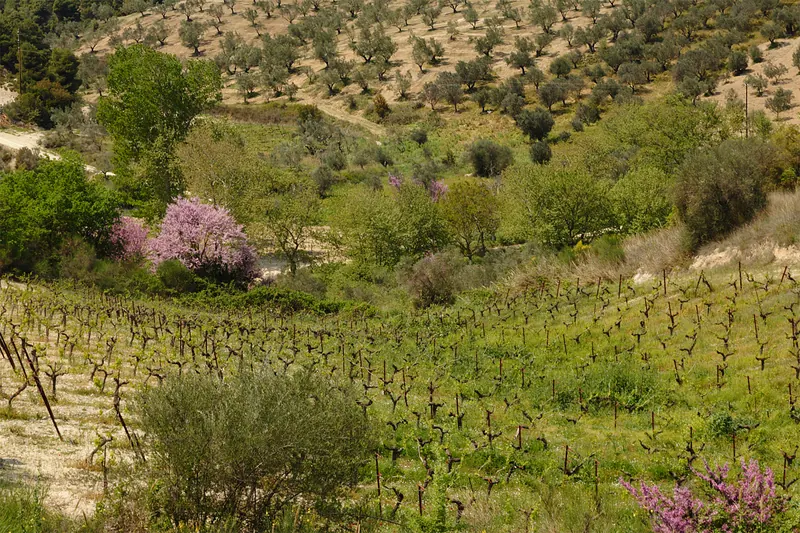
  6. Wine and olive country around Nemea in the Peloponnese

    Try the region's olive oil and wine

    The Peloponnese is one of Greece's most productive olive oil and wine regions, with real depth beyond the more famous Santorini or Naoussa labels.

    Tip Several small producers around Nafplio and the wider Argolis offer worthwhile tastings.

Local food

What to eat in Nafplio and the Peloponnese

The Peloponnese's food culture draws on some of Greece's best olive oil, citrus and produce, alongside Nafplio's own specialities.

  • Peloponnese olive oil

    Among Greece's most productive olive oil regions, central to the area's cuisine and among the country's most respected.

    Where to try it Local producers across the region, several offering direct tastings and sales.

  • Argolis citrus

    The Argolis plain's orange and citrus groves are significant to the region's produce, visible along much of the drive into Nafplio.

    Where to try it Roadside stalls and markets across the Argolis plain, particularly in season.

  • Amygdalota, soft almond-based Greek sweets

    Nafplio's amygdalota

    Almond sweets associated with Nafplio's confectionery tradition, often sold in the old town's small sweet shops.

    Where to try it Traditional sweet shops throughout Nafplio's old town.

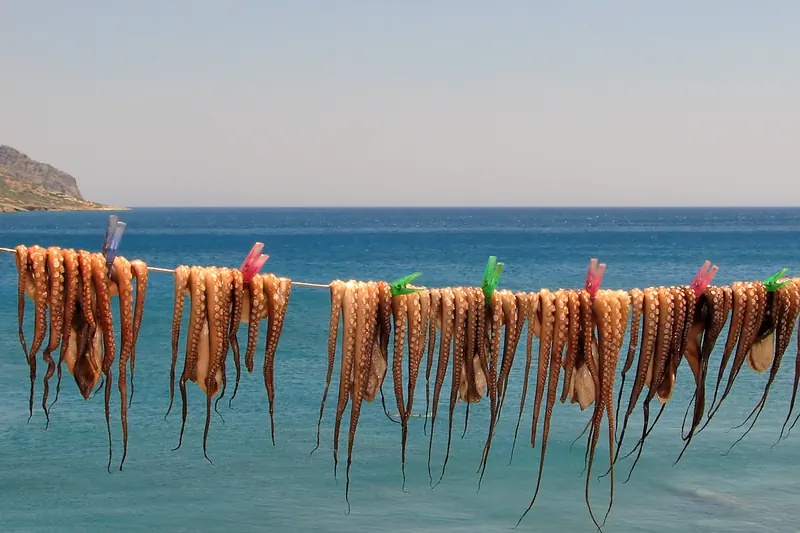
  • Octopus drying in the sun before grilling

    Grilled octopus and fresh seafood

    A genuine Nafplio harbourside staple, given the town's coastal setting on the Argolic Gulf.

    Where to try it Harbourside tavernas in Nafplio, particularly along the waterfront promenade.

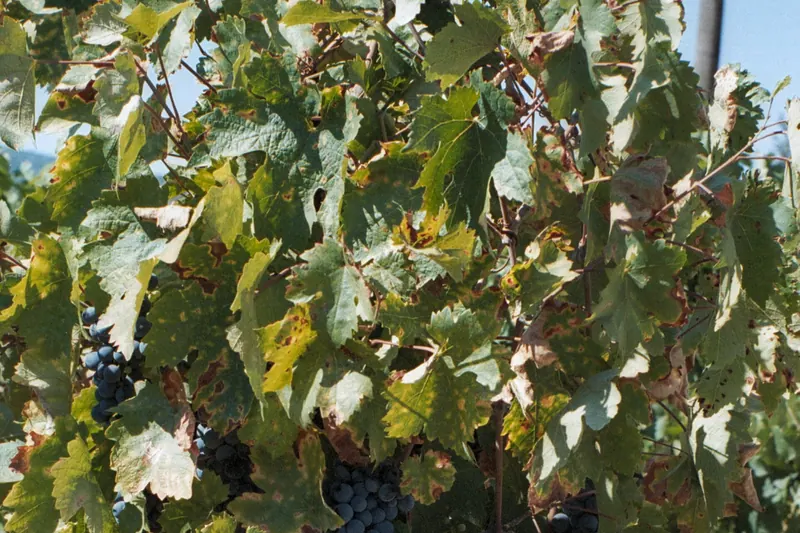
  • A vine in the Nemea wine region of the Peloponnese

    Peloponnese wine

    A significant Greek wine region, particularly Nemea's reds, made from the local Agiorgitiko grape.

    Where to try it Wine lists throughout Nafplio, and wineries directly in the Nemea region.

  • Loukoumades, honey-soaked fried dough puffs with walnuts

    Loukoumades

    Warm, honey-soaked fried dough puffs, a popular Greek dessert served across Nafplio's cafes and old town restaurants.

    Where to try it Cafes throughout Nafplio's old town, particularly around the main squares.

Accommodation

Where to stay in Nafplio and the Peloponnese

Nafplio's old town makes the most atmospheric base, with the wider Peloponnese rewarding a rental car for day trips.

  • Nafplio old town

    The region's most attractive base, putting the harbour, Palamidi fortress and old town restaurants all within easy walking distance.

    Best for: Atmosphere and walkable convenience

  • Nafplio's newer districts

    A more affordable alternative just outside the old town, still within easy walking or short driving distance.

    Best for: Better value with easy old town access

  • Nemea or the wider Argolis

    A quieter alternative for travellers prioritising wine country or the region's ancient sites over Nafplio's town life.

    Best for: A wine country or rural base

What a night costs

Hostel dorm
€20–32 per night
Mid-range hotel
€70–130 per night
Mycenae and Epidaurus combined
€20 total (€10 off-season)
Grilled octopus at a taverna
€10–15

Transport

Getting to and around Nafplio and the Peloponnese

Nafplio sits within easy driving distance of Athens, without its own airport.

Getting there

  • Car from Athens

    A road trip of around 2 hours from Athens, the most flexible way to explore Nafplio and the wider Peloponnese together.

    The modern toll motorway makes this a straightforward, scenic drive.

  • Bus from Athens

    Direct KTEL buses from Athens reach Nafplio in around 2.5 hours, a straightforward option without a car.

    Reaching Mycenae or Epidaurus without a car afterward is more limited — consider a local tour or taxi.

  • Organised day tour

    Popular day tours from Athens combine Nafplio, Mycenae and Epidaurus, typically as a long single day.

    A day tour suits visitors who want the region's highlights covered without renting a car.

Getting around

Nafplio's old town is walkable, with a rental car considerably improving access to Mycenae, Epidaurus and the wider region.

  • Walking

    Nafplio's old town, harbour and the base of the Palamidi climb are all within easy walking distance of one another.

    The Palamidi climb itself involves real elevation change — comfortable shoes matter.

  • Rental car

    The most flexible way to reach Mycenae, Epidaurus and the wider Peloponnese's mountain villages and coastline.

    Roads between sites are generally in good condition, with clear signage to major attractions.

  • Local taxi or organised tour

    A convenient option for Mycenae and Epidaurus without a rental car, with local operators offering half-day circuits.

    Taxis can usually be arranged through your accommodation for a set half-day rate.

When to go

Best time to visit Nafplio and the Peloponnese

The Peloponnese's ancient sites offer little shade, and shoulder season provides the best balance of comfortable walking weather and thinner crowds.

  • Spring (April–June)

    Best time

    Mild temperatures and green countryside, the most comfortable season for visiting Mycenae and Epidaurus.

  • Summer (July–August)

    Good

    Hot and reliably sunny, with the Epidaurus Festival running, but also the region's most crowded, hottest months.

  • Autumn (September–October)

    Best time

    Comfortable temperatures and noticeably thinner crowds than summer, with clear light well suited to photography.

  • Winter (November–March)

    Shoulder

    Mild by northern European standards, quiet, though some coastal businesses reduce hours outside peak season.

Worth planning around: Peak midsummer midday heat at Mycenae and Epidaurus — both sites offer little shade across their exposed ruins.

Itinerary

Four days in Nafplio and the Peloponnese

Nafplio's old town first, then the region's two great ancient sites, then a slower day of coast and countryside.

  1. Day1

    Arrive in Nafplio

    An elegant Venetian port town.

    • Morning Land and settle into Nafplio.
    • Afternoon Explore the old town and harbour.
    • Evening Dinner by the waterfront.
  2. Day2

    Mycenae

    Bronze Age Greece's legendary seat of power.

    • Morning The Lion Gate, beehive tombs and ruins of Mycenae.
    • Afternoon The on-site archaeological museum.
    • Evening Return to Nafplio for dinner.
  3. Day3

    Epidaurus

    The ancient world's most celebrated theatre.

    • Morning The Theatre of Epidaurus and its famous acoustics.
    • Afternoon The Sanctuary of Asklepios ruins.
    • Evening A performance at Epidaurus, if the festival schedule allows.
  4. Day4

    Palamidi and the coast

    A final day in and around Nafplio.

    • Morning Climb to the Palamidi fortress.
    • Afternoon A boat trip to the Bourtzi, or a swim at Karathona beach.
    • Evening A final dinner featuring grilled octopus and Nafplio's amygdalota.

Travel tips

Nafplio and the Peloponnese travel tips

Practical notes on timing, transport and etiquette that make a real difference to a Nafplio and Peloponnese trip.

  • Rent a car for at least part of the trip — Mycenae, Epidaurus and the wider region reward the flexibility.
  • Climb the Palamidi fortress early morning to avoid both the heat and the steepest crowds.
  • Check the Epidaurus Festival schedule ahead if a performance interests you — popular shows sell out.
  • Wear proper shoes for Mycenae and Epidaurus — both involve real elevation change and uneven ancient stonework.
  • Book Nafplio accommodation ahead for summer weekends, when Athenians themselves flock to the town.
  • Combine Mycenae and Epidaurus in one day if time is limited — both sit within a similar driving radius of Nafplio.
  • Allow real time for the Bourtzi boat trip and Karathona beach — Nafplio rewards more than a rushed history-only visit.

FAQ

Nafplio and the Peloponnese: frequently asked questions

How many days do you need in Nafplio and the Peloponnese?

Four works well — enough for Nafplio's old town, Mycenae, Epidaurus and at least one slower day on the coast or in the countryside.

Can Nafplio be visited as a day trip from Athens?

Yes, though it makes for a long day — an overnight stay allows Mycenae and Epidaurus to be properly explored without rushing.

Do I need a car in the Peloponnese?

Highly recommended — Nafplio itself is walkable, but reaching Mycenae, Epidaurus and the wider region benefits from a rental car.

What is the best time of year to visit?

April to June and September to October offer mild weather and noticeably thinner crowds than the hot, busier July-August peak.

Is Nafplio worth visiting beyond its ancient sites?

Yes — the old town's Venetian architecture, harbour and Palamidi fortress rank among the Peloponnese's best sights in their own right.

Read next

Related travel articles

Practical

Packing by Season and Trip Type

Most packing advice is a list of things. This is the opposite: the small number of decisions that determine whether your luggage helps or hinders, organised by the kind of trip you are actually taking.

Heritage

UNESCO Sites Worth Planning a Trip Around

A UNESCO listing tells you a place matters; it does not tell you whether it is worth two days and a detour. This is how to read the list usefully — and which sites reward building a trip around them.

Advertisement