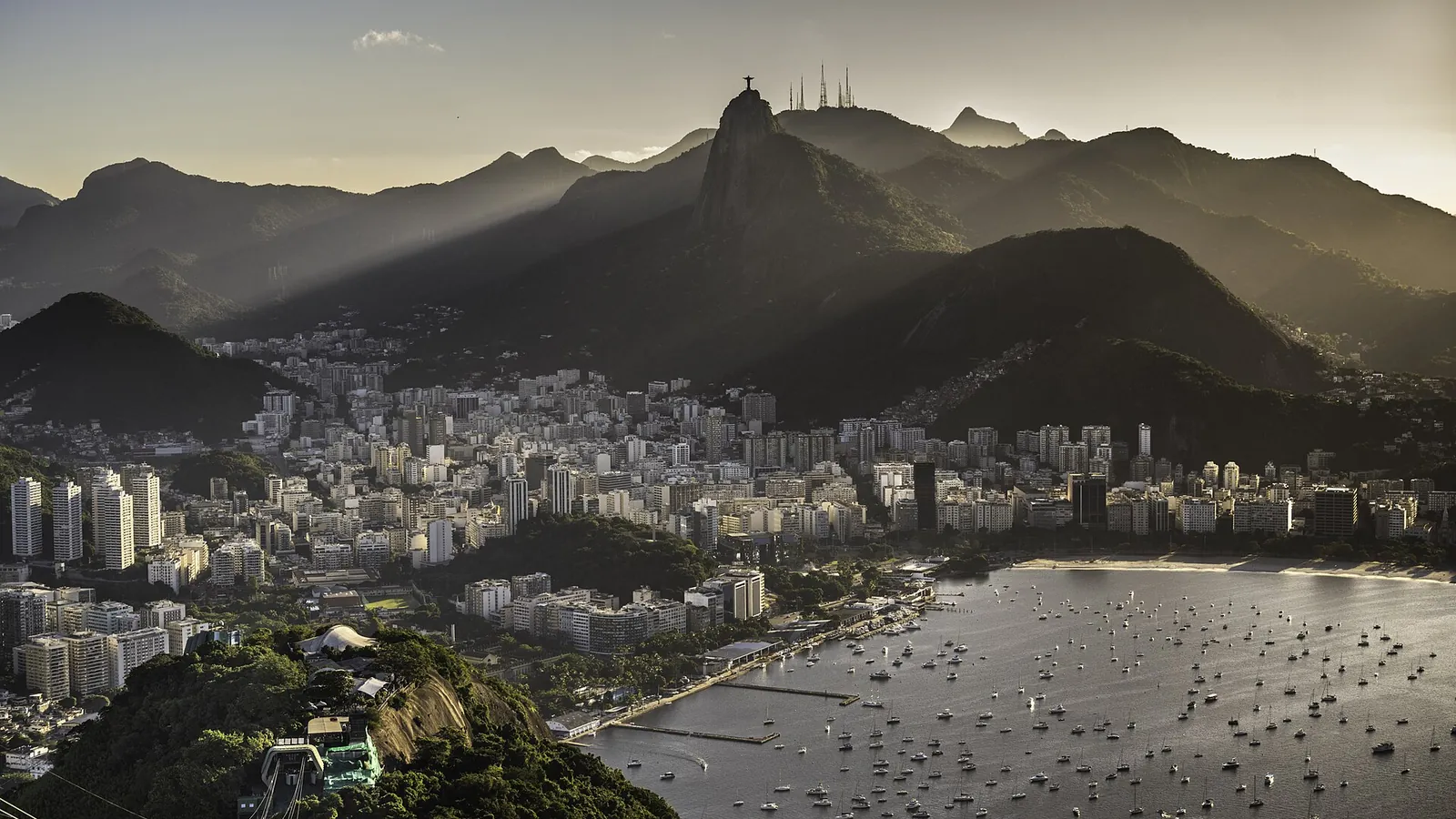
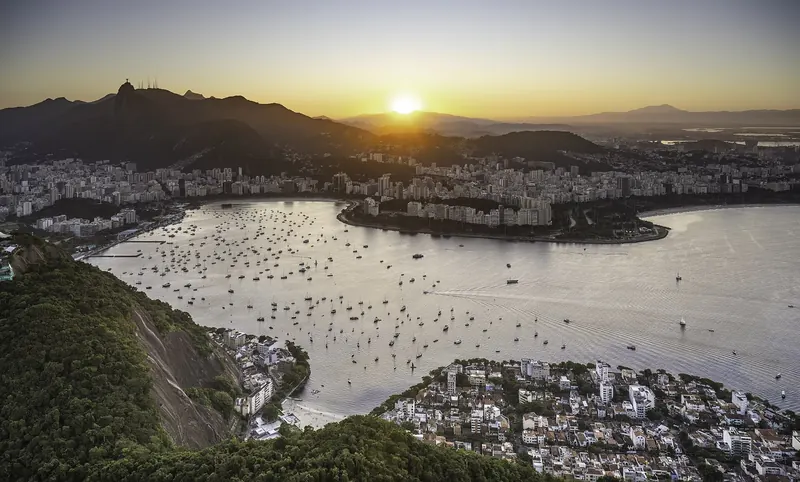
The skyline of Rio de Janeiro and Sugarloaf Mountain at sunset over Guanabara Bay

Brazil · Travel guide

The Complete Brazil Travel Guide

How the country divides, how to choose between the ten destinations, how to fly across a continent, and what two weeks can realistically hold.

  • Reading time 14 min read
  • Covers 10 destinations
  • Updated 2026

Photo: Wilfredor · CC0

Brazil covers nearly half of South America, with beaches, rainforest, wetlands and colonial cities. This guide covers how the regions divide, how to choose between the ten destinations, how to move around, when to go, what it costs and three routes that work.

How Brazil divides

Brazil is about 4,300 km from north to south, and its regions differ greatly in climate, culture and cuisine. Five zones organise most trips.

The south-east. Rio de Janeiro and São Paulo are the two great cities, about 430 km apart. On the coast between them, Paraty and Ilha Grande have colonial streets and islands, and inland, Ouro Preto is a colonial gold town.

The south. Iguazu Falls lie on the border with Argentina and Paraguay, in the far south-west of the country.

The north-east. Salvador is the centre of Afro-Brazilian culture, and the region has long beaches, the dunes of Lençóis Maranhenses and the island of Fernando de Noronha.

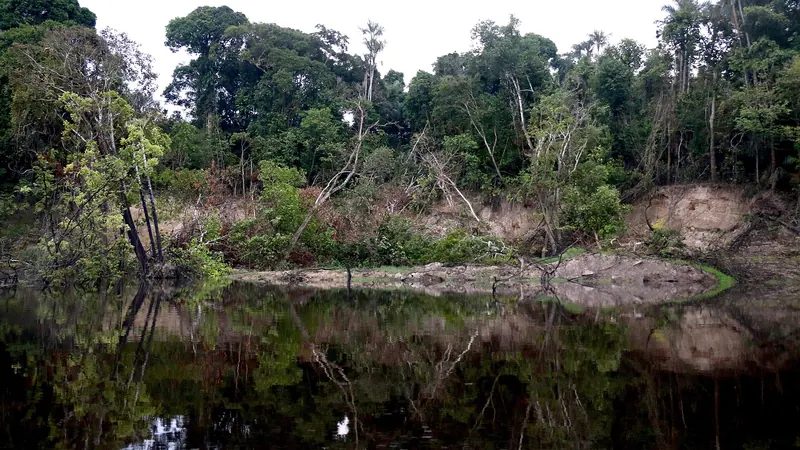
The Amazon. Manaus is the gateway to the world's largest rainforest and its rivers.

The centre-west. The Pantanal is a vast wetland with the best wildlife viewing in South America.

Worth knowing: The practical unit is two or three of these, linked by domestic flights. Attempting more turns the trip into an exercise in airports.

Choosing between the ten destinations

Flying across a continent

Brazil's distances are huge. Rio to Manaus is about 2,800 km, and Rio to Salvador about 1,200 km.

Flights. The only sensible way between regions. LATAM, GOL and Azul fly to all the main cities. Book early, and check baggage rules.

Long-distance buses. Comfortable and cheap between cities up to about 8 hours apart, such as Rio to São Paulo or Rio to Paraty.

City transport. Metros in Rio and São Paulo are efficient. Ride-hailing apps such as Uber and 99 are the safest way to move at night.

Boats. Essential in the Amazon and the Pantanal, and useful for Ilha Grande and Paraty's bay.

Worth knowing: Avoid arriving in a new city late at night, and pre-book transfers from airports and bus stations.

When to go

Brazil's seasons are the reverse of Europe and North America. Summer runs from December to February, and winter from June to August.

The south-east coast, including Rio, is hot and humid in summer, and drier and more comfortable from April to October.

The Amazon has two seasons: high water from December to May, when boats reach the flooded forest, and low water from June to November, when jungle trails open up.

The Pantanal is best in the dry season from June to October, when animals gather around water and are easy to spot. The wet season is green but harder to travel in.

The north-east is warm year-round, with a rainy season around April to July. Lençóis Maranhenses is best from June to September, when the lagoons are full.

Worth knowing: Carnival, in February or March, and New Year are the peak periods, and prices rise sharply.

Money, costs and safety

Brazil is moderately priced, cheaper than Europe or North America but not as cheap as much of Asia. A restaurant meal costs US$10–25, a comfortable hotel US$60–150, and domestic flights US$50–200.

Beach-resort areas, Fernando de Noronha and the Amazon lodges cost more. Fernando de Noronha, in particular, has park fees and high prices for food and accommodation.

Cards are widely accepted, but carry some cash for markets and small places. Tip 10% where a service charge is not included.

Crime is a concern in large cities, especially petty theft and muggings. Keep valuables hidden, use ride-hailing apps and follow local advice about areas to avoid.

Three routes that work

  1. One week: Rio and Iguazu

    Four nights in Rio de Janeiro, and two in Iguazu Falls, with a two-hour flight between them.

    Tip Fly into Rio and out of Foz do Iguaçu.

  2. Ten days: coast and culture

    Rio, Paraty and Salvador, with a flight from Rio to Salvador at the end.

    Tip Take the bus to Paraty, and fly for the long leg.

  3. Two weeks: the classic

    The itinerary on the country page: Rio, Paraty, Iguazu and Salvador.

    Tip Swap Salvador for the Amazon or the Pantanal if you want wildlife.

Reference

The 10 destinations in this guide

Every place named above has its own detailed guide — attractions, food, where to stay, how to get around and a suggested day-by-day plan.

Major CityCoast & Beaches

Rio de Janeiro

Rio de Janeiro State, south-east Brazil

Brazil's most famous city: Christ the Redeemer, Sugarloaf Mountain, Copacabana and Ipanema beaches, the Tijuca rainforest, Santa Teresa, samba and Carnival.

Don't miss Sunset from the top of Sugarloaf Mountain, as the city lights come on around the bay.

Explore Destination — Rio de Janeiro
UNESCO SiteNature & Wildlife

Iguazu Falls

Paraná, on the border with Argentina

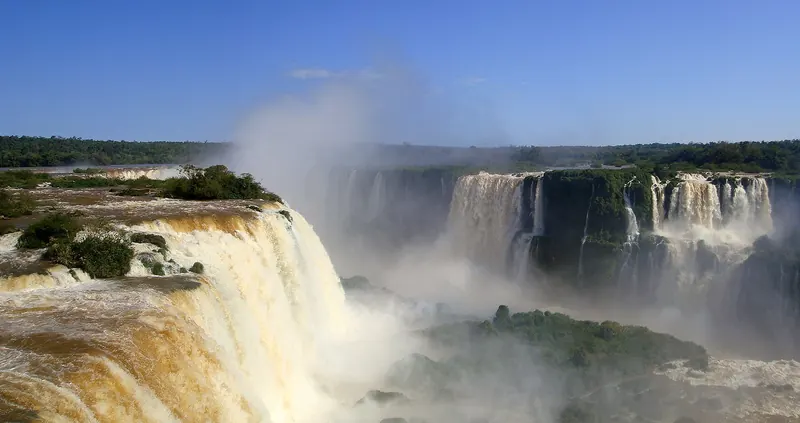
One of the world's great waterfalls: a UNESCO-listed complex of cascades on the Iguazu River, seen from panoramic Brazilian walkways and the closer, more varied Argentine trails.

Don't miss Standing on the platform above the Devil's Throat, wrapped in mist and rainbows as the river plunges into the abyss.

Explore Destination — Iguazu Falls
Historic SiteUNESCO Site

Salvador

Bahia, north-east Brazil

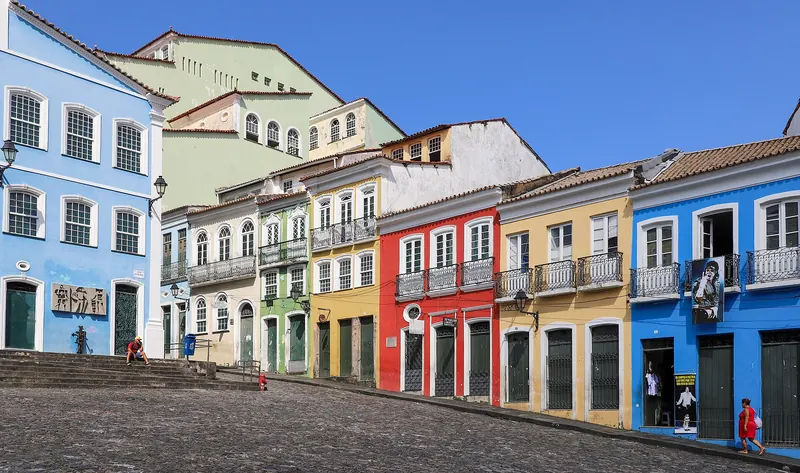
A UNESCO-listed colonial city on a bay, with the Pelourinho, the Elevador Lacerda, Afro-Brazilian traditions, capoeira, candomblé, beaches and unique Bahian food.

Don't miss Night falling over the Pelourinho, with drums echoing off the pastel facades and baianas selling acarajé.

Explore Destination — Salvador
Nature & WildlifeNational Park

The Amazon and Manaus

Amazonas State, northern Brazil

Manaus and the Rio Negro: the Meeting of the Waters, jungle lodges, the Anavilhanas archipelago, pink river dolphins, giant water lilies and the Teatro Amazonas.

Don't miss Gliding by canoe through flooded forest at dawn, with monkeys calling and the river black as coffee.

Explore Destination — The Amazon and Manaus
Nature & WildlifeUNESCO Site

The Pantanal

Mato Grosso and Mato Grosso do Sul, central-west Brazil

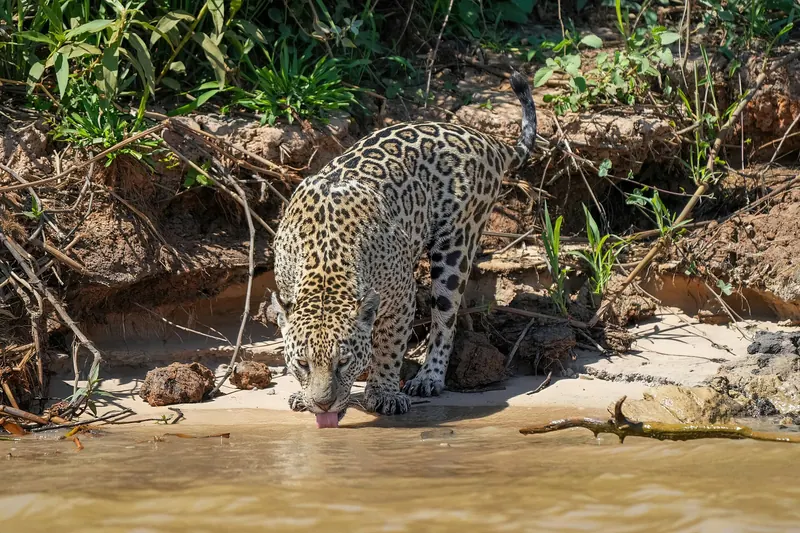
One of the world's best places for wildlife: jaguars at Porto Jofre, caimans, capybaras, giant otters and hundreds of bird species, seen by boat, safari truck and horseback.

Don't miss A jaguar padding along the riverbank in the golden light of late afternoon, from a small boat on the Cuiabá River.

Explore Destination — The Pantanal
UNESCO SiteCoast & Beaches

Paraty and Ilha Grande

Costa Verde, Rio de Janeiro State

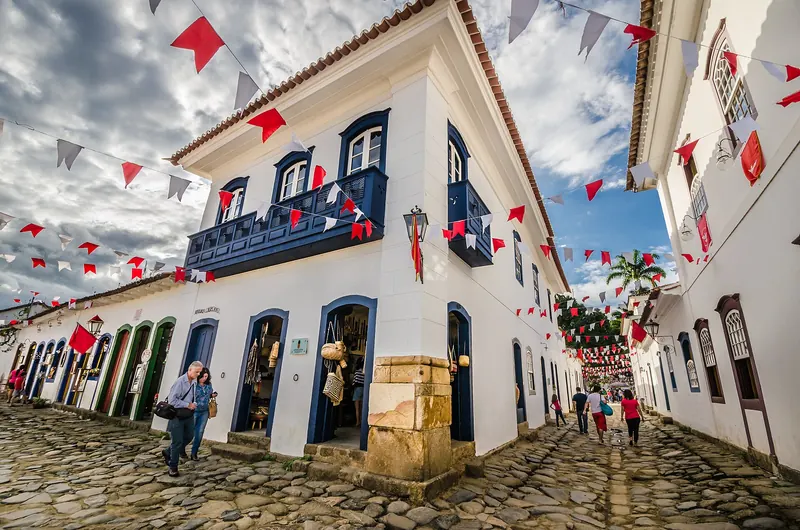
A UNESCO-listed colonial town on a bay, with cobbled streets, cachaça distilleries and schooner trips, plus the traffic-free island of Ilha Grande with jungle trails and beaches.

Don't miss A schooner cruise around the bay, with swims off deserted islands and cachaça in hand.

Explore Destination — Paraty and Ilha Grande
Major CityCulture & Arts

São Paulo

São Paulo State, south-east Brazil

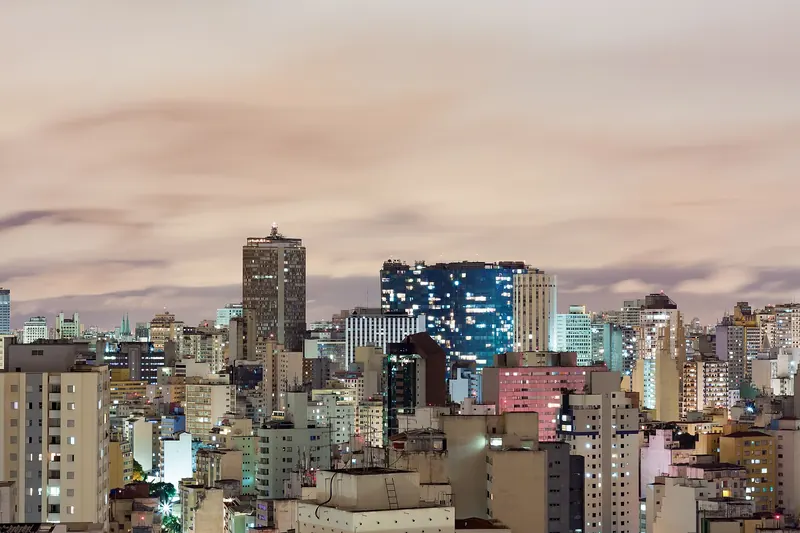
Brazil's financial and cultural capital: Avenida Paulista and MASP, Ibirapuera Park, the Municipal Market, Beco do Batman, Liberdade and a spectacular food and nightlife scene.

Don't miss A mortadella sandwich in the Mercado Municipal, followed by an evening among the murals of Vila Madalena.

Explore Destination — São Paulo
IslandUNESCO Site

Fernando de Noronha

Pernambuco, Atlantic Ocean archipelago

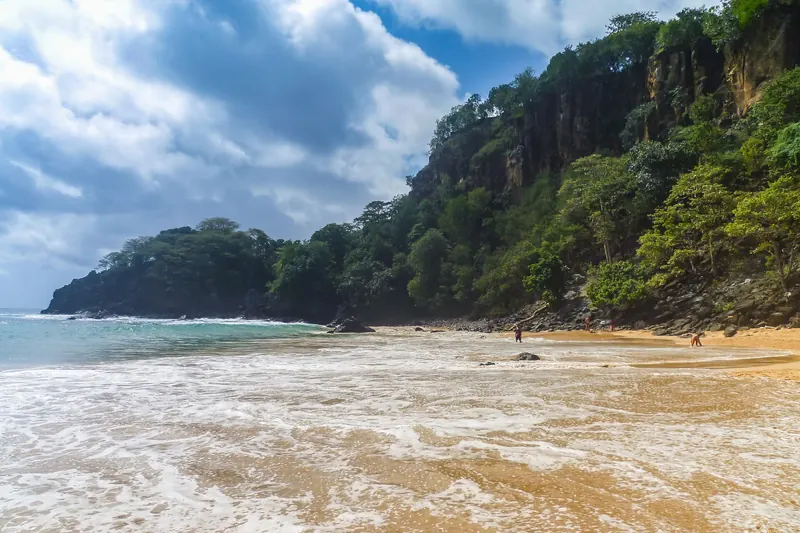
A UNESCO-listed island 350 km off the north-east coast, with turquoise bays, marine life, snorkelling, diving and a low-key, high-price resort atmosphere.

Don't miss The Baía do Sancho at sunrise, reached down a cliff-side ladder to an empty crescent of sand.

Explore Destination — Fernando de Noronha
National ParkNature & Wildlife

Lençóis Maranhenses

Maranhão, north-east Brazil

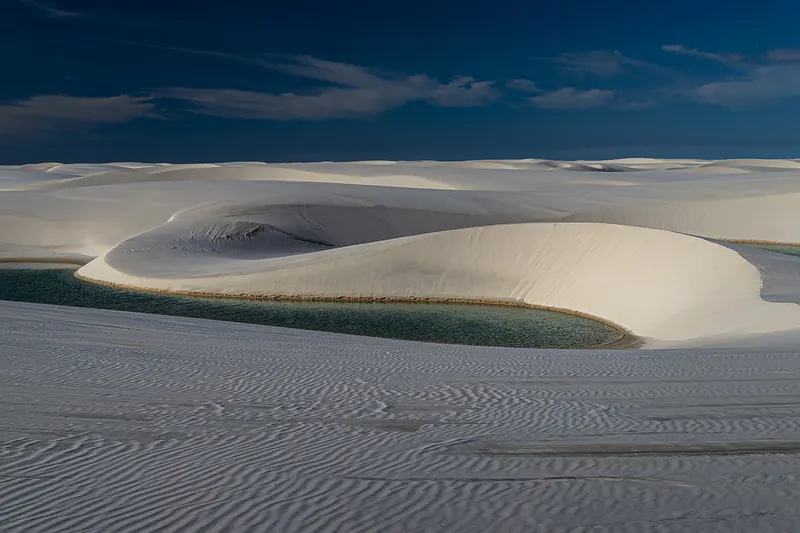
A national park of about 1,500 square kilometres of dunes and seasonal lagoons on Brazil's north coast, explored from Barreirinhas and Santo Amaro by 4x4, boat and on foot.

Don't miss Wading through a warm, clear lagoon between dunes at sunset, with not another person in sight.

Explore Destination — Lençóis Maranhenses
UNESCO SiteHistoric Site

Ouro Preto and Minas Gerais

Minas Gerais, south-east Brazil

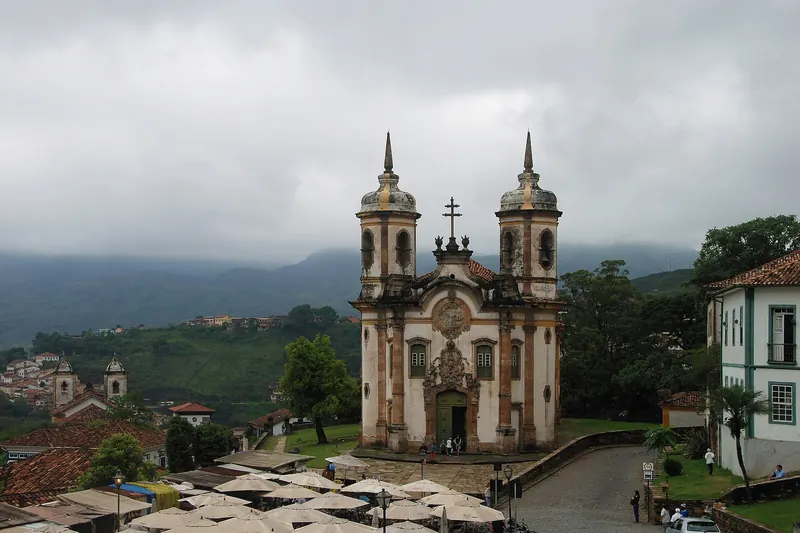
One of Brazil's first UNESCO sites: a colonial mining town with baroque churches, museums, cobbled hills and mineiro food, with historic Mariana and other colonial towns nearby.

Don't miss The interior of the Church of São Francisco de Assis, with its ceiling by Ataíde and sculptures by Aleijadinho.

Explore Destination — Ouro Preto and Minas Gerais

Back to the Brazil country page

FAQ

Planning a trip to Brazil

Can I see Rio and the Amazon in one trip?

Yes, with a flight. Rio to Manaus takes about four hours. Ten days is the minimum for Rio, Iguazu and the Amazon, and two weeks is more comfortable.

Do I need to speak Portuguese?

Not strictly. English is common in hotels and tourist areas, but a few phrases of Portuguese help everywhere, and Spanish is not a substitute.

Is it better to travel independently or on a tour?

Independent travel works in cities and along the coast. Tours are more practical for the Amazon, the Pantanal and Fernando de Noronha, where logistics are complicated.

When should I book?

Flights and hotels for Carnival, New Year and July should be booked three to six months ahead. Wildlife lodges in the Pantanal fill early in the dry season.

Advertisement