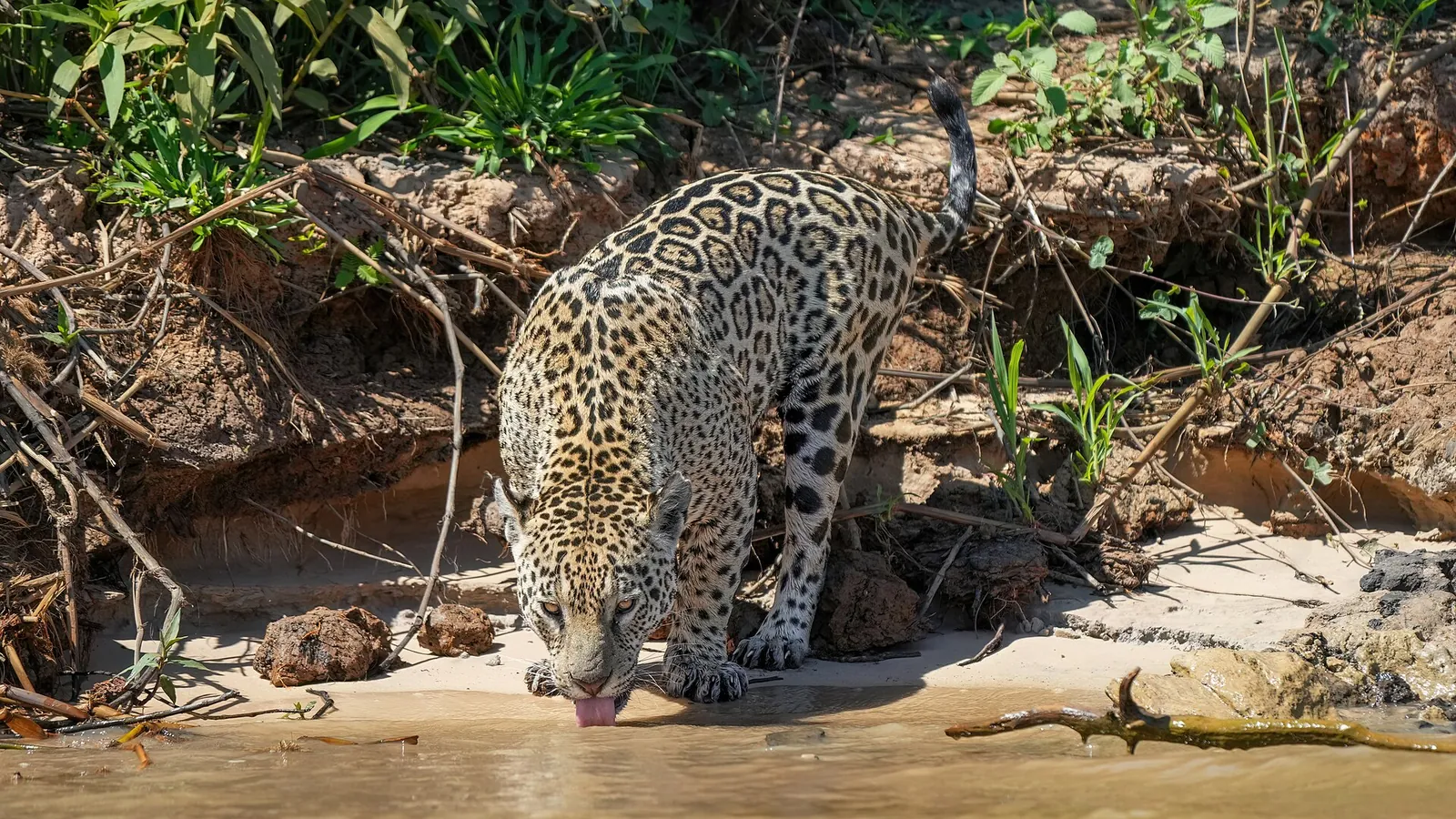
A jaguar drinking at the edge of a river in the northern Pantanal

Mato Grosso and Mato Grosso do Sul, central-west Brazil · Brazil

The Pantanal

The largest tropical wetland on earth: a vast, open floodplain of rivers, lagoons and ranches, where jaguars, giant otters, caimans and hyacinth macaws are easy to see.

  • Best time June–October
  • Stay 4–5 days
  • Good for Wildlife, birdwatching, photography, quiet nature

Photo: Giles Laurent · CC BY-SA 4.0

Welcome to the Pantanal

The Pantanal is the world's largest tropical wetland, a floodplain of about 150,000 square kilometres at the heart of South America, mostly in Brazil, and stretching into Bolivia and Paraguay. Each year, the rivers that drain the surrounding highlands overflow and cover much of the plain, and then recede, creating a mosaic of lagoons, forest islands and grassland. UNESCO listed parts of the Pantanal as a World Heritage Site in 2000.

Its wildlife is astonishing, and much easier to see than in the Amazon because the landscape is open. The Pantanal holds the world's densest population of jaguars, particularly around Porto Jofre in the north, where boats regularly find them on the riverbank, as well as giant otters, capybaras, tapirs, anacondas, huge numbers of yacaré caiman and more than 650 species of bird, including the jabiru stork, the symbol of the region, and the hyacinth macaw, the world's largest parrot.

Most visitors stay at fazendas, working cattle ranches that have converted part of their land to lodges, or at simple pousadas along the Transpantaneira, a dirt road with more than 100 wooden bridges. Fires in 2020 and later damaged large areas, and the landscape is fragile, but wildlife is still abundant, and tourism helps to support conservation.

  • Nature & Wildlife
  • UNESCO Site
  • National Park
  • Off the Beaten Path

Why visit

Why visit the Pantanal?

The Pantanal is the best place in the Americas to see large wildlife easily, and the best place in the world to see wild jaguars.

  • Jaguars

    Boat trips at Porto Jofre offer some of the highest chances of seeing jaguars anywhere.

  • Open-country wildlife

    Caimans, capybaras, giant otters, tapirs and hundreds of birds are visible from vehicles and boats.

  • Ranch culture

    Stay on a fazenda and see pantaneiro cowboys at work.

  • Big skies and quiet

    Wide horizons, sunsets and few other visitors.

  • Conservation success

    Tourism has helped protect wildlife and support local communities.

Main attractions

Top things to see in the Pantanal

The Pantanal has two main areas, the north around Cuiabá and the south around Campo Grande, each with different styles of visit.

  1. Porto Jofre and the Cuiabá River

    The centre of jaguar tourism in the north Pantanal, at the end of the Transpantaneira road, where boats travel the rivers and lagoons looking for the big cats.

    Tip Book several boat outings to improve your chances.

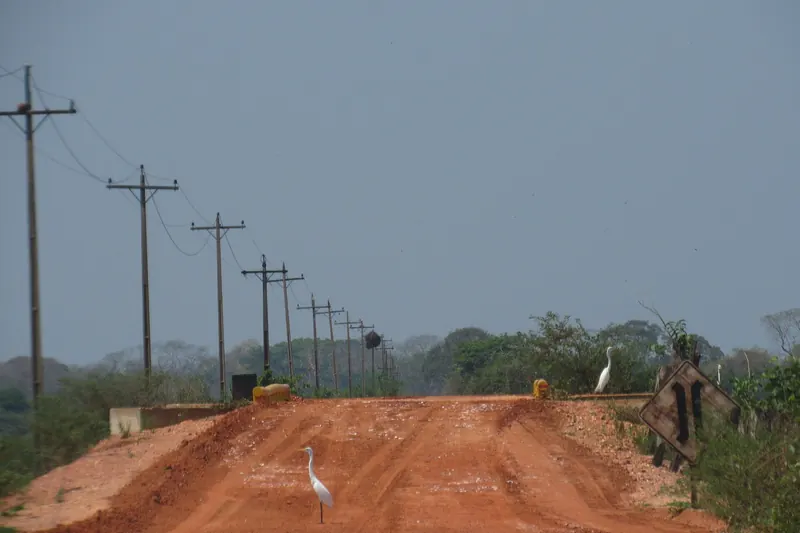
  2. A dirt road with wooden bridges crossing the Transpantaneira in the Pantanal

    The Transpantaneira

    A 145-km dirt road from Poconé to Porto Jofre, crossing about 120 wooden bridges, with caimans and birds visible from the road.

    Tip Go slowly, and stop often.

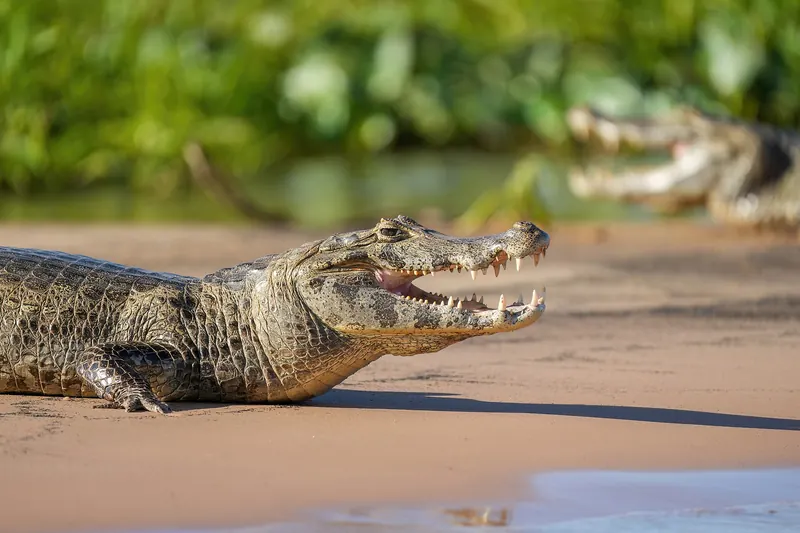
  3. A yacaré caiman sunbathing on the bank of a river in the Pantanal

    Caimans and capybaras

    Thousands of yacaré caimans sunbathe on riverbanks and in shallow lagoons, and capybaras graze in groups.

    Tip Keep a safe distance.

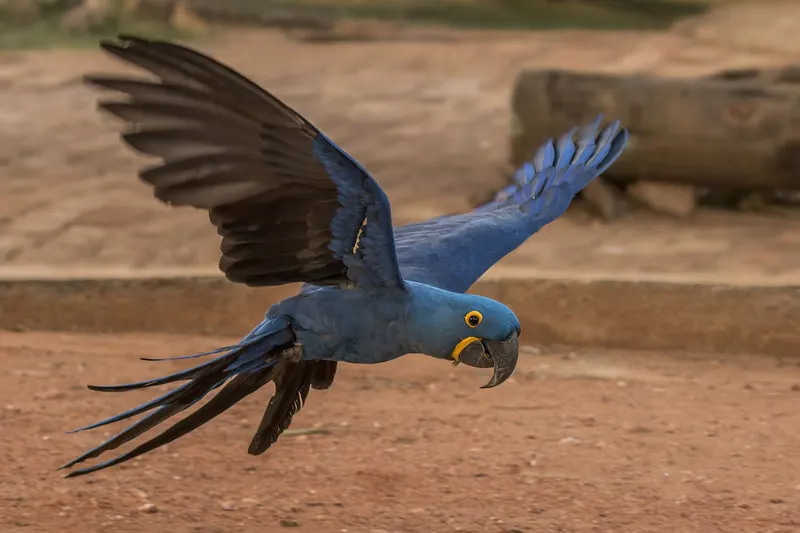
  4. A hyacinth macaw with bright blue feathers in flight

    Hyacinth macaws

    The world's largest flying parrot, an intense cobalt blue, is often seen in palm groves and on ranches.

    Tip Listen for their loud calls.

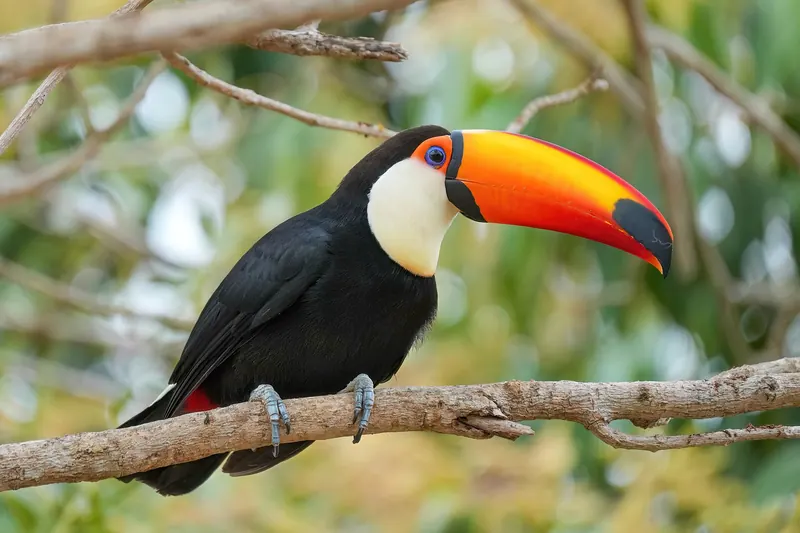
  5. A toco toucan with a large orange bill perched on a branch

    Toucans and other birds

    Toco toucans, jabiru storks, roseate spoonbills, kingfishers and hundreds of other species live here.

    Tip Bring binoculars.

  6. Bonito

    A town in the south, with crystal-clear rivers, caves and snorkelling, often combined with the Pantanal.

    Tip Book snorkelling trips in advance.

Things to do

Best things to do in the Pantanal

Most activities are guided, with boat, vehicle and horseback safaris.

  1. Look for jaguars by boat

    Small boats travel the rivers at dawn and dusk, when jaguars are most active.

    Tip Book from July to October.

  2. Go on a safari drive

    Open vehicles travel dirt roads through ranch land, spotting wildlife.

    Tip Go early or late.

  3. Ride a horse

    Horseback trips with pantaneiro cowboys are a traditional way to explore.

    Tip Choose a suitable horse.

  4. Take a night safari

    Spot owls, tapirs, ocelots and caiman by torchlight.

    Tip Bring warm layers.

  5. Watch birds from a tower

    Ranch lodges have towers and hides for birdwatching.

    Tip Go at sunrise.

  6. Go piranha fishing

    A traditional activity from the riverbank.

    Tip Release what you do not eat.

Local food

What to eat in the Pantanal

Pantaneiro food is ranch food: beef, river fish, rice and manioc, cooked simply.

  • Pacu and pintado

    River fish, grilled or stewed.

    Where to try it Ranch lodges.

  • Carne seca

    Sun-dried beef, stewed with manioc.

    Where to try it Pantaneiro restaurants.

  • Arroz carreteiro

    A one-pot dish of rice and dried beef, cooked by cowboys.

    Where to try it Ranches.

  • Tereré

    Cold yerba mate, drunk from a shared cup.

    Where to try it Everywhere.

  • Tropical fruit

    Fresh fruit from the ranch gardens.

    Where to try it Lodges.

Accommodation

Where to stay in the Pantanal

Stay in ranch lodges (fazendas and pousadas), often with all meals and activities included.

  • Transpantaneira lodges

    Lodges along the dirt road, with wildlife at the door.

    Best for: Wildlife by road

  • Porto Jofre

    Lodges and floating hotels near the river.

    Best for: Jaguars

  • Southern Pantanal fazendas

    Historic ranches near Miranda and Campo Grande.

    Best for: Ranch life and horse riding

What a night costs

Basic pousada
US$60–120 per night
Mid-range lodge
US$150–300 per night, full board
Luxury lodge
US$400–700 per night, with activities
Jaguar boat trip
US$150–350 per person per day

Transport

Getting to and around the Pantanal

The Pantanal is in the centre of South America, and lodges arrange transfers.

Getting there

  • Flight to Cuiabá (CGB)

    Direct flights from São Paulo, Brasília and Rio. The Transpantaneira starts about 100 km south.

    Lodges arrange transfers.

  • Flight to Campo Grande (CGR)

    For the southern Pantanal and Bonito.

    A car is useful.

  • Road

    Buses and cars reach Poconé from Cuiabá.

    Roads can be dusty or muddy.

Getting around

Movement is by 4WD, boat and on horseback, usually arranged by the lodge.

  • 4WD vehicles

    Dirt roads and tracks.

    Drive slowly.

  • Boat

    Rivers and lagoons.

    Life jackets are provided.

  • Horse

    Ranch trails.

    Book at the lodge.

When to go

Best time to visit the Pantanal

The Pantanal has a wet season from November to March, when it floods, and a dry season from May to October, when animals gather around water.

  • Dry season (June–September)

    Best time

    Wildlife is concentrated and easy to see, with mild days.

  • Late dry (October)

    Good

    Very hot, with jaguar activity at a peak but fire risk.

  • Wet season (November–March)

    Quiet

    Rain, floods and mosquitoes, but green landscapes and birds.

  • Early dry (April–May)

    Good

    The waters recede, with good birding.

Worth planning around: The peak of the wet season, when many roads are impassable, and severe fire periods.

Itinerary

Five days in the Pantanal

Wildlife by road, river and horse.

  1. Day1

    Arrive in Cuiabá

    Head south.

    • Morning Fly into Cuiabá.
    • Afternoon Drive to Poconé and the Transpantaneira.
    • Evening Check into a lodge.
  2. Day2

    Along the Transpantaneira

    Wildlife by road.

    • Morning A wildlife walk.
    • Afternoon A safari drive.
    • Evening A night safari.
  3. Day3

    To Porto Jofre

    Jaguar country.

    • Morning Drive to Porto Jofre.
    • Afternoon A first boat trip.
    • Evening Dinner at the lodge.
  4. Day4

    Jaguar day

    On the river.

    • Morning A boat trip for jaguars.
    • Afternoon A second boat trip.
    • Evening Stargazing.
  5. Day5

    Return

    Back to Cuiabá.

    • Morning Drive back.
    • Afternoon Fly home.
    • Evening Depart.

Travel tips

The Pantanal travel tips

A few tips help you make the most of the Pantanal.

  • Go in the dry season, from June to October.
  • Book jaguar trips many months ahead.
  • Choose lodges with good guides and a conservation record.
  • Bring binoculars, a camera with a long lens, and neutral clothing.
  • Use repellent and cover up in the evenings.
  • Do not feed animals or approach jaguars too closely.
  • Check vaccination and health advice.

FAQ

The Pantanal: frequently asked questions

How many days do you need in the Pantanal?

Four to five days, with several boat trips for jaguars.

Can I see jaguars for sure?

Not guaranteed, but sightings at Porto Jofre are frequent in the dry season.

What is the best time to visit?

June to October.

Is the Pantanal better than the Amazon for wildlife?

For seeing large animals, yes, because the landscape is open. The Amazon is better for forest ecosystems and river life.

Do I need vaccinations?

Yellow fever vaccination is recommended. Check with a travel clinic.

North or south Pantanal?

The north for jaguars and the Transpantaneira, and the south for ranch stays and Bonito.

Read next

Related travel articles

Where to go

Beyond the Big Names: Places Worth the Detour

The most visited place in a country is rarely its best, and it is almost never its best value. This is a method for finding the destinations that do not make the postcards — and a set of examples from five of the 50 countries on this site.

Practical

Packing by Season and Trip Type

Most packing advice is a list of things. This is the opposite: the small number of decisions that determine whether your luggage helps or hinders, organised by the kind of trip you are actually taking.

Advertisement